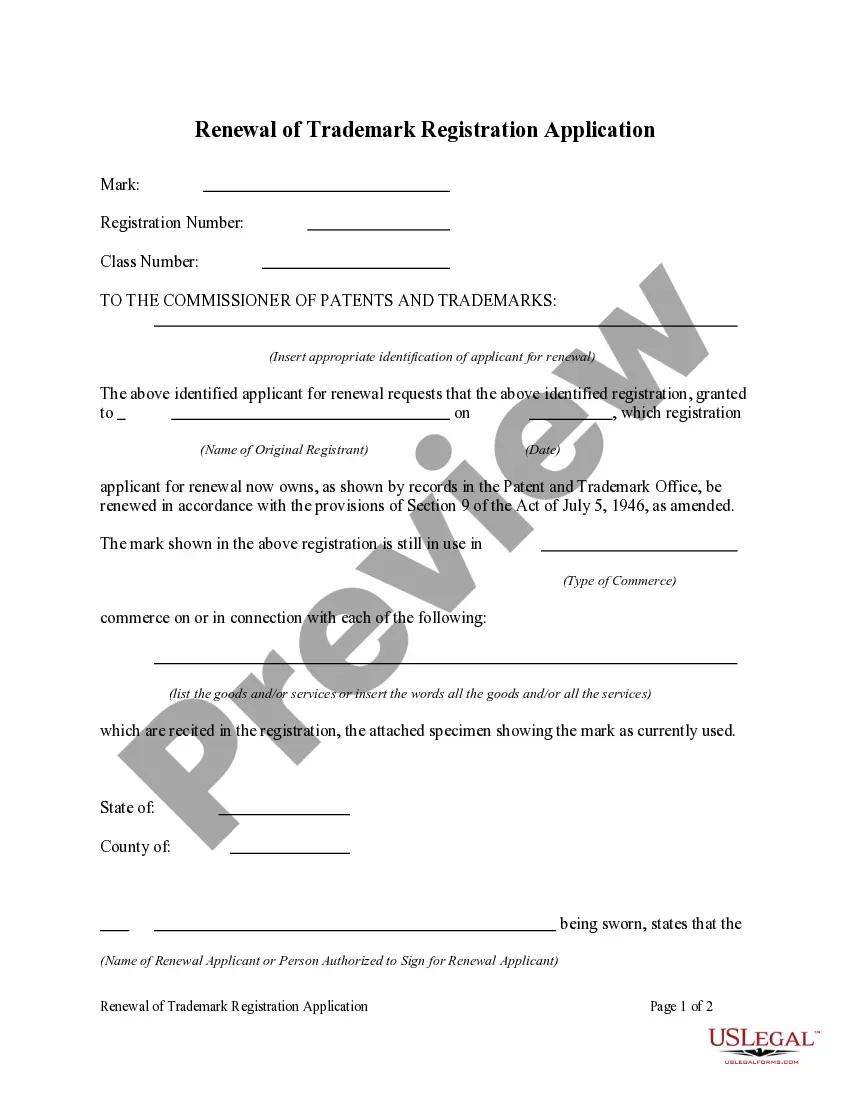
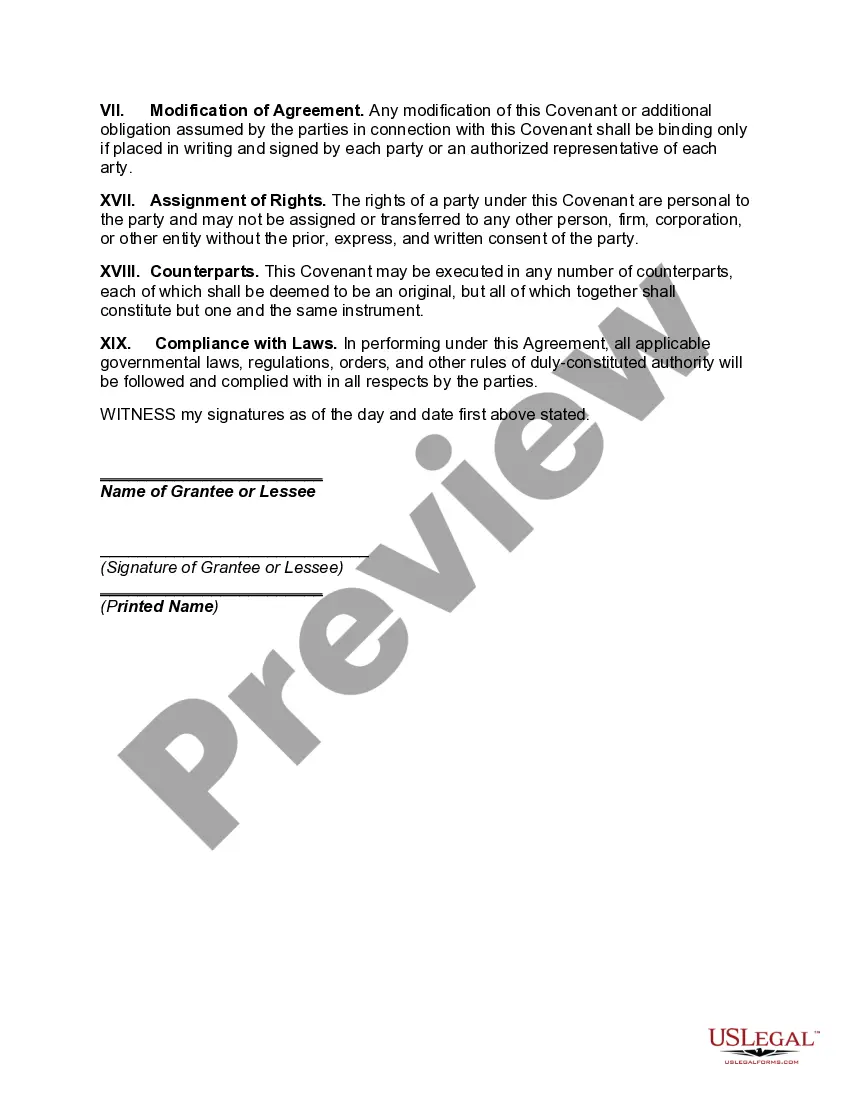
Indiana Covenant Not to Commit Waste
Description

Get your form ready online
Our built-in tools help you complete, sign, share, and store your documents in one place.
Make edits, fill in missing information, and update formatting in US Legal Forms—just like you would in MS Word.
Download a copy, print it, send it by email, or mail it via USPS—whatever works best for your next step.
Sign and collect signatures with our SignNow integration. Send to multiple recipients, set reminders, and more. Go Premium to unlock E-Sign.
If this form requires notarization, complete it online through a secure video call—no need to meet a notary in person or wait for an appointment.
We protect your documents and personal data by following strict security and privacy standards.

Make edits, fill in missing information, and update formatting in US Legal Forms—just like you would in MS Word.

Download a copy, print it, send it by email, or mail it via USPS—whatever works best for your next step.

Sign and collect signatures with our SignNow integration. Send to multiple recipients, set reminders, and more. Go Premium to unlock E-Sign.

If this form requires notarization, complete it online through a secure video call—no need to meet a notary in person or wait for an appointment.

We protect your documents and personal data by following strict security and privacy standards.
Looking for another form?




How to fill out Covenant Not To Commit Waste?
Selecting the optimal legal document template can present a challenge.
Undoubtedly, there exists a range of templates accessible online, but how can you acquire the legal document you require.
Utilize the US Legal Forms website.
If you are a new user of US Legal Forms, here are simple instructions for you to follow: First, ensure that you have selected the appropriate template for your city/county. You can review the form using the Review option and examine the form details to verify it is suitable for your needs. If the form does not meet your requirements, use the Search field to find the correct template. When you are confident that the form is appropriate, click the Purchase now option to obtain the document. Choose the pricing plan you want and enter the necessary information. Create your account and complete your order using your PayPal account or credit card. Select the file format and download the legal document template for your records. Complete, modify, print, and sign the received Indiana Covenant Not to Commit Waste. US Legal Forms is the largest library of legal templates where you can find a variety of document templates. Utilize the service to download professionally crafted documents that comply with state requirements.
- The service offers thousands of templates, including the Indiana Covenant Not to Commit Waste.
- These can be employed for business and personal requirements.
- All templates are reviewed by experts and adhere to state and federal regulations.
- If you are already registered, Log Into your account and click the Download button to obtain the Indiana Covenant Not to Commit Waste.
- Use your account to view the legal documents you have obtained previously.
- Navigate to the My documents tab in your account to get another copy of the document you need.
Form popularity
FAQ
If the landlord attempts to remove the tenant through any other way, such as changing the locks at the rental unit or shutting off the utilities, the tenant can sue the landlord for damages. This type of action is referred to as a self-help eviction, and Indiana law makes it illegal for a landlord to do (see Ind.
It is illegal for your landlord to turn off the electricity and lock you out. I was retrenched because of the Covid-19 pandemic.
Can I sue my landlord for pain and suffering? As part of a personal injury claim, you could be compensated for any pain or suffering you were caused to experience as a result of your landlord's failings. This includes physical and psychiatric harm, as well as financial losses.
Safe, Clean and Habitable 041e According to Indiana law, the landlord must comply with all building and health codes and provide a safe and clean dwelling. The rental unit must be cleaned, with toilets, furnaces and windows working. Locks must be on every outside door or doors that lead to a common area.
Landlords Must Not Just Let Themselves Into The Property You might own the land, but you cannot walk into a filled property whenever you like. If the tenants aren't at home, a landlord must agree a time they can enter the property with the incumbent person. Likewise, you cannot demand entry at any point.
The established case law is that only in the most exceptional cases will keep open covenants be enforced by specific performance. Instead, the more usual approach is to refuse specific performance and compensate the landlord in damages.
There is no rule in our law which grants a landlord the authority to cut the electricity supply of his tenant should that tenant be in arrears with his electricity charges.
No, not unless your landlord has a court order allowing him to shut off your utilities, or you have abandoned your home. (However, the landlord may be able to shut off your utilities if there is an emergency, to make repairs, or for necessary construction).
You have the right to access your rental home at all times. It is illegal for a landlord to deny you access to your rented property by means of changing locks, barring windows or removing doors. The only way a landlord may deny you entry to your rental property is through a court order.