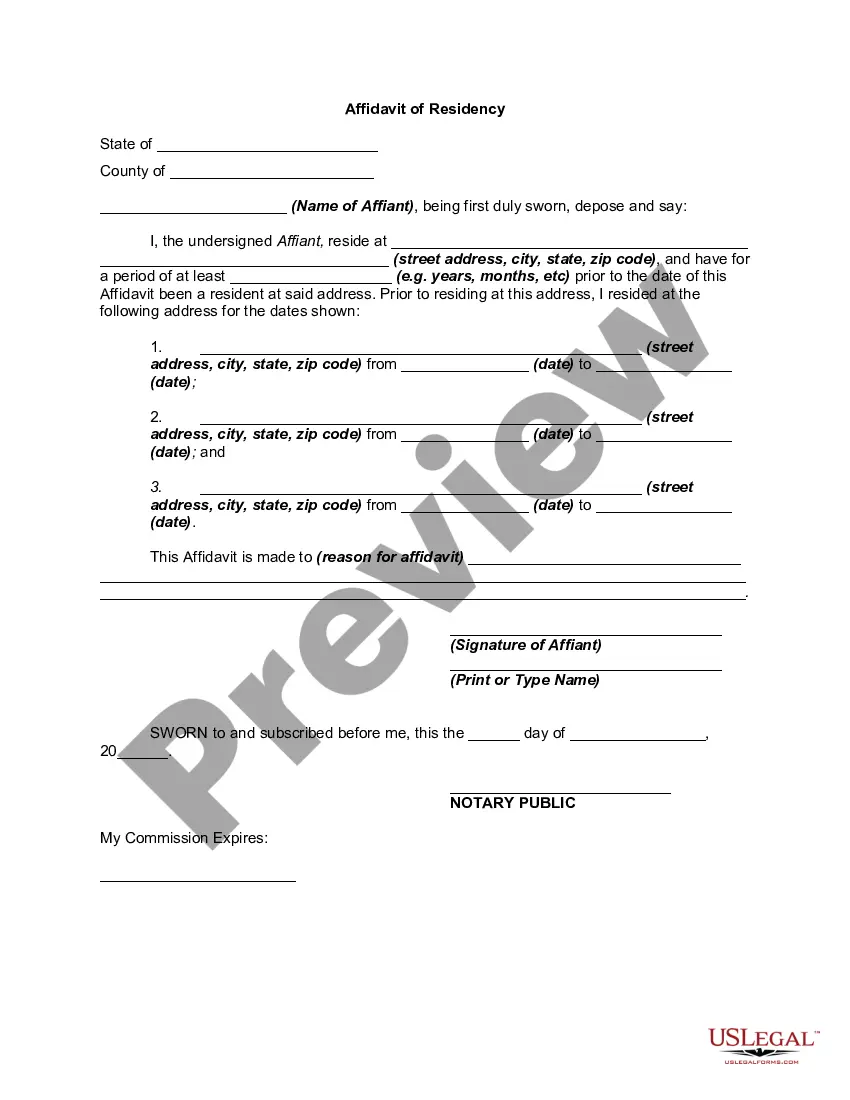
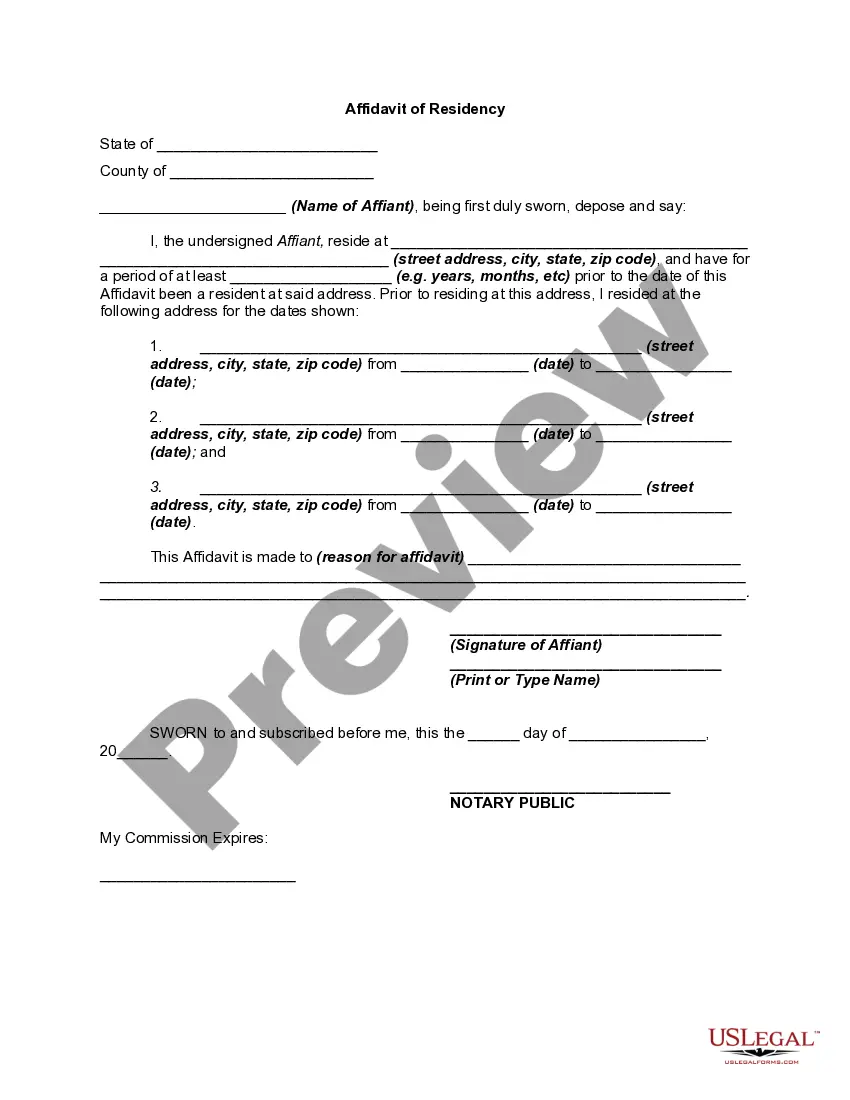
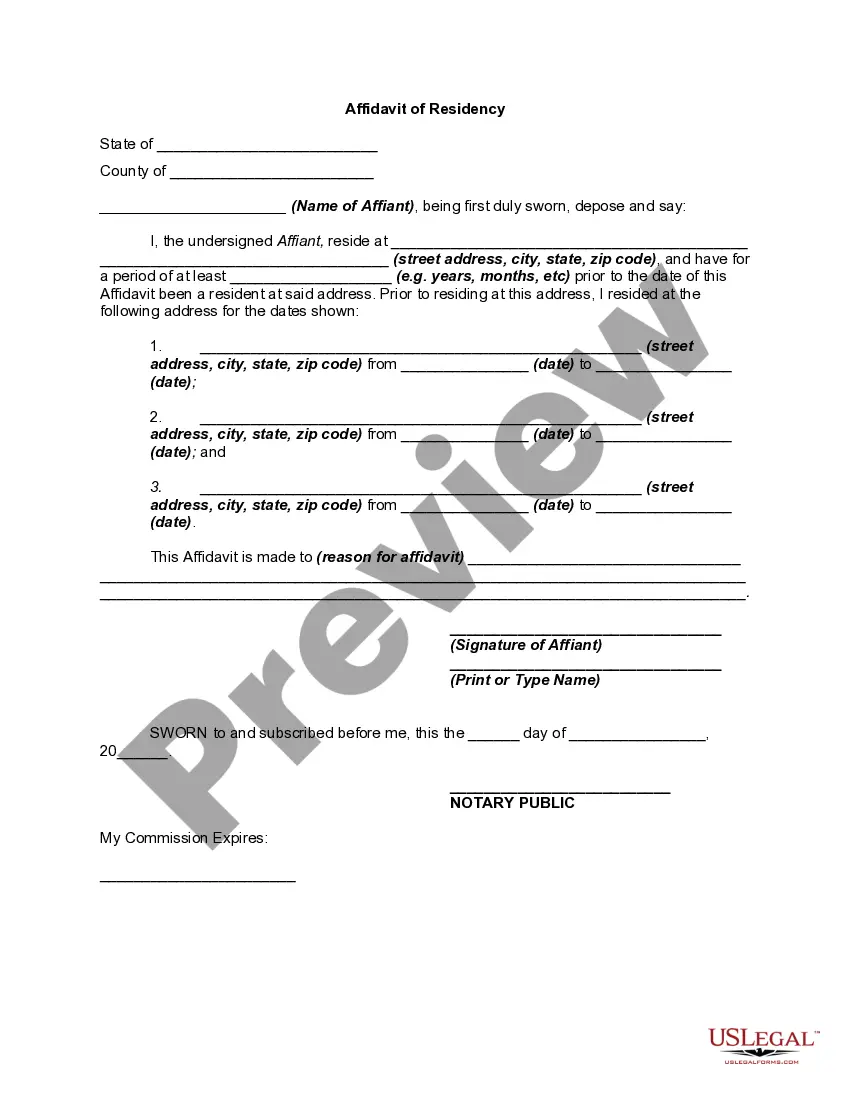
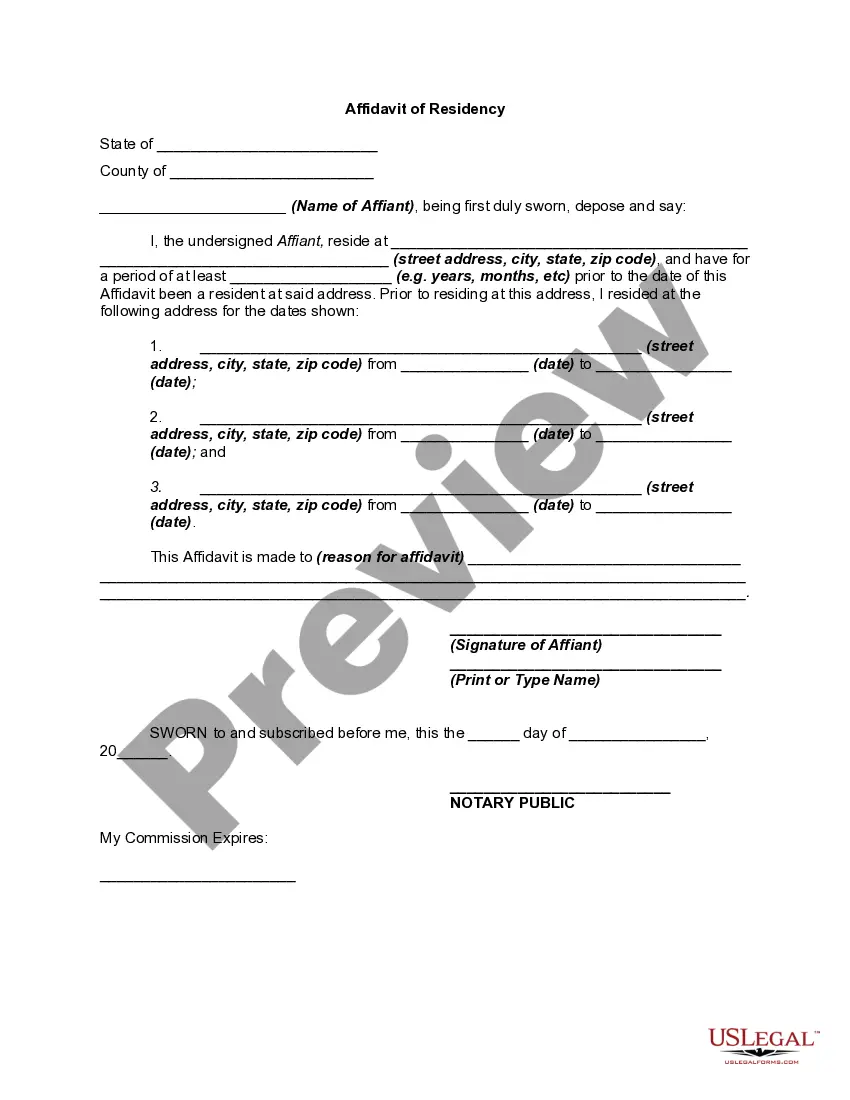
Indiana Proof of Residency for School Enrollment
Description
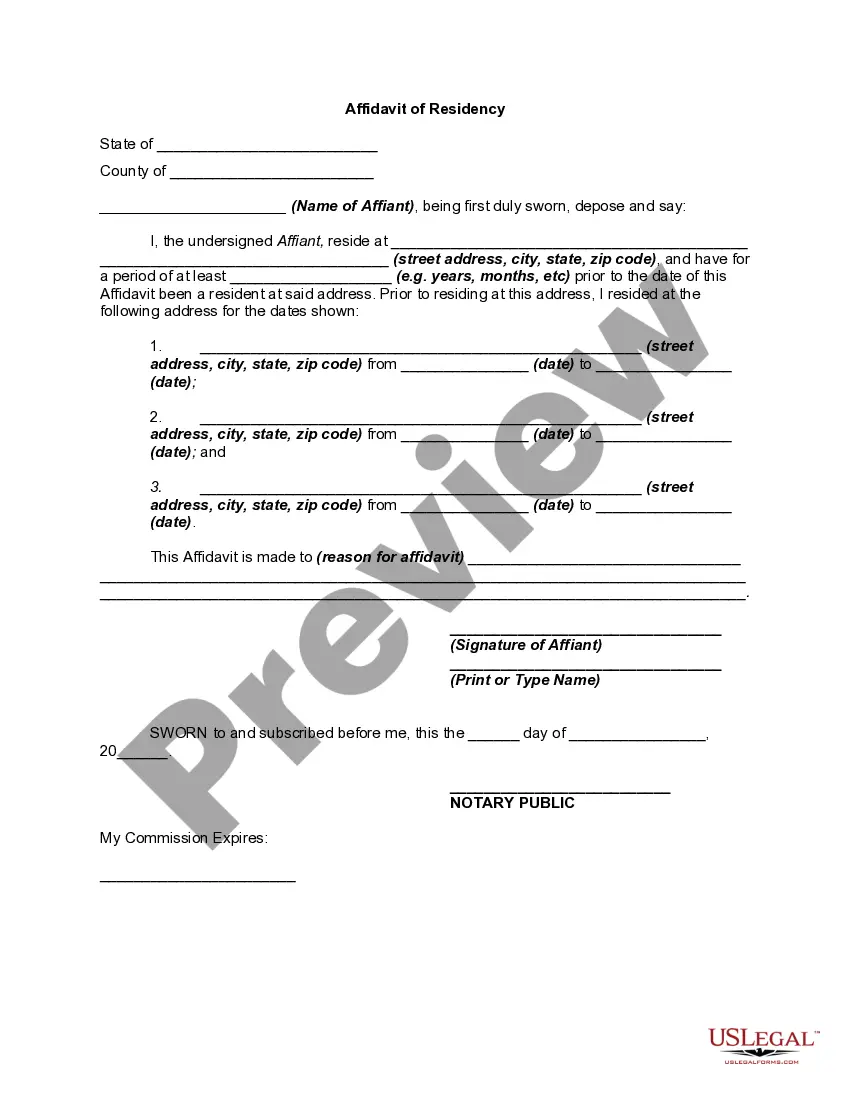
Get your form ready online
Our built-in tools help you complete, sign, share, and store your documents in one place.
Make edits, fill in missing information, and update formatting in US Legal Forms—just like you would in MS Word.
Download a copy, print it, send it by email, or mail it via USPS—whatever works best for your next step.
Sign and collect signatures with our SignNow integration. Send to multiple recipients, set reminders, and more. Go Premium to unlock E-Sign.
If this form requires notarization, complete it online through a secure video call—no need to meet a notary in person or wait for an appointment.
We protect your documents and personal data by following strict security and privacy standards.

Make edits, fill in missing information, and update formatting in US Legal Forms—just like you would in MS Word.

Download a copy, print it, send it by email, or mail it via USPS—whatever works best for your next step.

Sign and collect signatures with our SignNow integration. Send to multiple recipients, set reminders, and more. Go Premium to unlock E-Sign.

If this form requires notarization, complete it online through a secure video call—no need to meet a notary in person or wait for an appointment.

We protect your documents and personal data by following strict security and privacy standards.
Looking for another form?
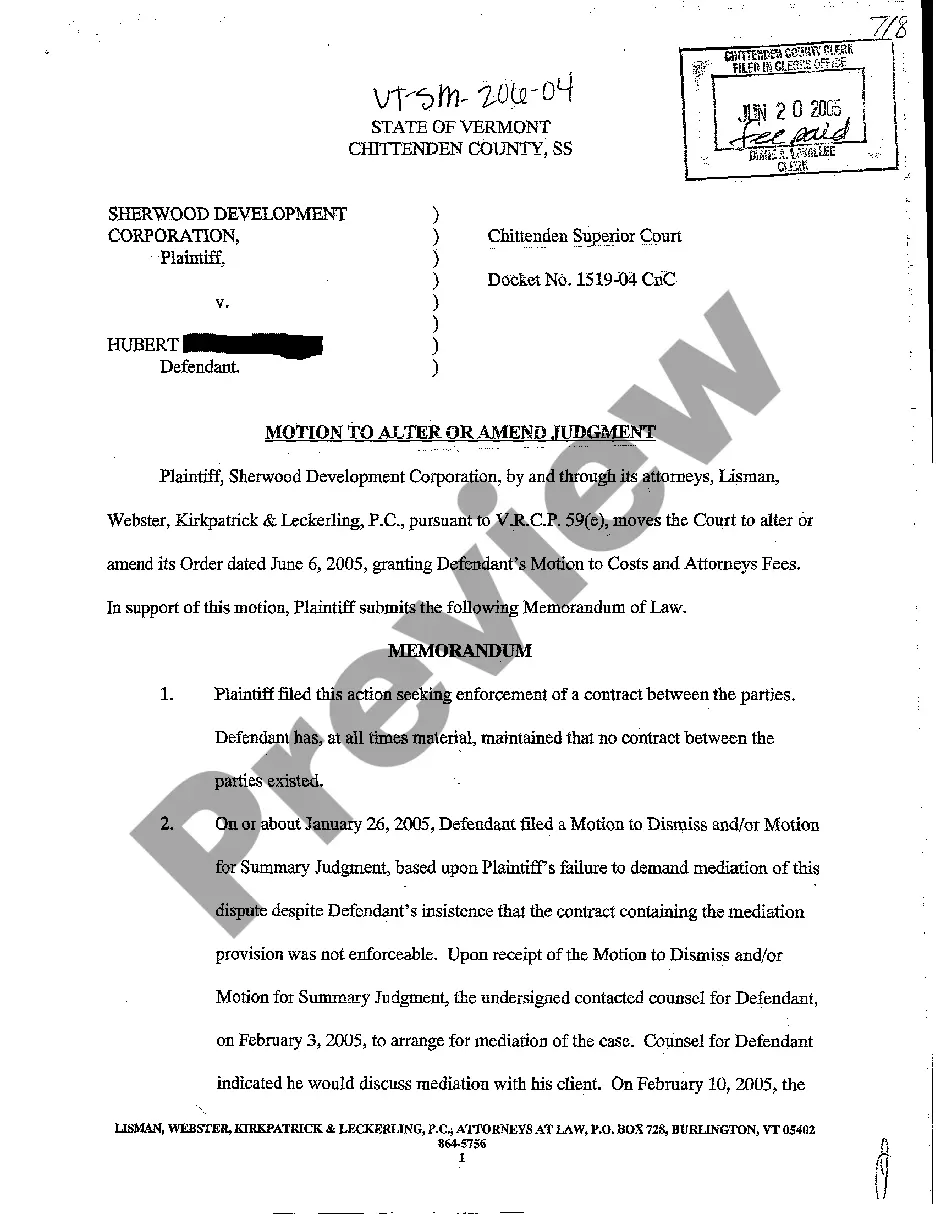

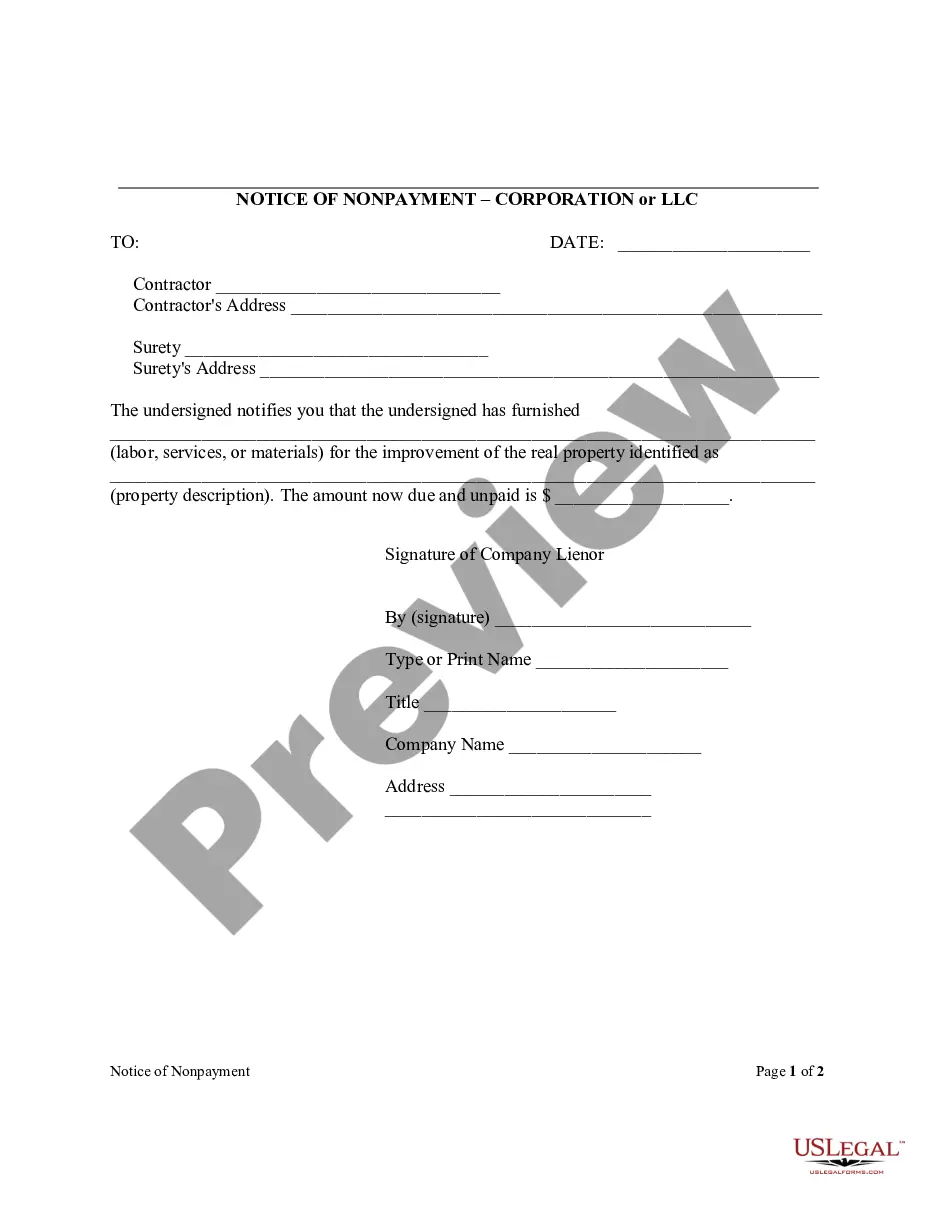


How to fill out Proof Of Residency For School Enrollment?
If you need to finalize, acquire, or print legal document templates, utilize US Legal Forms, the largest assortment of legal forms available online. Take advantage of the site’s user-friendly search feature to locate the documents you need.
A selection of templates for business and personal purposes are categorized by type and state, or keywords. Use US Legal Forms to find the Indiana Proof of Residency for School Enrollment in just a few clicks.
If you are currently a US Legal Forms user, Log In to your account and then click the Acquire button to obtain the Indiana Proof of Residency for School Enrollment. You can also access forms you previously downloaded in the My documents tab of your account.
Every legal document template you purchase is yours forever. You will have access to every form you downloaded through your account. Visit the My documents section and select a form to print or download again.
Stay proactive and obtain and print the Indiana Proof of Residency for School Enrollment with US Legal Forms. There are countless professional and state-specific forms available for your business or personal requirements.
- Step 1. Ensure you have selected the form for the correct city/state.
- Step 2. Use the Preview option to review the form’s details. Remember to read through the summary.
- Step 3. If you are not satisfied with the form, utilize the Search area at the top of the screen to find alternative versions of the legal form template.
- Step 4. Once you have identified the form you need, click on the Get now button. Choose the pricing plan you prefer and enter your information to register for an account.
- Step 5. Process the purchase. You can use your Visa or MasterCard or PayPal account to complete the transaction.
- Step 6. Select the format of the legal form and download it to your device.
- Step 7. Complete, modify, and print or sign the Indiana Proof of Residency for School Enrollment.
Form popularity
FAQ
A child is required to attend school beginning with the school year in which the child becomes 7 years of age (I.C. 20-33-2-6). A child who will attend a nonaccredited, nonpublic school is required to attend school no later than the date on which the child becomes 7 years of age (I.C. 20-33-2-8).
The most common documents (must be printed) proving your Indiana residency include: Computer-generated bill from a utility company, credit card company, doctor, or hospital, issued within 60 days of the date you visit a BMV branch, and containing your name and address of residence.
Required Enrollment Documentation Proof of the child's age. ... Immunizations required by law. ... Proof of residency. ... Parent Registration Statement. ... Home Language Survey.
General purposes: Residency is established by registering to vote, enrolling a child in school, paying taxes, or living in the state for 183 days without a residence in another state. New residents of Indiana have 60 days to get an Indiana driver's license.
Factors to Consider Where does the person live most the year? Where does the person work, maintain bank accounts, pay taxes, and vote? Which state is his or her driver's license from? Which state does the person consider ?home??
You can be a resident of two states at the same time, usually by maintaining a domicile in one state and spending 183 days or more in another. It is not advisable, as you will be liable to file income taxes in both states, rather than in only one.
No. Persons who are in Indiana for the predominant purpose of education do not become eligible for Resident status for tuition and fees on the basis of paying taxes to the state.
To be considered a resident of Indiana, you must be domiciled in the state on or before December 31st of the year preceding application for an award and be continuously domiciled in the state thereafter.