Indiana Judgment
Description
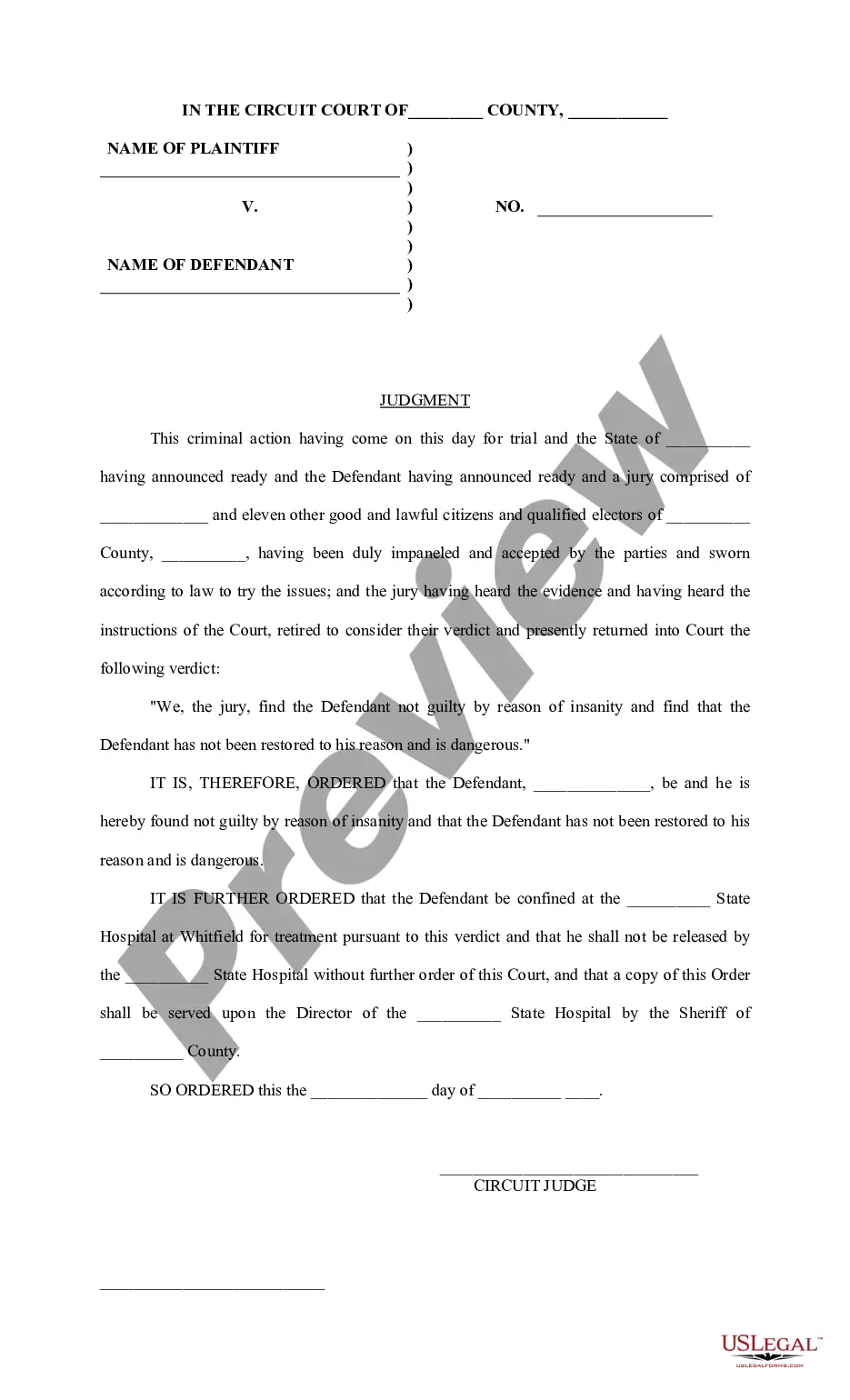

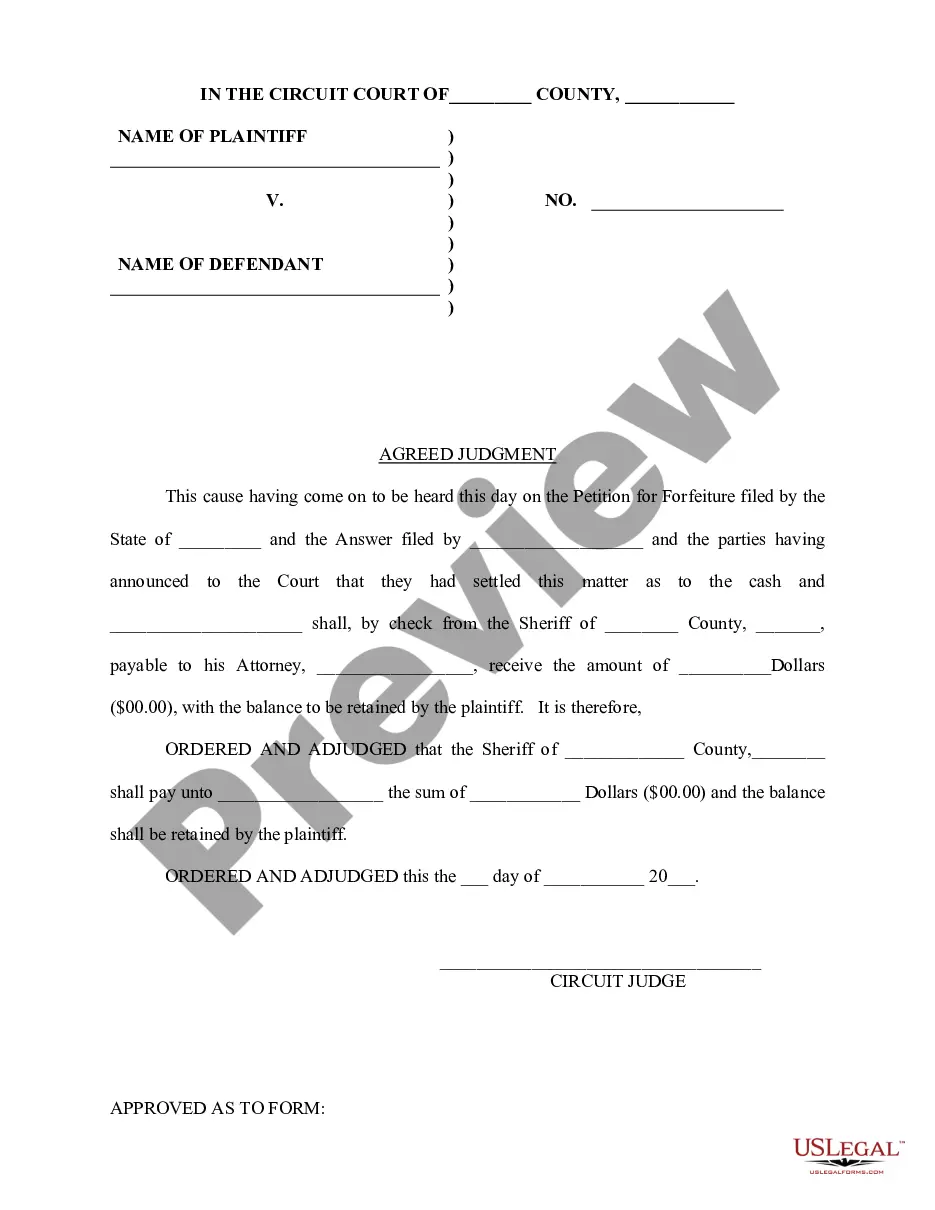
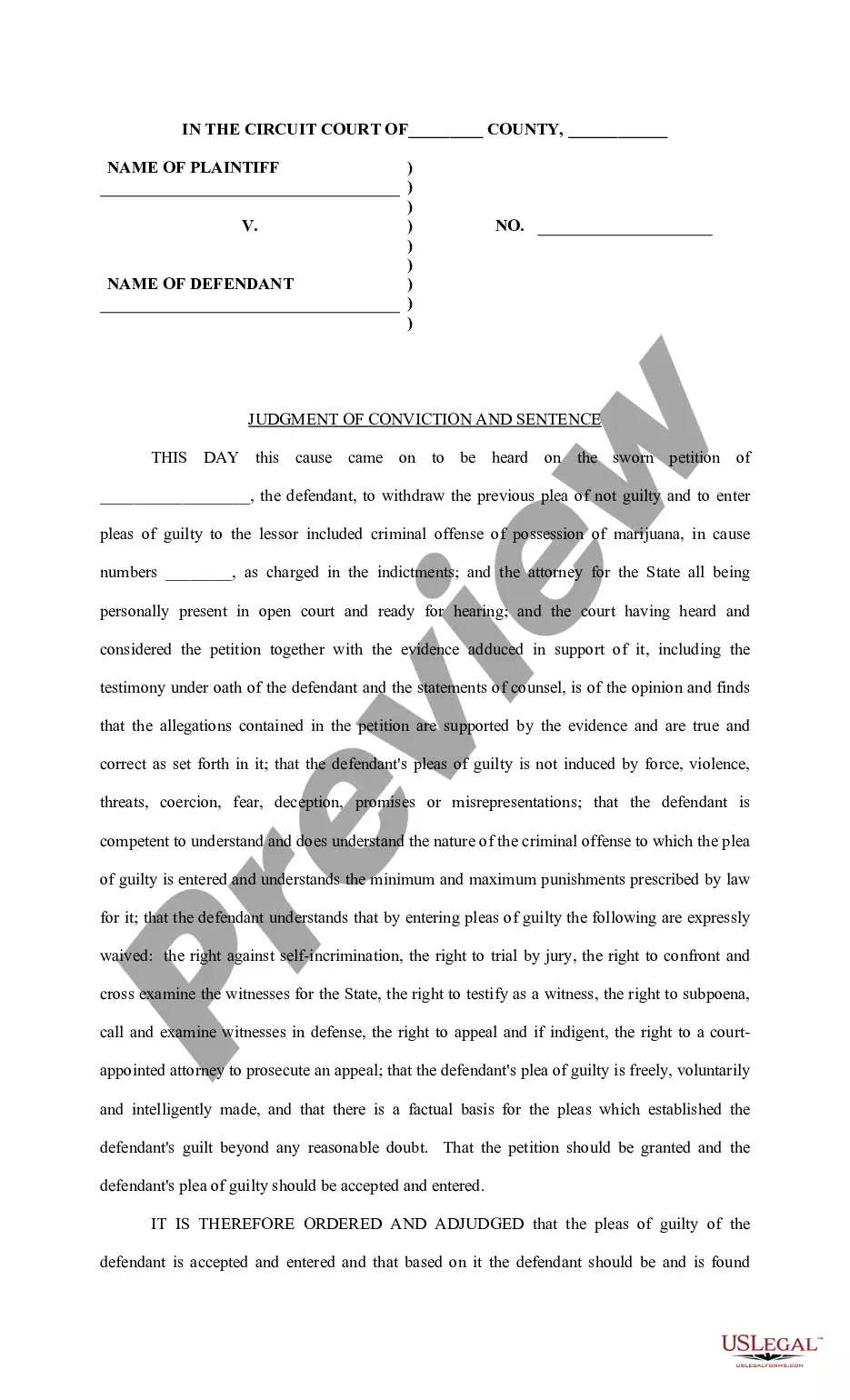
Get your form ready online
Our built-in tools help you complete, sign, share, and store your documents in one place.
Make edits, fill in missing information, and update formatting in US Legal Forms—just like you would in MS Word.
Download a copy, print it, send it by email, or mail it via USPS—whatever works best for your next step.
Sign and collect signatures with our SignNow integration. Send to multiple recipients, set reminders, and more. Go Premium to unlock E-Sign.
If this form requires notarization, complete it online through a secure video call—no need to meet a notary in person or wait for an appointment.
We protect your documents and personal data by following strict security and privacy standards.

Make edits, fill in missing information, and update formatting in US Legal Forms—just like you would in MS Word.

Download a copy, print it, send it by email, or mail it via USPS—whatever works best for your next step.

Sign and collect signatures with our SignNow integration. Send to multiple recipients, set reminders, and more. Go Premium to unlock E-Sign.

If this form requires notarization, complete it online through a secure video call—no need to meet a notary in person or wait for an appointment.

We protect your documents and personal data by following strict security and privacy standards.
Looking for another form?
How to fill out Judgment?
Have you encountered a circumstance where you require documentation that certain companies or individuals utilize almost every time.
There are numerous authentic template files available online, but finding reliable ones isn't straightforward.
US Legal Forms offers a vast array of form templates, including the Indiana Judgment, designed to meet state and federal requirements.
Once you find the right form, click Buy now.
Choose the pricing plan you prefer, enter the necessary information to create your account, and complete the purchase using your PayPal or credit card.
- If you are already familiar with the US Legal Forms website and possess your account, simply Log In.
- Then, you can download the Indiana Judgment template.
- If you don't have an account and want to start using US Legal Forms, follow these steps.
- Obtain the form you need and ensure it is for the correct region/area.
- Utilize the Review feature to examine the form.
- Check the details to make sure you have selected the right form.
- If the form isn't what you are looking for, use the Lookup field to find the form that meets your needs and criteria.
Form popularity
FAQ
? Violation of Court Orders: Most often, debtors are arrested and taken to jail as a result of neglecting to make court-order payments. If a court orders you to do something, and you fail to do it, you can be held in contempt of court.
The Court entered a judgment against you. When a judgment does not get paid, the Plaintiff is allowed to ask the Court to require the Defendant to come to a hearing so the Plaintiff can find out if the Defendant has any income or property which the Court can require the Defendant to use to pay towards the judgment.
If the court rules in their favor, the creditor can file a judgment lien against you, which means that the court has permitted them to forcefully collect that debt from you. This allows them to take possession of your real estate holdings, personal property, or business.
In Indiana, judgment liens last for 10 years. If a creditor gets a judgment lien against you, they automatically get a lien against any real estate you own in the county where they filed the lawsuit.
Every judgment and decree of any court of record of the United States, of Indiana, or of any other state shall be considered satisfied after the expiration of twenty (20) years.
Many courts post that information online. You can search court cases by case, name, or attorney at mycase.IN.gov. To see which courts post case information online, visit the Indiana Judicial Branch website.
Indiana Wage Garnishments This process occurs when your employer is ordered to take a portion of your income and submit it to the court which will ultimately be then paid over to the creditor. This most likely will occur in a subsequent hearing called a proceeding supplemental.
After the judgment is obtained, the creditor can enforce the lien right for the first ten years by attempting to foreclose on any real property or personal property the judgment debtor owns.