Uniquely packaged forms and information for Chapter 7 or 13 bankruptcies, including detailed instructions and other resources. Click and view the Free Preview for the latest revision dates and a complete overview of contents.
Chapter 7 Bankruptcy Indiana Forms
Instant download
Description
Free preview
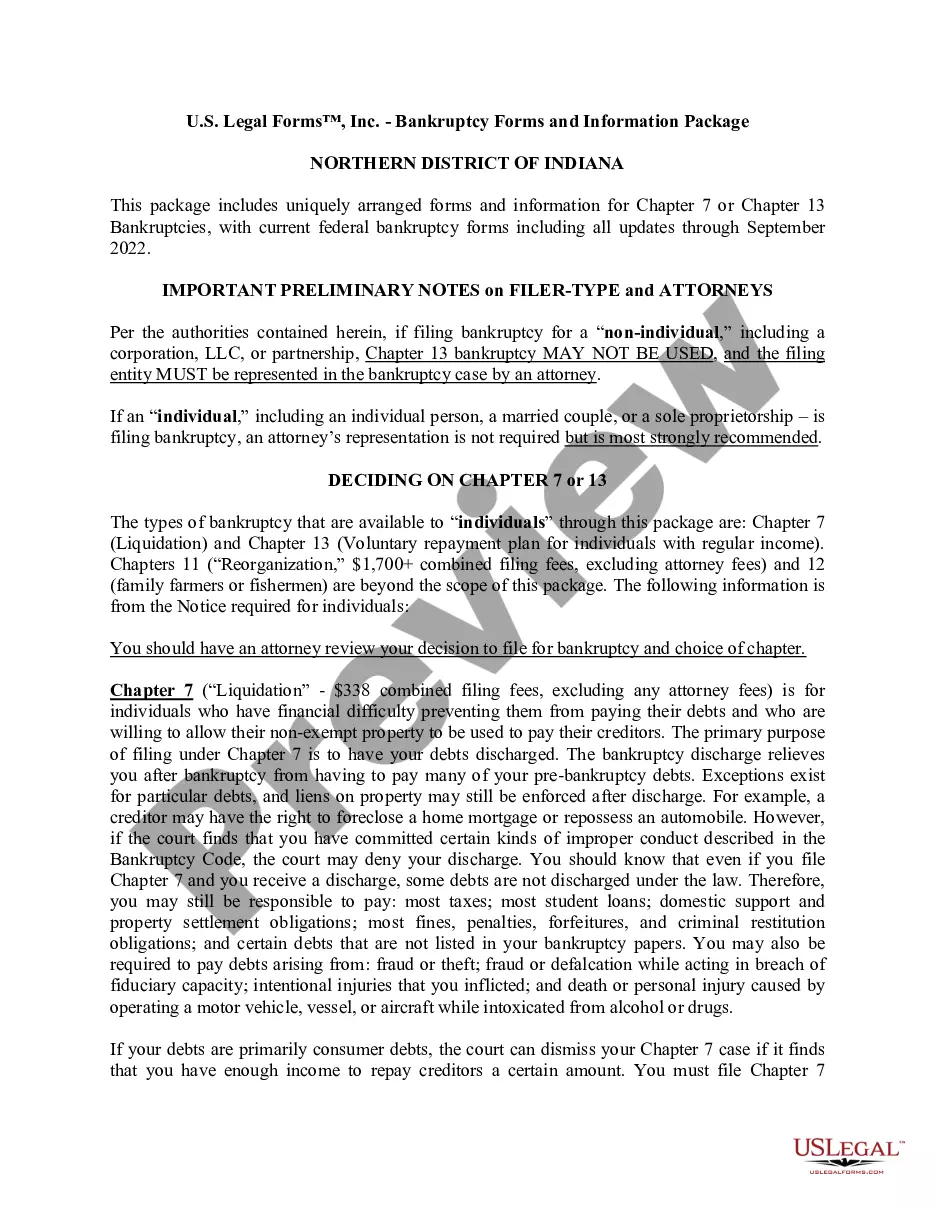
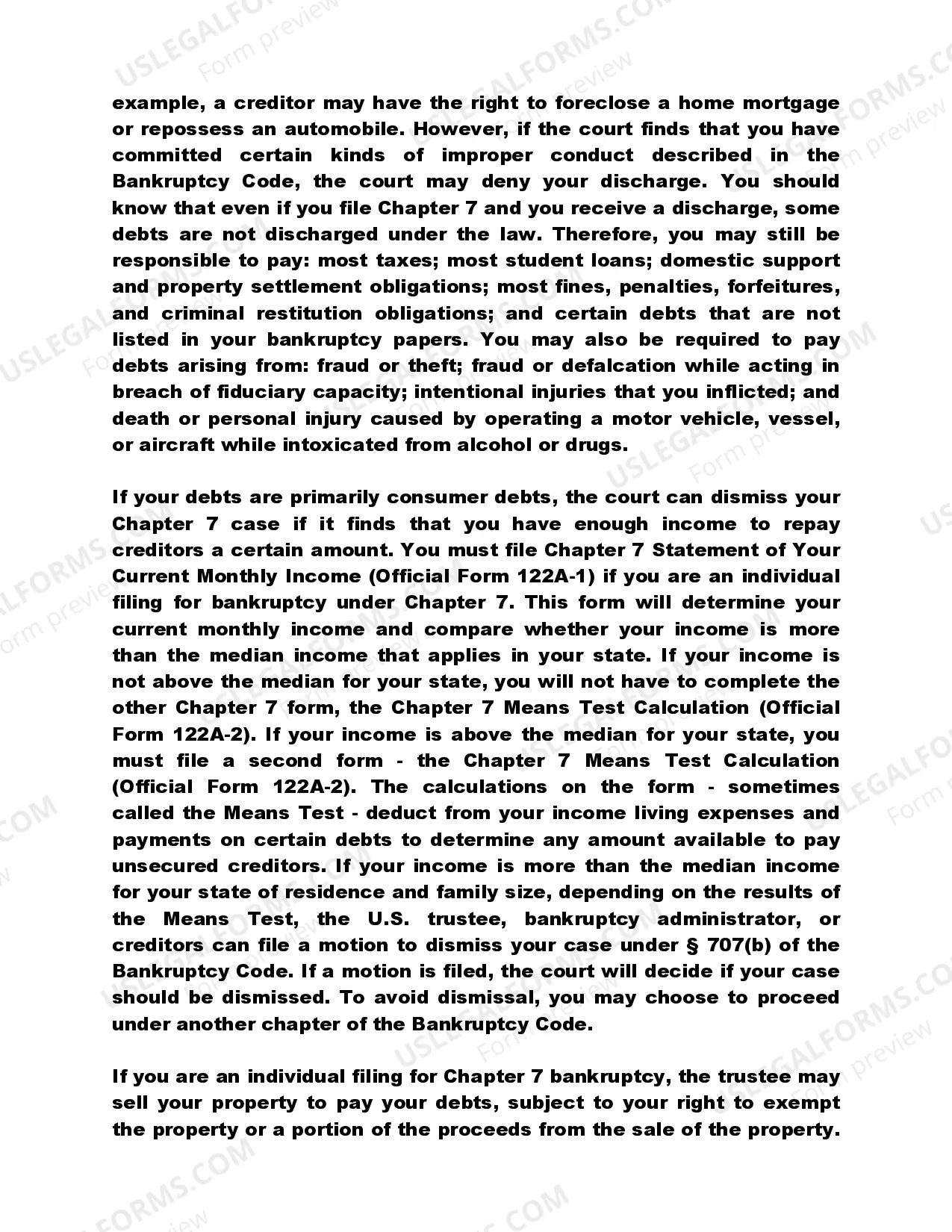
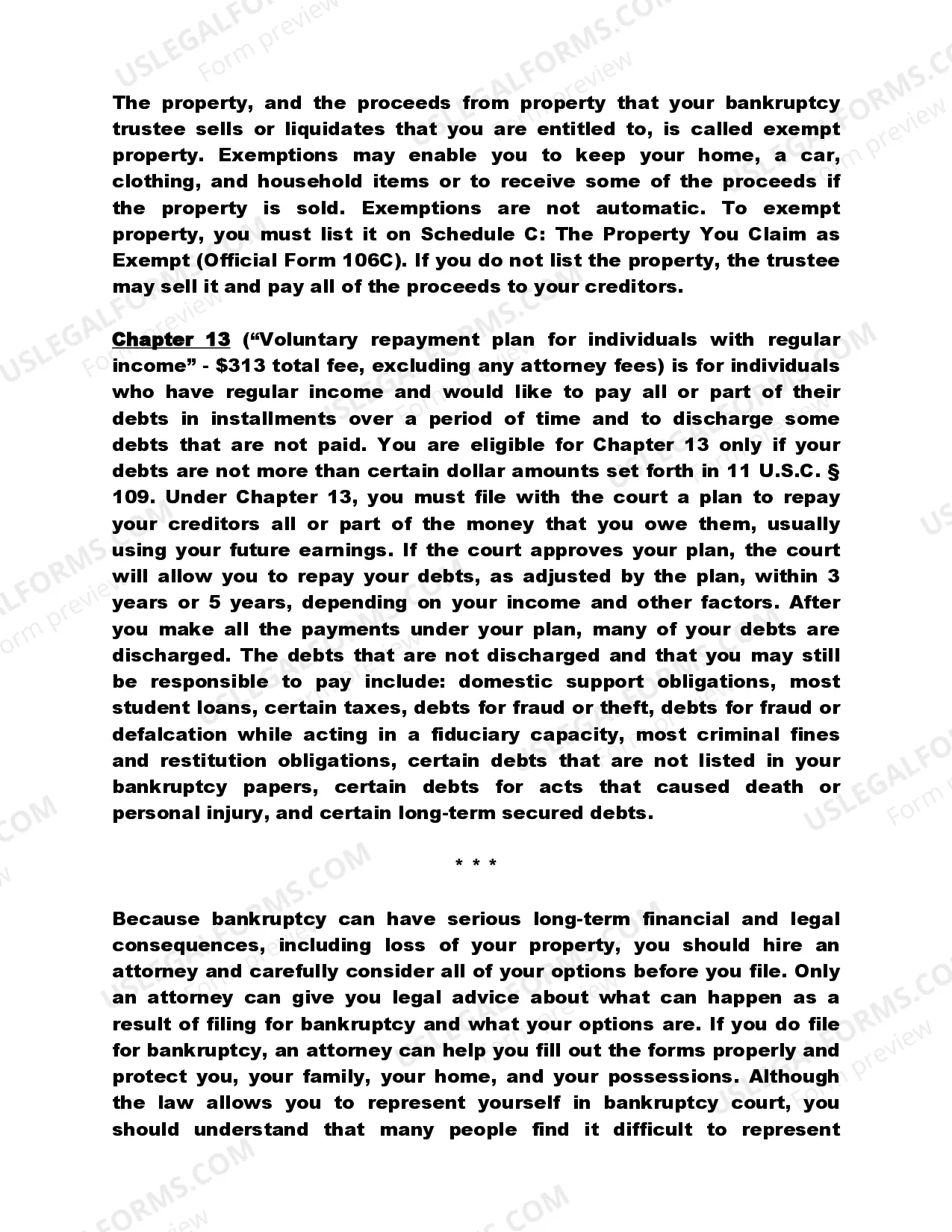
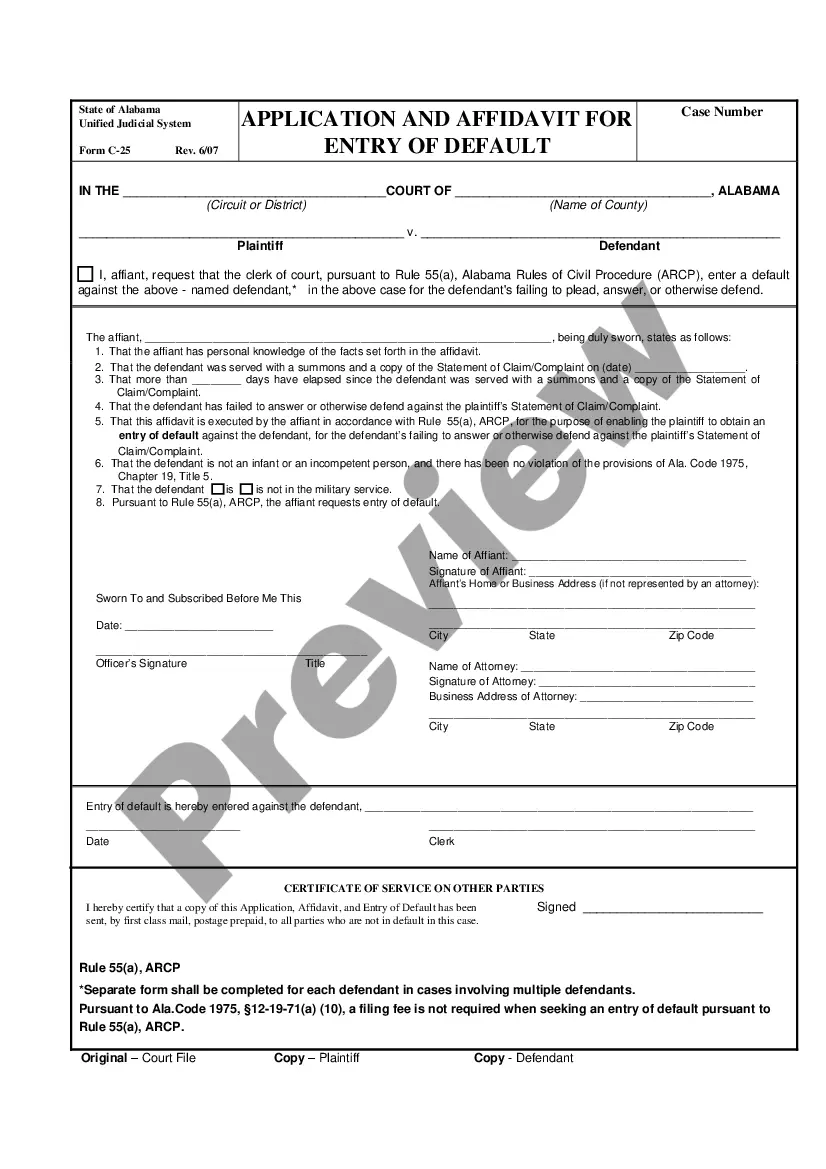
How to fill out Indiana Northern District Bankruptcy Guide And Forms Package For Chapters 7 Or 13?
Searching for Indiana Northern District Bankruptcy Guide and Forms Package for Chapters 7 or 13 forms and filling out them could be a problem. In order to save time, costs and effort, use US Legal Forms and find the appropriate example specially for your state within a couple of clicks. Our lawyers draw up all documents, so you just need to fill them out. It really is so simple.
Log in to your account and return to the form's web page and download the sample. All of your downloaded examples are stored in My Forms and they are available at all times for further use later. If you haven’t subscribed yet, you should register.
Take a look at our thorough recommendations on how to get your Indiana Northern District Bankruptcy Guide and Forms Package for Chapters 7 or 13 template in a few minutes:
- To get an eligible sample, check its applicability for your state.
- Take a look at the example utilizing the Preview option (if it’s accessible).
- If there's a description, read through it to know the important points.
- Click on Buy Now button if you identified what you're trying to find.
- Choose your plan on the pricing page and create an account.
- Choose you want to pay out by a card or by PayPal.
- Download the file in the preferred file format.
You can print out the Indiana Northern District Bankruptcy Guide and Forms Package for Chapters 7 or 13 form or fill it out using any web-based editor. No need to worry about making typos because your sample may be employed and sent, and printed out as many times as you would like. Try out US Legal Forms and access to above 85,000 state-specific legal and tax files.