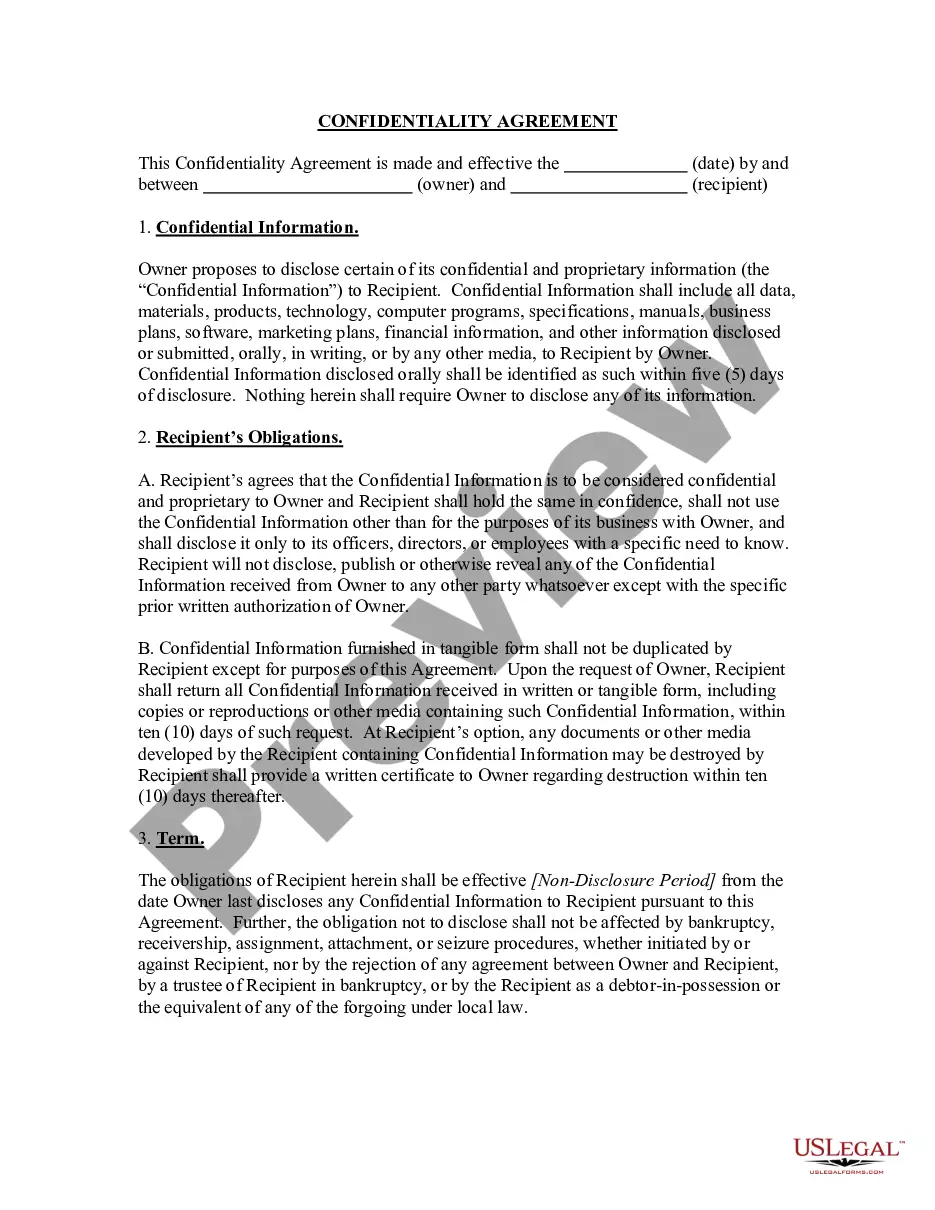
Illinois Pay in Lieu of Notice Guidelines
Description
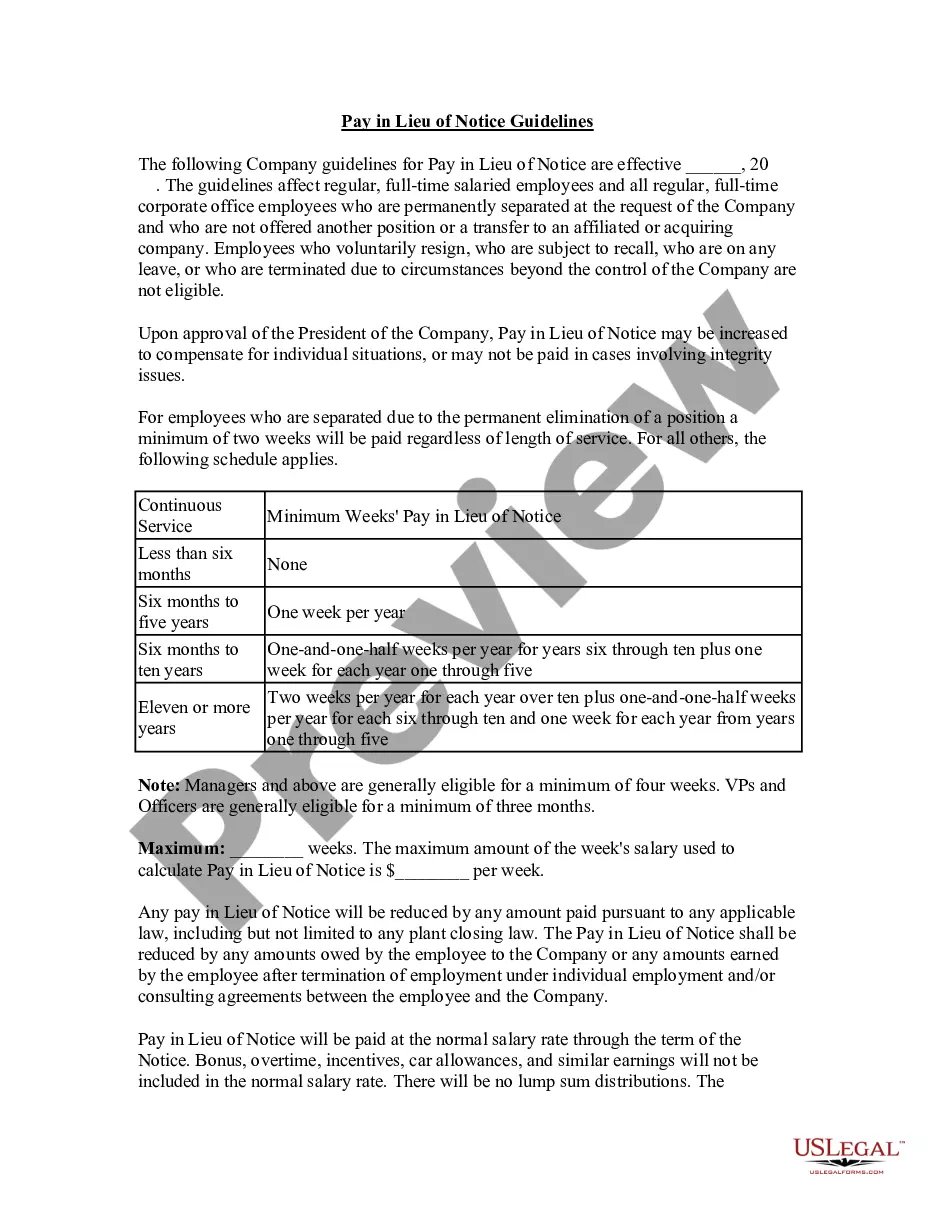
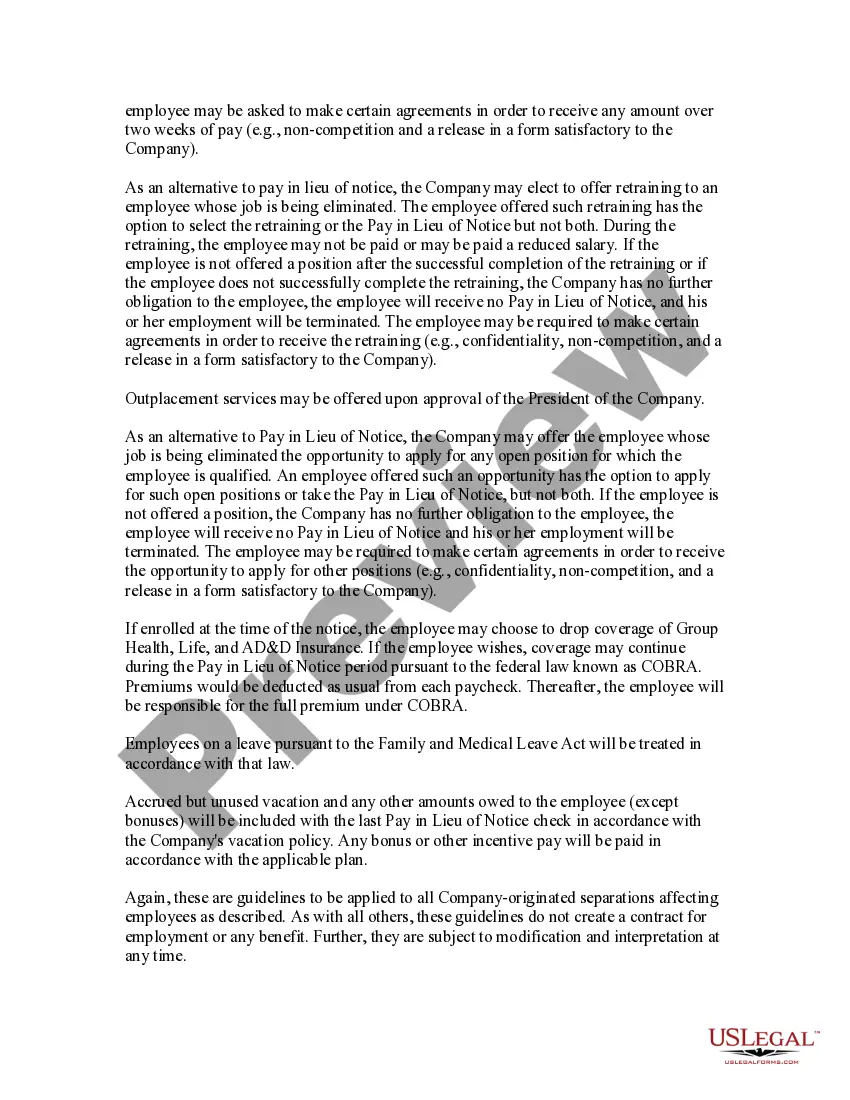
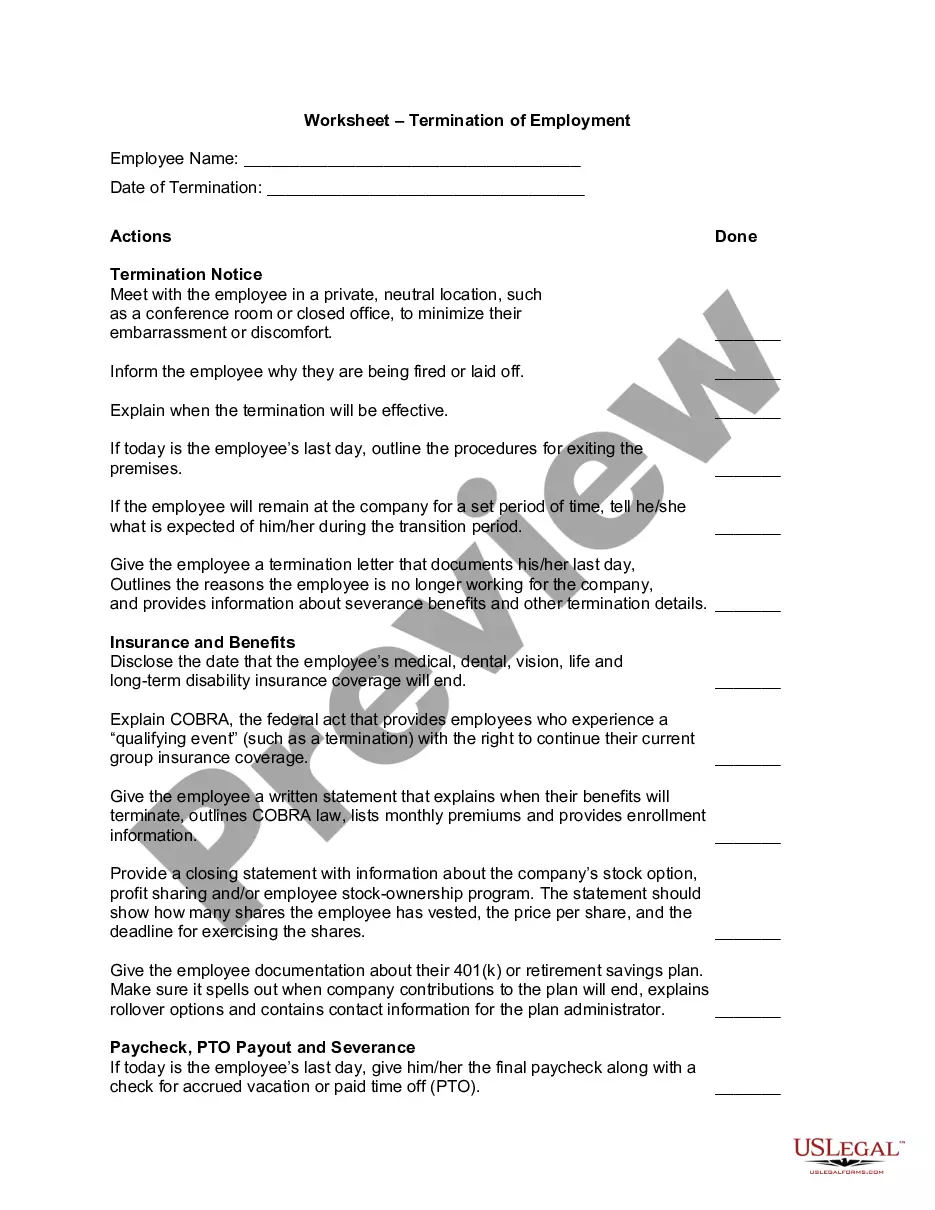
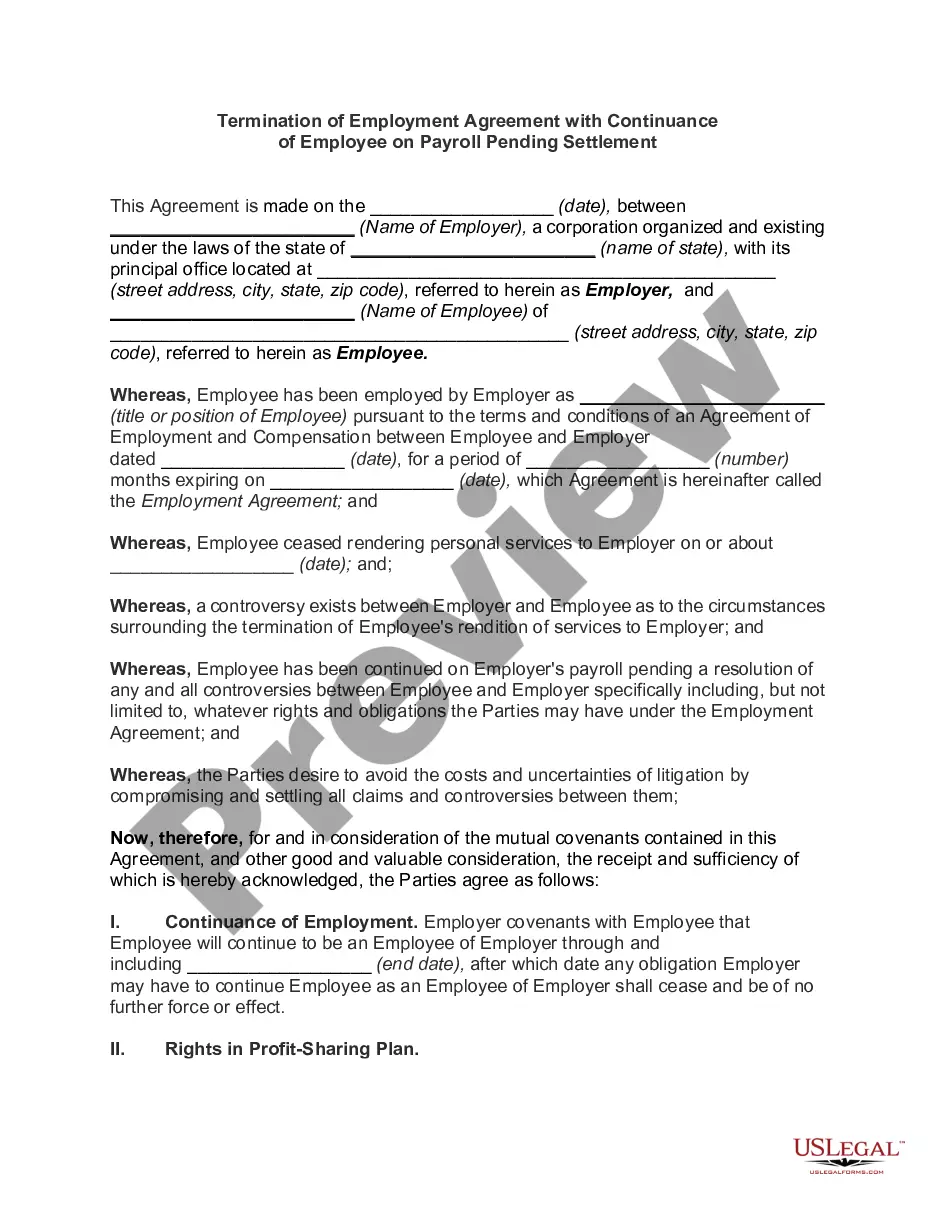
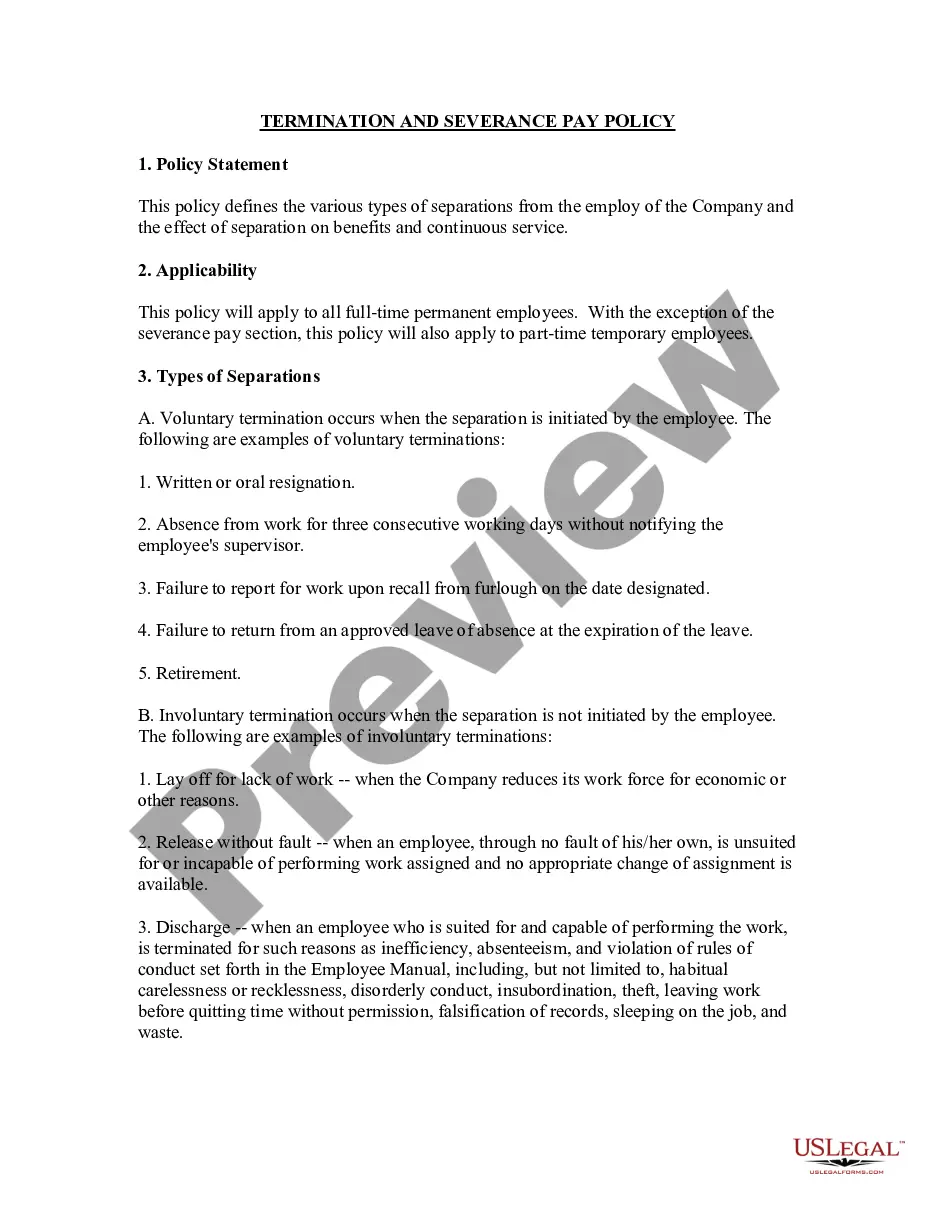
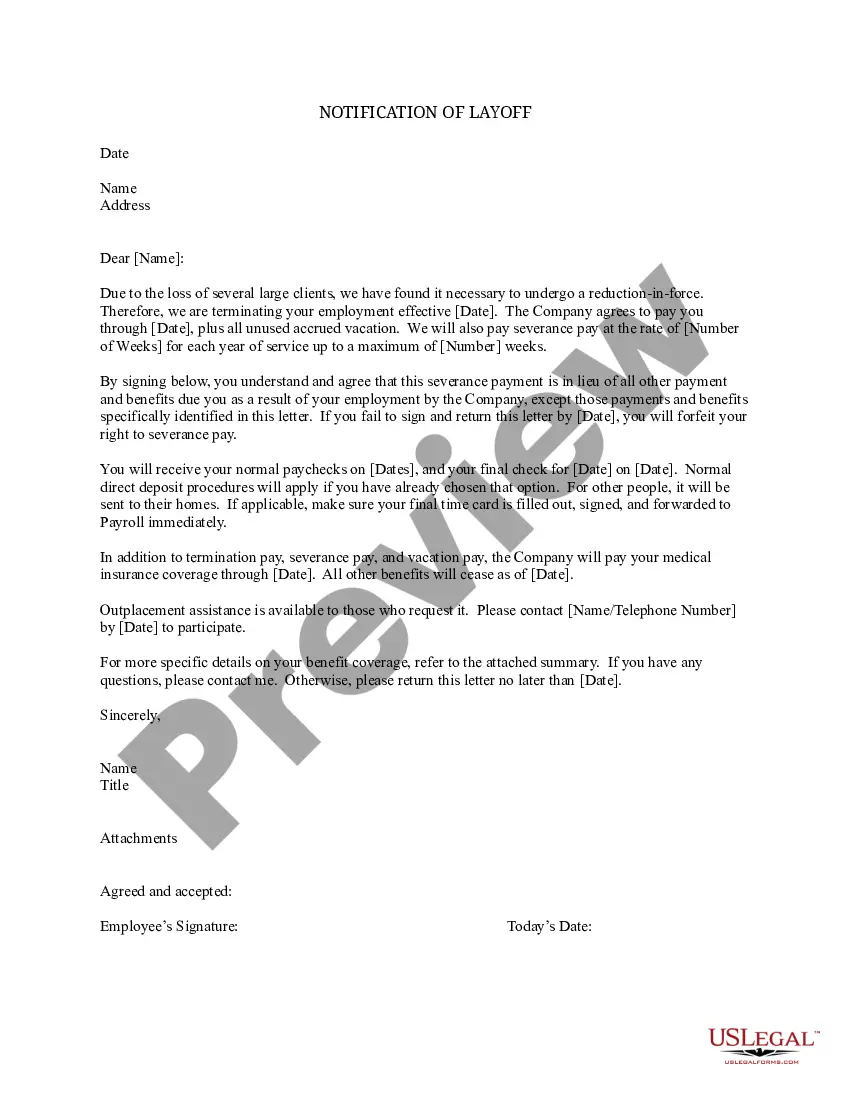


How to fill out Pay In Lieu Of Notice Guidelines?
If you want to extensive, obtain, or print legal document templates, utilize US Legal Forms, the largest collection of legal forms available online.
Employ the site’s simple and user-friendly search function to find the documents you need.
Various templates for business and personal use are organized by categories and states, or keywords.
Step 4. Once you locate the form you need, click the Get now button. Select the pricing plan you prefer and enter your credentials to register for an account.
Step 5. Process the payment. You may use your Visa or MasterCard or PayPal account to complete the transaction. Step 6. Choose the format of the legal form and download it to your device. Step 7. Complete, modify, and print or sign the Illinois Pay in Lieu of Notice Guidelines.
- Utilize US Legal Forms to find the Illinois Pay in Lieu of Notice Guidelines with just a few clicks.
- If you are already a US Legal Forms member, Log In to your account and click the Acquire button to obtain the Illinois Pay in Lieu of Notice Guidelines.
- You can also access forms you previously downloaded in the My documents section of your account.
- If you are using US Legal Forms for the first time, follow the instructions below.
- Step 1. Ensure you have chosen the form for the correct city/state.
- Step 2. Use the Preview feature to review the content of the form. Remember to read the description.
- Step 3. If you are not satisfied with the form, use the Search field at the top of the screen to find other versions of the legal form template.
Form popularity
FAQ
A letter payment in lieu of notice is a formal document issued by an employer to notify an employee about the decision to provide financial compensation instead of allowing them to complete their notice period. This letter should outline the terms of the payment, referencing the Illinois Pay in Lieu of Notice Guidelines to ensure transparency and compliance. It serves as clear communication, ensuring both parties understand their rights and obligations. Using platforms like uslegalforms can help you draft this letter correctly, reducing the risk of misunderstandings.
Winning an unemployment appeal in Illinois requires thorough preparation and an understanding of the Illinois Pay in Lieu of Notice Guidelines. You must gather all necessary evidence, including your employment records and any communications with your employer regarding the termination. Present clear arguments to demonstrate that you are eligible for benefits, and consider seeking assistance from legal professionals to strengthen your case. Being well-prepared significantly increases your chances of a favorable outcome.
Payment in lieu of leave refers to a financial compensation given to employees when their employer decides not to provide them with the designated notice period before termination. According to the Illinois Pay in Lieu of Notice Guidelines, this payment typically aims to cover the wages the employee would have earned during the notice period. This option helps employers streamline the termination process, while also ensuring that employees receive some financial support. It's an important aspect of employment law in Illinois, as it balances employer needs with employee rights.
To file a claim for unpaid wages in Illinois, start by gathering all relevant documentation, such as pay stubs and employment contracts. Next, you should file a complaint with the Illinois Department of Labor, using their online form or mailing a physical complaint. Additionally, the Illinois Pay in Lieu of Notice Guidelines may apply if you were let go without proper notice, so be sure to include this information in your claim. For assistance with the filing process, you can utilize platforms like US Legal Forms to access the necessary forms and guidance.
The '7 day rule' in Illinois refers to the requirement that employers must provide an employee with their final paycheck within seven days of their termination. This is part of the Illinois Pay in Lieu of Notice Guidelines and aims to ensure that employees receive their due wages promptly. Employers must be prepared to calculate any severance or payment in lieu of notice as part of this final payment. Utilizing platforms like uslegalforms can help streamline this process and ensure compliance with the law.
When terminating an employee in Illinois, you must adhere to both federal and state laws to avoid legal issues. It's essential to follow the Illinois Pay in Lieu of Notice Guidelines, which may require payment depending on the circumstances of termination. Employers should also document the reasons for termination and communicate clearly with the employee to ensure transparency. For help navigating these requirements, it's beneficial to consult dedicated legal resources like uslegalforms.
Calculating payment in lieu of notice involves determining the amount equivalent to the notice period that the employee would have received. According to the Illinois Pay in Lieu of Notice Guidelines, this amount should reflect the employee's regular salary for the duration of the notice period. Be sure to consider any additional benefits or bonuses that might have been included in the employee's regular compensation. Using tools from uslegalforms can assist in ensuring your calculations are accurate.
Severance is not legally required in Illinois, but providing it can offer benefits to both the employer and the employee. If an employer decides to provide severance pay, it typically forms part of the Illinois Pay in Lieu of Notice Guidelines. This option can help maintain a positive relationship between the company and the employee, easing the transition. If you're unsure about the specifics, consulting resources like uslegalforms can clarify your obligations.
Yes, payment in lieu of notice can attract superannuation contributions, depending on the circumstances. Under the Illinois Pay in Lieu of Notice Guidelines, any payments made to employees should also consider any applicable benefits, including superannuation. It is advisable to consult your financial advisor or HR representative to understand how these contributions work in your specific case.
Processing payment in lieu of notice usually involves calculating the amount you are owed based on your salary and the notice period. Employers must follow the Illinois Pay in Lieu of Notice Guidelines to ensure compliance with labor laws. After assessment, the payment can be issued through regular payroll channels, ensuring that all taxes and deductions are appropriately calculated.