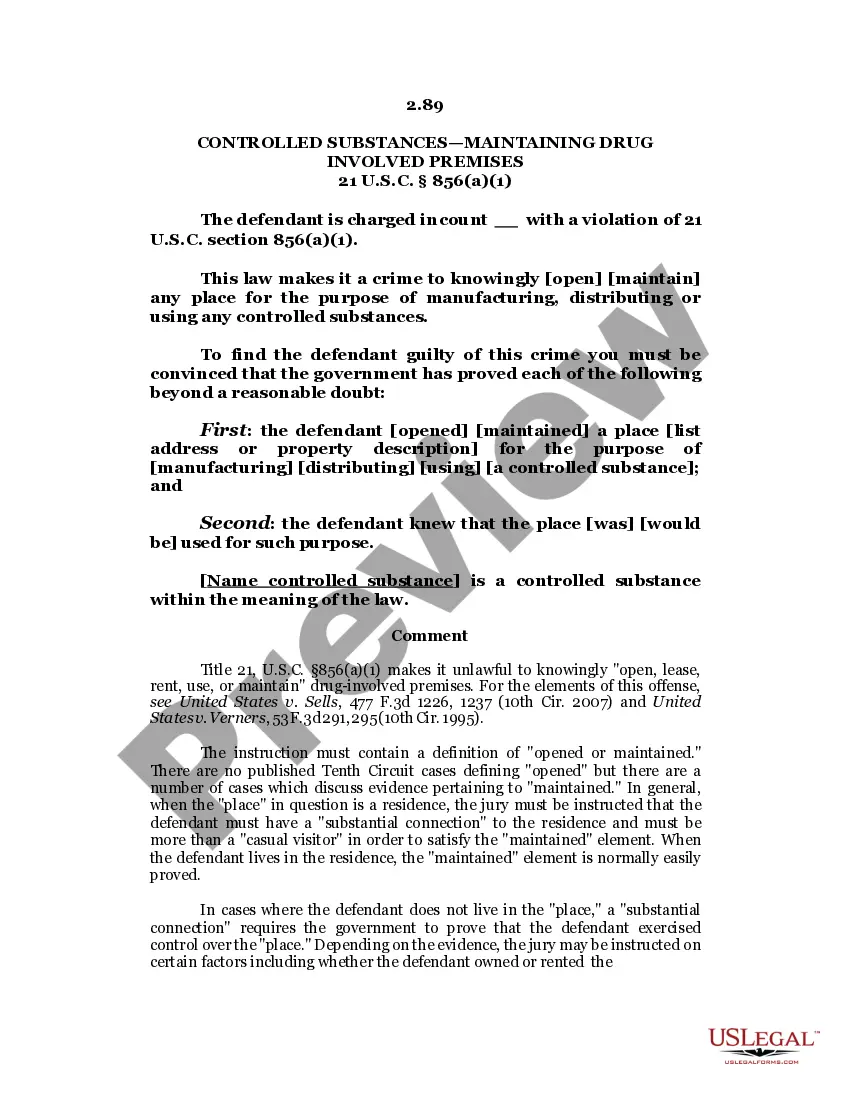
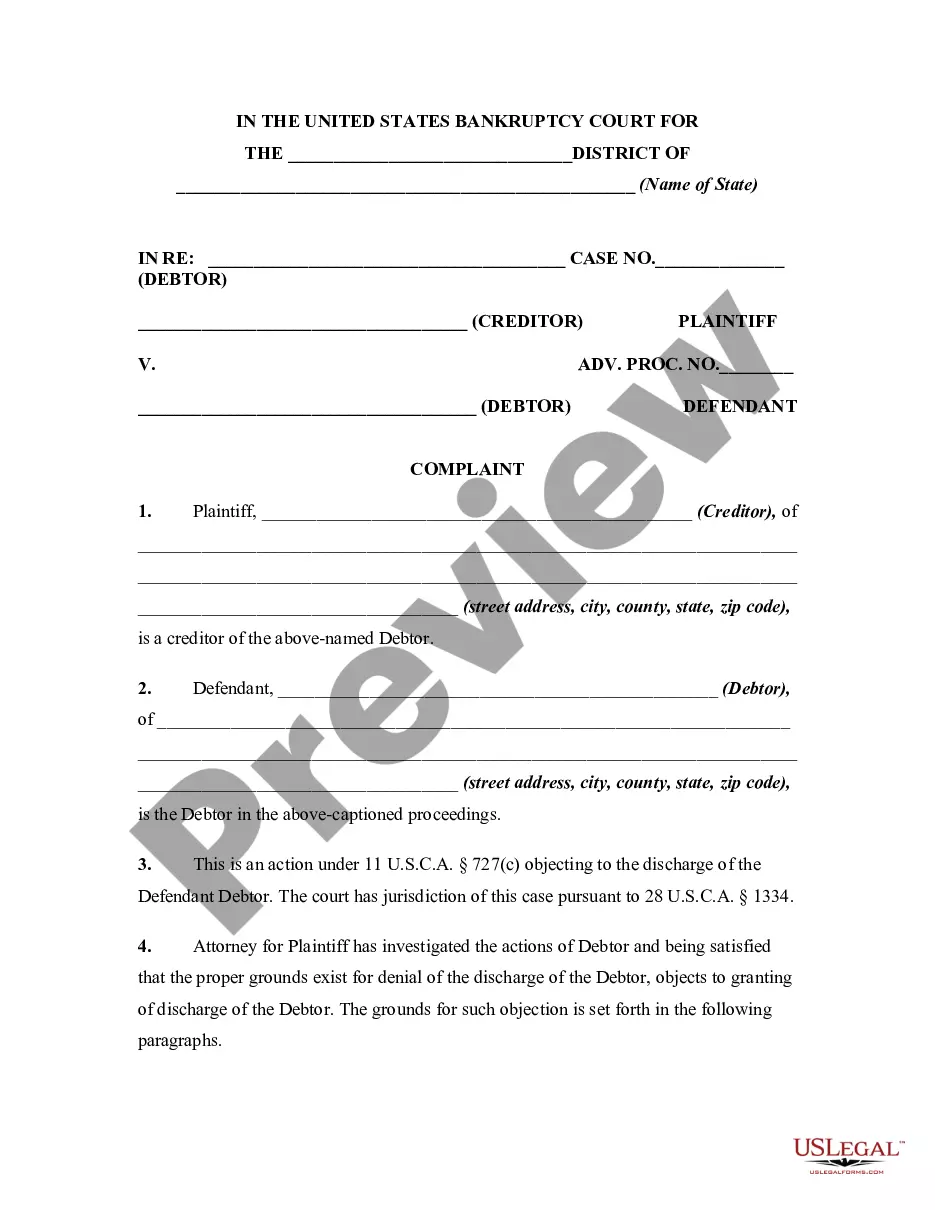
The decree of the bankruptcy court which terminates the bankruptcy proceedings is generally a discharge that releases the debtor from most debts. A bankruptcy court may refuse to grant a discharge under certain conditions.
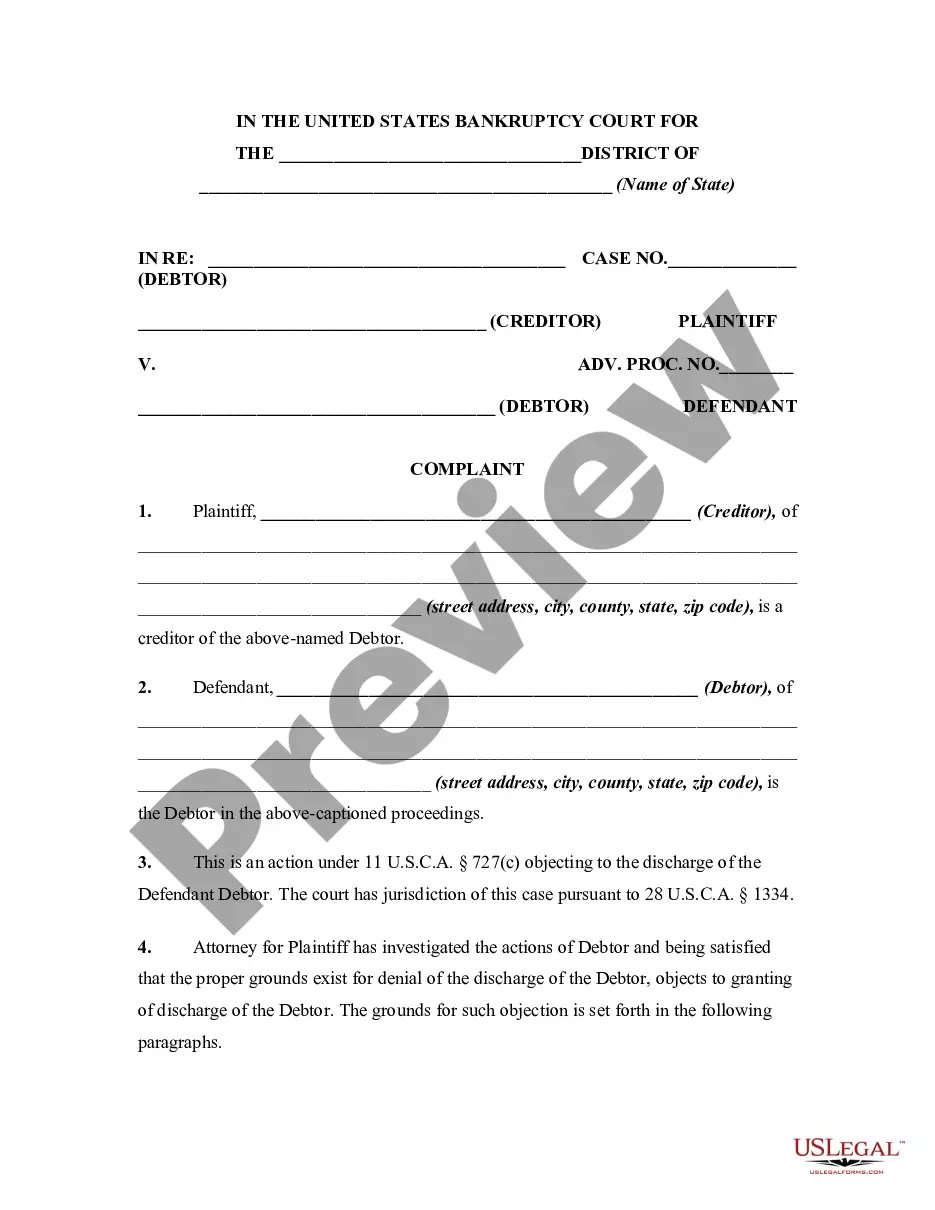
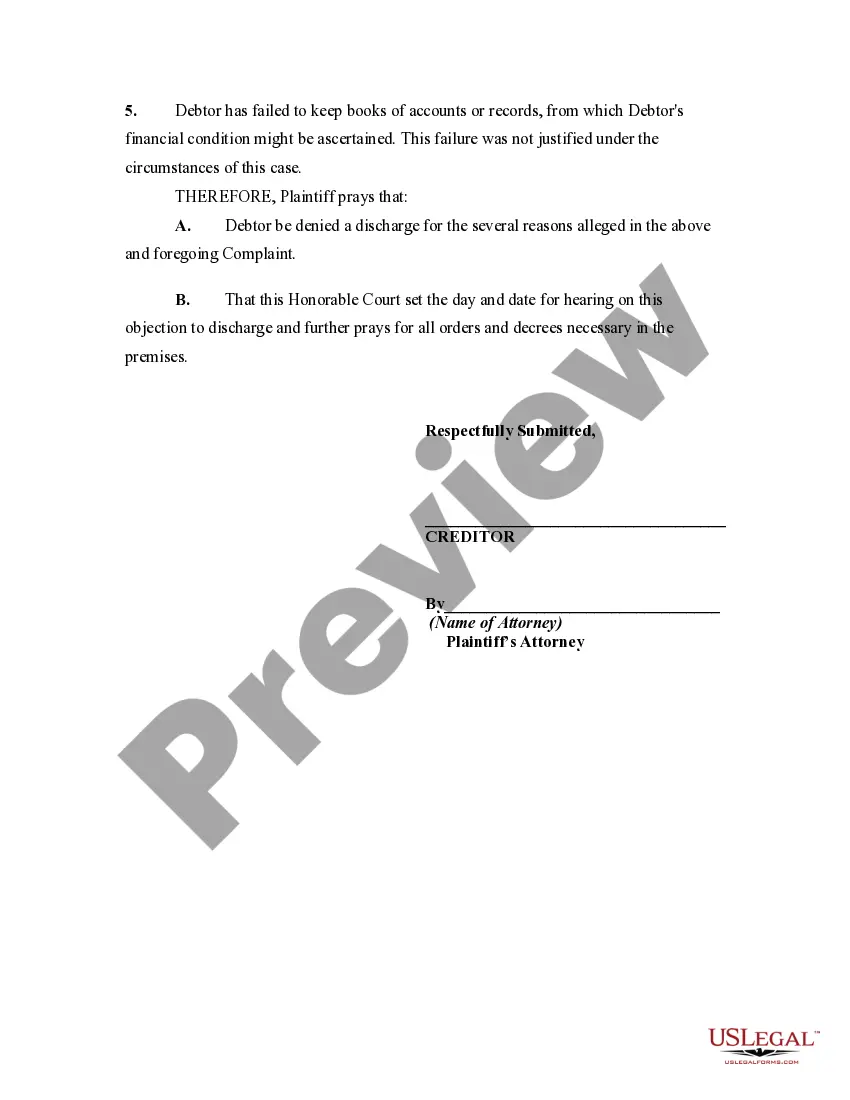
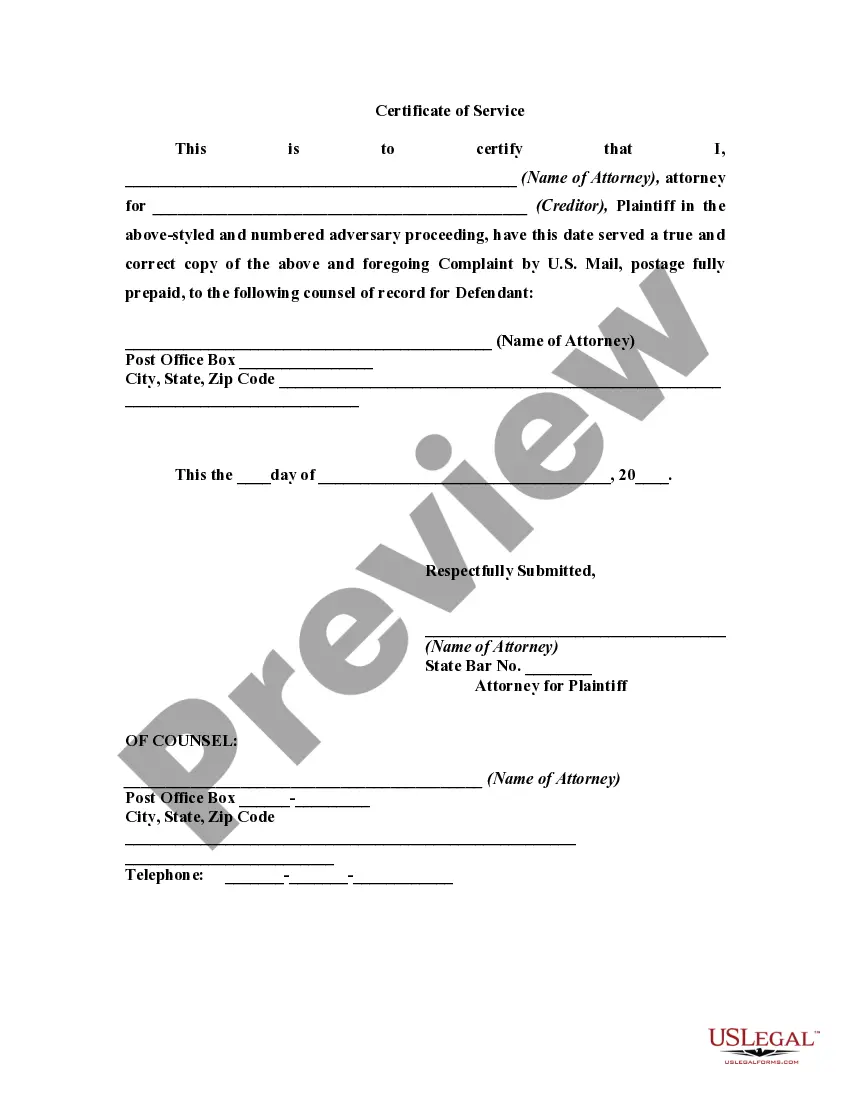
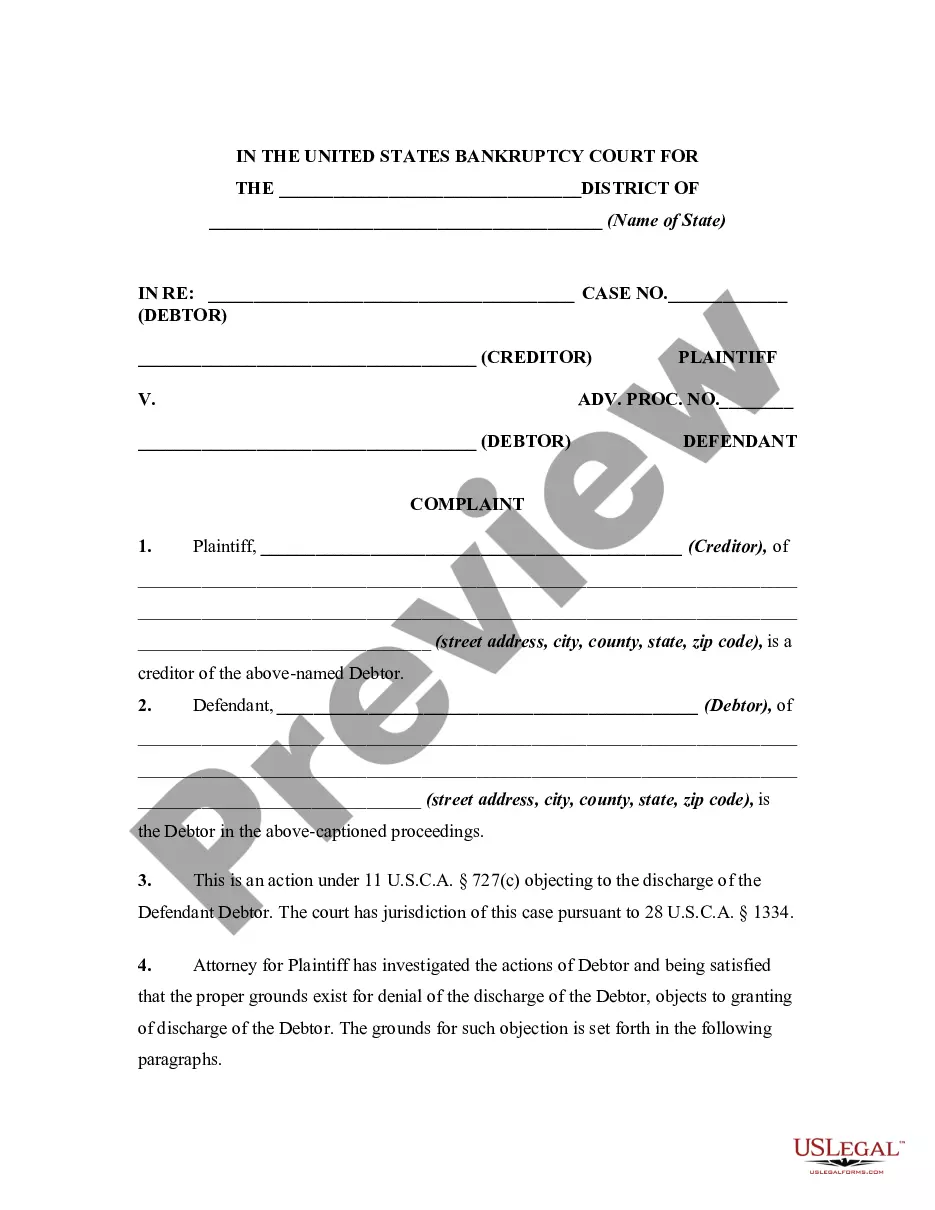
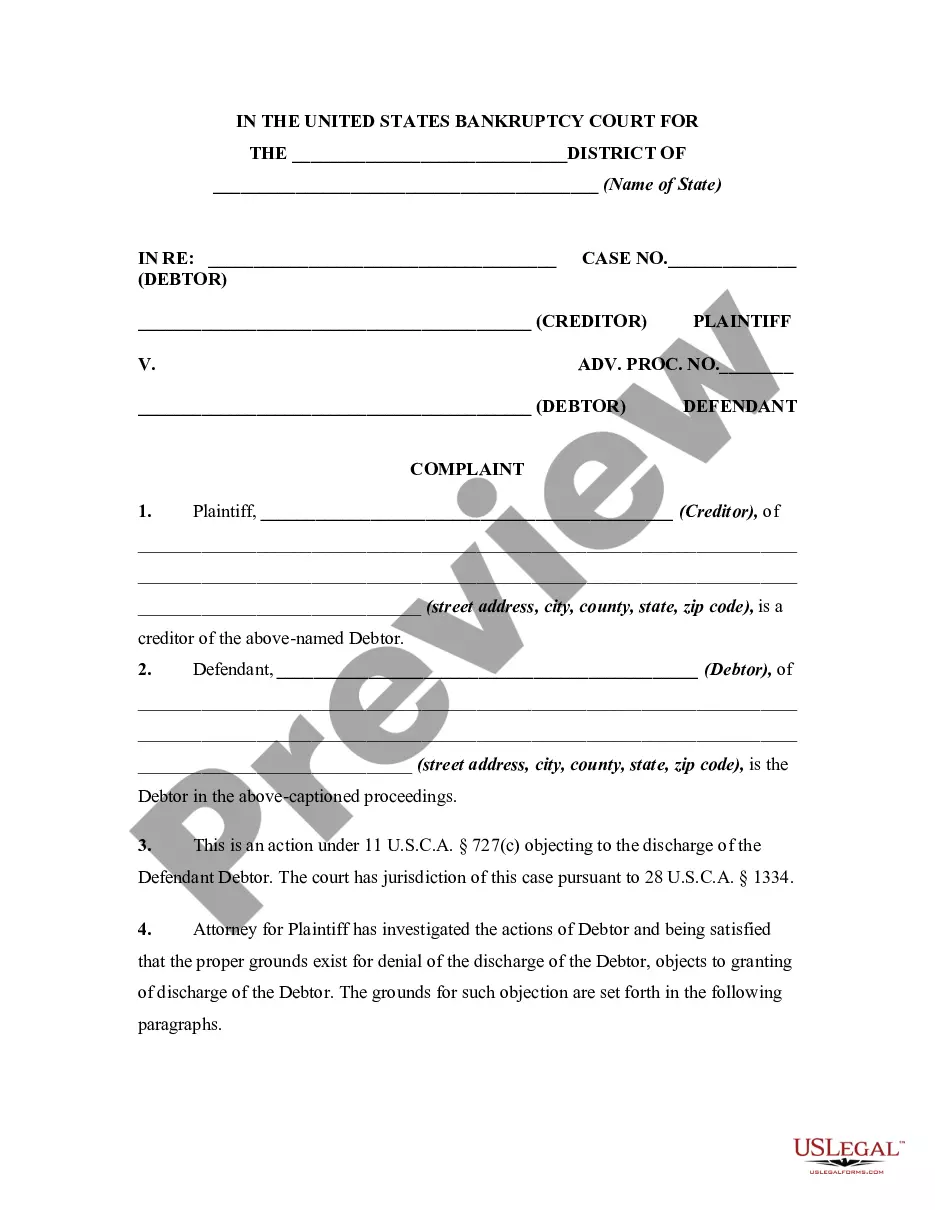
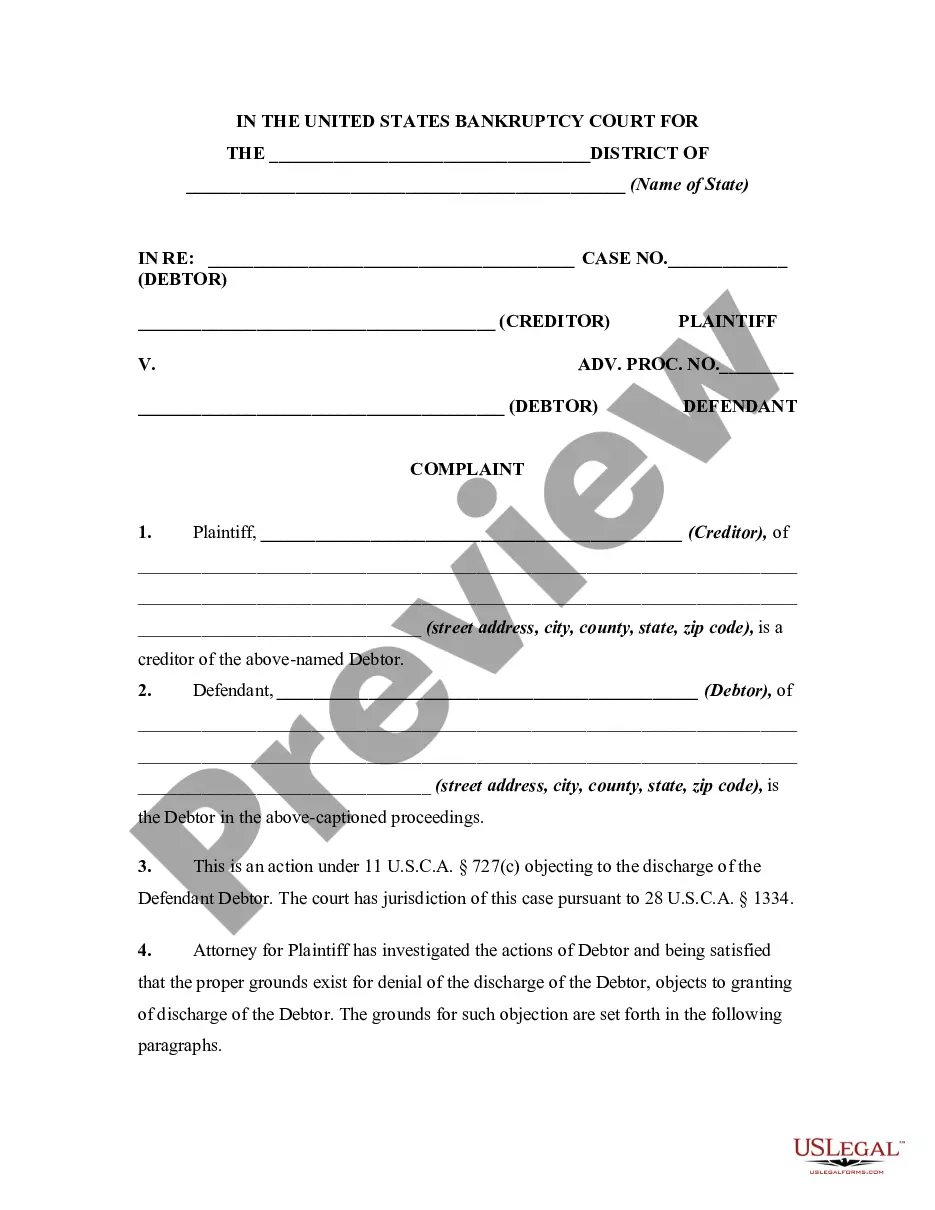
Illinois Complaint Objecting to Discharge or Debtor in Bankruptcy Proceeding for Failure to Keep Books and Records
State:
Multi-State
Control #:
US-01088BG
Format:
Word;
Rich Text
Instant download
Description
Free preview
Get your form ready online
Our built-in tools help you complete, sign, share, and store your documents in one place.
Built-in online Word editor
Make edits, fill in missing information, and update formatting in US Legal Forms—just like you would in MS Word.
Export easily
Download a copy, print it, send it by email, or mail it via USPS—whatever works best for your next step.
E-sign your document
Sign and collect signatures with our SignNow integration. Send to multiple recipients, set reminders, and more. Go Premium to unlock E-Sign.
Notarize online 24/7
If this form requires notarization, complete it online through a secure video call—no need to meet a notary in person or wait for an appointment.
Store your document securely
We protect your documents and personal data by following strict security and privacy standards.

Make edits, fill in missing information, and update formatting in US Legal Forms—just like you would in MS Word.

Download a copy, print it, send it by email, or mail it via USPS—whatever works best for your next step.

Sign and collect signatures with our SignNow integration. Send to multiple recipients, set reminders, and more. Go Premium to unlock E-Sign.

If this form requires notarization, complete it online through a secure video call—no need to meet a notary in person or wait for an appointment.

We protect your documents and personal data by following strict security and privacy standards.
Looking for another form?




How to fill out Complaint Objecting To Discharge Or Debtor In Bankruptcy Proceeding For Failure To Keep Books And Records?
You can spend several hours online searching for the legal document template that fulfills the federal and state requirements you desire. US Legal Forms offers a vast selection of legal forms that can be reviewed by professionals.
You can easily obtain or print the Illinois Complaint Objecting to Discharge or Debtor in Bankruptcy Proceeding for Failure to Maintain Books and Records through our service.
If you possess a US Legal Forms account, you can Log In and then click the Obtain button. After that, you can complete, modify, print, or sign the Illinois Complaint Objecting to Discharge or Debtor in Bankruptcy Proceeding for Failure to Maintain Books and Records. Each legal document template you purchase is yours indefinitely. To get another copy of any purchased form, navigate to the My documents section and click the corresponding button.
Make adjustments to your document if required. You can complete, modify, and sign as well as print the Illinois Complaint Objecting to Discharge or Debtor in Bankruptcy Proceeding for Failure to Maintain Books and Records. Download and print numerous document templates using the US Legal Forms Website, which offers the largest collection of legal forms. Utilize professional and state-specific templates to address your business or personal needs.
- If you are using the US Legal Forms website for the first time, follow the simple instructions below.
- First, ensure that you have selected the correct document template for your region/area of interest. Review the form description to confirm that you have chosen the right form. If available, utilize the Preview button to look through the document template as well.
- If you want to find another version of the form, use the Search field to locate the template that meets your needs and requirements.
- Once you have found the template you want, click Buy now to proceed.
- Choose the pricing plan you prefer, enter your details, and register for your account on US Legal Forms.
- Complete the transaction. You may use your credit card or PayPal account to pay for the legal document.
- Select the format of the document and download it to your device.
Form popularity
FAQ
If a debt arose from the debtor's intentional wrongdoing, the creditor can object to discharging it. This might involve damages related to a drunk driving accident, for example, or costs caused by intentional damage to an apartment or other property.
The debtor knowingly made a false oath or account, presented a false claim, etc. Failure to comply with a bankruptcy court order.
Restructuring of Secured Debt: Under chapter 11, secured debt may be restructured by lowering the interest rate on the obligation, extending its maturity, or both. In certain circumstances, the amount of secured debt can be written down to the value of the creditor's collateral.
A case filed under chapter 11 of the United States Bankruptcy Code is frequently referred to as a "reorganization" bankruptcy. Usually, the debtor remains ?in possession,? has the powers and duties of a trustee, may continue to operate its business, and may, with court approval, borrow new money.
Chapter 11 bankruptcy is commonly called reorganization bankruptcy. It allows a business to continue operations while the business makes a plan to repay or discharge its debts. The plans are designed to keep the business operational during and following the bankruptcy process.
The court may deny a chapter 7 discharge for any of the reasons described in section 727(a) of the Bankruptcy Code, including failure to provide requested tax documents; failure to complete a course on personal financial management; transfer or concealment of property with intent to hinder, delay, or defraud creditors; ...
A debtor in possession (DIP) is a business or individual that has filed for Chapter 11 bankruptcy protection but still holds property to which creditors have a legal claim under a lien or other security interest. A DIP may continue to do business using those assets.
These include partnerships and corporations, railroads, and any person that may be a debtor under Chapter 7. Ineligible debtors under Chapter 11 include shareholders, commodities and stock brokers, insurers, banks, credit unions, and savings and loan associations.