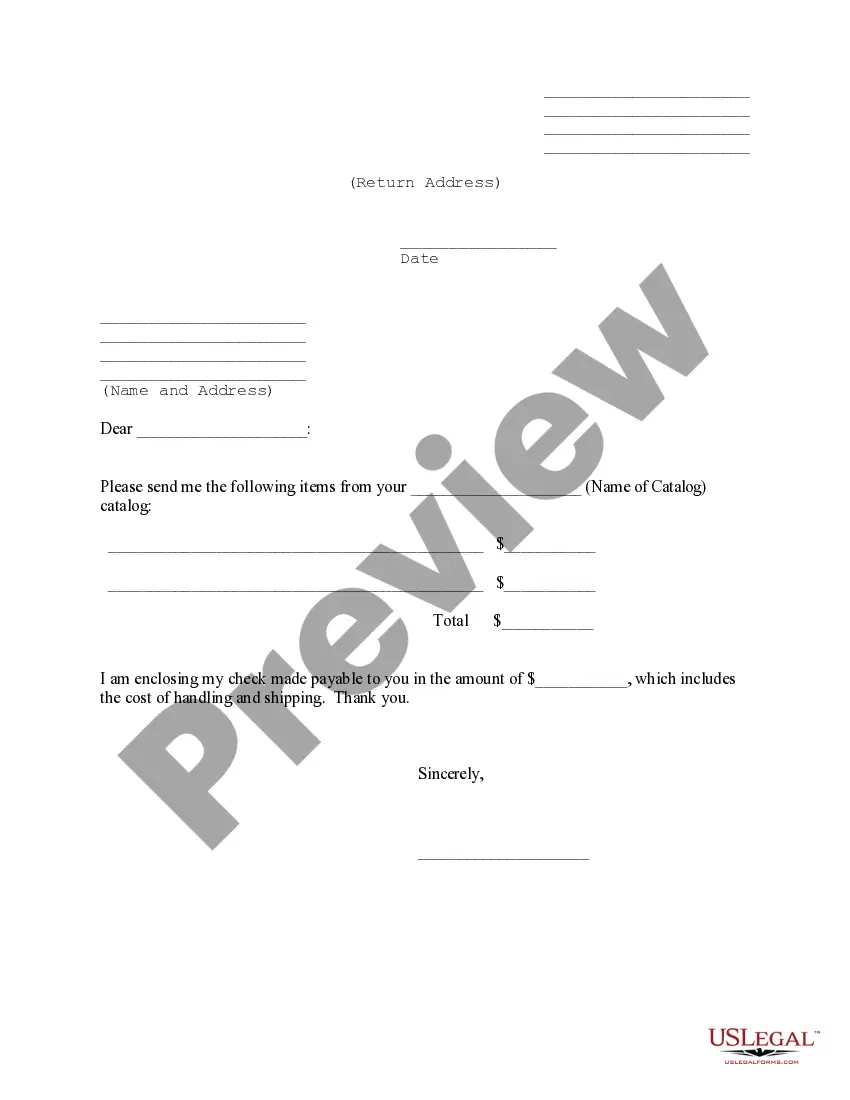
Idaho Agreement to Toll Statute of Limitations
Description
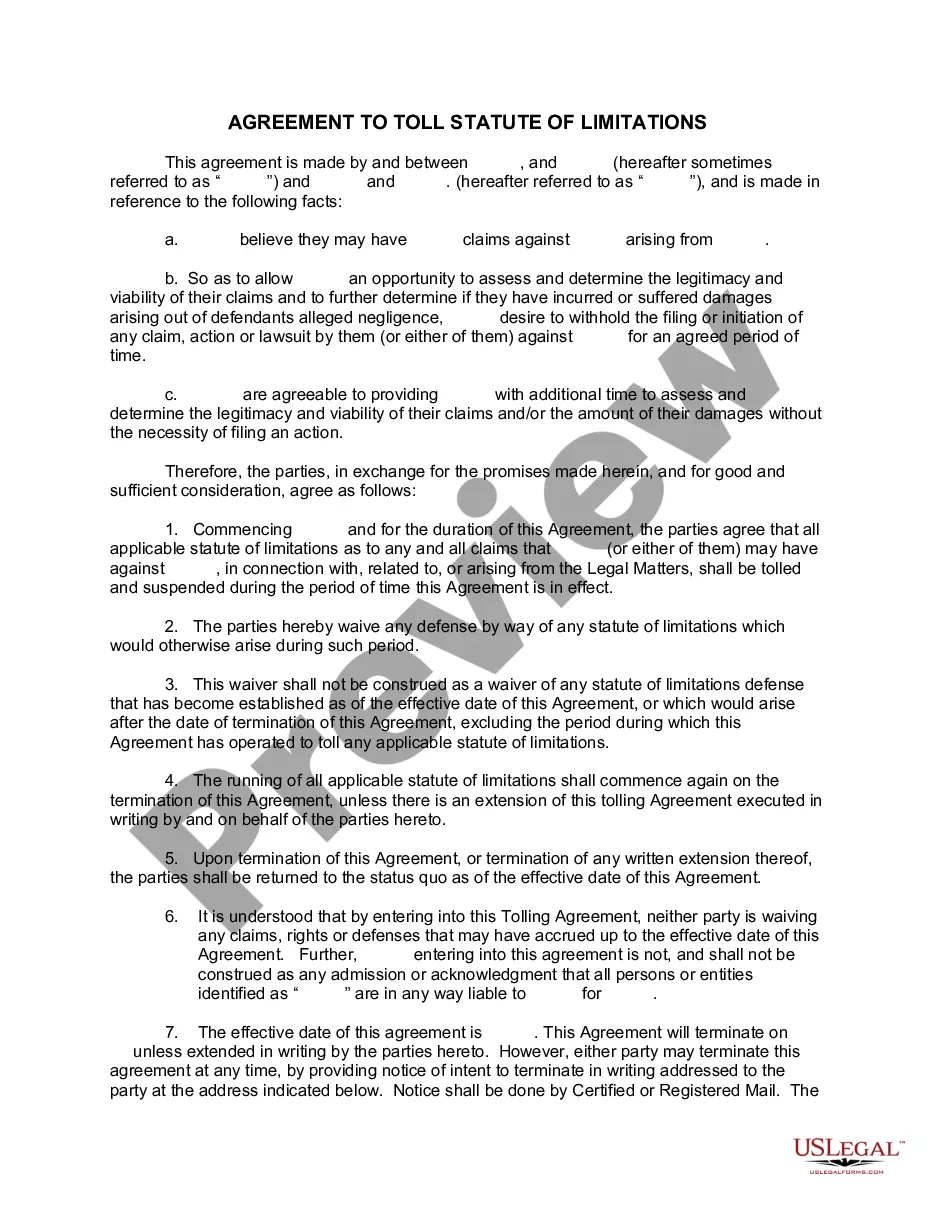
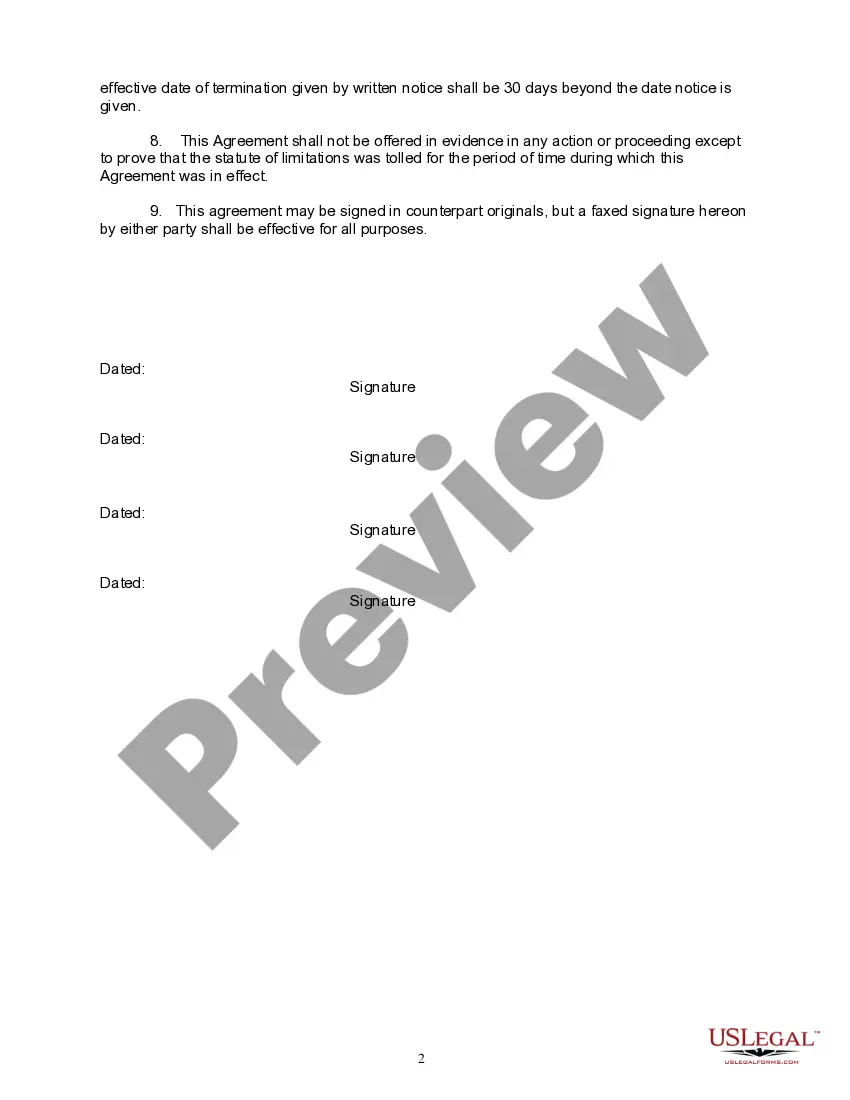
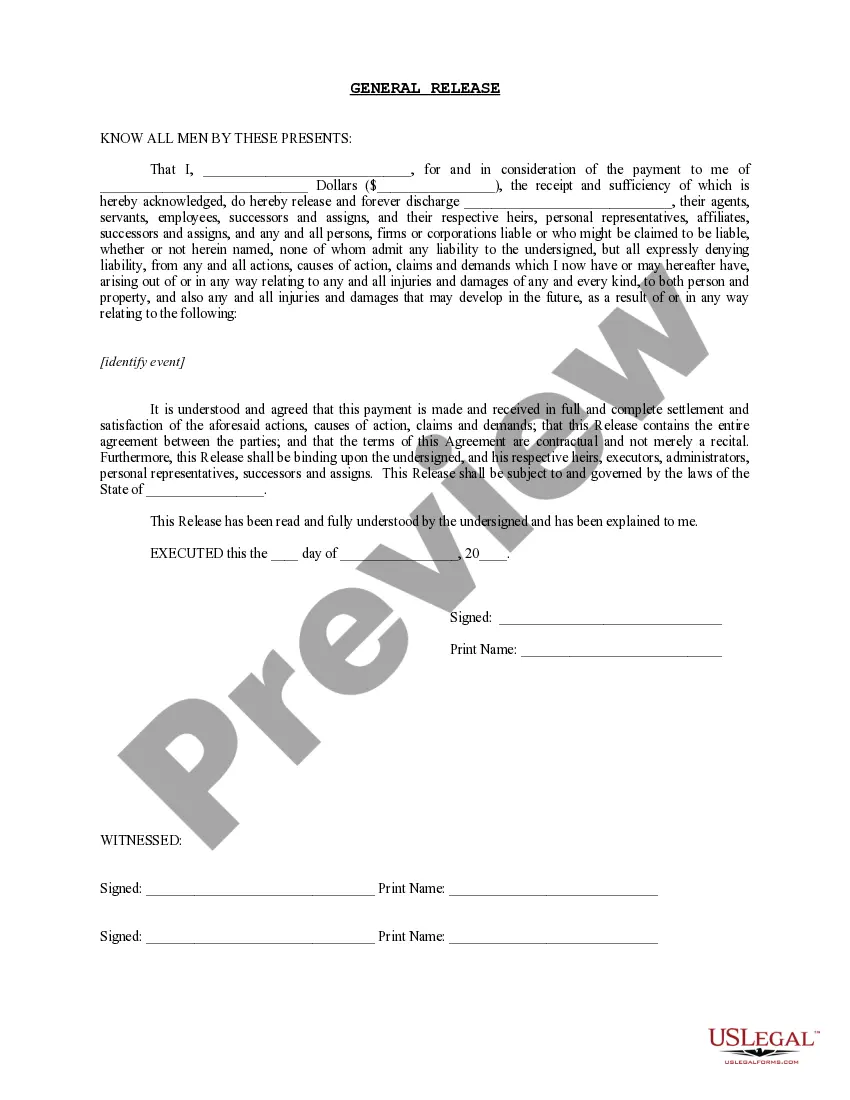
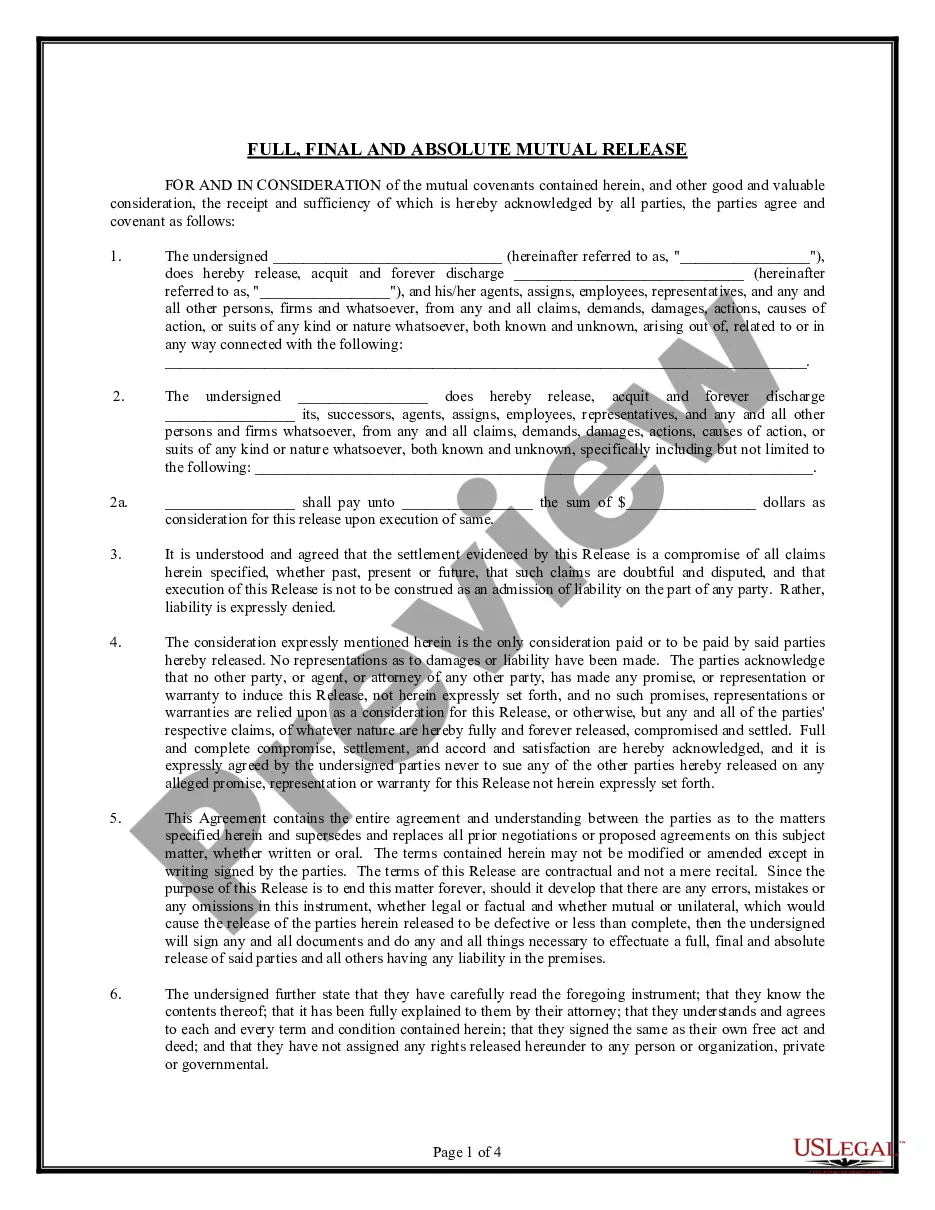
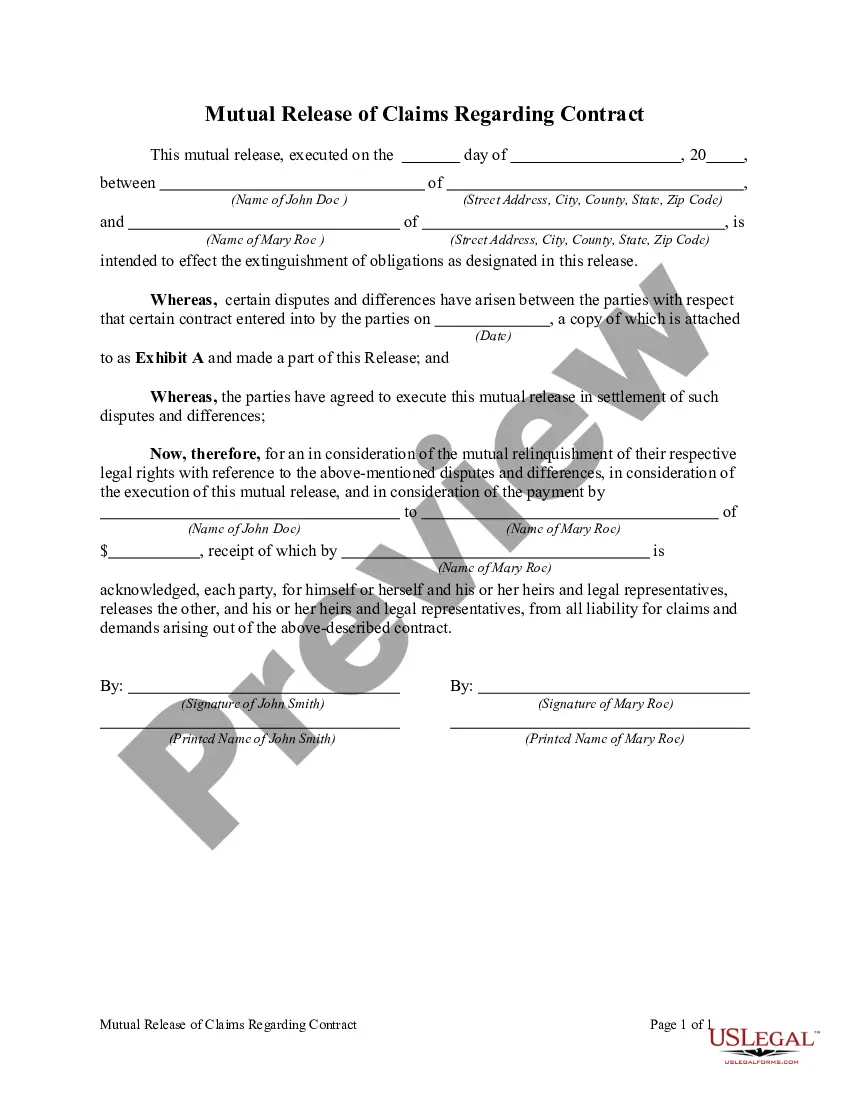
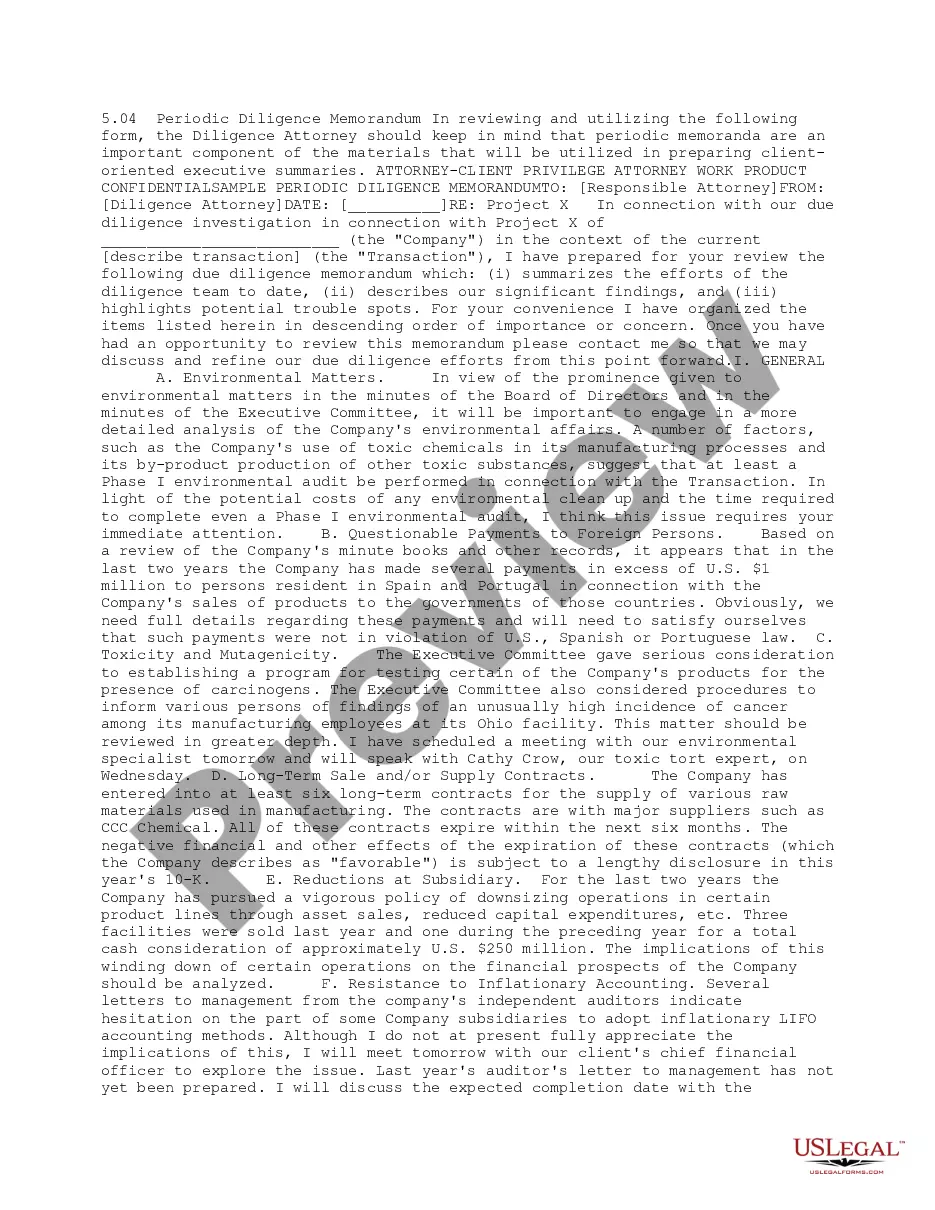
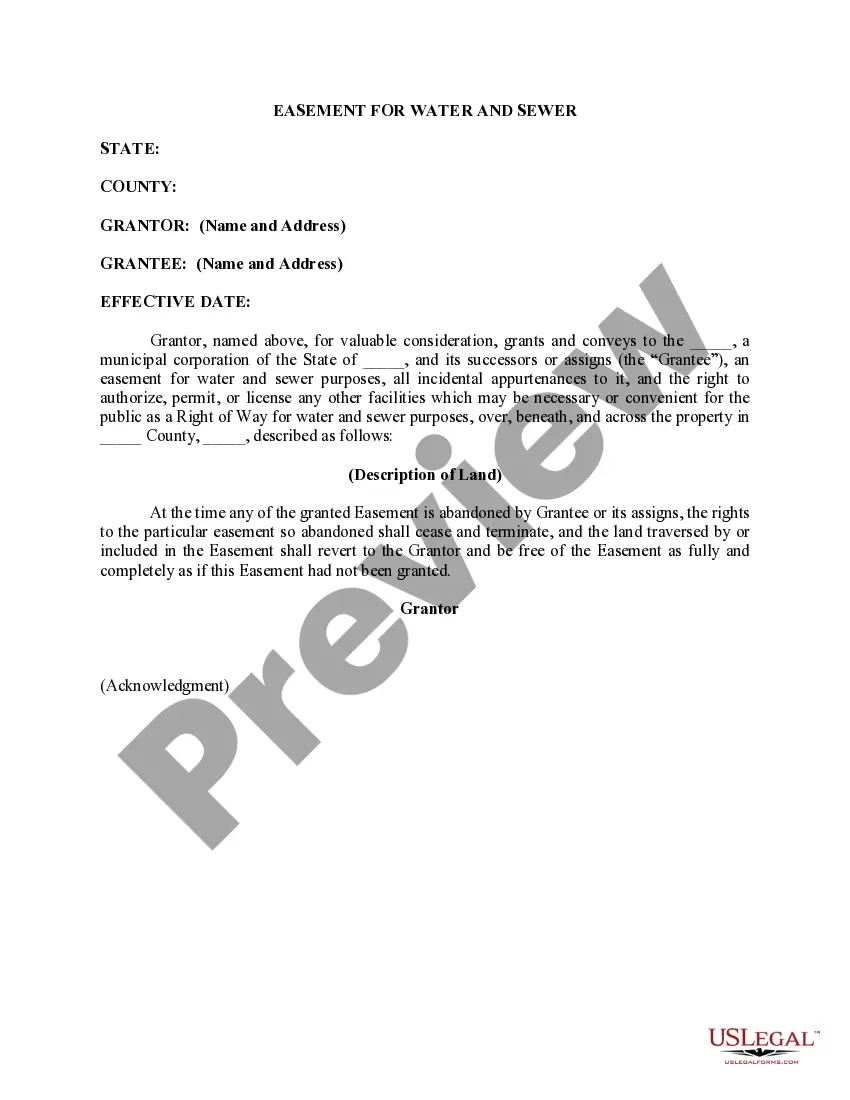
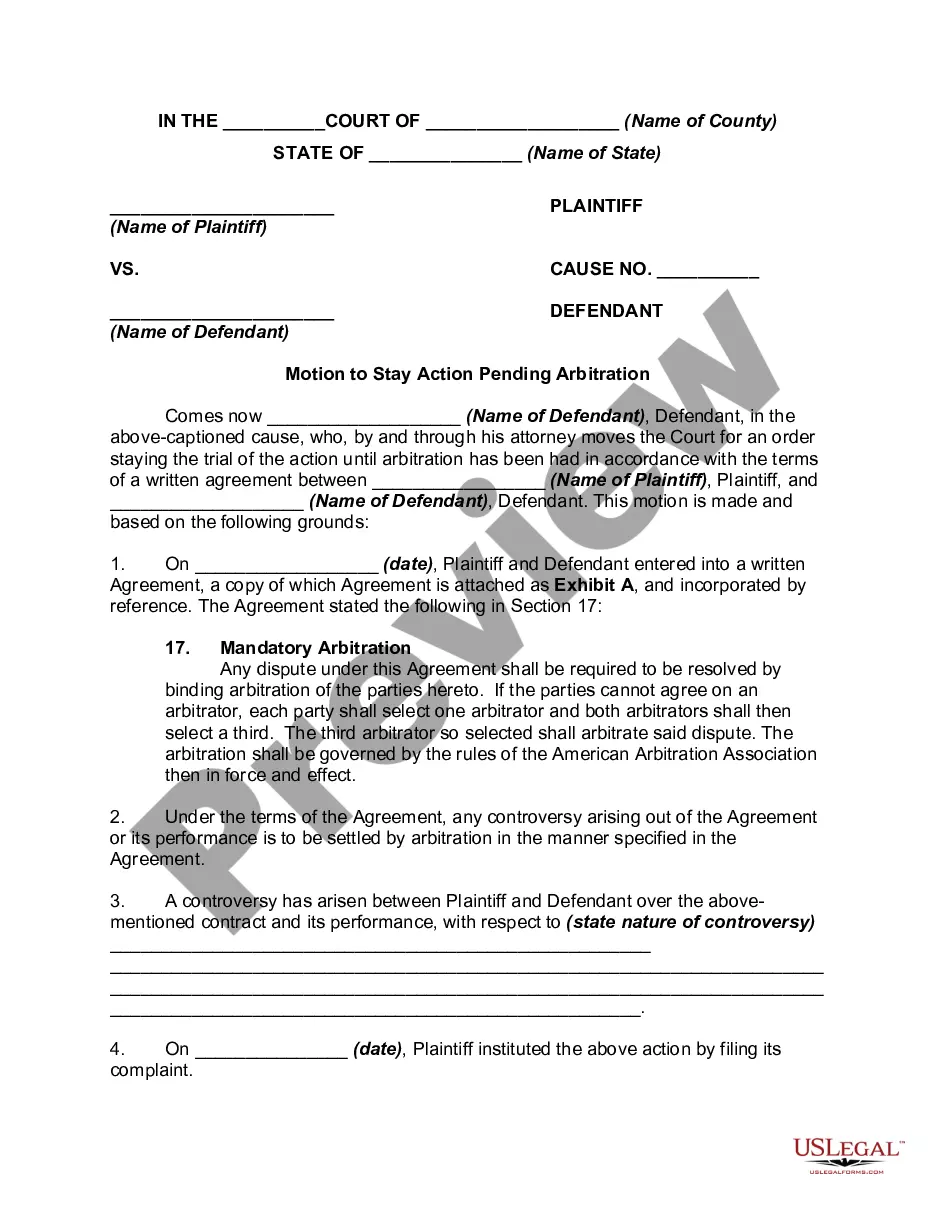
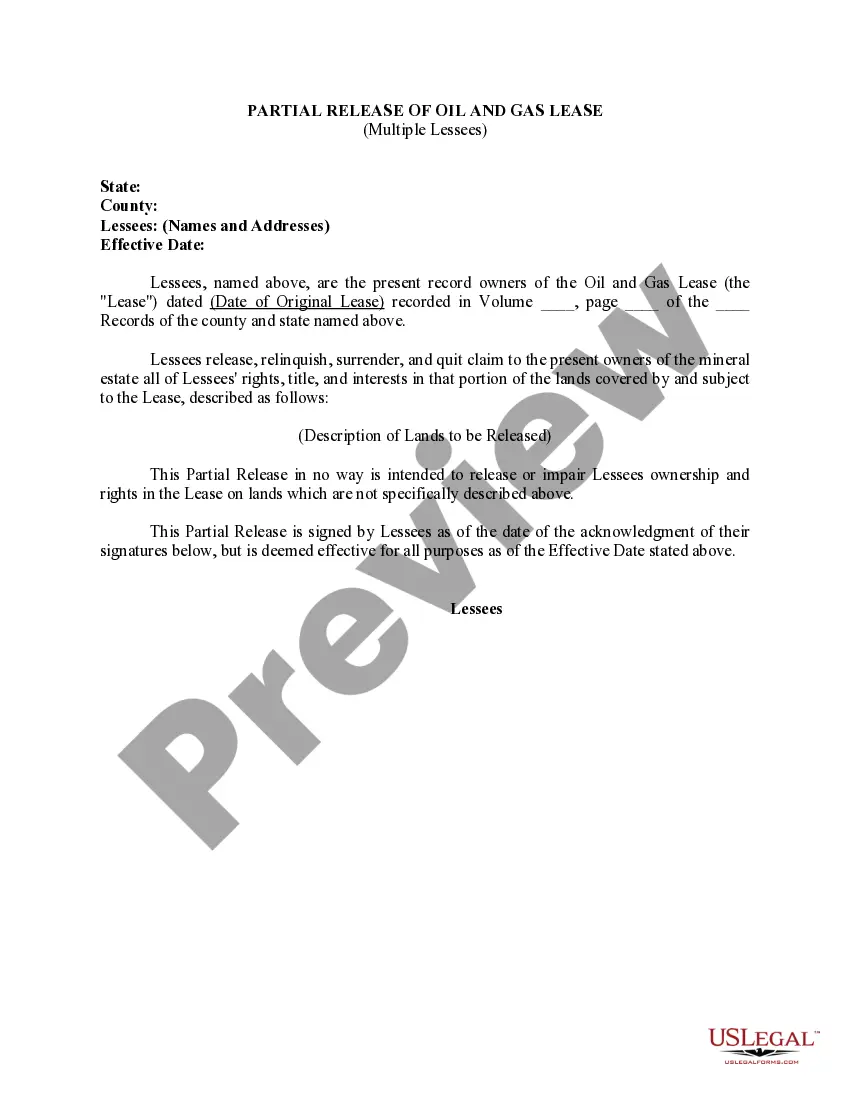
How to fill out Agreement To Toll Statute Of Limitations?
Finding the appropriate legal document template can be a challenge.
Clearly, there are numerous templates available online, but how do you find the legal form you require.
Utilize the US Legal Forms website. The platform provides a plethora of templates, including the Idaho Agreement to Toll Statute of Limitations, which you can use for business and personal purposes. All forms are reviewed by experts and comply with state and federal regulations.
Once you are confident the form is suitable, click the Get now button to obtain the form. Select your preferred pricing plan and enter the required information. Create your account and complete the transaction using your PayPal account or credit card. Choose the file format and download the legal document template to your device. Finally, complete, review, print, and sign the obtained Idaho Agreement to Toll Statute of Limitations. US Legal Forms is the largest repository of legal forms where you can find various document templates. Utilize the service to acquire professionally crafted documents that adhere to state requirements.
- If you are already registered, sign in to your account and click on the Download button to obtain the Idaho Agreement to Toll Statute of Limitations.
- Use your account to review the legal forms you have previously purchased.
- Navigate to the My documents section of your account to get another copy of the document you need.
- If you are a new user of US Legal Forms, here are straightforward steps you should follow.
- First, ensure you have selected the correct form for the city/state. You can preview the form using the Preview button and read the form description to confirm it is the right one for you.
- If the form does not meet your needs, use the Search area to find the appropriate form.
Form popularity
FAQ
The 49 807 law in Idaho pertains to specific statutes related to tolling agreements. This law provides guidelines on how and when parties can enter into agreements that pause the statute of limitations. Understanding the 49 807 law is essential for anyone considering an Idaho Agreement to Toll Statute of Limitations, as it helps ensure that the agreement complies with state regulations and protects your legal rights.
In Idaho, the statute of limitations for written contracts is generally five years from the date of breach. This means you have five years to file a lawsuit if the other party fails to fulfill their contractual obligations. Using an Idaho Agreement to Toll Statute of Limitations can be beneficial for both parties, allowing them to negotiate and resolve disputes without the pressure of an impending deadline.
The length of the statute of limitations in Idaho depends on the nature of the legal claim. For personal injury claims, it is typically two years, while for written contracts, it is five years. An Idaho Agreement to Toll Statute of Limitations can be a valuable tool to extend these timeframes, allowing individuals more time to prepare their cases.
In Idaho, the statute of limitations for tolling varies depending on the type of claim. Generally, the statute of limitations can be paused when one party is unable to file a claim due to specific reasons, such as being out of state or incapacitated. Utilizing an Idaho Agreement to Toll Statute of Limitations can help parties formalize this agreement, ensuring clarity and fairness in the process.
The statute of limitations tolling doctrine allows the time limit for filing a legal claim to be paused under certain circumstances. This means that if specific conditions are met, the clock stops running on the time you have to take legal action. In Idaho, an Idaho Agreement to Toll Statute of Limitations can be utilized to clarify this process, providing both parties a mutual understanding of the timeline.
The duration of an Idaho Agreement to Toll Statute of Limitations can vary based on the specific terms agreed upon by the parties involved. Typically, these agreements can last for a set period, often ranging from a few months to several years, depending on the complexity of the case and the parties' needs. It is important to clearly outline the duration in the agreement to avoid any misunderstandings. For those seeking assistance in drafting a tolling agreement, US Legal Forms offers a comprehensive platform with templates to help you create a legally sound document.
Under Idaho's statute of repose, however, any negligence cause of action against a contractor for damages resulting from latent defects in an improvement to real property accrues six years from final completion of the project if it has not previously accrued.
1. To stop the running of a time period, especially a time period set by a statute of limitations. 2. To bar or take away. Tolling a right of entry takes away the right to be present on the land.
Statute of Limitations: Felonies and Misdemeanorsfive years for felonies, and. one year for misdemeanors.
The necessary use of lands for the construction of reservoirs or storage basins, for the purpose of irrigation, or for rights of way for the construction of canals, ditches, flumes or pipes, to convey water to the place of use for any useful, beneficial or necessary purpose, or for drainage; or for the drainage of