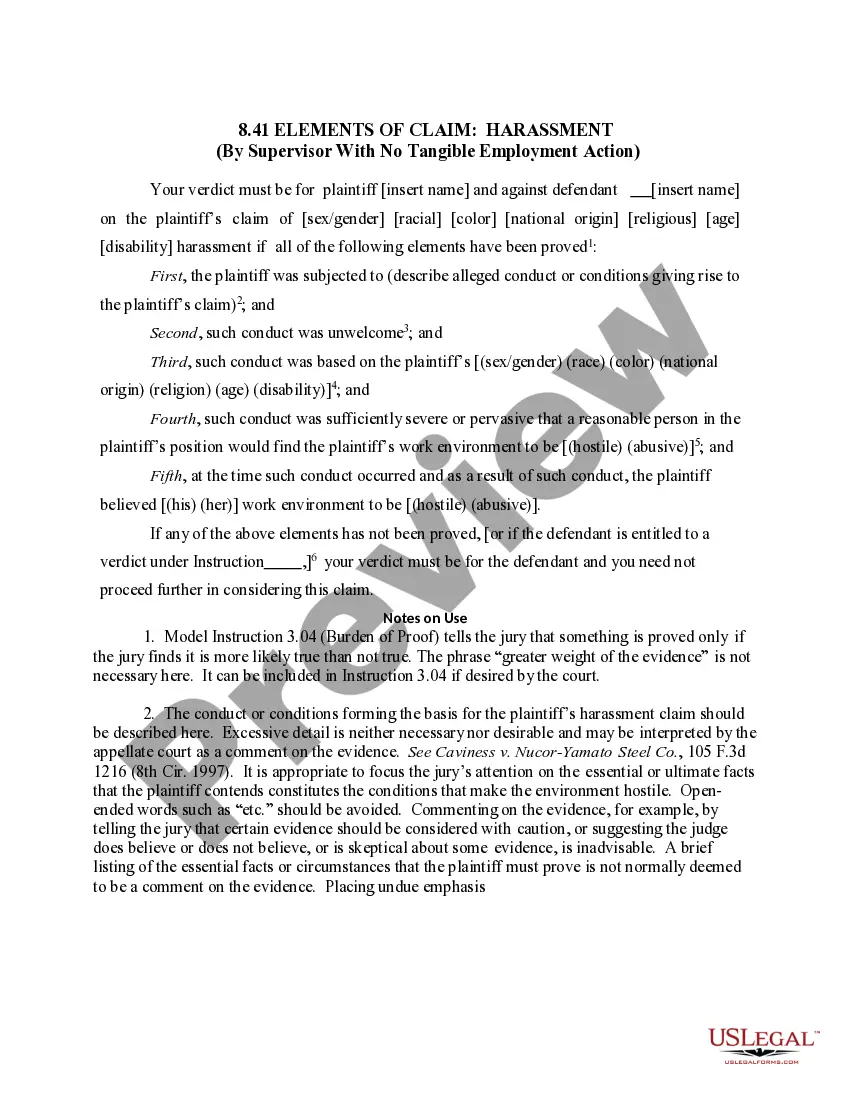
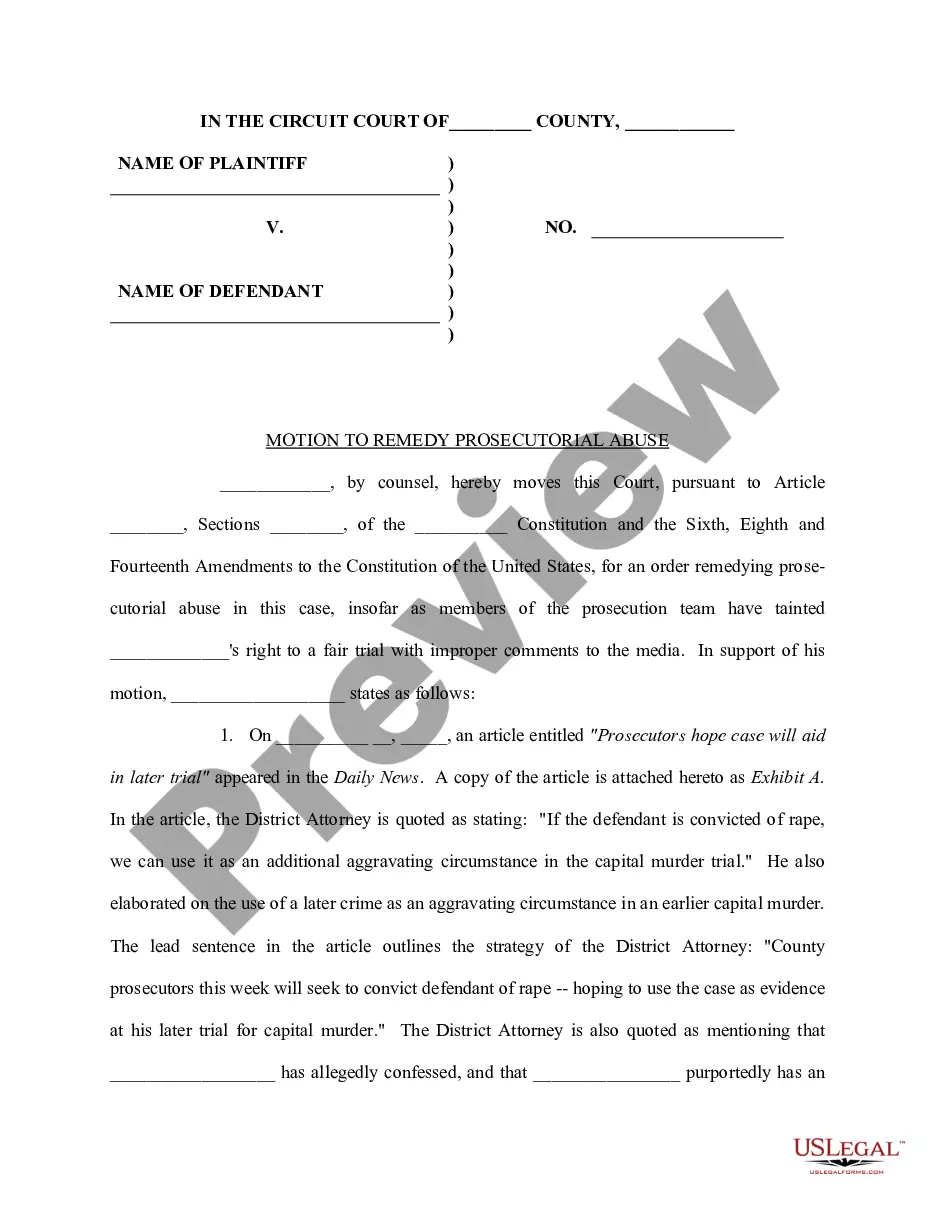
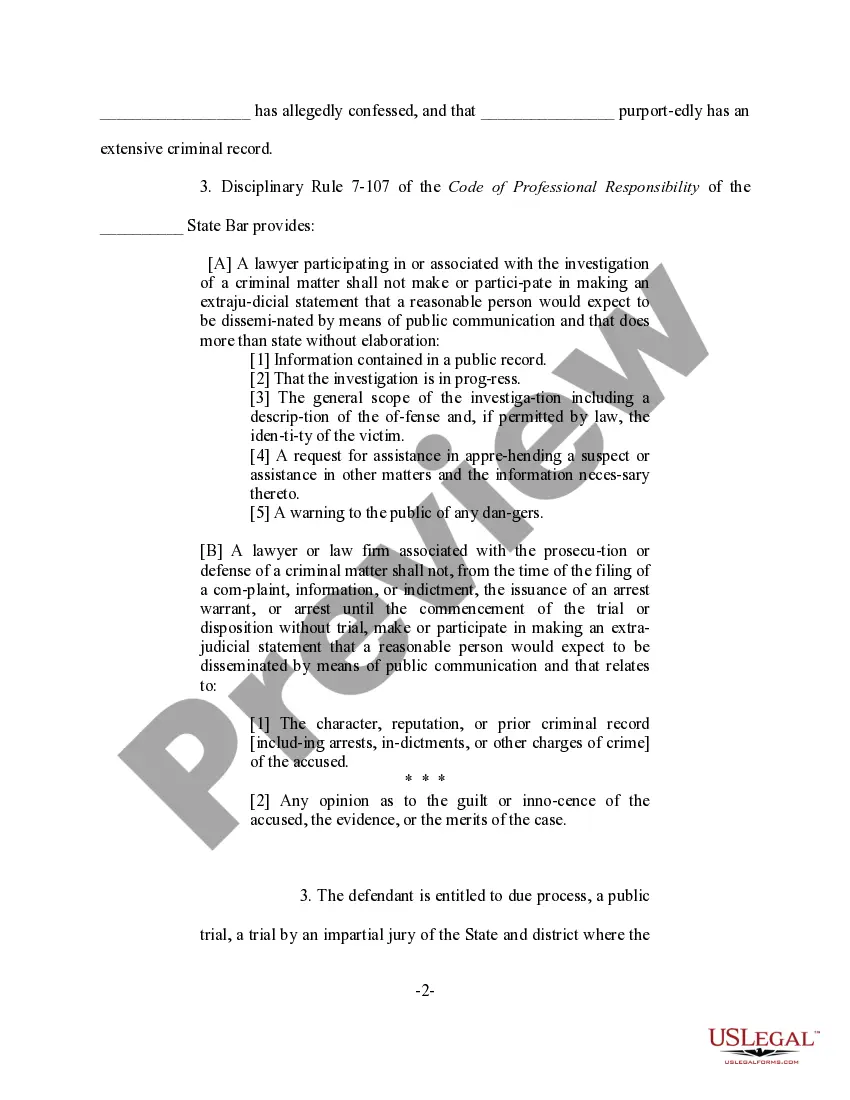
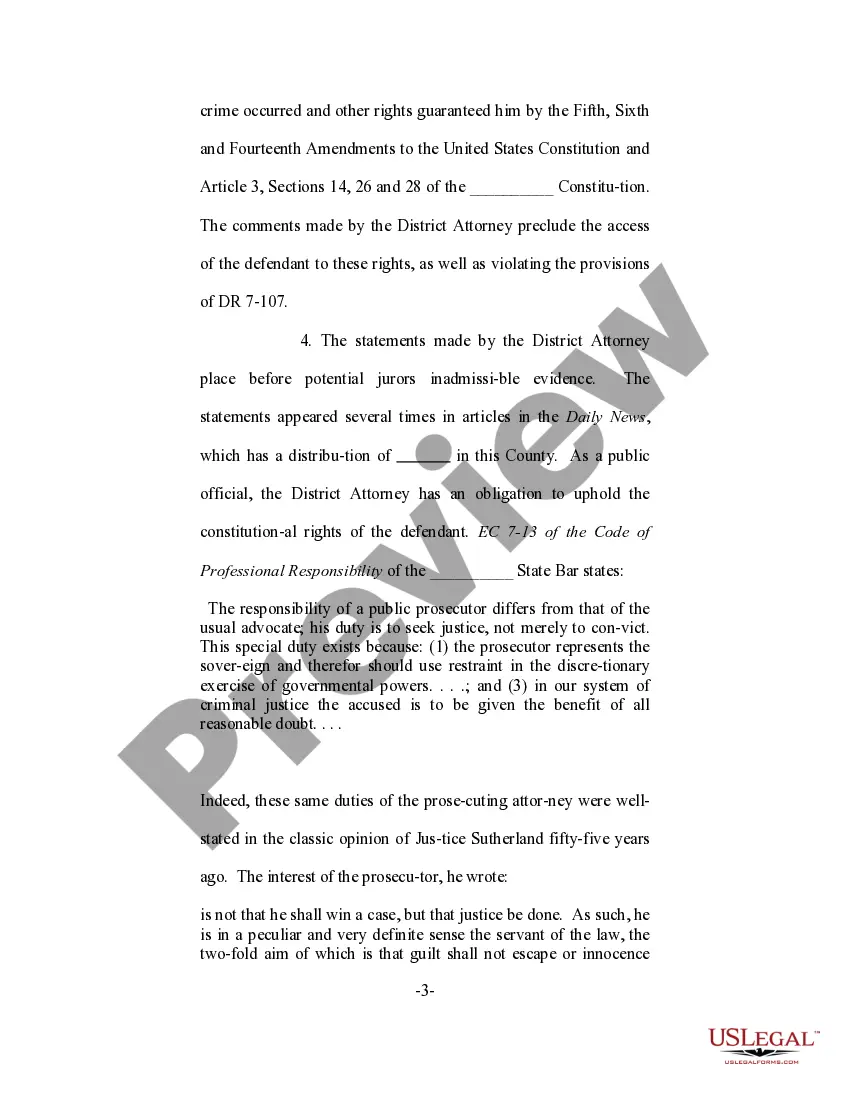
Idaho Motion to Remedy Prosecutorial Abuse
Description
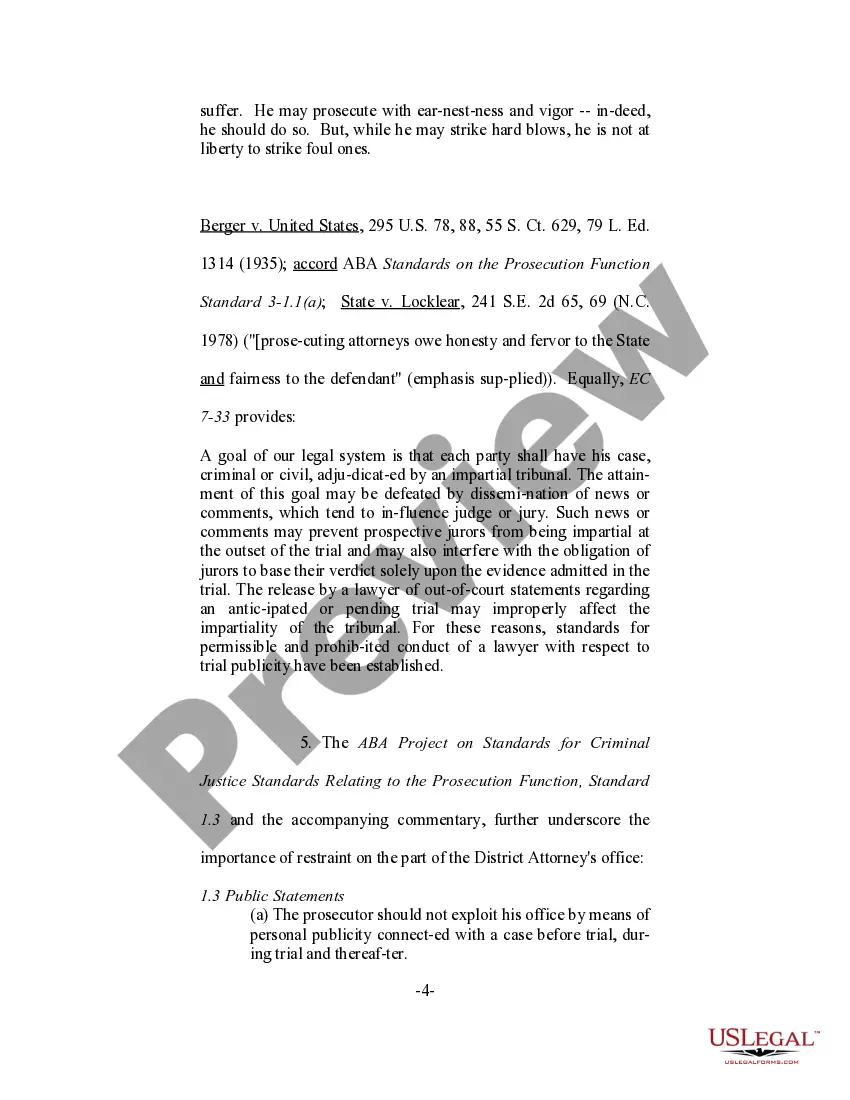
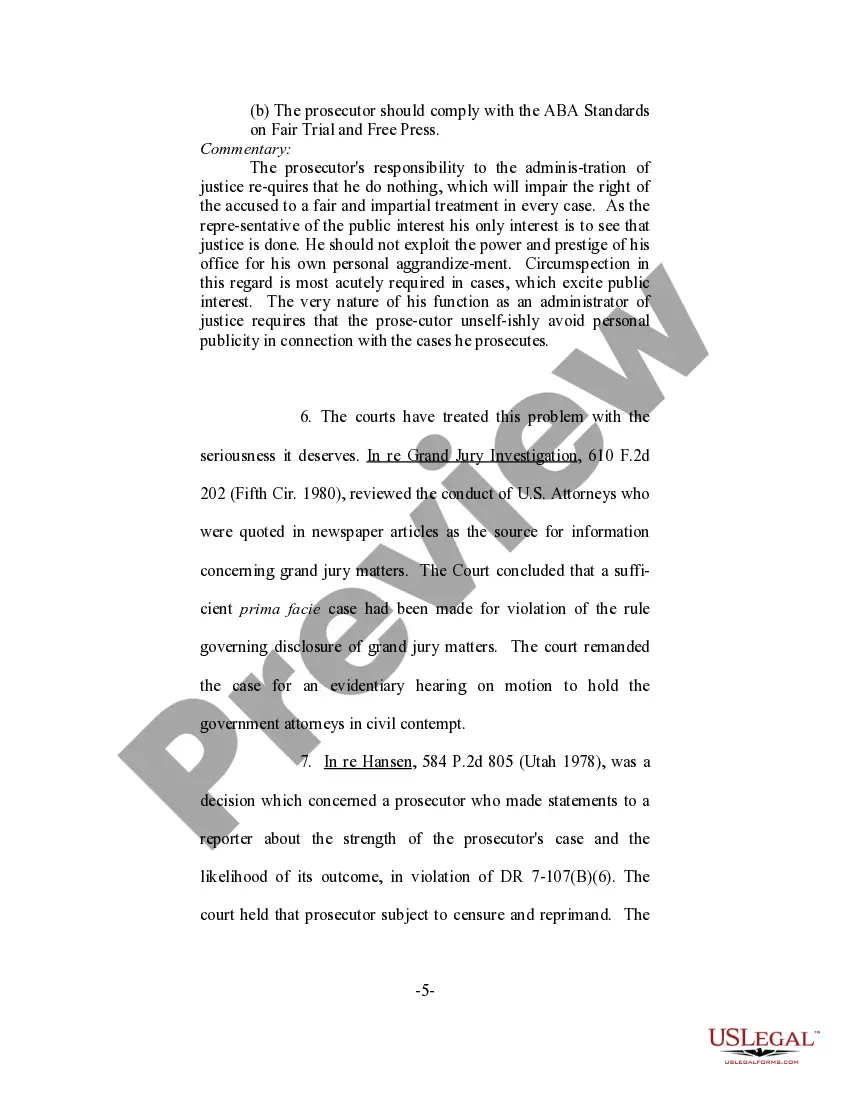
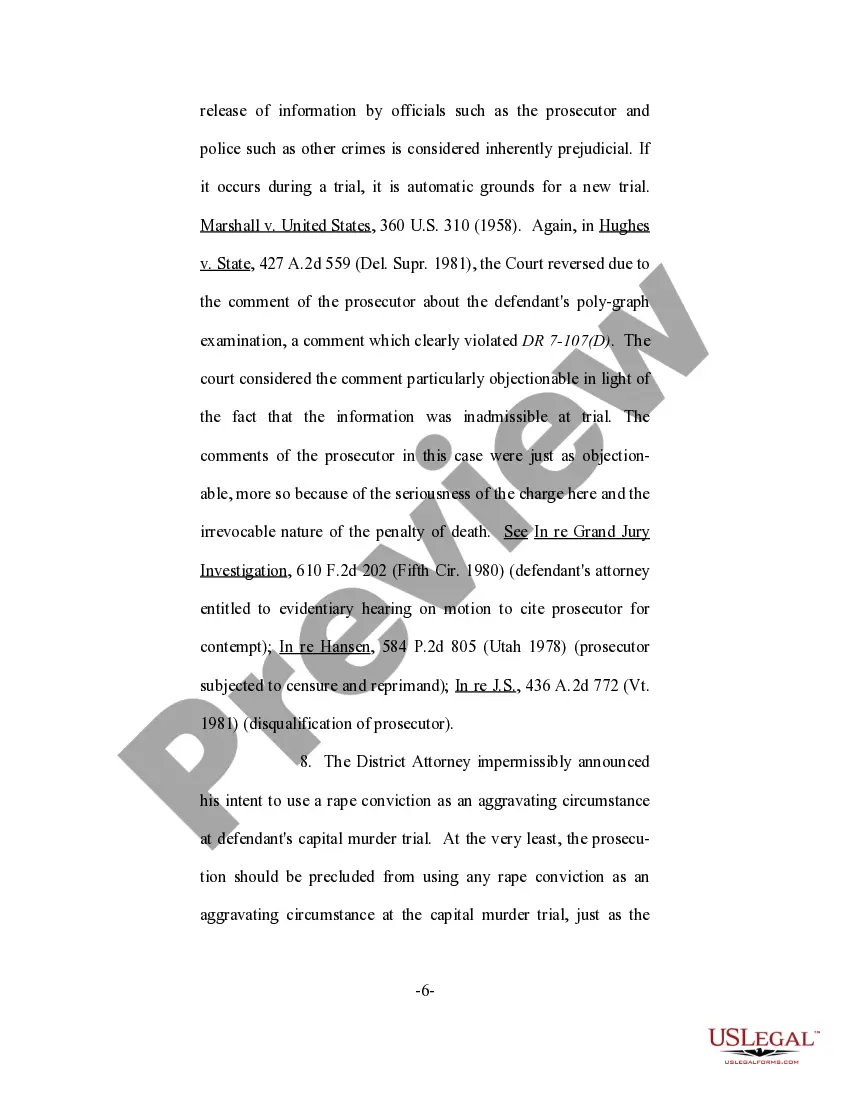
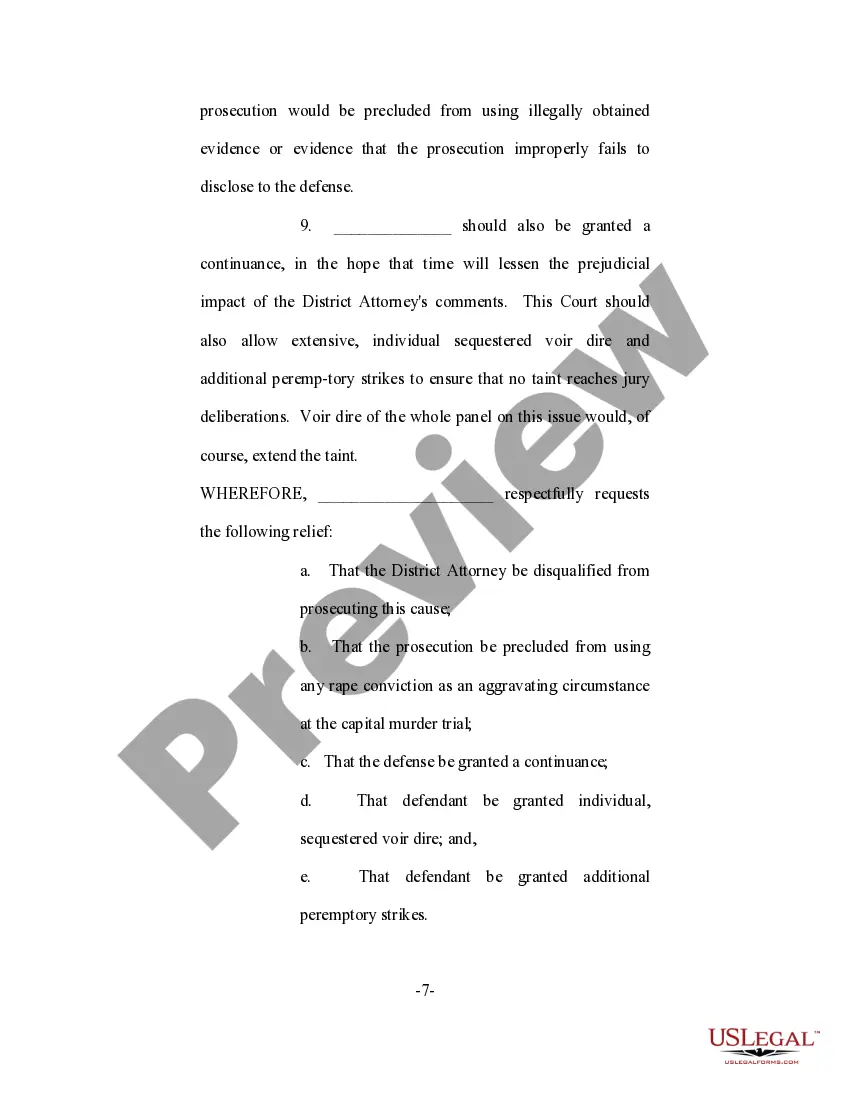
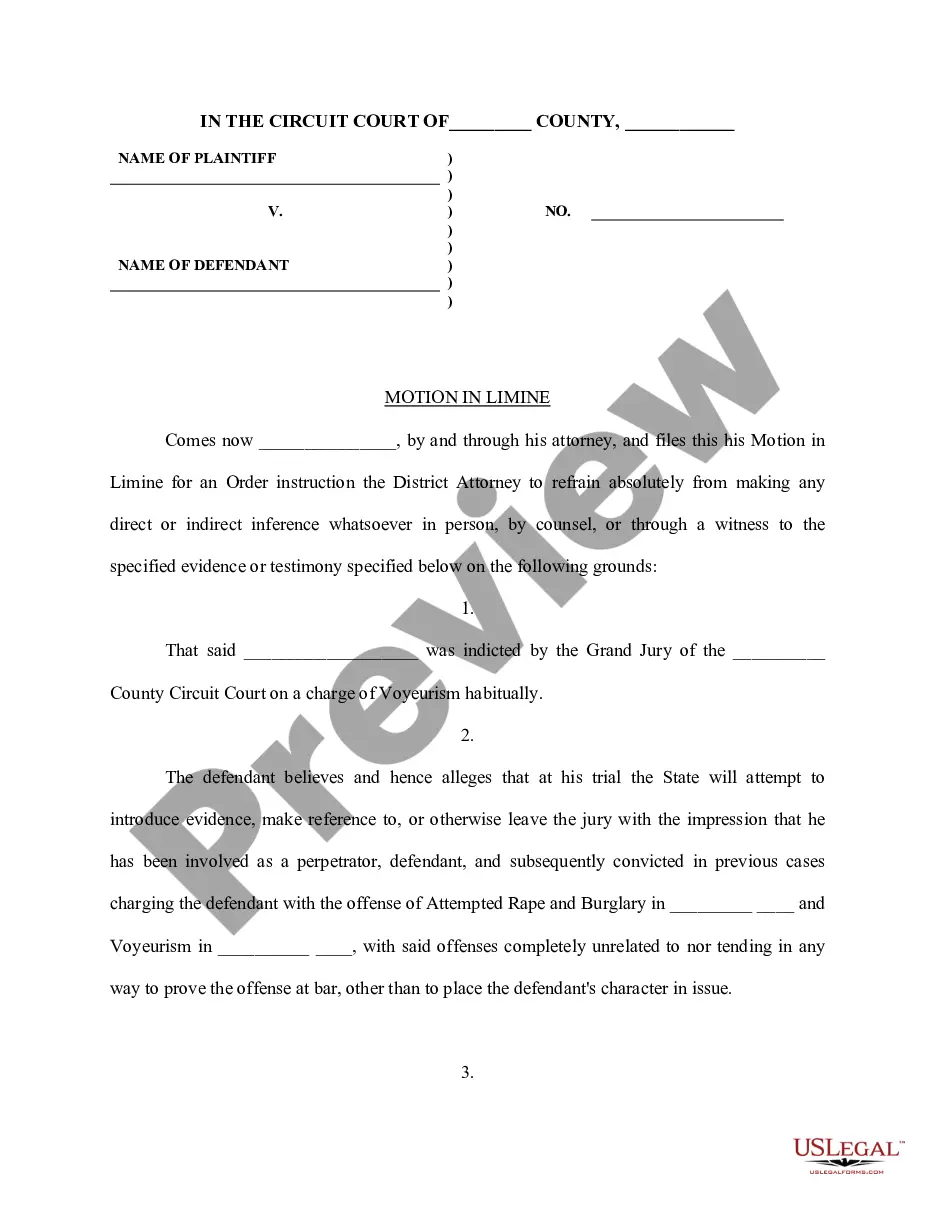
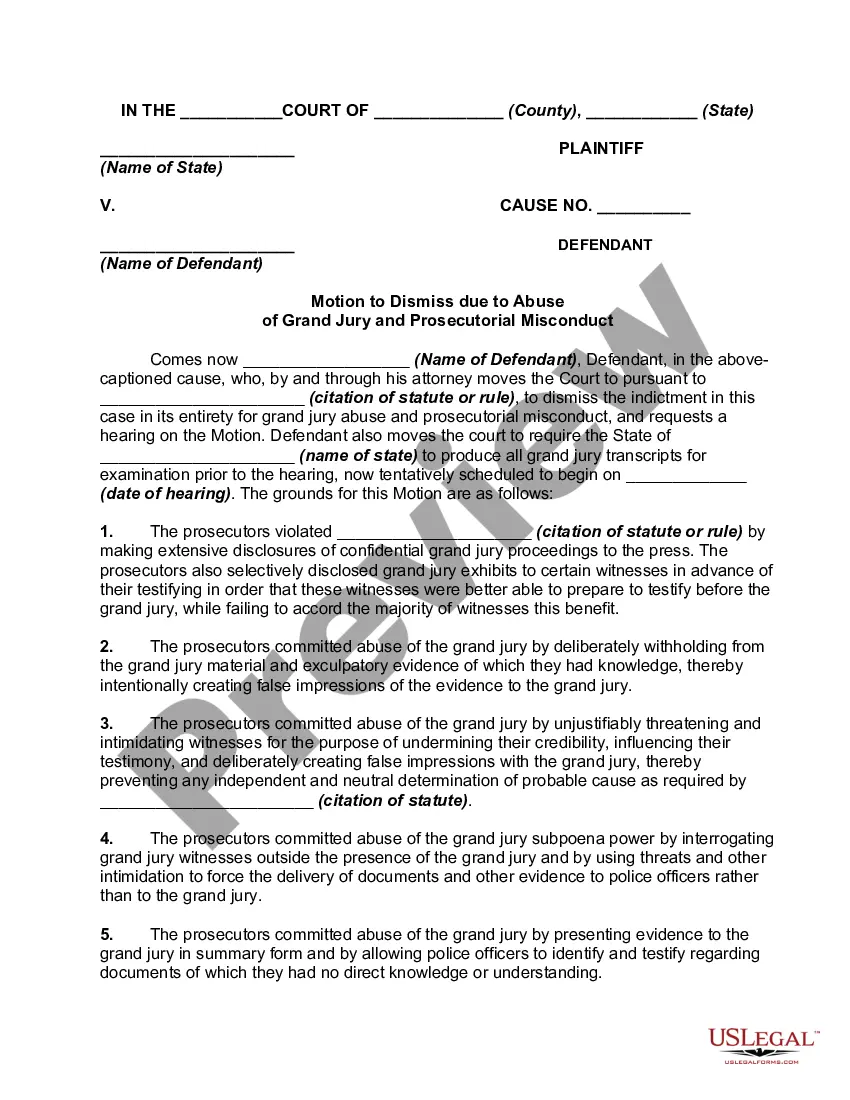
Get your form ready online
Our built-in tools help you complete, sign, share, and store your documents in one place.
Make edits, fill in missing information, and update formatting in US Legal Forms—just like you would in MS Word.
Download a copy, print it, send it by email, or mail it via USPS—whatever works best for your next step.
Sign and collect signatures with our SignNow integration. Send to multiple recipients, set reminders, and more. Go Premium to unlock E-Sign.
If this form requires notarization, complete it online through a secure video call—no need to meet a notary in person or wait for an appointment.
We protect your documents and personal data by following strict security and privacy standards.

Make edits, fill in missing information, and update formatting in US Legal Forms—just like you would in MS Word.

Download a copy, print it, send it by email, or mail it via USPS—whatever works best for your next step.

Sign and collect signatures with our SignNow integration. Send to multiple recipients, set reminders, and more. Go Premium to unlock E-Sign.

If this form requires notarization, complete it online through a secure video call—no need to meet a notary in person or wait for an appointment.

We protect your documents and personal data by following strict security and privacy standards.
Looking for another form?


How to fill out Motion To Remedy Prosecutorial Abuse?
US Legal Forms - one of the largest collections of legal documents in the States - offers a selection of legal document templates you can obtain or create.
By using the site, you can access thousands of forms for business and personal purposes, organized by categories, states, or keywords. You can find the latest versions of forms like the Idaho Motion to Remedy Prosecutorial Abuse in moments.
If you already have an account, Log In and obtain the Idaho Motion to Remedy Prosecutorial Abuse through the US Legal Forms library. The Download button will appear on every form you view. You can access all previously downloaded forms in the My documents section of your account.
Complete the payment. Use your credit card or PayPal account to finalize the transaction.
Choose the format and download the form to your device. Make changes. Fill out, modify, and print and sign the downloaded Idaho Motion to Remedy Prosecutorial Abuse. Every template you add to your account does not have an expiration date and belongs to you indefinitely. So, if you wish to obtain or create another copy, simply go to the My documents section and click on the form you need. Gain access to the Idaho Motion to Remedy Prosecutorial Abuse with US Legal Forms, the most extensive library of legal document templates. Use thousands of professional and state-specific templates that meet your business or personal requirements.
- Make sure you have chosen the correct form for your city/state.
- Click the Review button to view the form's details.
- Read the form description to confirm that you have selected the correct form.
- If the form does not meet your needs, use the Search field at the top of the screen to find one that does.
- If you are satisfied with the form, confirm your choice by clicking the Acquire now button.
- Then, select the payment plan you prefer and provide your information to register for an account.
Form popularity
FAQ
A motion to withdraw a plea of guilty may be made only before sentence is imposed or imposition of sentence is suspended; but to correct manifest injustice the court may set aside the judgment of conviction after sentence and may permit the defendant to withdraw a plea of guilty.
A motion under Rule 29 of the Federal Rules of Criminal Procedure, ing to the Atlantic, authorizes a federal judge to dismiss a criminal case after the prosecution presents evidence, if the judge finds that the evidence was insufficient to find guilt beyond a reasonable doubt.
A ?Rule 29 Motion,? based on Federal Rule of Criminal Procedure 29, is typically made twice during a federal trial ? first, at the close of the Government's case, and again at the close of the entire case. These motions allow the judge to dismiss the case as a matter of law.
Within 120 days of the entry of the judgment imposing sentence or order releasing retained jurisdiction, a motion may be filed to correct a sentence that has been imposed in an illegal manner or to reduce a sentence and the court may correct or reduce the sentence.
Rule 60(a). Relief from a Judgment or Order ? Corrections Based on Clerical Mistakes; Oversights and Omissions. The court may correct a clerical mistake or a mistake arising from oversight or omission whenever one is found in a judgment, order, or other part of the record.
After the prosecution closes its evidence or after the close of all the evidence, the court on defendant's motion or on its own motion, must enter a judgment of acquittal of any offense for which the evidence is insufficient to sustain a conviction.
(b) Failure to appear after first appearance. If a defendant fails to appear at the time fixed by the court, or at the time fixed by a continuance or trial date notice issued by the clerk, the court may order any bond forfeited and may issue a bench warrant for the arrest of the defendant.