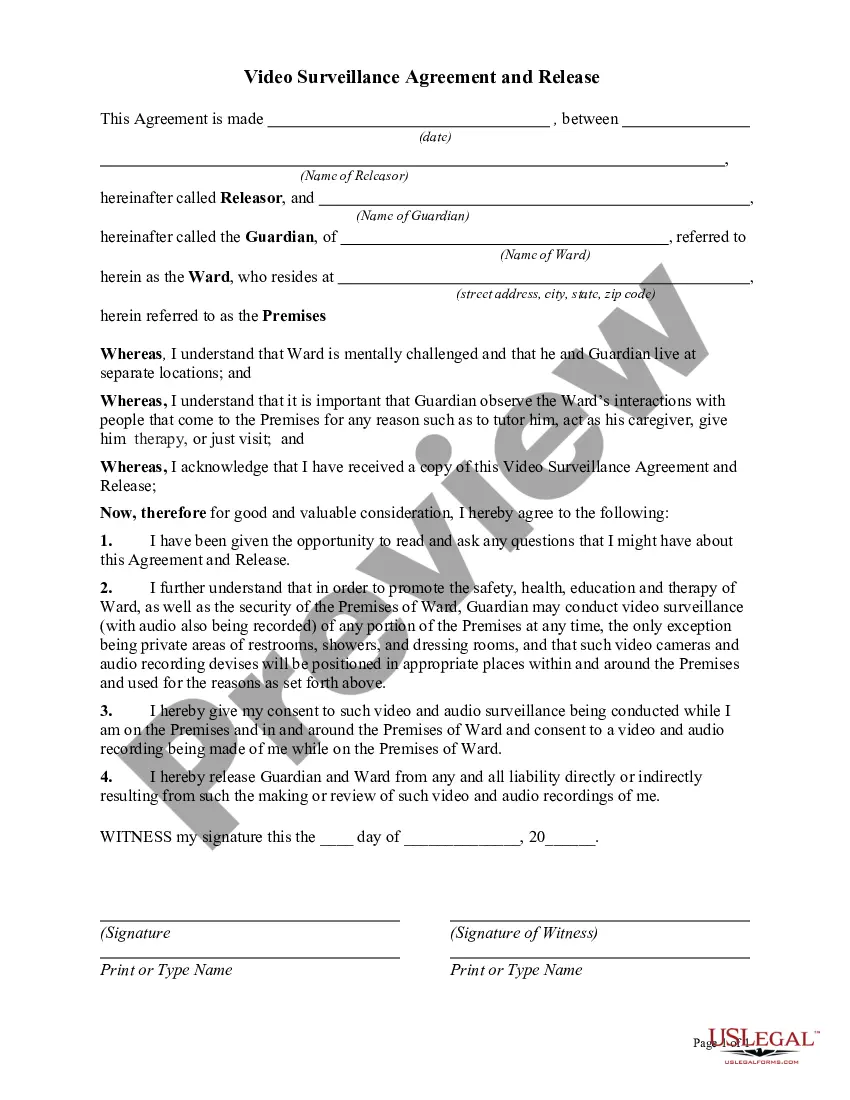
Iowa Video Surveillance Agreement and Release
Description
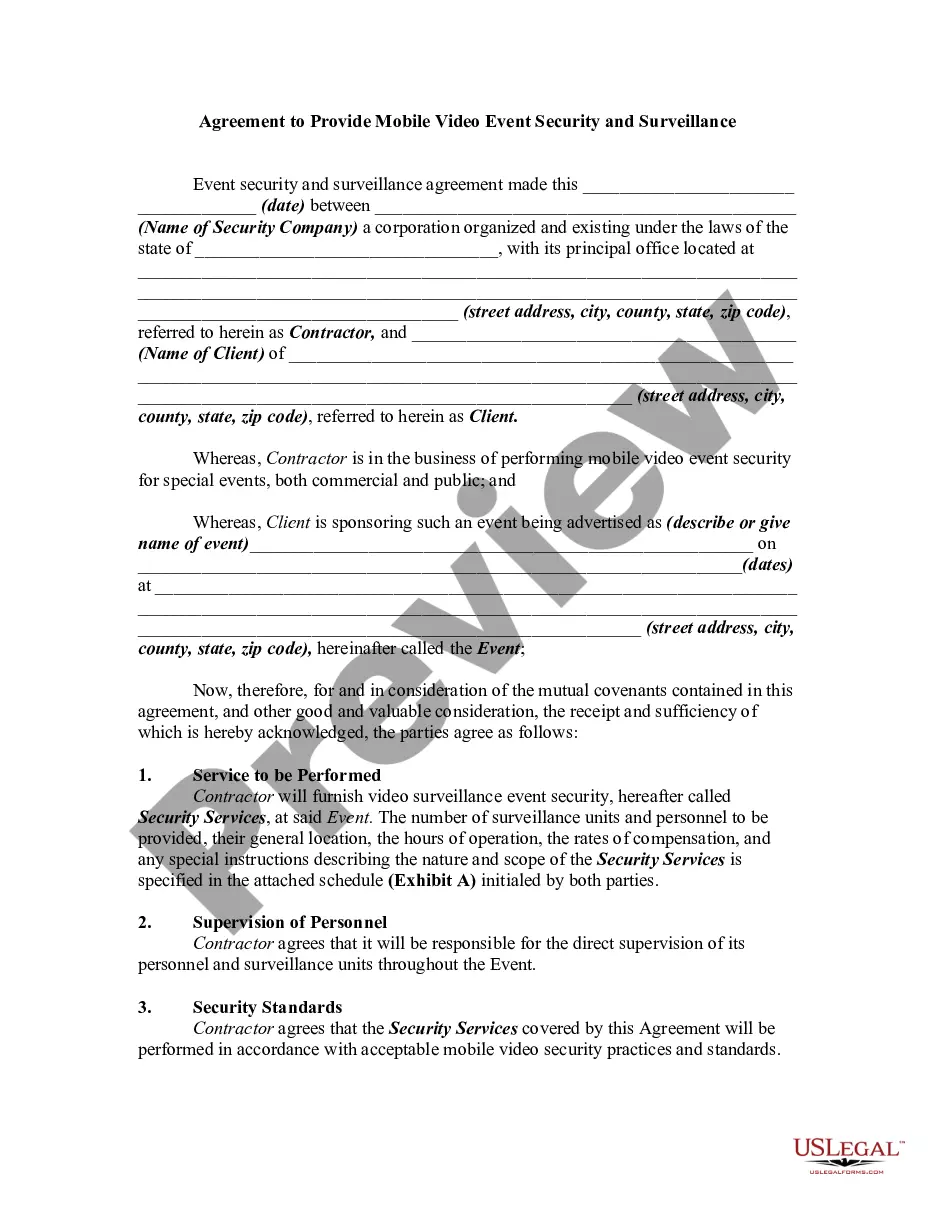
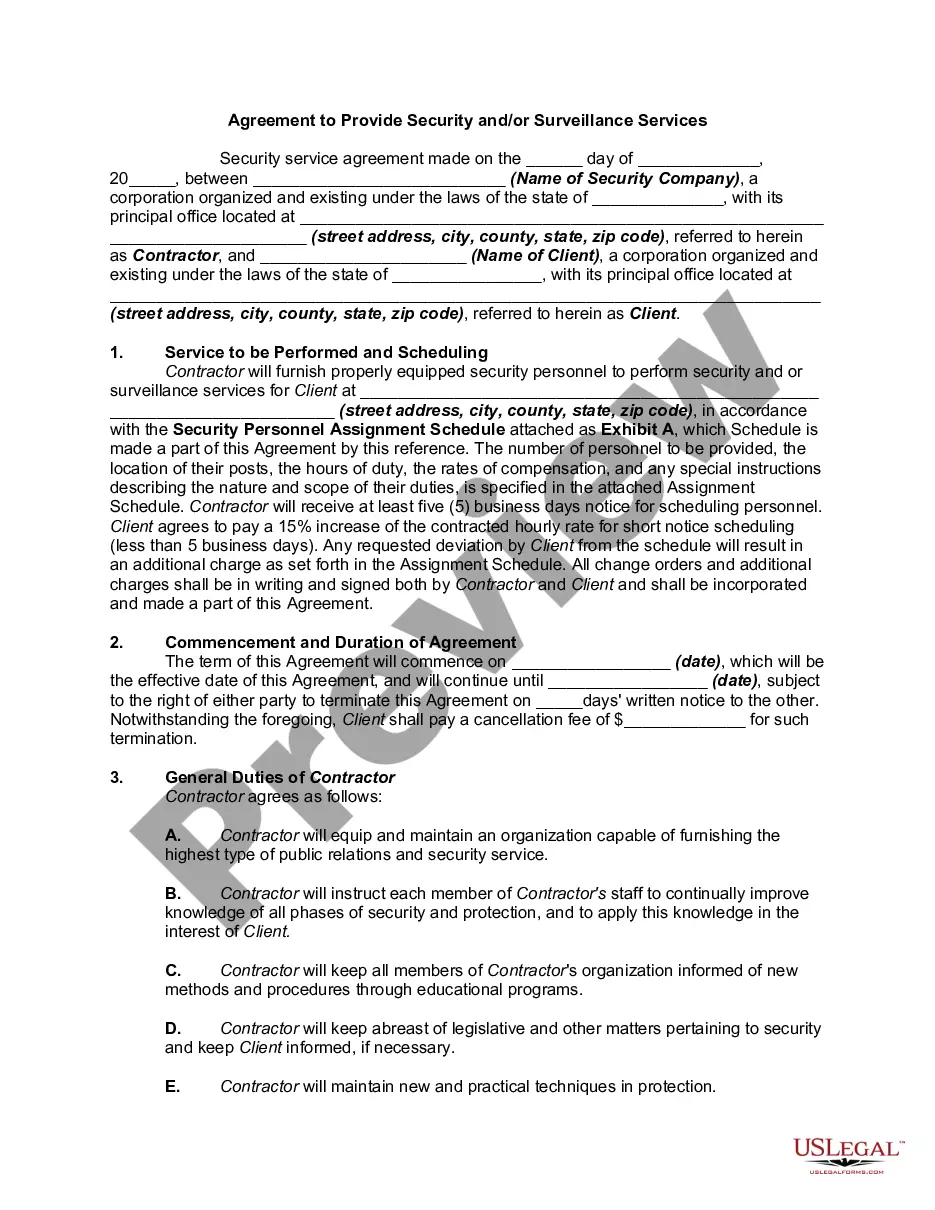
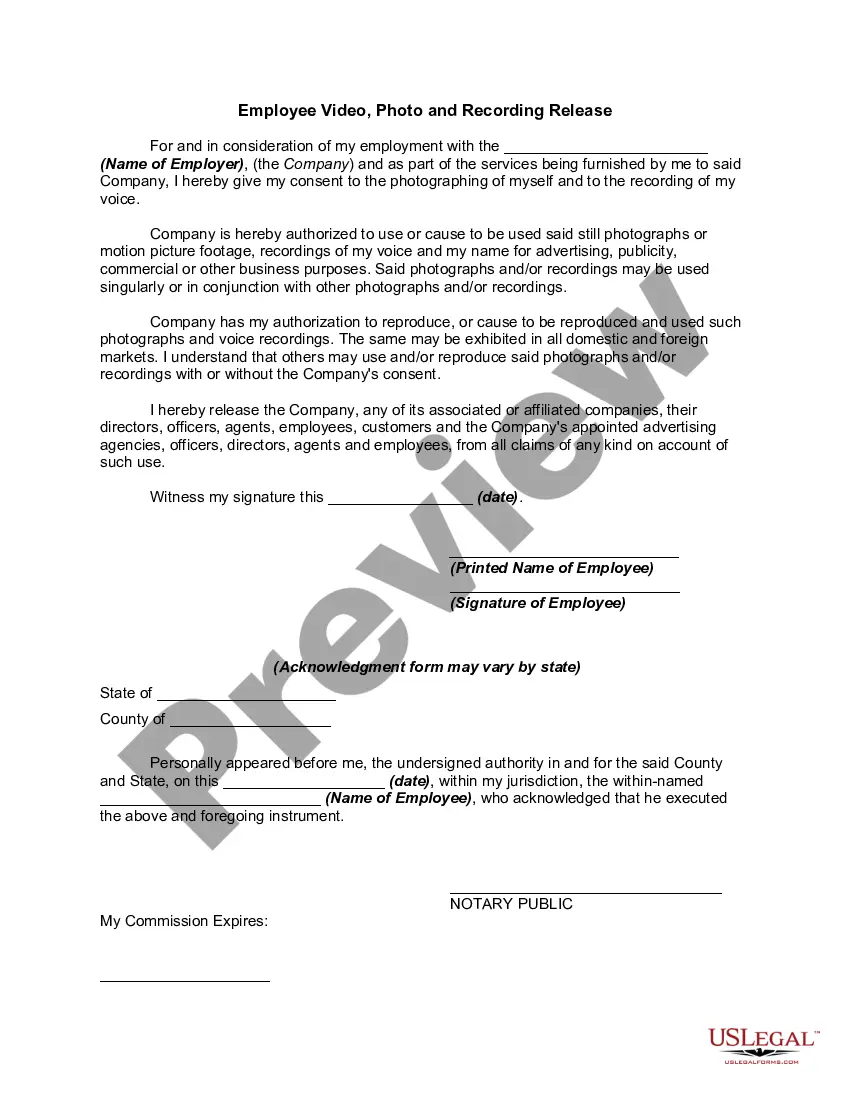
Get your form ready online
Our built-in tools help you complete, sign, share, and store your documents in one place.
Make edits, fill in missing information, and update formatting in US Legal Forms—just like you would in MS Word.
Download a copy, print it, send it by email, or mail it via USPS—whatever works best for your next step.
Sign and collect signatures with our SignNow integration. Send to multiple recipients, set reminders, and more. Go Premium to unlock E-Sign.
If this form requires notarization, complete it online through a secure video call—no need to meet a notary in person or wait for an appointment.
We protect your documents and personal data by following strict security and privacy standards.

Make edits, fill in missing information, and update formatting in US Legal Forms—just like you would in MS Word.

Download a copy, print it, send it by email, or mail it via USPS—whatever works best for your next step.

Sign and collect signatures with our SignNow integration. Send to multiple recipients, set reminders, and more. Go Premium to unlock E-Sign.

If this form requires notarization, complete it online through a secure video call—no need to meet a notary in person or wait for an appointment.

We protect your documents and personal data by following strict security and privacy standards.
Looking for another form?
How to fill out Video Surveillance Agreement And Release?
Are you currently in a situation where you require documents for both business or personal purposes almost every day.
There are numerous legal document templates accessible online, but locating reliable ones is not straightforward.
US Legal Forms offers a vast selection of form templates, including the Iowa Video Surveillance Agreement and Release, which are designed to comply with state and federal regulations.
Select the pricing plan you desire, complete the necessary information to create your account, and pay for the order using your PayPal or credit card.
Choose a convenient file format and download your copy.
- If you are already familiar with the US Legal Forms website and have an account, simply Log In.
- Afterward, you can download the Iowa Video Surveillance Agreement and Release template.
- If you do not have an account and wish to start using US Legal Forms, follow these steps.
- Obtain the form you need and ensure it is for the correct region/state.
- Utilize the Preview button to examine the form.
- Review the description to confirm you have selected the correct form.
- If the form is not what you’re looking for, use the Search area to find the form that meets your needs and requirements.
- Once you acquire the appropriate form, click Get now.
Form popularity
FAQ
IOWA is considered a One-Party Consent State, in that at least one person involved in the recorded communication must consent. Illegal recordings are a felony and can also result in civil damages.
One-party consent states are:Alabama.Alaska.Arizona.Arkansas.Colorado.Connecticut (for in-person conversations or phone calls recorded by a participant of the conversation)Delaware.District of Columbia.More items...
In Iowa, you can record oral communications with the consent of just one party, meaning if you're interacting with the police and you record it, you should be ok. However, when you are a bystander, the situation depends on whether there is a reasonable expectation of privacy in the communication between the parties.
In the case of one party recording someone's video in a private space, there is a need for consent. In case of all the party consent in private space, a person needs permission for recording a video of that particular person.
Eleven states require two-party consent, however. In other words, everyone involved in a conversation must agree to be recorded. Those states are California, Delaware, Florida, Illinois, Maryland, Massachusetts, Montana, Nevada, New Hampshire, Pennsylvania, and Washington.
Iowa Recording Law Summary: In Iowa, it is a criminal offense to use any device to record communications, whether they are wire, oral or electronic, without the consent of at least one person taking part in the communication, as long as the recording is made without any criminal intent.
Under the state's eavesdropping law, a person may record a telephone or communication of any kind if she is a party to the conversation or otherwise has authority to record it. Iowa Code Ann. § 727.8.
Iowa's Interception of Communications statute makes it a felony to willfully intercept or record the contents of a confidential in-person conversation without the consent of at least one party to the conversation.
In Iowa, you can record oral communications with the consent of just one party, meaning if you're interacting with the police and you record it, you should be ok. However, when you are a bystander, the situation depends on whether there is a reasonable expectation of privacy in the communication between the parties.