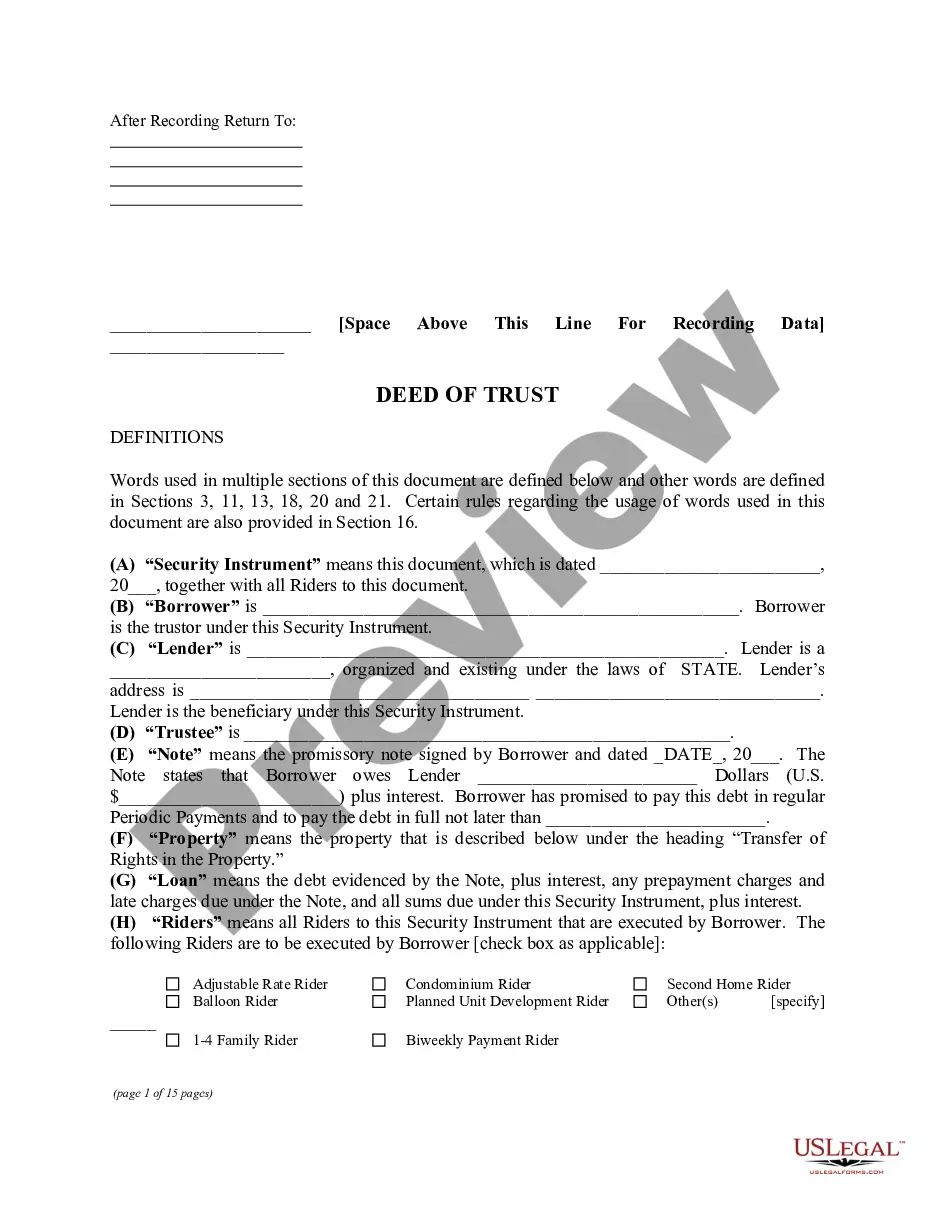
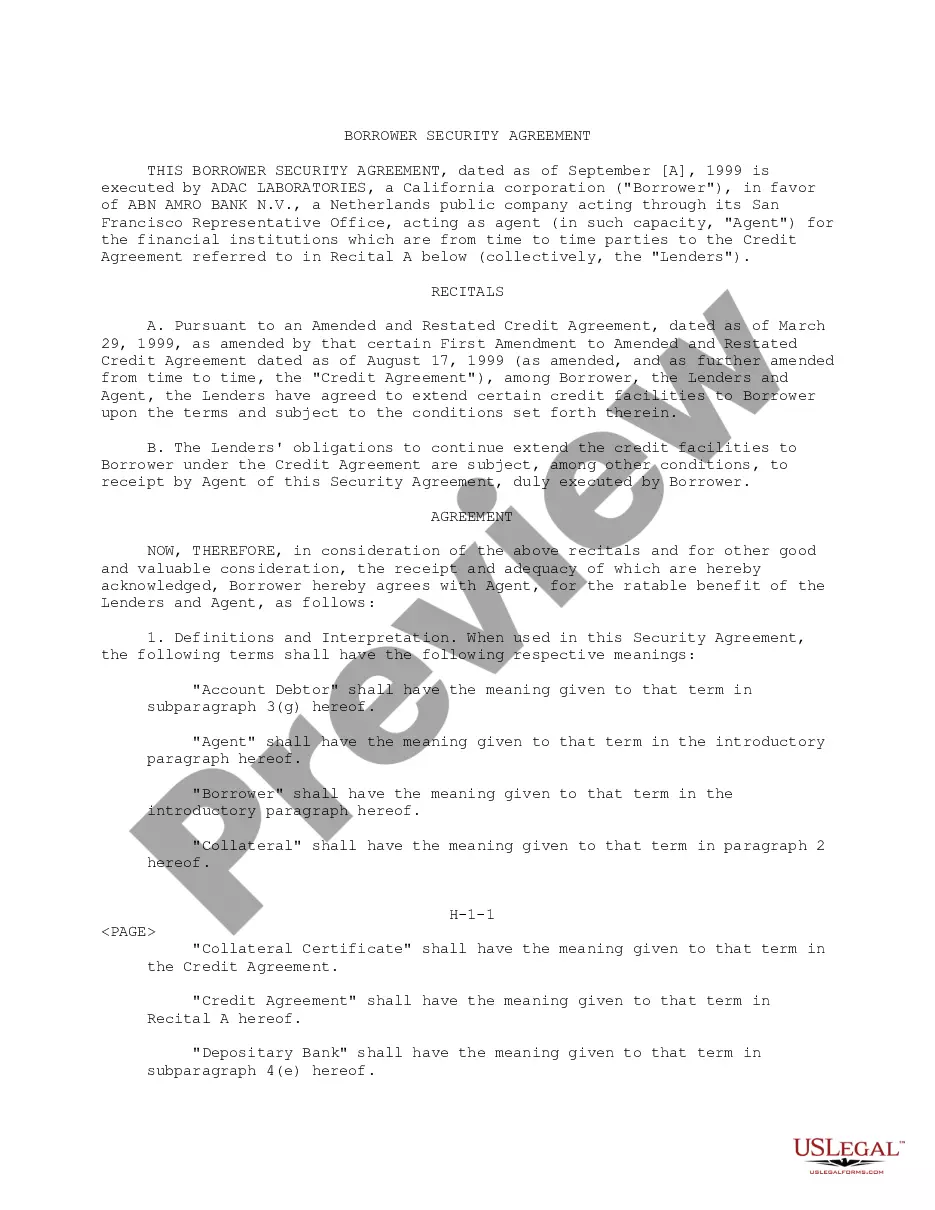
Debtor is obligated to pay the secured party attorneys fees. In consideration of the indebtedness, debtor conveys and warrants to trustee certain property described in the land deed of trust.
Iowa Land Deed of Trust
State:
Multi-State
Control #:
US-00181
Format:
Word;
Rich Text
Instant download
Description
Free preview

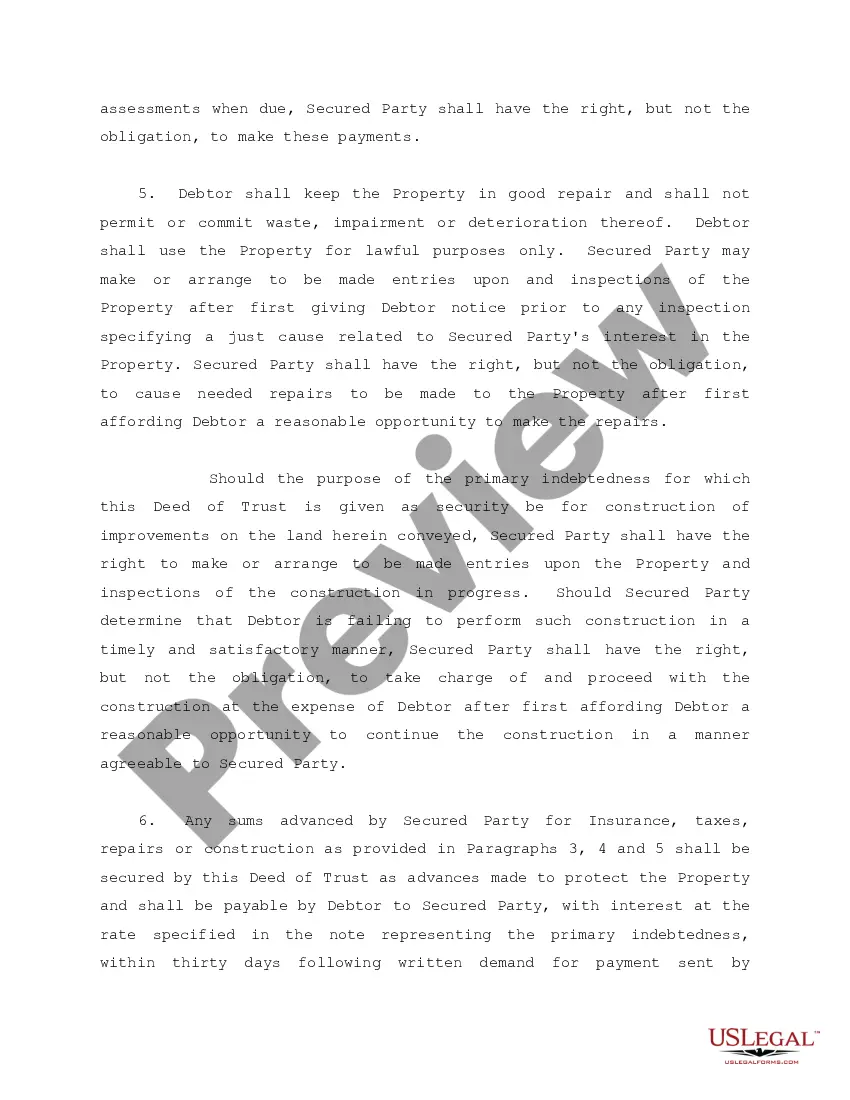
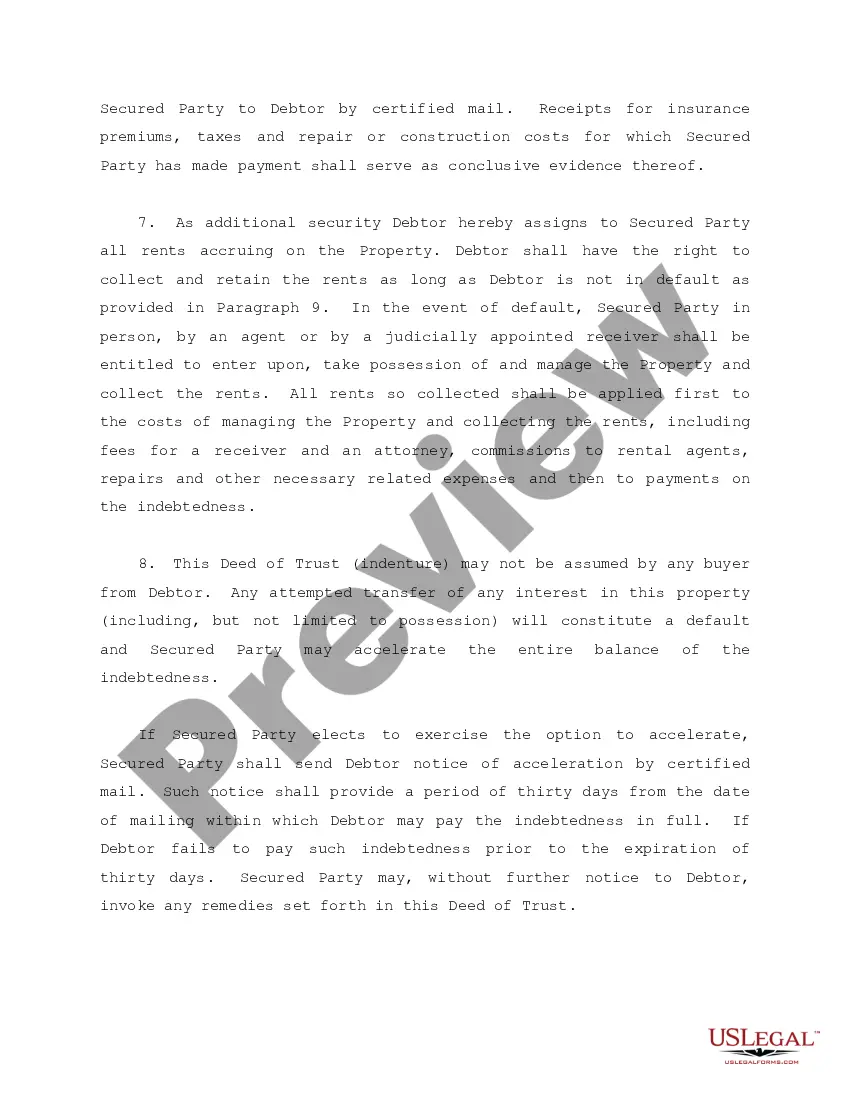
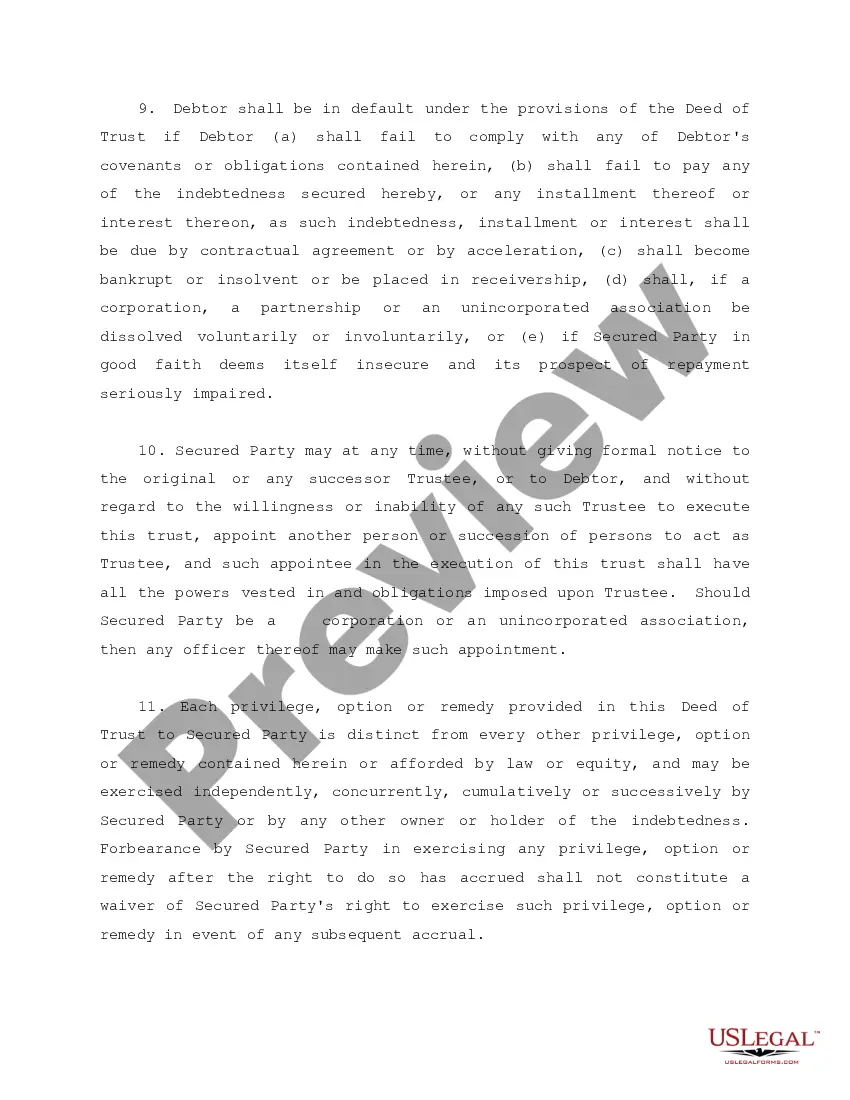
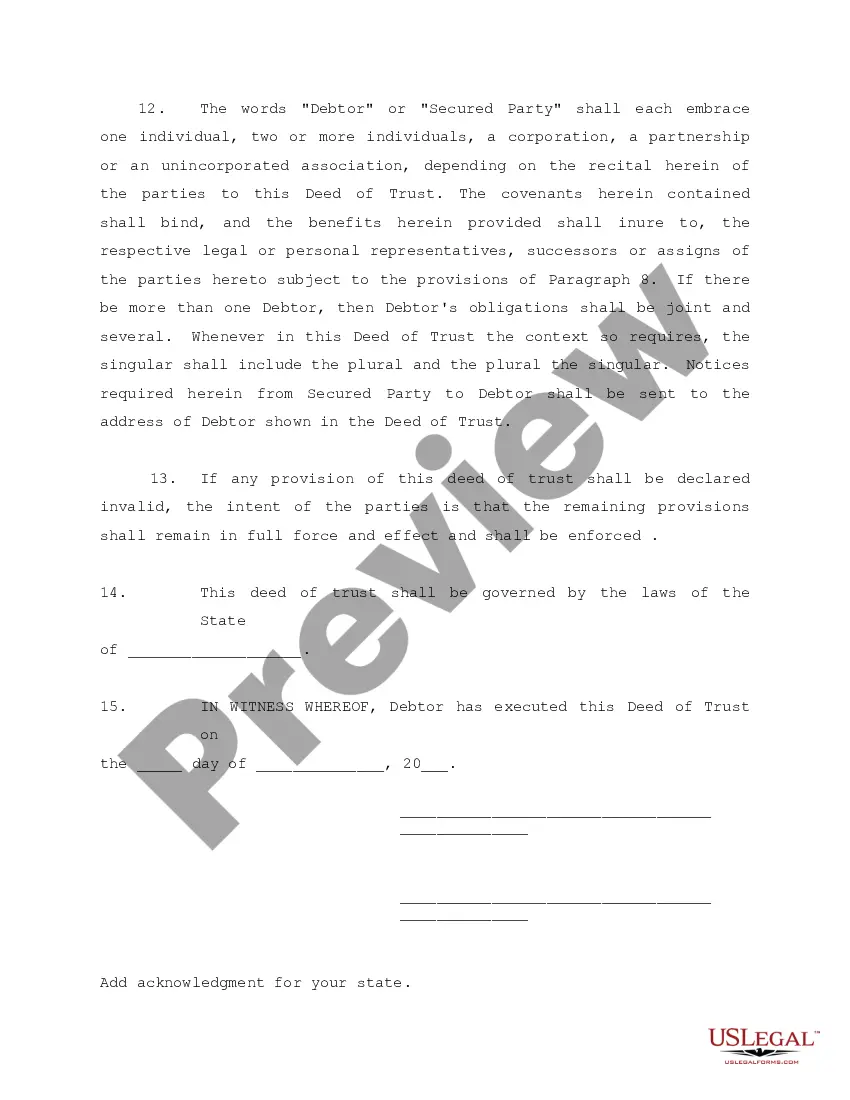



How to fill out Land Deed Of Trust?
You can invest time online looking for the proper legal document template that meets the state and federal requirements you need.
US Legal Forms offers thousands of legal documents that can be reviewed by professionals.
You can easily download or print the Iowa Land Deed of Trust from your service.
Read the form description to confirm you have chosen the right form. If available, utilize the Review button to look through the document template as well.
- If you already possess a US Legal Forms account, you can Log In and click on the Download button.
- Then, you can fill out, edit, print, or sign the Iowa Land Deed of Trust.
- Every legal document template you obtain is yours permanently.
- To get another copy of a purchased form, go to the My documents tab and click on the corresponding button.
- If you are using the US Legal Forms website for the first time, follow the simple instructions below.
- First, ensure that you have selected the correct document template for the area/town of your choice.
Form popularity
FAQ
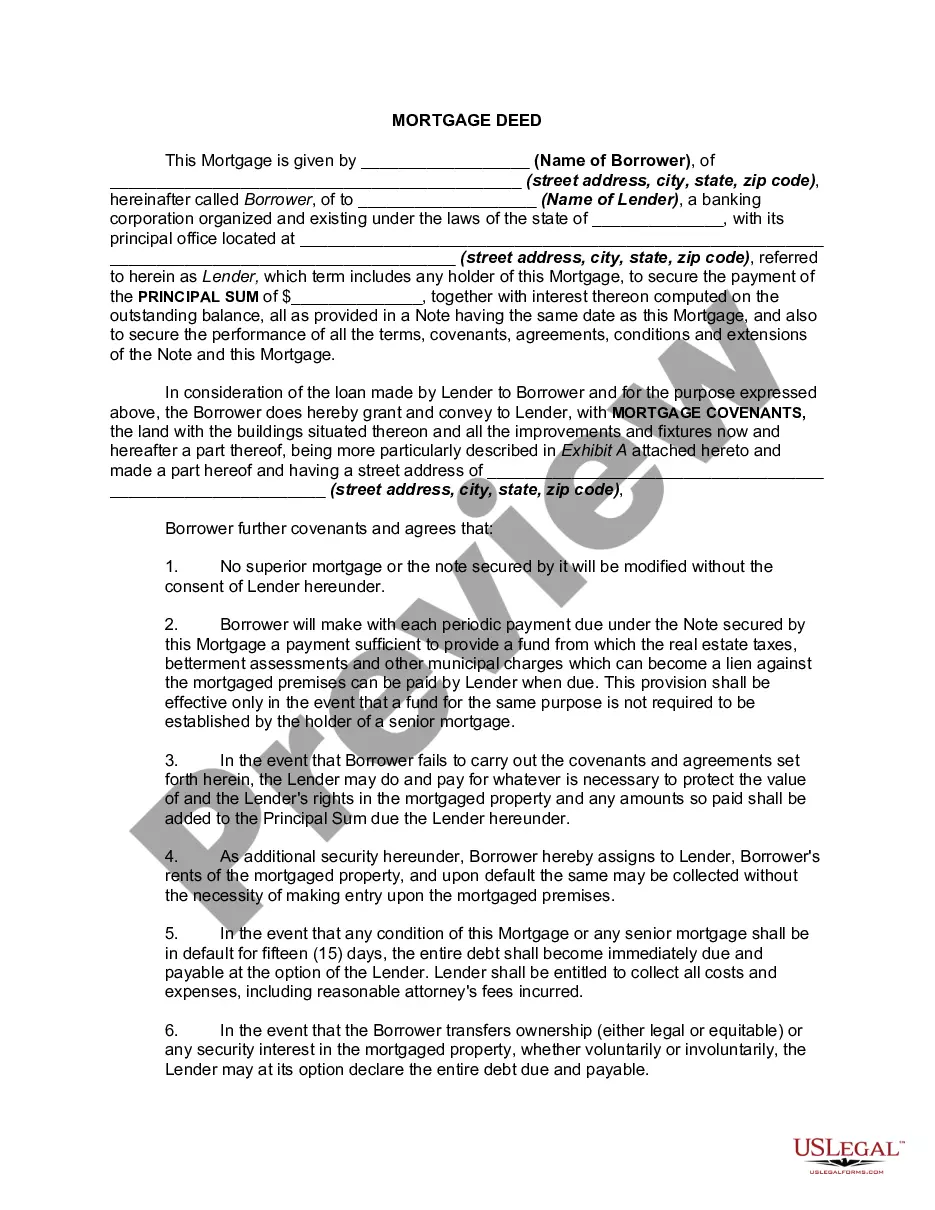
Yes, Iowa is classified as a deed of trust state, which means that lenders can use deeds of trust as a means to secure loans on real estate. This legal structure plays a significant role in real estate transactions throughout the state. As a borrower or lender, it's essential to be familiar with how the Iowa Land Deed of Trust operates within the local legal framework. Utilizing resources like US Legal Forms can guide you through the necessary documentation.
Individuals often use a deed of trust to secure loans for purchasing property or refinancing existing mortgages. This method offers both borrowers and lenders a clear framework for handling defaults, which can lead to smoother transactions. Additionally, many people prefer a deed of trust because it often allows for a quicker foreclosure process compared to traditional mortgages. Exploring the benefits of the Iowa Land Deed of Trust can help you make informed financial decisions.
The trust deed and rules set out the trustees' powers and the procedures trustees must follow. As a trustee, you must act in line with the terms of the trust deed and rules. The trust deed is a legal document that sets up and governs the scheme.
Trust Deed must be properly drafted and intend the real interests of the parties forming the trust. If there are more than two purposes of creating the trust, then both the purposes must be valid. If one object is valid and another object is invalid, then the trust cannot be formed.
What Is Included in a Trust Deed? The identities of the borrower, lender, and trustee. A full description of the property to be placed in trust. Any restrictions or requirements on the use of the property while it is in trust. The terms of the loan, including principal, monthly payments, and interest rate.
A deed of trust involves three parties: a lender, a borrower, and a trustee. The lender gives the borrower money. In exchange, the borrower gives the lender one or more promissory notes. As security for the promissory notes, the borrower transfers a real property interest to a third-party trustee.
A Trust Deed is a voluntary but legally binding agreement between you and your creditors where you agree to pay back an affordable portion of what you owe, whilst protecting your home and car. This debt repayment model allows you to make payments towards your debt in a fixed timeframe, typically over 4 years.
Not all states recognize a Trust Deed. Use a Mortgage Deed if you live in: Connecticut, Delaware, Florida, Indiana, Iowa, Kansas, Louisiana, New Jersey, New York, North Dakota, Ohio, Oklahoma, Pennsylvania, South Carolina, Vermont, or Wisconsin.
Work With Your County Recorder Each piece of property in Iowa is represented by a document that's been processed by an Iowa County Recorder. Iowa Land Records enables customers to work directly with Iowa County Recorders by providing an electronic platform for property records.
The main difference between a deed and a deed of trust is that a deed is a transfer of ownership, while a deed of trust is a security interest. A deed of trust is used to secure a loan, while a deed is used to transfer ownership of a property.