Iowa Construction Contract Cost Plus or Fixed Fee
What this document covers
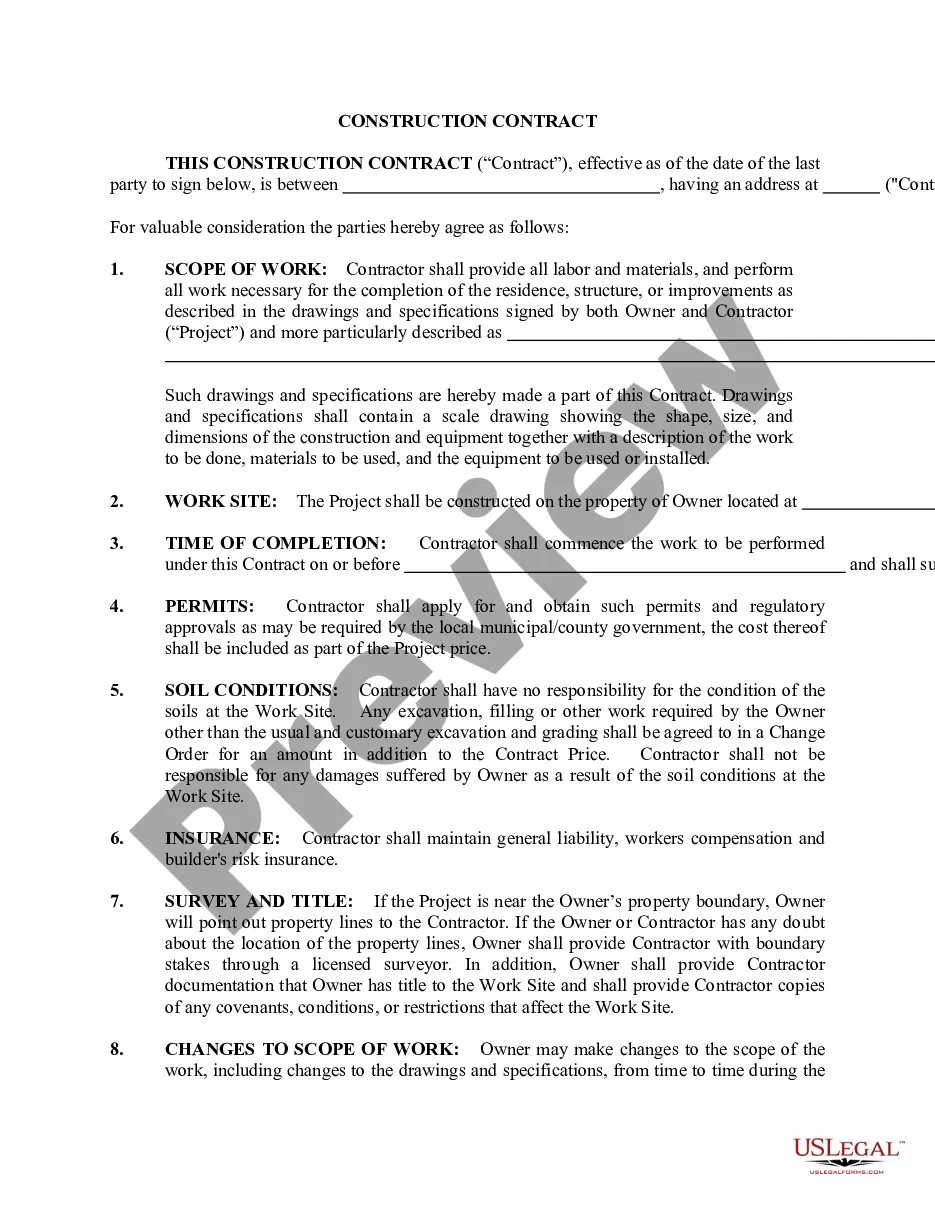
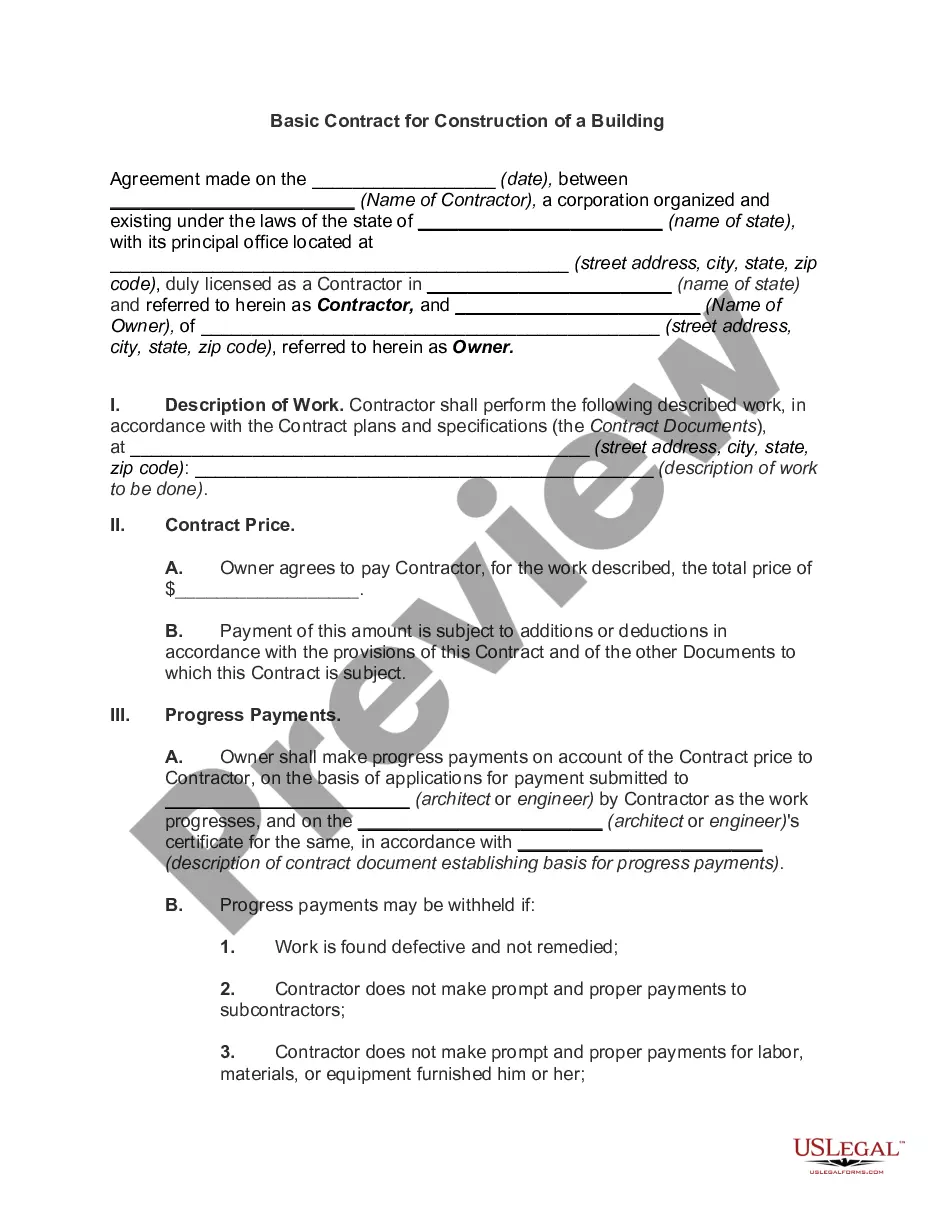
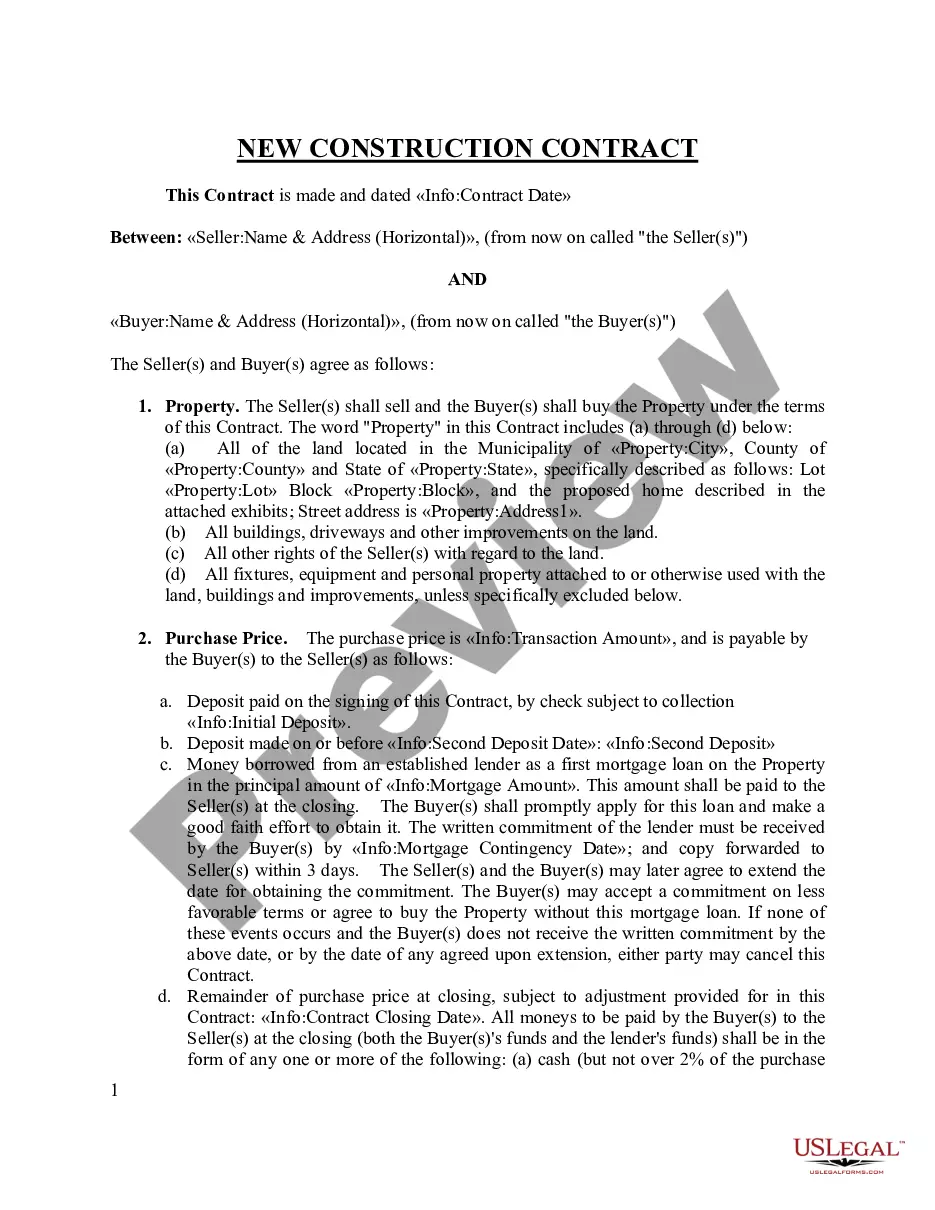
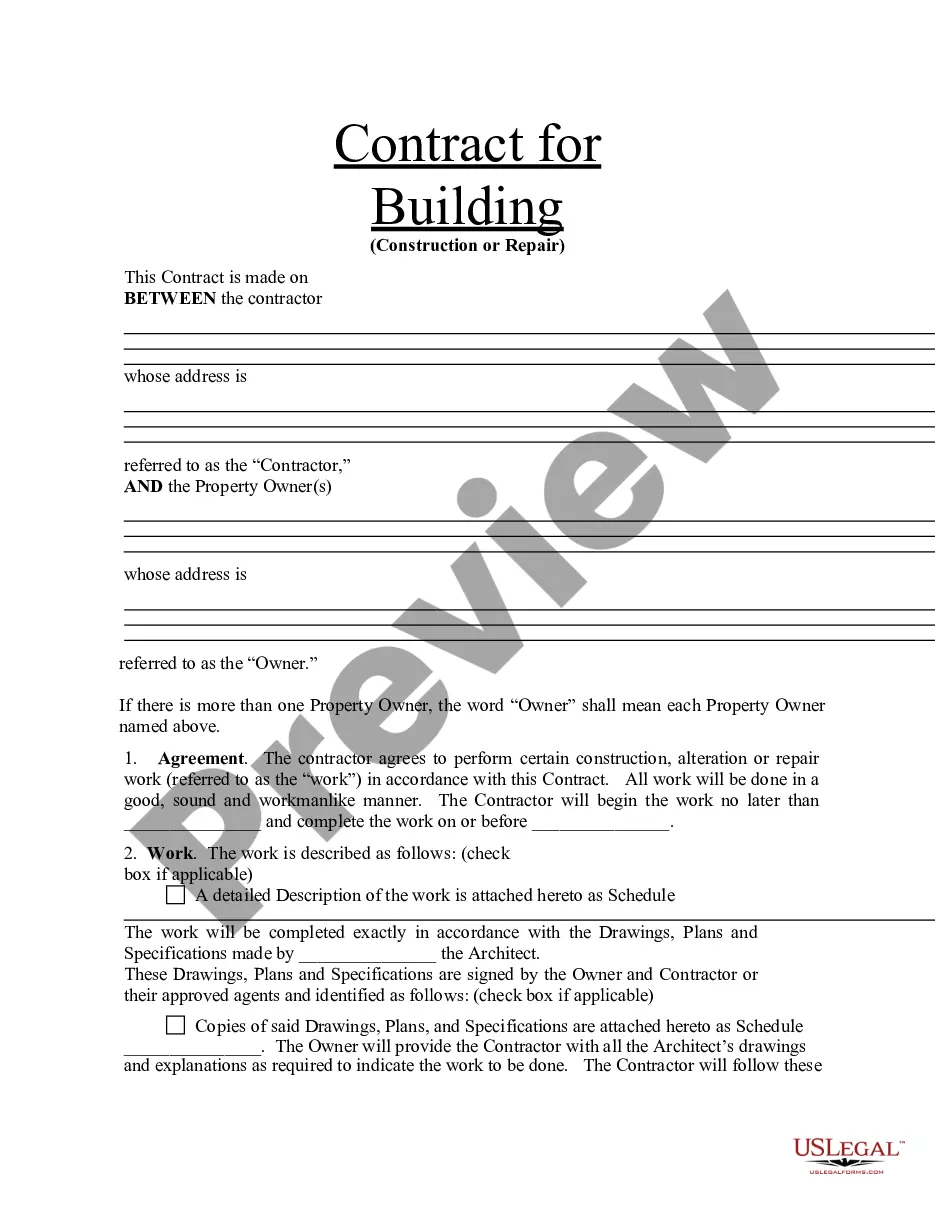
The Construction Contract Cost Plus or Fixed Fee is a legal document that outlines the terms and conditions for construction projects. It offers two payment arrangements: cost plus, where the contractor is reimbursed for project expenditures plus a fee, and fixed fee, where a set price is agreed upon. This form is particularly useful for establishing clear expectations and requirements between contractors and property owners in Iowa, distinguishing it from other types of construction contracts that may lack flexibility or specificity.
Key parts of this document
- Work site location and relevant property details.
- Permits, including responsibility for obtaining necessary regulatory approvals.
- Insurance coverage requirements for the contractor.
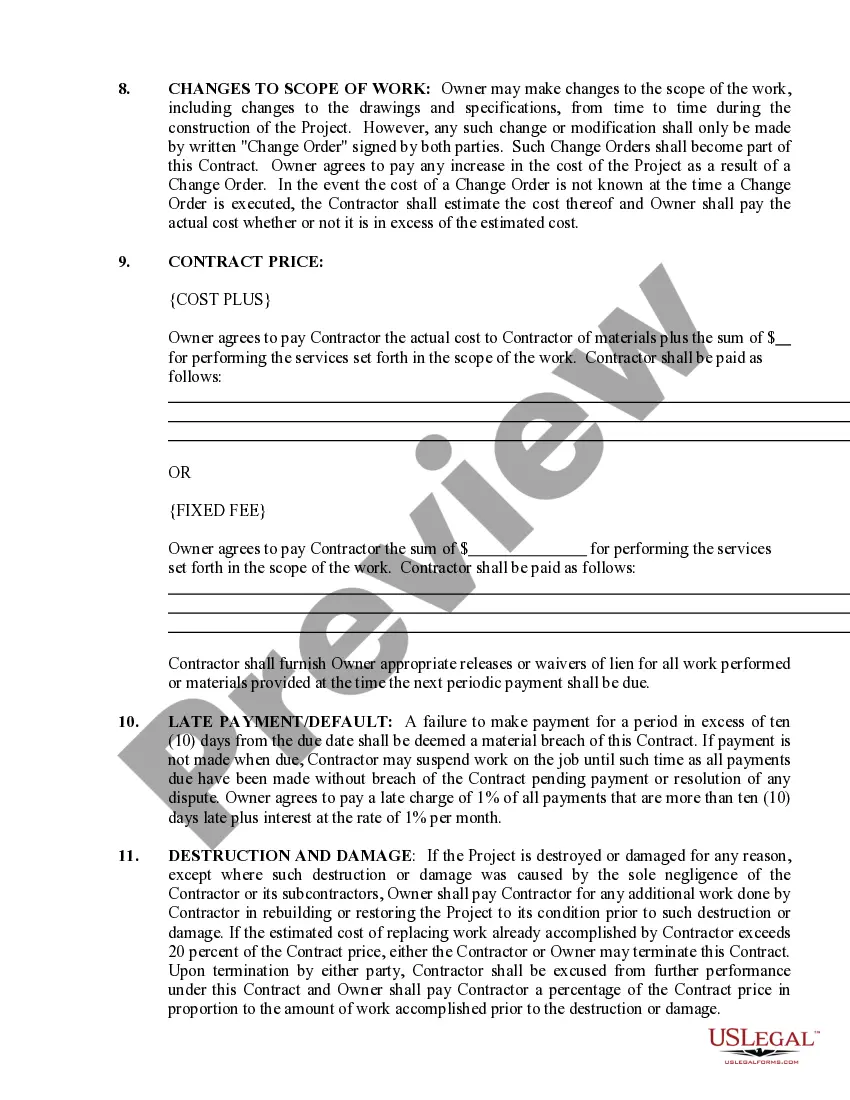
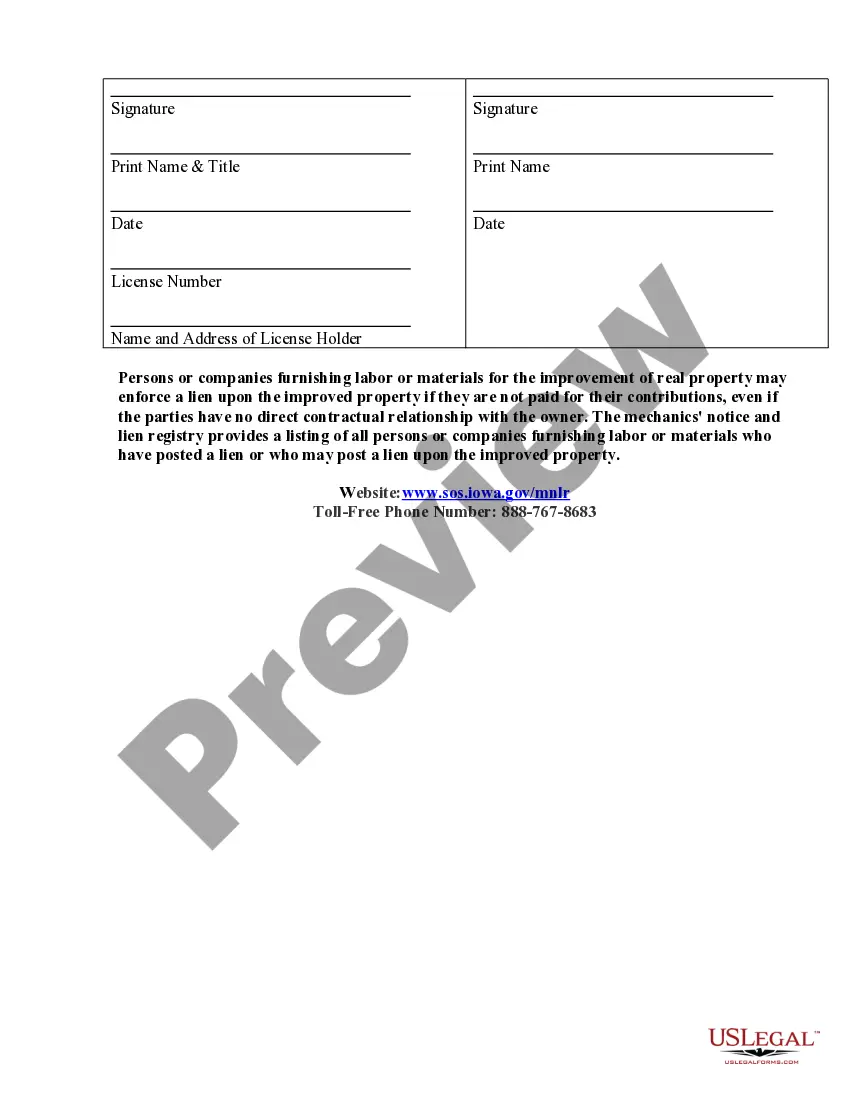
- Provisions for changes to the scope of work through written Change Orders.
- Contract price structure, detailing the payment method chosen (cost plus or fixed fee).
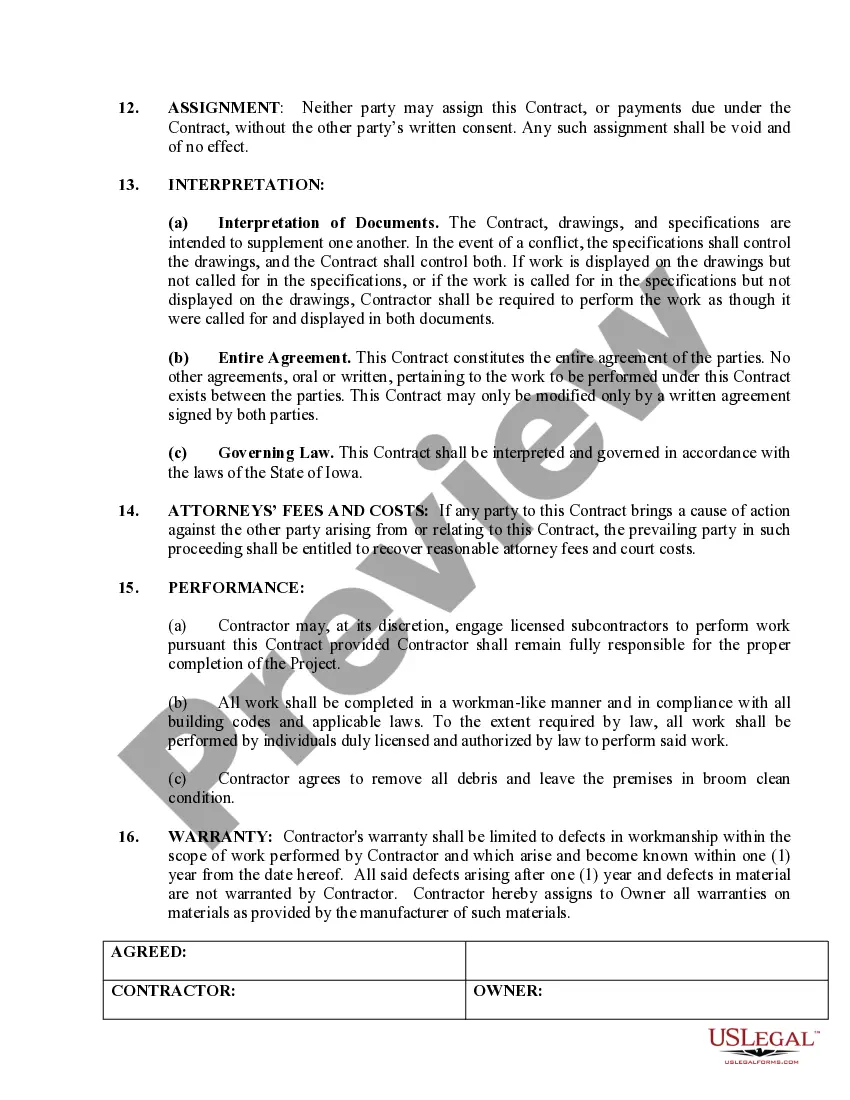
- Warranty period for workmanship and associated materials.
When to use this form
This form is essential when engaging a contractor to perform construction work on a property, particularly when the payment terms may involve either cost-based reimbursement or a fixed price. It is beneficial in cases where project scopes may change, allowing for flexibility to accommodate alterations as needed. Use this form to ensure both parties have a clear understanding of their responsibilities and obligations throughout the project.
Who should use this form
- Property owners looking to hire contractors for construction projects.
- Contractors who need a formal agreement to protect their interests.
- Developers and construction managers overseeing multiple projects.
- Legal professionals advising clients on construction agreements.
Instructions for completing this form
- Identify the parties involved, including the contractor and property owner.
- Specify the exact location of the work site.
- Determine and select the payment arrangement: cost plus or fixed fee.
- Clearly outline the scope of work and any potential changes.
- Include signatures from both parties to finalize the agreement.
Notarization requirements for this form
In most cases, this form does not require notarization. However, some jurisdictions or signing circumstances might. US Legal Forms offers online notarization powered by Notarize, accessible 24/7 for a quick, remote process.
Get your form ready online
Our built-in tools help you complete, sign, share, and store your documents in one place.
Make edits, fill in missing information, and update formatting in US Legal Forms—just like you would in MS Word.
Download a copy, print it, send it by email, or mail it via USPS—whatever works best for your next step.
Sign and collect signatures with our SignNow integration. Send to multiple recipients, set reminders, and more. Go Premium to unlock E-Sign.
If this form requires notarization, complete it online through a secure video call—no need to meet a notary in person or wait for an appointment.
We protect your documents and personal data by following strict security and privacy standards.

Make edits, fill in missing information, and update formatting in US Legal Forms—just like you would in MS Word.

Download a copy, print it, send it by email, or mail it via USPS—whatever works best for your next step.

Sign and collect signatures with our SignNow integration. Send to multiple recipients, set reminders, and more. Go Premium to unlock E-Sign.

If this form requires notarization, complete it online through a secure video call—no need to meet a notary in person or wait for an appointment.

We protect your documents and personal data by following strict security and privacy standards.
Common mistakes
- Failing to specify the scope of work, leading to disputes.
- Not obtaining required permits before starting the project.
- Neglecting to include the signatures of both parties on the contract.
- Ignoring insurance requirements which could lead to liability issues.
Why use this form online
- Convenience of accessing and completing the form from any location.
- Editable templates that can be customized to fit specific project needs.
- Quick downloading for immediate use, saving time and resources.
- Reliability of documentation created by licensed attorneys.
Legal use & context
- This form establishes binding obligations between the contractor and the owner.
- It outlines the legal rights concerning payment and project completion.
- Changes made to the scope of work must be documented to remain enforceable.
- Properly using this form helps mitigate potential legal disputes.
Key takeaways
- The Construction Contract Cost Plus or Fixed Fee form is essential for establishing clear terms for construction projects.
- Understanding the components helps prevent disputes and ensures compliance with Iowa laws.
- Both property owners and contractors should ensure they complete all sections accurately for maximum legal protection.
Looking for another form?




Form popularity
FAQ
A fixed price contract sets a total price for all construction-related activities during a project. Many fixed price contracts include benefits for early termination and penalties for a late termination to give the contractors incentives to ensure the project is completed on time and within scope.
In the cost plus a percentage arrangement, the contractor bills the client for his direct costs for labor, materials, and subs, plus a percentage to cover his overhead and profit. Markups might range anywhere from 10% to 25%.
Disadvantages of fixed-price Therefore the biggest issue is usually around project scope and change requests. Lack of flexibility. A fixed-price project has a defined scope (requirements). As the cost cannot change, the scope of work is much less flexible.
A cost plus percentage of cost contract or CPPC is a cost reimbursement contract containing some element that obligates the non-state entity to pay the contractor an amount, undetermined at the time the contract was made and to be incurred in the future, based on a percentage of future costs.
A fixed-price contract is a type of contract where the payment amount does not depend on resources used or time expended. This is opposed to a cost-plus contract, which is intended to cover the costs with additional profit made.
Fixed-price contracts provide greater incentive than cost-reimbursement contracts for the contractor to control costs and perform efficiently. 2) Fixed price contracting shifts risk from the customer to the service provider.
A cost-plus contract, also known as a cost-reimbursement contract, is a form of contract wherein the contractor is paid for all of their construction-related expenses. Plus, the contractor is paid a specific agreed-upon amount for profit.
Determine your COGS (cost of goods sold). For example $40 . Find out your gross profit by subtracting the cost from the revenue. Divide profit by COGS. Express it as a percentage: 0.25 100 = 25% . This is how to find markup... or simply use our markup calculator!
Firm Fixed Price (FFP) The price will be set on the buyer's request. A FFP should be used for a product or service that is a repeated process. As an example, a car manufacturer would enter into a FFP contract for a standard model car. The manufacturer knows what it takes to complete the car and the associated cost.