Hawaii Tree Protection Law
Description
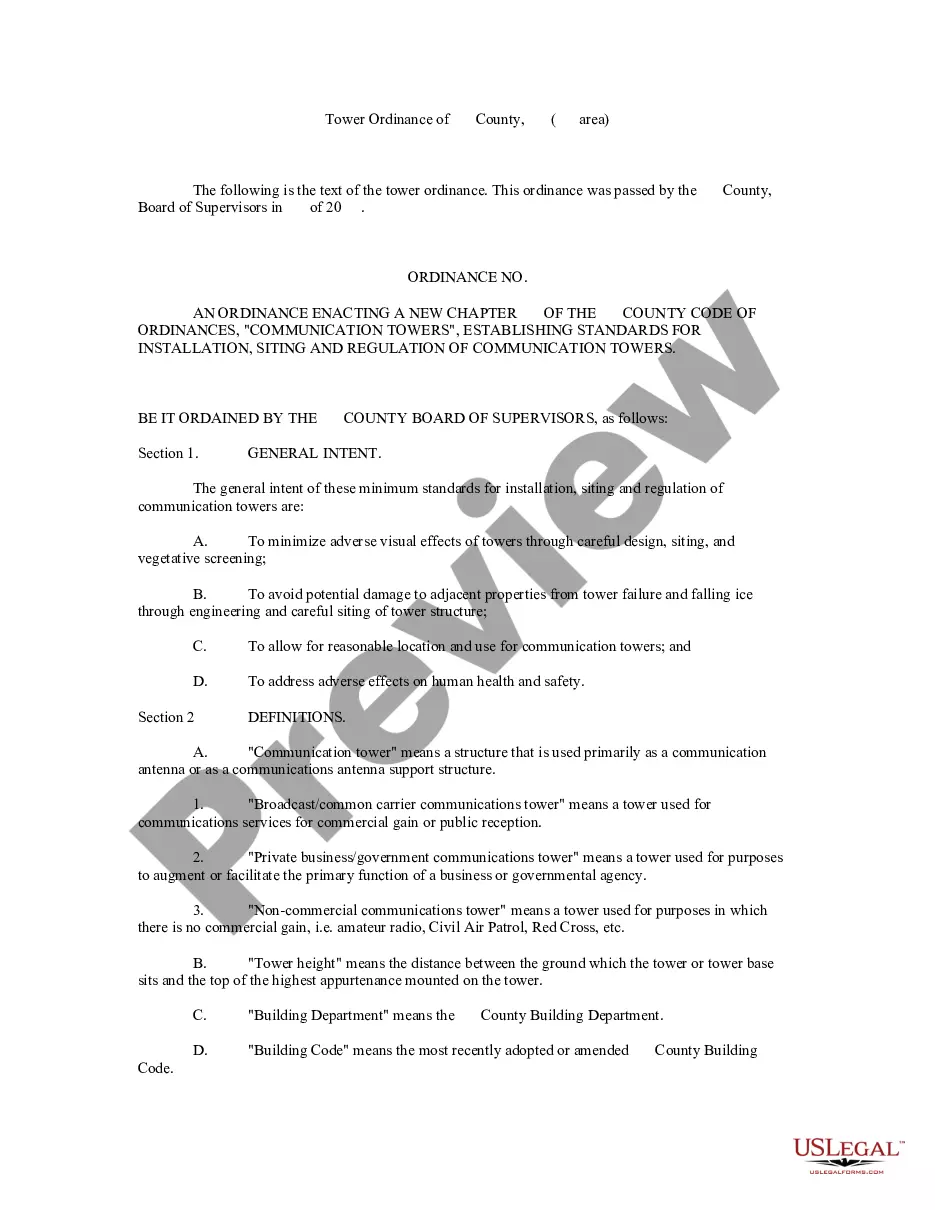
Get your form ready online
Our built-in tools help you complete, sign, share, and store your documents in one place.
Make edits, fill in missing information, and update formatting in US Legal Forms—just like you would in MS Word.
Download a copy, print it, send it by email, or mail it via USPS—whatever works best for your next step.
Sign and collect signatures with our SignNow integration. Send to multiple recipients, set reminders, and more. Go Premium to unlock E-Sign.
If this form requires notarization, complete it online through a secure video call—no need to meet a notary in person or wait for an appointment.
We protect your documents and personal data by following strict security and privacy standards.
Make edits, fill in missing information, and update formatting in US Legal Forms—just like you would in MS Word.
Download a copy, print it, send it by email, or mail it via USPS—whatever works best for your next step.
Sign and collect signatures with our SignNow integration. Send to multiple recipients, set reminders, and more. Go Premium to unlock E-Sign.
If this form requires notarization, complete it online through a secure video call—no need to meet a notary in person or wait for an appointment.
We protect your documents and personal data by following strict security and privacy standards.
Looking for another form?





How to fill out Tree Protection Law?
US Legal Forms - one of many biggest libraries of legal kinds in the USA - offers a variety of legal file templates you may obtain or produce. Using the site, you can find a large number of kinds for company and personal functions, sorted by types, suggests, or key phrases.You can get the latest variations of kinds like the Hawaii Tree Protection Law in seconds.
If you already possess a membership, log in and obtain Hawaii Tree Protection Law in the US Legal Forms local library. The Download button will show up on each and every form you view. You have access to all formerly acquired kinds in the My Forms tab of the bank account.
In order to use US Legal Forms the first time, here are simple guidelines to help you started off:
- Be sure you have picked the correct form for your town/region. Click the Preview button to review the form`s information. Read the form explanation to ensure that you have chosen the proper form.
- In the event the form doesn`t suit your requirements, utilize the Look for field near the top of the display to find the the one that does.
- Should you be pleased with the form, confirm your option by simply clicking the Purchase now button. Then, pick the pricing plan you prefer and supply your references to register for the bank account.
- Method the purchase. Use your charge card or PayPal bank account to finish the purchase.
- Select the format and obtain the form on the device.
- Make modifications. Load, edit and produce and indicator the acquired Hawaii Tree Protection Law.
Every single format you added to your money lacks an expiration particular date and it is yours eternally. So, in order to obtain or produce an additional backup, just proceed to the My Forms portion and click in the form you want.
Get access to the Hawaii Tree Protection Law with US Legal Forms, probably the most extensive local library of legal file templates. Use a large number of skilled and state-certain templates that meet your business or personal needs and requirements.
Form popularity
FAQ
(a) A person who alleges the existence of a private nuisance due to excessive noise may bring a civil action for appropriate injunctive relief, or actual damages, or both within two years after the occurrence of the alleged violation of this part.
The County Arborist Advisory Committees are mandated the following powers and duties: Research, prepare and recommend to the city council exceptional trees to be protected by City ordinance or regulation.
To correctly represent trees, he perceived a so-called 'Rule of trees' which states that "all the branches of a tree at every stage of its height are equal in thickness to the trunk when put together."
For the purposes of this section, "exceptional trees" means a tree or stand or grove of trees with historic or cultural value, or which by reason of its age, rarity, location, size, esthetic quality, or endemic status has been desig nated by the county committee as worthy of preservation.
(b) An owner of a tree shall be civilly liable for actual damages caused by the tree, including an overhanging branch or protruding root, to property, except for plant life; provided that the owner knows or should have known that the tree constitutes a danger.
In some states, the owner of a tree retains ownership of the fruit even when it extends onto a neighbor's property. However, Hawaii courts have held that any part of a plant or a tree that is within your property line is yours, fruit included.
Lastly, the Hawaii rule holds that while ?living trees and plants are ordinarily not nuisances, [they] can become so when they cause actual harm or pose an imminent danger of actual harm to the adjoining property.
(b) An owner of a tree shall be civilly liable for actual damages caused by the tree, including an overhanging branch or protruding root, to property, except for plant life; provided that the owner knows or should have known that the tree constitutes a danger.