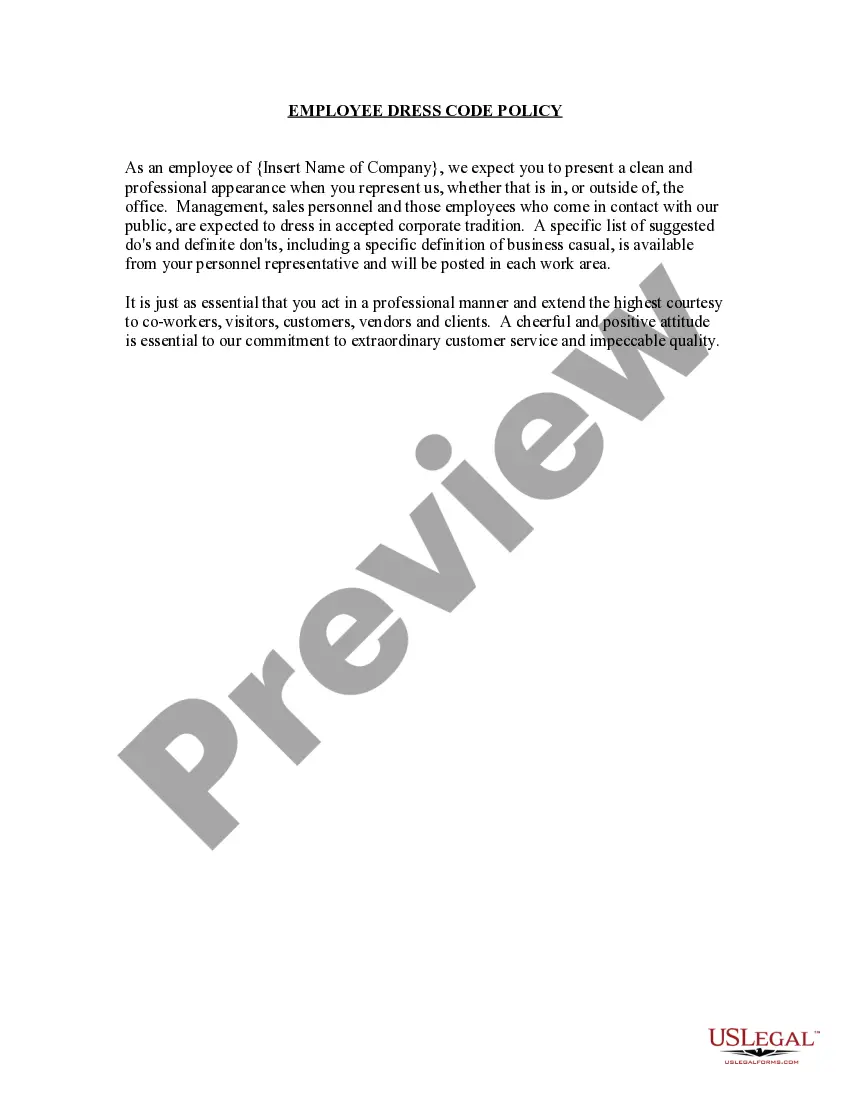
Hawaii Employee Code of Conduct for Business
Description
Get your form ready online
Our built-in tools help you complete, sign, share, and store your documents in one place.
Make edits, fill in missing information, and update formatting in US Legal Forms—just like you would in MS Word.
Download a copy, print it, send it by email, or mail it via USPS—whatever works best for your next step.
Sign and collect signatures with our SignNow integration. Send to multiple recipients, set reminders, and more. Go Premium to unlock E-Sign.
If this form requires notarization, complete it online through a secure video call—no need to meet a notary in person or wait for an appointment.
We protect your documents and personal data by following strict security and privacy standards.

Make edits, fill in missing information, and update formatting in US Legal Forms—just like you would in MS Word.

Download a copy, print it, send it by email, or mail it via USPS—whatever works best for your next step.

Sign and collect signatures with our SignNow integration. Send to multiple recipients, set reminders, and more. Go Premium to unlock E-Sign.

If this form requires notarization, complete it online through a secure video call—no need to meet a notary in person or wait for an appointment.

We protect your documents and personal data by following strict security and privacy standards.
Looking for another form?

How to fill out Employee Code Of Conduct For Business?
If you require extensive, download, or printing legal document templates, utilize US Legal Forms, the largest collection of legal forms that can be accessed online.
Utilize the site's straightforward and convenient search to acquire the documents you need.
Various templates for business and personal applications are organized by categories and states, or keywords.
Step 3. If you are dissatisfied with the document, use the Search area at the top of the screen to locate other versions of the legal document template.
Step 4. Once you have found the form you require, click the Acquire now button. Select your preferred pricing plan and enter your details to register for an account.
- Use US Legal Forms to obtain the Hawaii Employee Code of Conduct for Business in just a few clicks.
- If you are already a US Legal Forms customer, Log In to your account and click the Acquire option to obtain the Hawaii Employee Code of Conduct for Business.
- You may also access forms you have previously saved within the My documents tab of your account.
- If you are using US Legal Forms for the first time, follow the instructions below.
- Step 1. Ensure you have selected the form for your correct city/state.
- Step 2. Use the Review method to scrutinize the form’s content. Don’t forget to read the details.
Form popularity
FAQ
A code of ethics, or professional code of ethics, is usually a set of general guidelines or values. A code of conduct policy is typically more specific, giving guidelines for how to respond in certain situations.
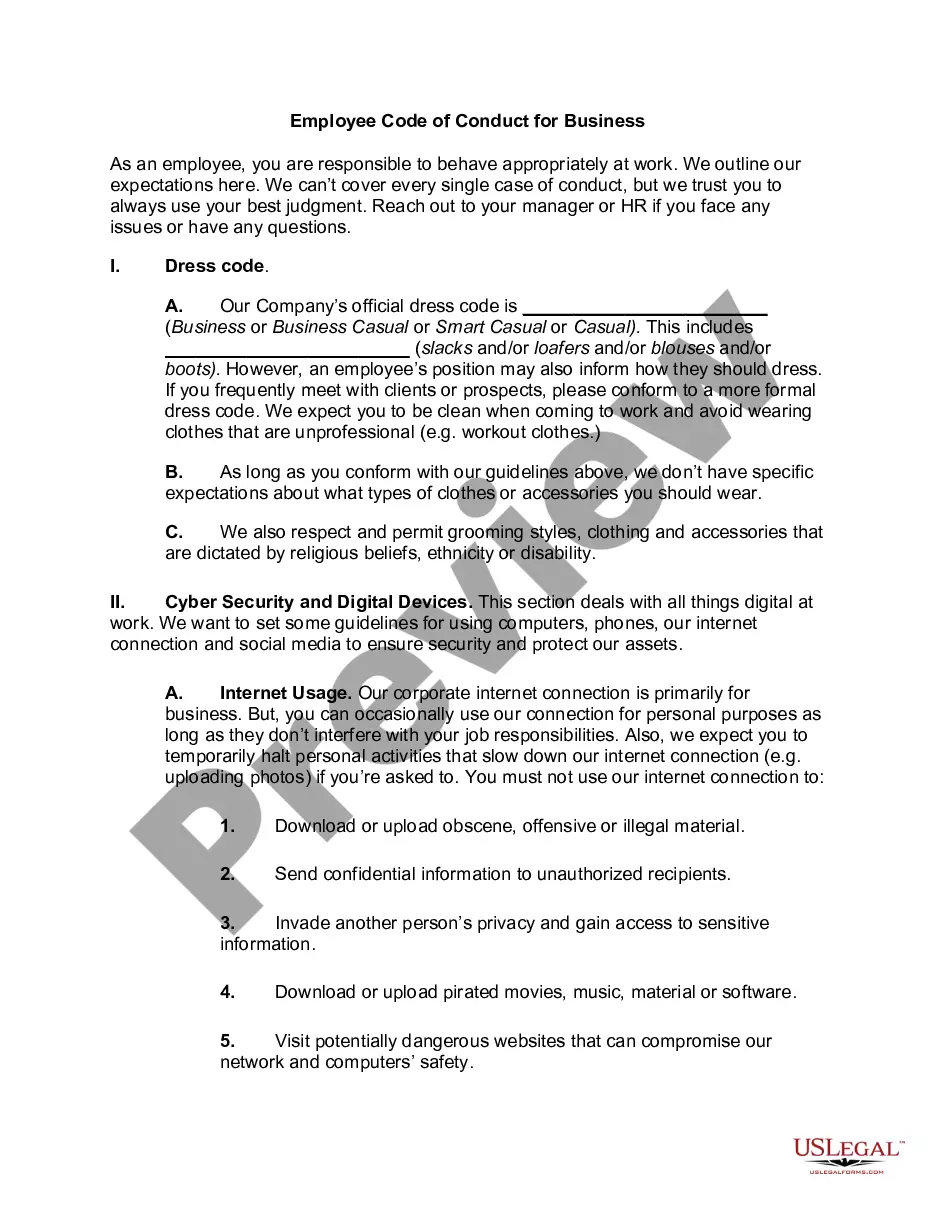
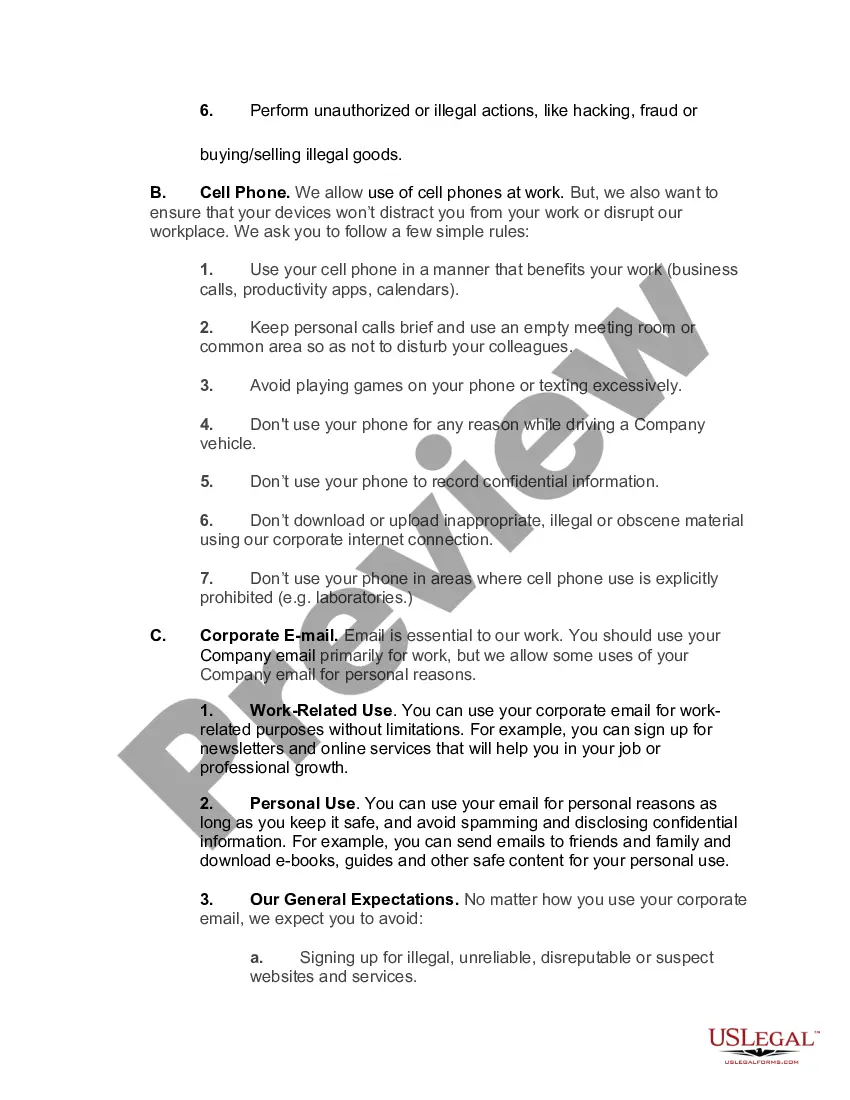
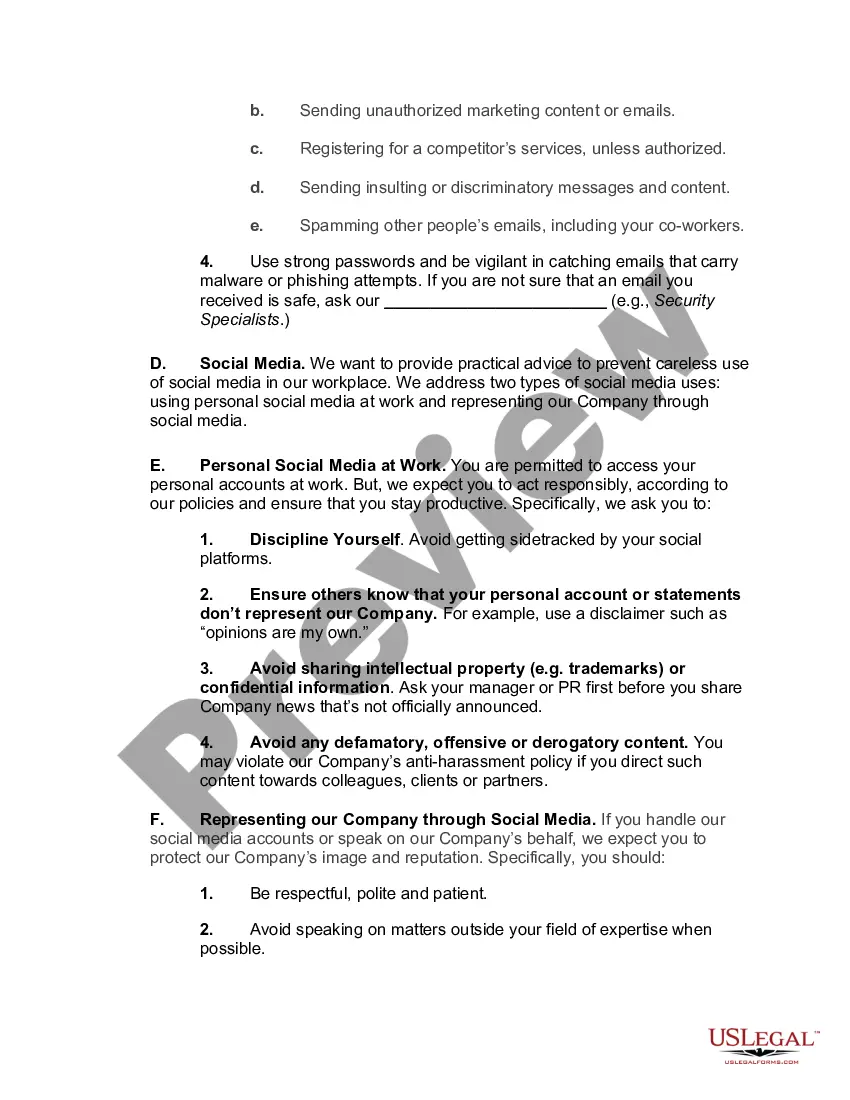
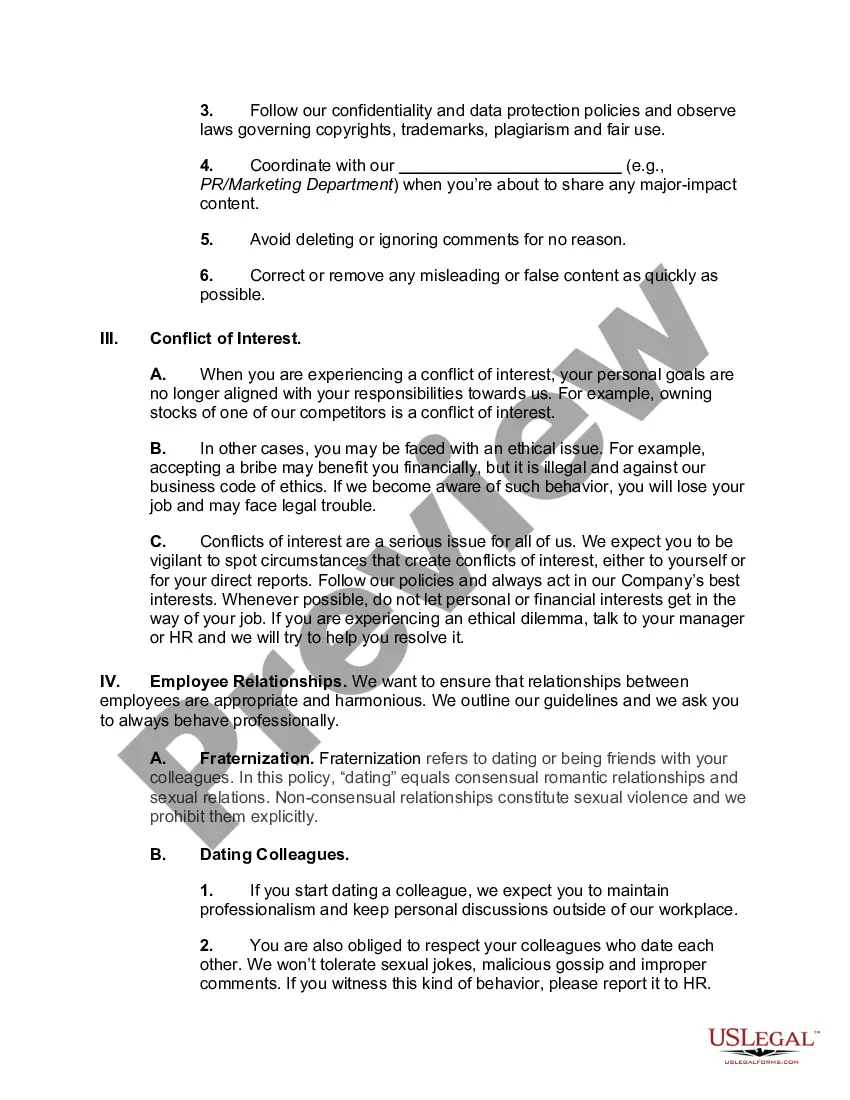
An employee code of conduct is a set of principles characterizes how an organization's workers should follow up on an everyday premise. It mirrors the association's day by day tasks, beliefs and organization culture. Thus, every set of accepted rules is one of a kind to the association it speaks to.
A code of conduct, also called privacy and code of conduct, are the policies and rules both employees and employers must adhere to. These guidelines outline how people should appropriately interact with one another at work.
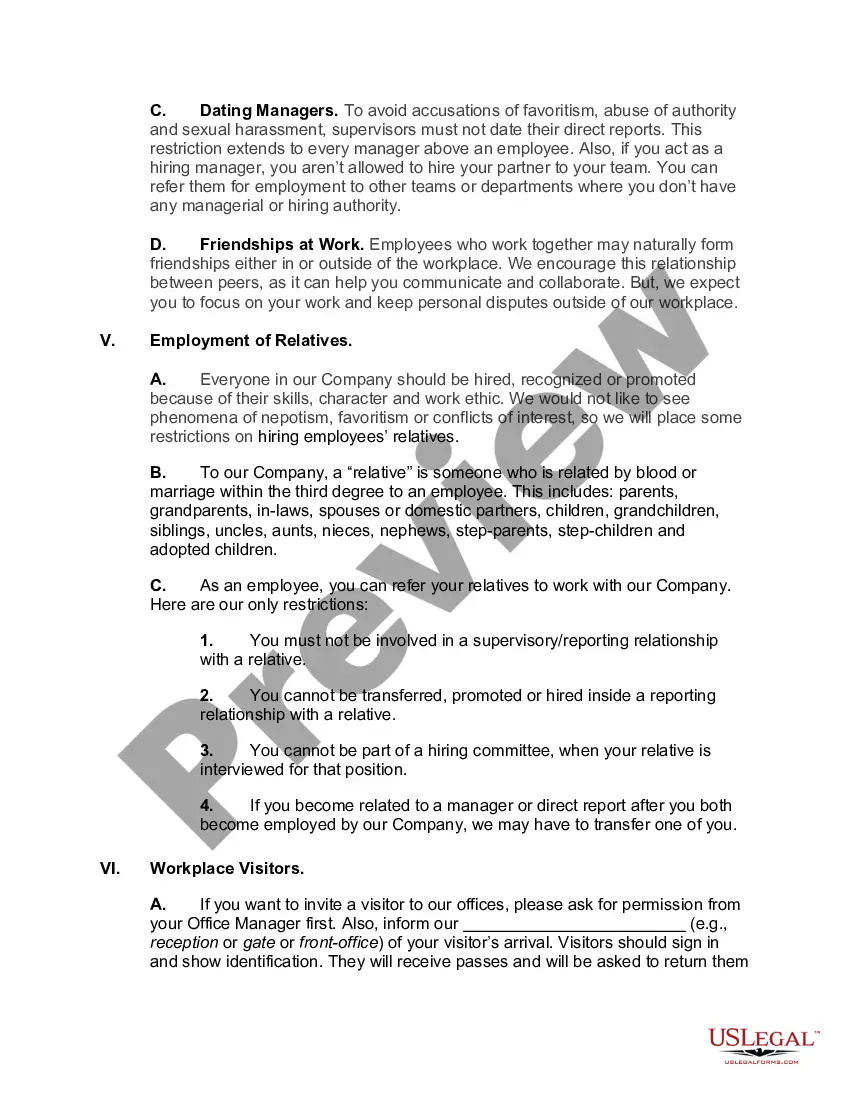
Hawaii is among a minority of states without a specific anti-nepotism law, according to the National Conference of State Legislatures. About half of all states specifically ban nepotism either in their constitutions or via statute.
A company policy is a guideline to help employers dealing with employee accountability, health, safety, and interactions with customers. Policies are also guidelines for legal issues, regulatory requirements, and any situation that could lead to serious consequences.
But the effort amid the fight to stanch the spread of the new coronavirus is frustrating some state senators who learned Tuesday that executive branch leaders don't know how many of the roughly 73,000 state workers are getting paid to do nothing instead of being redeployed or perhaps even furloughed.
What is a code of conduct in the workplace? A code of conduct in the workplace, also known as a workplace code of ethics, is an internal policy document, which contains the rules employers and employees need to follow. The code of conduct provides guidelines about appropriate behaviour for the company's staff.
A code of conduct, also called privacy and code of conduct, are the policies and rules both employees and employers must adhere to. These guidelines outline how people should appropriately interact with one another at work.
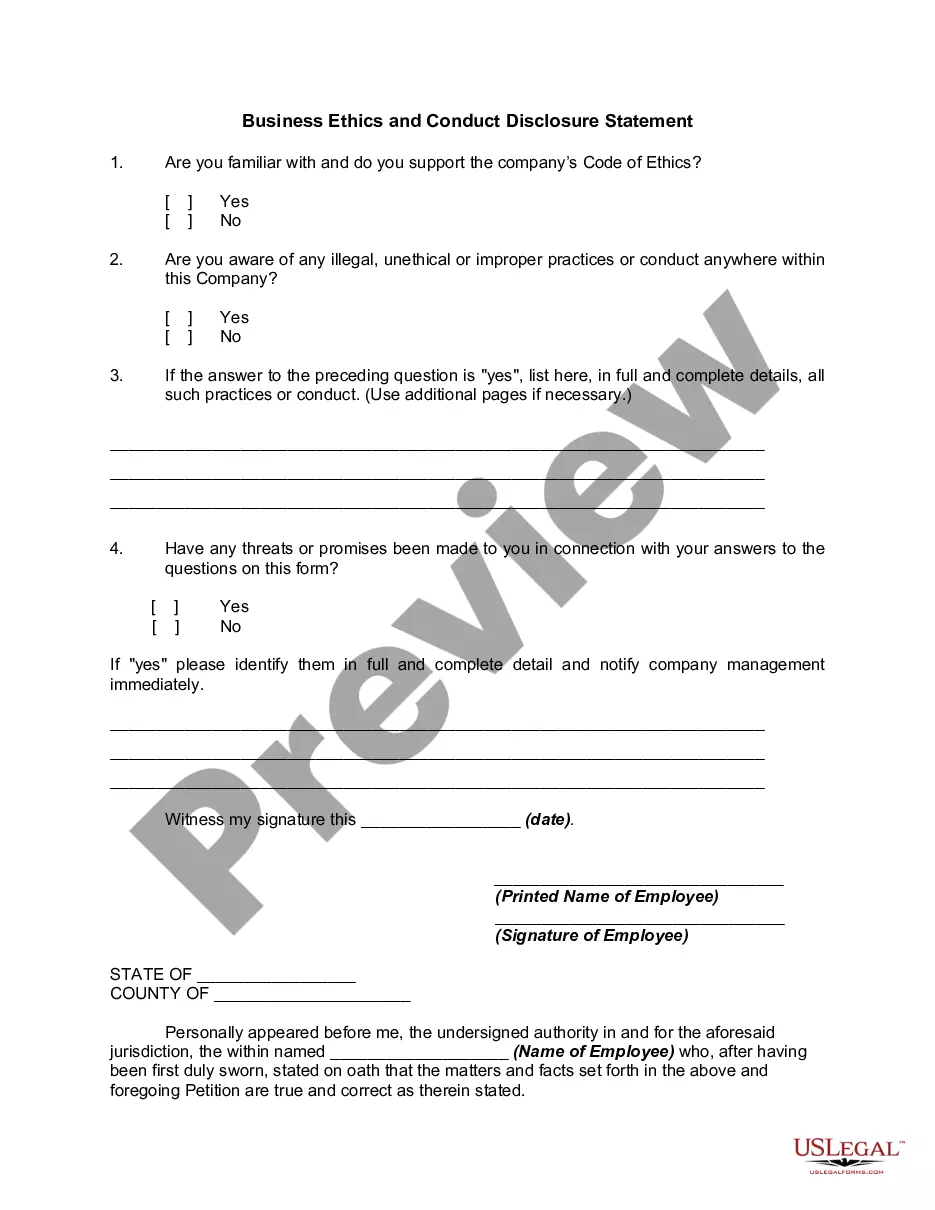
What are the five codes of ethics?Integrity.Objectivity.Professional competence.Confidentiality.Professional behavior.
A code of conduct is the most common policy within an organization. This policy lays out the company's principles, standards, and the moral and ethical expectations that employees and third parties are held to as they interact with the organization.