Georgia Cohabitation Agreement for Unmarried Couples
Description
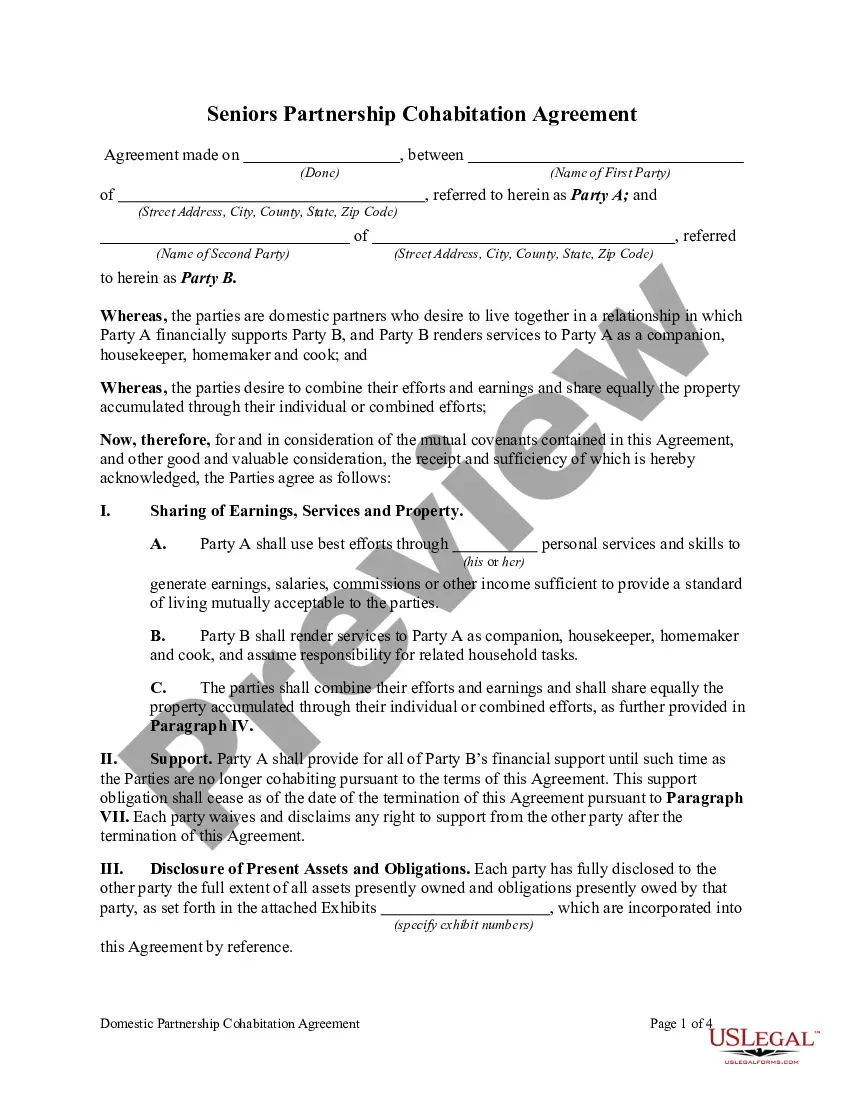
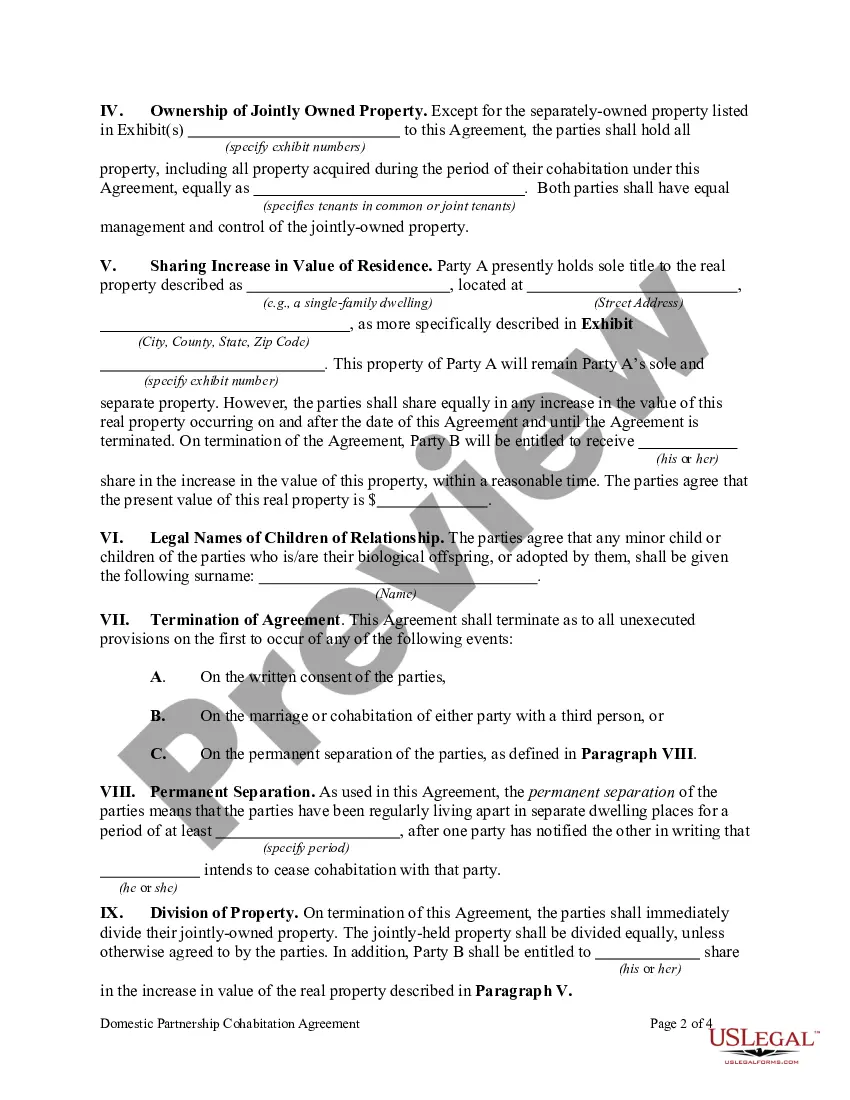
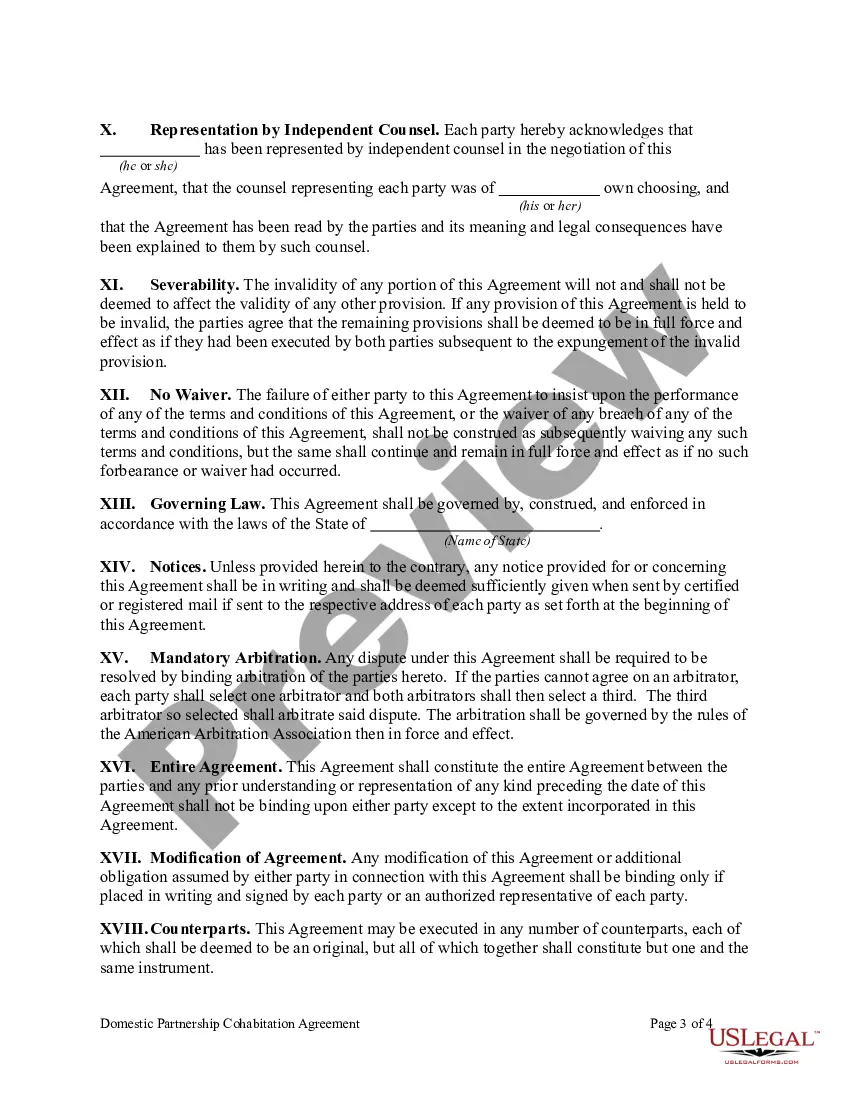
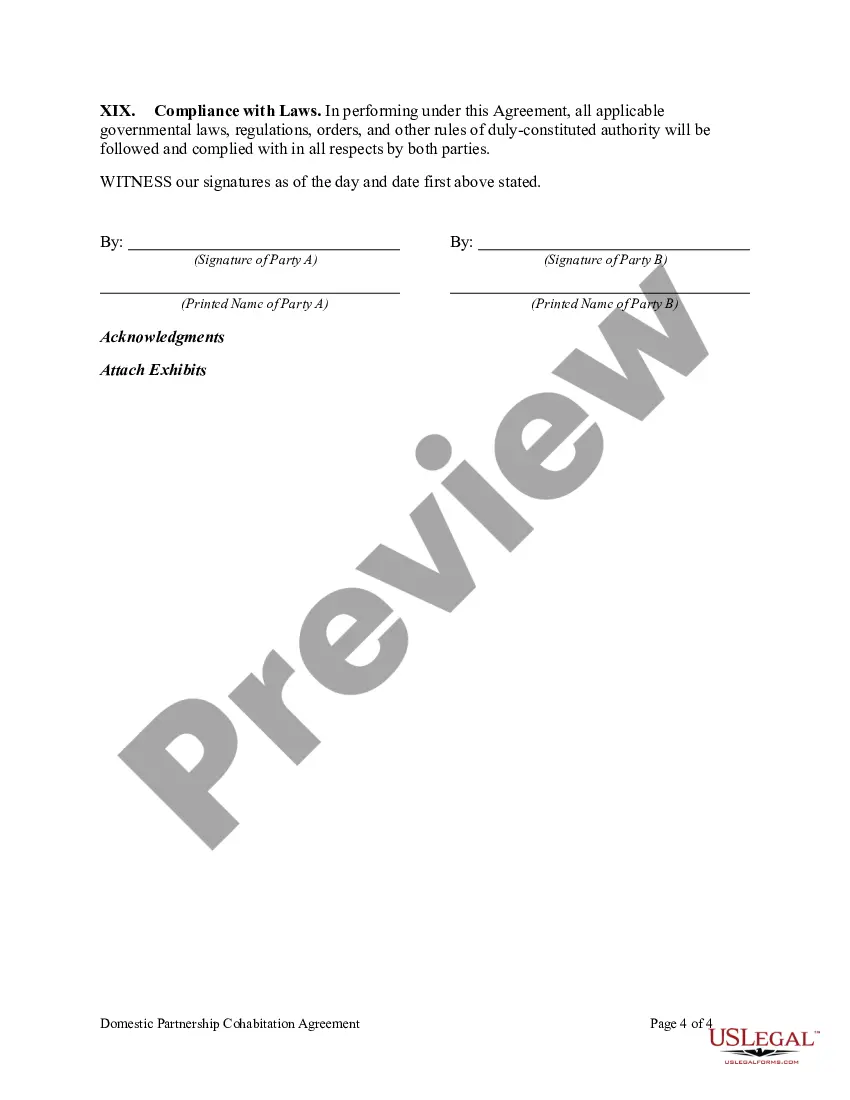
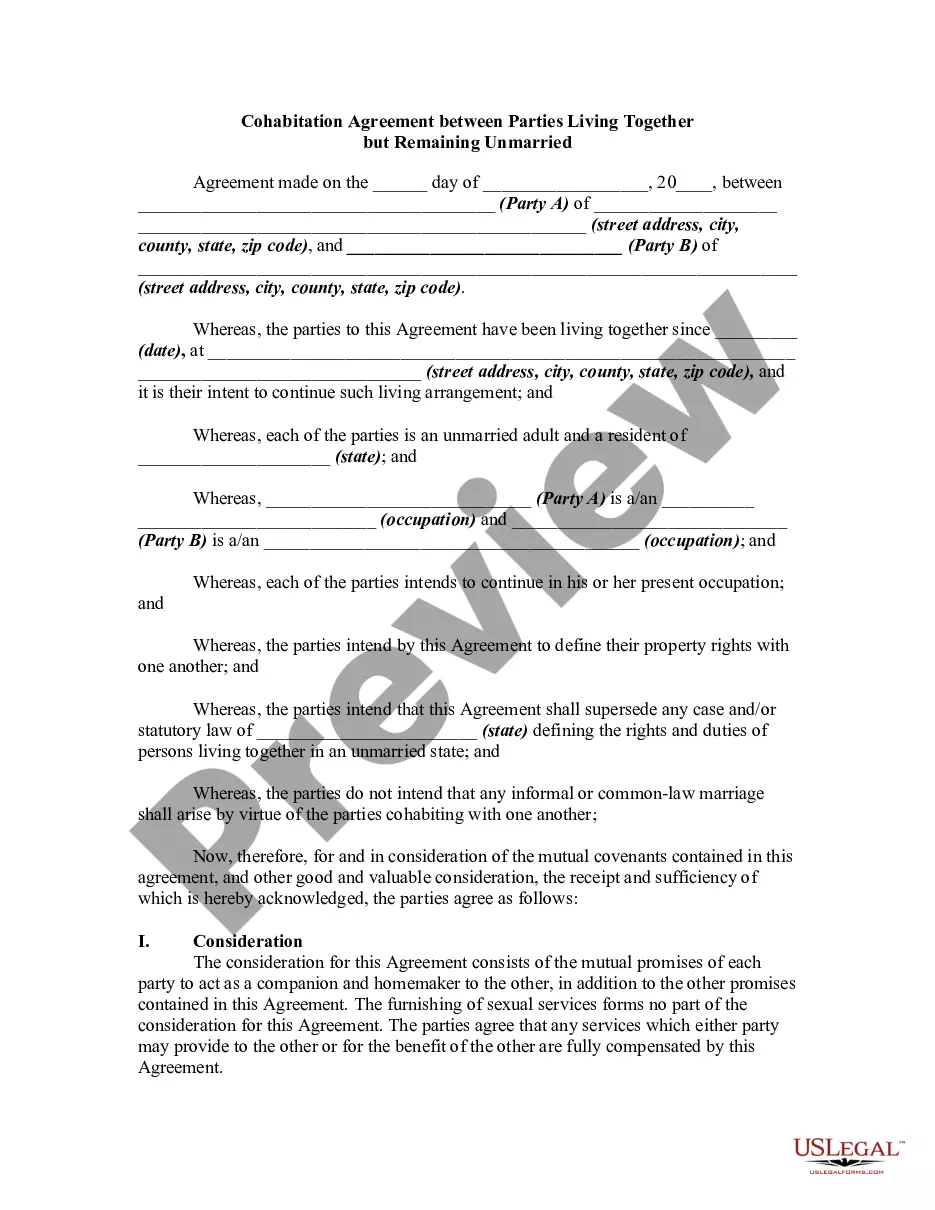
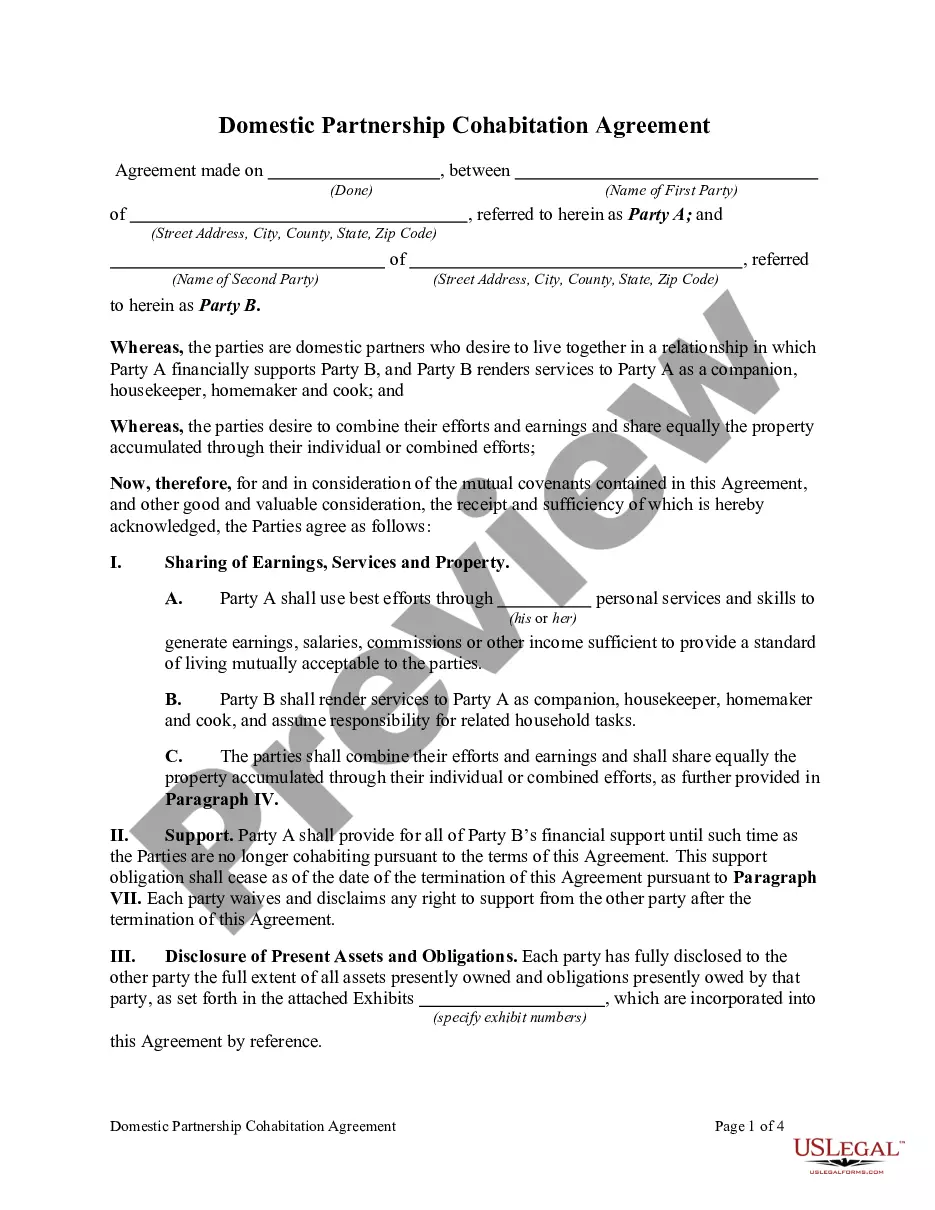
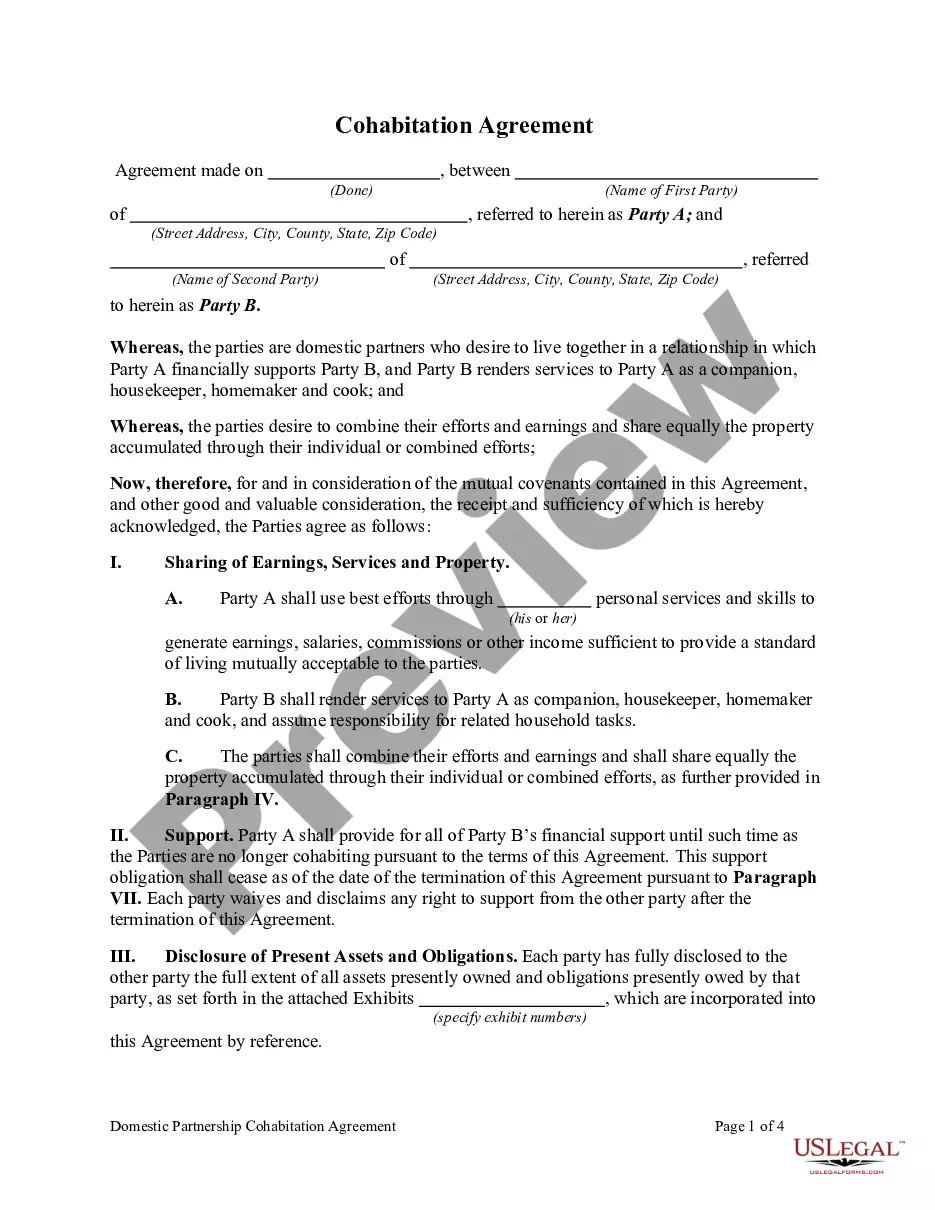
Get your form ready online
Our built-in tools help you complete, sign, share, and store your documents in one place.
Make edits, fill in missing information, and update formatting in US Legal Forms—just like you would in MS Word.
Download a copy, print it, send it by email, or mail it via USPS—whatever works best for your next step.
Sign and collect signatures with our SignNow integration. Send to multiple recipients, set reminders, and more. Go Premium to unlock E-Sign.
If this form requires notarization, complete it online through a secure video call—no need to meet a notary in person or wait for an appointment.
We protect your documents and personal data by following strict security and privacy standards.

Make edits, fill in missing information, and update formatting in US Legal Forms—just like you would in MS Word.

Download a copy, print it, send it by email, or mail it via USPS—whatever works best for your next step.

Sign and collect signatures with our SignNow integration. Send to multiple recipients, set reminders, and more. Go Premium to unlock E-Sign.

If this form requires notarization, complete it online through a secure video call—no need to meet a notary in person or wait for an appointment.

We protect your documents and personal data by following strict security and privacy standards.
Looking for another form?
How to fill out Cohabitation Agreement For Unmarried Couples?
Locating the appropriate legal document template can be quite challenging. Of course, there is an abundance of templates accessible online, but how can you find the legal form you require.
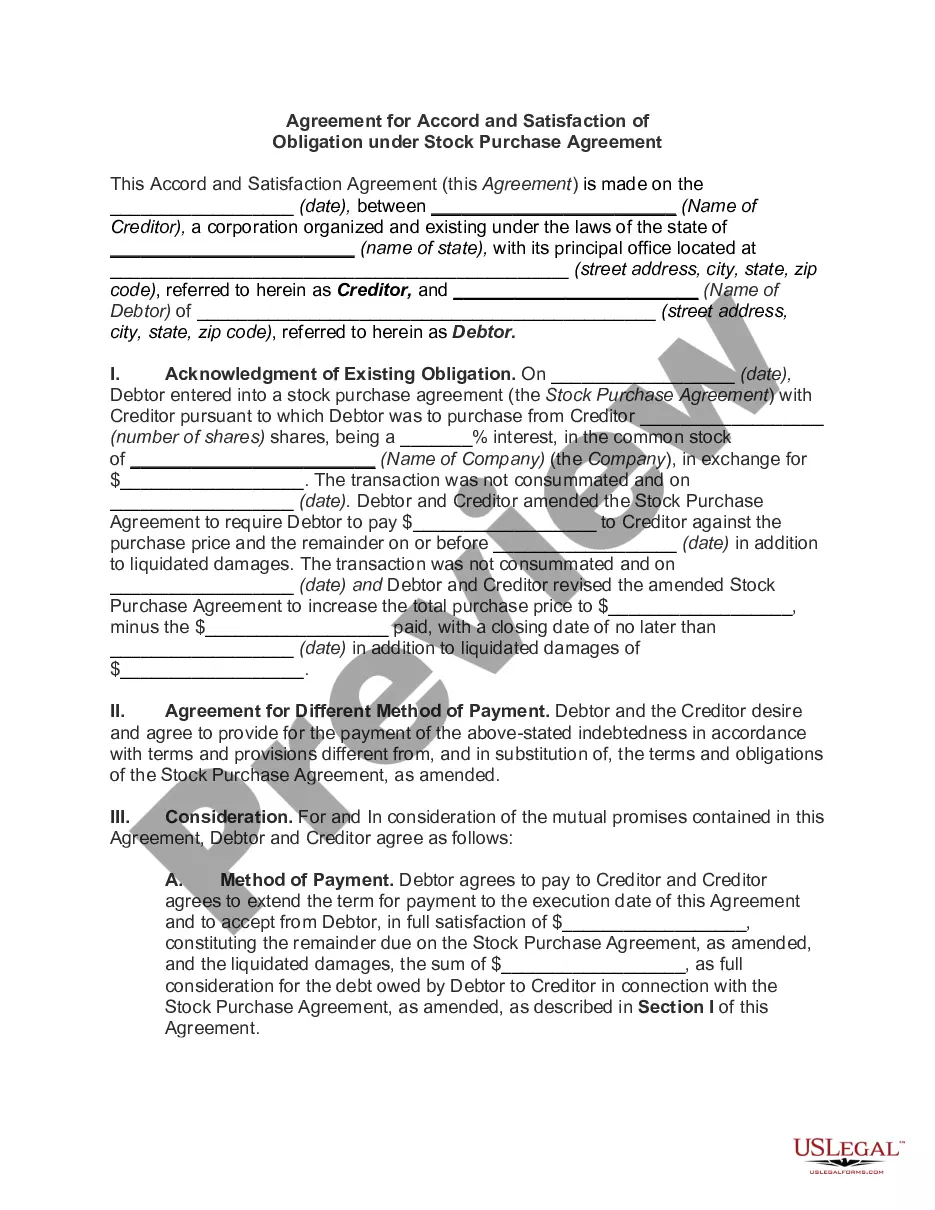
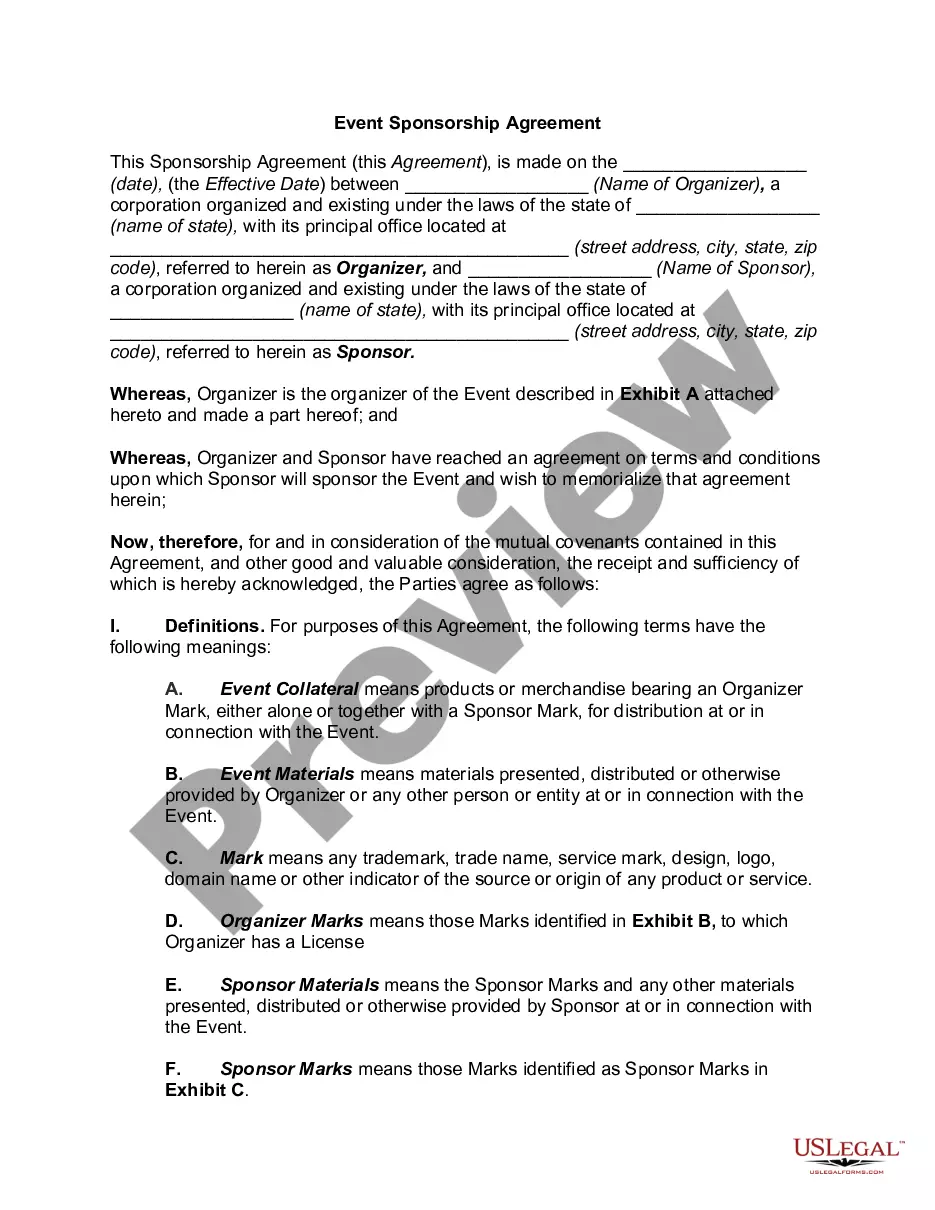
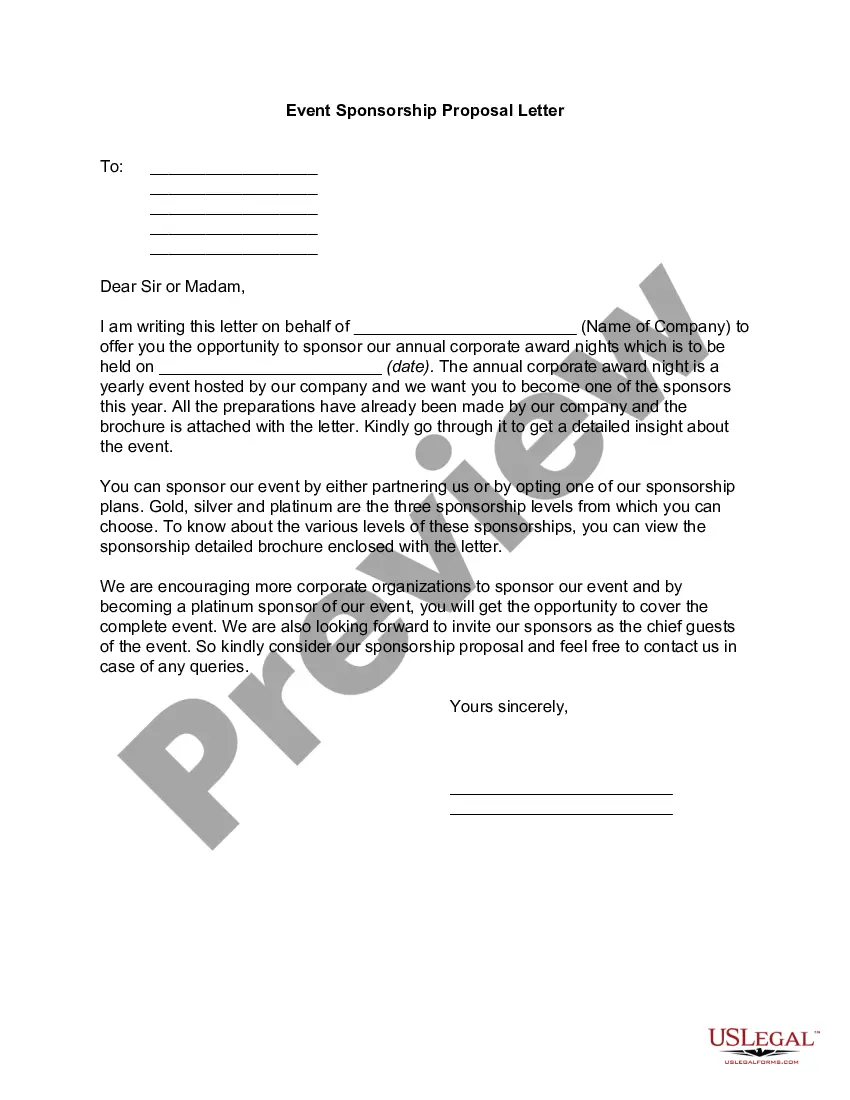
Visit the US Legal Forms website. The service provides thousands of templates, including the Georgia Cohabitation Agreement for Unmarried Couples, suitable for both commercial and personal purposes. All forms are reviewed by experts and comply with federal and state regulations.
If you are already registered, Log In to your account and click the Obtain button to access the Georgia Cohabitation Agreement for Unmarried Couples. Use your account to search through the legal documents you have previously purchased. Navigate to the My documents tab of your account to download another copy of the document you need.
US Legal Forms is the largest library of legal templates where you can find numerous document formats. Utilize the service to obtain professionally crafted papers that adhere to state requirements.
- First, ensure you have selected the correct form for your city/state. You can review the form using the Preview button and check the form details to confirm it is suitable for you.
- If the form does not fulfill your requirements, utilize the Search field to find the appropriate form.
- Once you are confident that the form is correct, click the Purchase now button to obtain the form.
- Select the pricing plan you prefer and provide the requested information. Create your account and pay for the order using your PayPal account or credit card.
- Choose the download format and save the legal document template to your device.
- Complete, modify, print, and sign the downloaded Georgia Cohabitation Agreement for Unmarried Couples.
Form popularity
FAQ
Cohabitation is when two people are living together as a married couple but are not legally wed. In some states, cohabitation can actually be prosecuted as a violation of adultery laws. However, in Georgia, that is not the case.
The contract in a common law marriage is the agreement of the parties to be husband and wife and that they hold themselves out to be married in the public's eye. Consummation of the marriage refers to cohabitation, but there is no set length of time that the couple must live together.
Both married partners have a right to remain in the matrimonial home, regardless of who bought it or has a mortgage on it. This is known as home rights. You will have the right to stay in the home until a court has ordered otherwise, for example, in the course of a separation or divorce settlement.
This is not often the case for couples who live together but never married. In many situations, one party may own a home prior to the relationship and, during the course of the relationship, the other party may move into that home. However, the cohabitation does not change ownership of the home.
Who Gets the House When an Unmarried Couple Splits Up? Many unmarried couples decide to buy property together. When doing this, it's likely the piece of property is jointly purchased. That means there are two names on the loan or mortgage, signifying that both parties hold ownership over the home.
A "common law marriage" is one in which the parties may hold themselves out as a husband and wife, and under certain circumstances, be deemed married without a marriage license or ceremony. Georgia doesn't have a common law marriage, however Georgia does recognize common law marriages that occured in other states.
Generally, unmarried cohabitants do not enjoy the same rights as married individuals, particularly with respect to property acquired during a relationship. Marital property laws and other family laws related to marriage do not apply to unmarried couples, even in long-term relationships.
The contract in a common law marriage is the agreement of the parties to be husband and wife and that they hold themselves out to be married in the public's eye. Consummation of the marriage refers to cohabitation, but there is no set length of time that the couple must live together.