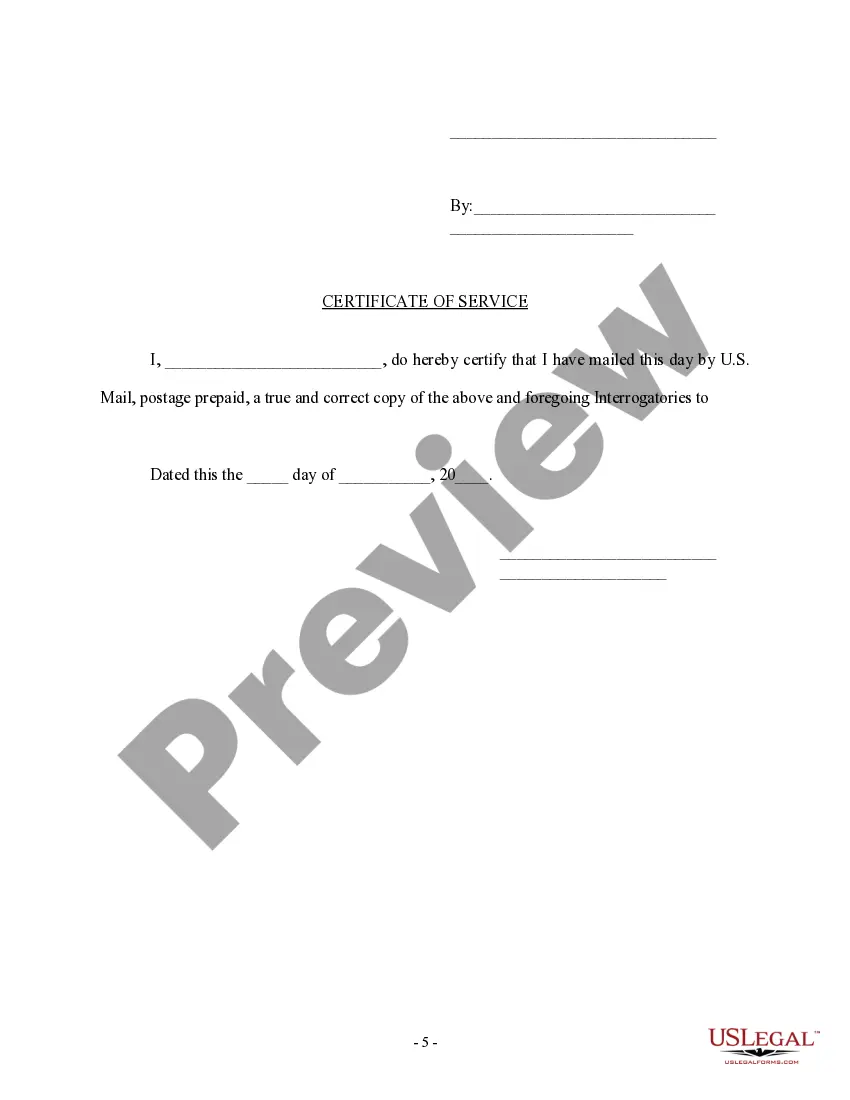
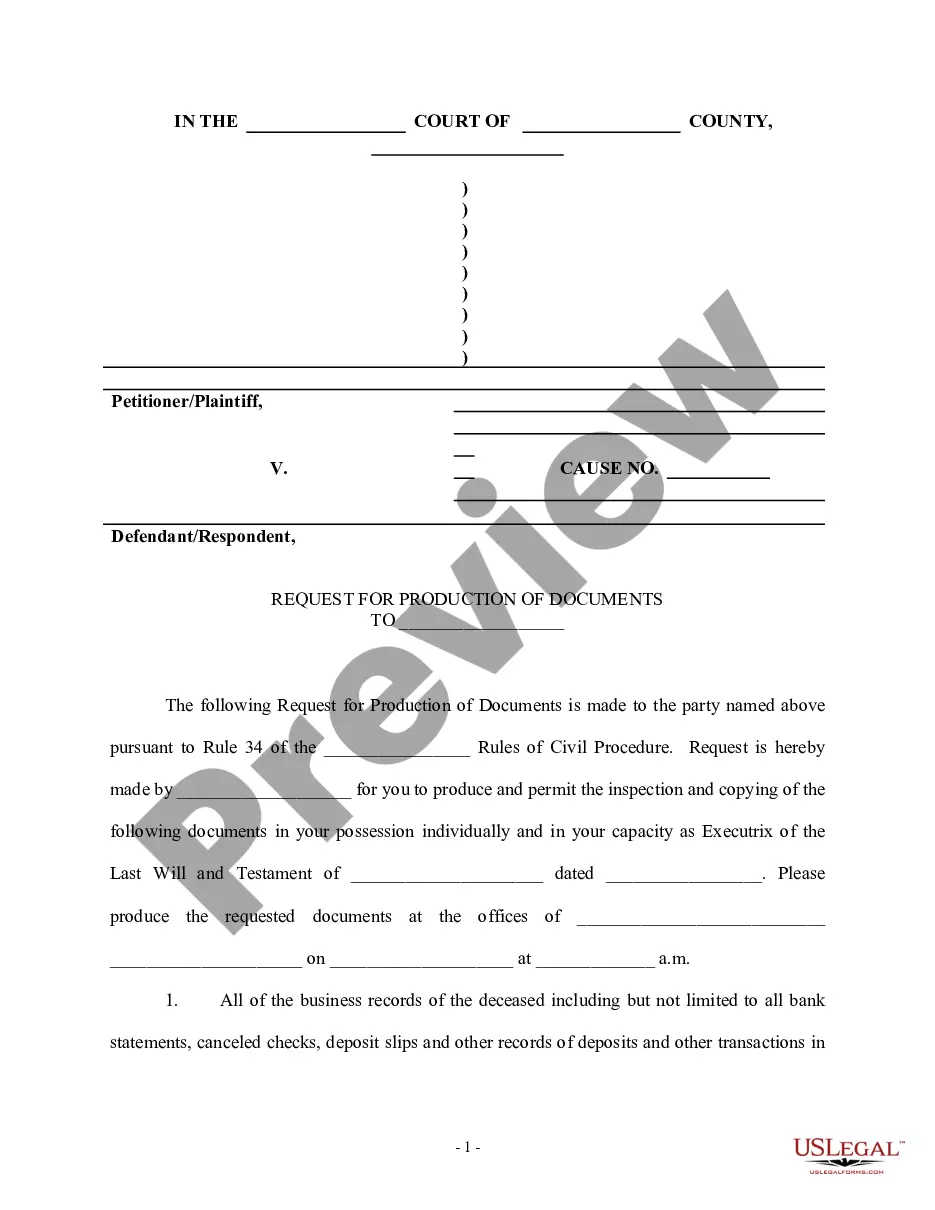
Georgia Interrogatories
Description
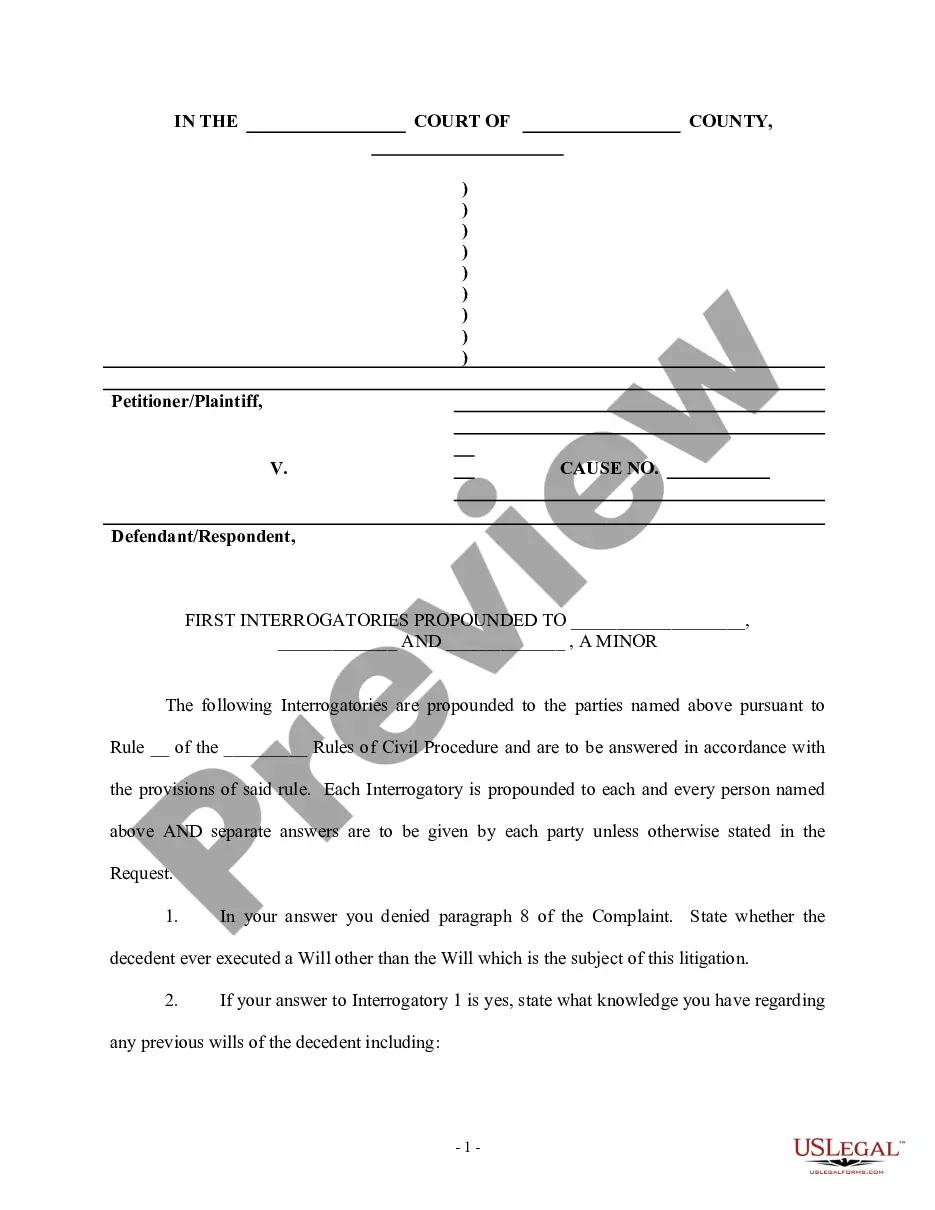
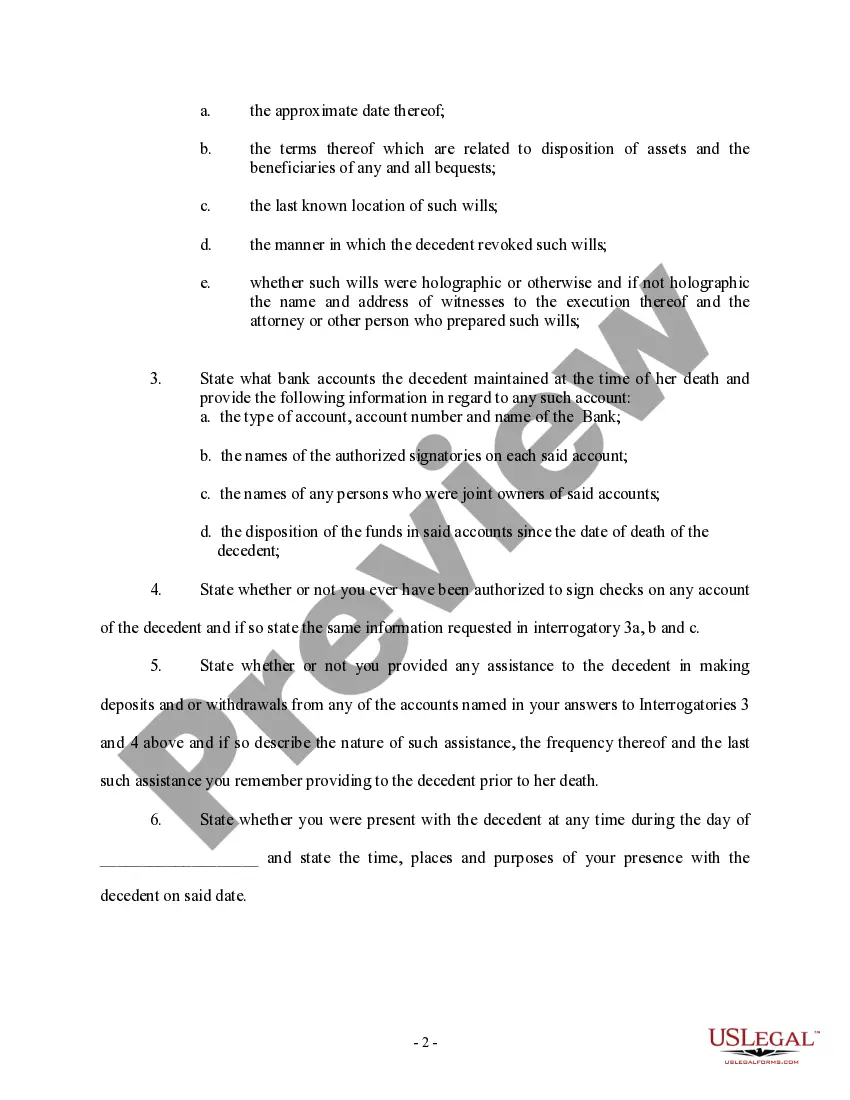
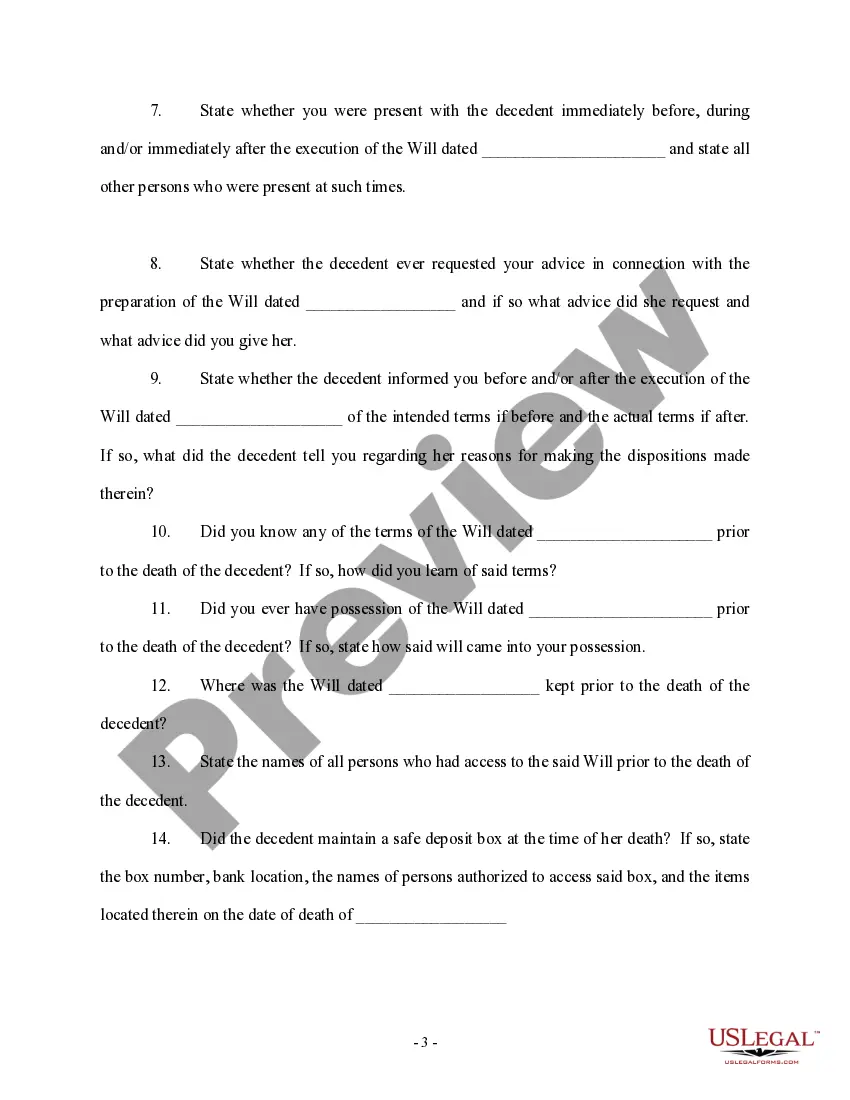
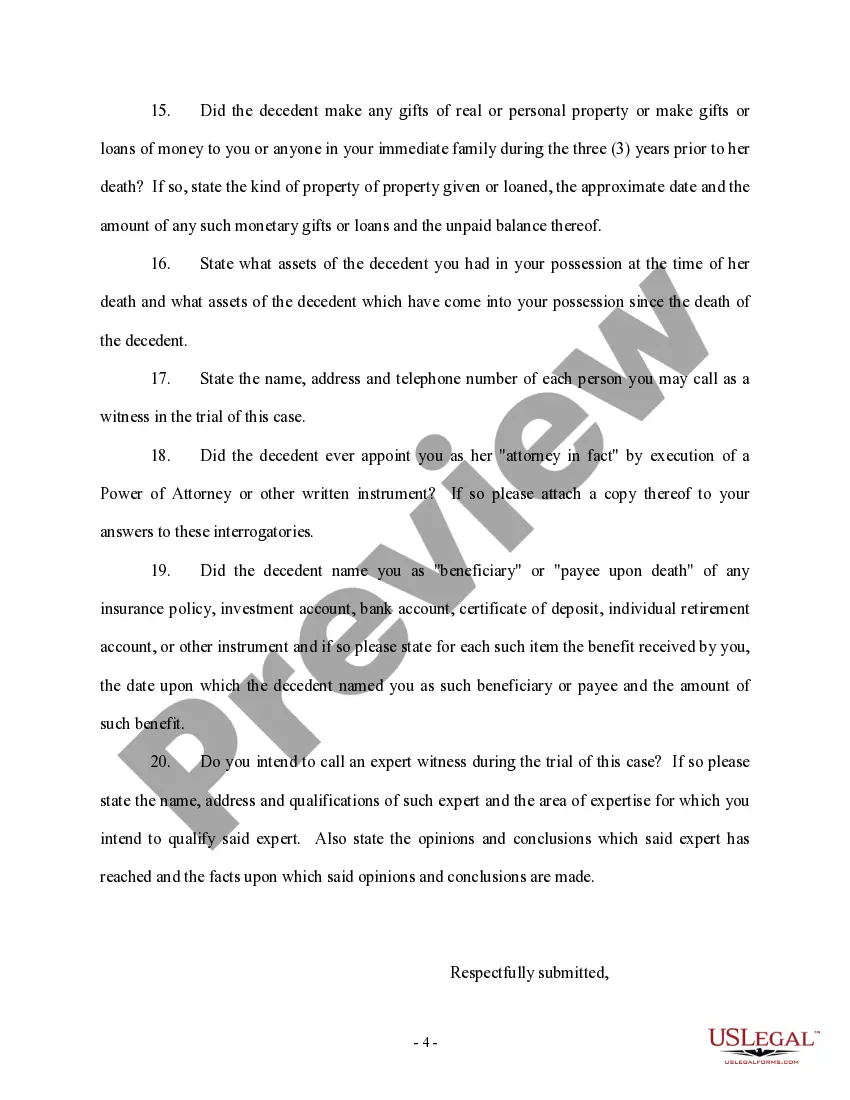
Get your form ready online
Our built-in tools help you complete, sign, share, and store your documents in one place.
Make edits, fill in missing information, and update formatting in US Legal Forms—just like you would in MS Word.
Download a copy, print it, send it by email, or mail it via USPS—whatever works best for your next step.
Sign and collect signatures with our SignNow integration. Send to multiple recipients, set reminders, and more. Go Premium to unlock E-Sign.
If this form requires notarization, complete it online through a secure video call—no need to meet a notary in person or wait for an appointment.
We protect your documents and personal data by following strict security and privacy standards.

Make edits, fill in missing information, and update formatting in US Legal Forms—just like you would in MS Word.

Download a copy, print it, send it by email, or mail it via USPS—whatever works best for your next step.

Sign and collect signatures with our SignNow integration. Send to multiple recipients, set reminders, and more. Go Premium to unlock E-Sign.

If this form requires notarization, complete it online through a secure video call—no need to meet a notary in person or wait for an appointment.

We protect your documents and personal data by following strict security and privacy standards.
Looking for another form?
How to fill out Interrogatories?
Selecting the appropriate authorized document format can be challenging. Obviously, there are numerous templates accessible online, but how can you find the authorized version you need? Utilize the US Legal Forms website. This service offers thousands of templates, including the Georgia Interrogatories, which can be utilized for business and personal purposes. All of the documents are verified by experts and adhere to federal and state regulations.
If you are already registered, Log In to your account and click the Acquire button to obtain the Georgia Interrogatories. Use your account to browse through the authorized documents you have purchased previously. Proceed to the My documents tab in your account and download another copy of the document you need.
If you are a new user of US Legal Forms, here are simple steps you should follow: First, ensure you have selected the correct document for your city/state. You can review the document using the Preview button and read the document description to confirm it is suitable for you. If the document does not fulfill your requirements, utilize the Search field to find the appropriate document. When you are confident the document is correct, select the Purchase now button to acquire the document. Choose the pricing plan you prefer and enter the required information. Create your account and complete the transaction using your PayPal account or Visa or Mastercard. Select the file format and download the authorized document format to your device. Complete, edit, print, and sign the obtained Georgia Interrogatories.
US Legal Forms is the largest repository of authorized documents where you can find various file formats. Use this service to download professionally crafted documents that comply with state requirements.
- Make sure to choose the right document for your needs.
- Preview the document to ensure it fits your requirements.
- Utilize the search function if the initial document is not suitable.
- Complete the purchase using the preferred payment method.
- Download the document in your chosen format.
- Edit, print, and sign the document as required.
Form popularity
FAQ
You can use interrogatories to find out facts about a case but they cannot be used for questions that draw a legal conclusion.
How many questions can I ask? If your case is a limited civil case ($25,000 or less) you can request up to a total of 35 combined request for admissions, form interrogatories , special interrogatories, and requests for production.
Interrogatories allow the parties to ask who, what, when, where and why questions, making them a good method for obtaining new information in a case. There are two types of interrogatories: form interrogatories and special interrogatories.
Use a Special Interrogatory (sometimes called a Specially Prepared Interrogatory) if you want to write the questions yourself. You use this if you want to ask questions that are specific to your case and are not included on the Form Interrogatory form. A Special Interrogatory doesn't use a specific court form.
What types of questions can I ask in interrogatories? Questions about the other party's position or arguments in the case. Questions about the facts of the case. Questions about the other party's knowledge or understanding of relevant events or circumstances. Questions about the other party's witnesses or experts.
- Without leave of court, a party may not serve a total of more than 50 interrogatories and such limit is a cumulative, not a "per set" limit.
What are the specific types of interrogatories that can be asked? These specific interrogatories include interrogatories that identify people, interrogatories that establish facts or lead to the discovery of facts, interrogatories that identify documents, and interrogatories that identify contentions.