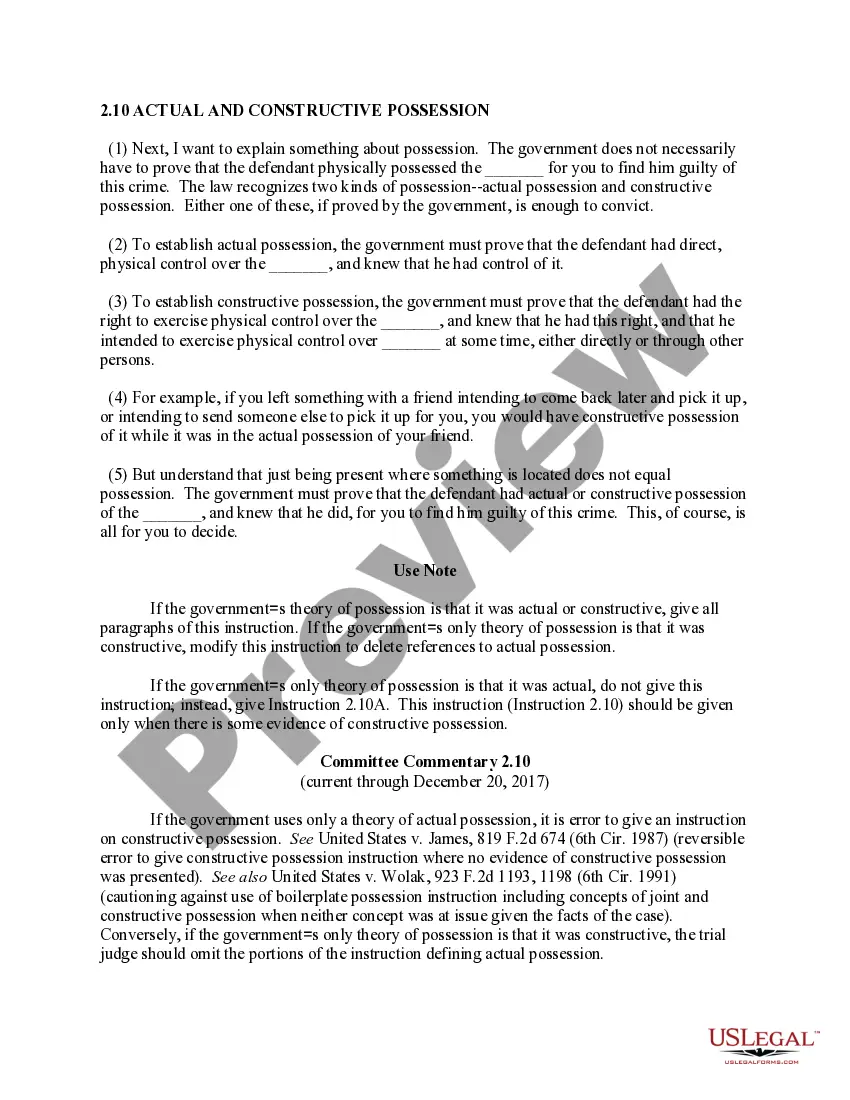
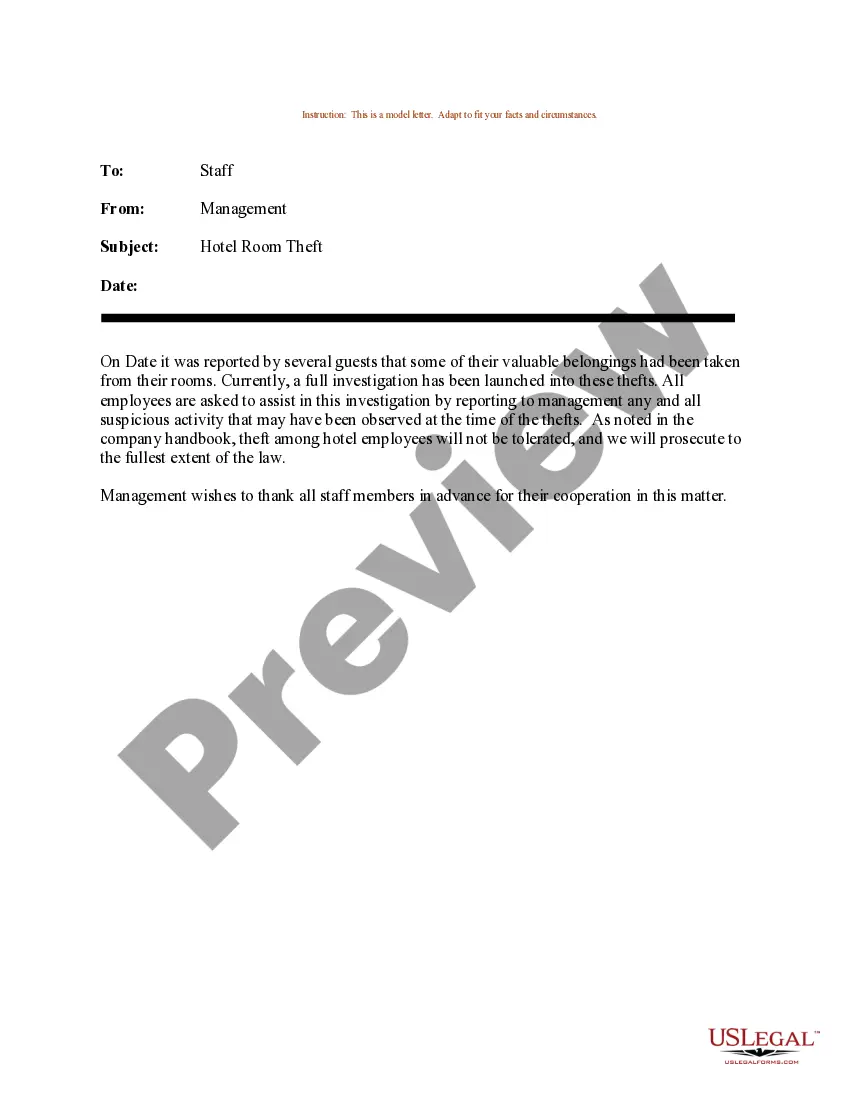
Florida Sample Letter for Hotel Room Theft
Description
Get your form ready online
Our built-in tools help you complete, sign, share, and store your documents in one place.
Make edits, fill in missing information, and update formatting in US Legal Forms—just like you would in MS Word.
Download a copy, print it, send it by email, or mail it via USPS—whatever works best for your next step.
Sign and collect signatures with our SignNow integration. Send to multiple recipients, set reminders, and more. Go Premium to unlock E-Sign.
If this form requires notarization, complete it online through a secure video call—no need to meet a notary in person or wait for an appointment.
We protect your documents and personal data by following strict security and privacy standards.

Make edits, fill in missing information, and update formatting in US Legal Forms—just like you would in MS Word.

Download a copy, print it, send it by email, or mail it via USPS—whatever works best for your next step.

Sign and collect signatures with our SignNow integration. Send to multiple recipients, set reminders, and more. Go Premium to unlock E-Sign.

If this form requires notarization, complete it online through a secure video call—no need to meet a notary in person or wait for an appointment.

We protect your documents and personal data by following strict security and privacy standards.
Looking for another form?

How to fill out Sample Letter For Hotel Room Theft?
Finding the appropriate valid document format can be challenging. Clearly, there are numerous templates available online, but how can you find the correct version that you need.
Utilize the US Legal Forms website. The service provides a vast array of templates, including the Florida Sample Letter for Hotel Room Theft, suitable for both business and personal use. All forms are reviewed by experts and comply with state and federal regulations.
If you are already registered, Log In to your account and click the Download button to obtain the Florida Sample Letter for Hotel Room Theft. Use your account to browse through the legal forms you have previously purchased. Go to the My documents section of your account to download another copy of the document you need.
Select the format and download the legal document to your device. Complete, modify, print, and sign the obtained Florida Sample Letter for Hotel Room Theft. US Legal Forms is the largest repository of legal documents where you can access a variety of document formats. Use the service to download professionally-crafted paperwork that complies with state requirements.
- First, ensure that you have selected the appropriate form for your city/state.
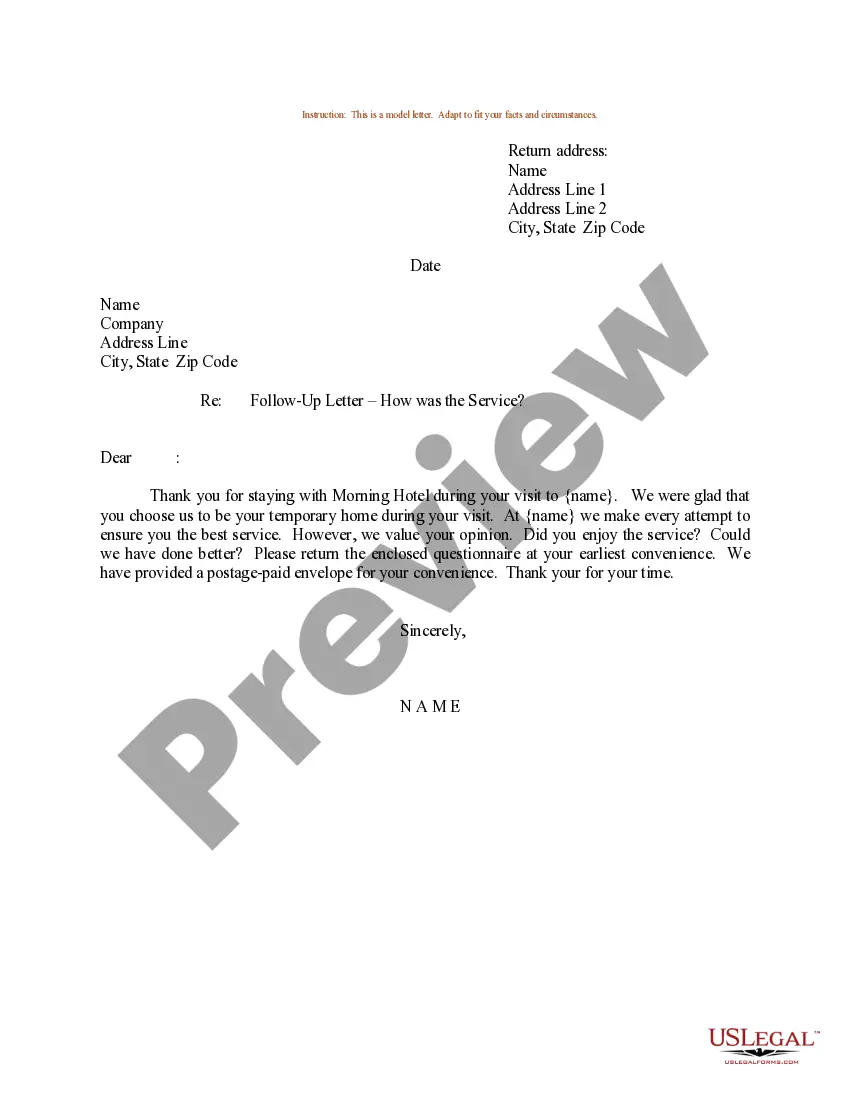
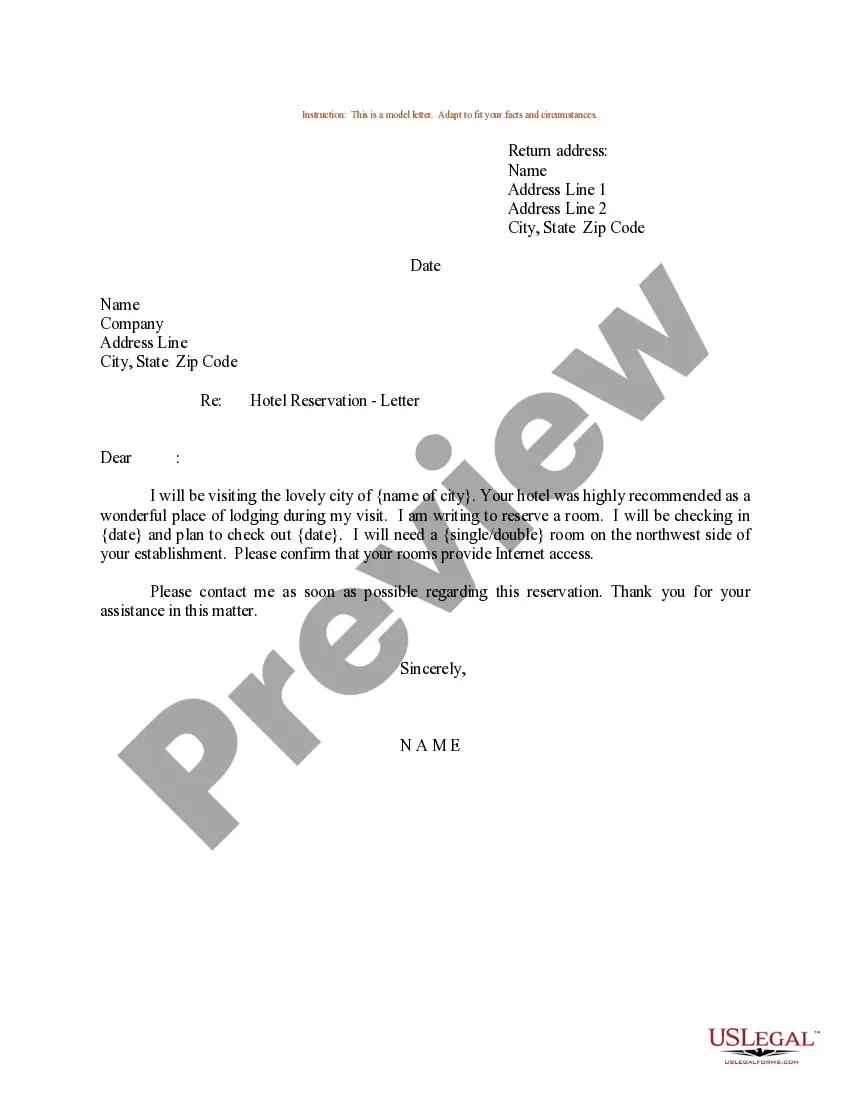
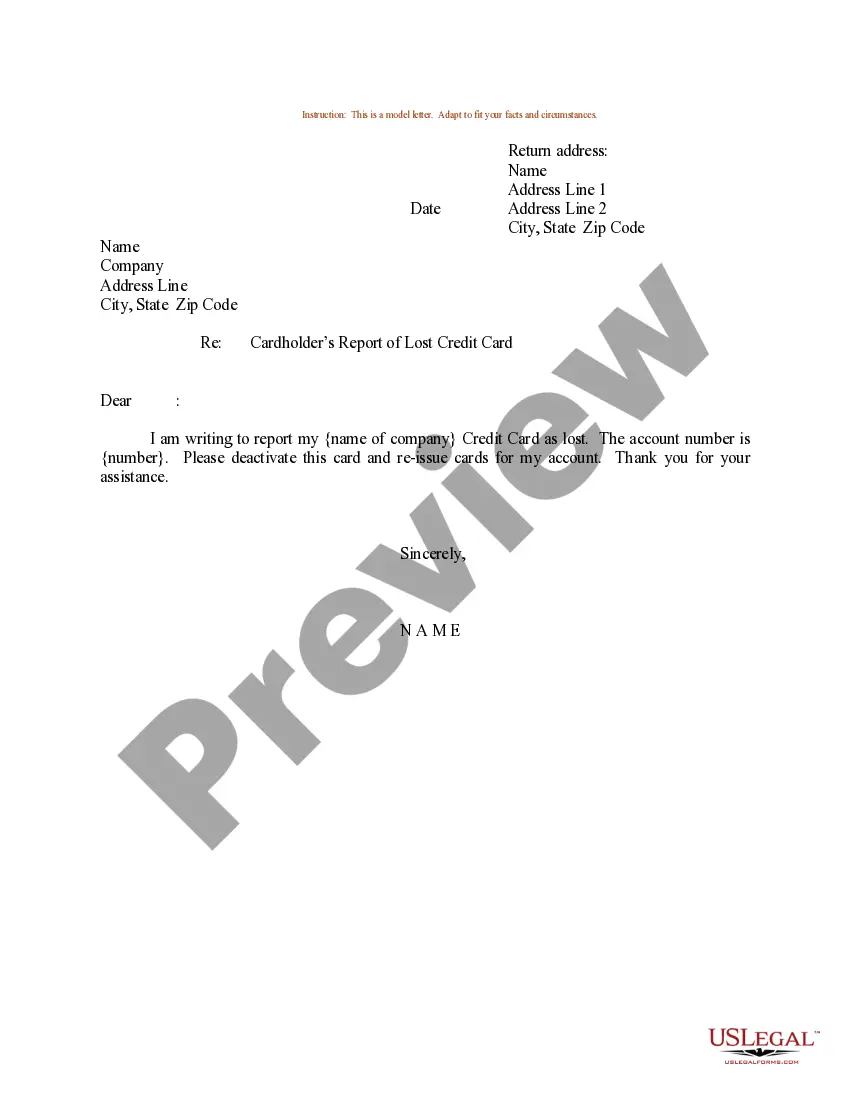
- You can browse the form using the Preview button and review the form details to confirm it is suitable for you.
- If the form does not meet your requirements, use the Search box to find the correct document.
- Once you are confident that the form is adequate, click the Get now button to acquire the document.
- Choose the pricing plan you prefer and enter the necessary information.
- Create your account and pay for the order using your PayPal account or Visa or Mastercard.
Form popularity
FAQ
The first and most important step is to report the theft or loss first to hotel management and then to the police. You'll most likely need to provide a formal police report to file with a travel insurance claim, said Stan Sandberg, the co-founder of travel insurance comparison website TravelInsurance.com.
If you're ever in a similar situation, try these tactics to reach a resolution with your hotel.How did a thief get our luggage?Spoiler alert: Just buy trip insurance.Be proactive and demand action.Feeling victimized is stressful but stay calm.Explain what you need.Consult your packing list.File a police report.More items...?
Hotels and motels can purchase what is known as innkeeper's insurance. This is an insurance policy that pays for loss or damage to a guest's property while on the hotel premises and in their possession. It is a policy especially for any business that provides lodging.
According to the concept of constructive bailment, there is an automatic and involuntary legal duty that requires a hotel to retain and safeguard lost or misplaced items of value that are discovered by or turned in to its staff. Such items must be reported and handled according to the hotel's lost and found procedures.
A room reservationeven when it's not prepaidis a contract, which a hotel is legally obligated to honor. Occasionally, however, when you arrive to claim your reservation, the room you chose might not be available. At that point, usually, the hotel will give you any room at all, even if it's a more expensive suite.
Persuade the guest to not make any official theft complain to prevent a bad reputation.Check CCTV cameras to find the real thief.If the robbed guest is adamant to register the complain, then provide full cooperation.If possible, offer to reimburse the robbed guest.More items...?
Comprehensive room check before guests' checkout.Make use of technology.Keep an inventory rate list in every room.Don't forget to scan the visitors.Imprint your brand on inventory.Cleaning occupied room in presence of guests.Install CCTV in BOH areas.Immediate scanning of staff.
But Paul Frederick, the former vice president of global security for Starwood, who now runs his own firm, tells Conde Nast Traveler that, in his experience, 90 percent of theft is in public areas, and just 10 percent occurs in rooms.
Hotels can be held liable when hotel guests who are on their property are injured, or have their personal property stolen. There is a common law innkeeper's duty which states that innkeepers (hotel owners) are responsible for injuries to and theft from their guests.
The luxury hotel and spa guide Wellness Heaven surveyed 1,157 hotels to determine what the most commonly stolen items are. The top five: towels, bathrobes, hangers, pens, and cutlery.