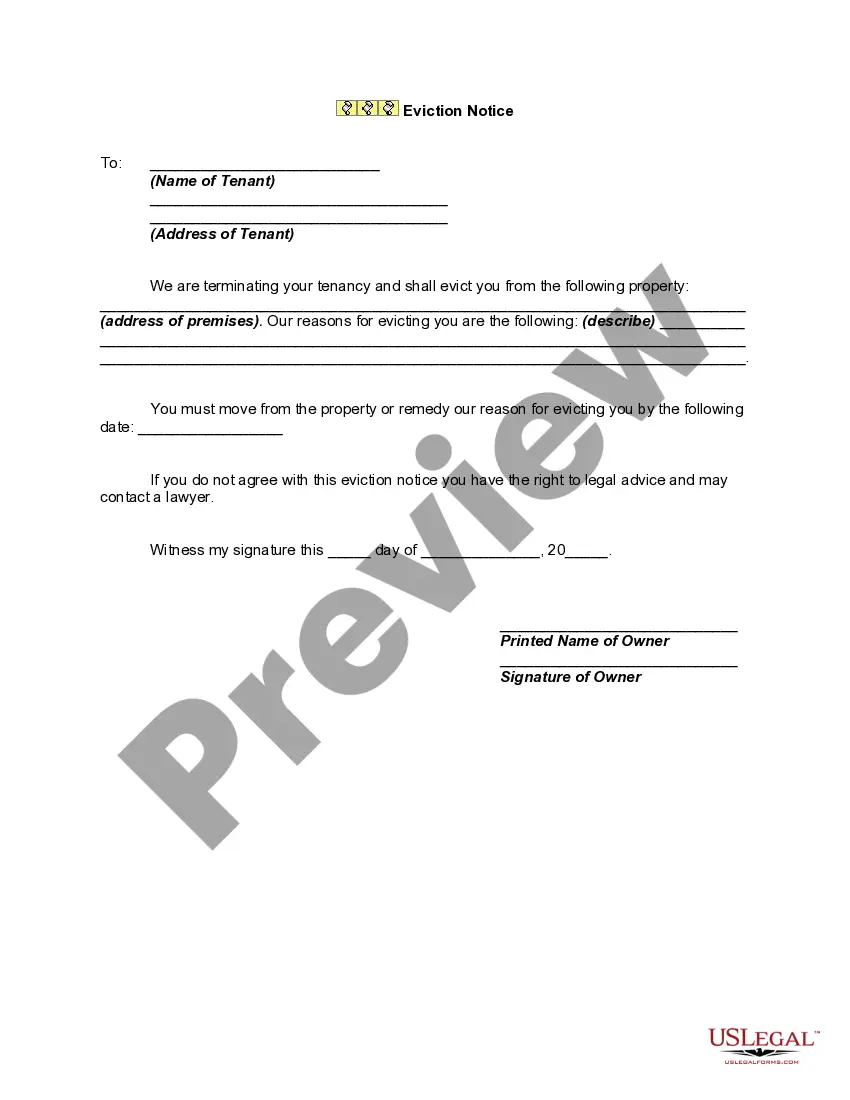
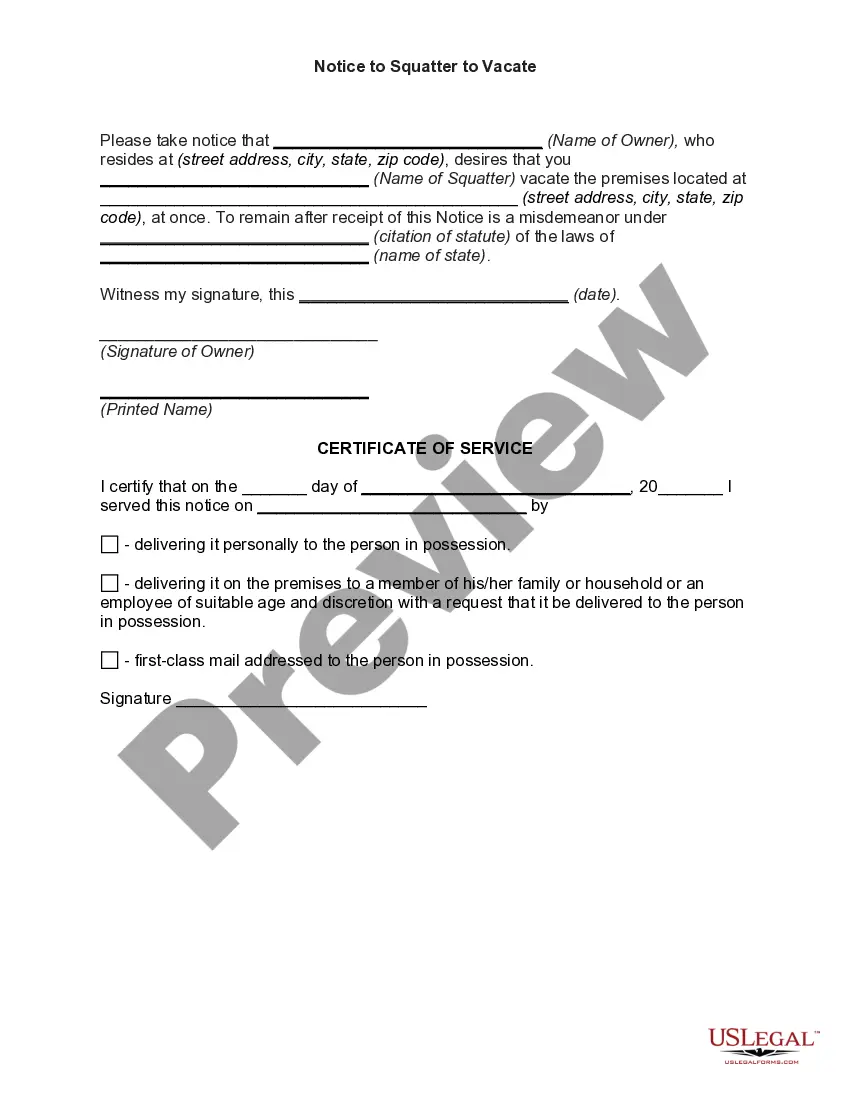
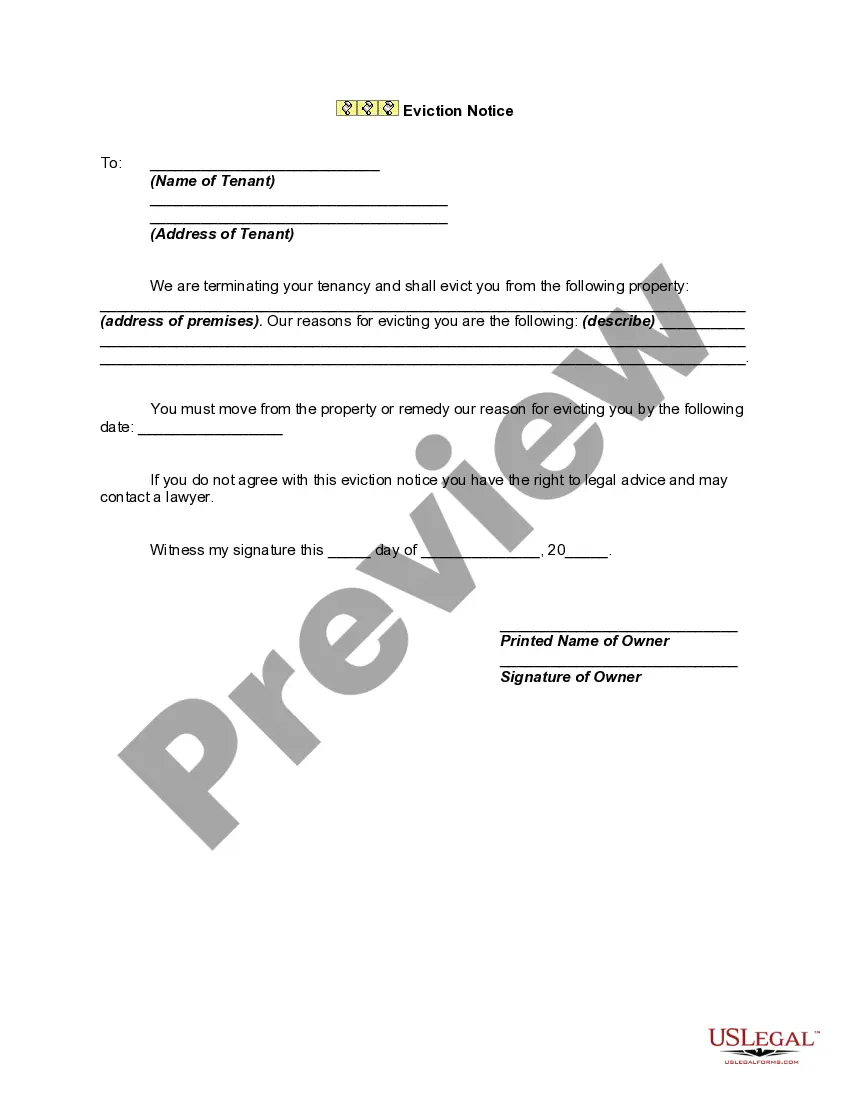
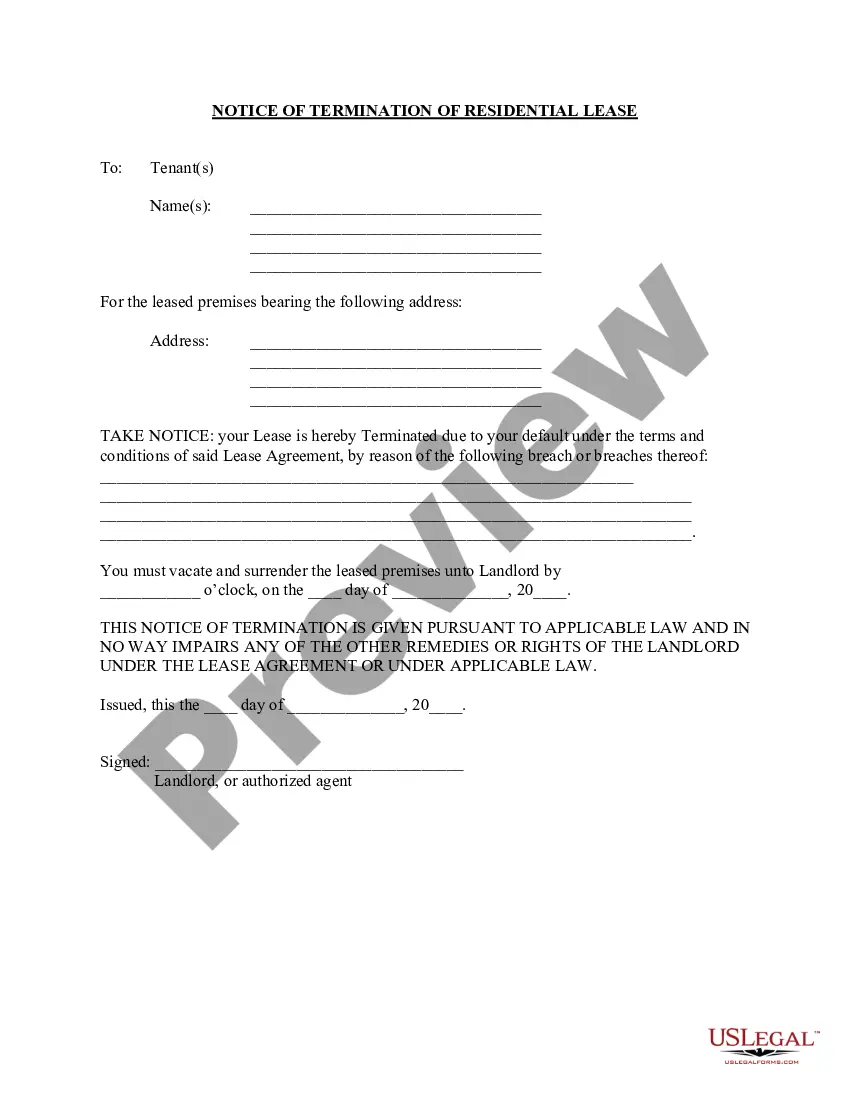
Florida Eviction Notice for Family Member
Description
Get your form ready online
Our built-in tools help you complete, sign, share, and store your documents in one place.
Make edits, fill in missing information, and update formatting in US Legal Forms—just like you would in MS Word.
Download a copy, print it, send it by email, or mail it via USPS—whatever works best for your next step.
Sign and collect signatures with our SignNow integration. Send to multiple recipients, set reminders, and more. Go Premium to unlock E-Sign.
If this form requires notarization, complete it online through a secure video call—no need to meet a notary in person or wait for an appointment.
We protect your documents and personal data by following strict security and privacy standards.

Make edits, fill in missing information, and update formatting in US Legal Forms—just like you would in MS Word.

Download a copy, print it, send it by email, or mail it via USPS—whatever works best for your next step.

Sign and collect signatures with our SignNow integration. Send to multiple recipients, set reminders, and more. Go Premium to unlock E-Sign.

If this form requires notarization, complete it online through a secure video call—no need to meet a notary in person or wait for an appointment.

We protect your documents and personal data by following strict security and privacy standards.
Looking for another form?
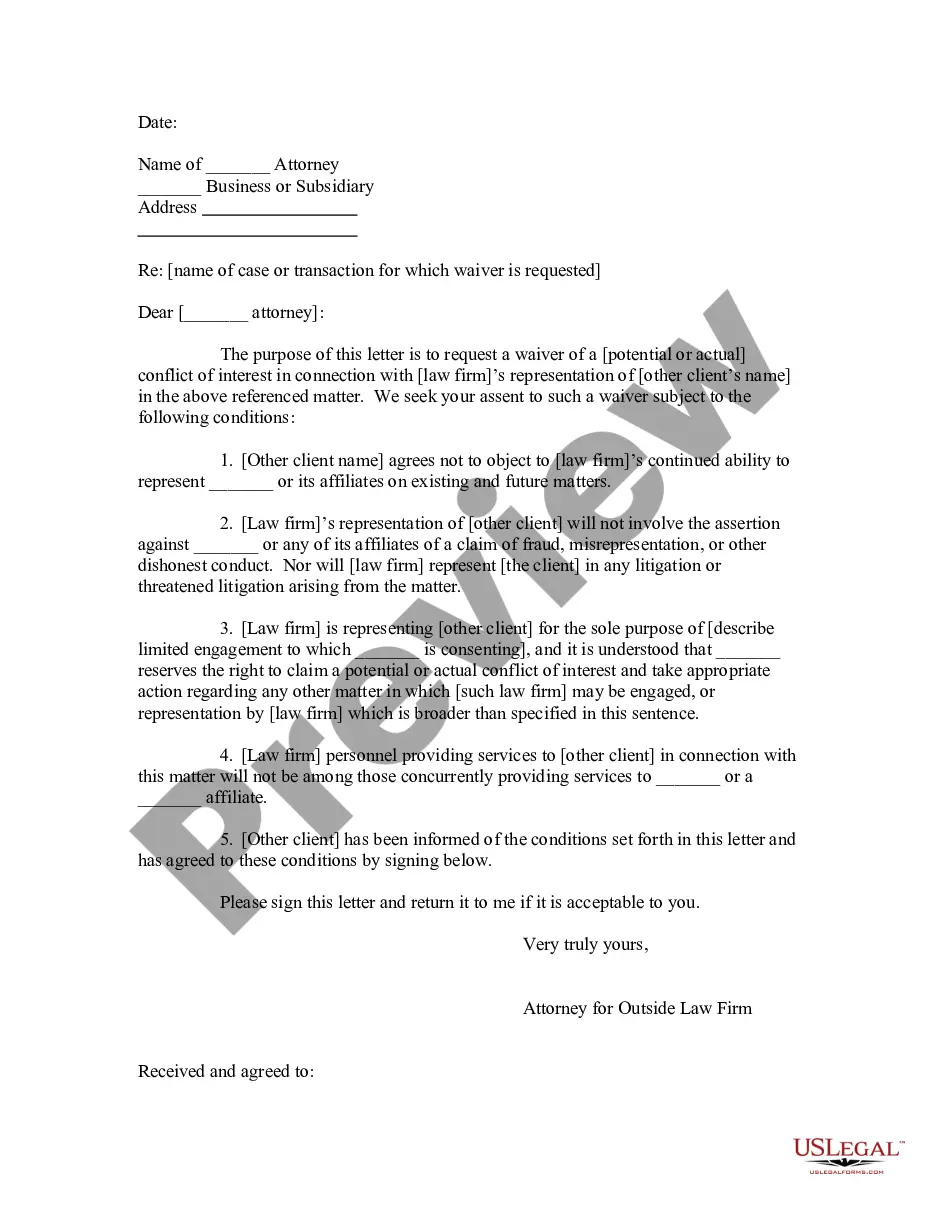
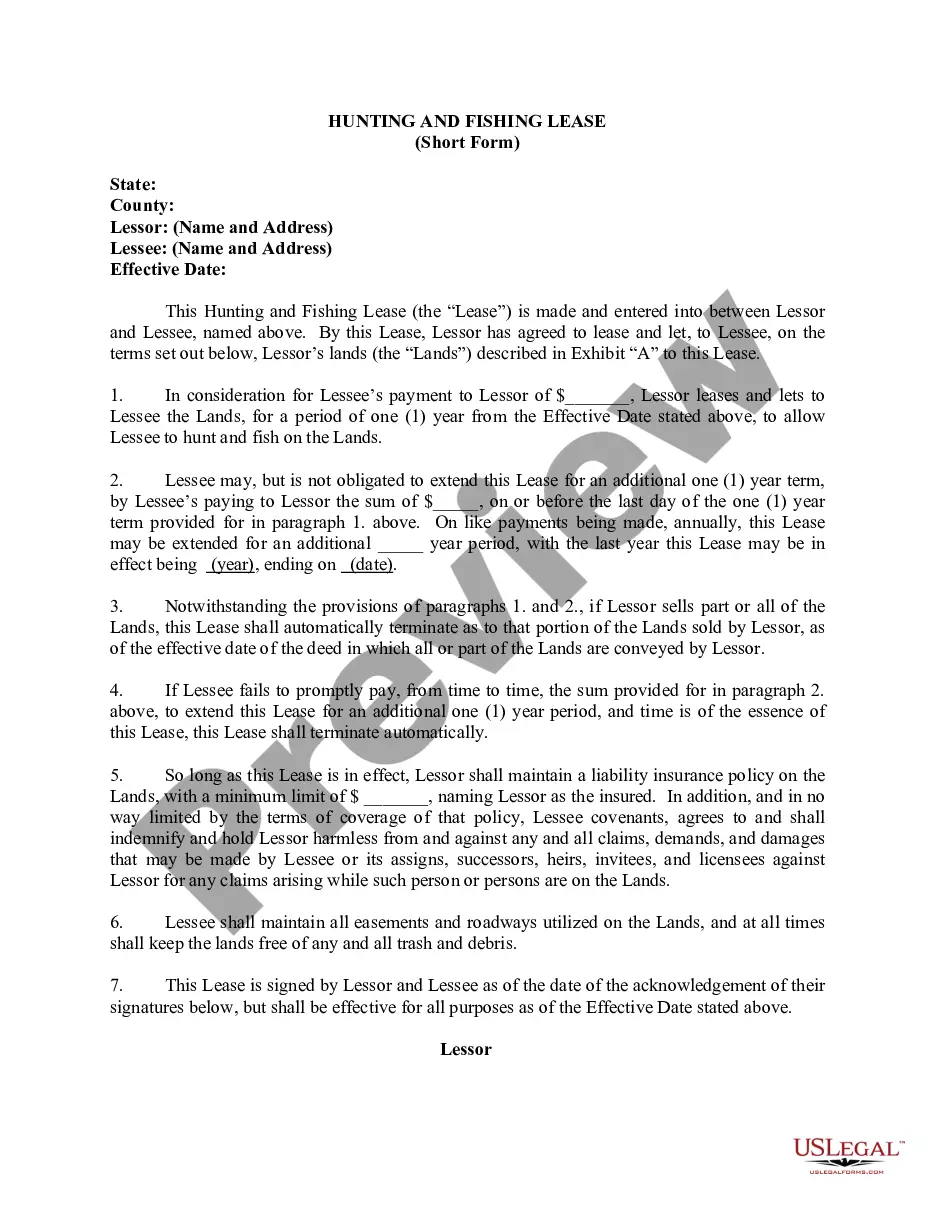

How to fill out Eviction Notice For Family Member?
If you wish to be thorough, obtain, or download legal document templates, utilize US Legal Forms, the most significant collection of legal documents, available online.
Take advantage of the site's simple and convenient search to find the documents you require.
Various templates for business and personal uses are categorized by types and states, or keywords. Use US Legal Forms to acquire the Florida Eviction Notice for Family Member in just a few clicks.
Every legal document template you acquire is yours permanently. You will have access to each form you downloaded within your account. Click the My documents section and select a form to print or download again.
Stay proactive and obtain, and print the Florida Eviction Notice for Family Member with US Legal Forms. There are numerous professional and state-specific forms you can use for your business or personal needs.
- If you are already a US Legal Forms user, sign in to your account and click the Download button to obtain the Florida Eviction Notice for Family Member.
- You can also access forms you previously downloaded from the My documents tab of your account.
- If this is your first time using US Legal Forms, follow the instructions below.
- Step 1. Ensure you have selected the form for your correct city/state.
- Step 2. Use the Review option to examine the form's content.
- Don't forget to read the description.
- Step 3. If you are not satisfied with the form, utilize the Search field at the top of the screen to find other versions of the legal form template.
- Step 4. Once you have found the form you need, click the Buy Now button. Choose the pricing plan you prefer and enter your details to register for an account.
- Step 5. Process the transaction. You can use your credit card or PayPal account to complete the transaction.
- Step 6. Select the format of the legal form and download it to your device.
- Step 7. Complete, modify, and print or sign the Florida Eviction Notice for Family Member.
Form popularity
FAQ
What are the differences between ejectments and evictions in Florida. Unlike an eviction there is no pre-suit notice required in an ejectment. But the property owner is not precluded from making such demand in an effort to amicably resolve the situation prior to filing suit.
But if they don't have a rental agreement or pay rent, you can file an Unlawful Detainer in ance with Chapter 82, of the Florida Statutes, which is an action in county court for their removal.
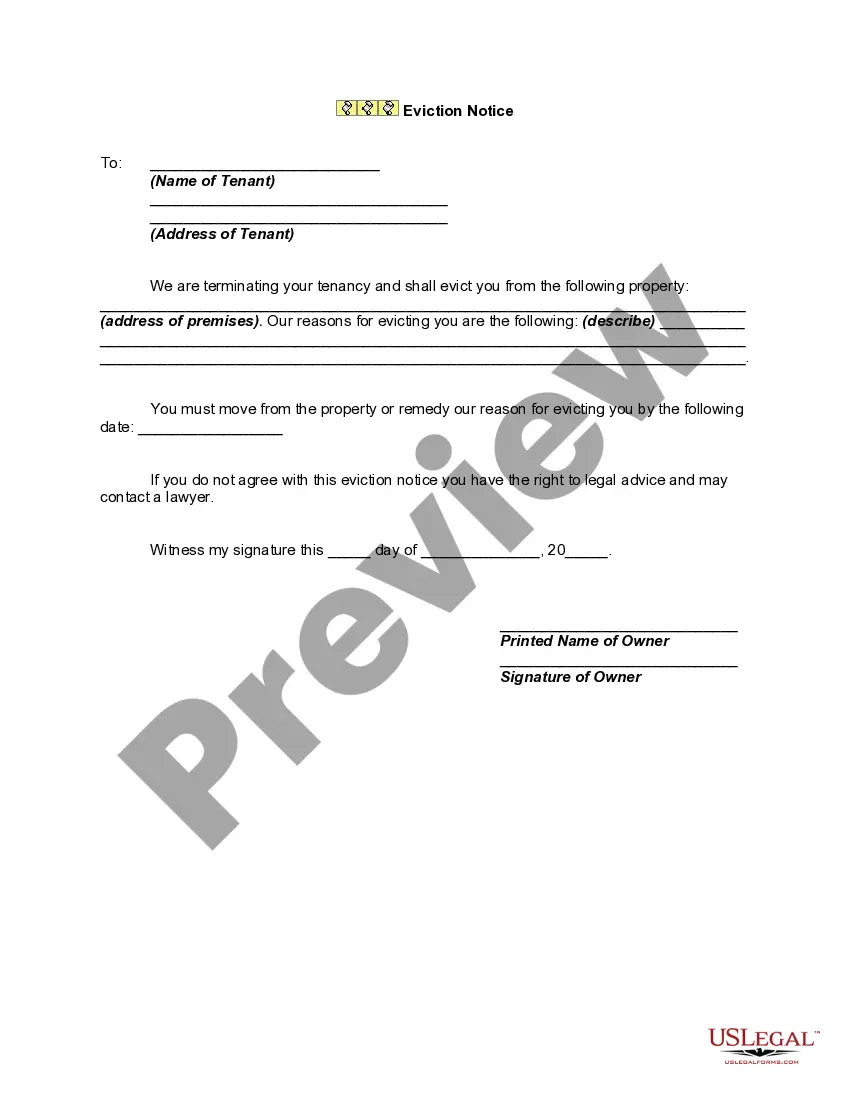
If you own a property in the State of Florida and have either a family member, girlfriend, or boyfriend currently residing in the property that you no longer want living there, you have the right as the property owner to remove them. This removal process is known as an Unlawful Detainer.
Co-tenants usually cannot evict each other, even if one of the co-tenants stops paying the rent or is violating the lease that they both signed. If the person you want to evict is not a tenant, but is a household member or authorized occupant, you may be able to evict that person.
The only lawful way to remove a tenant from a rental property is to follow the termination procedures above, and then get an eviction order from a court. Only a law enforcement officer?such as a sheriff?can physically remove a tenant from a rental.
What is The Eviction Process? The eviction process begins with a three day letter and finishes with a writ of removal. The entire process can be done is as little as one week if the eviction is uncontested, or take years in unusual circumstances.
If the tenant hasn't signed a lease, the landlord can end the tenancy without giving any specific reason. The landlord only has to send proper notice to the tenant, allowing for the number of days provided by Fla. Stat. § 83.57.
Florida law allows for a legal action know as an Ejectment to remove a non-rent paying person living in your home, who has not signed a lease and has no title or interest in the property. Often times, this involves a person whom you have allowed to live in your home and who later refuses to leave when asked.