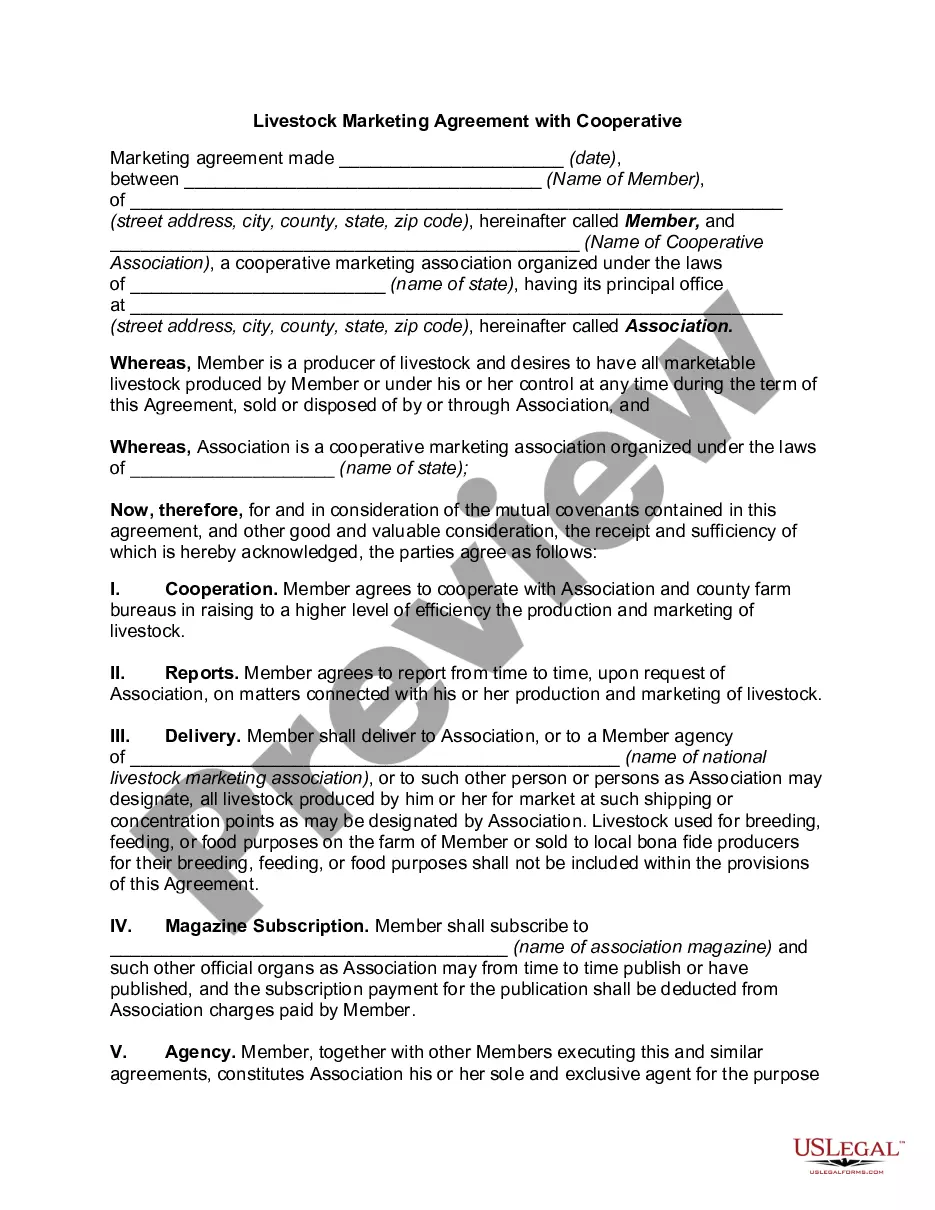
Delaware Confidentiality Agreement with Employee Regarding Research, Development, Production, Marketing, and Management; and Covenant not to Compete
Description
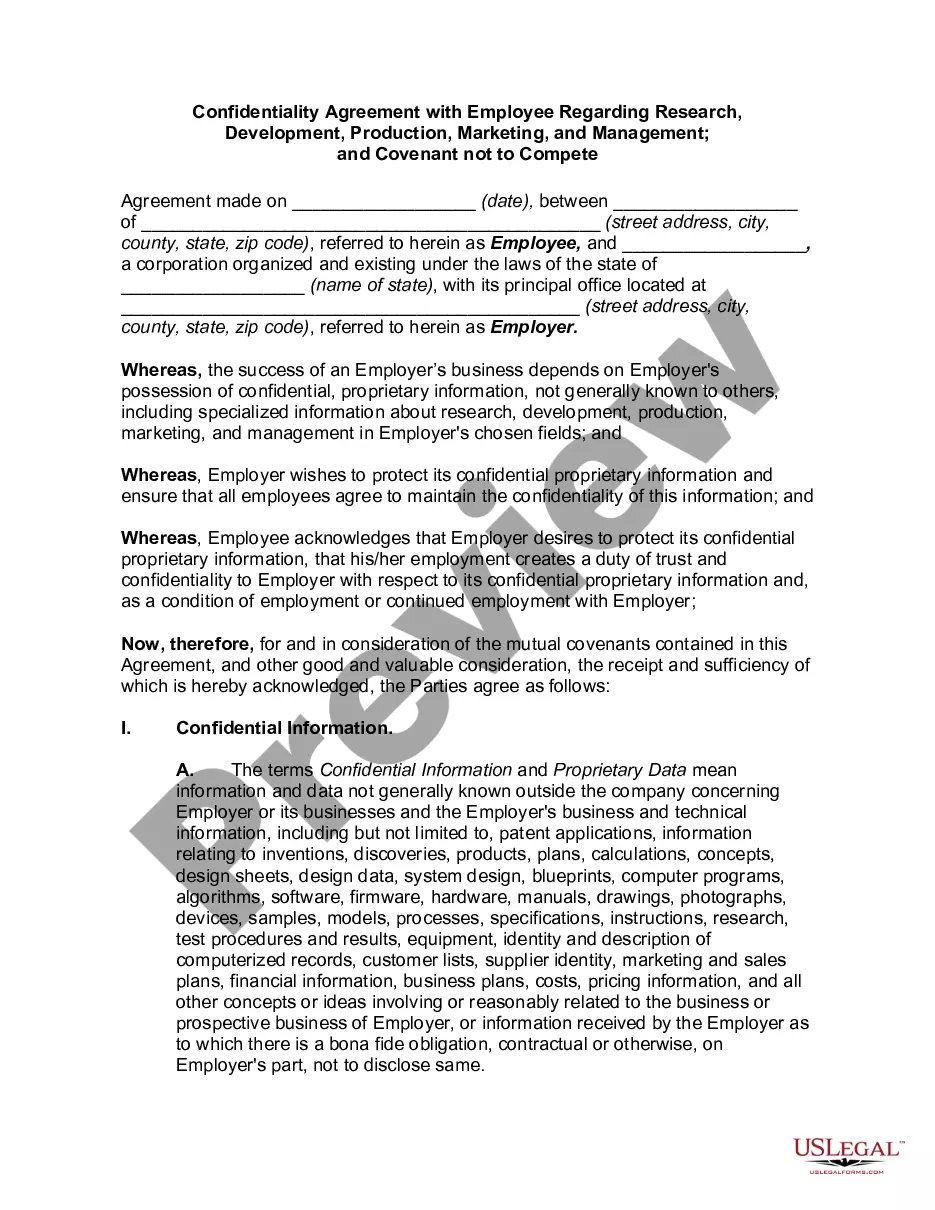
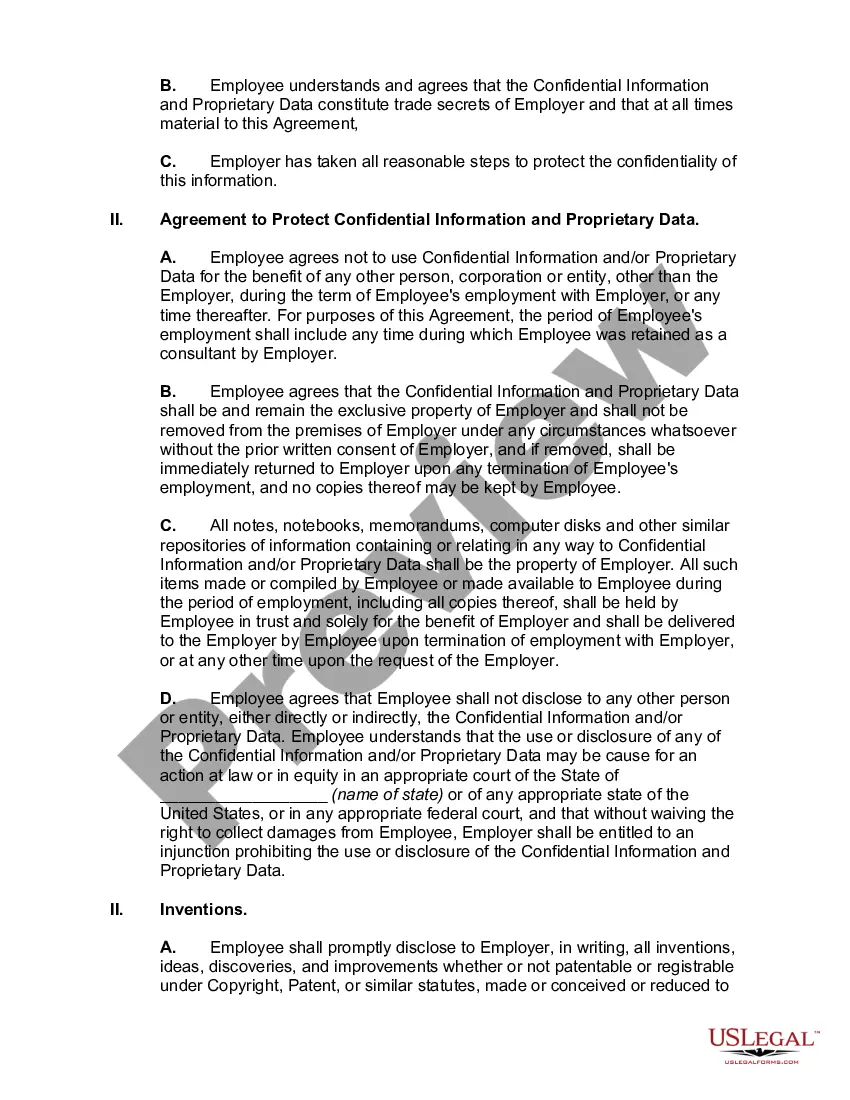
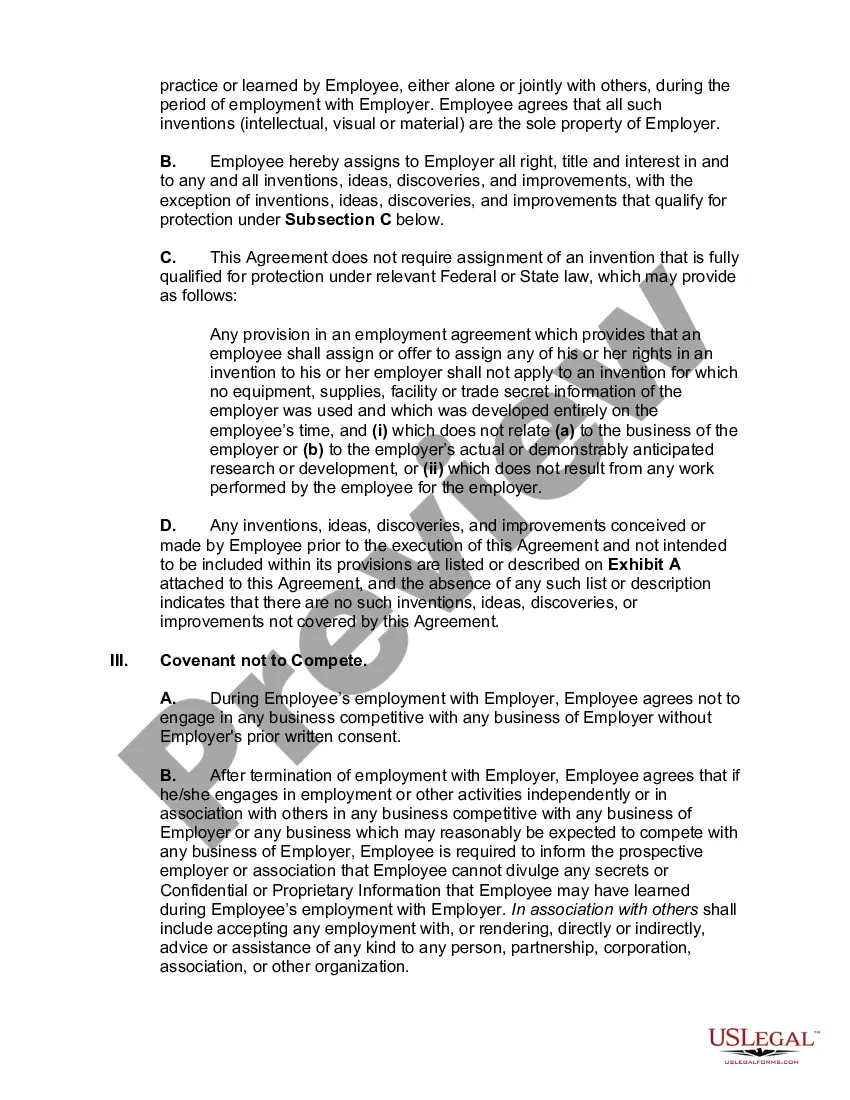
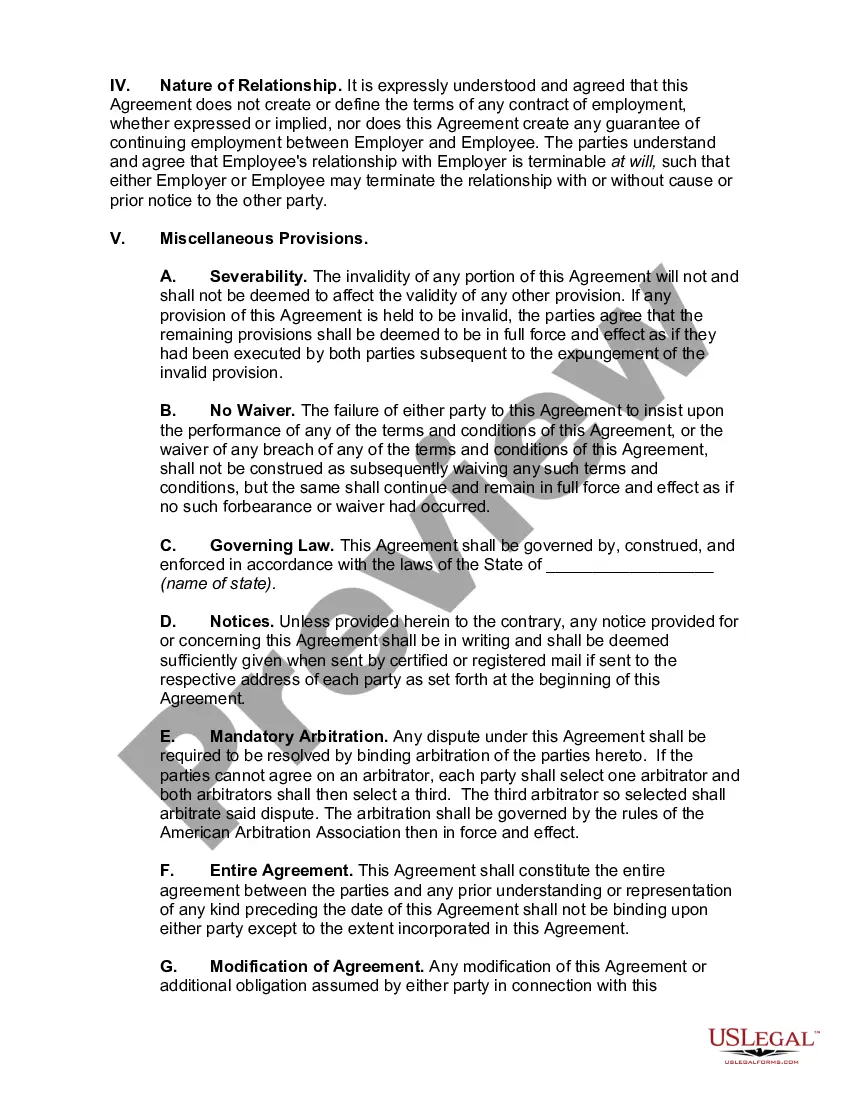
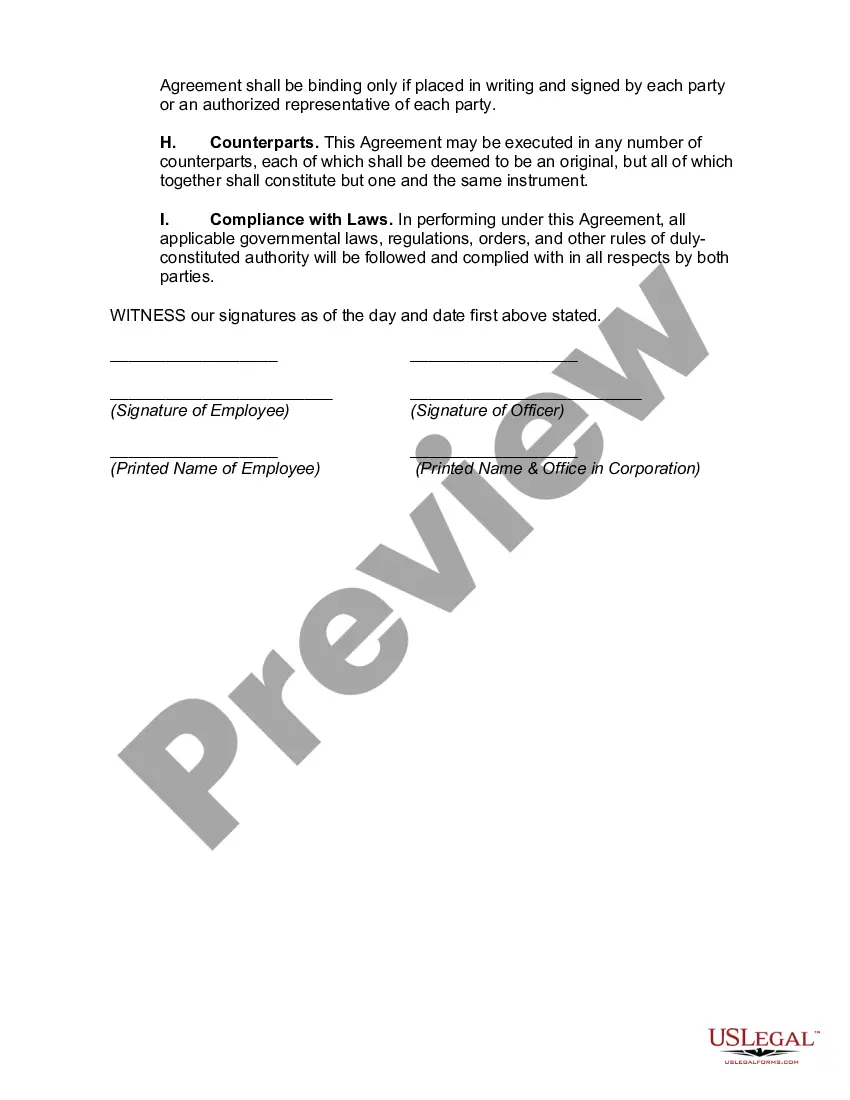
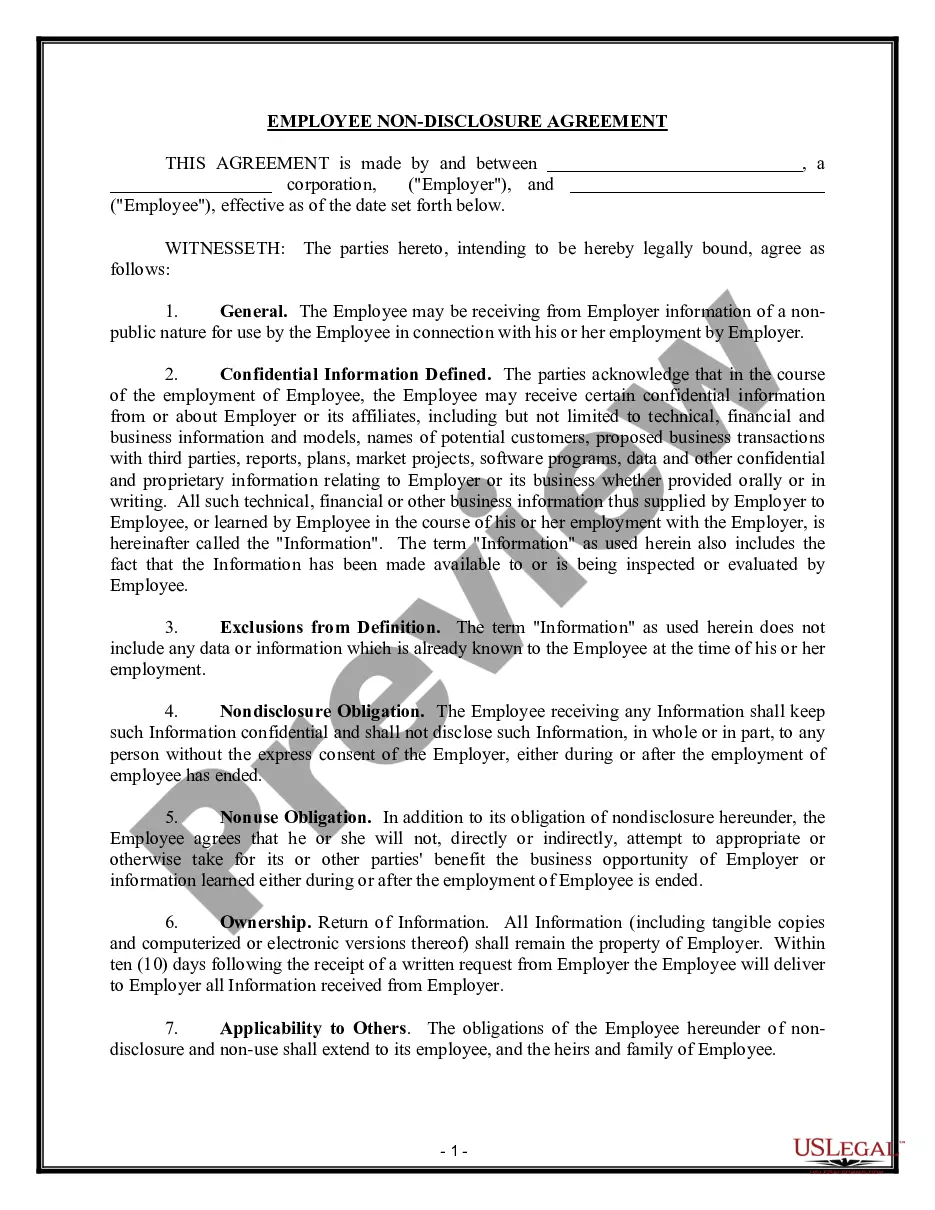
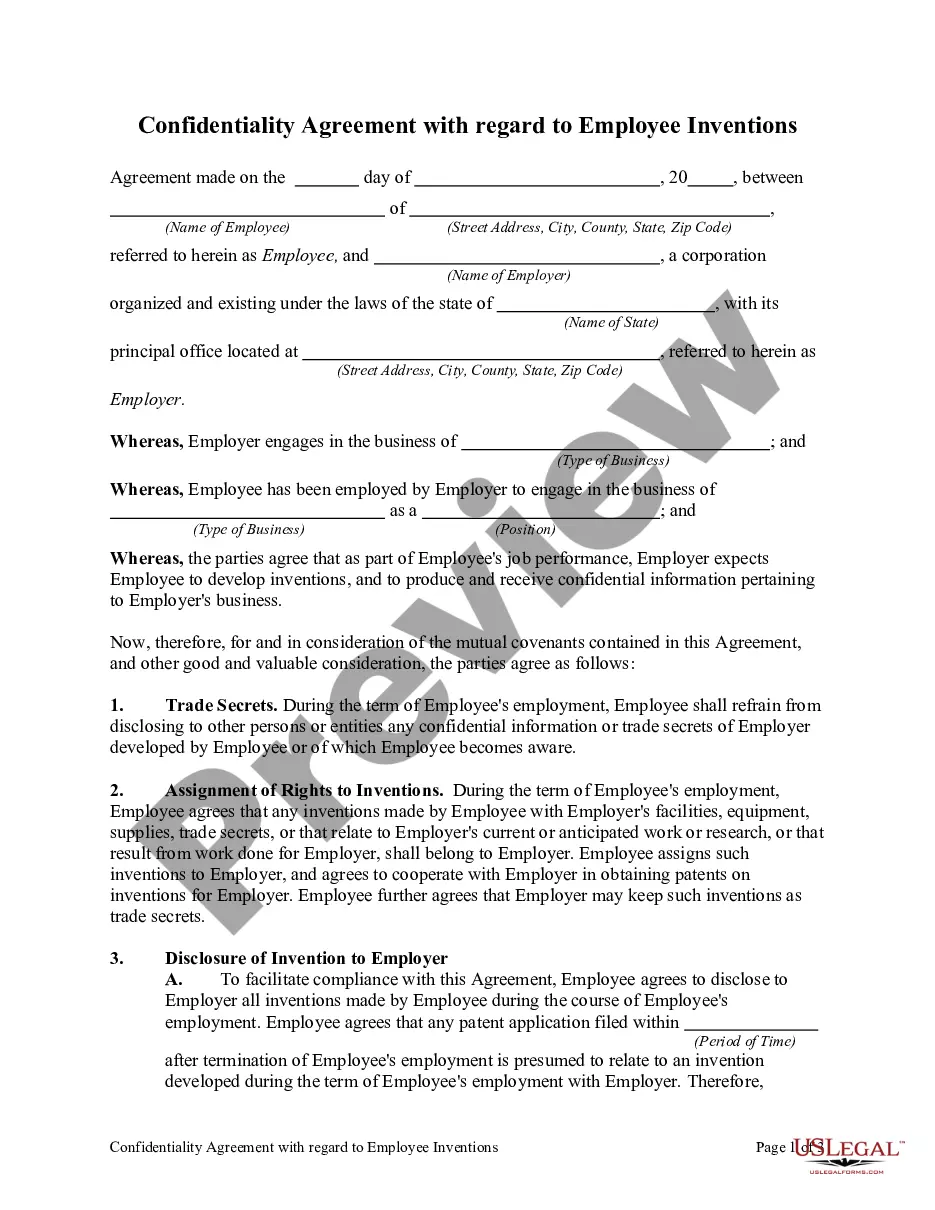
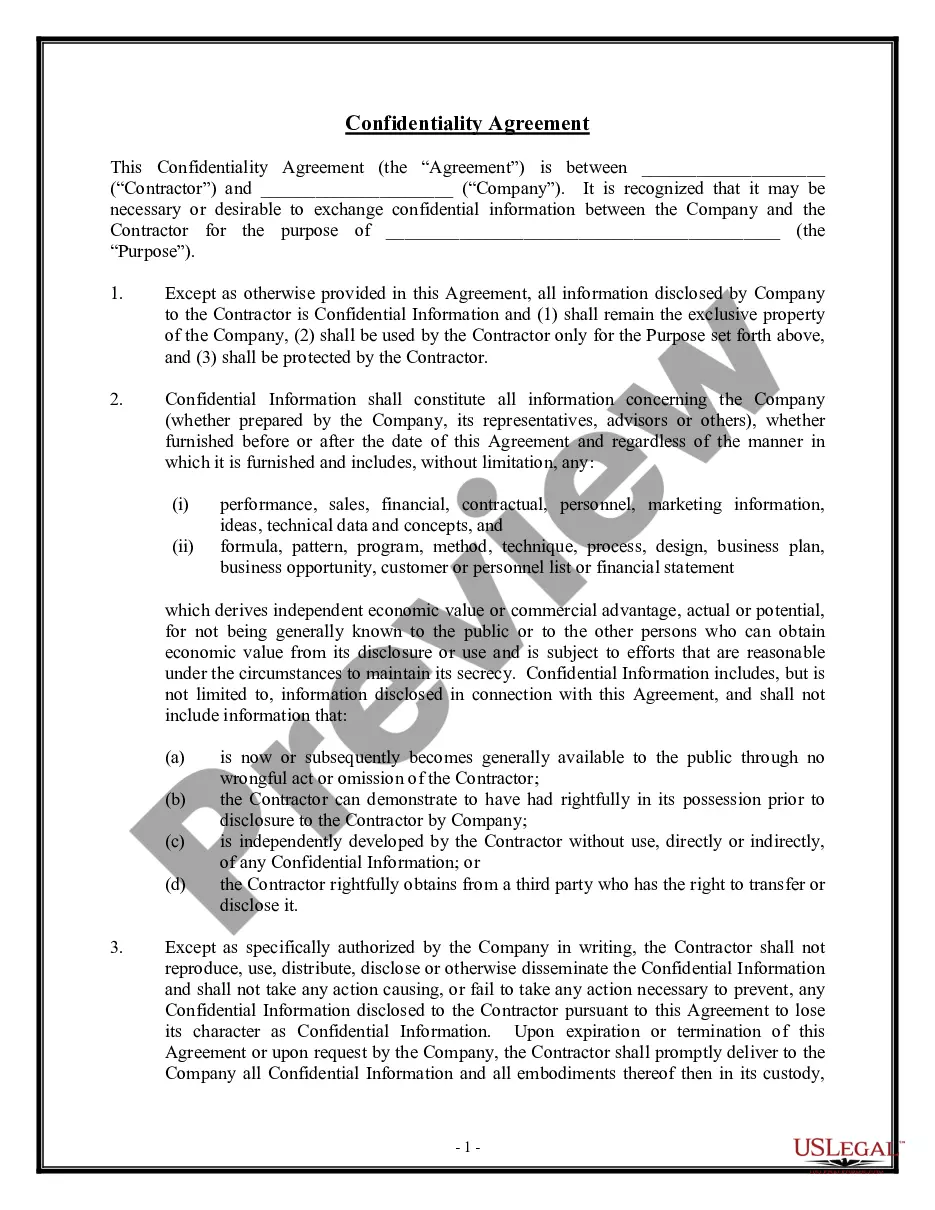
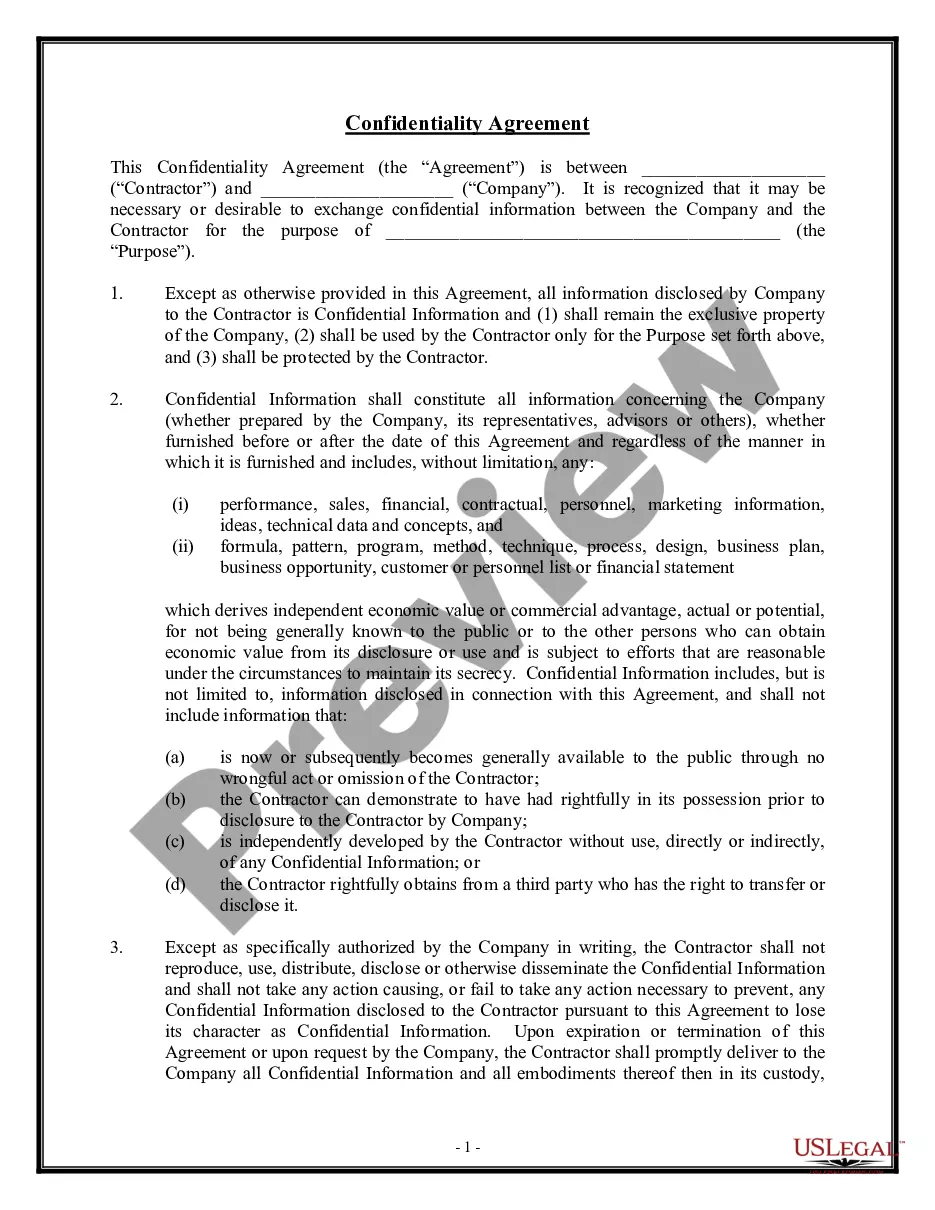
How to fill out Confidentiality Agreement With Employee Regarding Research, Development, Production, Marketing, And Management; And Covenant Not To Compete?
Are you presently in a situation where you require documents for possible organizational or personal purposes nearly every time.
There are numerous legitimate document templates available online, but finding ones you can rely on is tricky.
US Legal Forms offers thousands of document templates, such as the Delaware Confidentiality Agreement with Employee Concerning Research, Development, Production, Marketing, and Management; and Covenant not to Compete, which are crafted to comply with federal and state regulations.
Choose a convenient file format and download your copy.
Access all the document templates you have purchased in the My documents menu. You can get another copy of the Delaware Confidentiality Agreement with Employee Concerning Research, Development, Production, Marketing, and Management; and Covenant not to Compete at any time if needed. Just click the desired document to download or print the template.
Utilize US Legal Forms, the largest collection of legal forms, to save time and avoid errors. The service provides professionally created legal document templates that you can use for various purposes. Create an account on US Legal Forms and start making your life a bit easier.
- If you are already familiar with the US Legal Forms website and have an account, simply Log In.
- Then, you can download the Delaware Confidentiality Agreement with Employee Concerning Research, Development, Production, Marketing, and Management; and Covenant not to Compete template.
- If you do not have an account and wish to use US Legal Forms, follow these steps.
- Obtain the document you need and ensure it is for your specific city/region.
- Use the Review button to examine the form.
- Read the summary to make sure you have selected the correct document.
- If the document is not what you're looking for, use the Search area to find the document that suits your needs and requirements.
- When you find the right document, click on Buy now.
- Select the pricing plan you want, complete the necessary information to create your account, and purchase your order with PayPal or credit card.
Form popularity
FAQ
Yes, non-compete agreements can be enforceable in Delaware, as long as they meet certain legal standards. To create a valid Delaware Confidentiality Agreement with Employee Regarding Research, Development, Production, Marketing, and Management; and Covenant not to Compete, the agreement must be reasonable in terms of duration and geographic scope and must protect legitimate business interests. It is wise to consult legal professionals to ensure compliance with Delaware's specific requirements.
There are three main agreements or restrictive covenants regularly used by business owners to limit disclosure or competition. They include confidentiality, non-solicitation and non-compete agreements or provisions.
Typical exceptions to the definition of confidential information include (i) information publicly known or in the public domain prior to the time of disclosure, (ii) information publicly known and made generally available after disclosure through no action or inaction of the recipient, (ii) information already in the
A confidentiality agreement is a legally binding contract that states two parties will not share or profit from confidential information. A business usually gives a confidentiality agreement to an employee or contractor to make sure its trade secrets or proprietary information remains private.
The key elements of confidentiality agreements are: Identification of the parties. Definition of what is defined to be confidential. The scope of the confidentiality obligation by the receiving party.
Generally, confidentiality agreements are enforceable when they meet the general requirements of a contract.
The information not protected by a confidentiality agreement includes: Information the recipient knew prior to signing the agreement. Information the recipient learns from alternative sources or information that is public knowledge.
Confidential Information will not include information that the Receiving Party can show: (a) was known to it at the time of disclosure; or (b) was publicly available or known in the industry at the time of disclosure; or (c) subsequent to disclosure, became publicly available or generally known in the industry through
Confidentiality agreements can either protect both parties and so both parties are agreeing not to disclose or use each other's confidential information. In contrast, non-compete agreements are almost always one-sided agreements. Usually, one party (the employer) requires the other party not to compete.
An employee confidentiality agreement, or non-disclosure agreement or an NDA, makes it crystal clear to an employee that he or she cannot under any circumstance, with the exception of prior written approval, disclose company secrets.