Delaware Leasing Agreement for Residential Property
Description
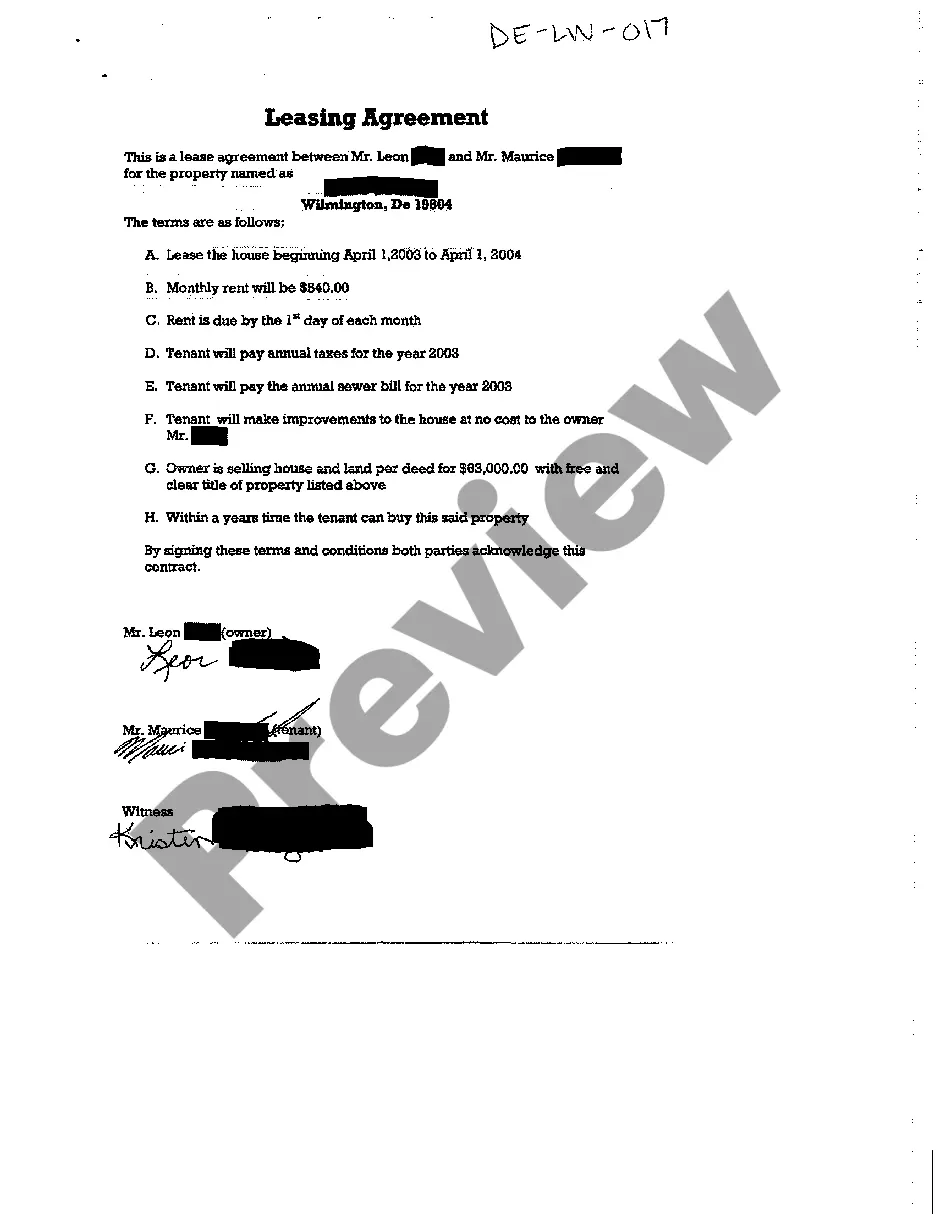
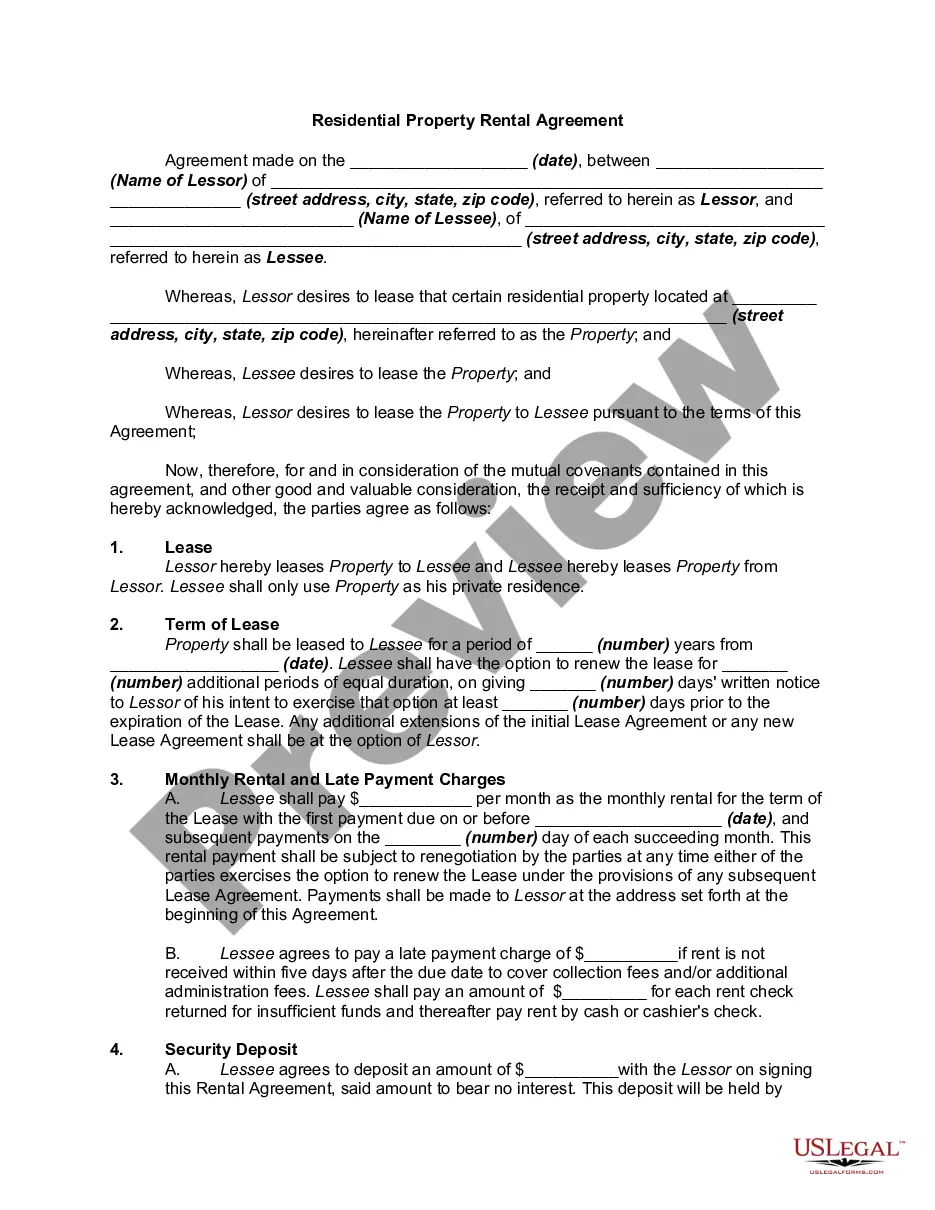
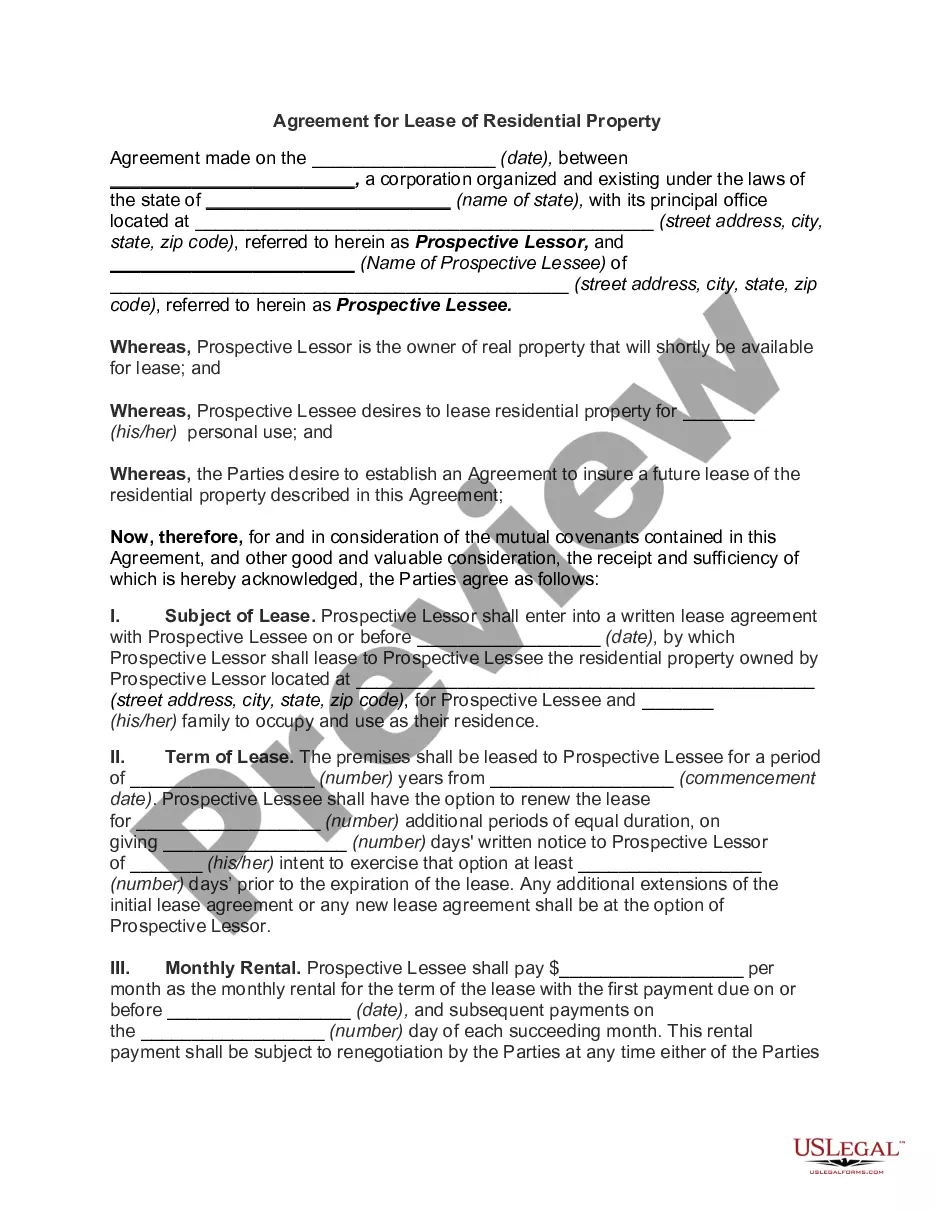
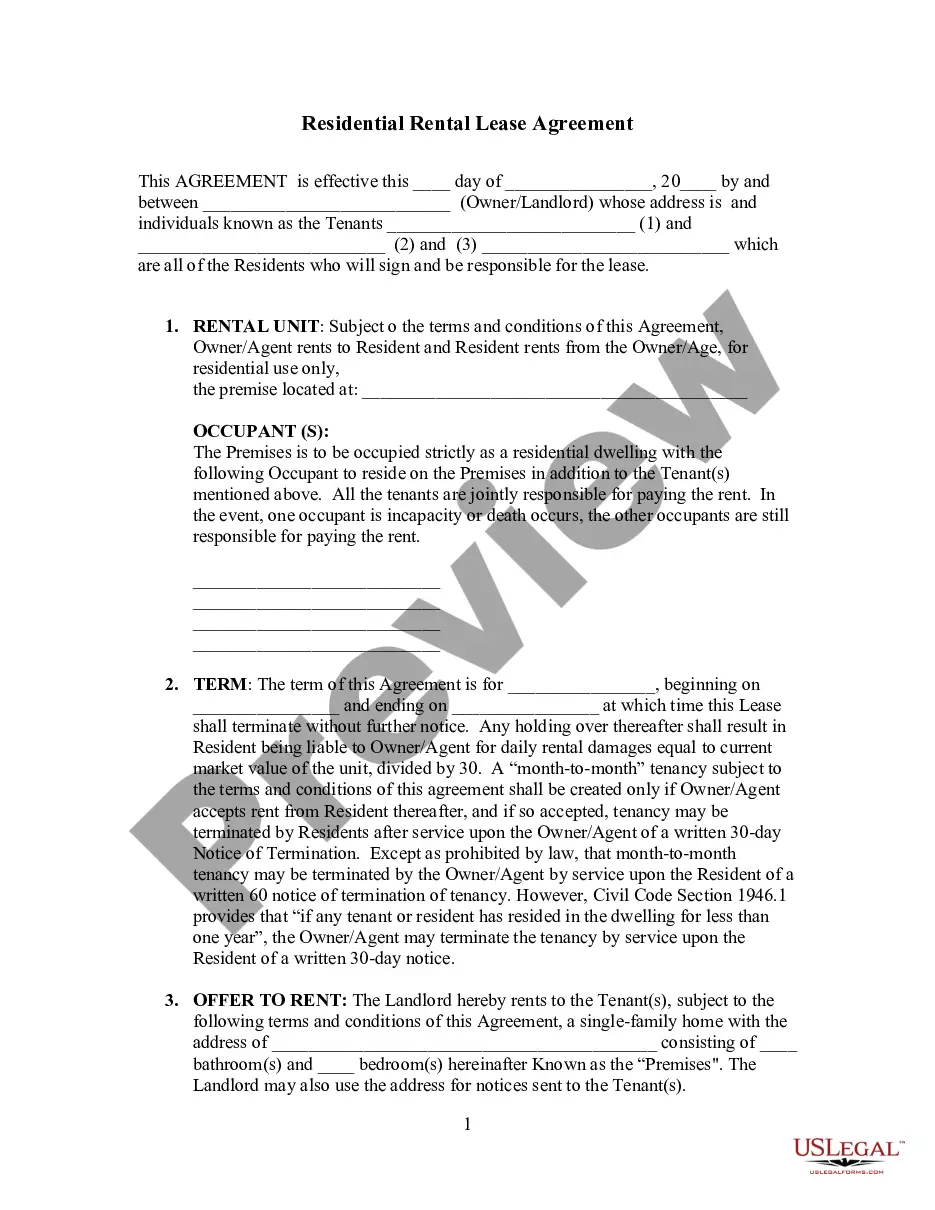
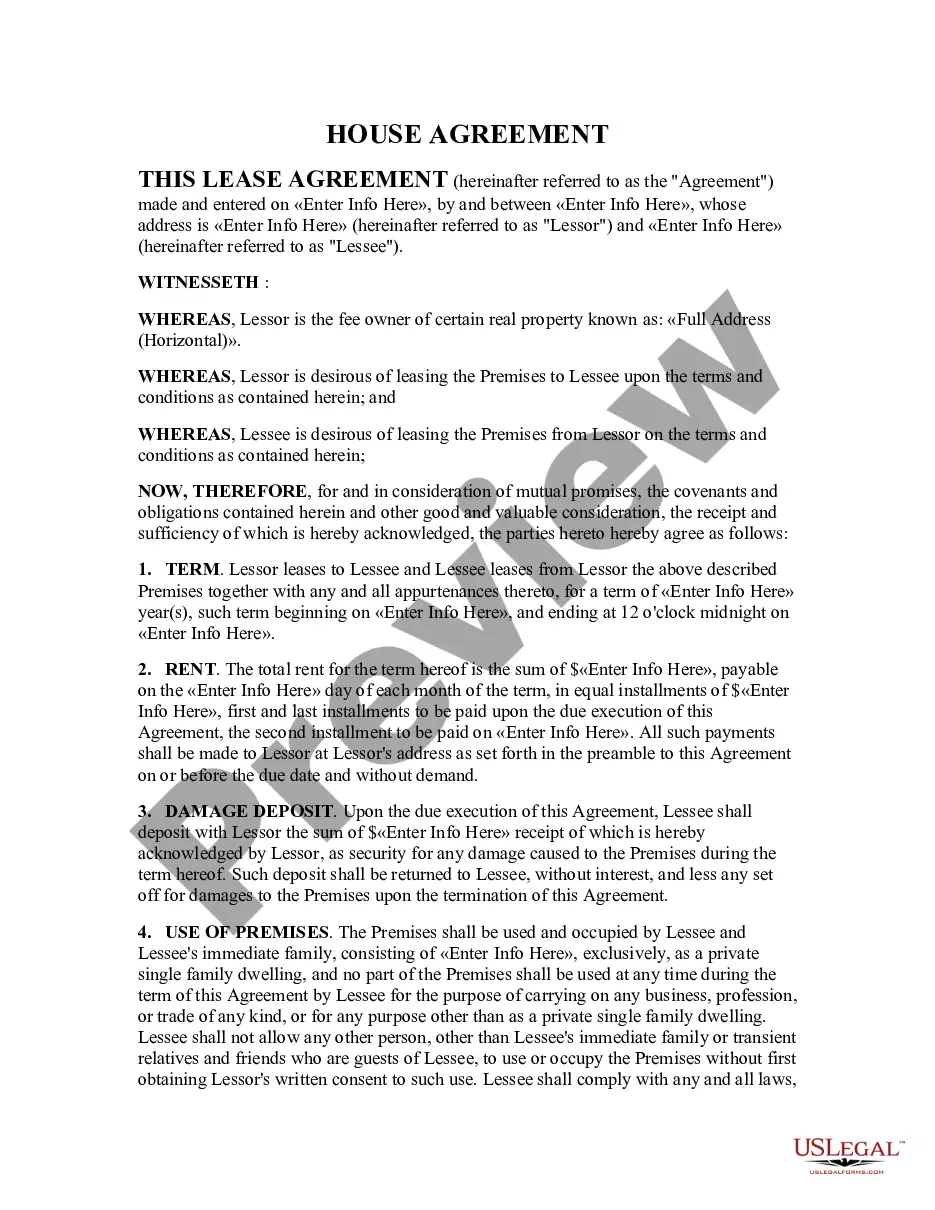
How to fill out Delaware Leasing Agreement For Residential Property?
Among numerous paid and complimentary templates available online, you cannot be sure about their reliability.
For instance, who authored them or if they possess the necessary expertise to handle your requirements.
Stay calm and utilize US Legal Forms!
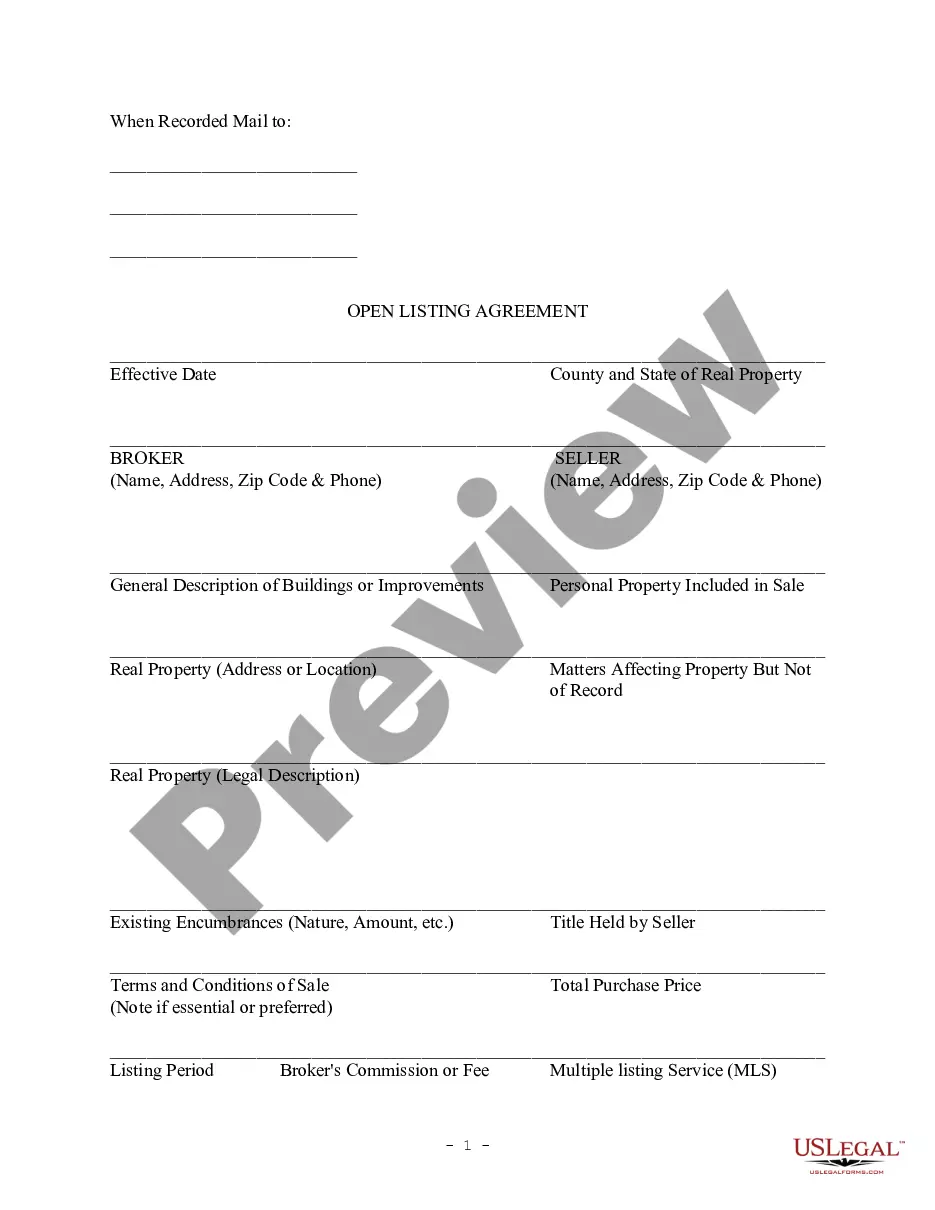
Browse the template by referring to the details provided through the Preview feature. Click Buy Now to initiate the purchasing process or seek another example using the Search box in the header. Select a payment plan and establish an account. Process the payment for your subscription with your bank card or Paypal. Download the document in the desired file format. After signing up and completing your purchase, you may use your Delaware Leasing Agreement for Residential Property as frequently as you wish or as long as it remains valid in your area. Modify it with your preferred editor, complete it, sign it, and print it. Achieve more for less with US Legal Forms!
- Explore Delaware Leasing Agreement for Residential Property drafts created by experienced legal professionals.
- Avoid the expensive and lengthy task of seeking an attorney and then compensating them to compose a document that you can acquire independently.
- If you hold a subscription, Log In to your profile and locate the Download button adjacent to the file you are searching for.
- You will also have access to all previously downloaded templates in the My documents section.
- If you are visiting our website for the first time, adhere to the steps outlined below to quickly obtain your Delaware Leasing Agreement for Residential Property.
- Ensure that the document you find is applicable to your location.
Form popularity
FAQ
To obtain an original lease agreement, you can create one through a reputable online service that specializes in legal forms. A Delaware Leasing Agreement for Residential Property can be easily accessed through platforms like US Legal Forms, which provides customizable templates. Simply fill in your specific details, and you'll have a professional document ready for use. Always save a copy for your records to ensure you have access to the agreement at any time.
Yes, a lease can still be legal without notarization in most cases, including a Delaware Leasing Agreement for Residential Property. The key aspect is that both parties must agree to the terms, and signatures affirming this agreement are necessary. However, notarization can add an extra layer of protection and credibility, especially in disputes or legal challenges.
When signing a lease, you typically need to provide personal information, proof of income, and a security deposit. A Delaware Leasing Agreement for Residential Property also often requires identification to verify your identity and ensure you can uphold the terms of the lease. Being prepared with these documents can streamline the process and help secure your desired property.
The most common tenancy in residential leasing is the month-to-month lease. This type of agreement offers flexibility for both tenants and landlords, allowing either party to make changes with proper notice. In the context of a Delaware Leasing Agreement for Residential Property, it provides a simple yet effective way to establish lease terms without long-term commitment.
Yes, you can write up your own lease agreement. However, it is important to ensure that your Delaware Leasing Agreement for Residential Property complies with all relevant laws and regulations. Having a solid understanding of lease components, such as payment terms and tenant rights, is vital. Leveraging templates available on platforms like US Legal Forms can make this process easier and more secure.
The most common type of lease for residential property is a month-to-month lease or a fixed-term lease. A month-to-month lease offers flexibility in rental terms, while a fixed-term lease secures your rental rate for the duration specified. Choosing the right type in your Delaware Leasing Agreement for Residential Property is crucial for aligning your needs and expectations. Furthermore, using a comprehensive template can help you include essential clauses.
In Delaware, a residential lease agreement typically does not need to be notarized to be enforceable. However, having your Delaware Leasing Agreement for Residential Property notarized can provide an extra layer of assurance and validity. It's always wise to check local laws for any specific requirements. Consulting with professionals can help clarify any uncertainties.
Filling out a Delaware Leasing Agreement for Residential Property involves clearly stating the names of the landlord and tenant, along with the property address. You should specify the rental amount, payment due dates, and lease duration. Additionally, include terms related to maintenance, repairs, and other important policies. Using a template from a reliable platform like US Legal Forms can simplify this process.
Assigning a residential lease can be a straightforward process, especially with the right tools. First, review your existing Delaware Leasing Agreement for Residential Property to understand any restrictions on assignments. Next, you may need to obtain written consent from your landlord before proceeding. Finally, ensure that all parties involved complete the assignment paperwork to formalize the change in tenants, protecting everyone’s interests.