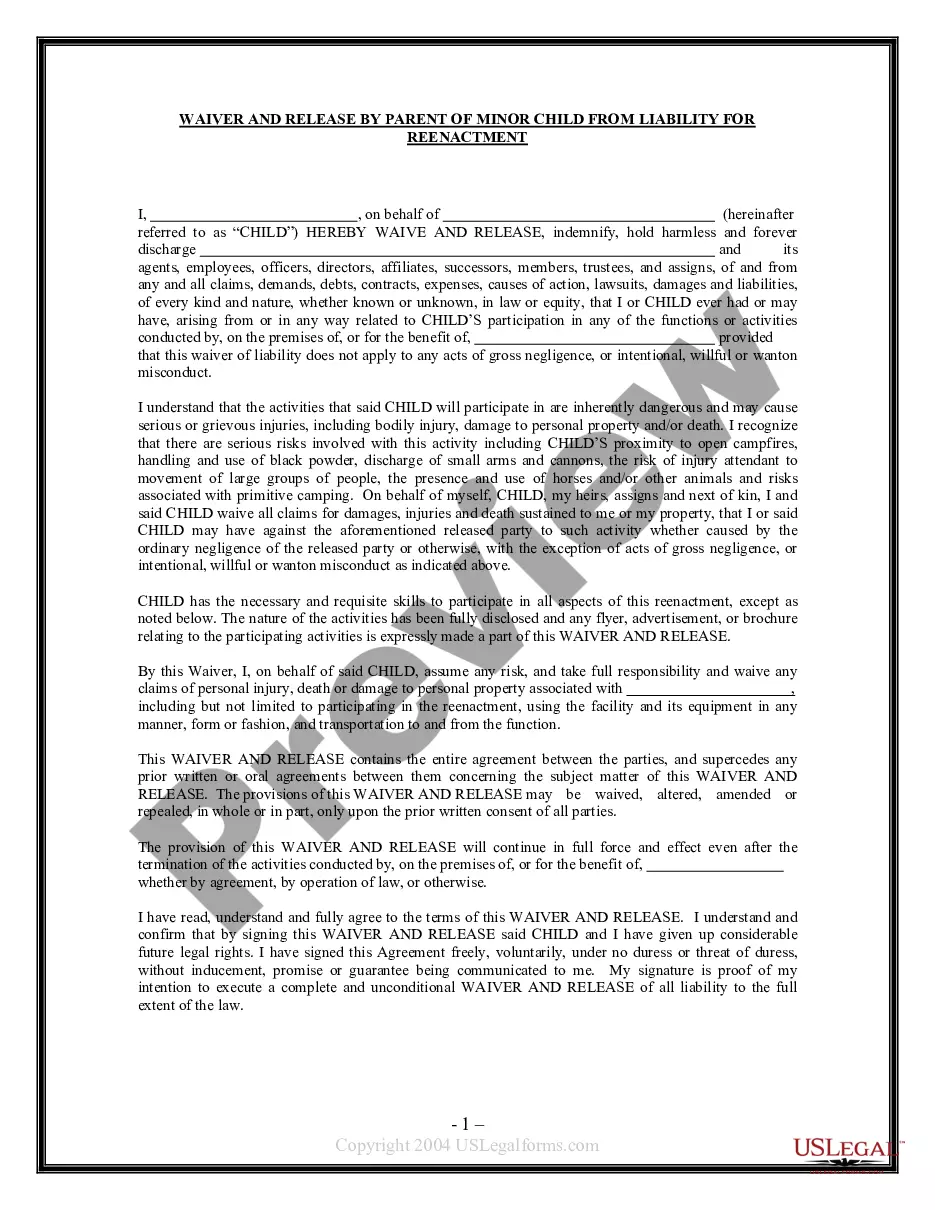
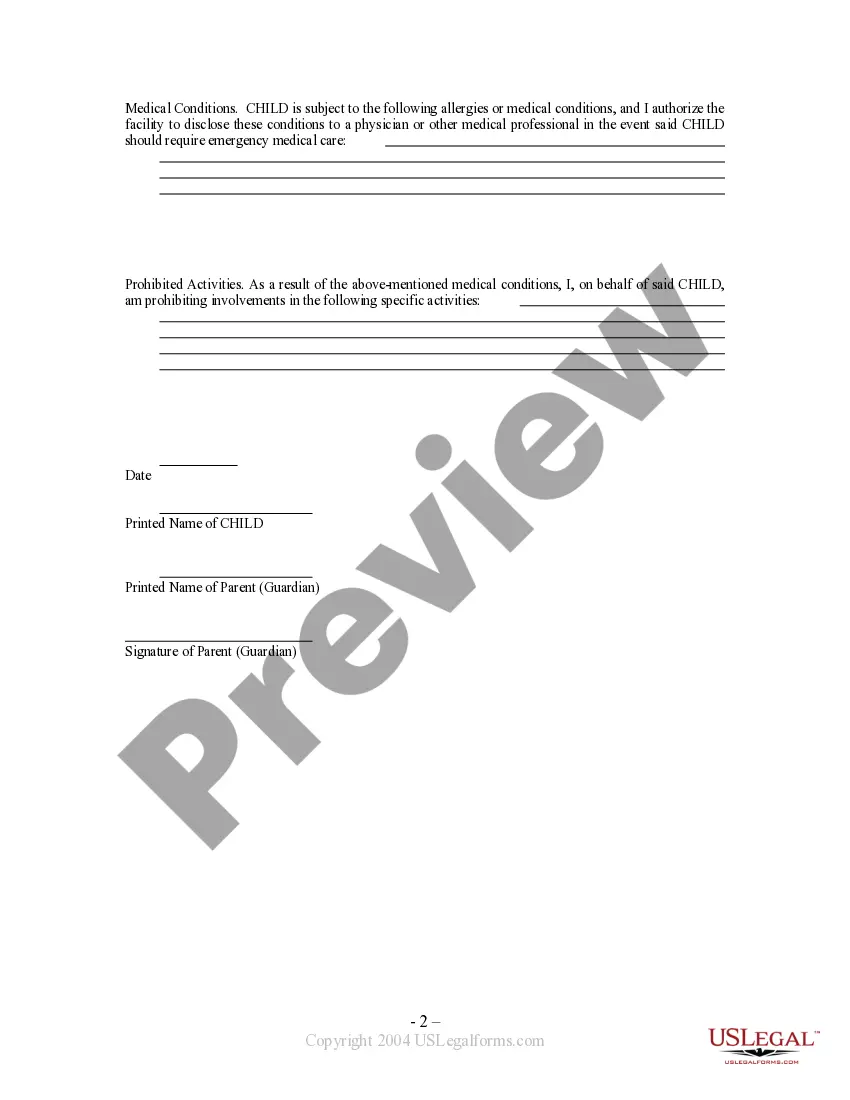
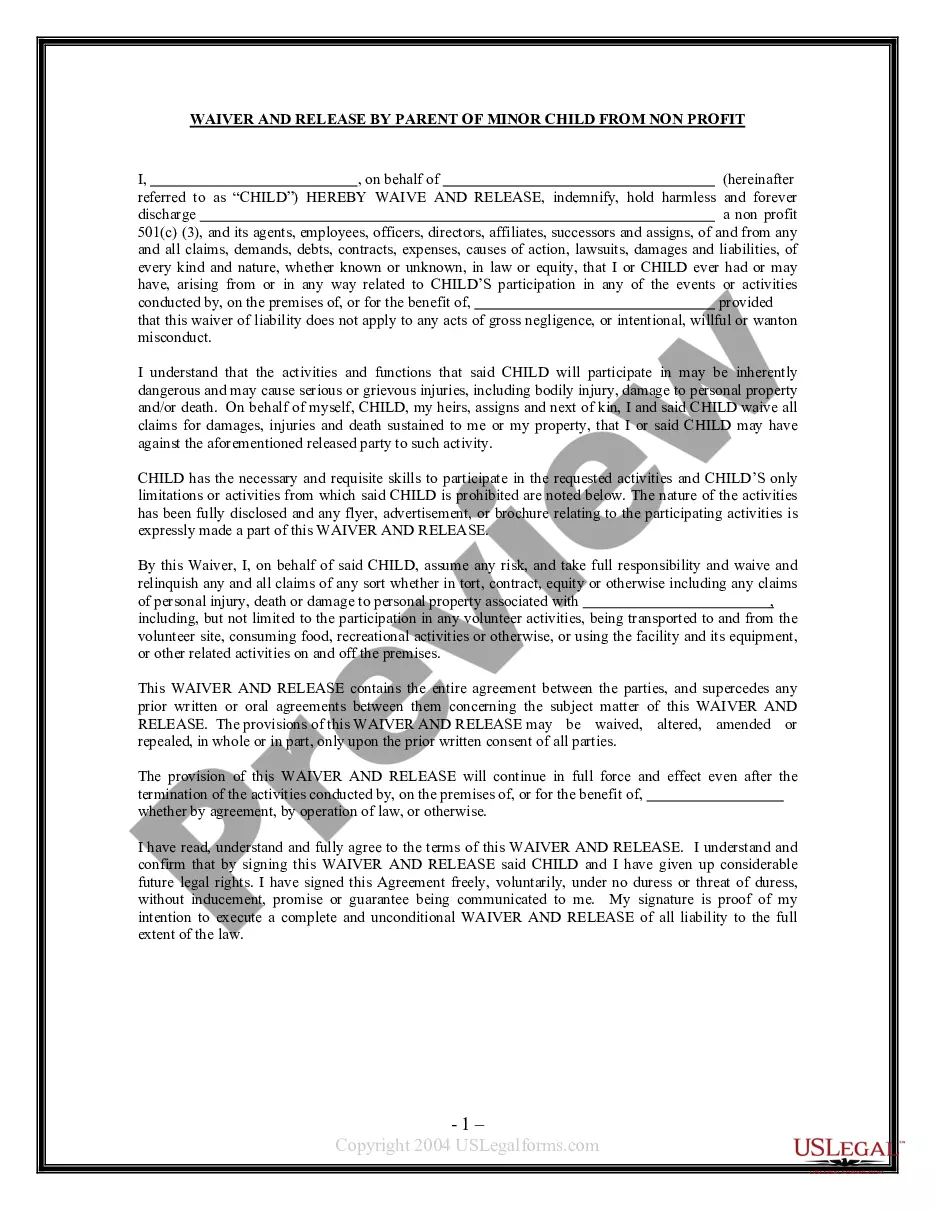
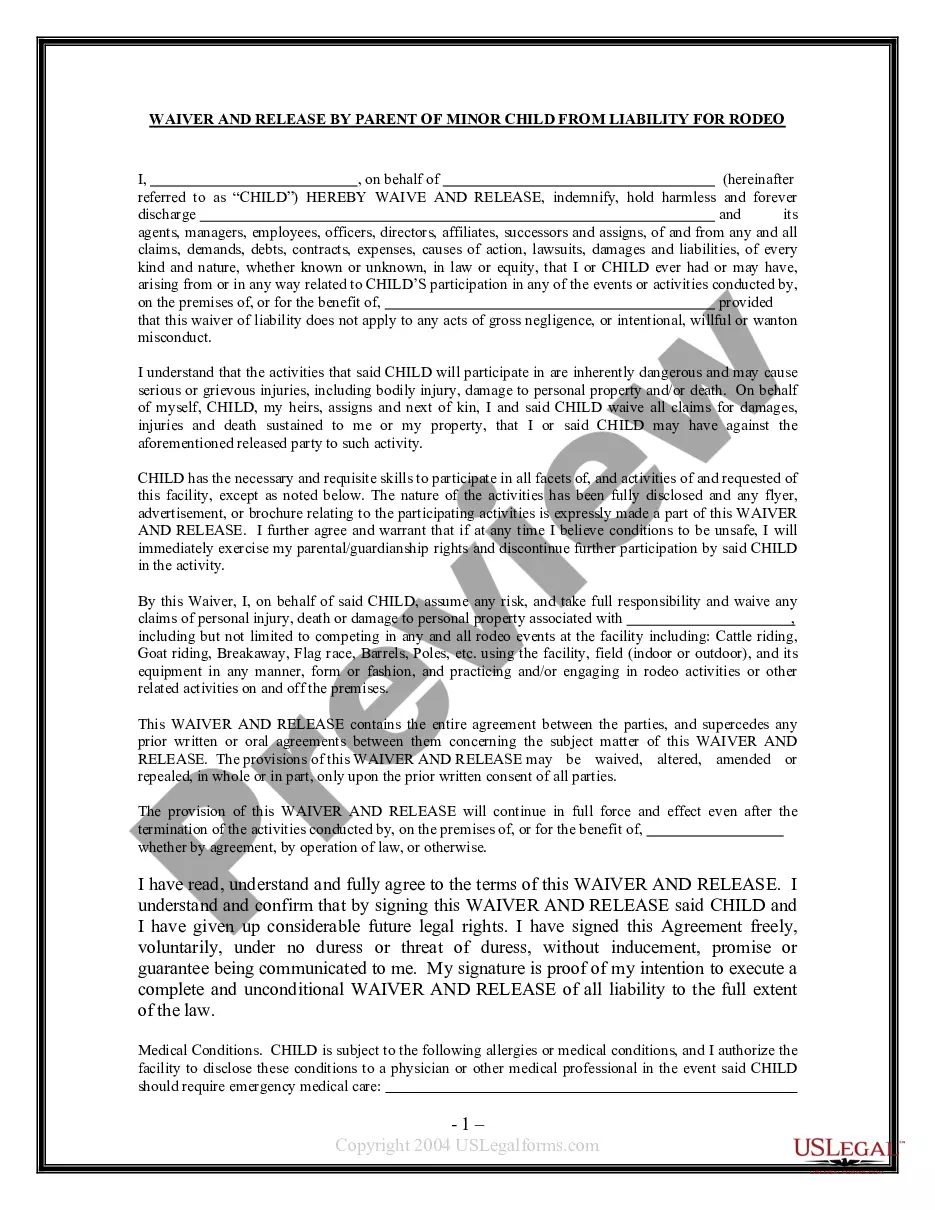
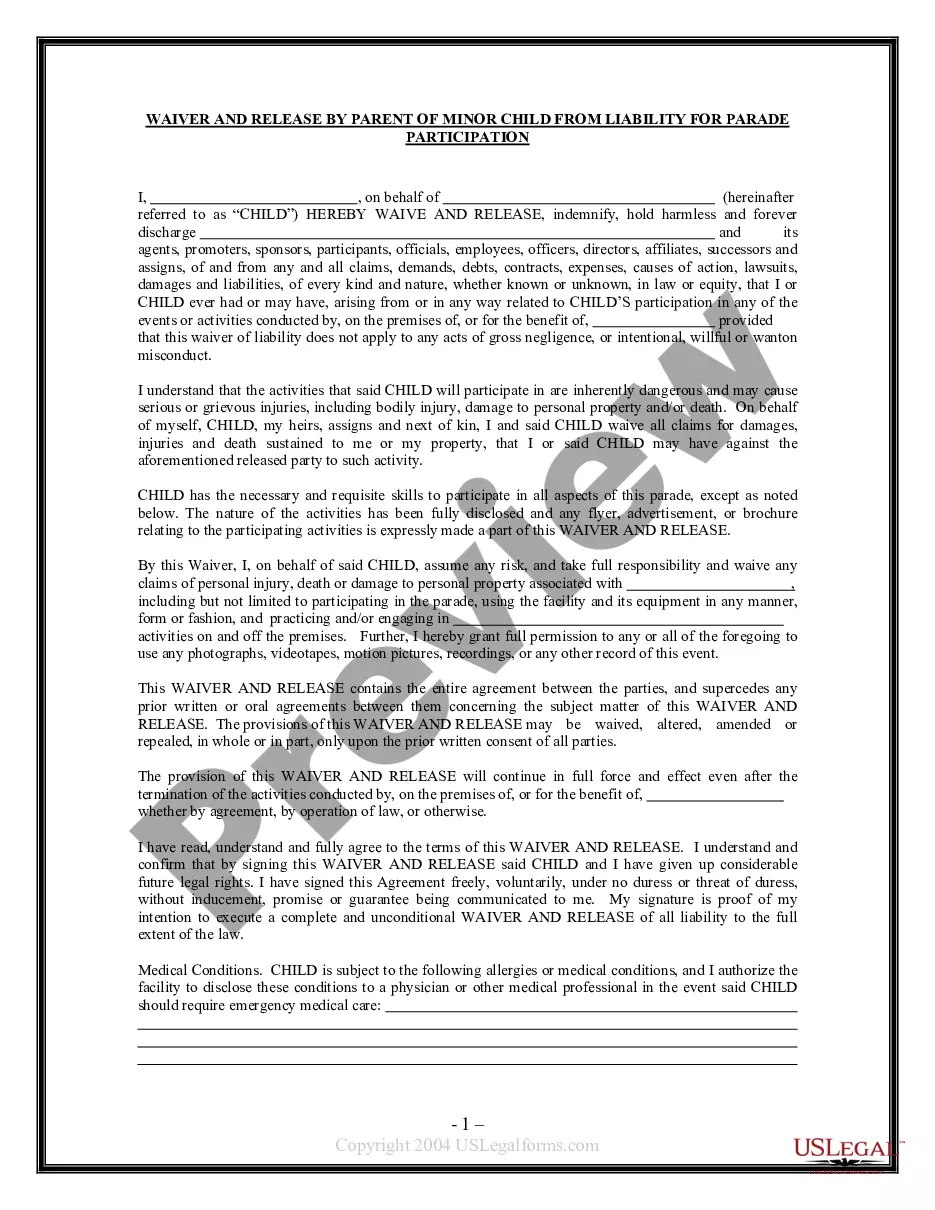
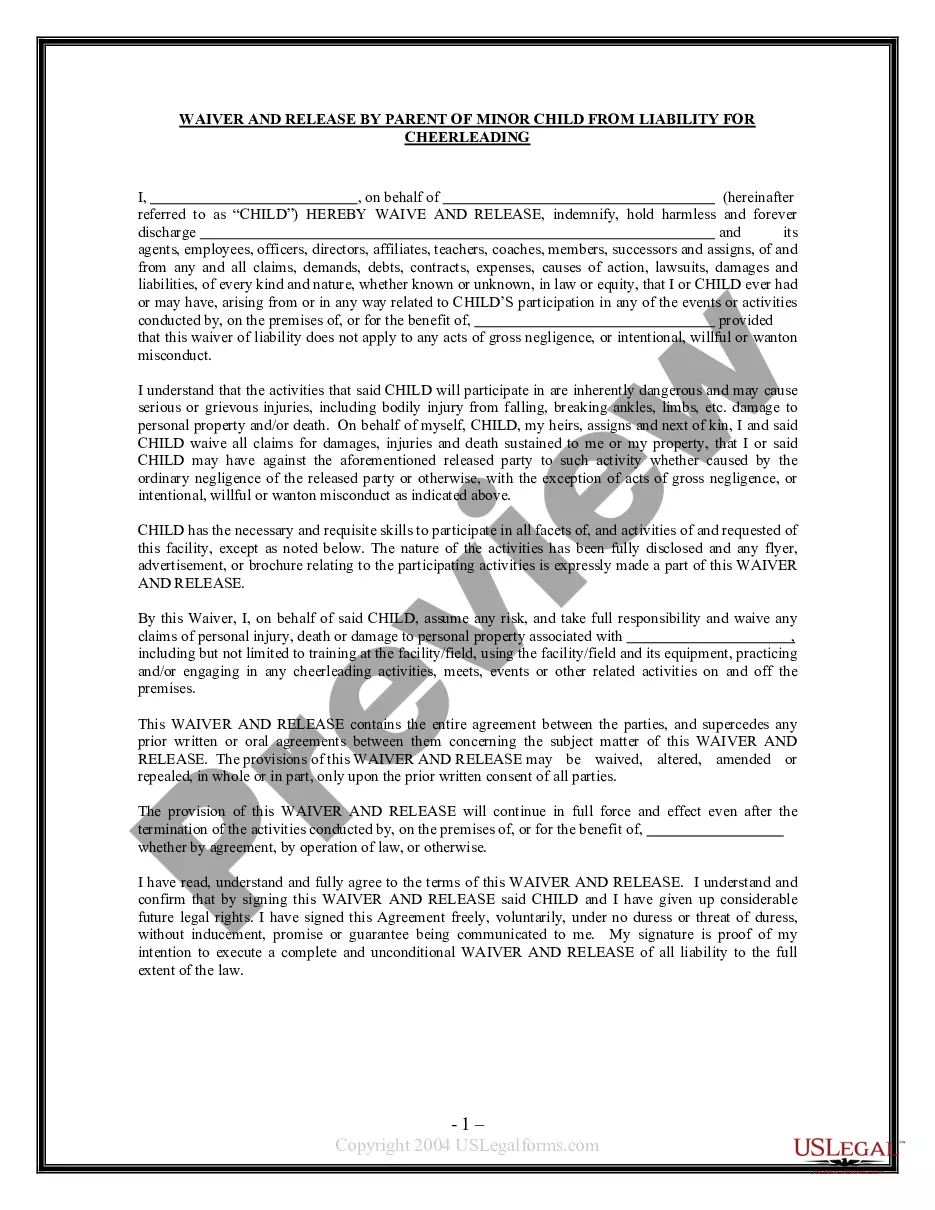
This form allows a parent or guardian to release a minor for reenactment from liability for injuries which may be incurred by a minor child while on the premises, taking part in activities, etc.
District of Columbia Waiver and Release From Liability For Minor Child for Reenactment
Category:
State:
Multi-State
Control #:
US-WAV-79M
Format:
Word;
Rich Text
Instant download
Description
Free preview
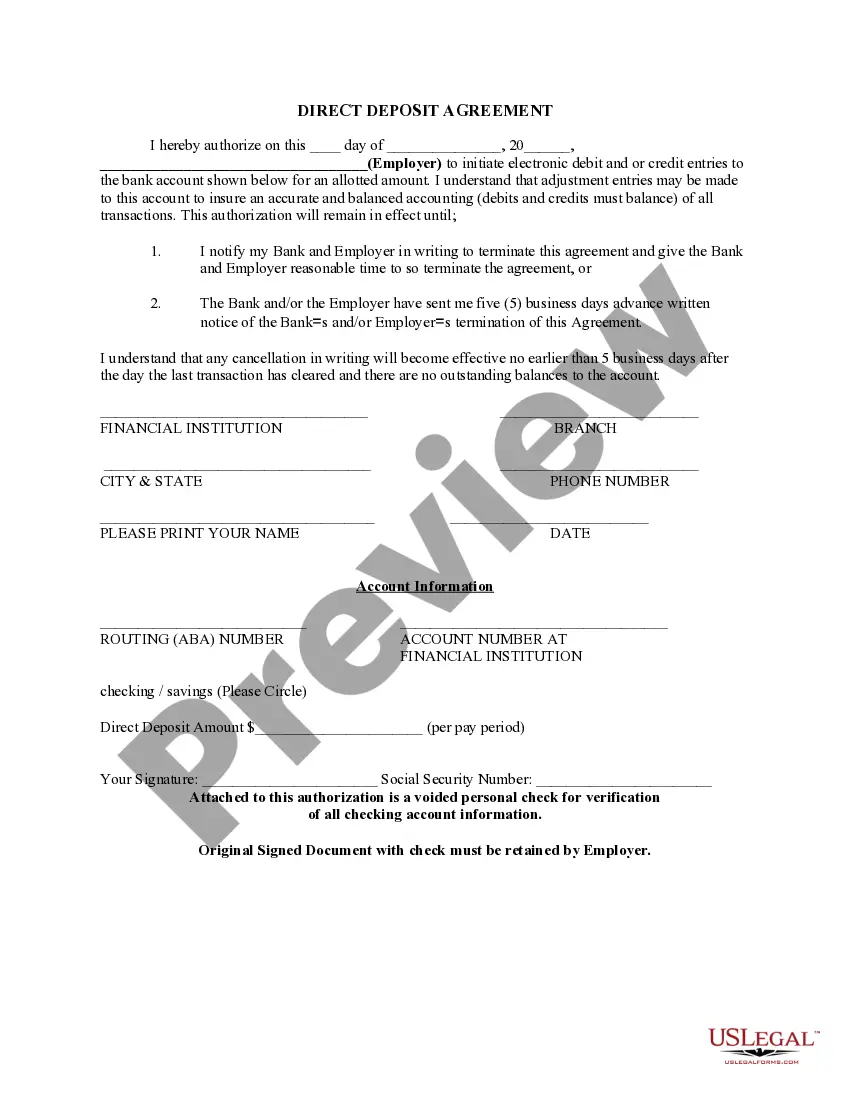
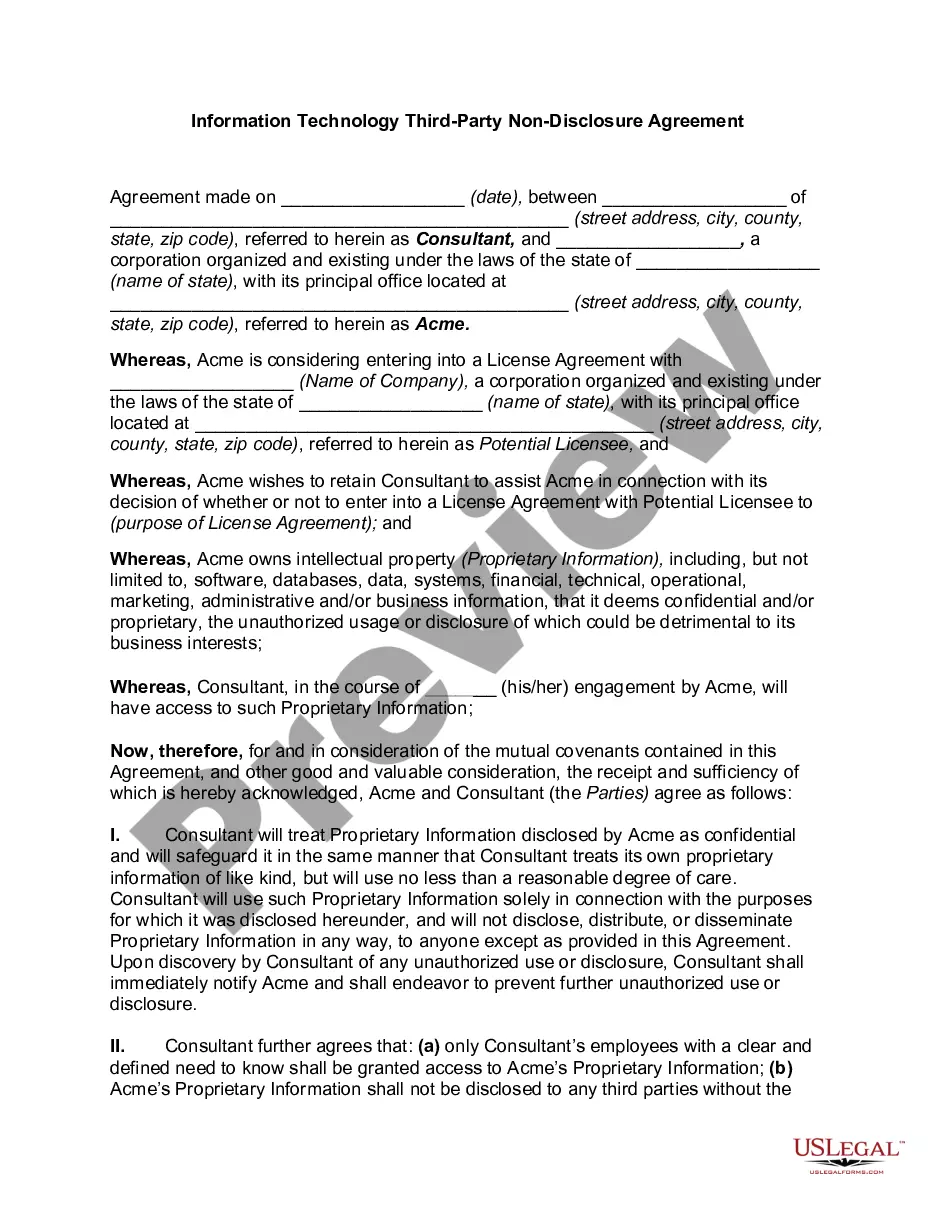
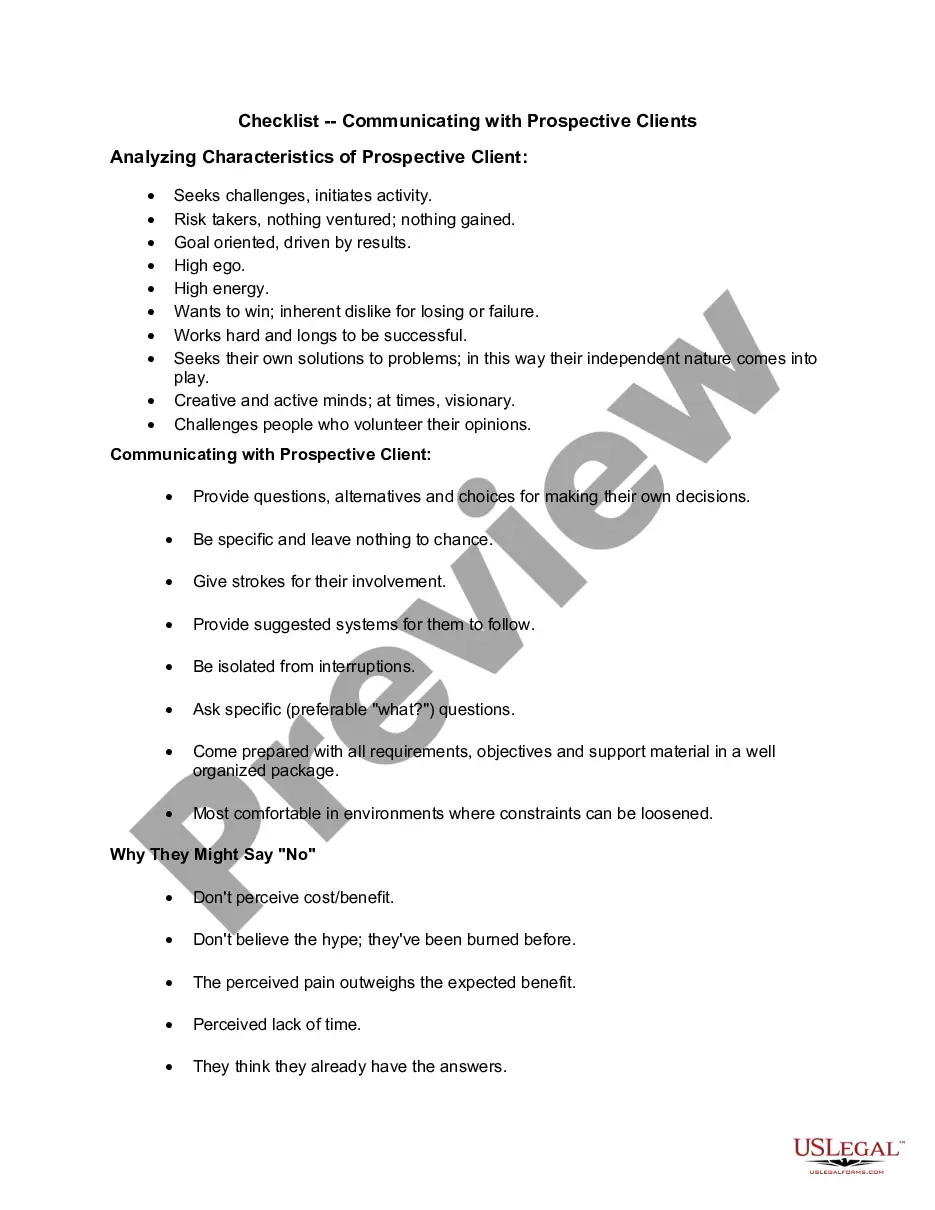
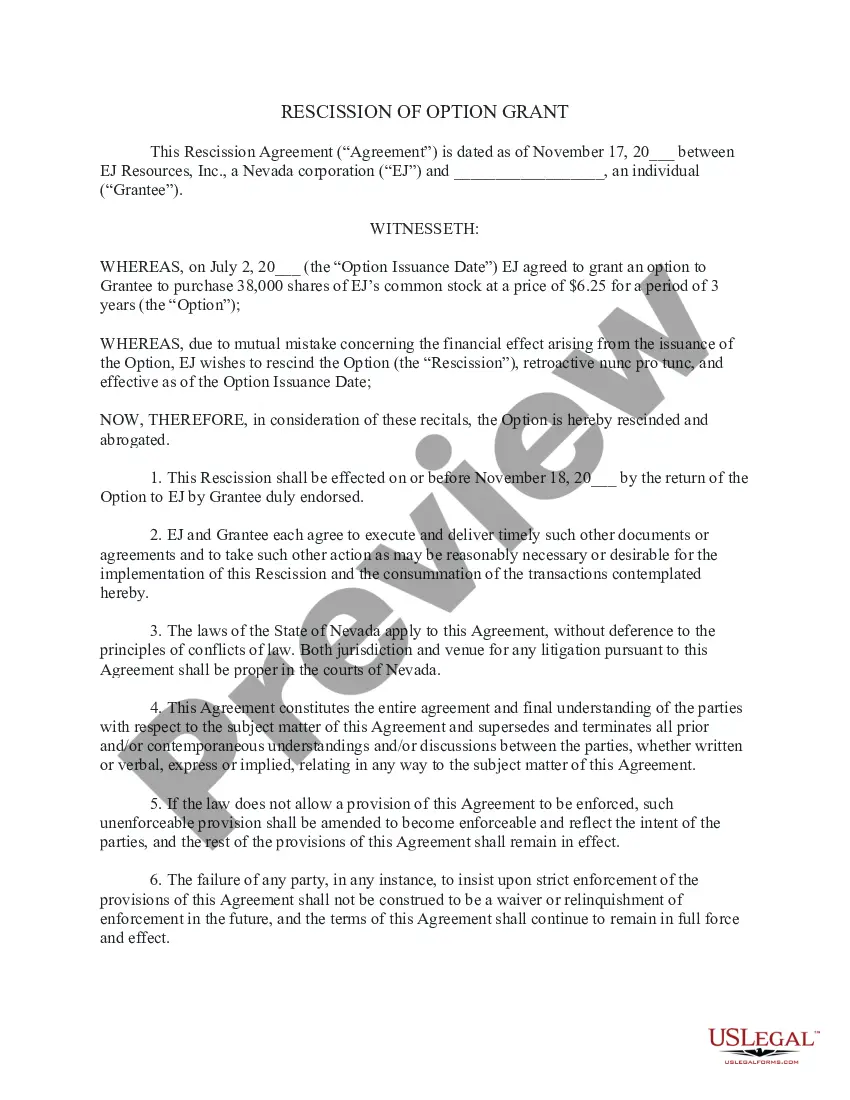
How to fill out Waiver And Release From Liability For Minor Child For Reenactment?
You might spend numerous hours online looking for the legal documents template that aligns with the state and federal requirements you require. US Legal Forms offers a multitude of legal forms that are reviewed by experts.
It is easy to download or print the District of Columbia Waiver and Release From Liability For Minor Child for Reenactment from my service. If you possess a US Legal Forms account, you can Log In and click on the Obtain option.
After that, you can complete, modify, print, or sign the District of Columbia Waiver and Release From Liability For Minor Child for Reenactment. Every legal document template you acquire belongs to you permanently. To obtain another copy of any purchased form, visit the My documents section and select the appropriate option.
Select the format of the document and download it to your system. Make adjustments to the document if necessary. You can complete, modify, sign, and print the District of Columbia Waiver and Release From Liability For Minor Child for Reenactment. Obtain and print thousands of document templates using the US Legal Forms site, which offers the largest selection of legal forms. Utilize professional and state-specific templates to address your business or personal needs.
- If you are using the US Legal Forms website for the first time, follow the simple instructions below.
- First, make sure you have chosen the correct document template for your county/city of preference. Review the form description to ensure you have selected the right one.
- If available, utilize the Preview option to examine the document template as well.
- If you wish to find another version of the form, use the Search field to locate the template that suits your needs and requirements.
- Once you have found the template you desire, click Obtain now to proceed.
- Select the pricing plan you prefer, enter your credentials, and register for an account on US Legal Forms.
- Complete the transaction. You can use your credit card or PayPal account to purchase the legal form.
Form popularity
FAQ
A parental consent release and waiver of liability is a legal document that allows a parent or guardian to give permission for a minor child to participate in an activity while acknowledging the risks involved. This document is essential for activities such as reenactments, where the District of Columbia Waiver and Release From Liability For Minor Child for Reenactment is necessary to protect both the organizer and the participant. By signing this waiver, the parent or guardian agrees to release the organizer from any claims related to potential injuries. This ensures a safer experience for everyone involved.
To fill out a general waiver and release form, start by clearly stating the event or activity, such as reenactment, for which you are seeking a District of Columbia Waiver and Release From Liability For Minor Child for Reenactment. Next, include the names of all involved parties, including the minor child and the parent or guardian. Then, outline the risks associated with the activity and ensure that both the parent or guardian and the minor child understand these risks. Finally, sign and date the form to complete the process.
A waiver is a document that obtains written confirmation from an individual that they are relinquishing a right or privilege. Businesses often use a waiver toward customers to minimize the risk of legal implications if a customer or client gets injured, however, waivers can be used in a variety of situations.
The main difference between releases and waivers is the transferring of ownership. When rights are released, they are transferred to another party. When rights are waived, they are gone altogether.
Releases of liabilitysometimes called waiversare legal agreements designed to transfer responsibility for injuries and property damage from one party to another.
A liability waiver, or release of liability, is a legal document that a company or organization has you sign in order to protect them from being sued in the event that you are injured.
Here is all that pertains writing an effective liability waiver:Get help. Writing a waiver should not be complicated.Use the correct structure.Proper formatting.Include a subject line.Include a caution!Talk about the activity risks.Do not forget an assumption of risk.Hold harmless.More items...?
Examples of waivers include the waiving of parental rights, waiving liability, tangible goods waivers, and waivers for grounds of inadmissibility. Waivers are common when finalizing lawsuits, as one party does not want the other pursuing them after a settlement is transferred.
The Iowa Supreme Court has held that waivers signed by parents on behalf of their children are void as against public policy.
A liability waiver, or release waiver, is a legal document that a company or organization requires members of the public to sign in order to protect their organization from being sued if you sustain an injury.