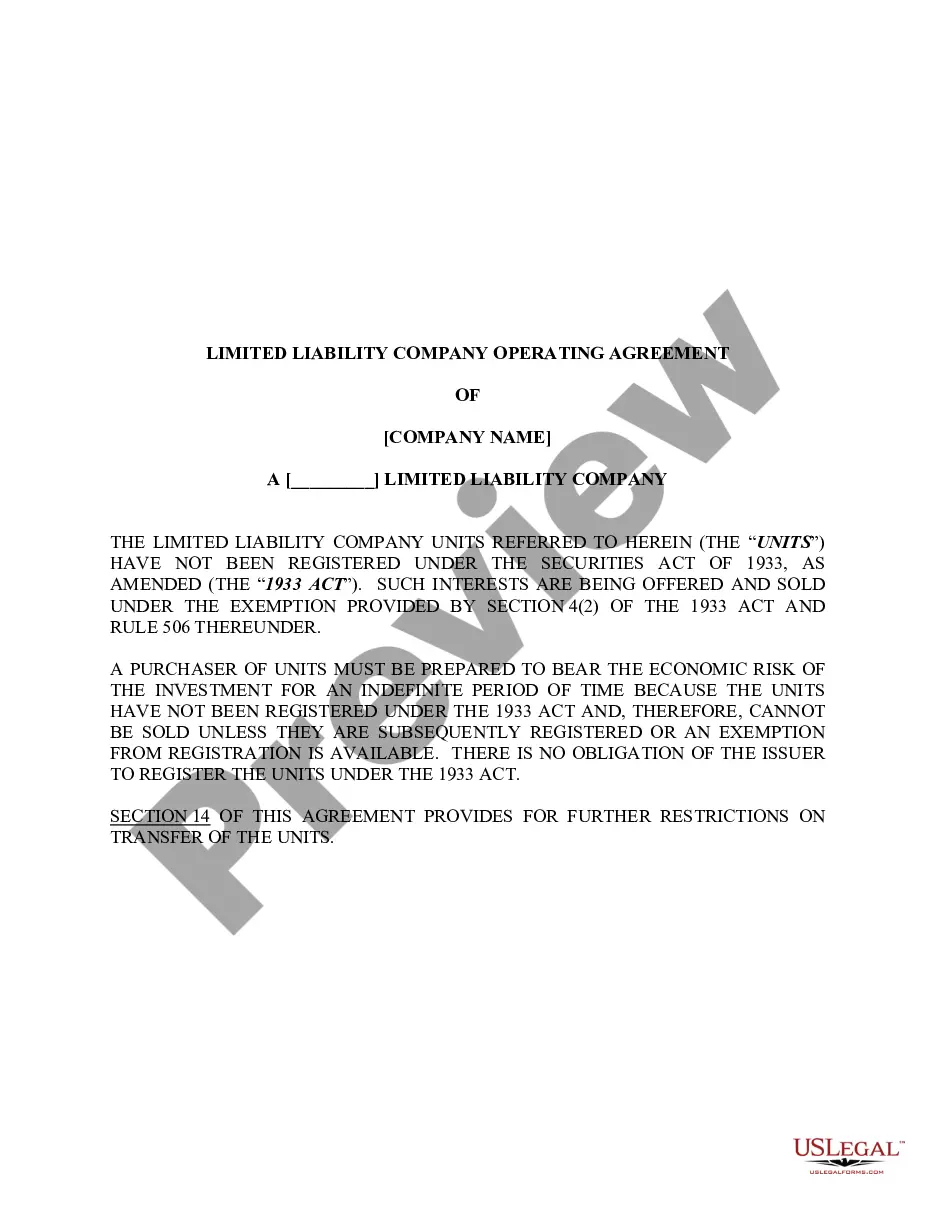
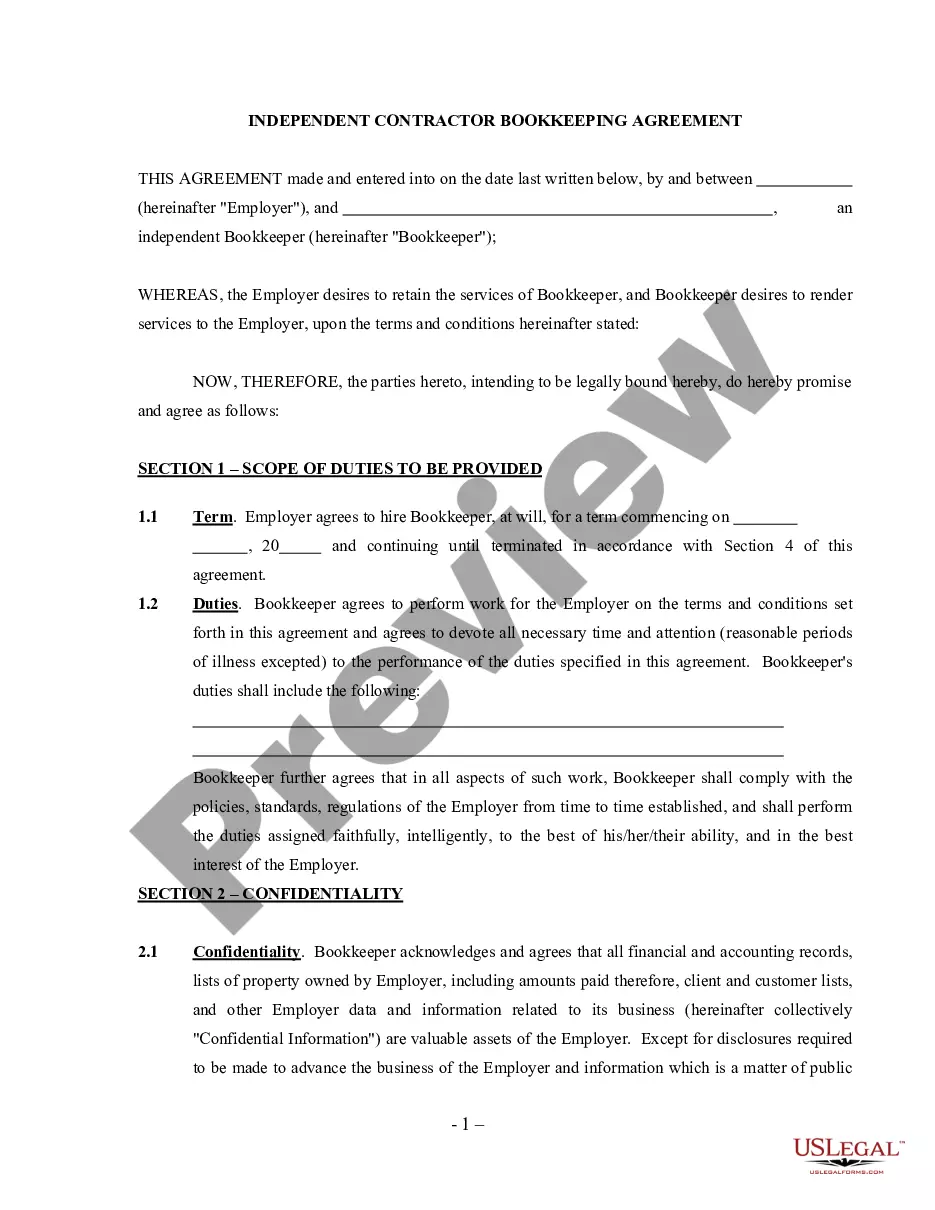
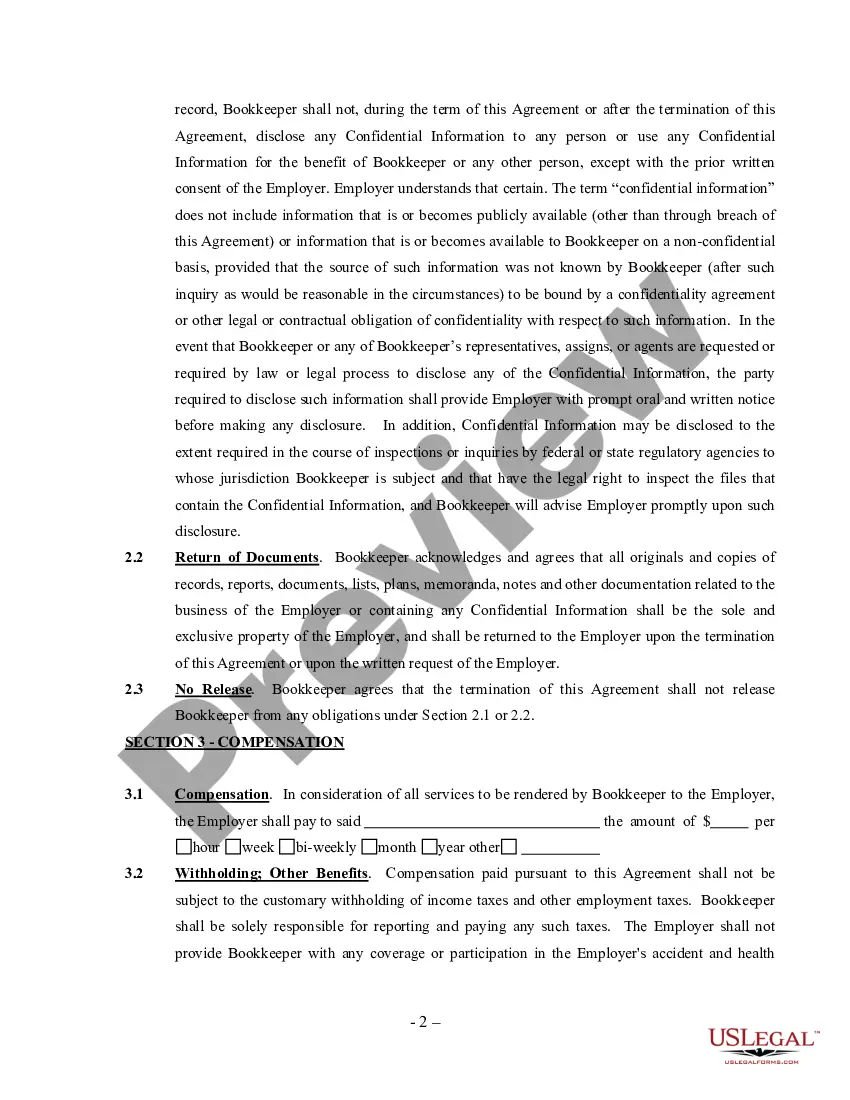
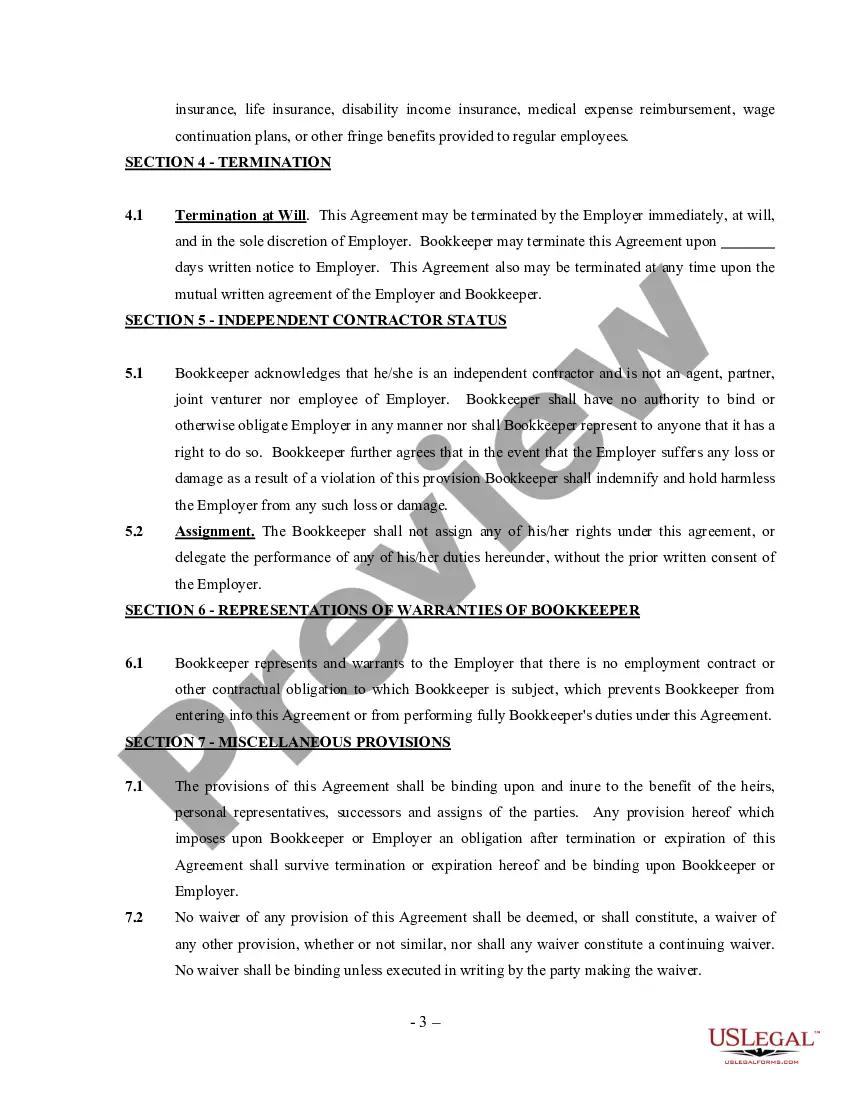
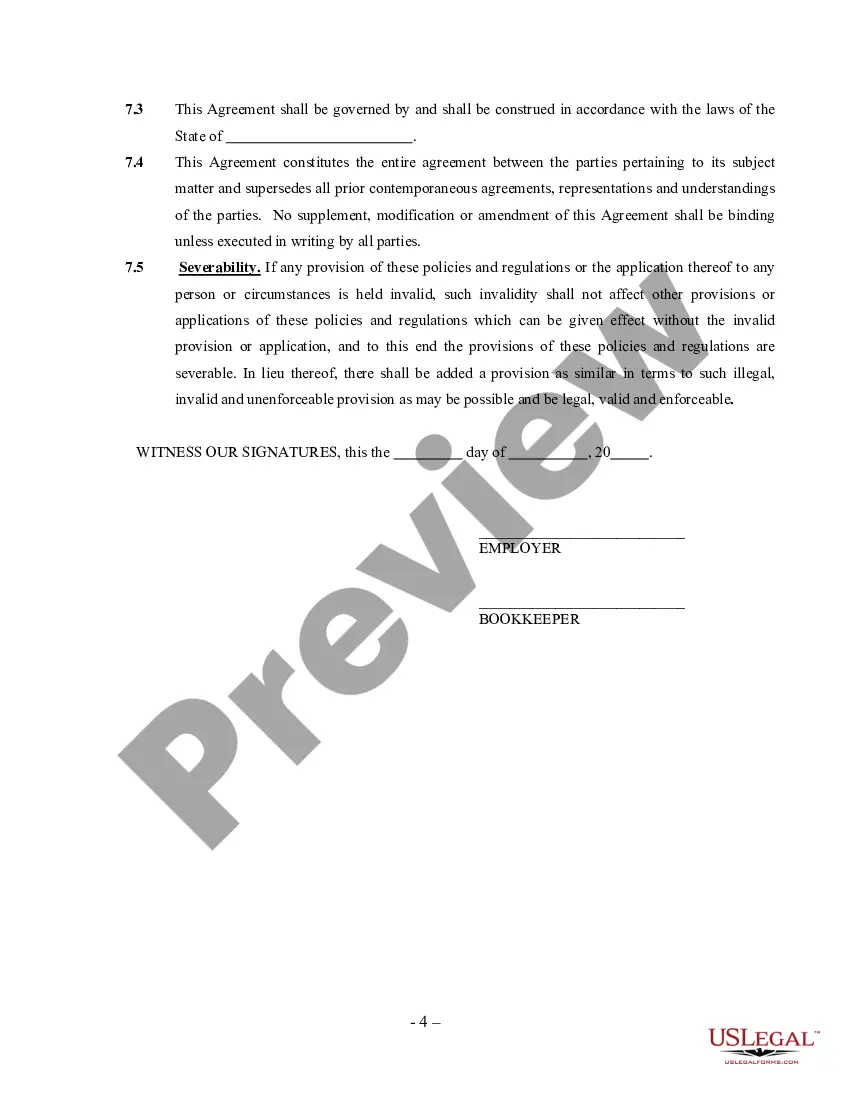
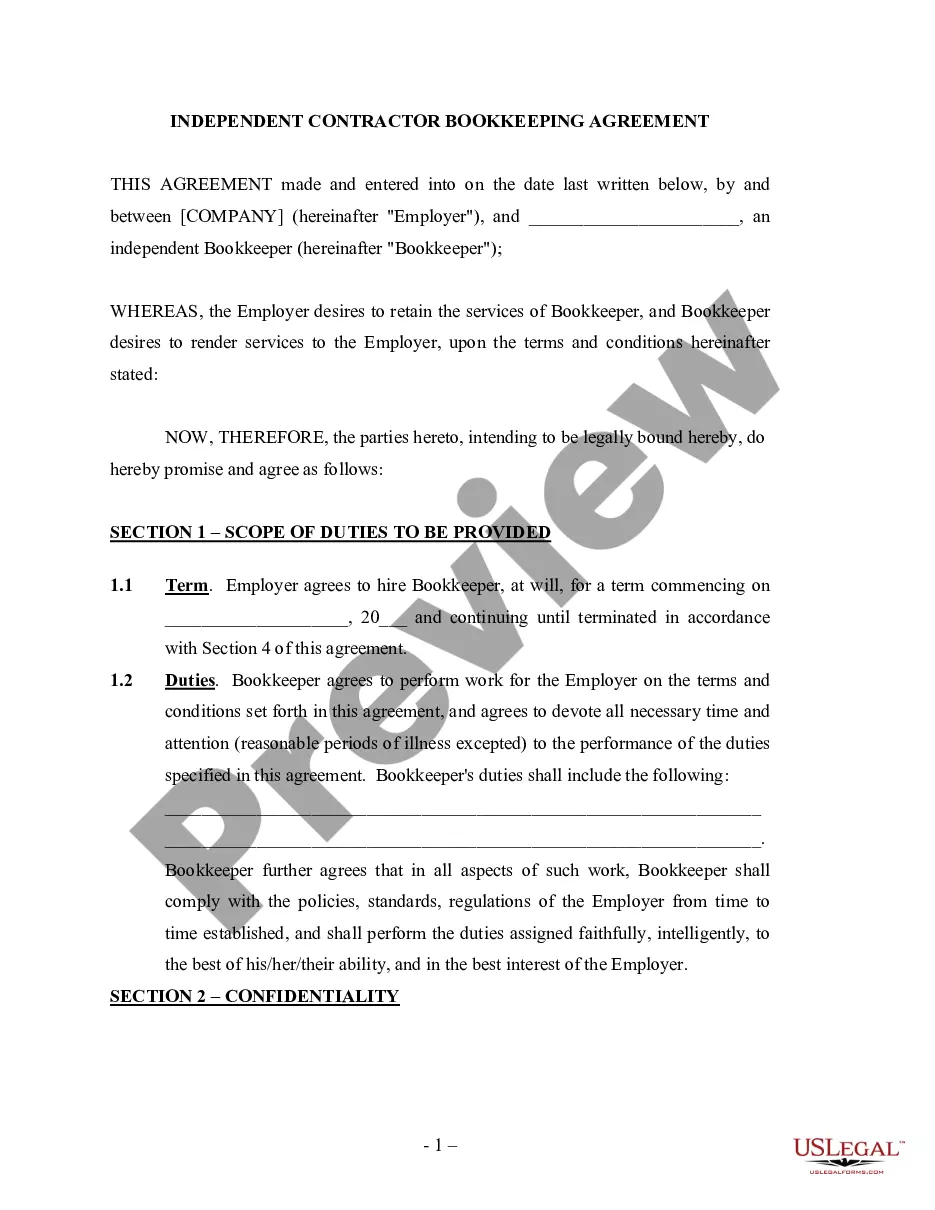
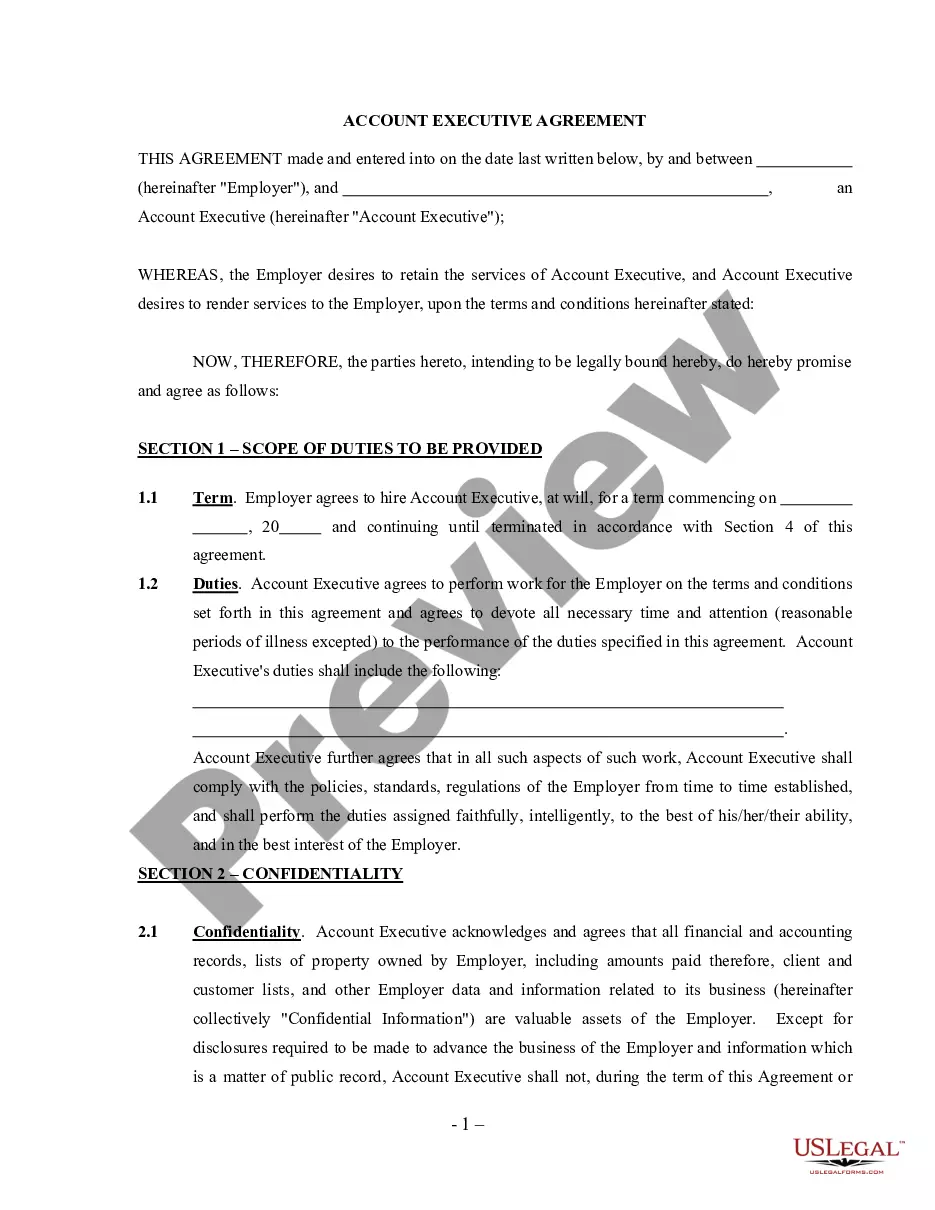
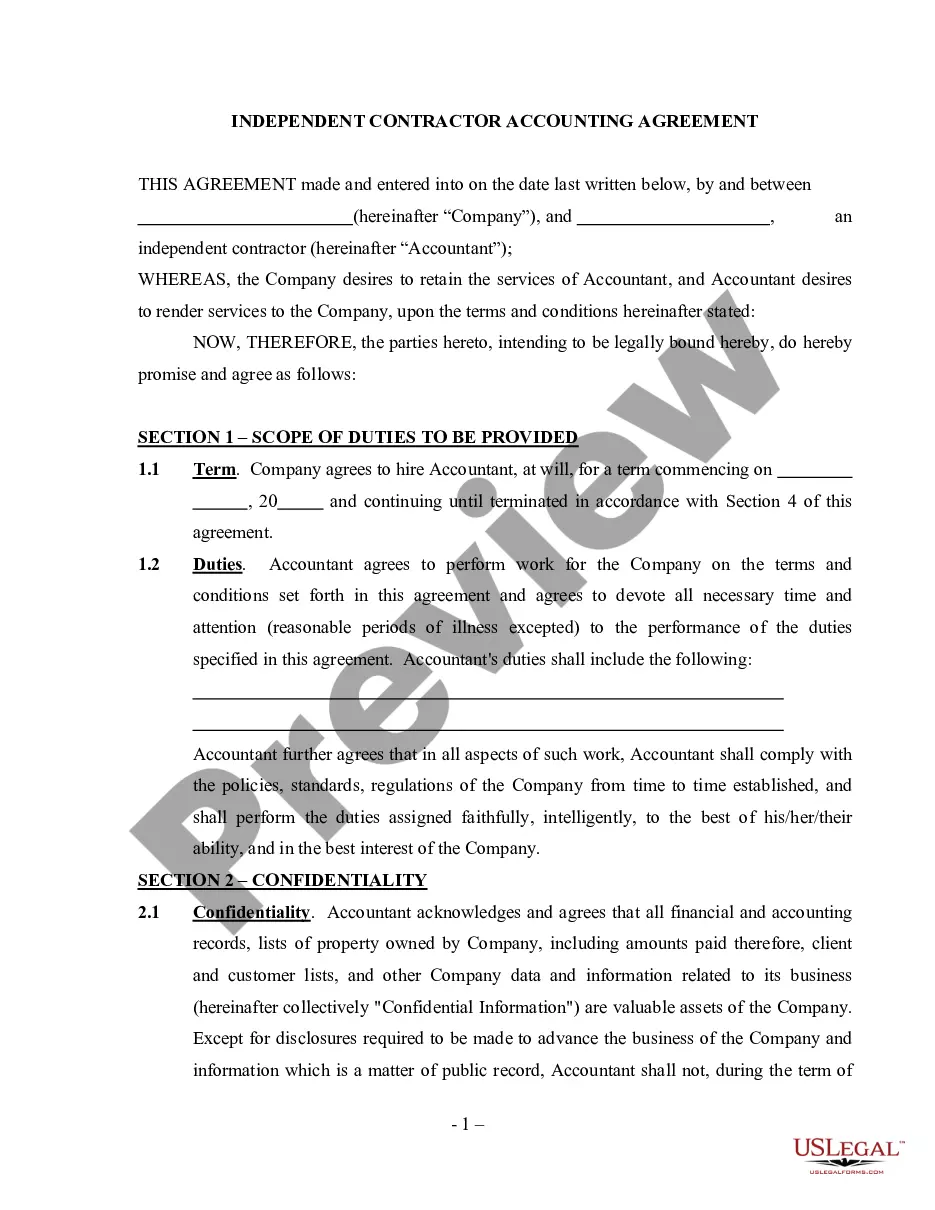
This is a contract between an employer who requires a bookkeeper, and an independent contractor who performs various bookkeeping functions for the employer.
District of Columbia Bookkeeping Agreement - Self-Employed Independent Contractor
State:
Multi-State
Control #:
US-INDC-24
Format:
Word;
Rich Text
Instant download
Description
Free preview
Get your form ready online
Our built-in tools help you complete, sign, share, and store your documents in one place.
Built-in online Word editor
Make edits, fill in missing information, and update formatting in US Legal Forms—just like you would in MS Word.
Export easily
Download a copy, print it, send it by email, or mail it via USPS—whatever works best for your next step.
E-sign your document
Sign and collect signatures with our SignNow integration. Send to multiple recipients, set reminders, and more. Go Premium to unlock E-Sign.
Notarize online 24/7
If this form requires notarization, complete it online through a secure video call—no need to meet a notary in person or wait for an appointment.
Store your document securely
We protect your documents and personal data by following strict security and privacy standards.

Make edits, fill in missing information, and update formatting in US Legal Forms—just like you would in MS Word.

Download a copy, print it, send it by email, or mail it via USPS—whatever works best for your next step.

Sign and collect signatures with our SignNow integration. Send to multiple recipients, set reminders, and more. Go Premium to unlock E-Sign.

If this form requires notarization, complete it online through a secure video call—no need to meet a notary in person or wait for an appointment.

We protect your documents and personal data by following strict security and privacy standards.
Looking for another form?
How to fill out Bookkeeping Agreement - Self-Employed Independent Contractor?
Locating the appropriate legal document format can be challenging. Obviously, there are numerous templates accessible online, but how can you find the legal form you need? Utilize the US Legal Forms website. The service offers a vast array of templates, including the District of Columbia Bookkeeping Agreement - Self-Employed Independent Contractor, which can be utilized for both business and personal purposes. All of the forms are reviewed by professionals and comply with federal and state regulations.
If you are already registered, Log In to your account and click the Download button to obtain the District of Columbia Bookkeeping Agreement - Self-Employed Independent Contractor. Use your account to browse the legal forms you have purchased previously. Navigate to the My documents section of your account and retrieve another copy of the document you need.
If you are a new user of US Legal Forms, here are simple steps for you to follow: First, ensure you have selected the correct form for your city/state. You can review the form using the Preview button and read the form description to confirm it is suitable for you. If the form does not meet your criteria, use the Search box to find the correct form. Once you are confident that the form is appropriate, select the Buy now button to acquire the form. Choose the pricing plan you prefer and enter the required information. Create your account and place an order using your PayPal account or credit card. Select the file format and download the legal document format to your device. Complete, modify, print, and sign the acquired District of Columbia Bookkeeping Agreement - Self-Employed Independent Contractor.
- US Legal Forms is the largest repository of legal forms where you can find various document templates.
- Utilize the service to download professionally crafted documents that comply with state requirements.
- The templates are designed for both personal and business use.
- All forms are vetted by experts to ensure compliance with legal standards.
- Simple navigation allows easy access to previously purchased documents.
- New users can easily understand the process with clear instructions.
Form popularity
FAQ
Yes, a bookkeeper can operate as an independent contractor. Many businesses hire bookkeepers on a contract basis for their expertise in managing finances. If you're considering hiring a bookkeeper, ensure that the arrangement mirrors the terms of a District of Columbia Bookkeeping Agreement - Self-Employed Independent Contractor for clarity and legal security.
Filling out an independent contractor form requires you to gather all necessary personal and business information. Typically, you will need to include your legal name, business name (if applicable), and description of services. Make sure to adhere to the guidelines set in the District of Columbia Bookkeeping Agreement - Self-Employed Independent Contractor to maintain compliance.
Writing an independent contractor agreement begins with outlining the essential terms, such as services provided, compensation, and timelines. Use clear and simple language to convey the responsibilities of both parties, ensuring the agreement aligns with the District of Columbia Bookkeeping Agreement - Self-Employed Independent Contractor standards. This clarity helps prevent misunderstandings down the road.
To complete a declaration of independent contractor status form, provide your personal information and describe the nature of your business relationship with the hiring party. Be sure to clarify the responsibilities and payment terms, reflecting the structure of a District of Columbia Bookkeeping Agreement - Self-Employed Independent Contractor. Accuracy is essential to ensure compliance with local regulations.
Filling out Schedule C involves reporting your income and expenses as an independent contractor. Start by documenting all income earned during the tax year, then list your business-related expenses. Ensure your entries align with the requirements of a District of Columbia Bookkeeping Agreement - Self-Employed Independent Contractor to avoid any discrepancies.
To properly fill out an independent contractor agreement, begin by clearly identifying the parties involved, including names and contact information. Next, define the scope of work, payment terms, and any deadlines for deliverables. Be sure to include the key elements of a District of Columbia Bookkeeping Agreement - Self-Employed Independent Contractor, as this ensures all legal aspects are covered.
Yes, an independent contractor is considered self-employed. This means they operate their own business and offer services to clients without being classified as employees. When considering a District of Columbia Bookkeeping Agreement - Self-Employed Independent Contractor, you should understand how this classification affects your taxes and benefits. Self-employment provides flexibility, but it also requires diligence in managing your taxes and business obligations.
A basic independent contractor agreement outlines the terms and conditions between a contractor and a client. This document sets clear expectations regarding the scope of work, payment terms, and deadlines. By using a District of Columbia Bookkeeping Agreement - Self-Employed Independent Contractor, you ensure both parties understand their responsibilities, protecting your interests and minimizing potential disputes. It is essential for both clarity and compliance in various professional fields.
Typically, any business operating as a corporation or partnership, or earning income in the District of Columbia, must file the DC D-30. If you are a self-employed individual under a District of Columbia Bookkeeping Agreement - Self-Employed Independent Contractor, you may also need to file depending on your business structure. Ensuring compliance is essential for avoiding penalties. US Legal Forms can assist you in understanding your requirements and preparing the necessary documentation.
The new federal rule clarifies the criteria for classifying workers as independent contractors versus employees. Under the District of Columbia Bookkeeping Agreement - Self-Employed Independent Contractor, workers must meet specific tests that assess their level of control and independence. This change aims to protect workers while also giving businesses clear guidelines. To help navigate these regulations, consider consulting US Legal Forms for reliable legal documentation.