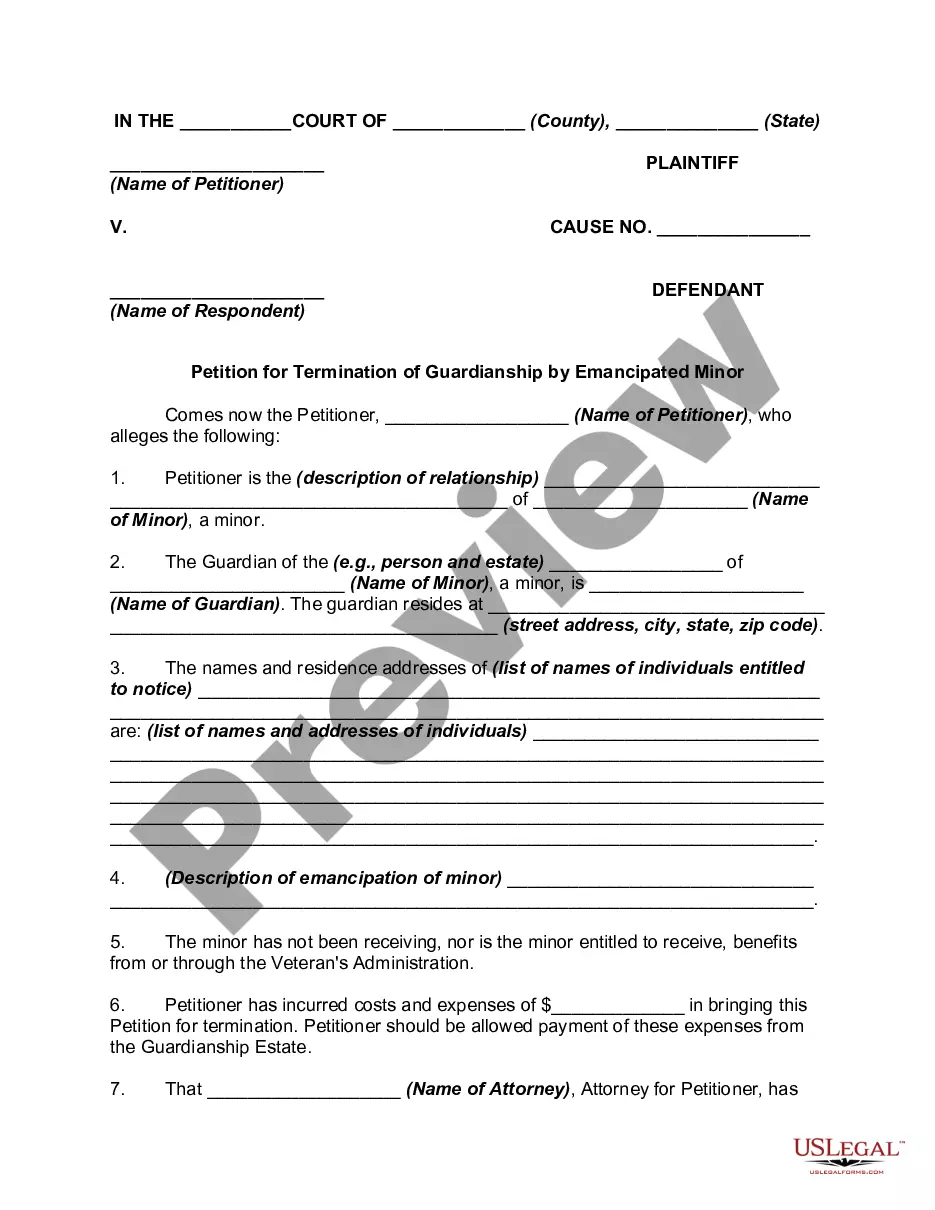
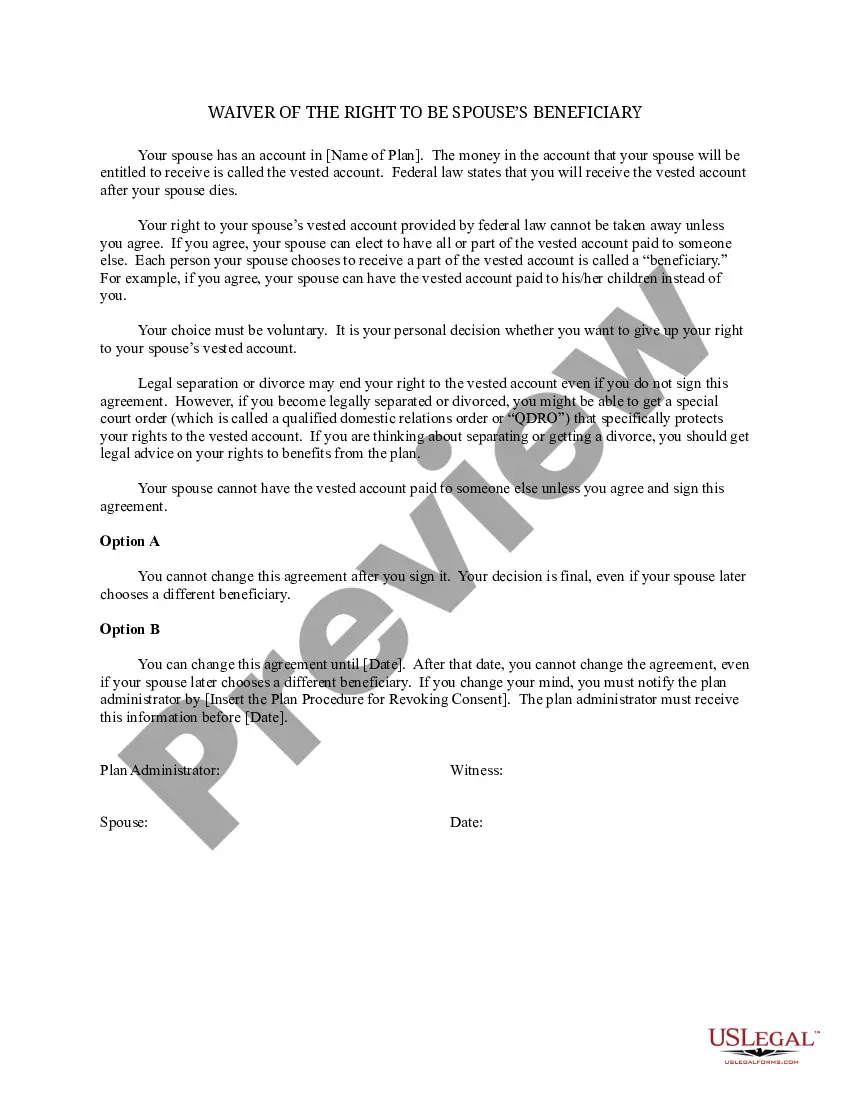
District of Columbia Waiver of the Right to be Spouse's Beneficiary
Description
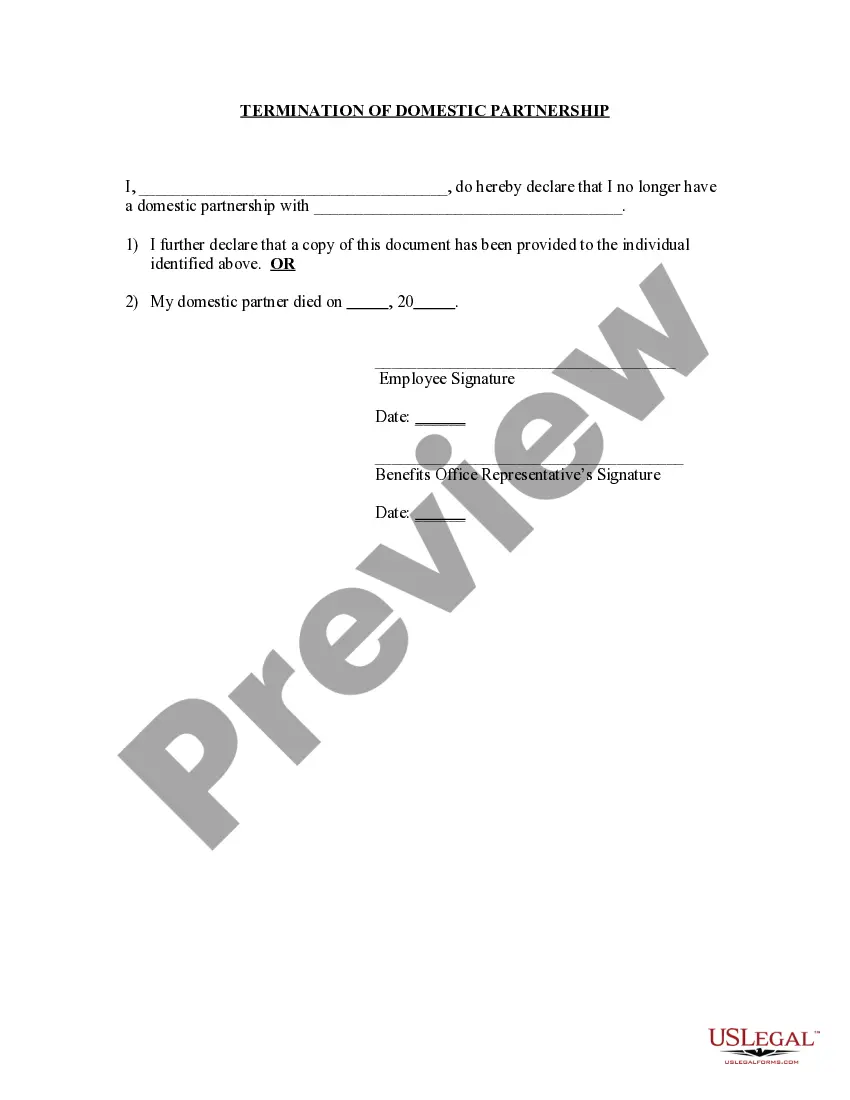
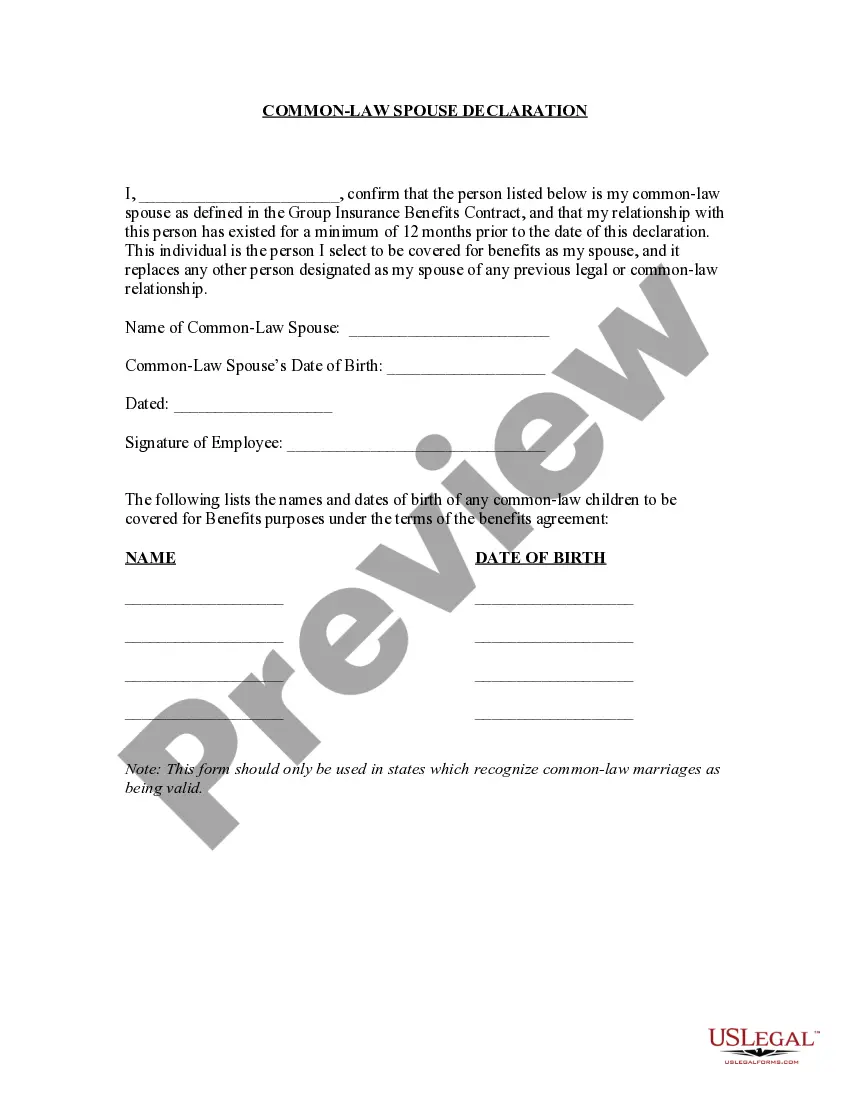
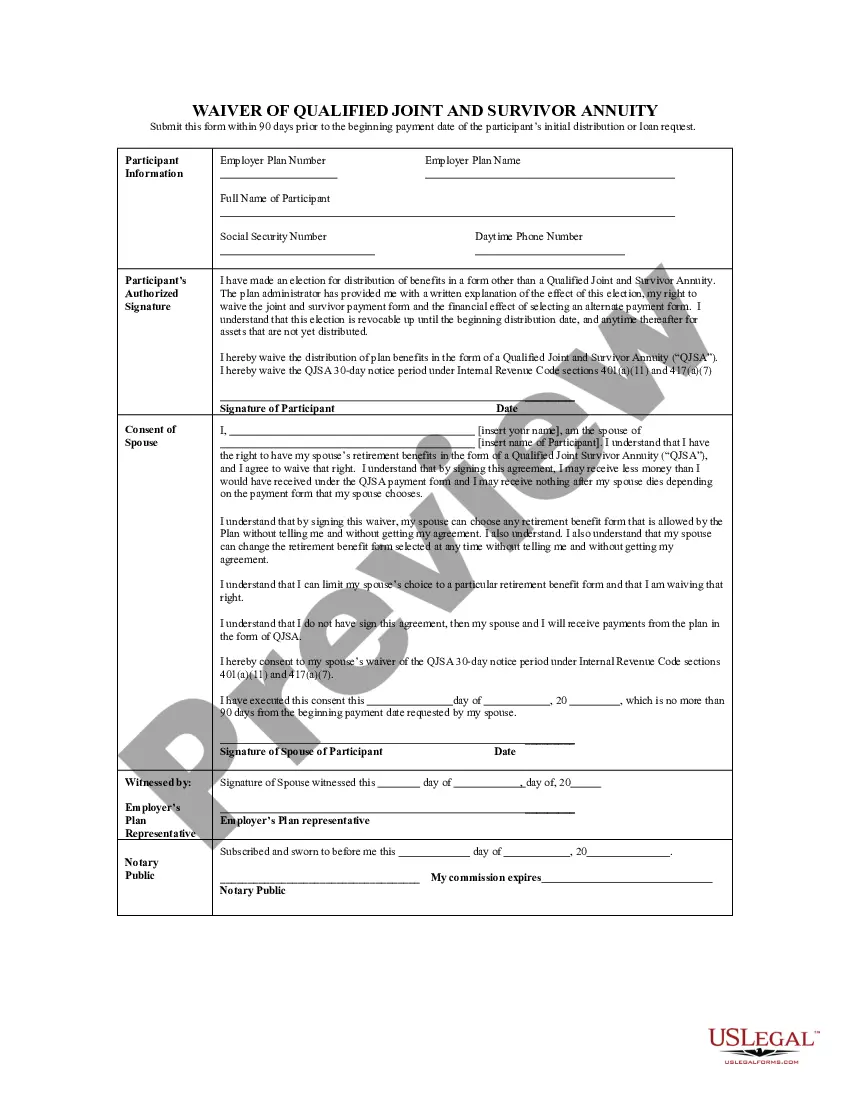

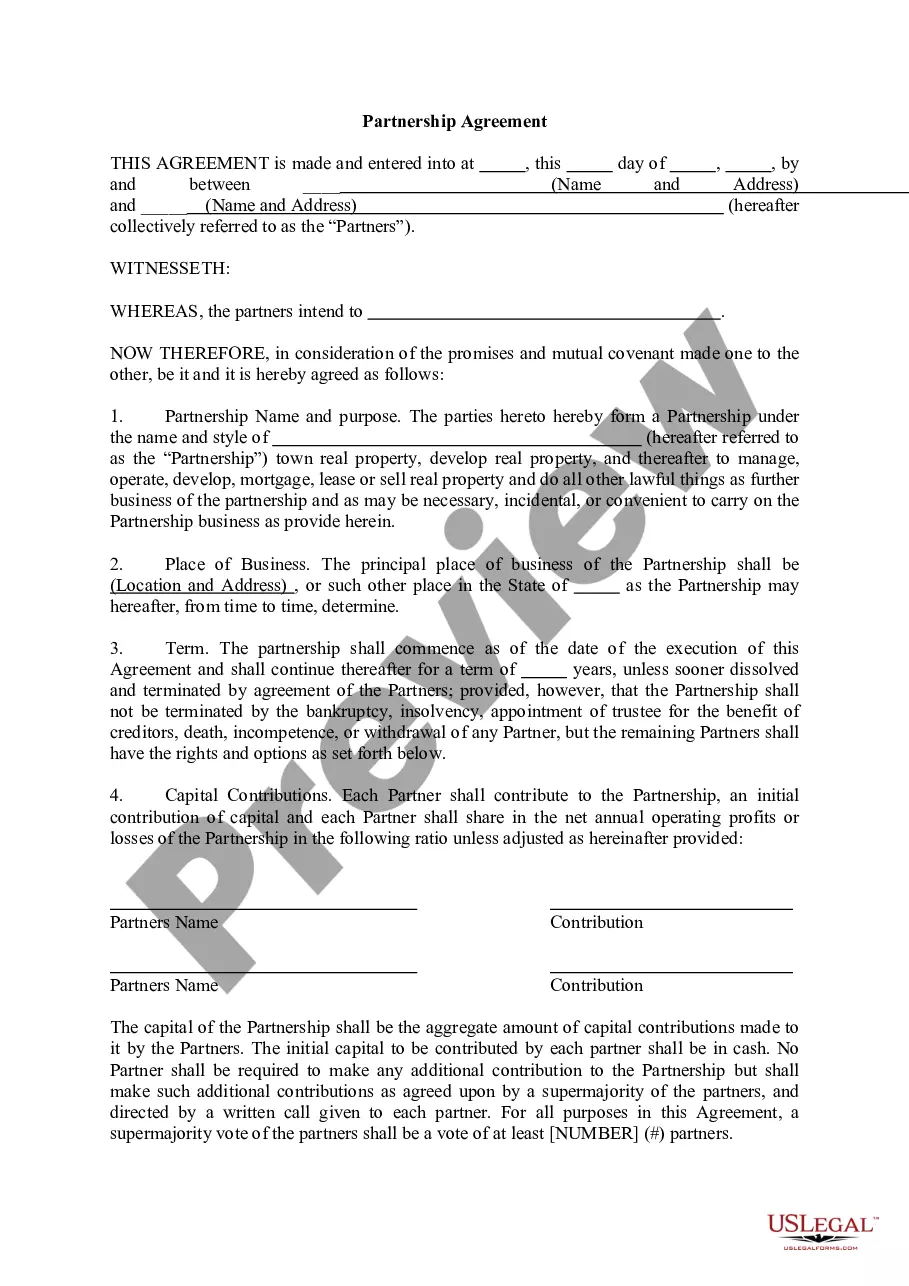



How to fill out Waiver Of The Right To Be Spouse's Beneficiary?
US Legal Forms - one of the largest collections of legal documents in the United States - offers a variety of legal form templates that you can download or print.
By utilizing the website, you can discover thousands of forms for business and personal use, categorized by groups, states, or keywords.
You can find the most recent templates, such as the District of Columbia Waiver of the Right to be Spouse's Beneficiary, in just seconds.
If the form does not meet your needs, utilize the Search field at the top of the screen to find one that fits.
If you are satisfied with the form, confirm your selection by clicking the Get now button. Then, choose the payment plan you prefer and provide your credentials to register for an account.
- If you currently hold a subscription, Log In to access the District of Columbia Waiver of the Right to be Spouse's Beneficiary within the US Legal Forms library.
- The Download option will appear on each form you view.
- You have access to all previously acquired forms in the My documents section of your account.
- To use US Legal Forms for the first time, here are straightforward instructions to assist you.
- Make sure you have selected the correct form for your personal area/state.
- Review the form’s content by using the Review button.
Form popularity
FAQ
The answer is yes. The technical term is "disclaiming" it. If you are considering disclaiming an inheritance, you need to understand the effect of your refusalknown as the "disclaimer"and the procedure you must follow to ensure that it is considered qualified under federal and state law.
A beneficiary may also choose to disclaim only a percentage of the inherited assets. This is acceptable if the disclaimer meets certain requirements, in which case the asset will be treated as though it never were the property of the original beneficiary.
You can also disclaim an inheritance if you're the named beneficiary of a financial account or instrument, such as an individual retirement account (IRA), 401(k) or life insurance policy. Disclaiming means that you give up your rights to receive the inheritance.
There are three primary options at your disposal:Request a check issued in your relative's local currency. If the exchange rate is favorable, this may be the most compelling option.Use your primary bank to transfer the money.Use a money transfer provider to receive the inheritance funds.
A living inheritance allows you to give away money, securities, property, and even art while you're living so you can see the benefits of these gifts to your family. Currently, everyone has a lifetime exemption of $11.7 million that they can gift tax-free.
If you accept the inheritance and then give it to your child, it may be subject to a gift tax. However, the inheritance will be subject to the will once you refuse it. If your child isn't named on the will, you may be better off accepting the will and gifting it to them. The inheritance doesn't appeal to you.
An individual may transfer property to one or more beneficiaries effective at the transferor's death by a transfer on death deed. (Mar. 19, 2013, D.C. Law 19-230, § 2(b), 59 DCR 13606.)
If the decedent left a will and named you as a beneficiary and you decline the bequest, most states treat the event the same as if you had predeceased him. The executor must probate the will as if you had died and were no longer available to accept your inheritance. Your bequest will then revert back to the estate.
When you receive a gift from someone's estate, you can refuse to accept the gift for any reason. This is called "disclaiming" the gift, and the refusal is called a disclaimer. When you disclaim a gift, you do not get to decide who gets it. Instead, it passes on to the next beneficiary, as if you did not exist.
Under D.C. law, the Will must be filed within 90 days of the death of the decedent. To officially start the probate process, the interested person or their probate lawyer will need to file a petition for probate at the D.C. Superior Court Probate Division (515 5th Street, N.W., 3rd floor, Washington, D.C.).