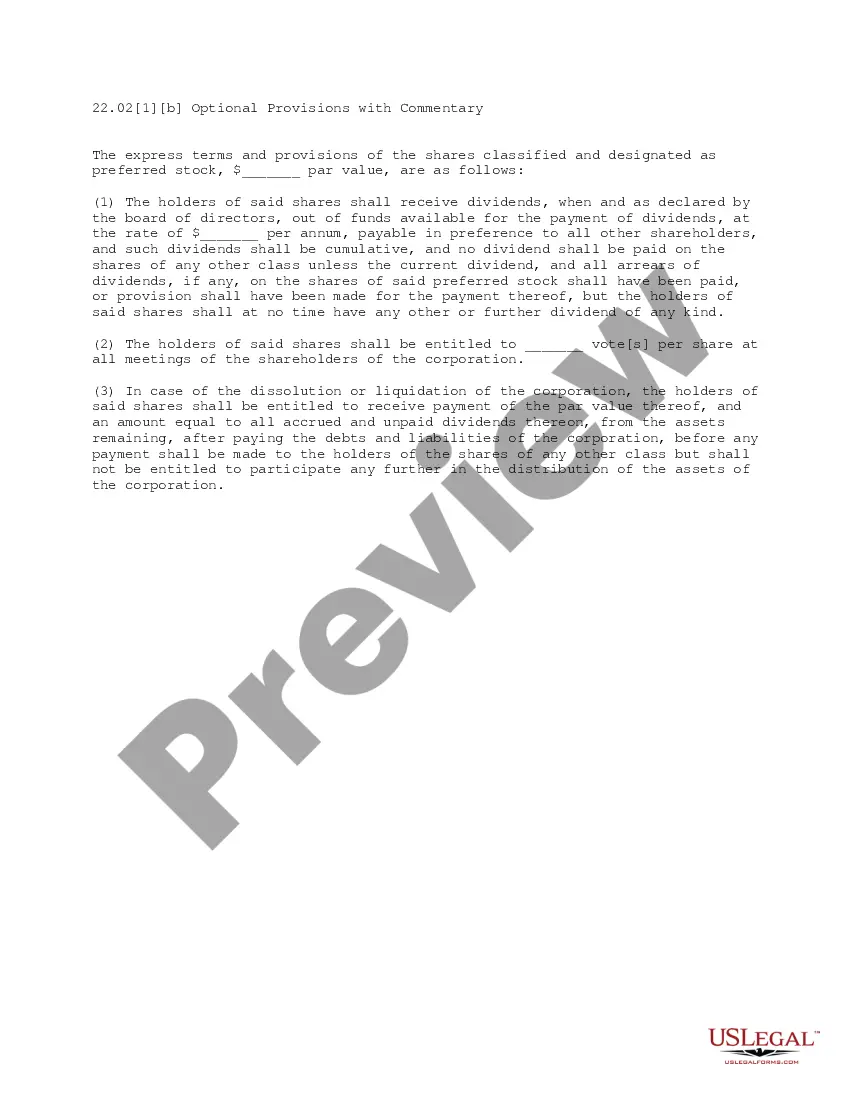
District of Columbia Equity Share Agreement
Description

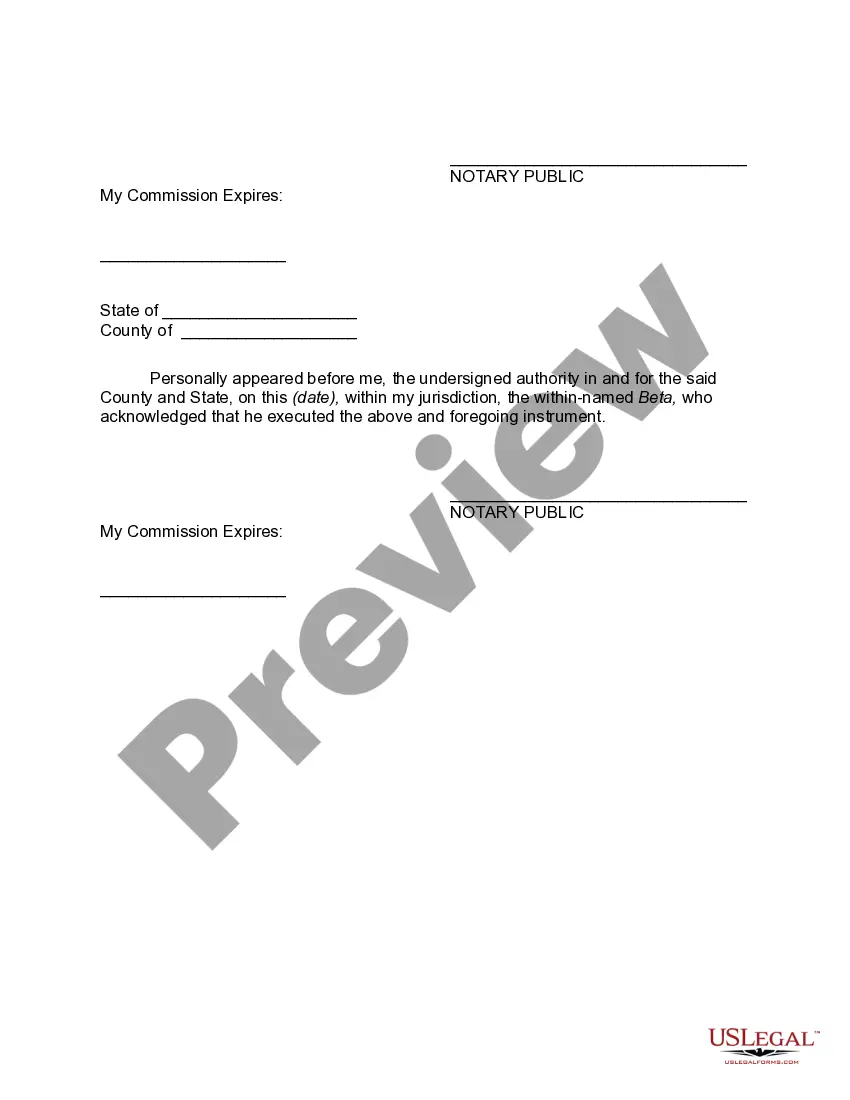

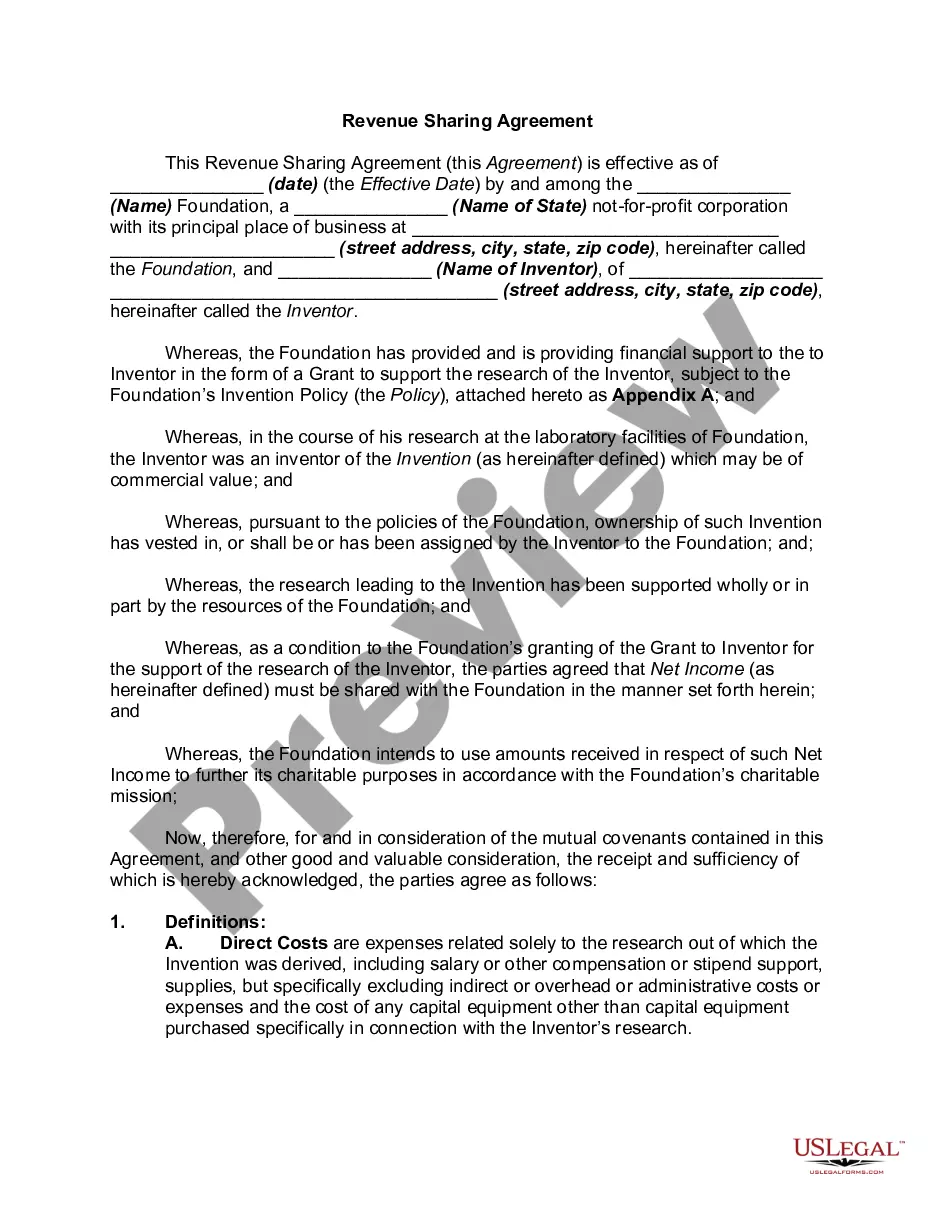
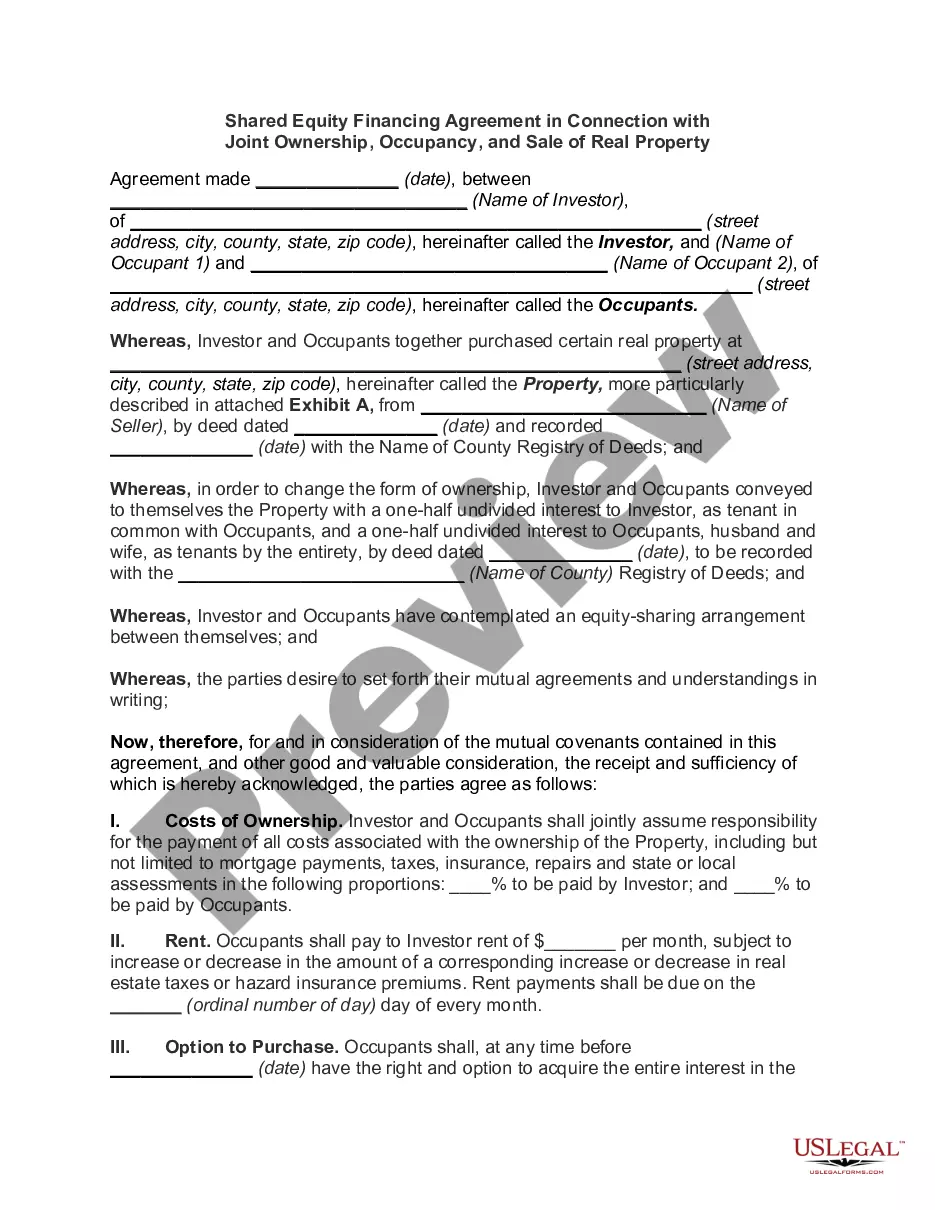
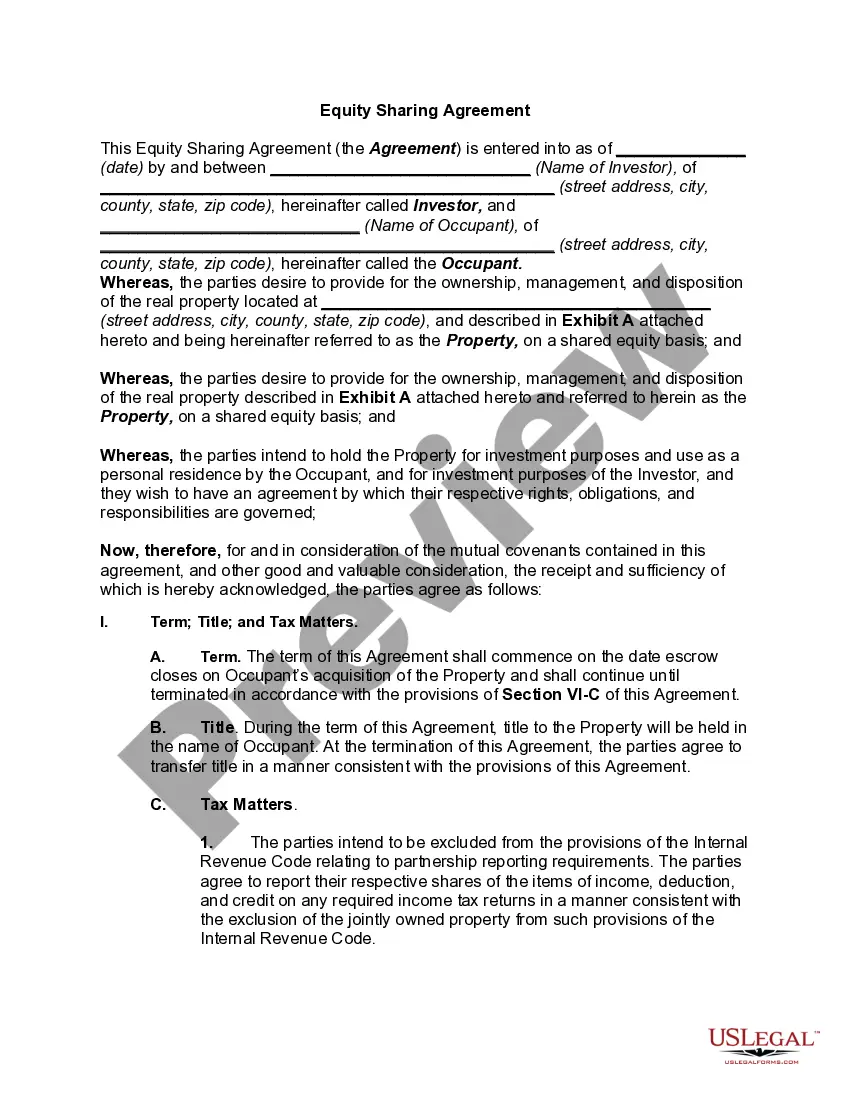
Get your form ready online
Our built-in tools help you complete, sign, share, and store your documents in one place.
Make edits, fill in missing information, and update formatting in US Legal Forms—just like you would in MS Word.
Download a copy, print it, send it by email, or mail it via USPS—whatever works best for your next step.
Sign and collect signatures with our SignNow integration. Send to multiple recipients, set reminders, and more. Go Premium to unlock E-Sign.
If this form requires notarization, complete it online through a secure video call—no need to meet a notary in person or wait for an appointment.
We protect your documents and personal data by following strict security and privacy standards.

Make edits, fill in missing information, and update formatting in US Legal Forms—just like you would in MS Word.

Download a copy, print it, send it by email, or mail it via USPS—whatever works best for your next step.

Sign and collect signatures with our SignNow integration. Send to multiple recipients, set reminders, and more. Go Premium to unlock E-Sign.

If this form requires notarization, complete it online through a secure video call—no need to meet a notary in person or wait for an appointment.

We protect your documents and personal data by following strict security and privacy standards.
Looking for another form?



How to fill out Equity Share Agreement?
If you wish to complete, download, or print official document templates, utilize US Legal Forms, the largest collection of legal forms available online.
Make use of the site’s straightforward and convenient search feature to find the documents you require.
Various templates for business and personal purposes are organized by categories and states, or keywords.
Every legal document template you acquire is yours forever. You will have access to every form you downloaded in your account.
Visit the My documents section and choose a form to print or download again. Be proactive and download and print the District of Columbia Equity Share Agreement with US Legal Forms. There are thousands of professional and state-specific forms available for your business or personal needs.
- Utilize US Legal Forms to obtain the District of Columbia Equity Share Agreement in just a few clicks.
- If you are already a US Legal Forms member, sign in to your account and click the Download button to retrieve the District of Columbia Equity Share Agreement.
- You can also access forms you previously downloaded from the My documents section of your account.
- If this is your first time using US Legal Forms, follow the steps below.
- Step 1. Ensure you have selected the form for the correct city/state.
- Step 2. Use the Preview option to review the content of the form. Make sure to read the instructions.
- Step 3. If you're not satisfied with the form, utilize the Search box at the top of the page to find alternative templates in the legal form database.
- Step 4. Once you have located the form you need, click the Buy Now button. Choose your preferred pricing plan and enter your details to register for an account.
- Step 5. Complete the transaction. You may process your payment using a credit card or PayPal account.
- Step 6. Select the format of the legal form and download it to your device.
- Step 7. Fill out, edit, and print or sign the District of Columbia Equity Share Agreement.
Form popularity
FAQ
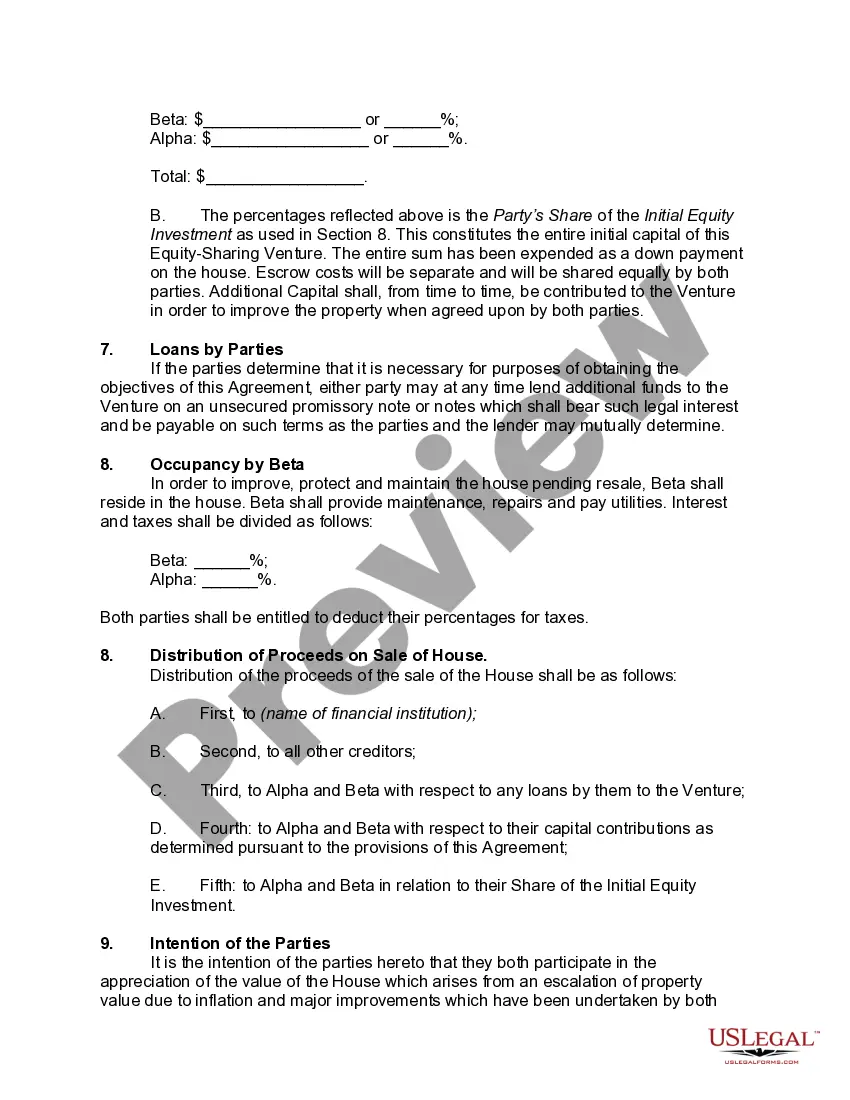
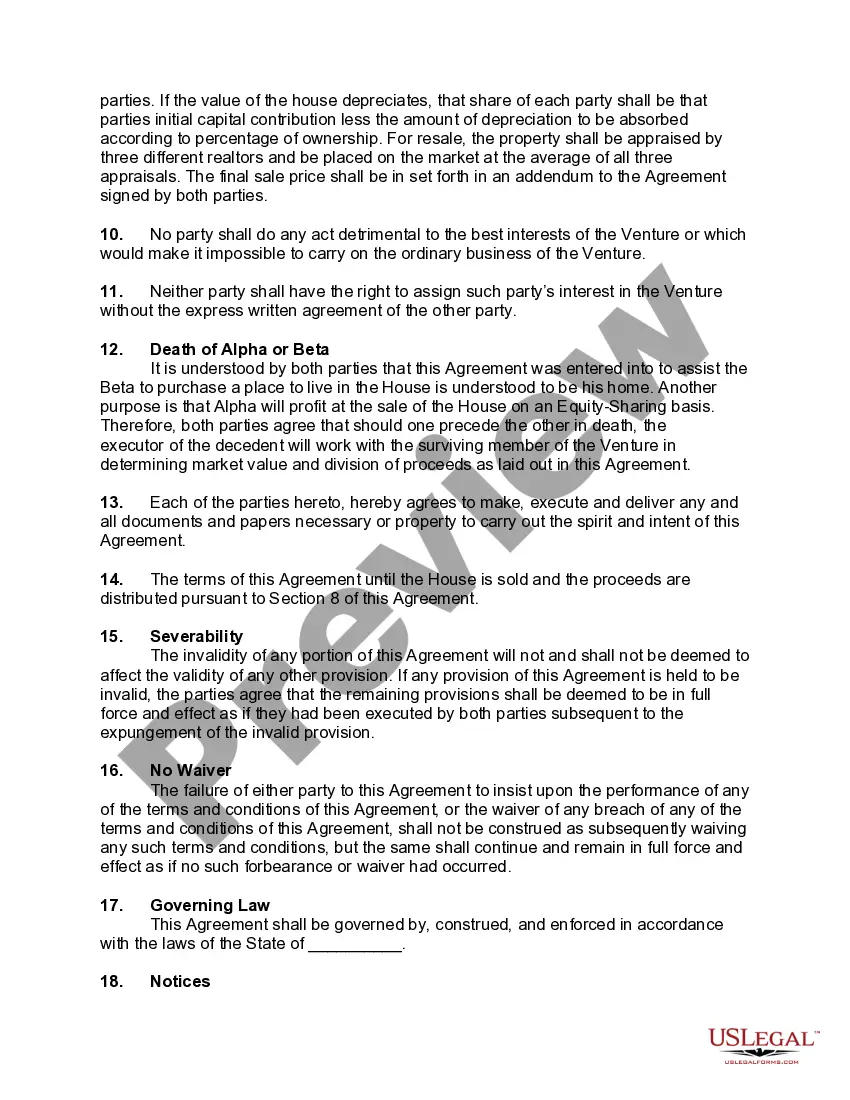
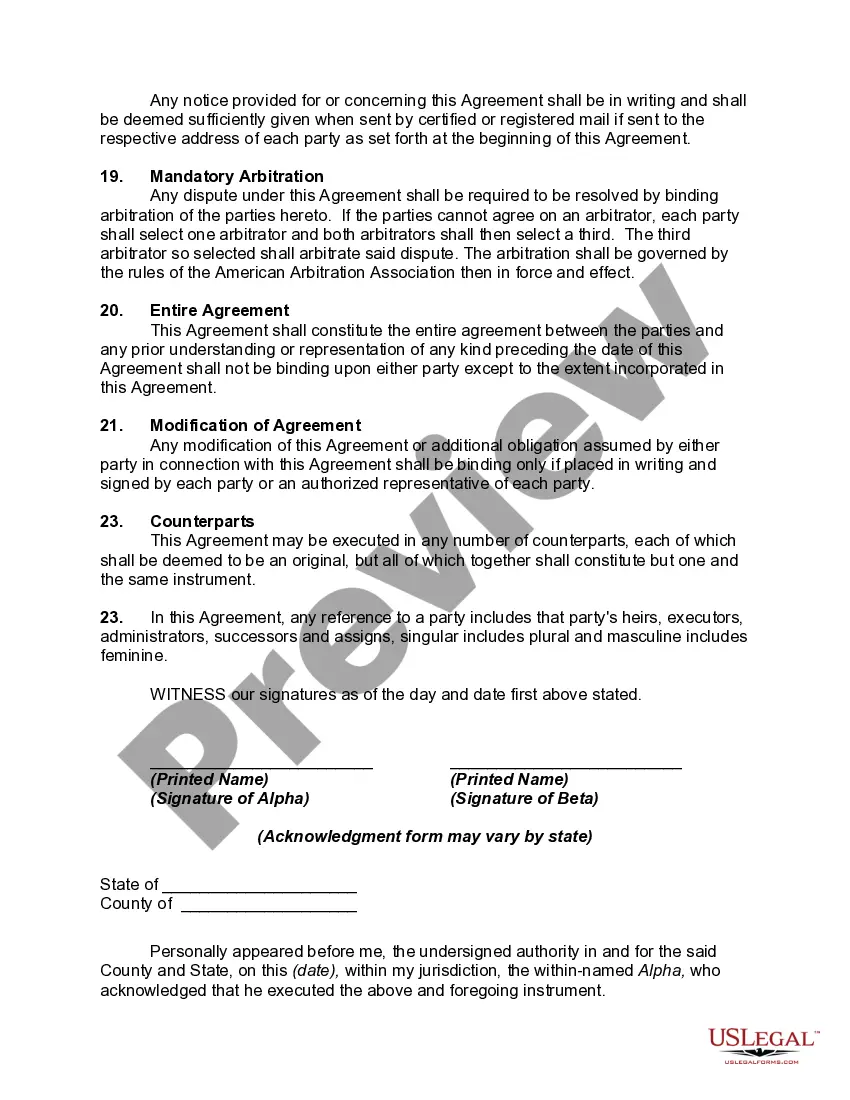
Home equity agreements, like the District of Columbia Equity Share Agreement, can be a valuable option for homeowners seeking financial flexibility. These agreements allow you to access your home’s equity without taking on additional debt. Many find these agreements advantageous, especially when facing large expenses or wishing to invest in property improvements. However, it's essential to weigh the long-term implications and explore how it fits into your overall financial strategy.
To qualify for a District of Columbia Equity Share Agreement through Unison, you generally need a credit score of at least 620. This minimum score helps ensure that you meet the lending criteria for equity sharing. A higher score can improve your chances of approval, so it's beneficial to work on your credit profile before applying. By understanding this requirement, you can better prepare your finances for a potential agreement.
Yes, a Home Equity Agreement (HEA) can be an excellent option for homeowners looking to access funds while avoiding traditional loans. In the District of Columbia, this agreement offers a way to tap into your home's value without the burden of monthly payments. It’s important to consider how this option fits into your overall financial strategy for the best outcomes.
Unison typically takes a percentage of the equity when a homeowner sells their property. This percentage can vary but often falls between 30 to 50 percent of the appreciation. Understanding these terms is essential when considering a District of Columbia Equity Share Agreement, as it helps you anticipate the financial implications of your decision.
DC Form D 30 must be filed by all corporations engaging in business activities within the District of Columbia. This form is essential for reporting income and calculating the corporation's tax obligation. If your business structure is related to a District of Columbia Equity Share Agreement, ensuring timely completion of this form is critical to maintaining compliance.
Eligibility for the District of Columbia property tax credit generally includes homeowners who meet certain income qualifications and own their primary residence. Additionally, specific programs may provide assistance for seniors, disabled individuals, or low-income households. If you are entering a District of Columbia Equity Share Agreement, understanding available credits can enhance your financial strategy.
DC Form D 30 is the income tax return for corporations, while Form D 65 is meant for partnerships. Each form has its specific requirements and implications for tax filings. If you are navigating a District of Columbia Equity Share Agreement, understanding which form is applicable to your entity type is vital for compliance and effective tax management.
Limited Liability Companies (LLCs) in the District of Columbia are generally considered pass-through entities for tax purposes, meaning that the income is passed to the owners and taxed on their personal returns. However, LLCs can elect to be taxed as corporations if that suits their needs better. For those entering into a District of Columbia Equity Share Agreement, knowing how your LLC will be taxed can influence your financial planning.
In the District of Columbia, any corporation that earns income or conducts business within the jurisdiction must file a corporate franchise tax return. This requirement applies even if the corporation is not physically located in DC but is generating revenue there. If your operations relate to a District of Columbia Equity Share Agreement, understanding this obligation is essential for your compliance.
Form D 20 is the corporate income tax return utilized by C corporations in the District of Columbia. Businesses use this form to report their income and calculate their tax obligations. If you are involved in a District of Columbia Equity Share Agreement, completing this form accurately ensures compliance and helps you understand your tax responsibilities.