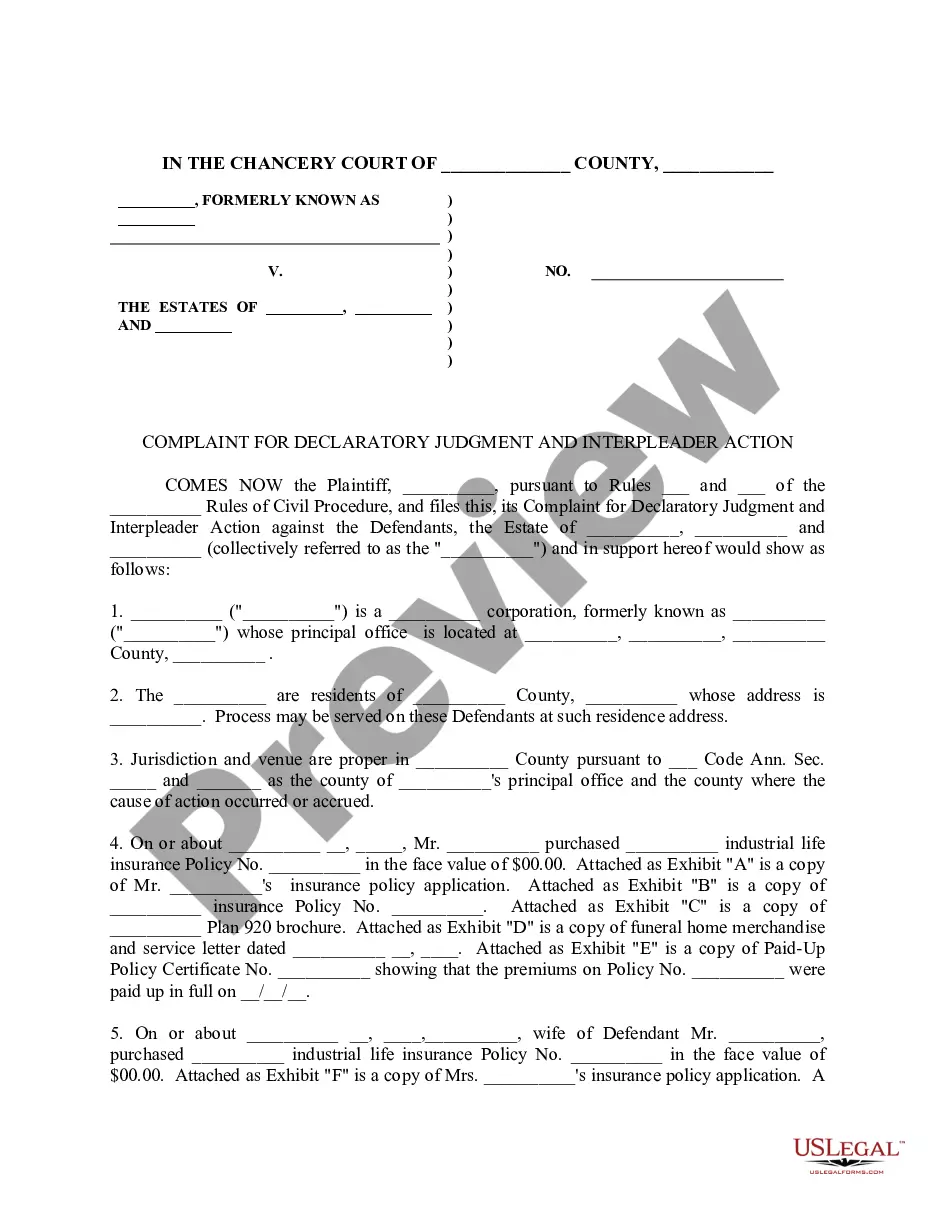
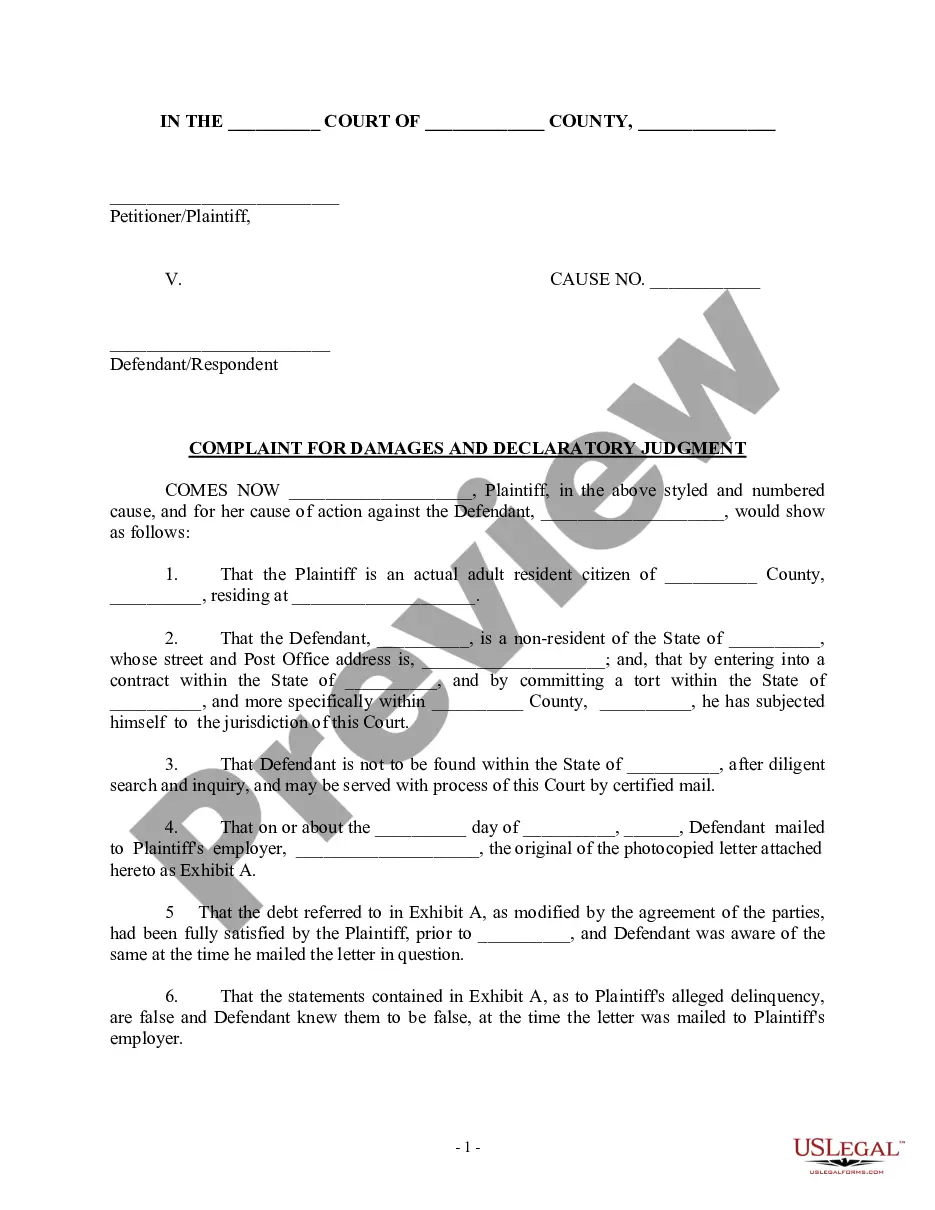
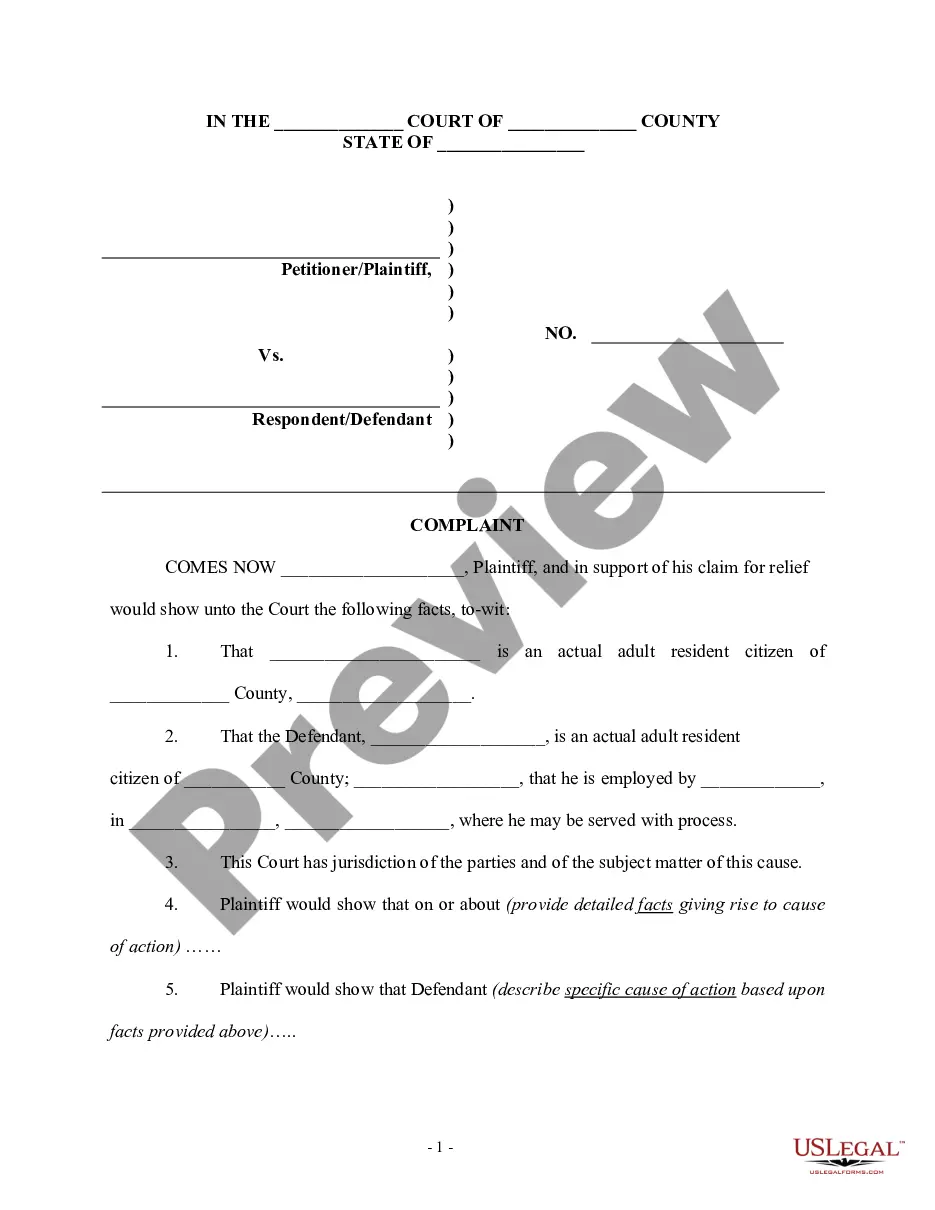
District of Columbia Complaint for Declaratory Judgment
Description

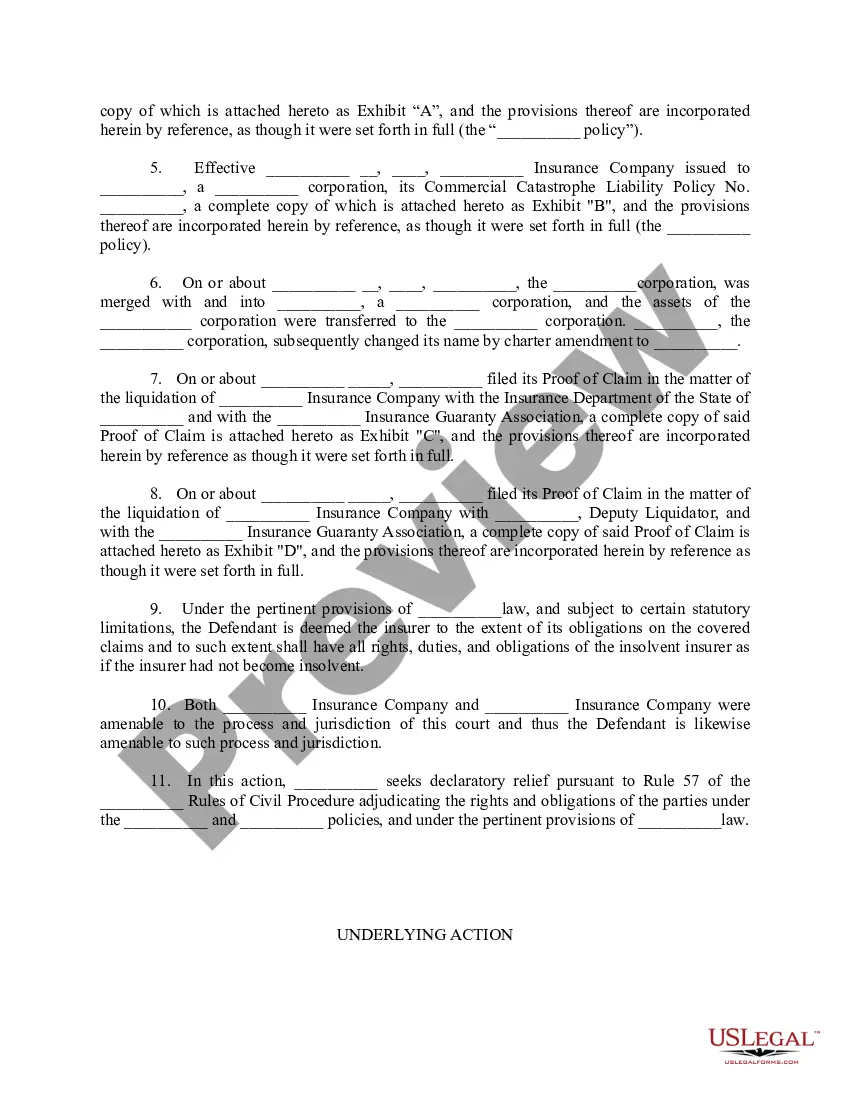
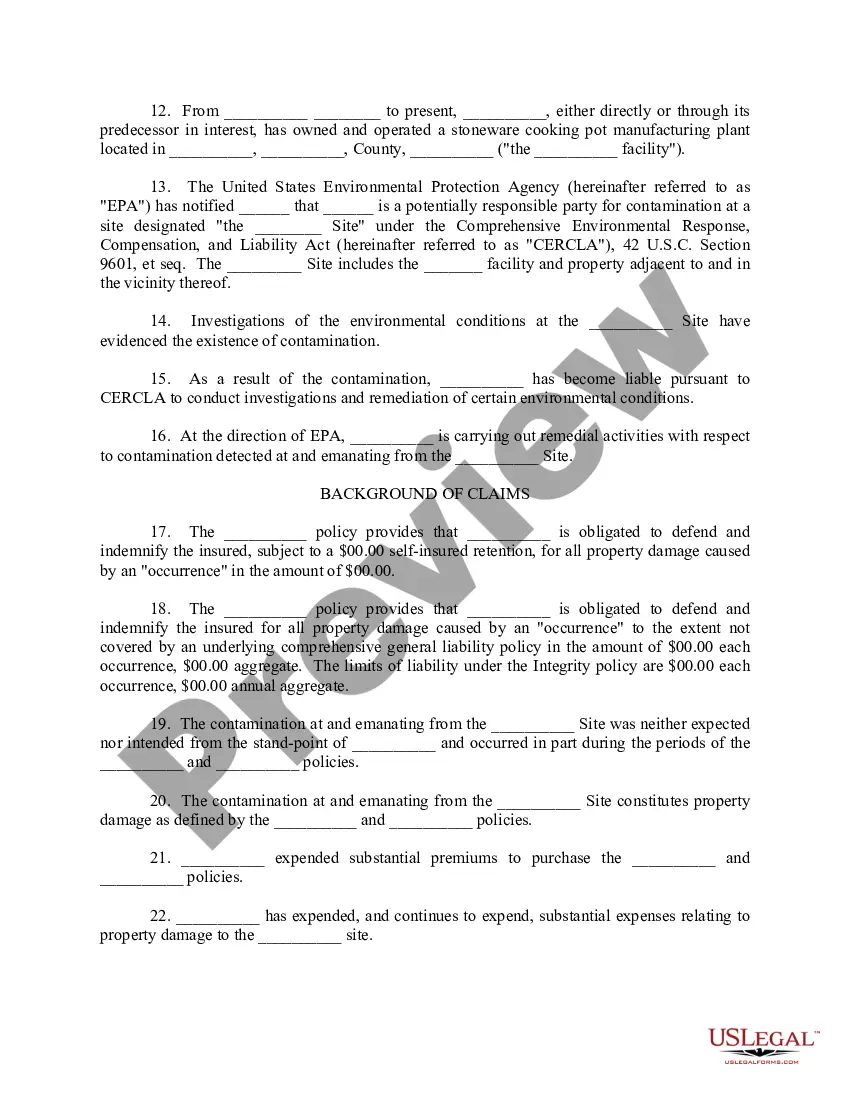
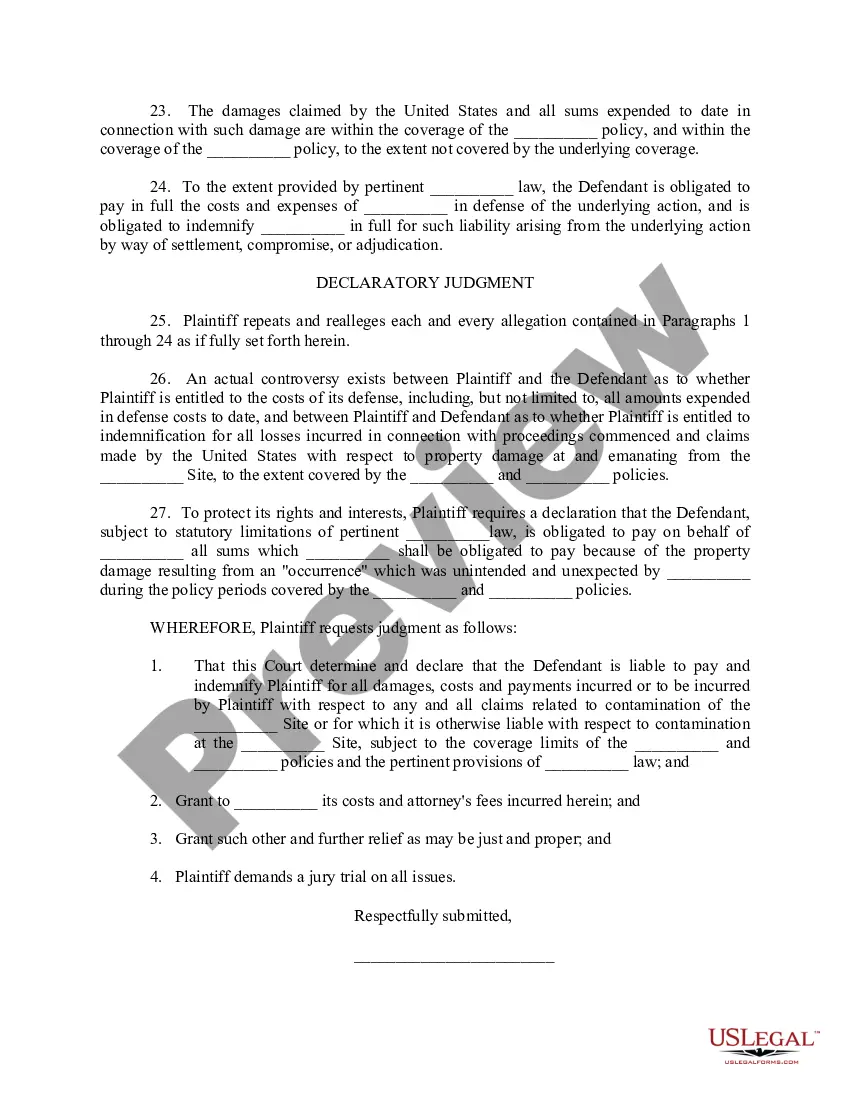


Get your form ready online
Our built-in tools help you complete, sign, share, and store your documents in one place.
Make edits, fill in missing information, and update formatting in US Legal Forms—just like you would in MS Word.
Download a copy, print it, send it by email, or mail it via USPS—whatever works best for your next step.
Sign and collect signatures with our SignNow integration. Send to multiple recipients, set reminders, and more. Go Premium to unlock E-Sign.
If this form requires notarization, complete it online through a secure video call—no need to meet a notary in person or wait for an appointment.
We protect your documents and personal data by following strict security and privacy standards.

Make edits, fill in missing information, and update formatting in US Legal Forms—just like you would in MS Word.

Download a copy, print it, send it by email, or mail it via USPS—whatever works best for your next step.

Sign and collect signatures with our SignNow integration. Send to multiple recipients, set reminders, and more. Go Premium to unlock E-Sign.

If this form requires notarization, complete it online through a secure video call—no need to meet a notary in person or wait for an appointment.

We protect your documents and personal data by following strict security and privacy standards.
Looking for another form?
How to fill out Complaint For Declaratory Judgment?
Locating the correct legal document template can be a challenge. Clearly, there are numerous templates accessible online, but how do you find the legal form you require? Utilize the US Legal Forms website. This service provides thousands of templates, including the District of Columbia Complaint for Declaratory Judgment, suitable for both business and personal needs. All forms are reviewed by experts and comply with federal and state regulations.
If you are already registered, Log In to your account and click the Obtain button to download the District of Columbia Complaint for Declaratory Judgment. Use your account to review the legal documents you have previously purchased. Navigate to the My documents section of your account to retrieve an additional copy of the document you need.
If you are a new user of US Legal Forms, here are simple instructions for you to follow: First, ensure you have selected the correct form for your city/region. You can view the form using the Preview button and check the form details to confirm it is suitable for you. If the form does not meet your needs, utilize the Search field to find the appropriate form. Once you are confident that the form is suitable, click the Buy now button to purchase the form. Choose the pricing plan you prefer and enter the required information. Create your account and complete the transaction using your PayPal account or credit card. Select the file format and download the legal document template to your device. Complete, edit, print, and sign the obtained District of Columbia Complaint for Declaratory Judgment.
Utilize US Legal Forms to ensure you get the right document template tailored to your needs.
- US Legal Forms is the largest collection of legal documents that you will find various document templates.
- Use the service to acquire properly crafted documents that adhere to state requirements.
- Thousands of templates available online.
- Expert-reviewed forms that meet legal standards.
- Easy navigation for past purchases.
- Guidelines for new users to follow.
Form popularity
FAQ
Declaratory relief refers to a court's declaratory judgment stating the rights of parties without ordering any specific action or listing awards for damages.
A declaratory judgment is typically requested when a party is threatened with a lawsuit but the lawsuit has not yet been filed; or when a party or parties believe that their rights under law and/or contract might conflict; or as part of a counterclaim to prevent further lawsuits from the same plaintiff (for example, ...
For example, a party may bring an action for declaratory relief before an actual breach or invasion of rights has occurred. However, the action must be based on an actual controversy with known parameters. It is not available to determine hypothetical or abstract questions.
A declaratory judgment is a court-issued judgment that defines and outlines the rights and obligations of each party in a contract. Declaratory judgments have the same effect and force as final judgments and are legally binding. These judgments are also called a declaration or declaratory relief.
For example, a declaratory judgment action could be brought to determine party rights and obligations under a contract or to establish the validity of a patent. Under Article III of the U.S. Constitution, a federal court may only issue a declaratory judgment when there is an actual controversy.
To establish federal jurisdiction in a declaratory judgment action, two conditions must be satisfied. First, is the constitutional inquiry - the case must be a 'case or controversy' pursuant to Article III of the US Constitution. Second is the prudential inquiry ? declaratory relief must be appropriate.
A declaratory judgment is a binding judgment from a court defining the legal relationship between parties and their rights in a matter before the court. When there is uncertainty as to the legal obligations or rights between two parties, a declaratory judgment offers an immediate means to resolve this uncertainty.
If you believe that a federal judge of the United States Courts of the District of Columbia Circuit committed misconduct or has a disability, you may file a complaint about it with the Office of the Circuit Executive, E. Barrett Prettyman U.S. Courthouse, 333 Constitution Avenue, NW, Washington, D.C. 20001.