District of Columbia Landlord Agreement to allow Tenant Alterations to Premises
What is this form?
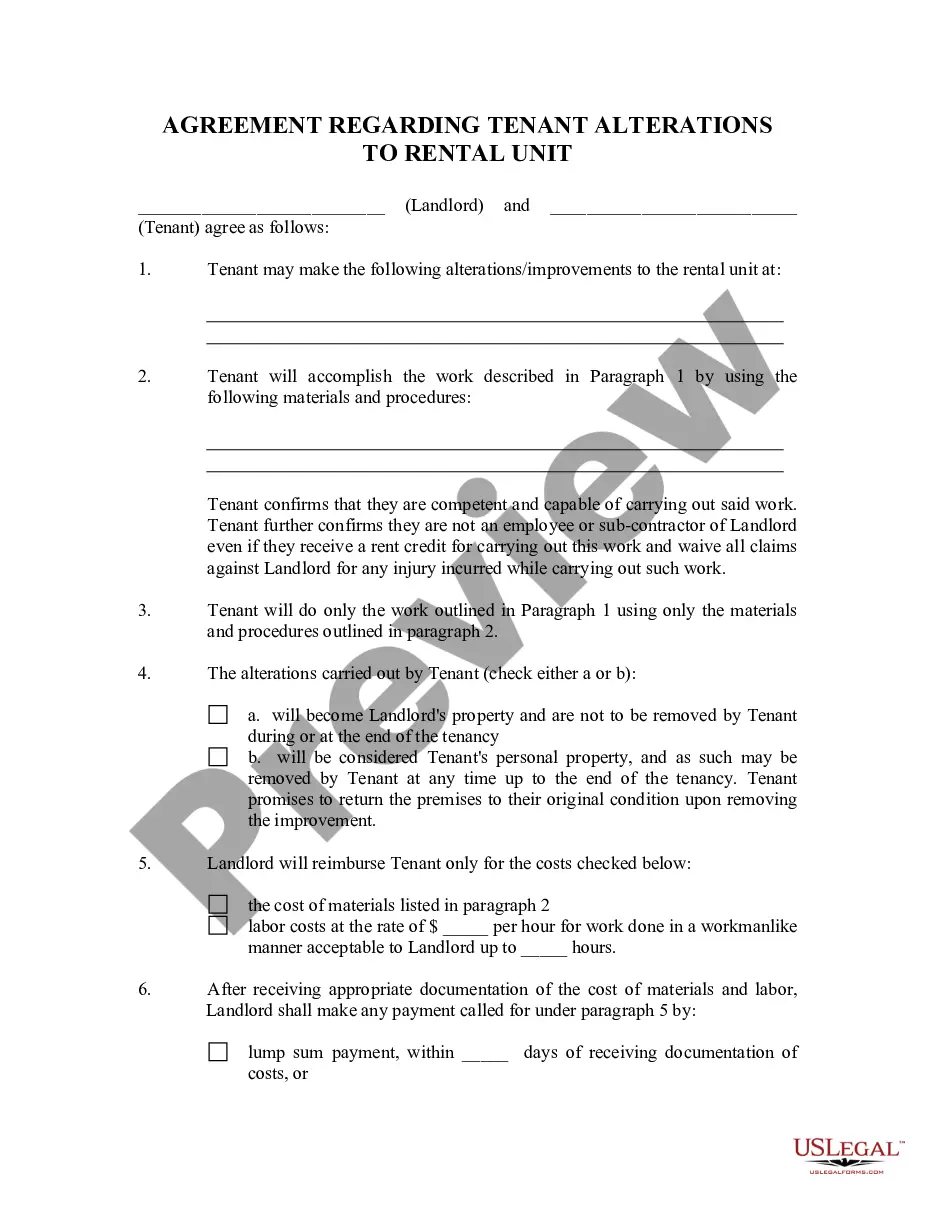
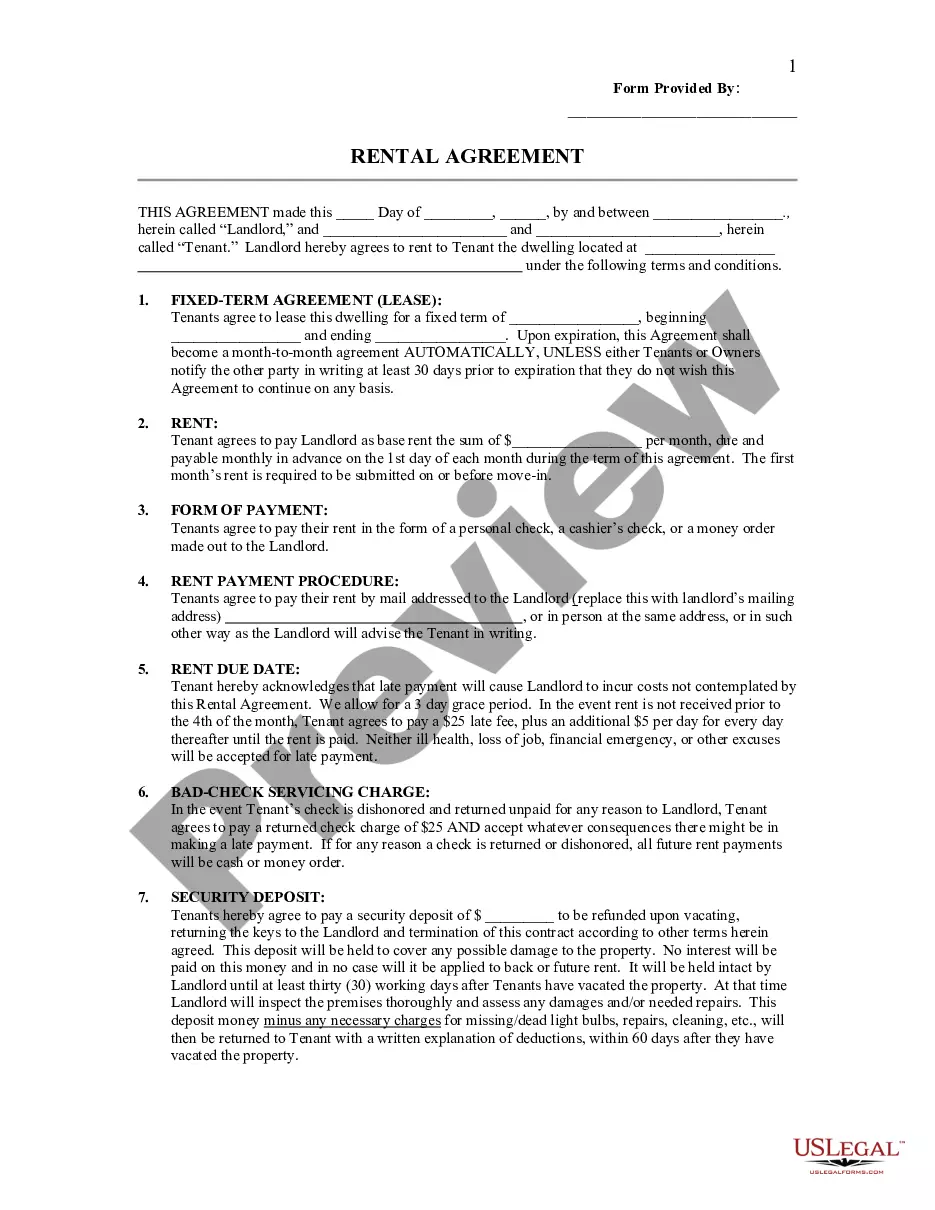
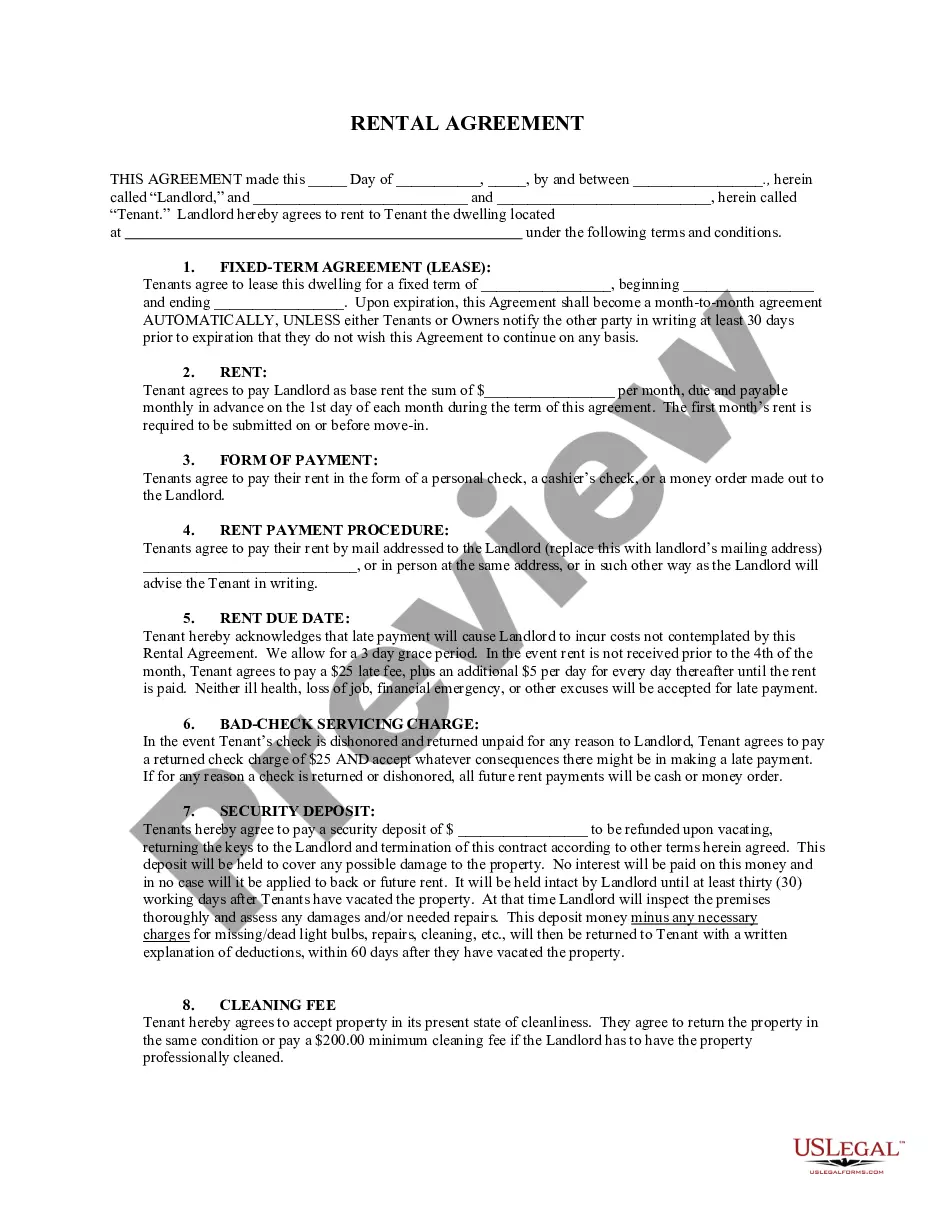
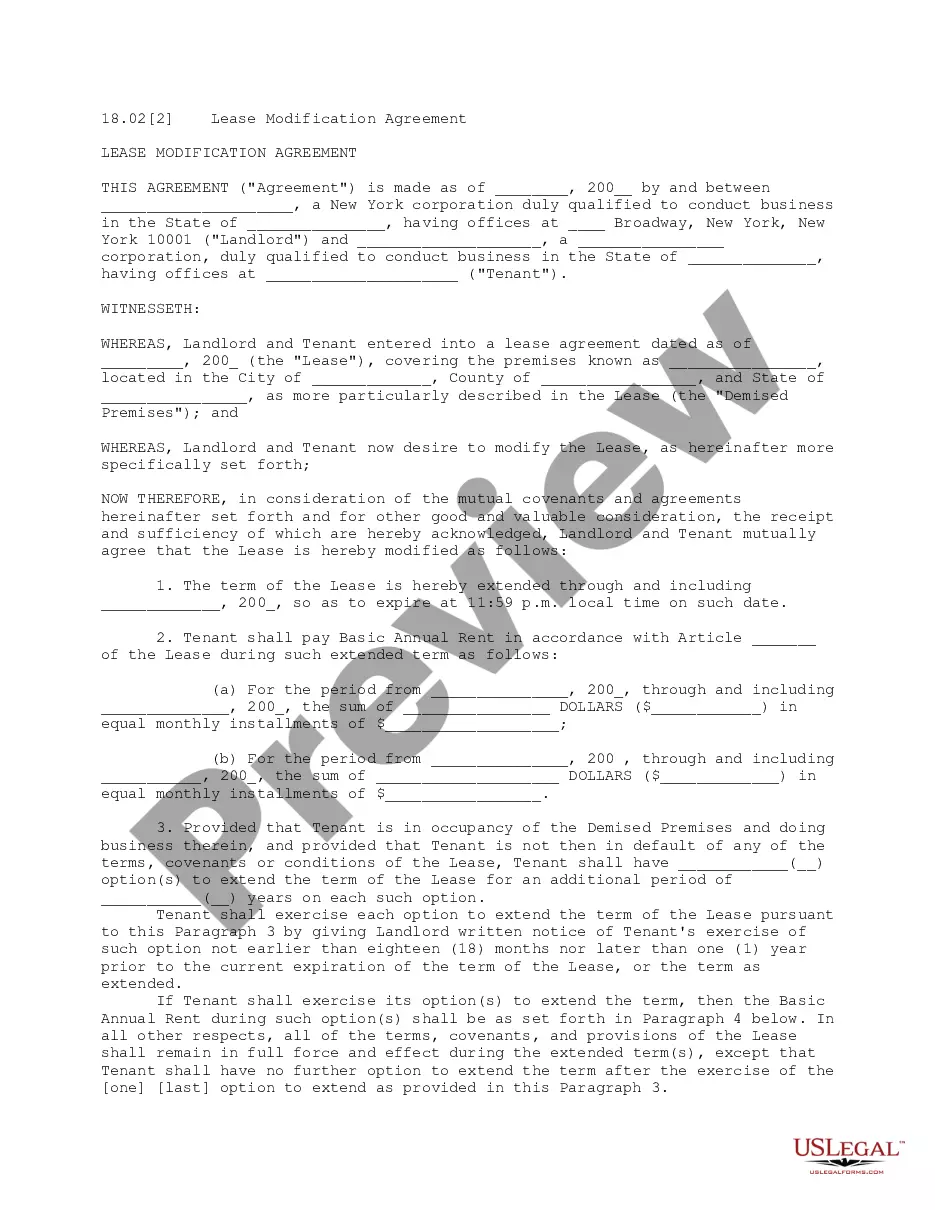
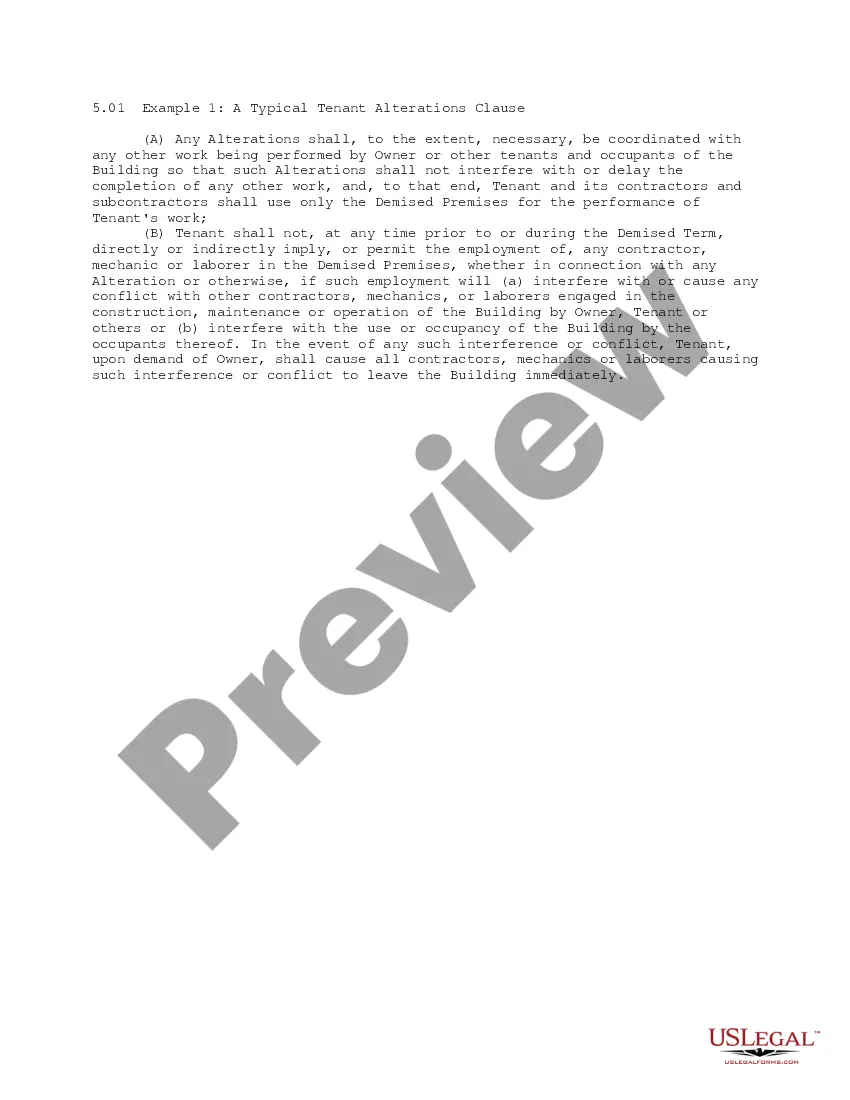
The Landlord Agreement to allow Tenant Alterations to Premises is a legal document that outlines the terms under which a tenant can make improvements or alterations to a rented property. This form is crucial for preventing misunderstandings between landlords and tenants regarding modifications to the rental unit. Unlike verbal agreements, this written contract specifies details such as ownership of the alterations, reimbursement for costs, and responsibilities for restoring the property upon moving out.
Main sections of this form
- Identification of parties involved: The landlord and tenant are clearly named in the agreement.
- Detailed description of allowed alterations: Specifies what improvements the tenant is permitted to make.
- Ownership of improvements: Clarifies whether alterations become property of the landlord or remain with the tenant.
- Cost reimbursement terms: Outlines who pays for the alterations and how reimbursement will occur.
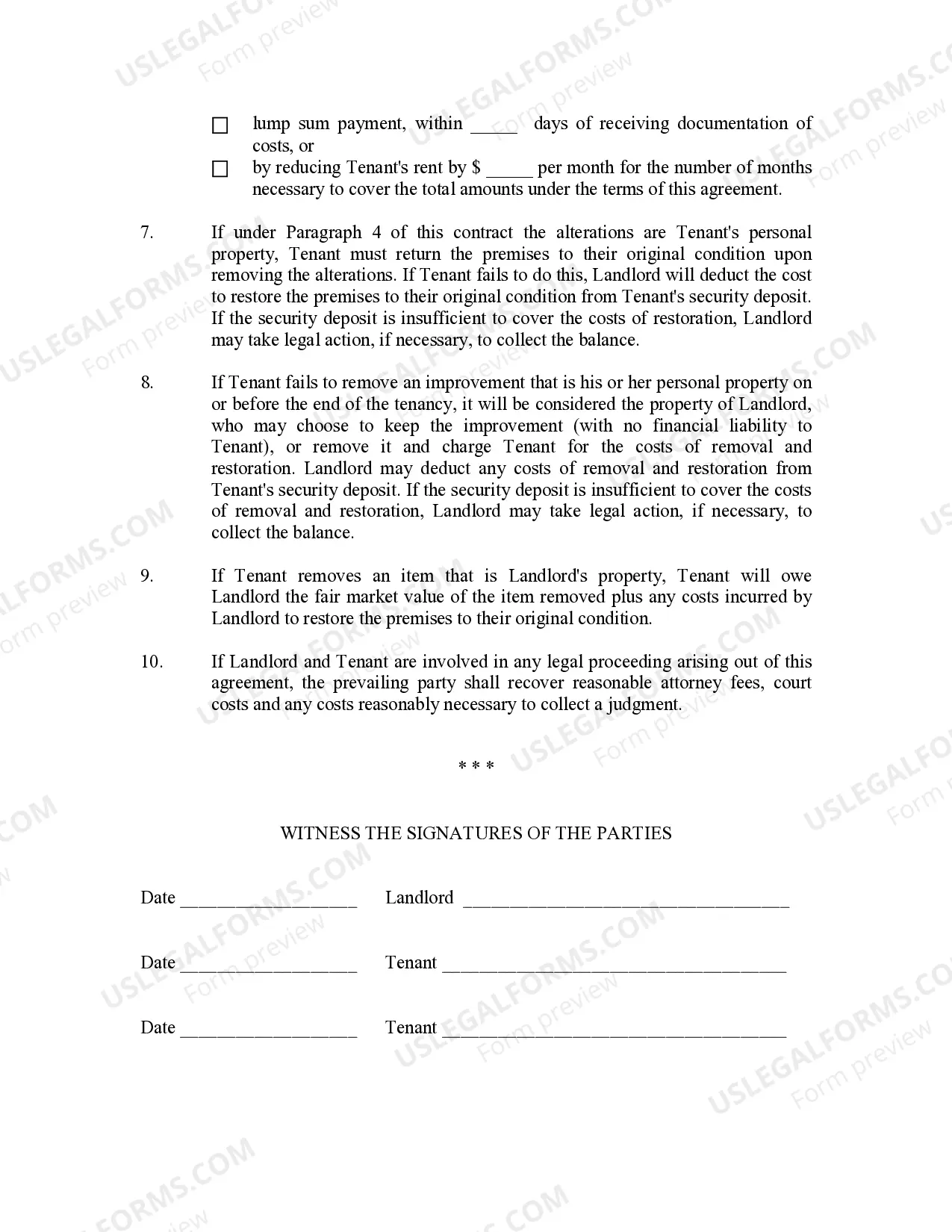
- Restoration obligations: Defines the tenant's duty to restore the premises to its original condition upon removing improvements.
- Legal proceedings clause: Details rights regarding attorney fees and costs in case of disputes.
When this form is needed
This form should be used when a tenant intends to make changes or improvements to a rental unit and seeks the landlord's permission to do so. It is essential in situations where the tenant wants to ensure that their investments in the property are recognized and to clearly delineate what will happen to those improvements upon termination of the lease. Typical scenarios include tenants wishing to paint walls, install shelving, or make structural changes.
Who can use this document
- Landlords: Those renting out a property who wish to set clear guidelines for tenant alterations.
- Tenants: Individuals looking to make improvements to their rental space and wanting to formalize the agreement with their landlord.
- Property managers: Managers who oversee rental properties and need a standardized agreement for tenant alterations.
How to complete this form
- Identify the parties: Enter the landlord's and tenant's full names in the designated areas.
- Specify the property: Clearly describe the rental unit where the alterations will take place.
- Detail the alterations: Describe the specific improvements the tenant is requesting to make.
- Outline reimbursement details: Fill in the agreed rates for materials and labor, along with payment terms.
- Sign and date: Ensure that both landlord and tenant sign and date the agreement to validate it.
Does this form need to be notarized?
Notarization is not commonly needed for this form. However, certain documents or local rules may make it necessary. Our notarization service, powered by Notarize, allows you to finalize it securely online anytime, day or night.
Get your form ready online
Our built-in tools help you complete, sign, share, and store your documents in one place.
Make edits, fill in missing information, and update formatting in US Legal Forms—just like you would in MS Word.
Download a copy, print it, send it by email, or mail it via USPS—whatever works best for your next step.
Sign and collect signatures with our SignNow integration. Send to multiple recipients, set reminders, and more. Go Premium to unlock E-Sign.
If this form requires notarization, complete it online through a secure video call—no need to meet a notary in person or wait for an appointment.
We protect your documents and personal data by following strict security and privacy standards.

Make edits, fill in missing information, and update formatting in US Legal Forms—just like you would in MS Word.

Download a copy, print it, send it by email, or mail it via USPS—whatever works best for your next step.

Sign and collect signatures with our SignNow integration. Send to multiple recipients, set reminders, and more. Go Premium to unlock E-Sign.

If this form requires notarization, complete it online through a secure video call—no need to meet a notary in person or wait for an appointment.

We protect your documents and personal data by following strict security and privacy standards.
Mistakes to watch out for
- Failing to specify the types of alterations allowed, which can lead to disputes.
- Not detailing payment terms for reimbursements, causing confusion later.
- Incomplete signatures or dates, which could render the agreement unenforceable.
Benefits of using this form online
- Convenience: Easily download and fill out the form from anywhere at any time.
- Editability: Make changes quickly before finalizing the agreement.
- Reliability: Forms are drafted by licensed attorneys, ensuring legal compliance.
Key takeaways
- A Landlord Agreement to allow Tenant Alterations to Premises protects both parties by detailing the terms of expected changes to the rental unit.
- This form clarifies financial responsibilities associated with alterations and reinforces the importance of restoring the property before moving out.
- Utilizing this agreement can help prevent future conflicts between landlords and tenants over property modifications.
Looking for another form?
Form popularity
FAQ
In the District of Columbia, tenant laws require landlords to maintain their properties in a habitable condition, ensuring that essential repairs are made in a timely manner. When alterations to the premises are needed, tenants often benefit from a District of Columbia Landlord Agreement to allow Tenant Alterations to Premises, which can outline responsibilities and permissions on repairs. This agreement helps clarify who is responsible for specific repairs and enhancements, fostering clear communication between landlords and tenants. Utilizing platforms like US Legal Forms can assist both parties in understanding their rights and navigating the complexities of repair obligations.
In Washington, DC, landlords are obligated to maintain the property in a habitable condition and ensure essential services are functional. They must also respect the tenant’s rights concerning privacy and proper notification before entering the premises. The District of Columbia Landlord Agreement to allow Tenant Alterations to Premises outlines both landlord and tenant responsibilities, helping both parties understand their roles clearly.
When a tenant stays in the property after the lease expires, it is referred to as 'holdover tenancy.' During this period, the terms of the rental agreement may still apply under certain conditions. Understanding the District of Columbia Landlord Agreement to allow Tenant Alterations to Premises can help clarify your rights and obligations during this time.
It is advisable to keep a copy of your expired lease for at least a year after termination, as it may contain vital details that could impact future agreements. Documentation is crucial should any disputes arise. The District of Columbia Landlord Agreement to allow Tenant Alterations to Premises can serve as a helpful reference point in these matters.
After your lease time expires, you may be considered a month-to-month tenant unless a renewal agreement is signed. This position allows you to remain in the property under new terms. The District of Columbia Landlord Agreement to allow Tenant Alterations to Premises can provide insight into what happens next and any obligations you may have.
If a landlord intends to sell the property, DC tenants have the right to stay until the lease term ends, provided the lease is valid. The landlord must give proper notice, as stated in the District of Columbia Landlord Agreement to allow Tenant Alterations to Premises. Knowing your rights is essential for ensuring that your tenancy is respected during a sale.
Tenants in Washington, DC, may need permission from the landlord to make alterations or improvements to the rental property. Common alterations include painting and minor renovations, but larger changes often require a formal agreement. Referencing the District of Columbia Landlord Agreement to allow Tenant Alterations to Premises can help clarify what modifications are permissible.
After the lease expires, a tenant may have a grace period to remain in the property, typically ranging from a few days to a month, depending on the lease terms. If there is no new agreement made, it’s vital to refer to the District of Columbia Landlord Agreement to allow Tenant Alterations to Premises for guidance on tenancy rights and responsibilities during this period.
When your lease comes to an end in the District of Columbia, the landlord has the option to renew the lease or allow you to vacate the premises. If the lease is not renewed, you must follow the terms outlined in the District of Columbia Landlord Agreement to allow Tenant Alterations to Premises. This document can clarify your responsibilities and rights as a tenant during this transition.
In Washington, DC, landlords are required to make necessary repairs within a reasonable time frame after being notified of the issue. The timeline can vary based on the nature of the repair, but it often ranges from a few days to a couple of weeks. If a landlord fails to address the issue promptly, tenants may refer to the District of Columbia Landlord Agreement to allow Tenant Alterations to Premises for guidance on their rights. Staying informed about your repair rights can facilitate smoother communication between you and your landlord.