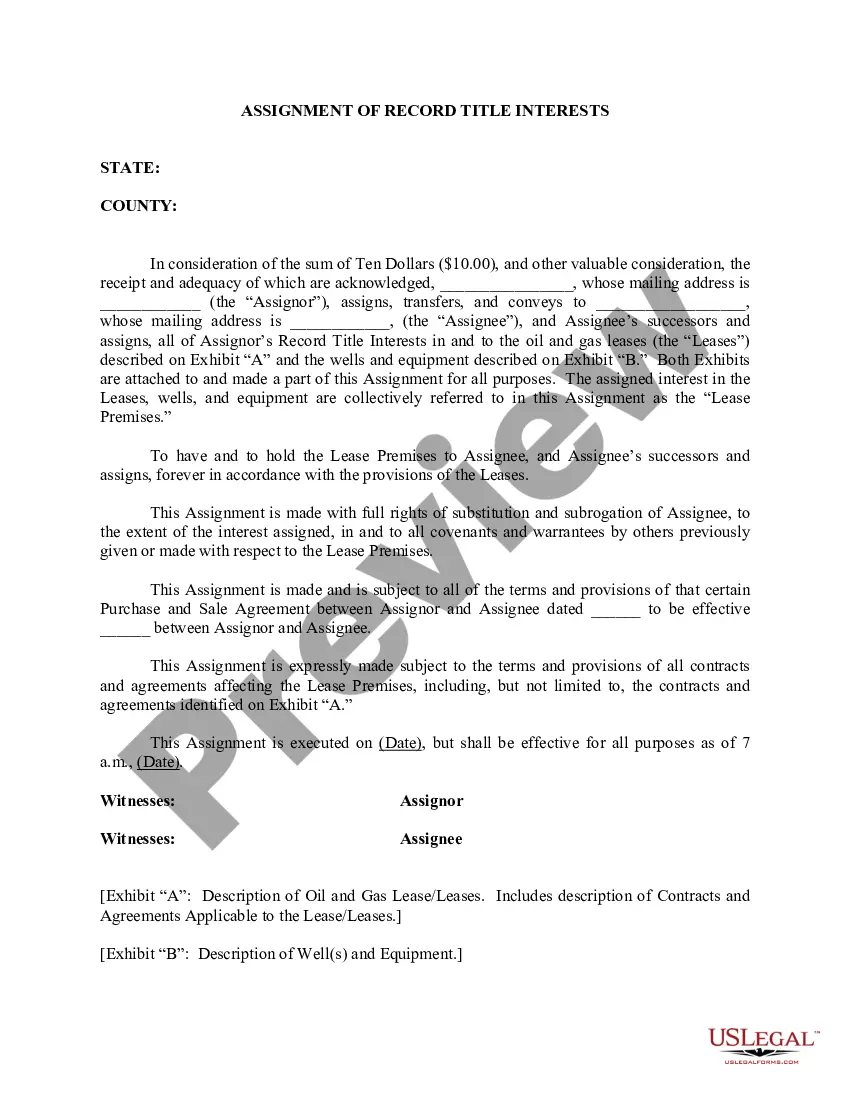
Connecticut Assignment of Record Title Interests
Description
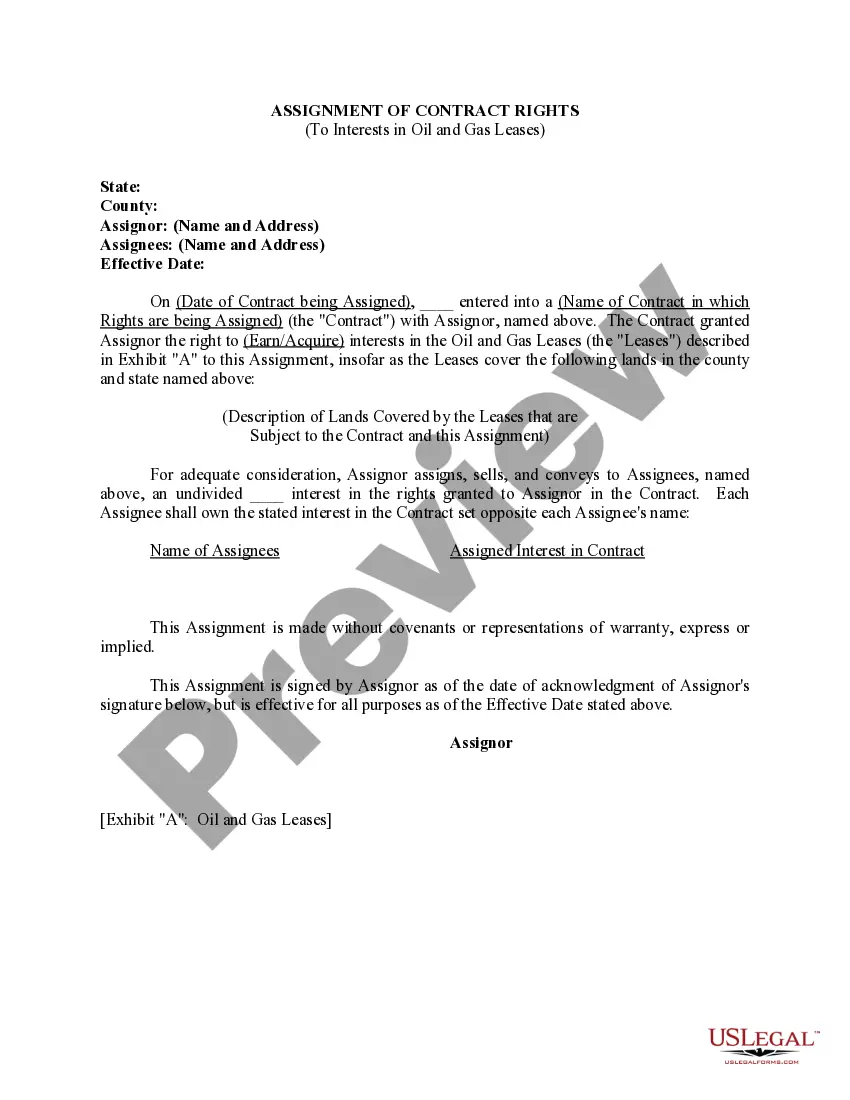
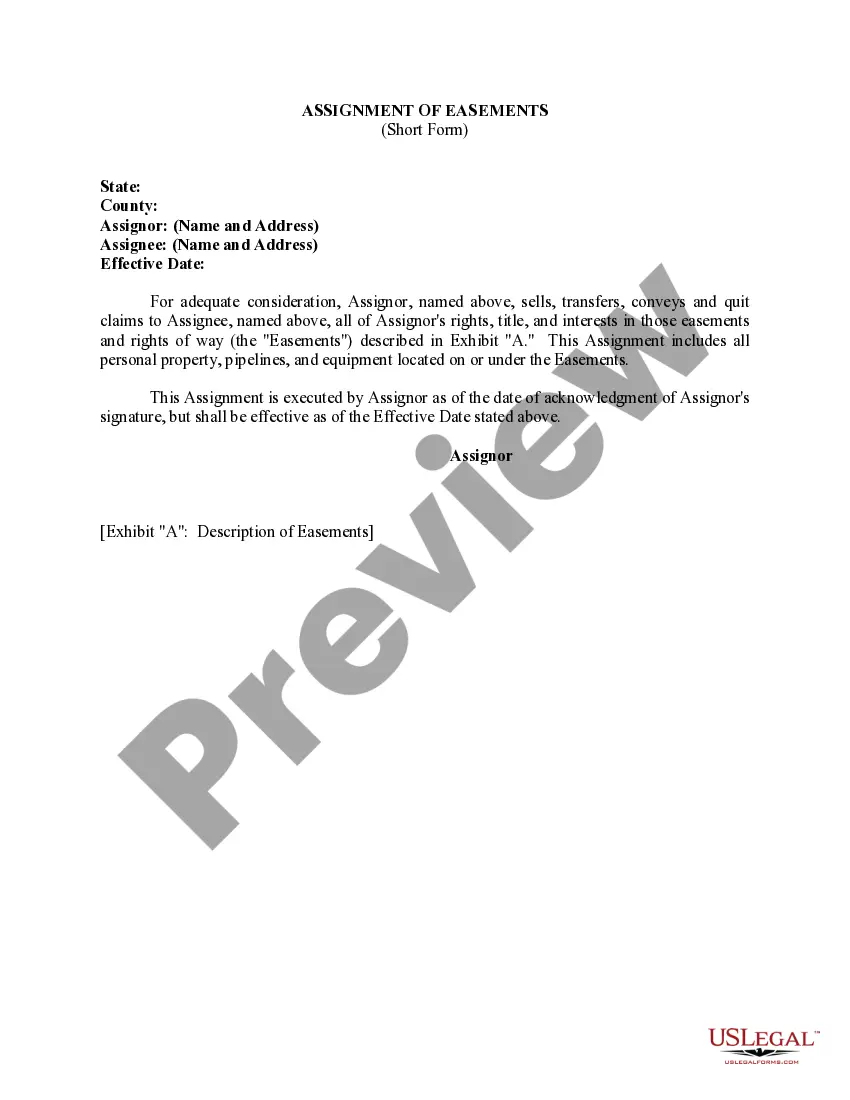
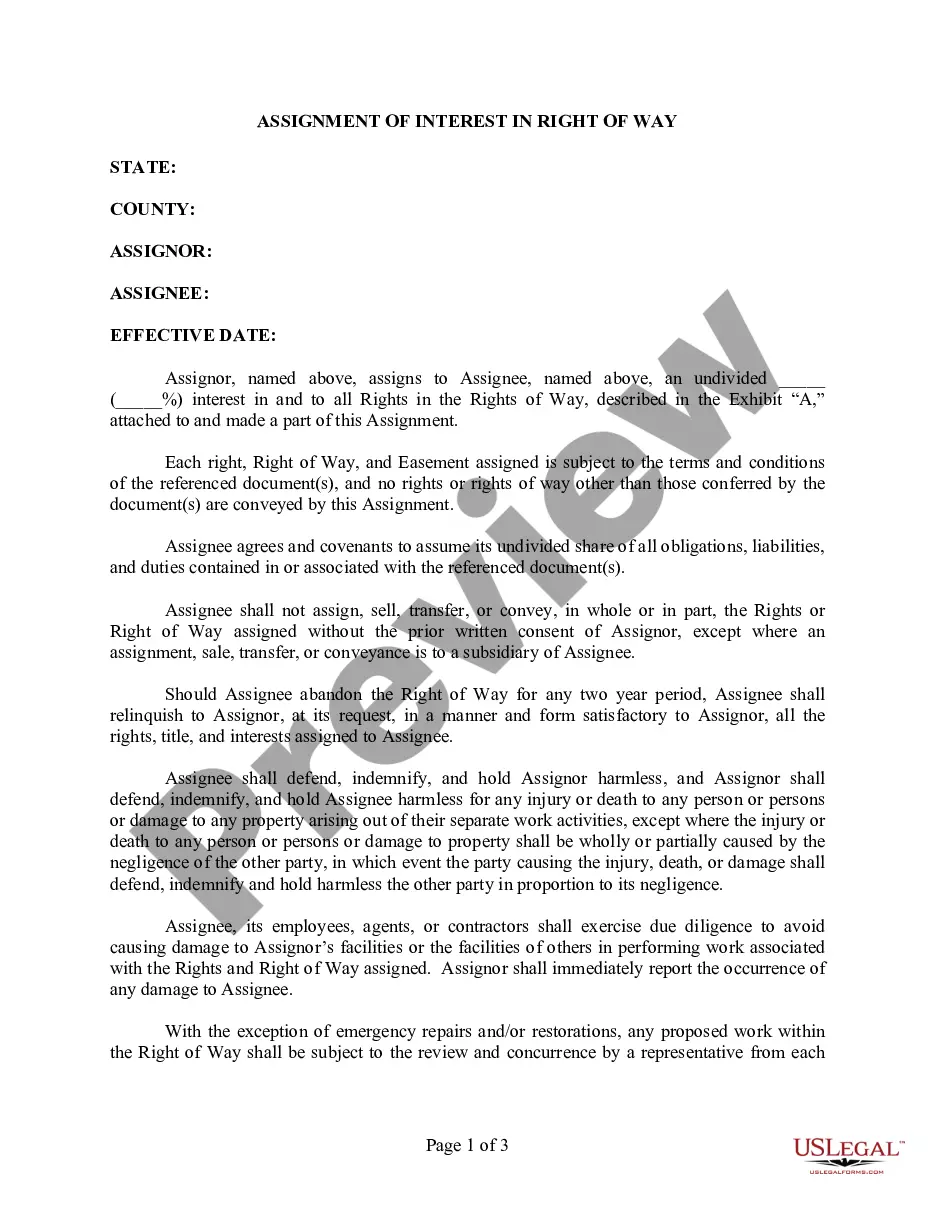
Get your form ready online
Our built-in tools help you complete, sign, share, and store your documents in one place.
Make edits, fill in missing information, and update formatting in US Legal Forms—just like you would in MS Word.
Download a copy, print it, send it by email, or mail it via USPS—whatever works best for your next step.
Sign and collect signatures with our SignNow integration. Send to multiple recipients, set reminders, and more. Go Premium to unlock E-Sign.
If this form requires notarization, complete it online through a secure video call—no need to meet a notary in person or wait for an appointment.
We protect your documents and personal data by following strict security and privacy standards.

Make edits, fill in missing information, and update formatting in US Legal Forms—just like you would in MS Word.

Download a copy, print it, send it by email, or mail it via USPS—whatever works best for your next step.

Sign and collect signatures with our SignNow integration. Send to multiple recipients, set reminders, and more. Go Premium to unlock E-Sign.

If this form requires notarization, complete it online through a secure video call—no need to meet a notary in person or wait for an appointment.

We protect your documents and personal data by following strict security and privacy standards.
Looking for another form?
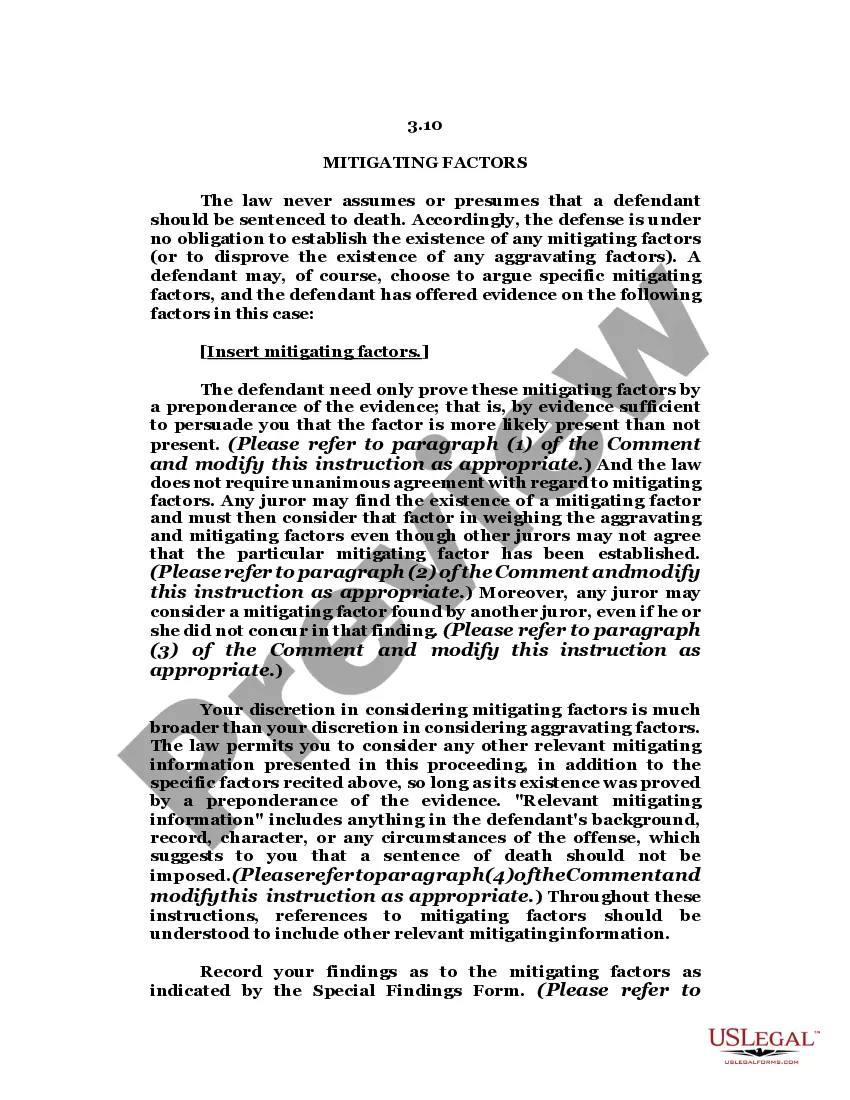
How to fill out Assignment Of Record Title Interests?
Finding the right legitimate record design might be a struggle. Needless to say, there are a lot of themes available online, but how would you find the legitimate type you will need? Make use of the US Legal Forms website. The support gives a huge number of themes, such as the Connecticut Assignment of Record Title Interests, which you can use for organization and private requirements. Each of the kinds are checked out by specialists and satisfy federal and state needs.
If you are currently authorized, log in to the bank account and then click the Download button to have the Connecticut Assignment of Record Title Interests. Utilize your bank account to appear throughout the legitimate kinds you possess purchased formerly. Go to the My Forms tab of your bank account and have yet another copy of your record you will need.
If you are a new user of US Legal Forms, here are easy recommendations for you to adhere to:
- Very first, be sure you have chosen the appropriate type for your metropolis/region. It is possible to examine the shape while using Preview button and read the shape information to ensure it is the best for you.
- If the type fails to satisfy your preferences, take advantage of the Seach field to discover the correct type.
- Once you are certain that the shape is suitable, go through the Get now button to have the type.
- Opt for the prices prepare you need and type in the necessary details. Create your bank account and buy the transaction using your PayPal bank account or charge card.
- Choose the file formatting and obtain the legitimate record design to the device.
- Comprehensive, edit and printing and signal the attained Connecticut Assignment of Record Title Interests.
US Legal Forms is the most significant library of legitimate kinds in which you can see a variety of record themes. Make use of the company to obtain appropriately-manufactured papers that adhere to express needs.
Form popularity
FAQ
For registration of a non-titled vehicle, the registration from the last owner and a Supplemental Assignment of Ownership (form Q-1) and/or Bill of Sale (form H-31) is needed. See more information when a title is not needed.
What is the Marketable Record Title Act? The Marketable Record Title Act is a Florida law designed to simplify property restrictions and promote the transfer of free and clear titles. MRTA does so by extinguishing certain covenants and restrictions tied to a property's deed.
(a) All conveyances of land shall be: (1) In writing; (2) if the grantor is a natural person, subscribed, with or without a seal, by the grantor with his own hand or with his mark with his name annexed to it or by his agent authorized for that purpose by a power executed, acknowledged and witnessed in the manner ...
The Connecticut Quiet Title Process Under Connecticut General Statute § 52-325, the Notice of Lis Pendens provides notice to the public of the pending title claim and forces future owners of the property to take the property subject to the outcome of the court action.
The Marketable Record Title Act (the ?MRTA?) has been an integral part of Connecticut property law for 40 years. The existence of the MRTA helps to facilitate real estate transactions by providing purchasers, attorneys, title insurers, and lenders with a level of certainty regarding the status of land titles.
Marketable title is a concept in property law referring to a title free from any claims or disputes about the ownership, or from any threat of litigation. When a seller is selling property to a buyer, an implied promise is that the seller will deliver marketable title to the buyer.
Connecticut requires at least one party's consent to record an in-person conversation. For telephonic conversations, consent of all parties is required to avoid potential civil liability, though criminal penalties do not apply if at least one party has consented to the recording.