Connecticut Trademark License Representation Agreement
Description
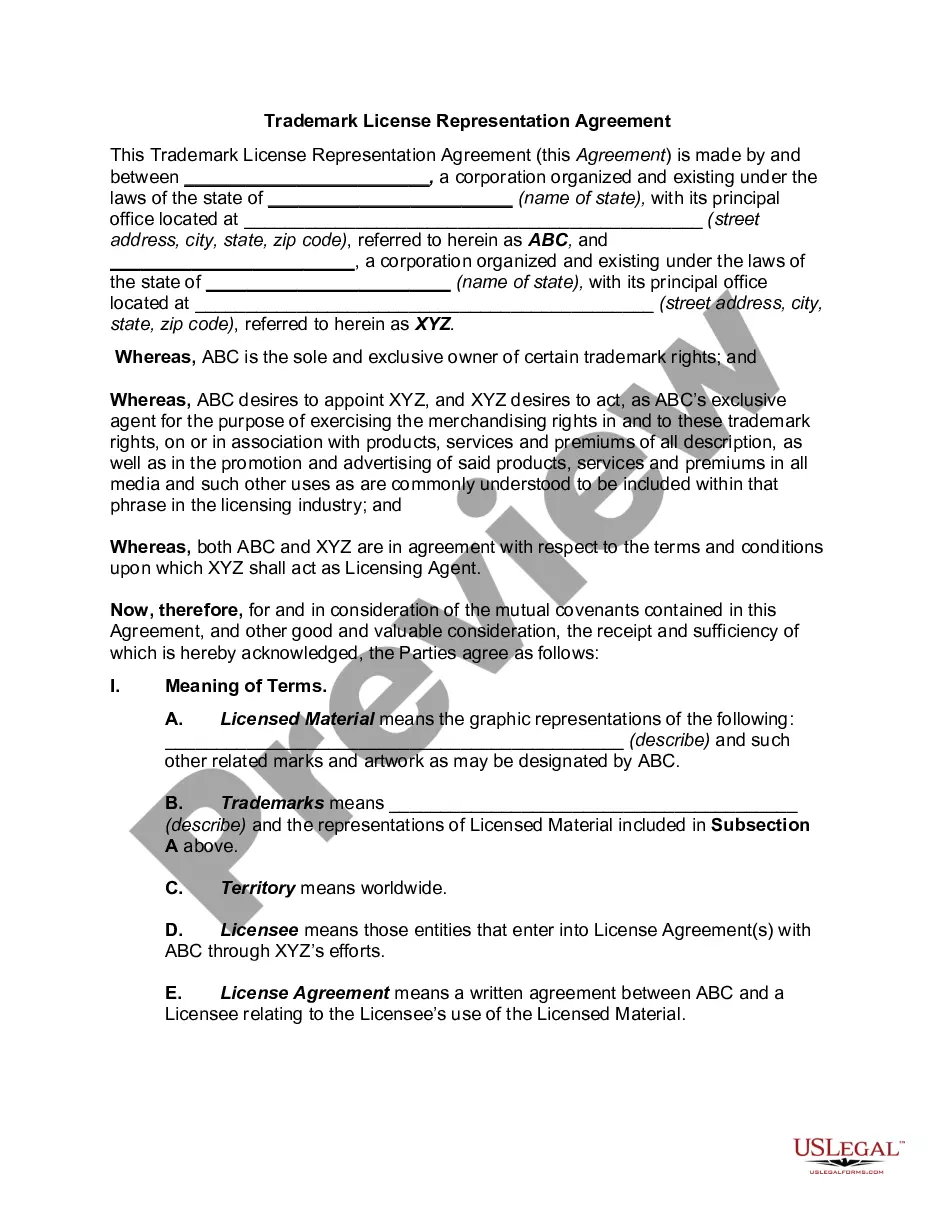
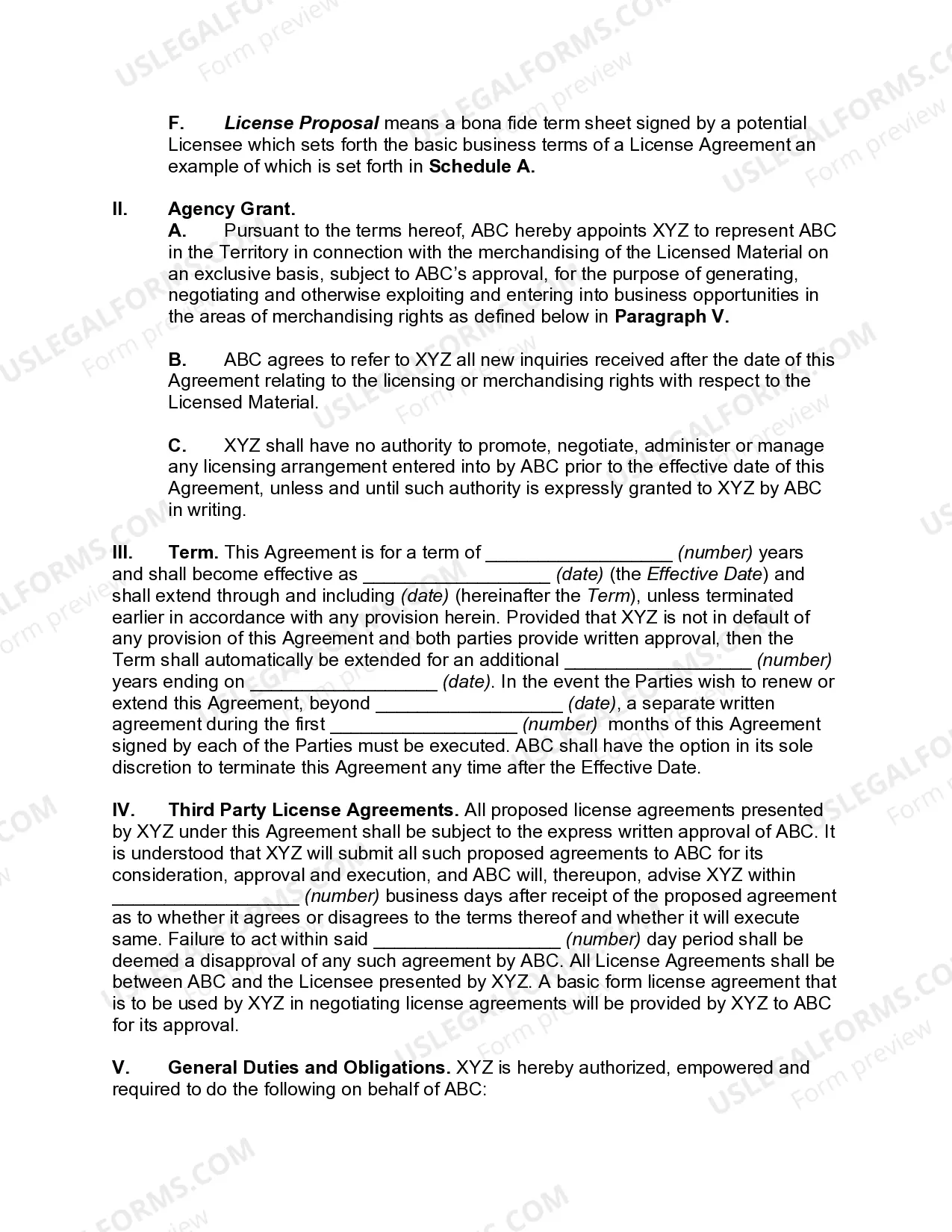
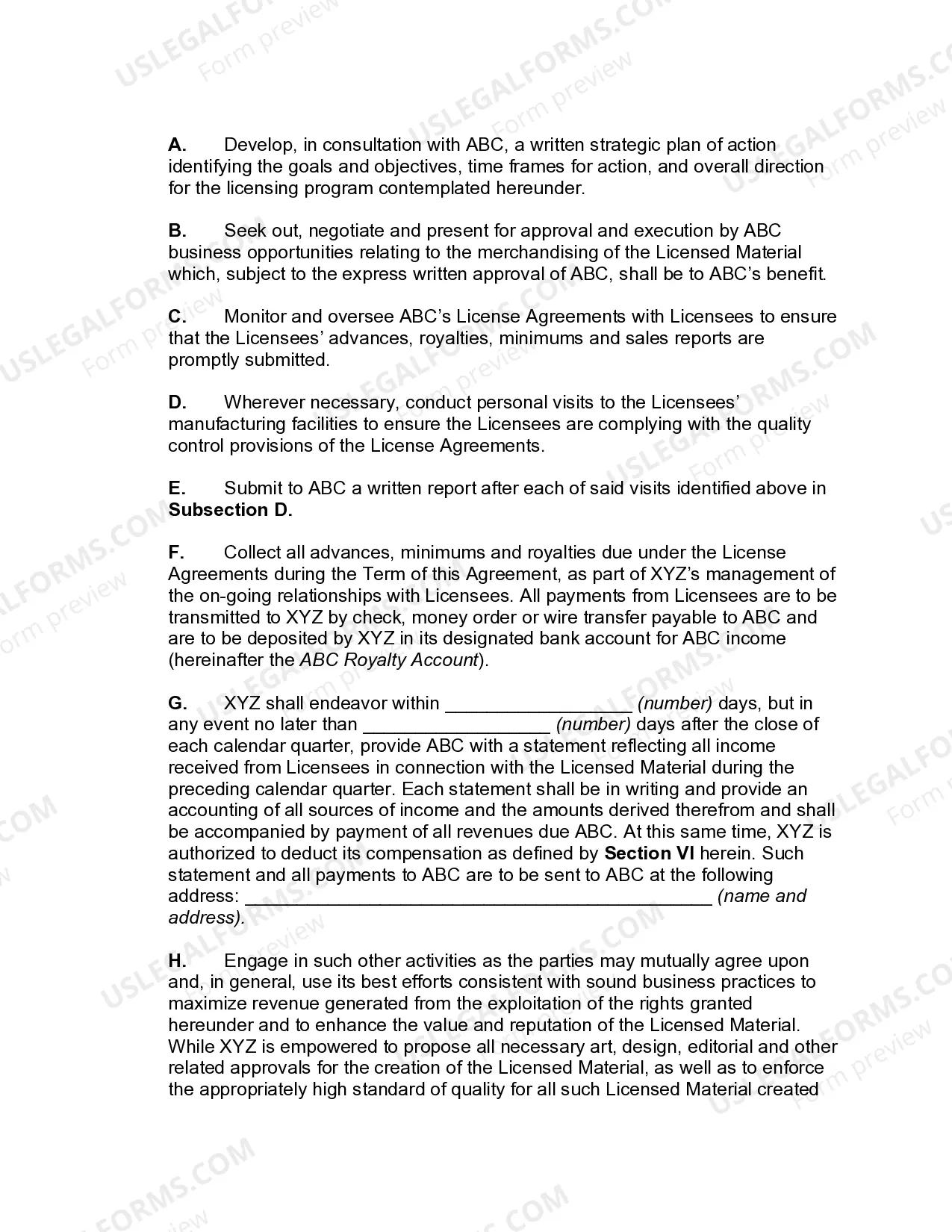
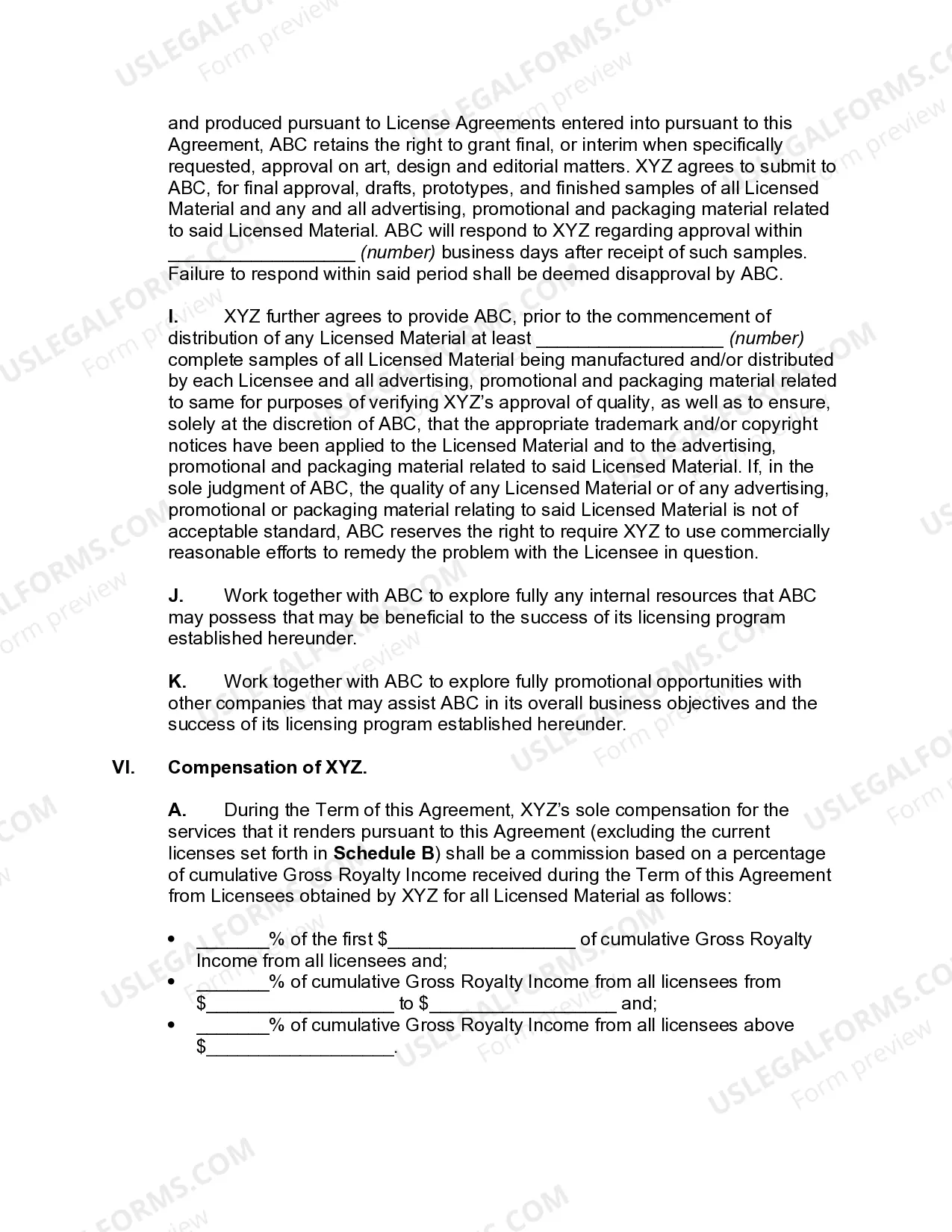
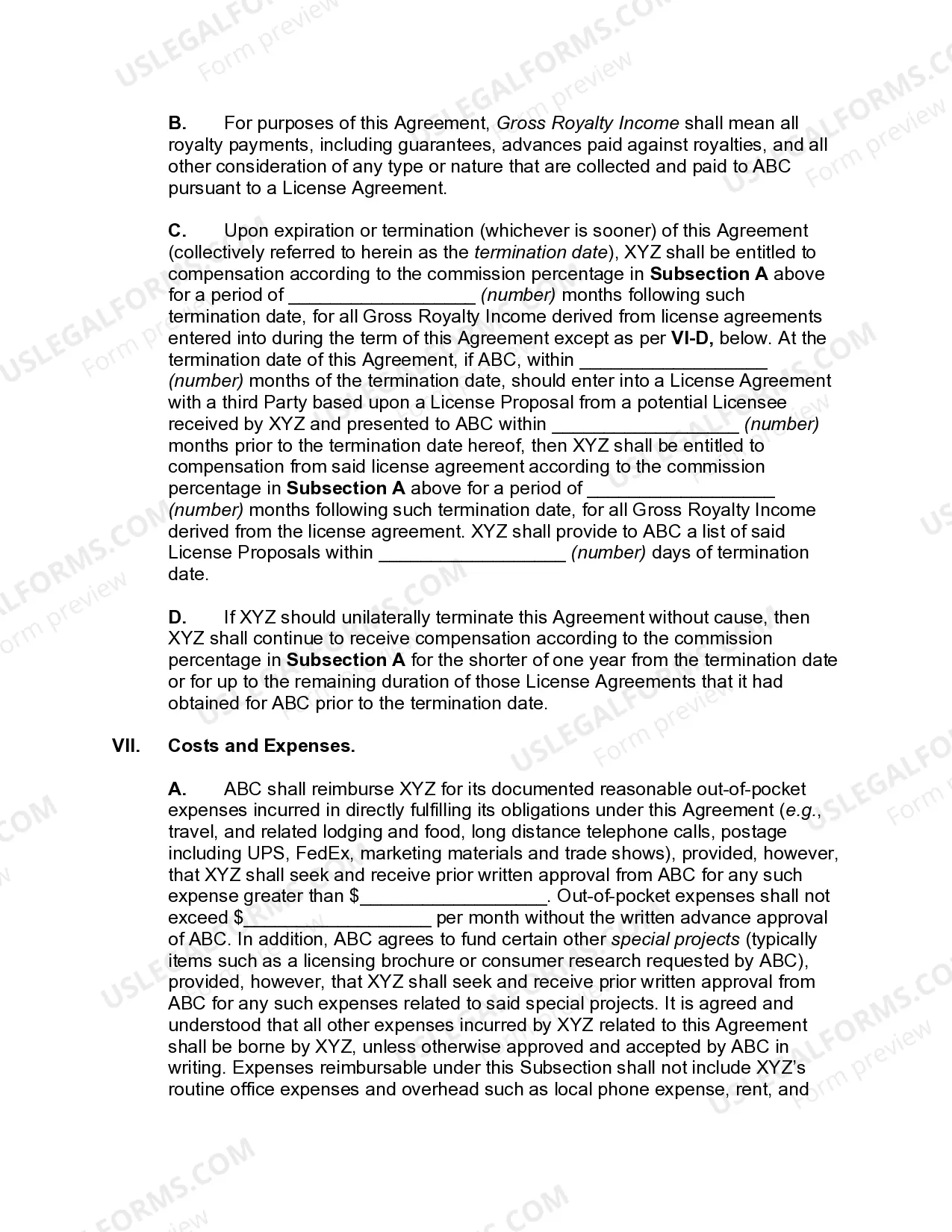
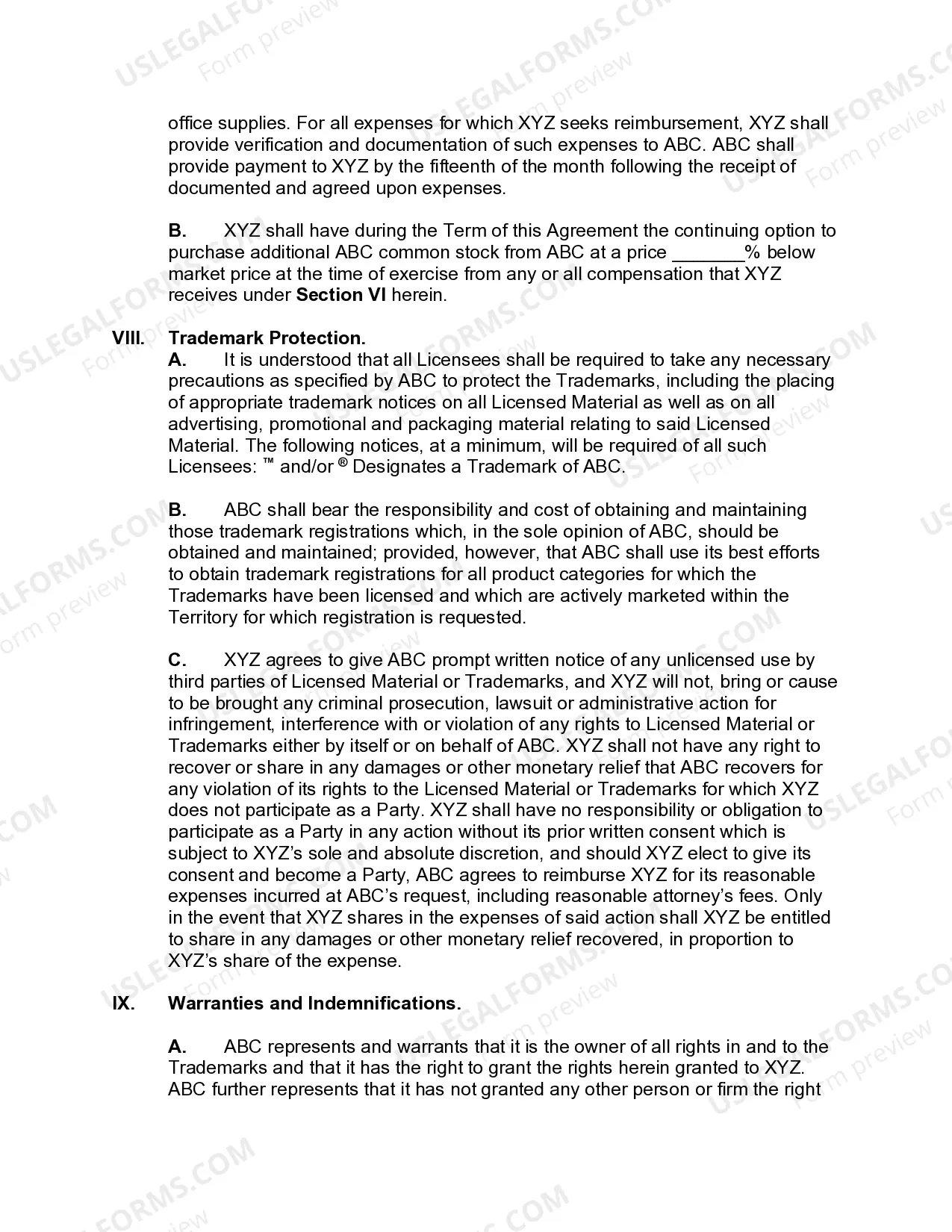
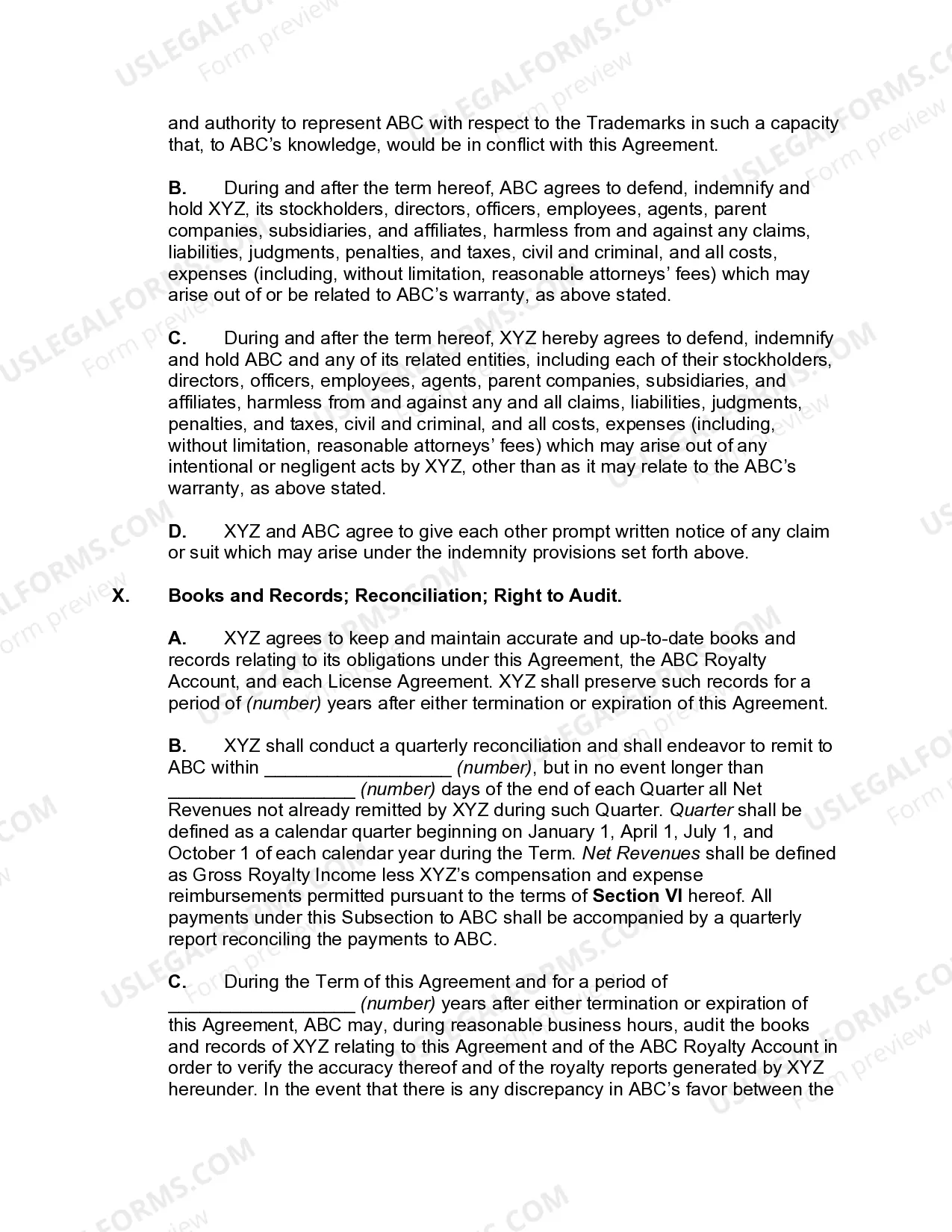

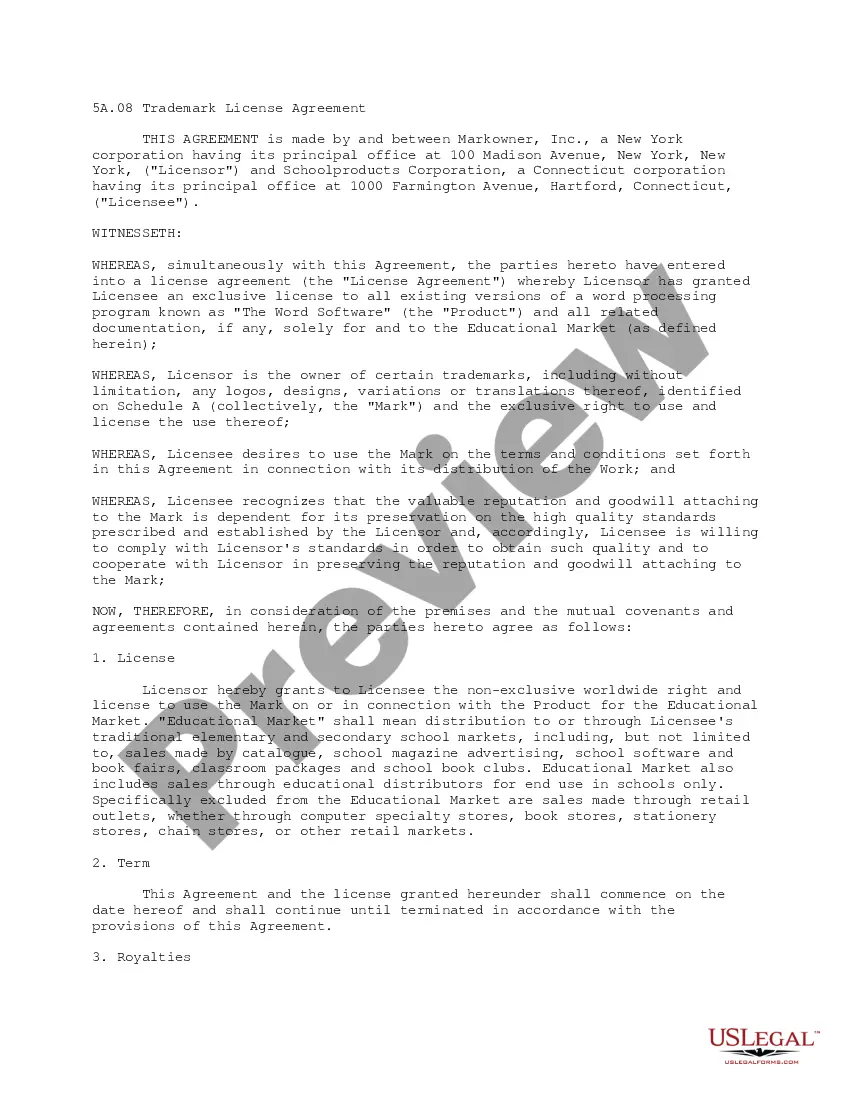
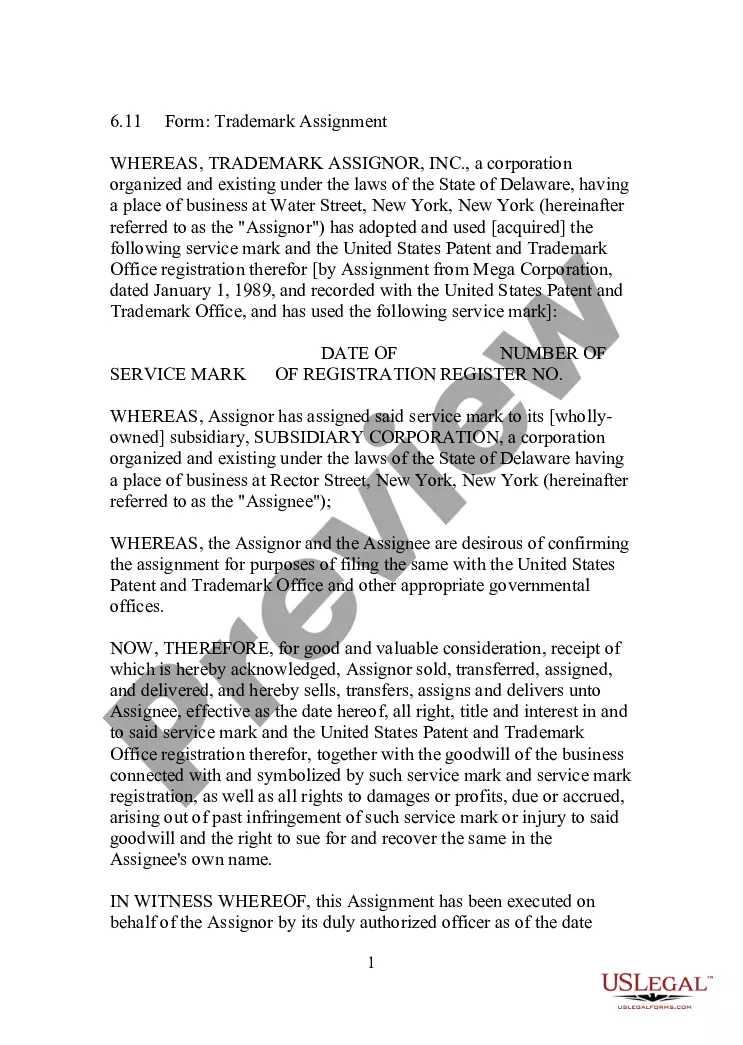
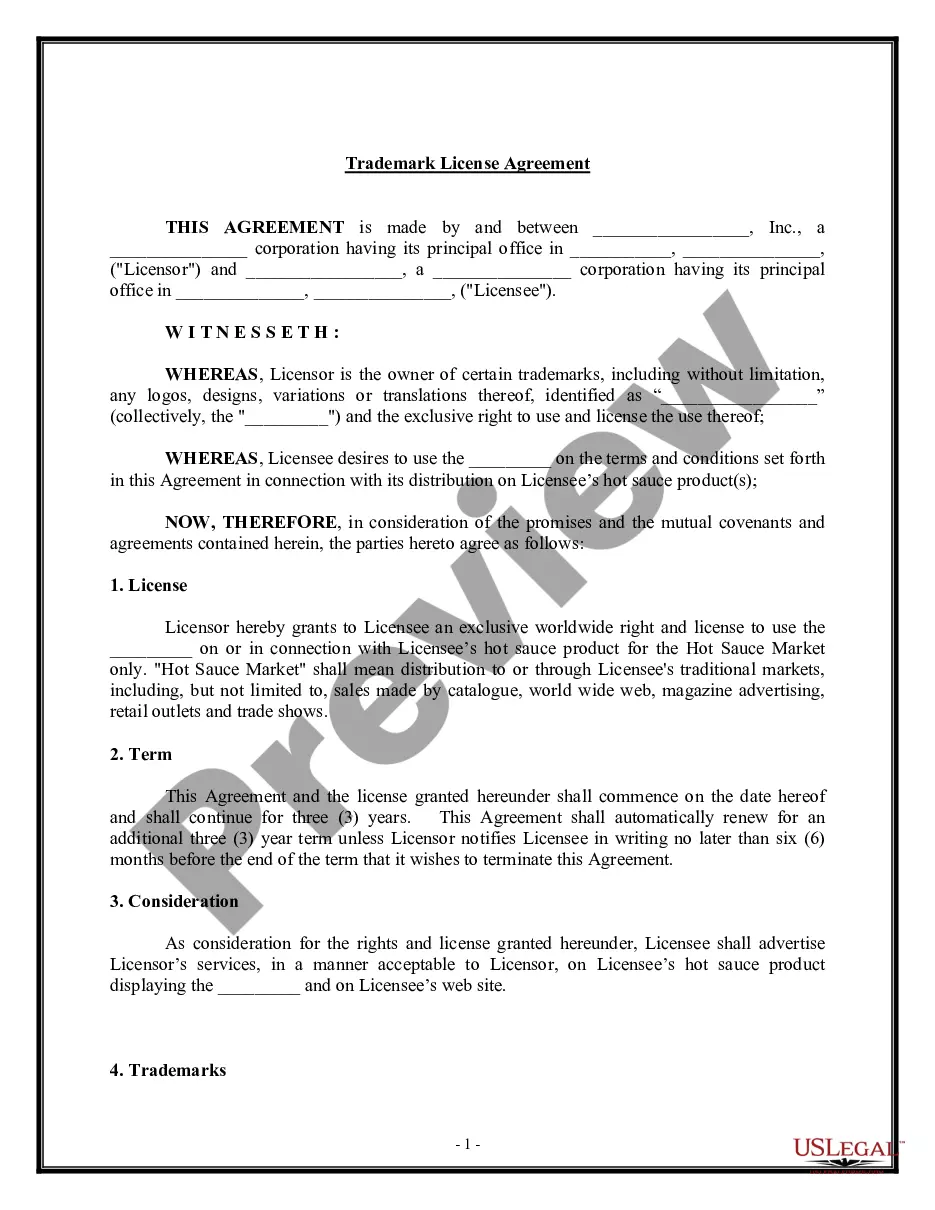
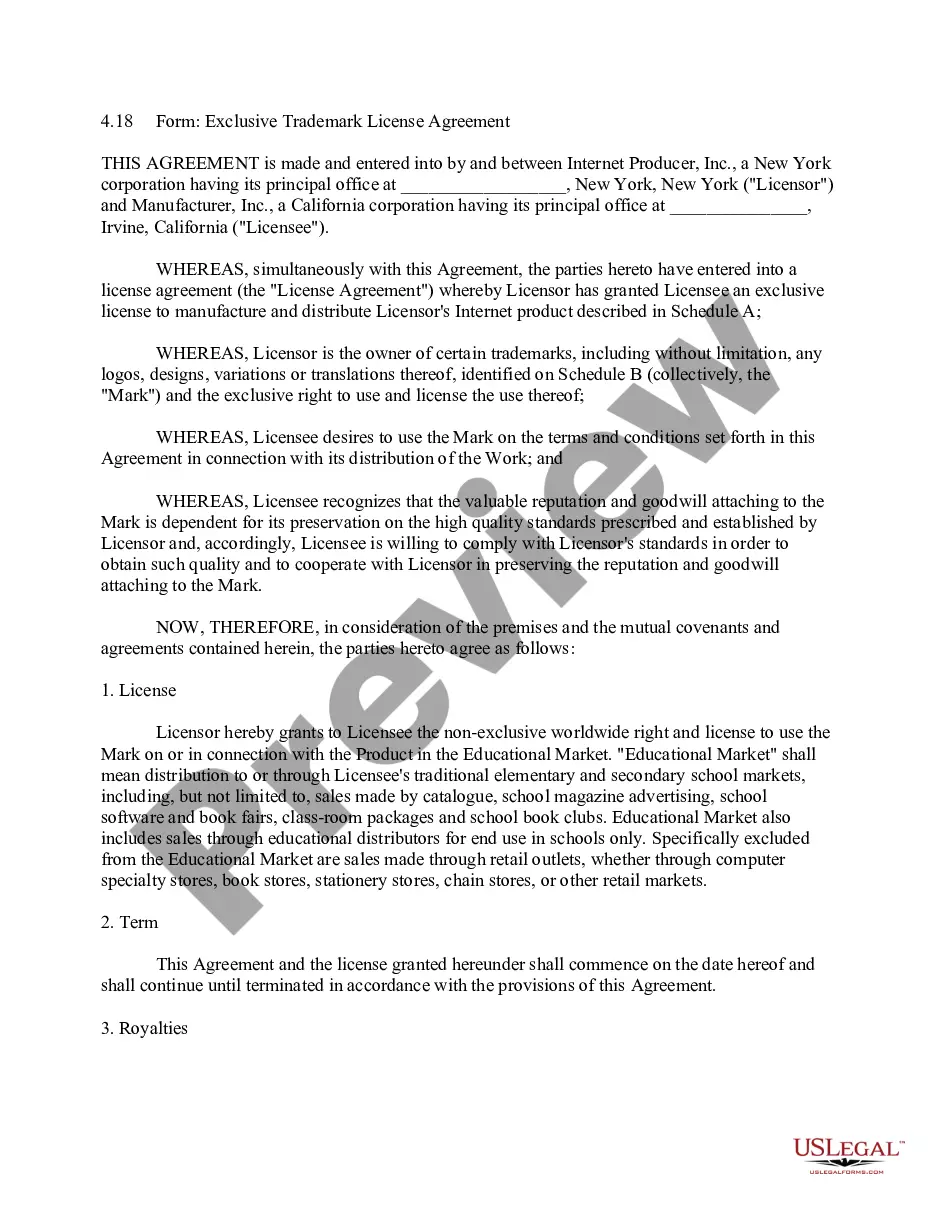
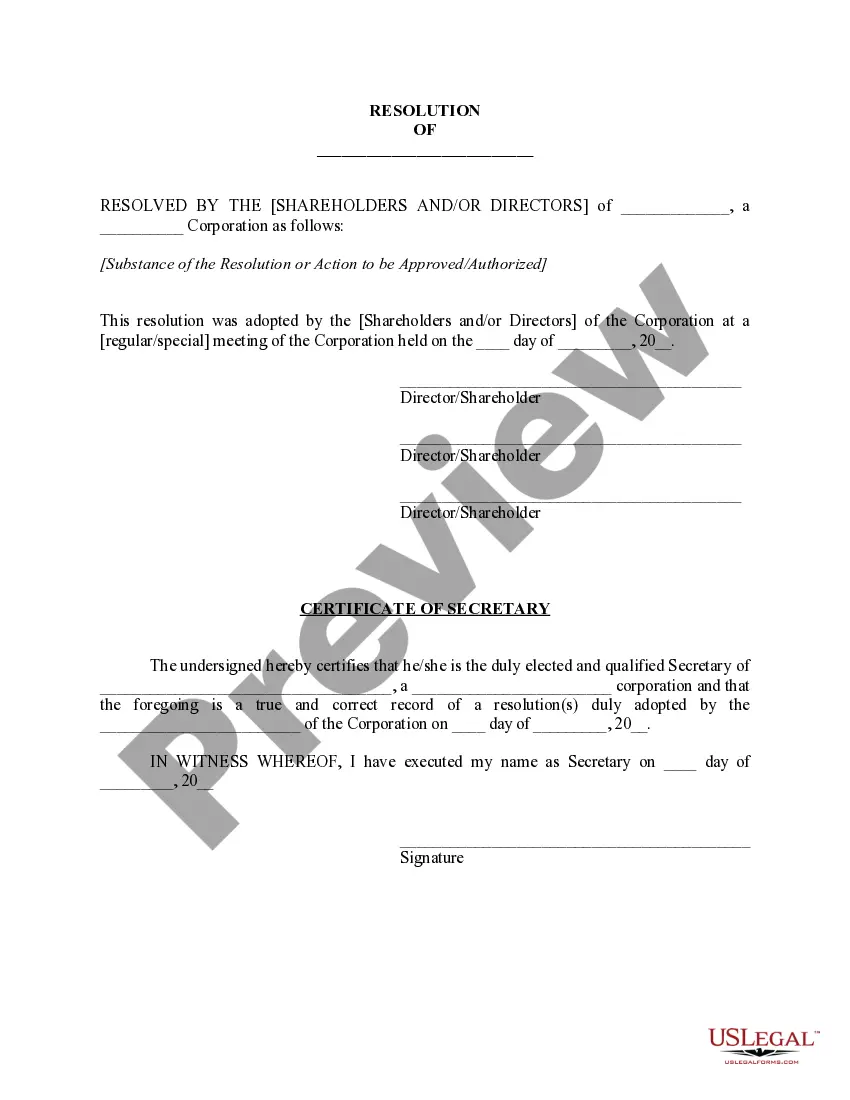

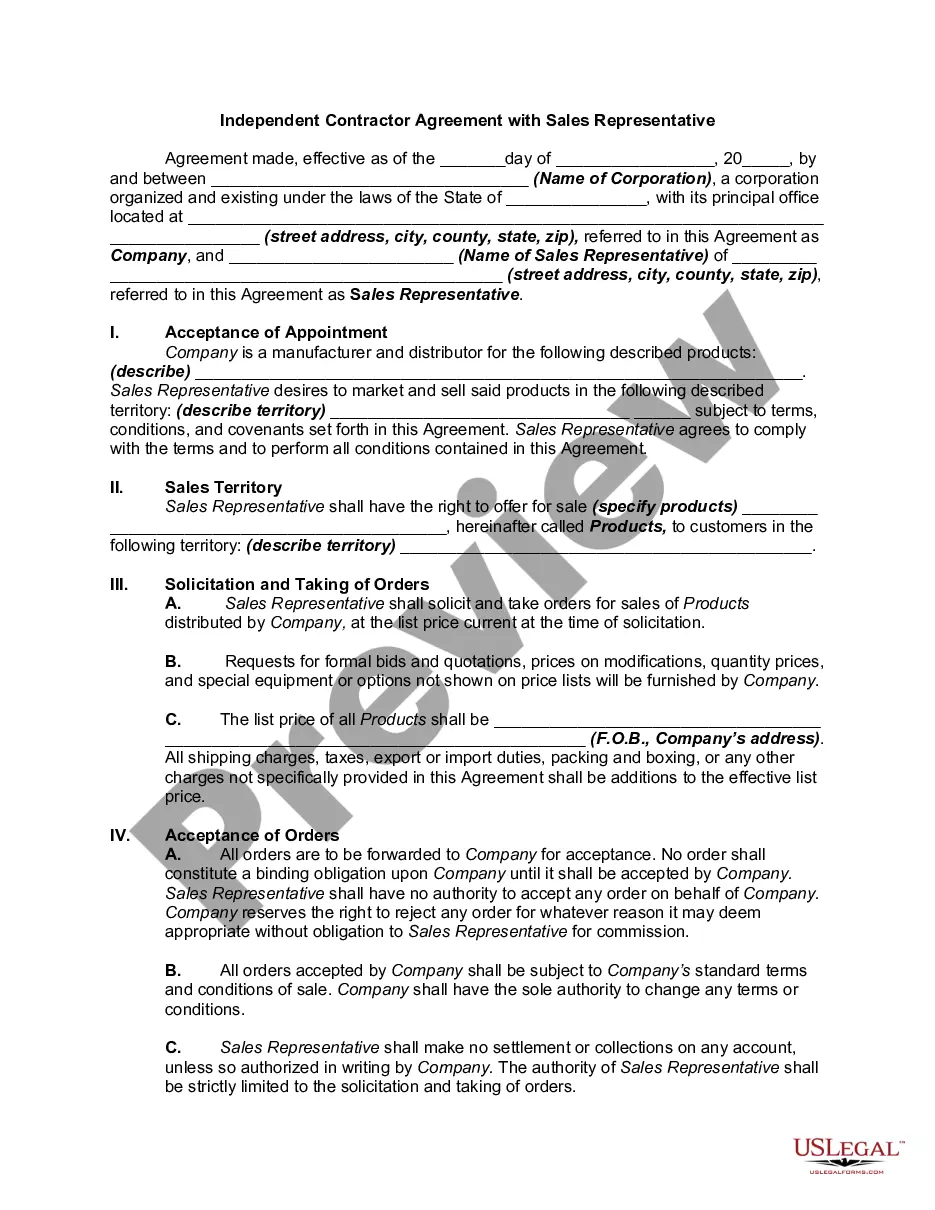

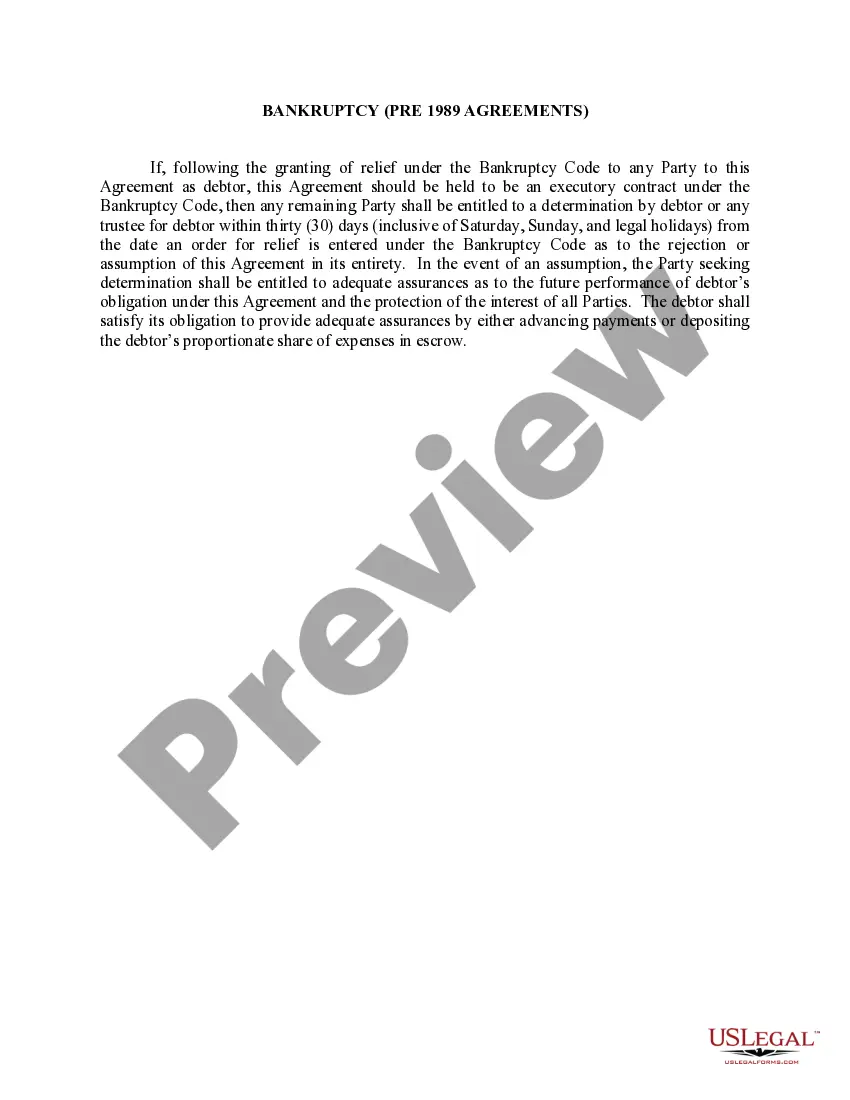
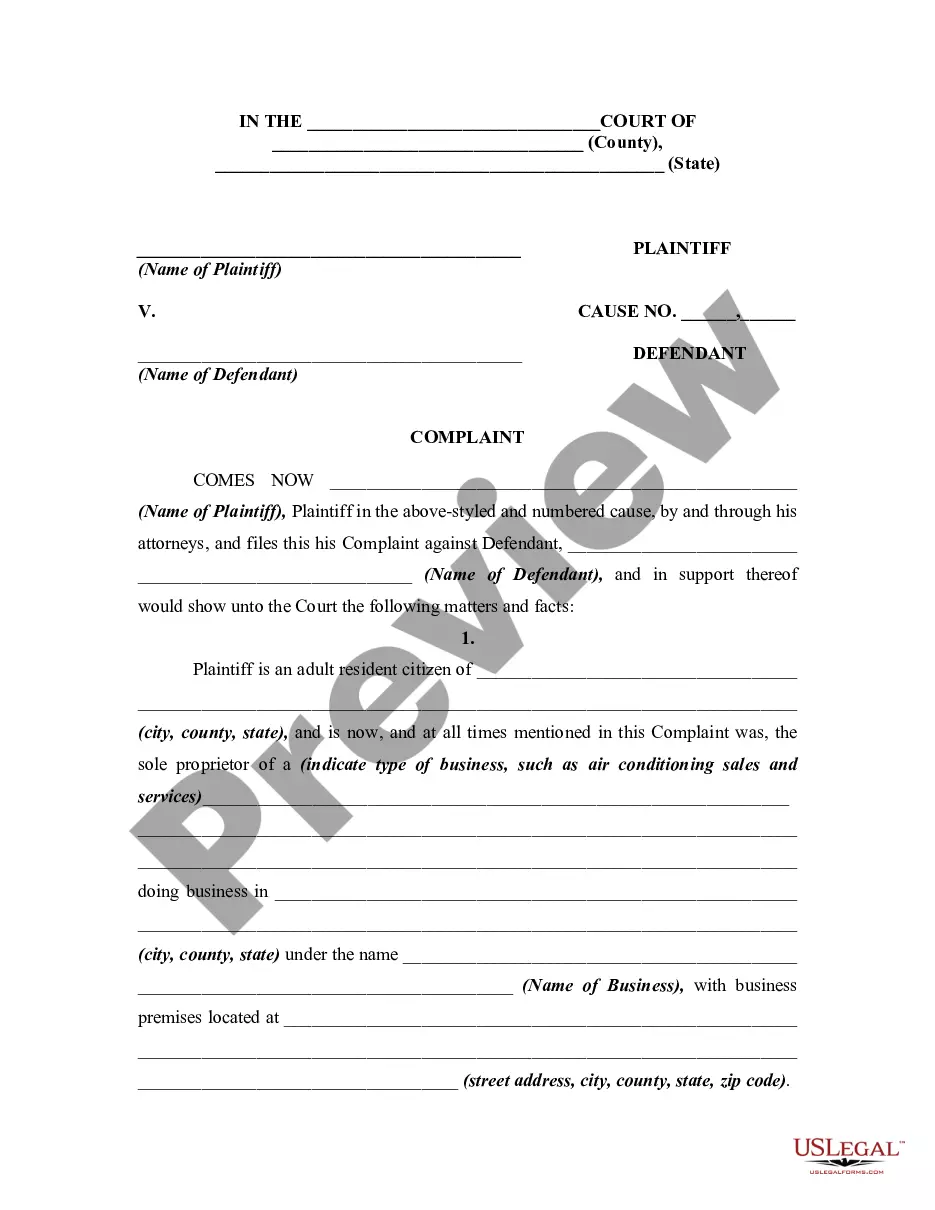
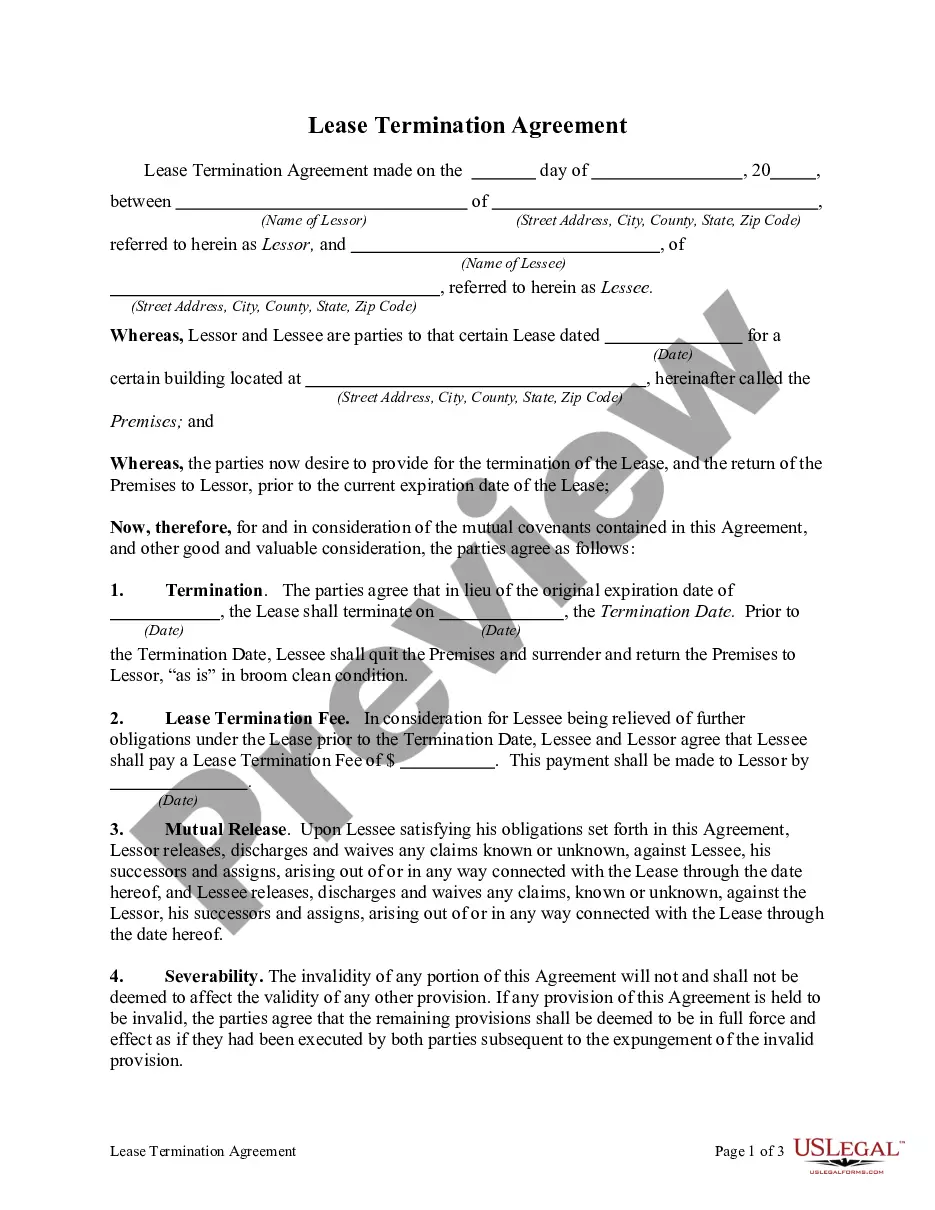
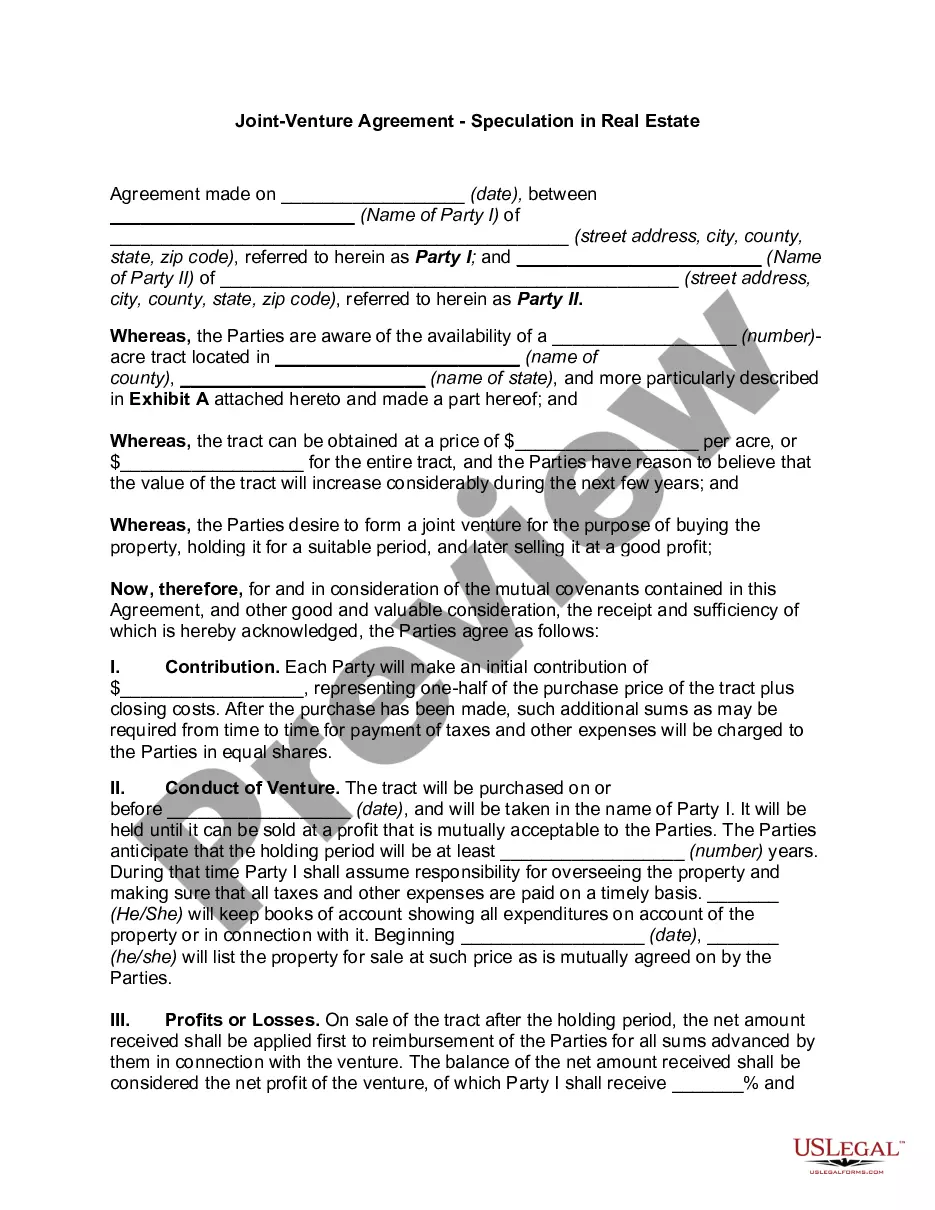

How to fill out Trademark License Representation Agreement?
Have you found yourself in a situation where you require documents for either business or personal matters almost every day.
There are numerous legal document templates accessible online, but finding reliable ones is challenging.
US Legal Forms provides a vast selection of document templates, such as the Connecticut Trademark License Representation Agreement, which are designed to comply with federal and state regulations.
Once you find the appropriate document, click on Get now.
Select the pricing plan you prefer, provide the required details to create your account, and complete the order using your PayPal or credit card.
- If you are already familiar with the US Legal Forms website and have an account, simply Log In.
- Then, you can download the Connecticut Trademark License Representation Agreement template.
- If you do not have an account and wish to start using US Legal Forms, follow these steps.
- Obtain the document you need and ensure it is suitable for your specific area/county.
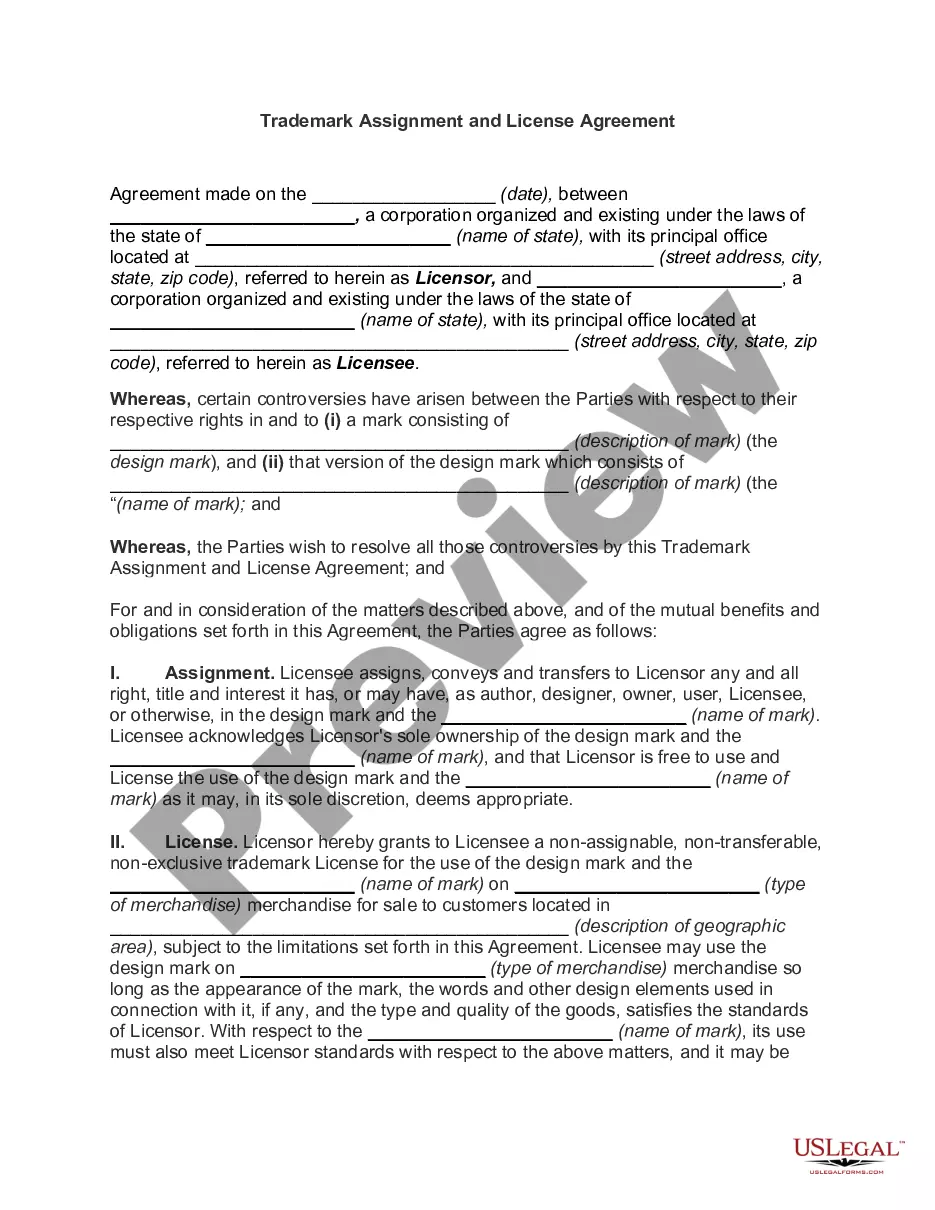
- Use the Preview button to examine the form.
- Review the details to confirm that you have selected the correct document.
- If the document is not what you are looking for, utilize the Search field to find the form that suits your needs and requirements.
Form popularity
FAQ
Trade mark licence agreement granting a licensee the right to sell products covered by a registered trade mark, drafted in favour of the licensor.
Key Takeaways. A licensing agreement allows one party (the licensee) to use and/or earn revenue from the property of the owner (the licensor). Licensing agreements generate revenues, called royalties, earned by a company for allowing its copyrighted or patented material to be used by another company.
A trademark license agreement allows the licensee to use (but not own) the licensor's trademark in connection with agreed-on products or services. Licensing can help a company expand into new markets effectively and easily while lending the licensee an established name and reputation.
Practitioners and licensing executives often refer to three basic types of voluntary licenses: non-exclusive, sole, and exclusive. A non-exclusive licence allows the licensor to retain the right to use the licensed property and the right to grant additional licenses to third parties.
A license agreement is a business contract between two parties. The licensor (the seller of the license) owns the asset being licensed and the licensee (the buyer) pays for the right to use the license. The licensee pays the owner in exchange for the right to sell the product or use the technology.
A licensed mark is a trademark that a franchisee, or other licensee, has obtained the right to display for a certain period of time. The licensee doesn't own the trademark, but the trademark owner has granted him the right to display the trademark for a limited time, and subject to certain conditions.
Most trademark license agreements aren't assignable, transferable or perpetual, and when you add in exclusive you get an agreement that looks much more like a transfer of all rights rather than a license.
In trademark licensing, a trademark owner (Licensor) grants permission to another (Licensee) to use that trademark on mutually agreed terms and conditions.
Licensing agreements ensure that you have legal permission to use another person's or business's property. For instance, if you were to use an artist's song in a commercial, you would need to sign a licensing agreement to legally do so.