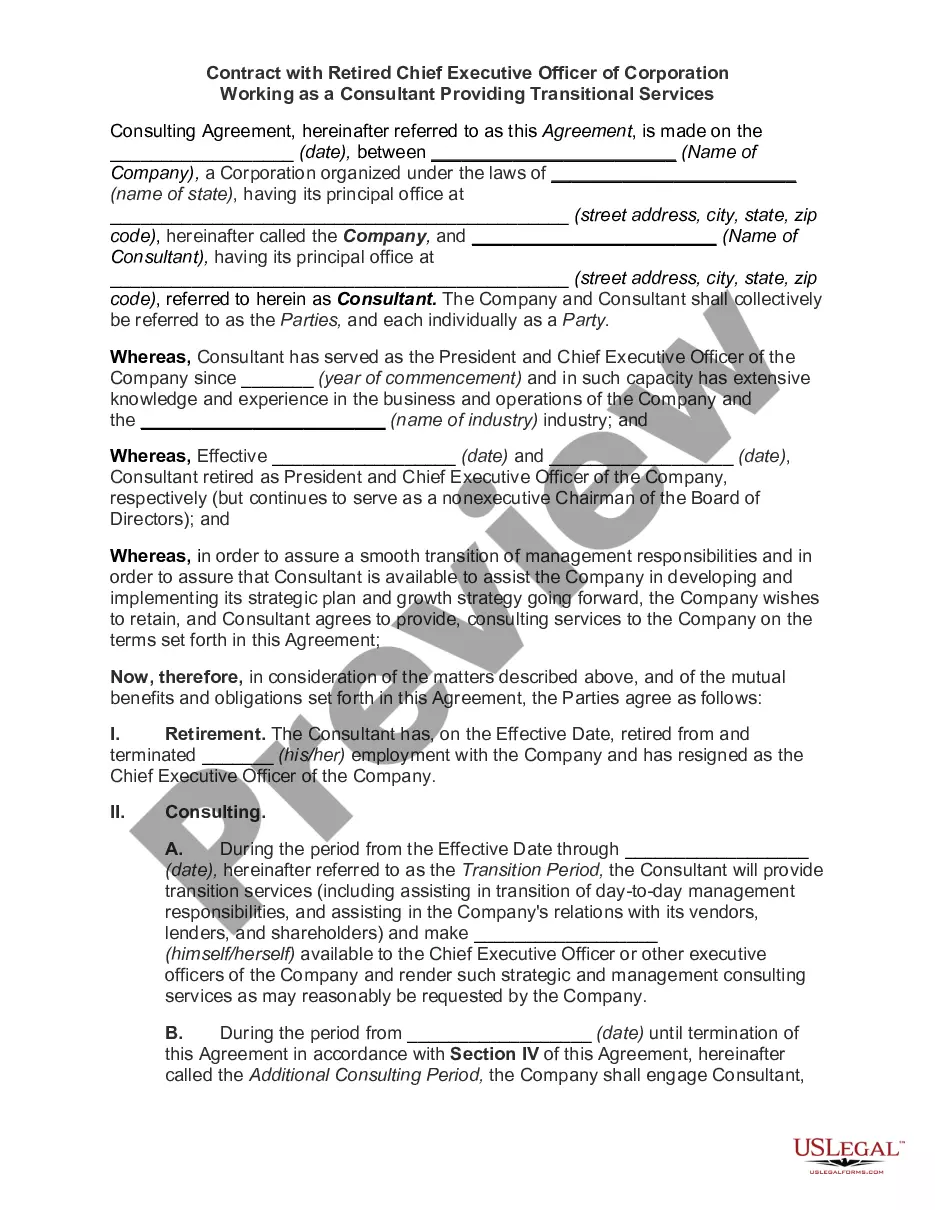
Connecticut Customer Confidentiality Agreement
Description
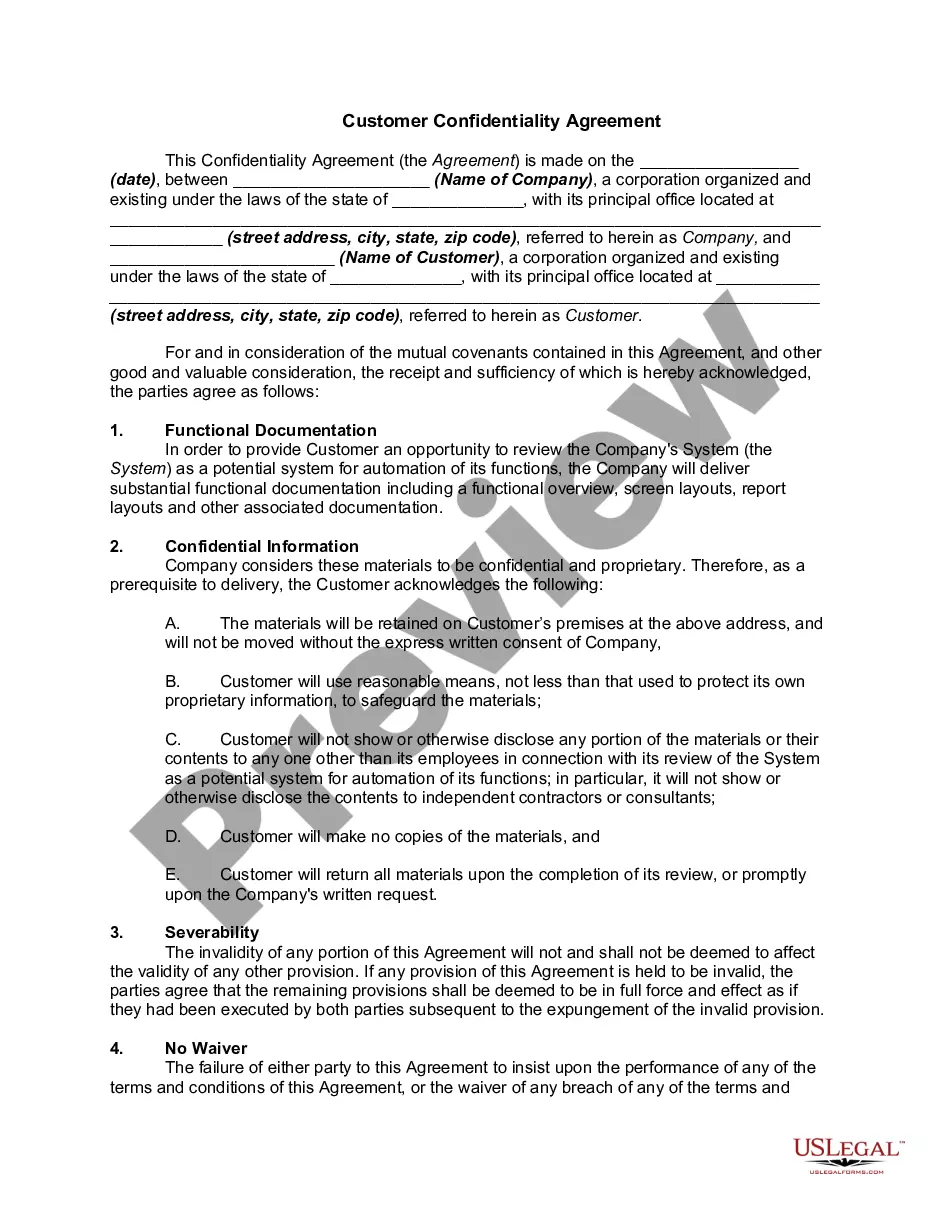
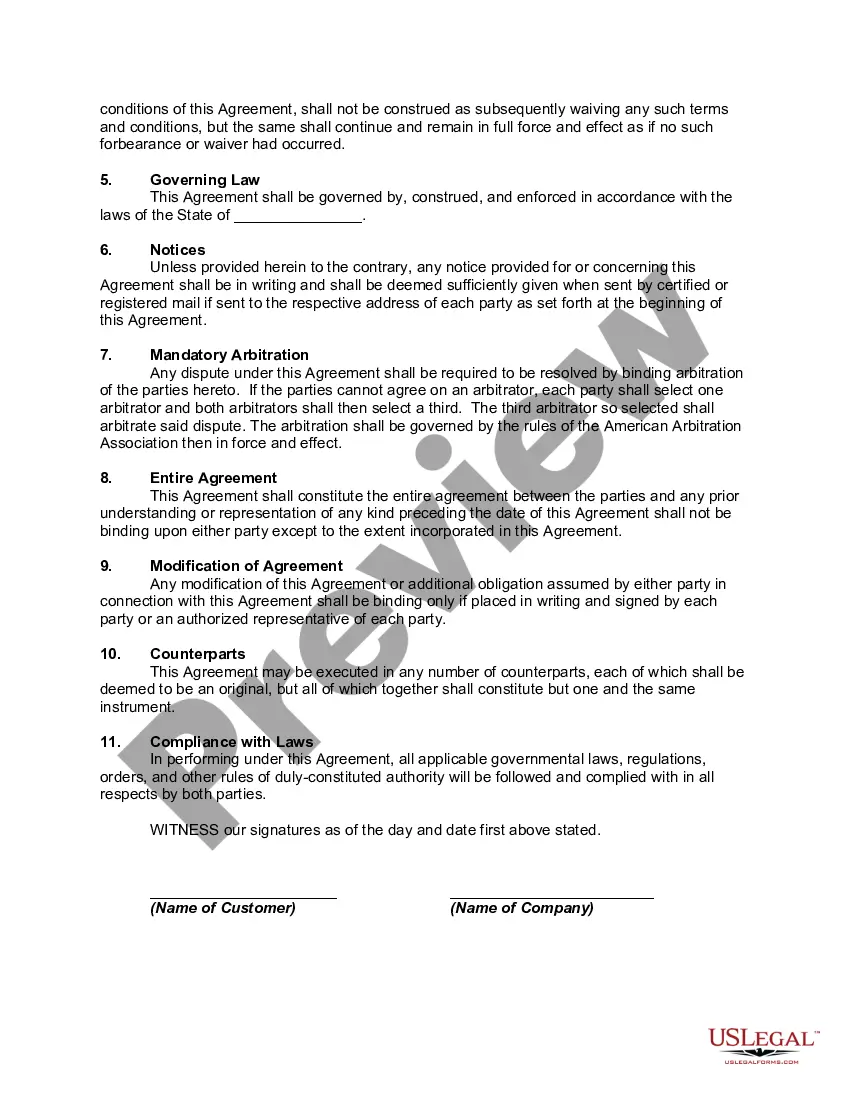

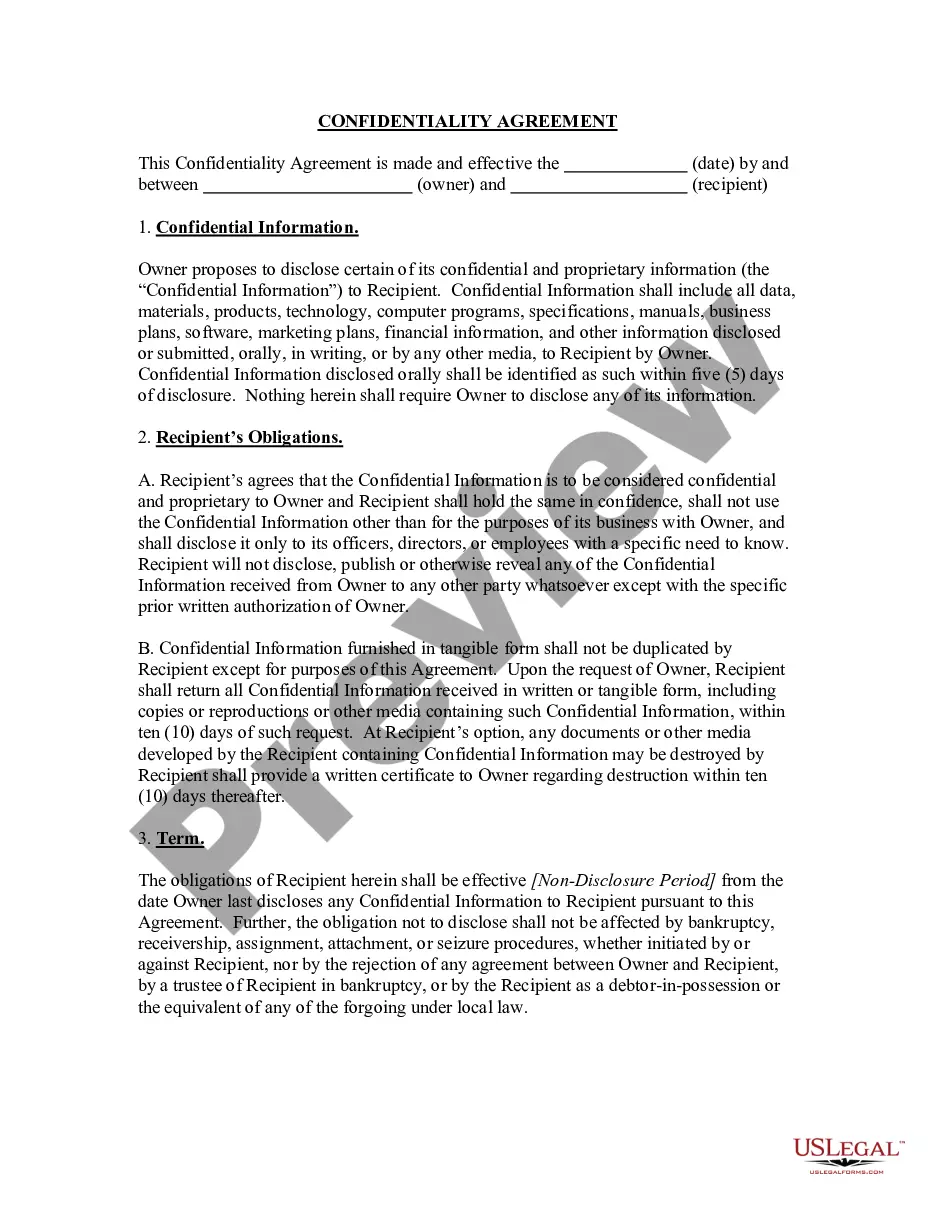
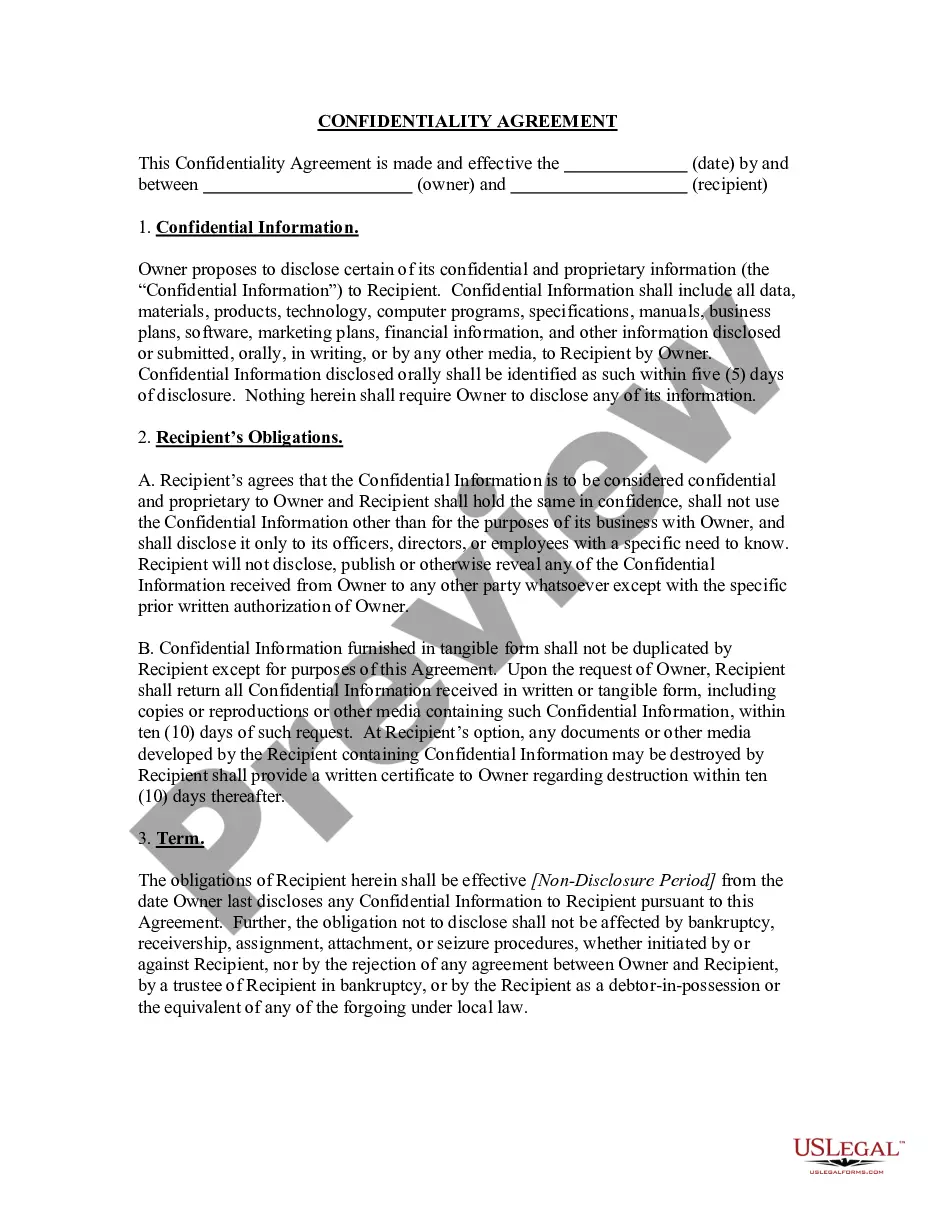
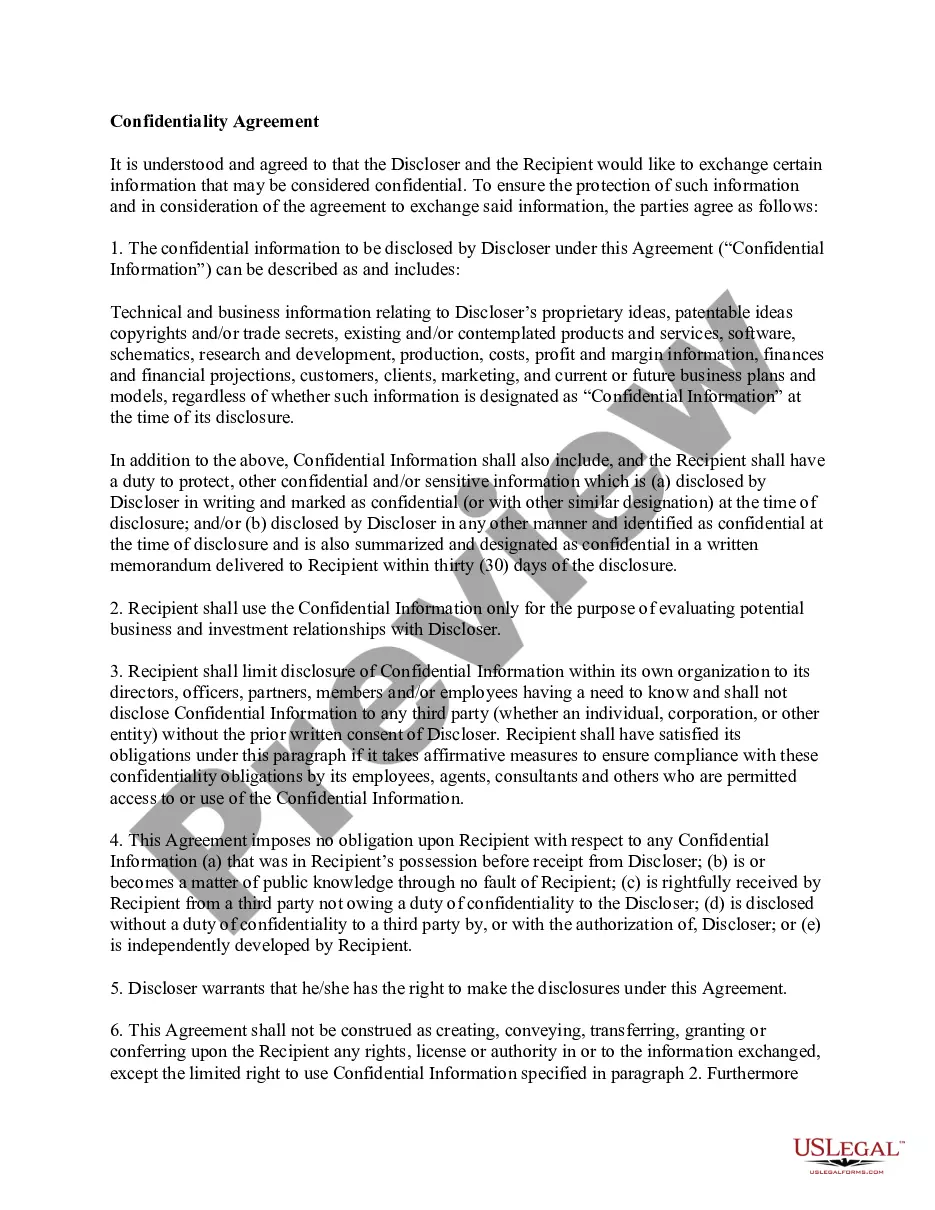
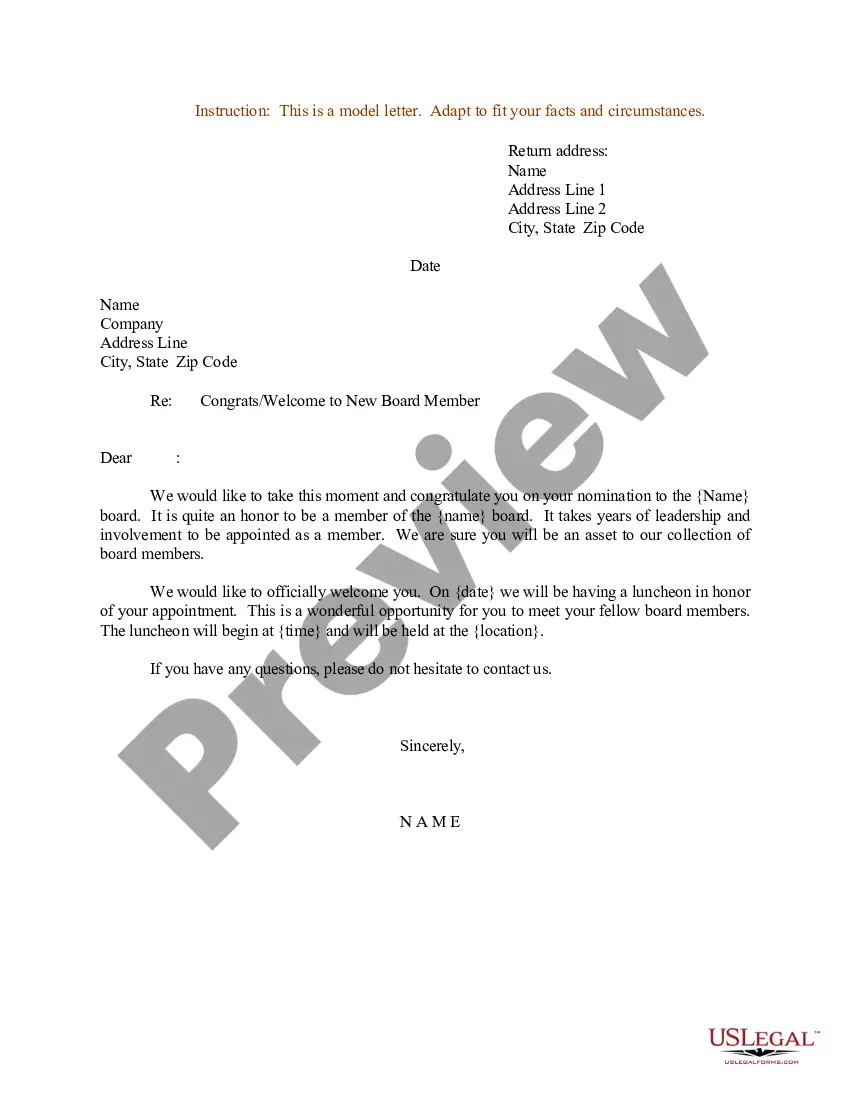
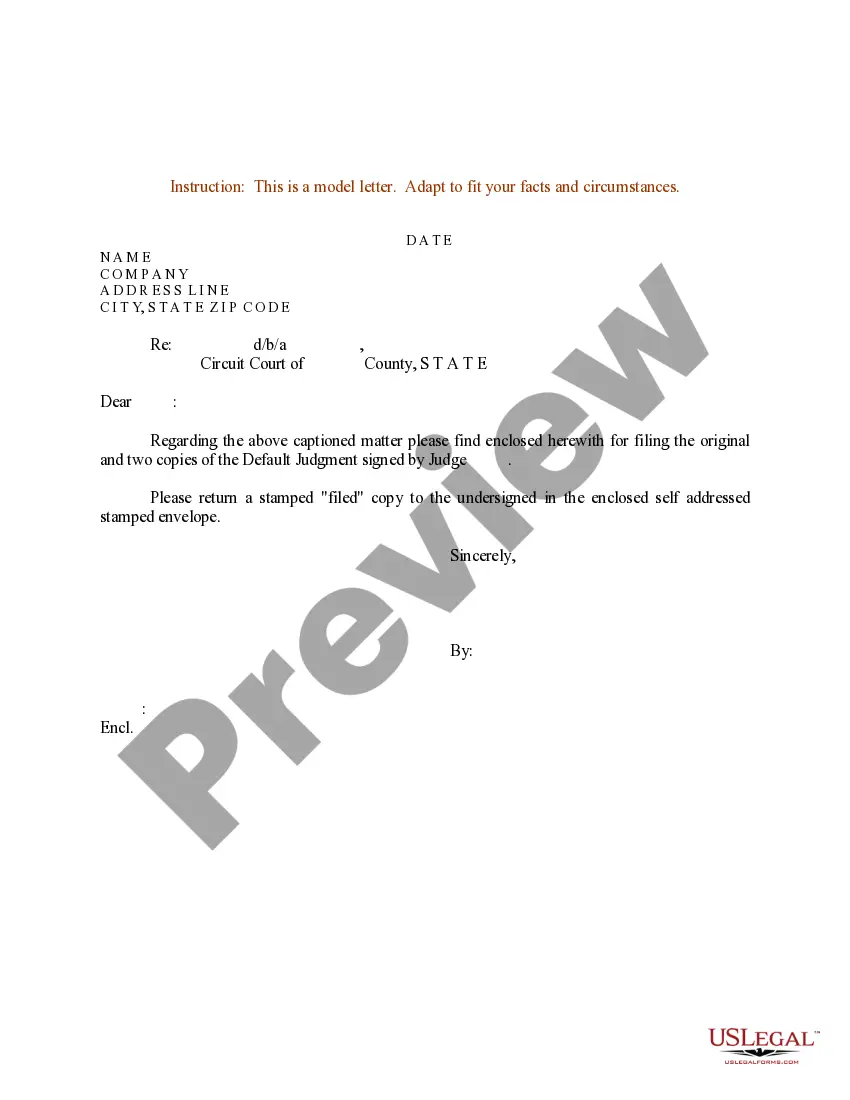

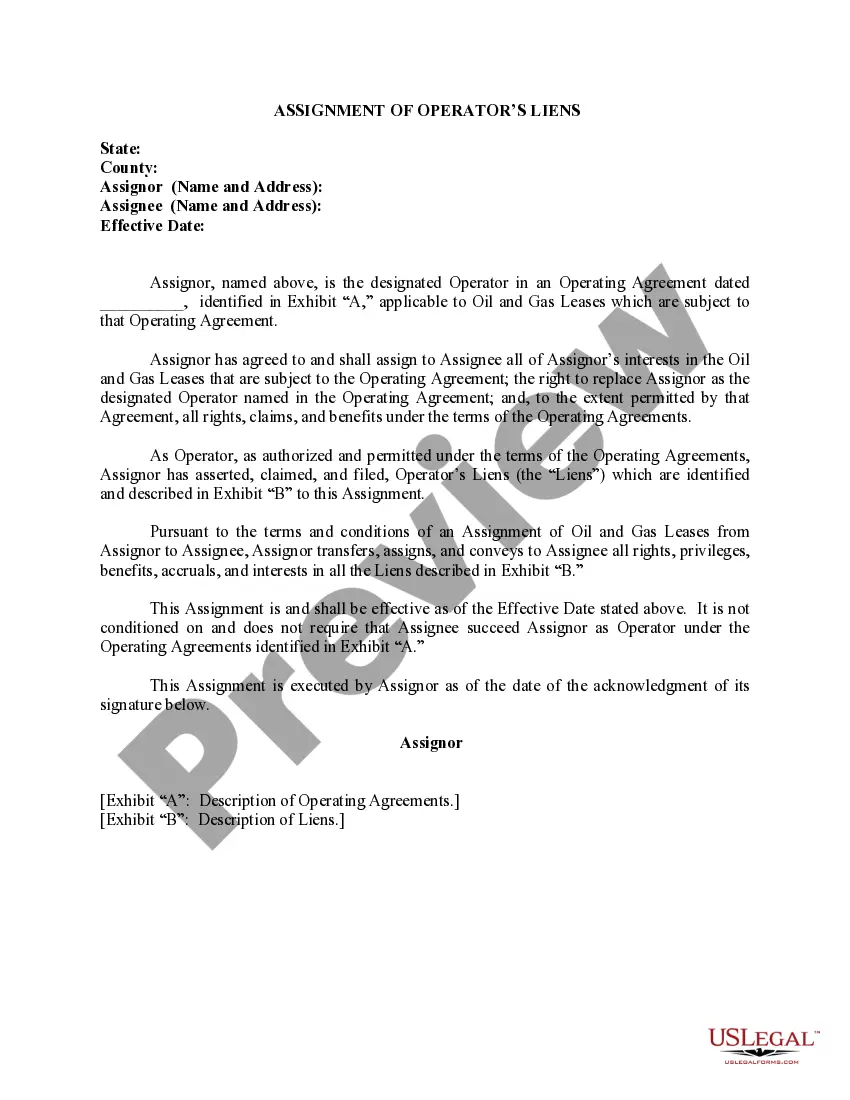

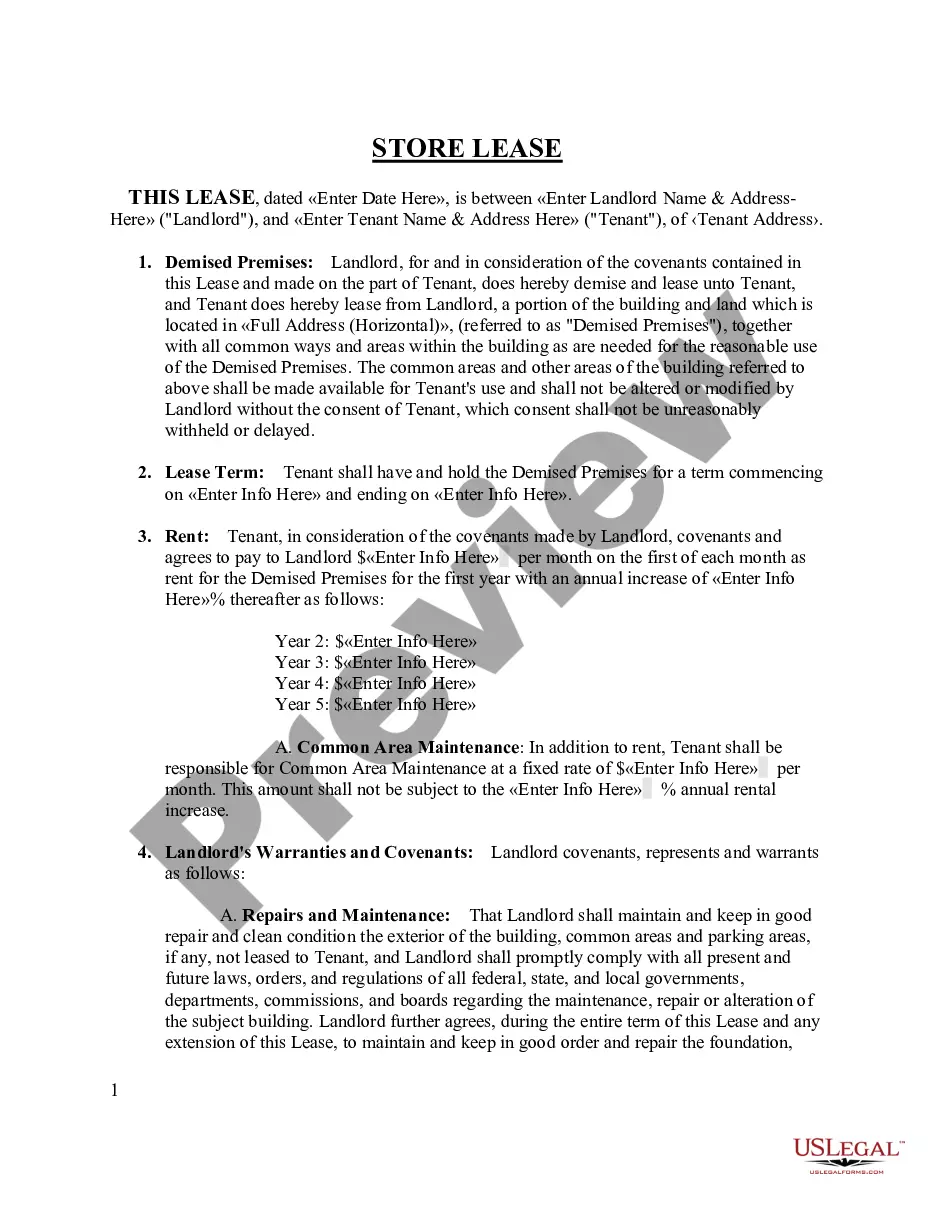
How to fill out Customer Confidentiality Agreement?
Selecting the most suitable legitimate document template can be a challenge.
Of course, there are numerous designs available online, but how do you locate the legitimate template you require.
Utilize the US Legal Forms website. The service offers thousands of templates, including the Connecticut Client Confidentiality Agreement, which can be utilized for both business and personal purposes.
You can preview the document using the Preview button and review the document details to ensure it is the right one for you.
- All of the forms are reviewed by experts and adhere to federal and state regulations.
- If you are already registered, Log In to your account and click on the Download button to find the Connecticut Client Confidentiality Agreement.
- Use your account to search through the legitimate forms you have previously purchased.
- Visit the My documents section of your account and obtain another copy of the document you need.
- If you are a new user of US Legal Forms, here are straightforward instructions to follow.
- First, ensure that you have selected the correct document for your state/region.
Form popularity
FAQ
An example of a confidentiality agreement is a document where one party agrees to keep the other party's proprietary information secret, such as client lists or business strategies. This agreement should outline the specific information considered confidential and the obligations of the parties involved. For practical examples, consider exploring templates offered by US Legal Forms that cater to Connecticut Customer Confidentiality Agreements.
A confidentiality agreement and a non-disclosure agreement (NDA) essentially serve the same purpose; however, the terms can vary by usage. Confidentiality agreements may be broader, covering various types of confidential information, while NDAs often focus specifically on proprietary data. Regardless of the terminology, both are crucial for protecting sensitive information, especially in a Connecticut Customer Confidentiality Agreement.
To write a basic confidentiality agreement, start by identifying the parties and detailing the confidential information. Clearly state the responsibilities of both parties in protecting that information. For added assurance, consider using templates from US Legal Forms, which can guide you in creating an effective Connecticut Customer Confidentiality Agreement.
Creating a confidentiality agreement involves outlining the confidential information, specifying the obligations of each party, and defining the scope and duration of the agreement. You should also include any applicable penalties for breaches. Using a structured platform like US Legal Forms can simplify the process of drafting your Connecticut Customer Confidentiality Agreement.
A client confidentiality agreement is a legal document that protects sensitive information shared between a client and a service provider. This type of agreement ensures that both parties keep confidential matters private. A Connecticut Customer Confidentiality Agreement is essential for building trust and safeguarding your business relationships.
Yes, you can create your own confidentiality agreement tailored to your specific needs. Make sure to include key components such as definitions, obligations, and duration. However, using a reliable source like US Legal Forms can provide you with the confidence that your Connecticut Customer Confidentiality Agreement meets legal standards.
Enforcing a confidentiality agreement requires clear documentation of the agreement and any breaches. When a violation occurs, the affected party should gather evidence and may seek legal remedies, such as mediation or court intervention. In Connecticut, a well-drafted Customer Confidentiality Agreement can strengthen your position in enforcing confidentiality.
To create a simple NDA, begin by identifying the parties involved and defining what information needs protection. Use clear language to outline the terms, including the duration of confidentiality and any exceptions. Utilizing a platform like US Legal Forms can help you draft a Connecticut Customer Confidentiality Agreement quickly and accurately, ensuring all essential elements are included.
A simple confidentiality agreement might include the following components: identification of the parties, description of the confidential information, obligations regarding that information, and the duration of confidentiality. For instance, it could state that both parties agree to keep shared information private and refrain from discussing it with others. You can easily find templates for such agreements on platforms like USLegalForms, aiding in crafting your Connecticut Customer Confidentiality Agreement.
Confidentiality agreements are generally enforceable in Connecticut, provided they meet specific legal requirements. Courts typically uphold agreements that are clear, reasonable, and serve a legitimate business interest. Nonetheless, it is critical to ensure that your Connecticut Customer Confidentiality Agreement adheres to state laws. Seeking professional guidance can help solidify your agreement's enforceability.