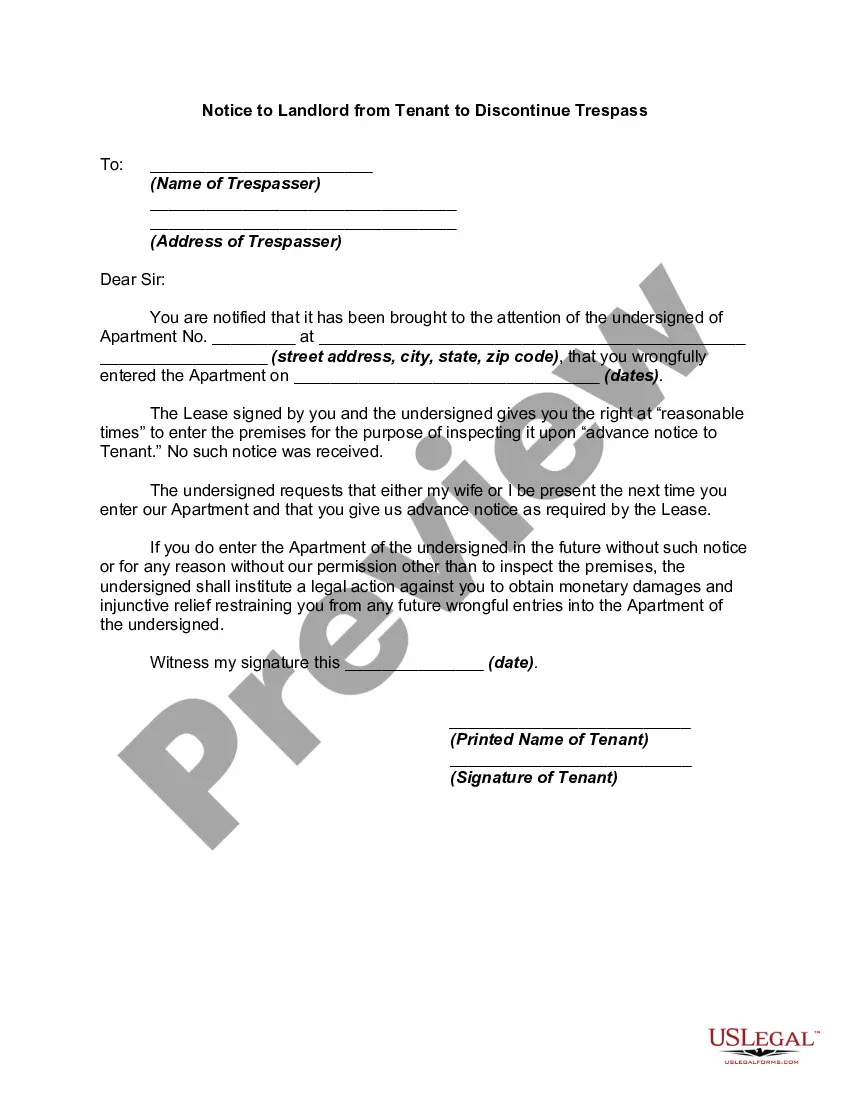
Connecticut Notice to Landlord from Tenant to Discontinue Trespass
Description
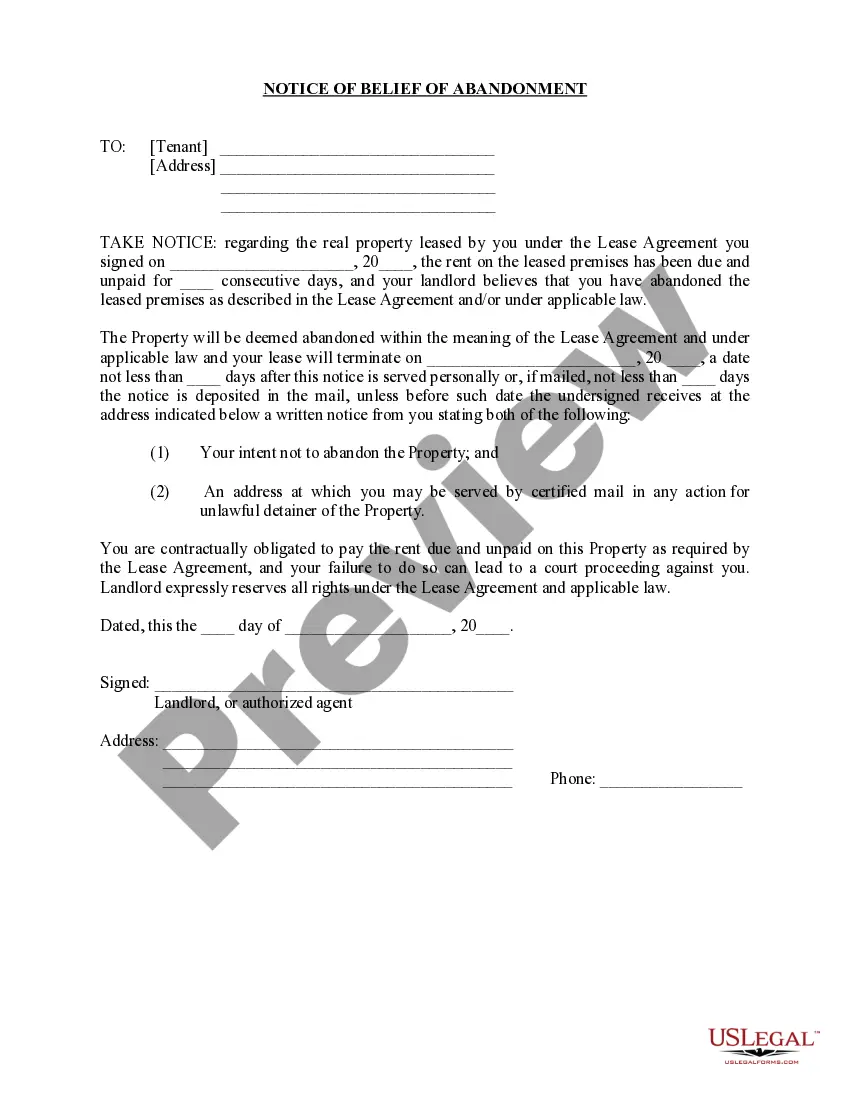

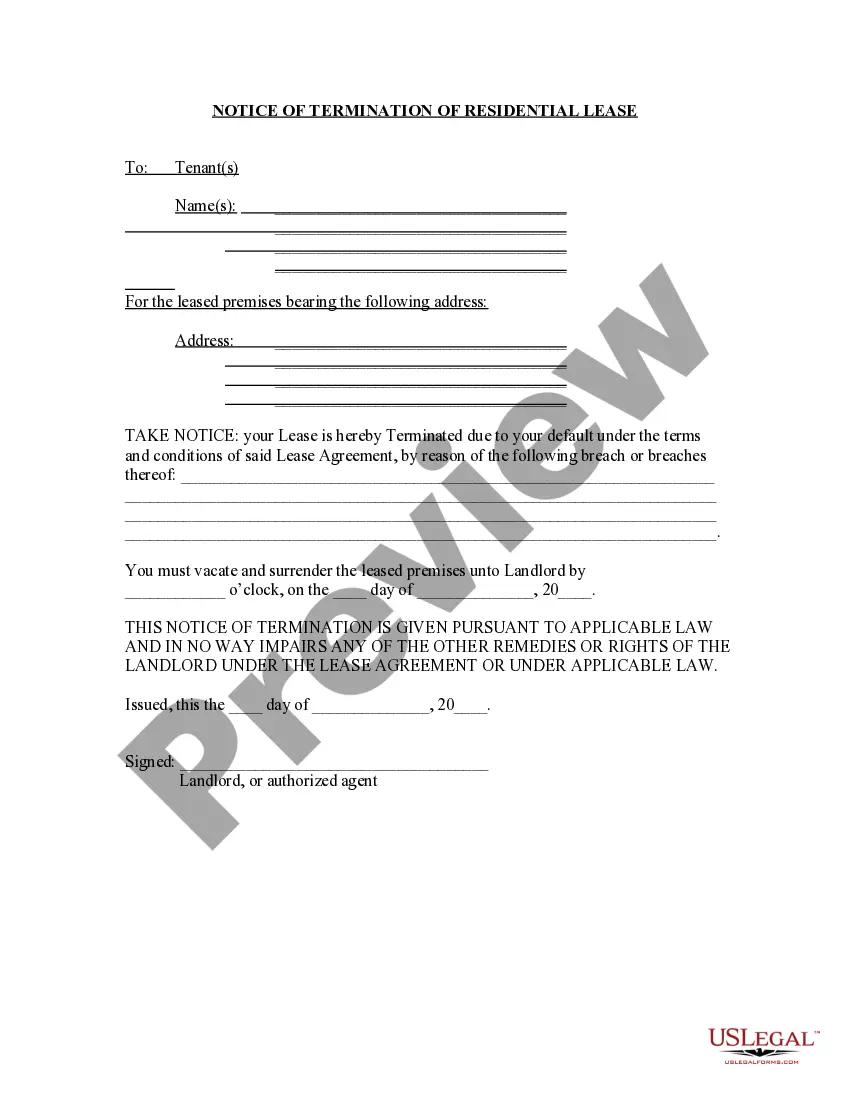
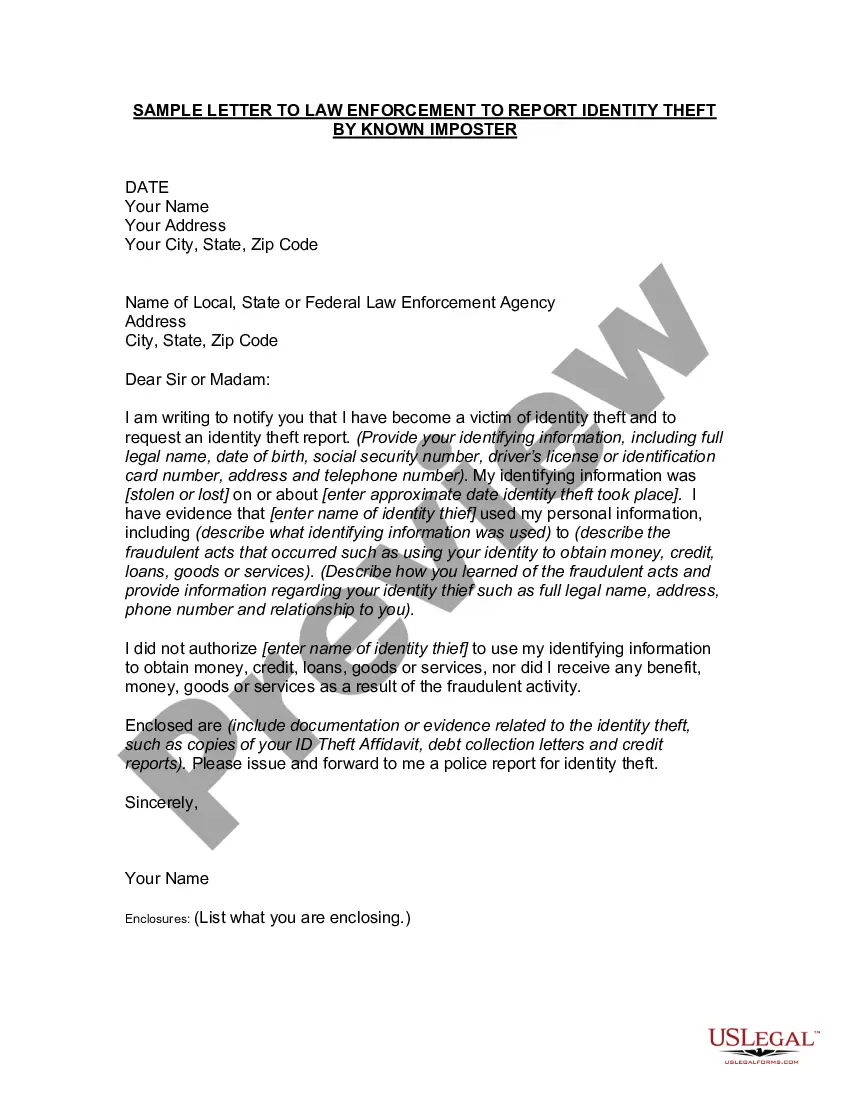
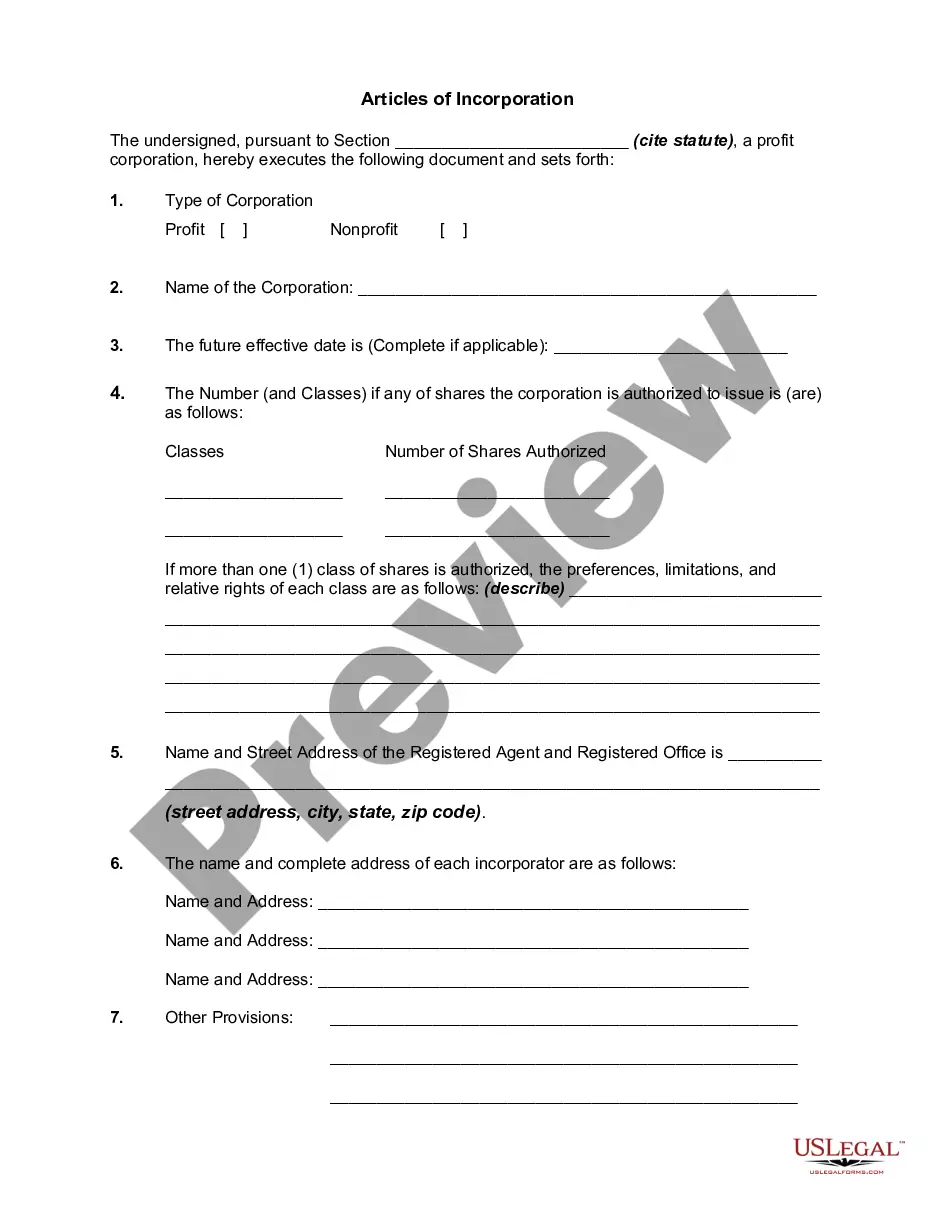
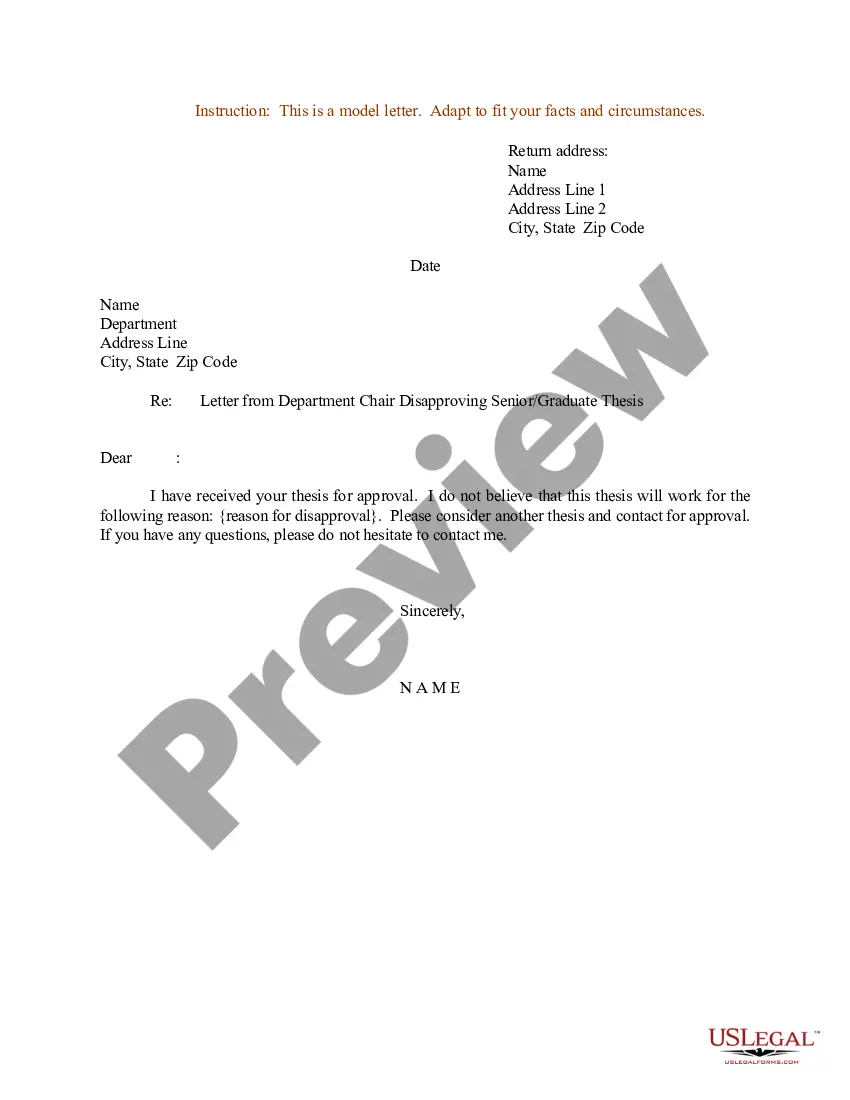
How to fill out Notice To Landlord From Tenant To Discontinue Trespass?
If you require comprehensive, acquire, or print legal document templates, utilize US Legal Forms, the most extensive collection of legal forms available online. Take advantage of the site's user-friendly and efficient search feature to locate the documents you need.
Various templates for commercial and personal purposes are organized by categories and states, or keywords. Use US Legal Forms to find the Connecticut Notice to Landlord from Tenant to Discontinue Trespass in just a few clicks.
If you are already a US Legal Forms user, Log In to your account and click the Download button to access the Connecticut Notice to Landlord from Tenant to Discontinue Trespass. You can also view forms you previously stored in the My documents section of your account.
Each legal document template you purchase is yours permanently. You will have access to every form you saved in your account. Visit the My documents section and select a form to print or download again.
Be proactive and obtain, and print the Connecticut Notice to Landlord from Tenant to Discontinue Trespass with US Legal Forms. There are numerous professional and state-specific forms available for your business or personal needs.
- Step 1. Ensure you have selected the form for the correct city/land.
- Step 2. Use the Preview mode to review the form's content. Don't forget to read the instructions.
- Step 3. If you are not satisfied with the form, utilize the Search field at the top of the screen to find alternative versions of the legal form template.
- Step 4. Once you have located the form you need, click the Buy now button. Select the pricing plan you prefer and enter your details to register for an account.
- Step 5. Complete the transaction. You can use your credit card or PayPal account to finalize the purchase.
- Step 6. Choose the format of your legal form and download it to your device.
- Step 7. Complete, modify, and print or sign the Connecticut Notice to Landlord from Tenant to Discontinue Trespass.
Form popularity
FAQ
Giving a quit notice involves creating a formal document that states the intention to terminate a lease or tenancy. Make sure to include relevant details such as the date, tenant's name, and the grounds for the notice. Utilizing a proper Connecticut Notice to Landlord from Tenant to Discontinue Trespass will enhance the clarity and legality of your notice. Consider using trusted legal form platforms to create a well-structured quit notice tailored to your situation.
To serve a notice to quit in Connecticut, follow the methods specified by state law. You can deliver the notice directly to the tenant, post it on the door, or send it through certified mail to ensure proof of delivery. A well-crafted Connecticut Notice to Landlord from Tenant to Discontinue Trespass will help clarify the reasons for your request and the actions you wish the landlord to take. Consulting legal forms can provide additional guidance for this process.
Serving a notice to quit in Connecticut can be done in several ways, including personal delivery, leaving the notice at the premises, or sending it via certified mail. It's essential to keep a record of how and when you delivered the notice. Your Connecticut Notice to Landlord from Tenant to Discontinue Trespass should be clear and concise, outlining the reasons for the notice. Proper procedure ensures that the notice is legally valid and can help avoid complications later.
In Connecticut, the amount of notice a landlord must provide varies depending on the lease terms and the reason for termination. Generally, a 30-day notice is standard for month-to-month leases. If specific violations occur, such as non-payment of rent, the timeframe can be as short as 3 days. Understanding your rights regarding Connecticut Notice to Landlord from Tenant to Discontinue Trespass can help you navigate these situations more effectively.
A notice to quit may be deemed invalid in Connecticut if it does not comply with state laws. Common issues include improper delivery, lack of specific grounds for eviction, and insufficient notice period. It's crucial to ensure that your Connecticut Notice to Landlord from Tenant to Discontinue Trespass clearly outlines the necessity for the notice and is delivered appropriately. Consulting legal forms can help ensure your notice meets all necessary legal criteria.
A notice to vacate and an eviction notice serve different purposes in the tenant-landlord relationship. A notice to vacate informs the landlord that the tenant intends to leave the property, providing a clear timeline for departure. On the other hand, an eviction notice is a legal document that notifies the tenant of the landlord's intention to remove them from the property due to lease violations, like non-payment of rent. Understanding these differences is essential, especially when dealing with situations requiring a Connecticut Notice to Landlord from Tenant to Discontinue Trespass, as it helps in making informed decisions about tenancy.
A notice to quit is a document from a landlord asking a tenant to leave the property, while an eviction notice is typically a legal step taken after this notice if the tenant does not comply. The notice to quit gives tenants an opportunity to address any issues, such as unpaid rent, before eviction proceedings are initiated. Understanding this distinction can help you navigate the process more effectively and ensure that you respond appropriately if you receive a Connecticut Notice to Landlord from Tenant to Discontinue Trespass.
To fight a notice to quit in Connecticut, first, you must respond promptly, ideally within the notice timeframe. Gather evidence to support your case—such as payment receipts or communications with your landlord. You can also consult legal advice or utilize resources like US Legal Forms, where you can find templates to assist in forming your defense. Having a solid understanding of the Connecticut Notice to Landlord from Tenant to Discontinue Trespass is crucial.
In Connecticut, a notice to quit is usually valid for a minimum of three days, but this can vary based on the reason for the notice. For example, if the notice pertains to non-payment of rent, the landlord must provide a specific timeframe before proceeding with further actions. Always ensure that the notice adheres to state laws for it to be enforceable. Using the right documentation and templates can streamline this process.
A notice to vacate can be deemed invalid for several reasons. If it lacks the necessary information, such as the tenant's name, address, or specific details of the notice, it may not hold up in court. Additionally, if the notice fails to comply with Connecticut law regarding timelines or proper delivery, it may be invalid. Using a proper Connecticut Notice to Landlord from Tenant to Discontinue Trespass can help avoid these issues.