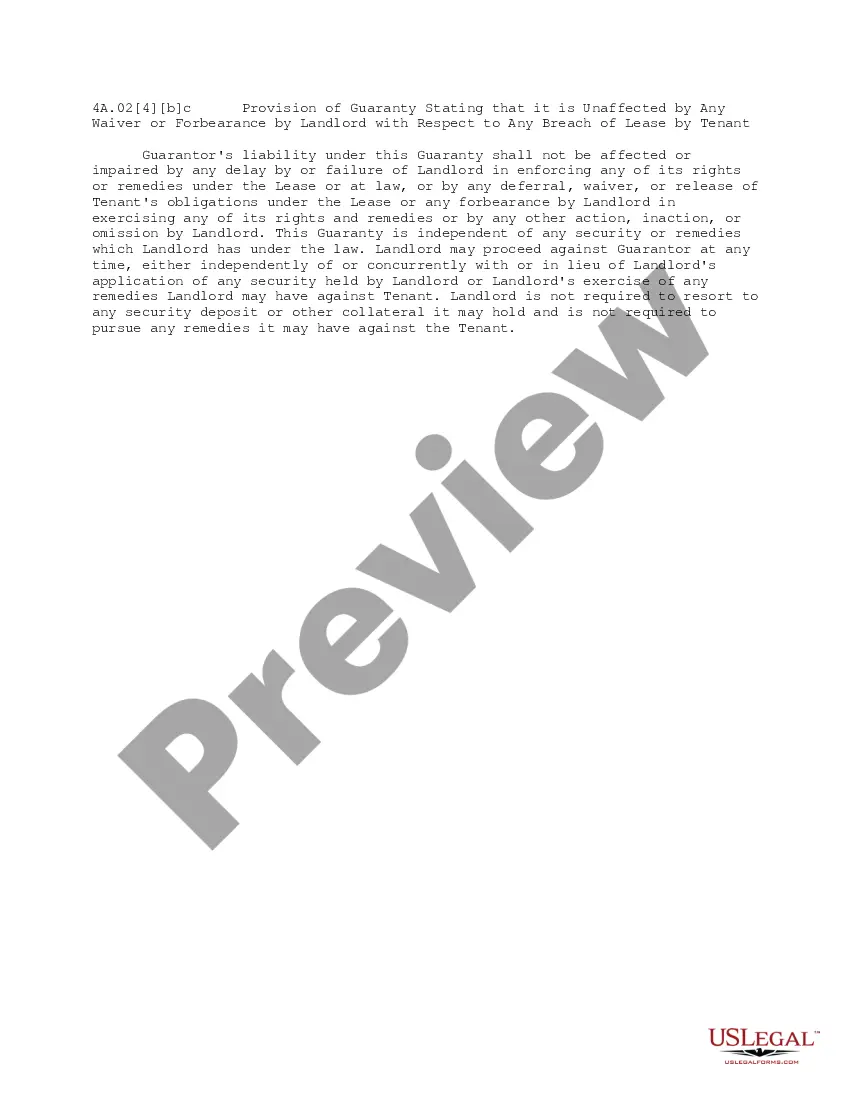
Connecticut Agreement to Lease to Tenant in Future Shopping Center
Description
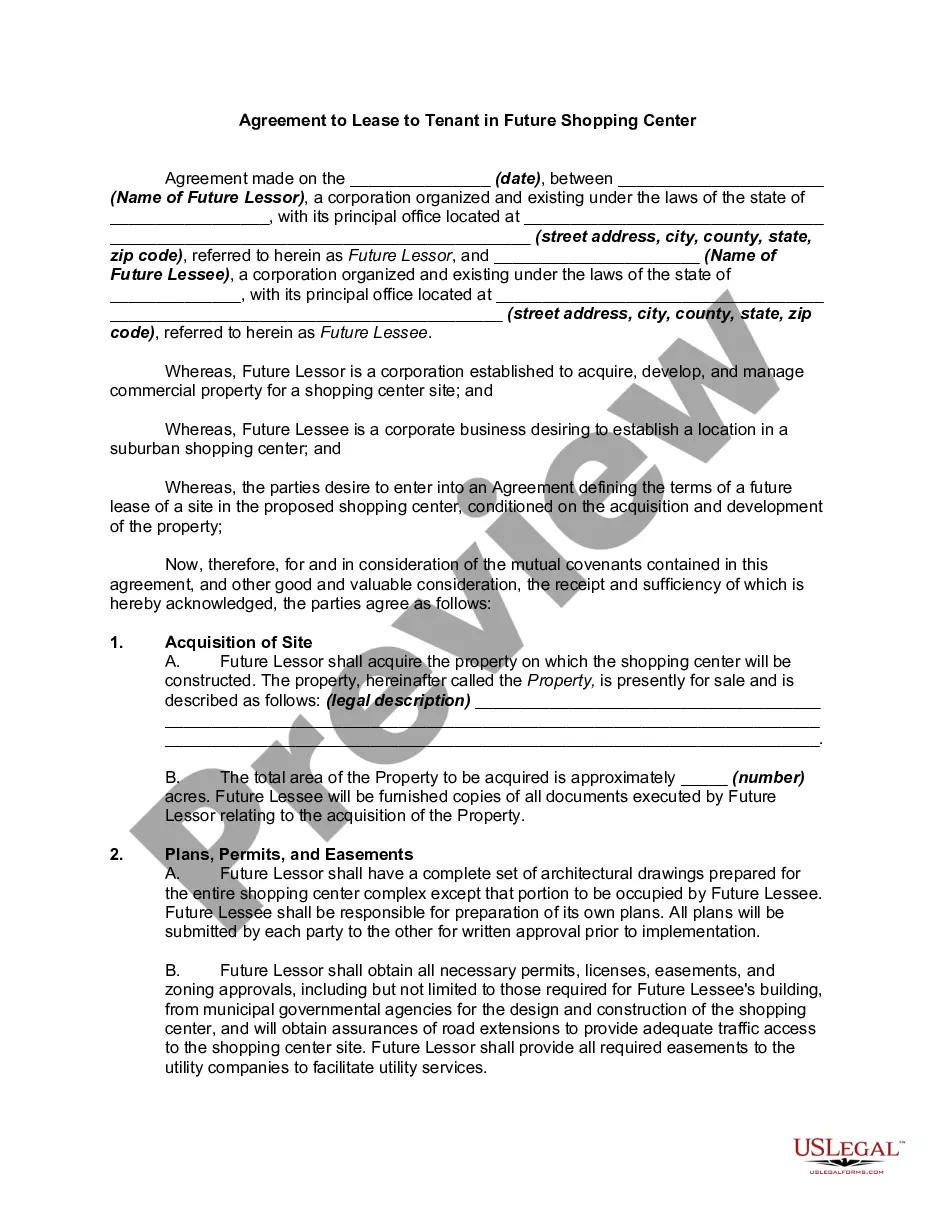
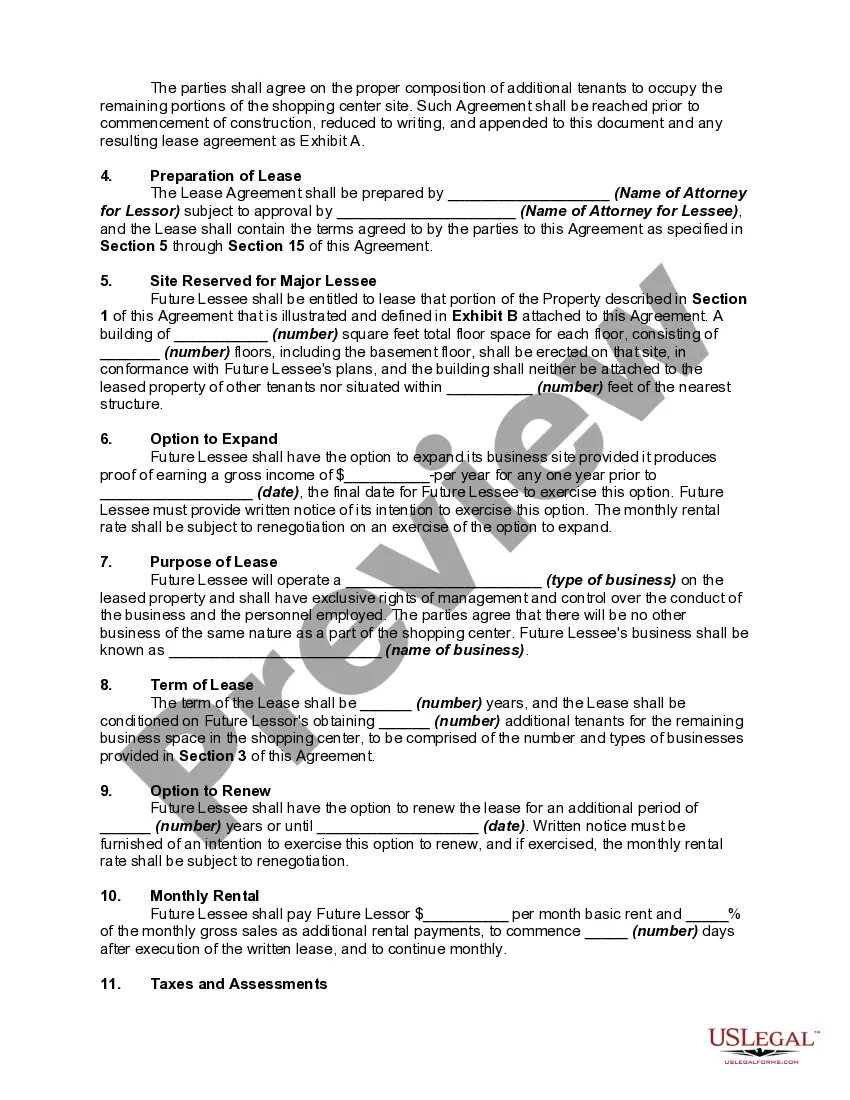
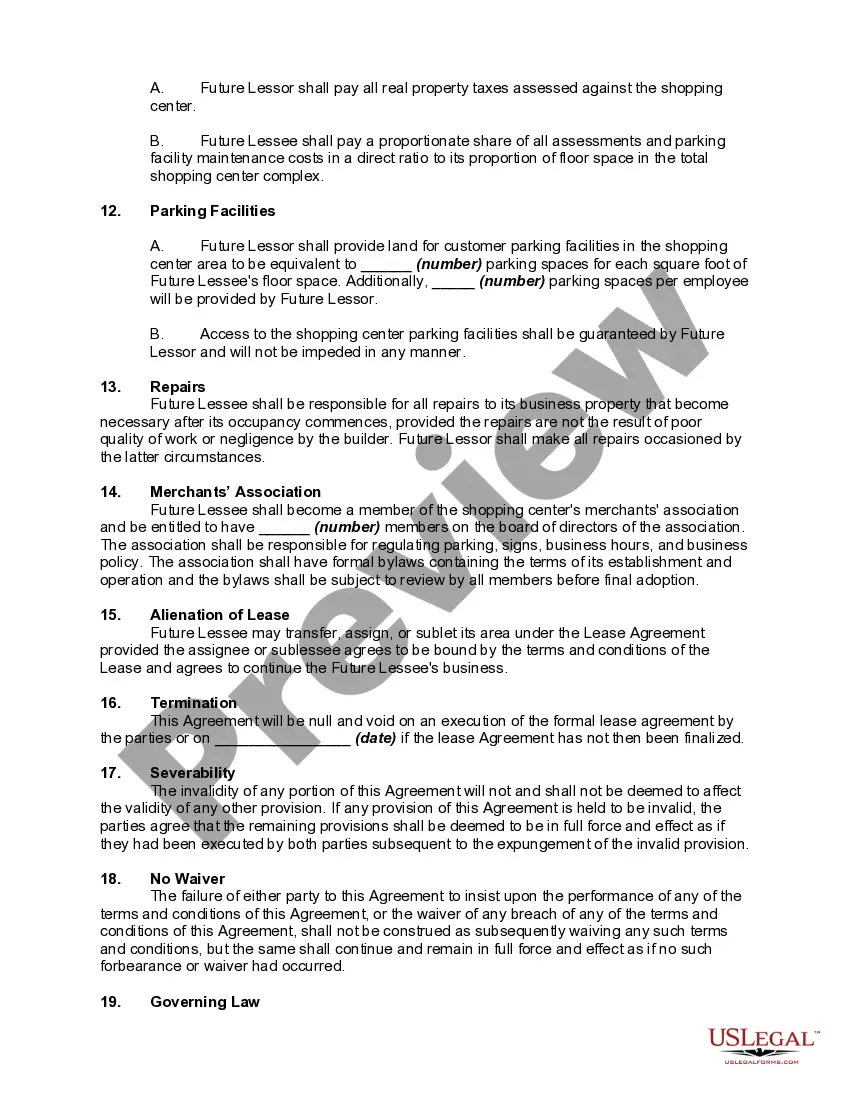
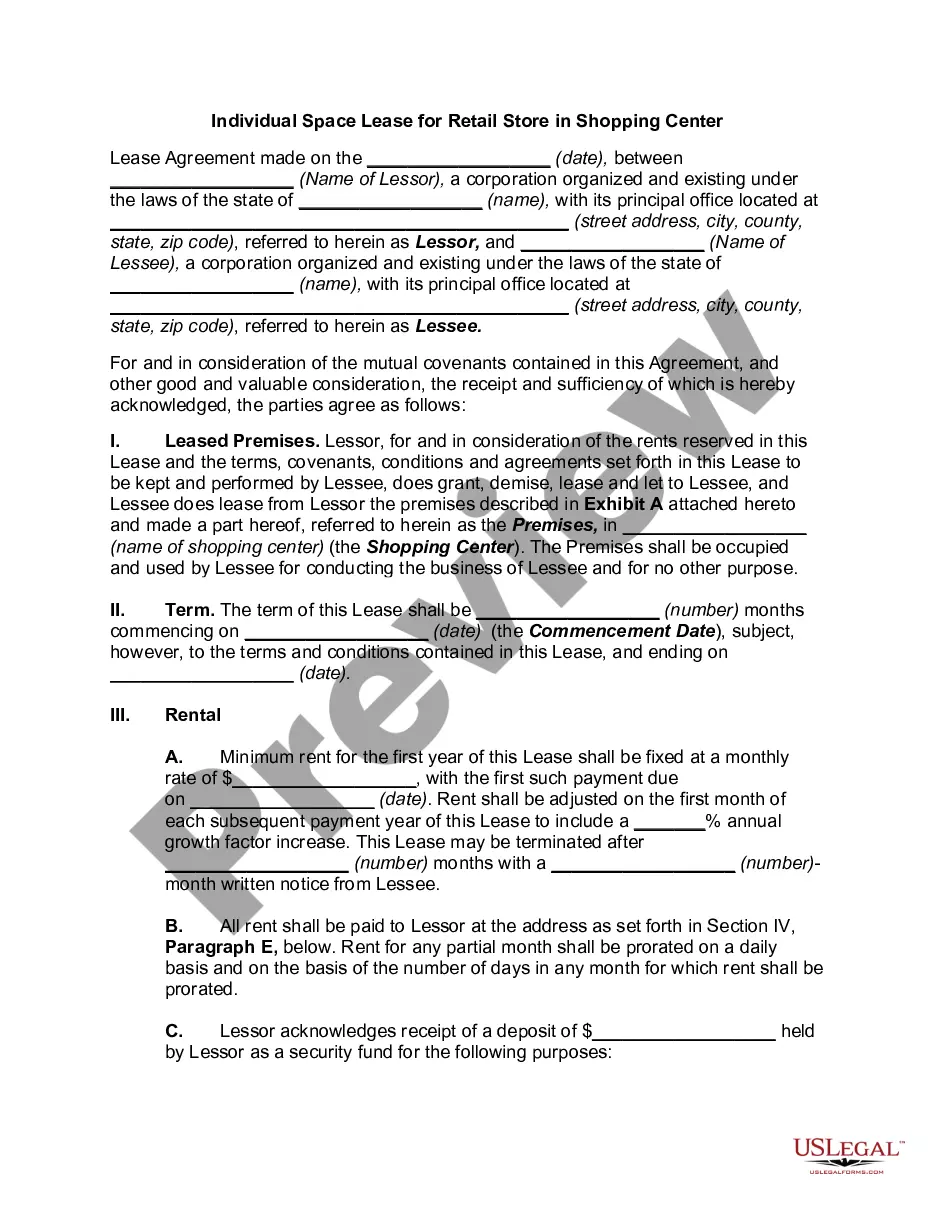
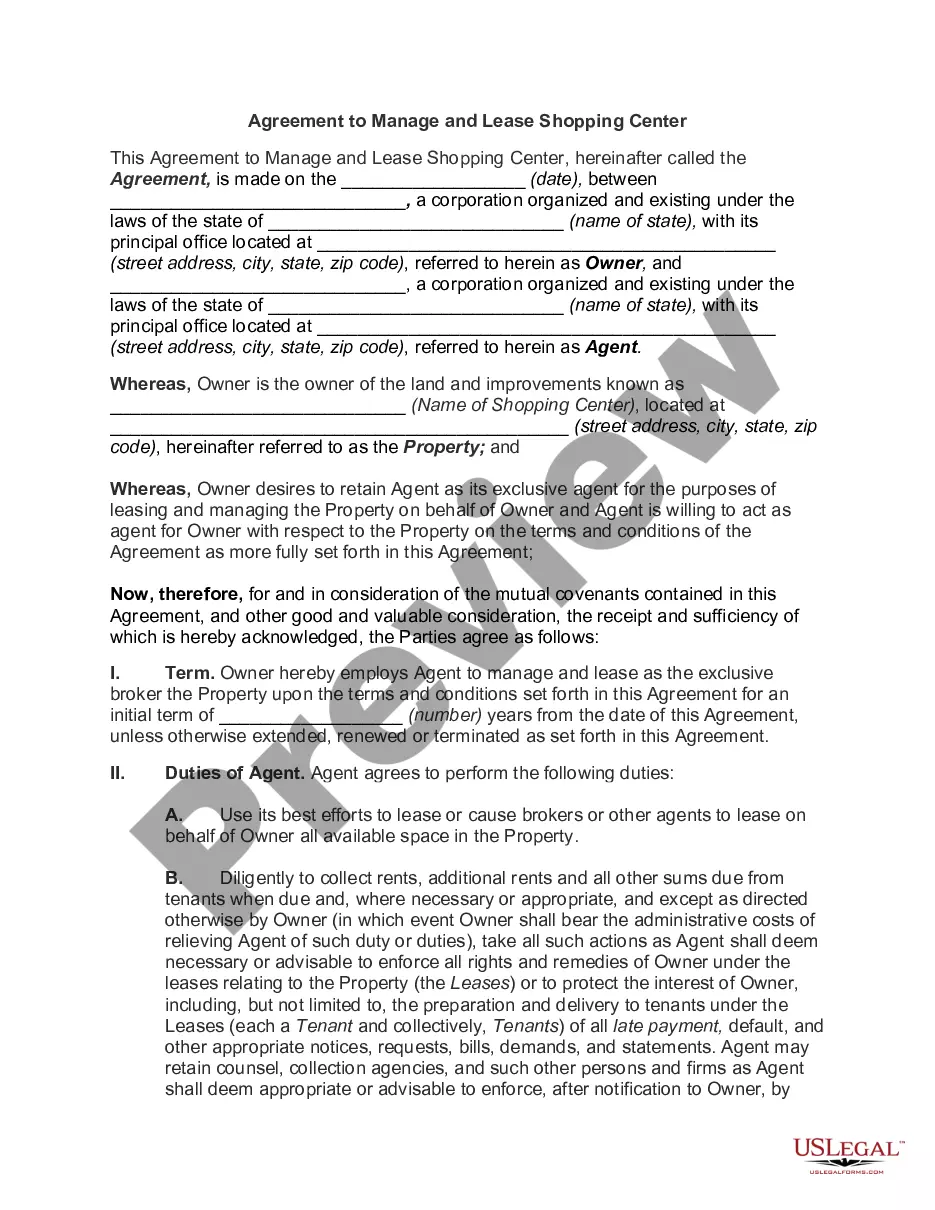
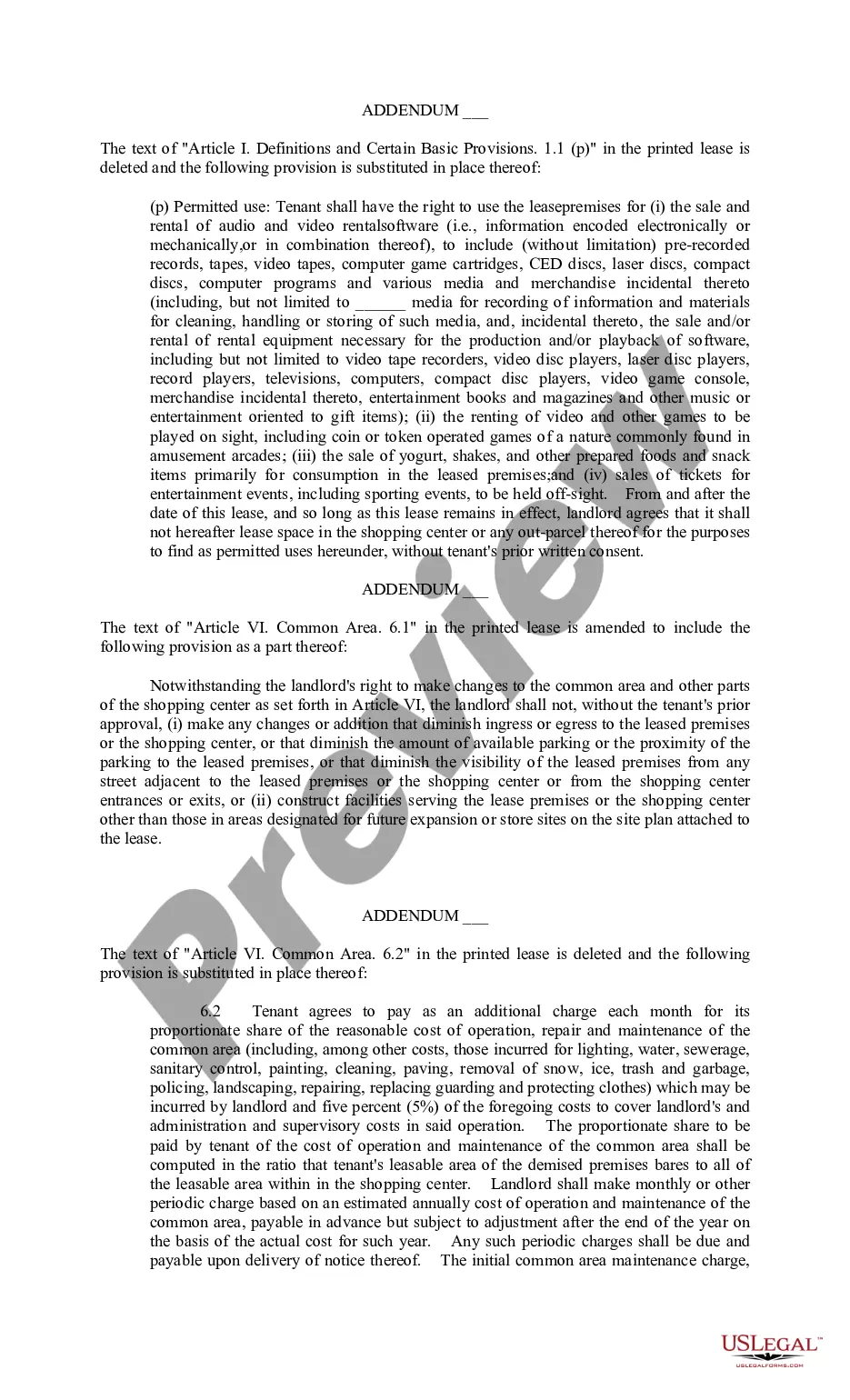
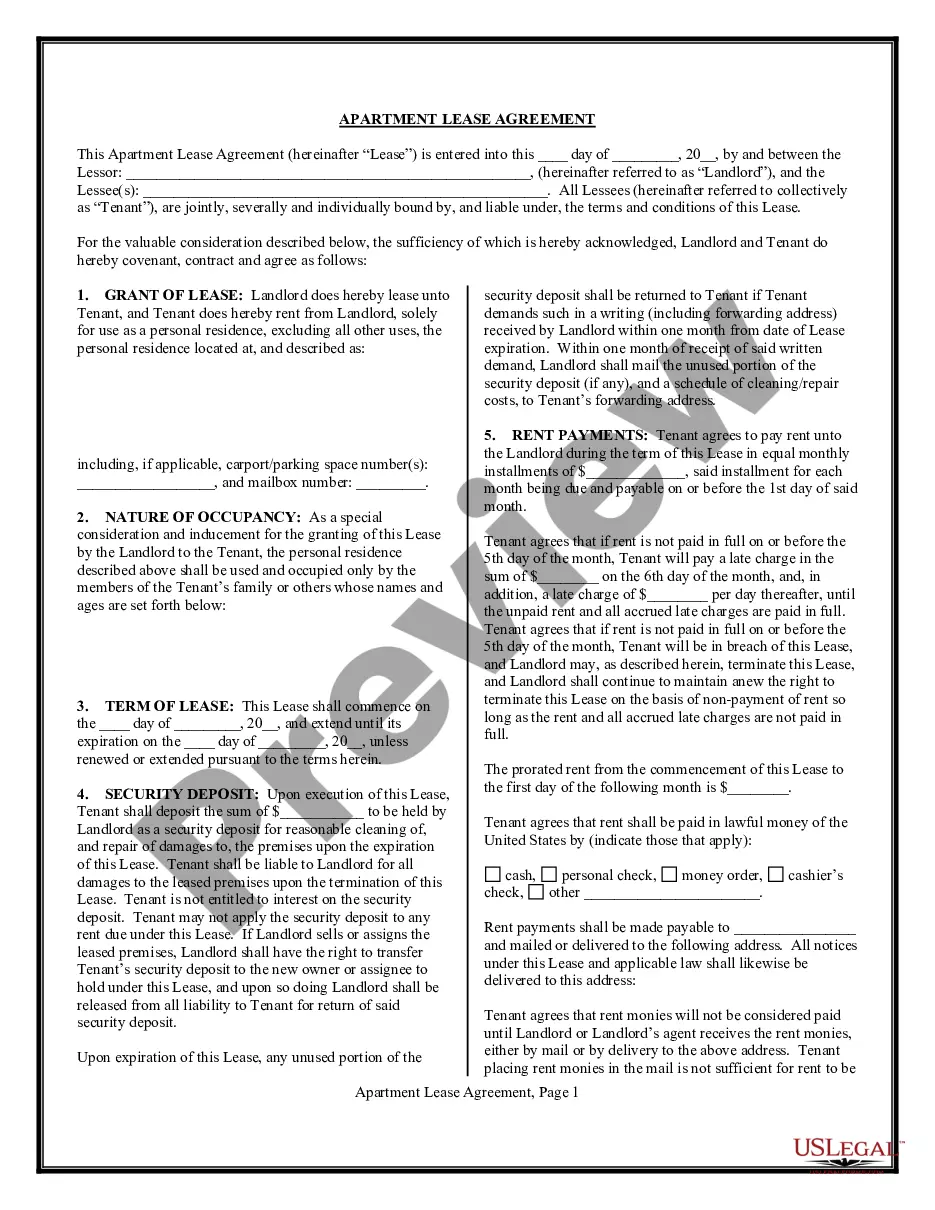



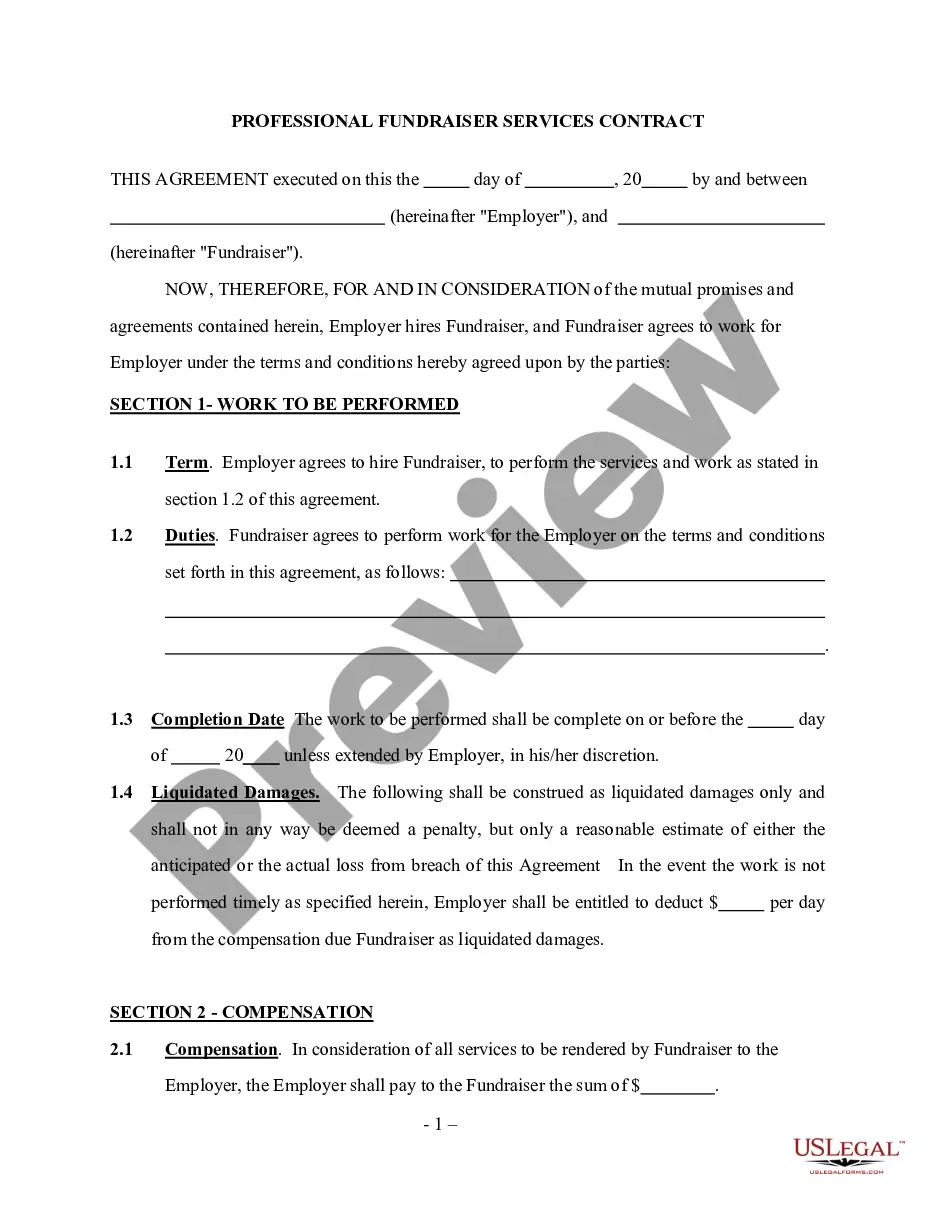
How to fill out Agreement To Lease To Tenant In Future Shopping Center?
Locating the correct legal document format can be a challenge.
Clearly, there are numerous templates available online, but how do you discover the legal type you require.
Utilize the US Legal Forms website. The service provides a vast assortment of templates, including the Connecticut Agreement to Lease to Tenant in a Future Shopping Center, which you can use for business and personal purposes.
You can preview the document using the Preview button and review the document description to ensure it is suitable for you.
- All forms are reviewed by professionals and comply with state and federal regulations.
- If you are already registered, Log In to your account and click the Obtain button to get the Connecticut Agreement to Lease to Tenant in a Future Shopping Center.
- Use your account to search through the legal forms you have purchased previously.
- Visit the My documents tab in your account and download another copy of the document you need.
- If you are a new user of US Legal Forms, here are simple steps for you to follow.
- First, ensure you have chosen the appropriate template for the city/county.
Form popularity
FAQ
Shopping centers usually operate under commercial lease agreements, which can vary in structure, such as gross leases or net leases. These lease types specify how expenses such as property taxes, insurance, and maintenance are handled. If you are considering a Connecticut Agreement to Lease to Tenant in Future Shopping Center, understanding these types of leases can help you make informed decisions regarding your business premises.
In Connecticut, while it is not legally required for a landlord to have a written lease agreement, it is highly advisable. A lease provides clarity on terms and conditions and helps protect the rights of both the landlord and tenant. When entering a Connecticut Agreement to Lease to Tenant in Future Shopping Center, having a written lease can prevent misunderstandings and legal disputes in the future.
Statute 47a-15 in Connecticut outlines the rights and responsibilities of landlords and tenants regarding lease agreements. This statute specifically addresses the conditions under which a landlord must provide a rental agreement to a tenant. Understanding this law is essential when considering a Connecticut Agreement to Lease to Tenant in Future Shopping Center, as it regulates how these agreements are formed and executed.
Yes, Microsoft Word does offer lease agreement templates that you can customize for your needs. However, for specific agreements like a Connecticut Agreement to Lease to Tenant in Future Shopping Center, it's beneficial to consult specialized platforms like US Legal Forms. These resources provide tailored templates that comply with local laws, ensuring your lease agreement is legally sound and comprehensive.
To write a handwritten lease agreement, you should start with the essential information including the names of the parties, property address, rental amount, and lease term. Clearly outline all terms and conditions in legible writing, ensuring both parties can easily read and understand the agreement. While this approach is personal, consider referring to a template from US Legal Forms to ensure all necessary elements are included and comply with Connecticut law.
The new tenant law in Connecticut includes various provisions to ensure the rights of tenants are protected. These laws address issues such as security deposits, eviction processes, and maintenance responsibilities. Understanding these regulations is crucial when entering a Connecticut Agreement to Lease to Tenant in Future Shopping Center, helping you navigate your rights and responsibilities as a tenant.
Writing a letter of lease agreement involves stating the key terms and conditions of the lease in a clear format. Start by introducing the parties involved, specify the property details, and include the lease term and rental amount. For assistance, you might consider using templates from platforms like US Legal Forms, which cater specifically to agreements for a Connecticut Agreement to Lease to Tenant in Future Shopping Center.
To assign a lease agreement, you must first review the original lease for any clauses regarding assignment. Inform your landlord of your intention to assign the lease as the Connecticut Agreement to Lease to Tenant in Future Shopping Center may require landlord approval. After securing permission, you can create an assignment document that outlines the terms and ensures that both parties acknowledge the transfer.
Yes, you can draft your own lease agreement for the Connecticut Agreement to Lease to Tenant in Future Shopping Center. However, it's important to ensure that you include all necessary terms, conditions, and legal requirements to protect both parties. Using a reliable resource, like US Legal Forms, can guide you through this process and provide templates tailored for Connecticut's laws.
To make your rental agreement legally binding, ensure it includes all essential elements, such as tenant and landlord information, rental terms, and signatures from both parties. A Connecticut Agreement to Lease to Tenant in Future Shopping Center should also be written in clear language to avoid ambiguity. It's wise to date the agreement and have it notarized if possible. At uslegalforms, you can find resources and templates to assist you in creating a solid, legally binding contract.