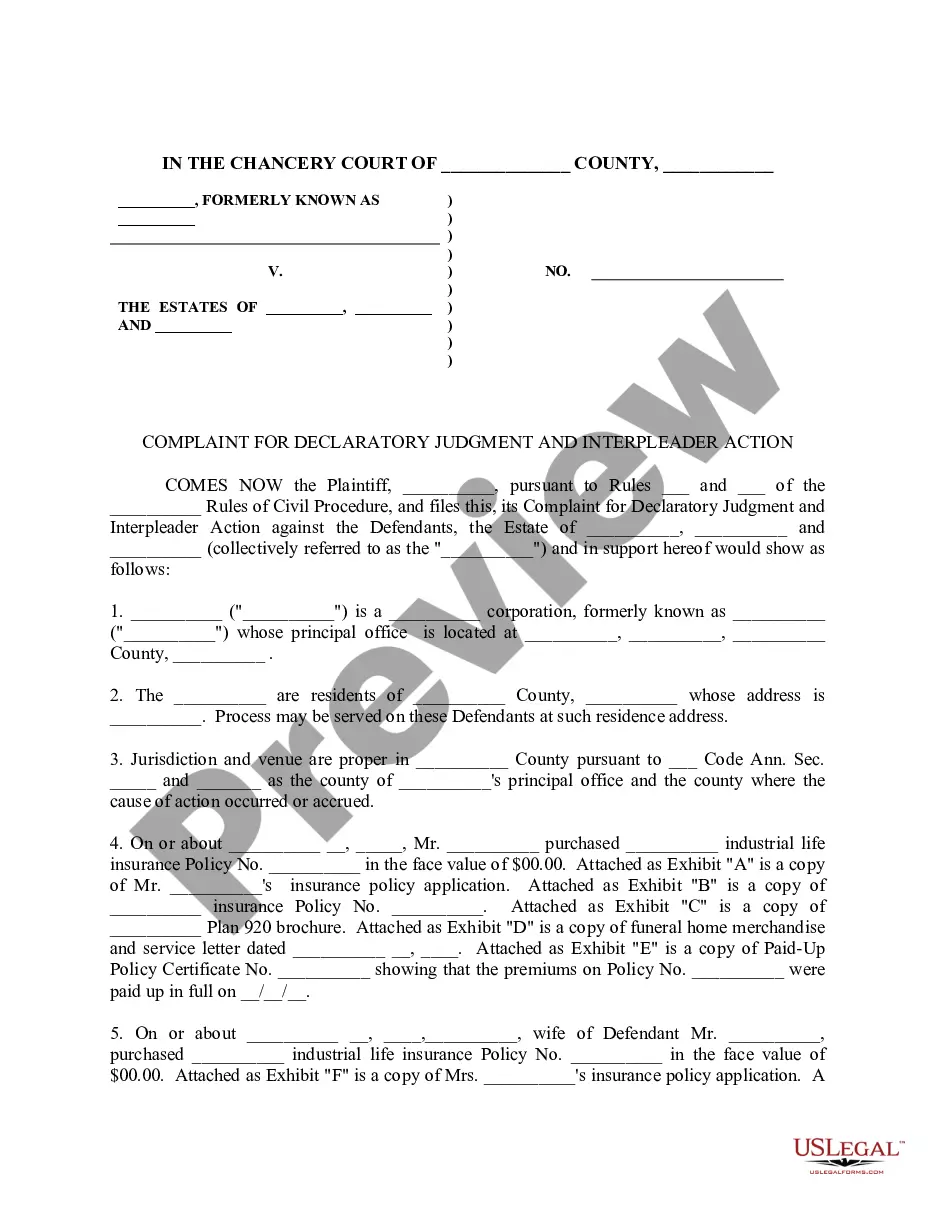
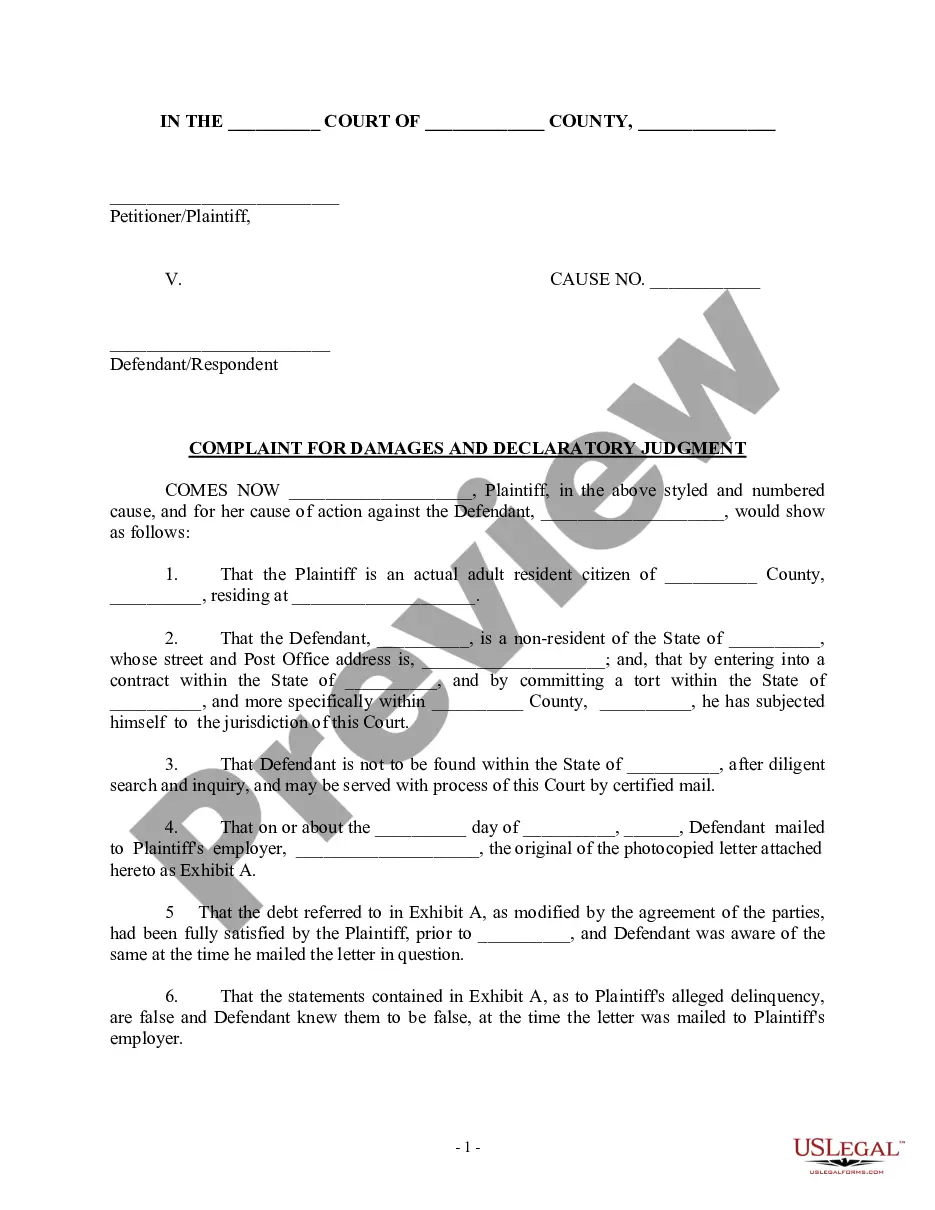
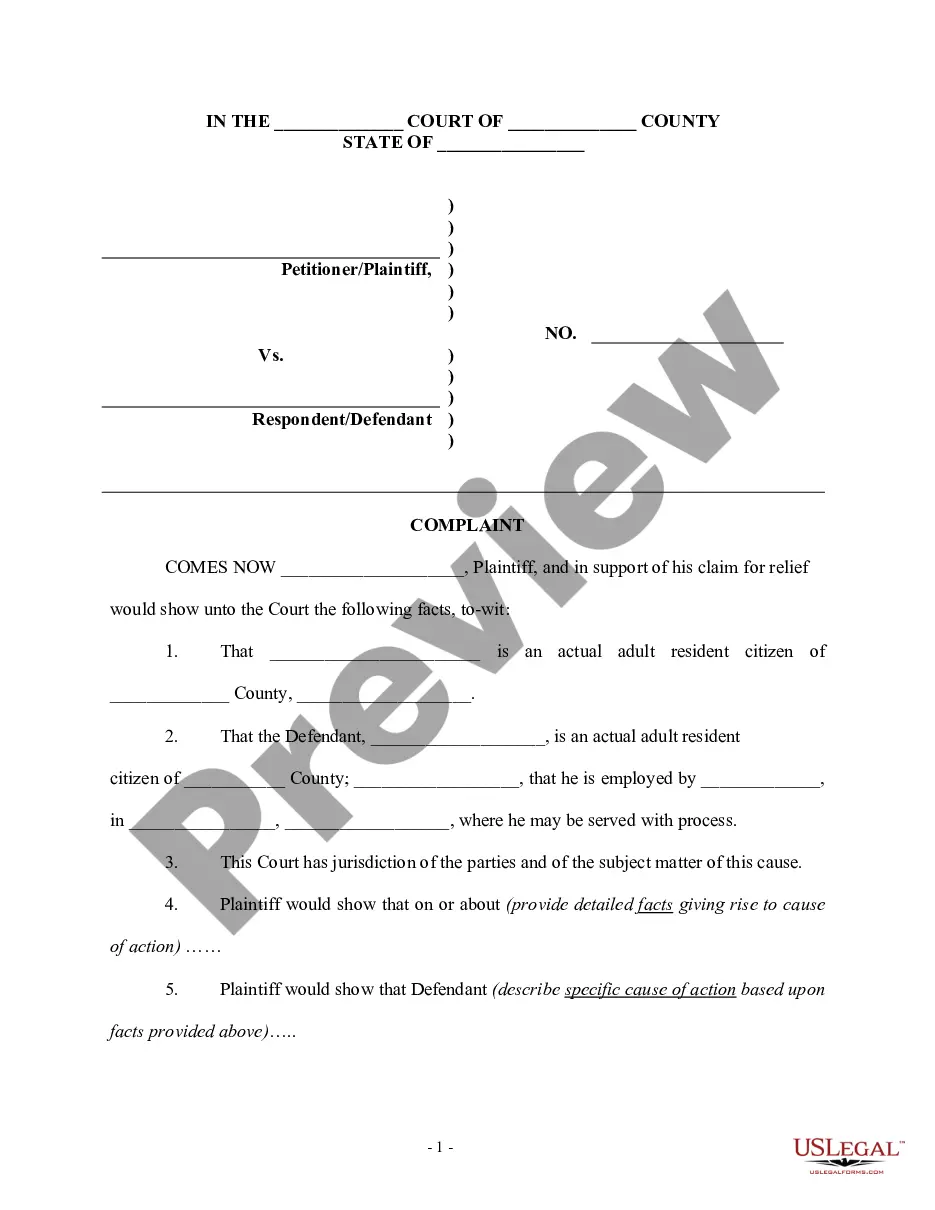
Connecticut Complaint for Declaratory Judgment
Description

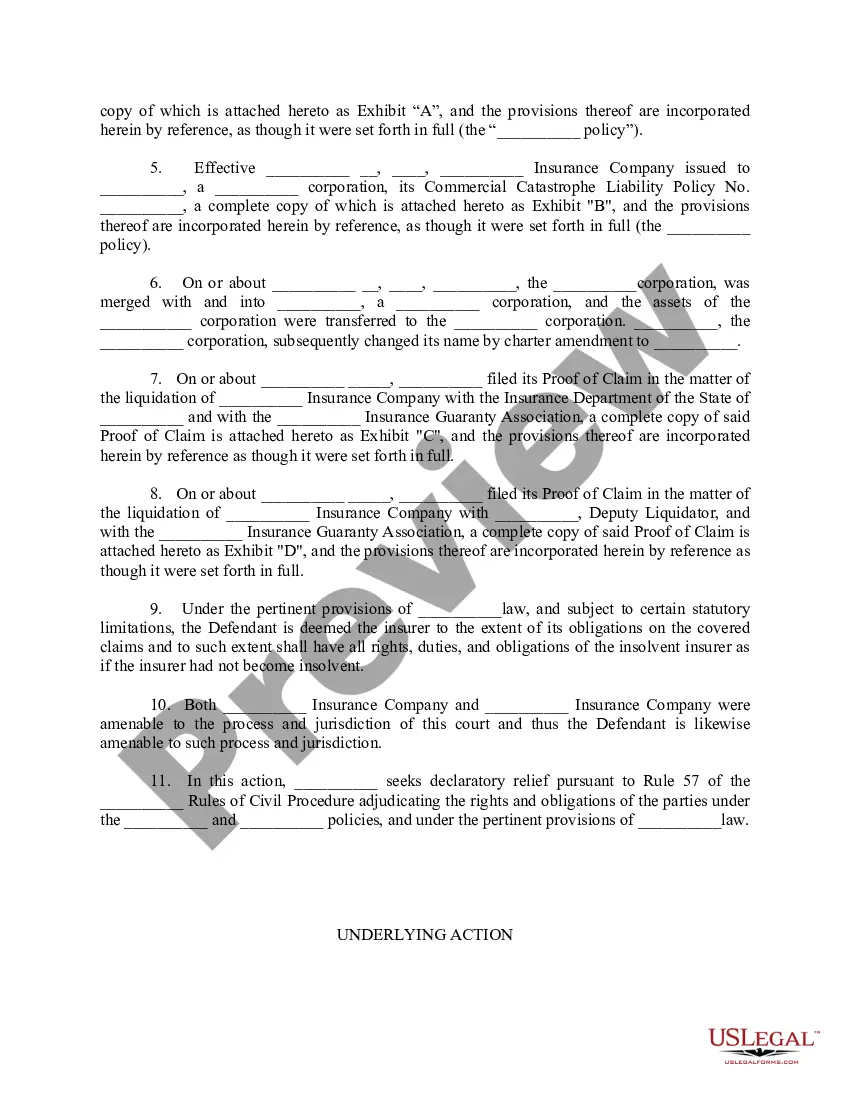
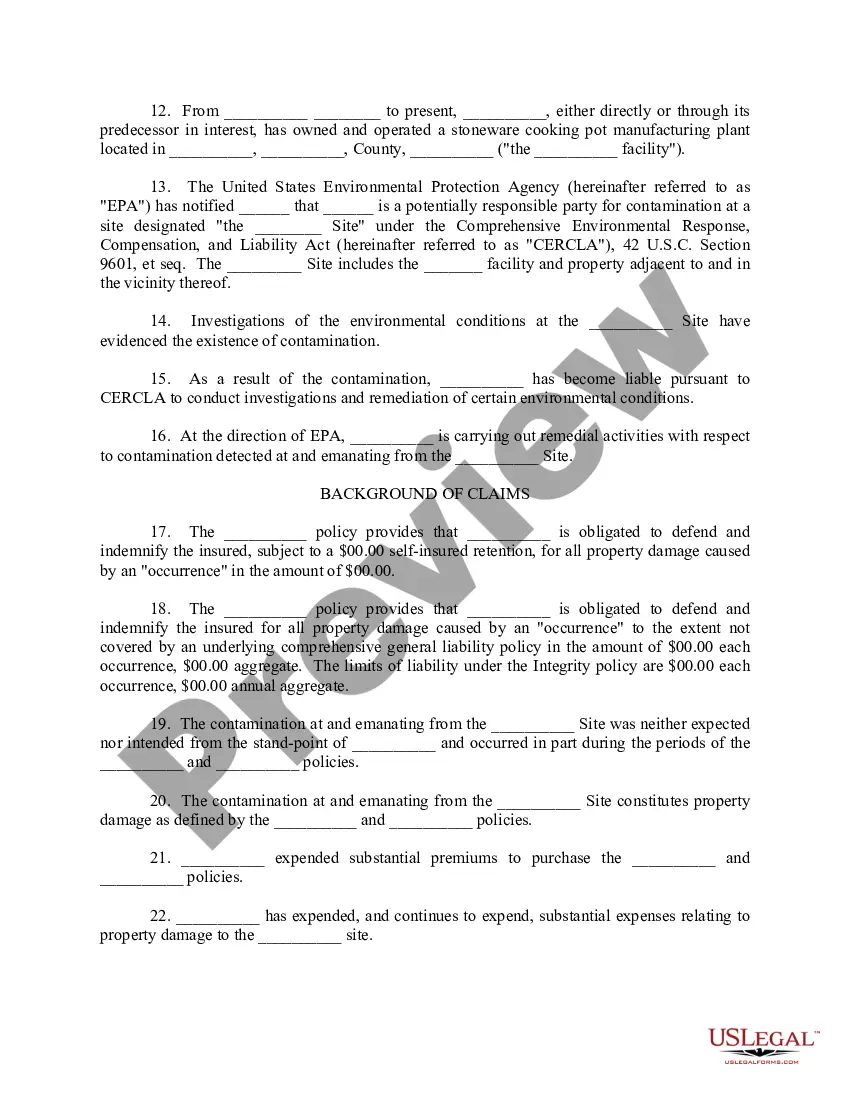
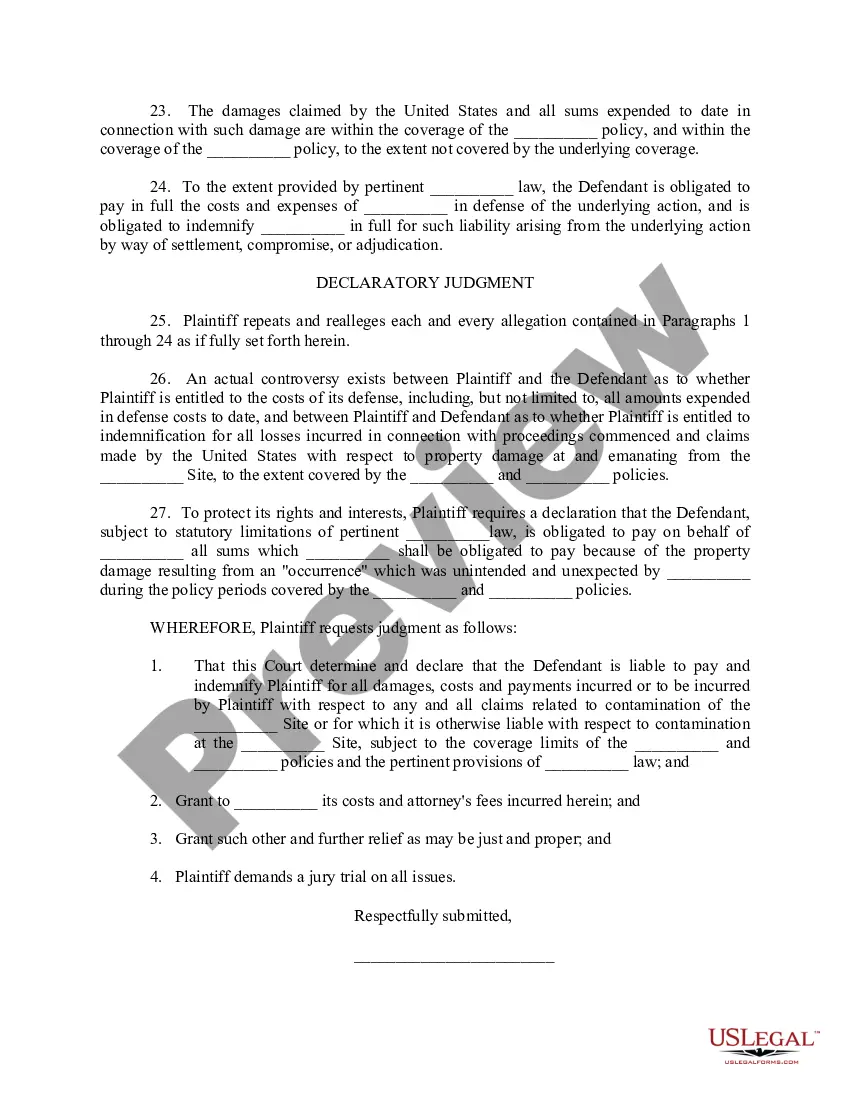


Get your form ready online
Our built-in tools help you complete, sign, share, and store your documents in one place.
Make edits, fill in missing information, and update formatting in US Legal Forms—just like you would in MS Word.
Download a copy, print it, send it by email, or mail it via USPS—whatever works best for your next step.
Sign and collect signatures with our SignNow integration. Send to multiple recipients, set reminders, and more. Go Premium to unlock E-Sign.
If this form requires notarization, complete it online through a secure video call—no need to meet a notary in person or wait for an appointment.
We protect your documents and personal data by following strict security and privacy standards.

Make edits, fill in missing information, and update formatting in US Legal Forms—just like you would in MS Word.

Download a copy, print it, send it by email, or mail it via USPS—whatever works best for your next step.

Sign and collect signatures with our SignNow integration. Send to multiple recipients, set reminders, and more. Go Premium to unlock E-Sign.

If this form requires notarization, complete it online through a secure video call—no need to meet a notary in person or wait for an appointment.

We protect your documents and personal data by following strict security and privacy standards.
Looking for another form?

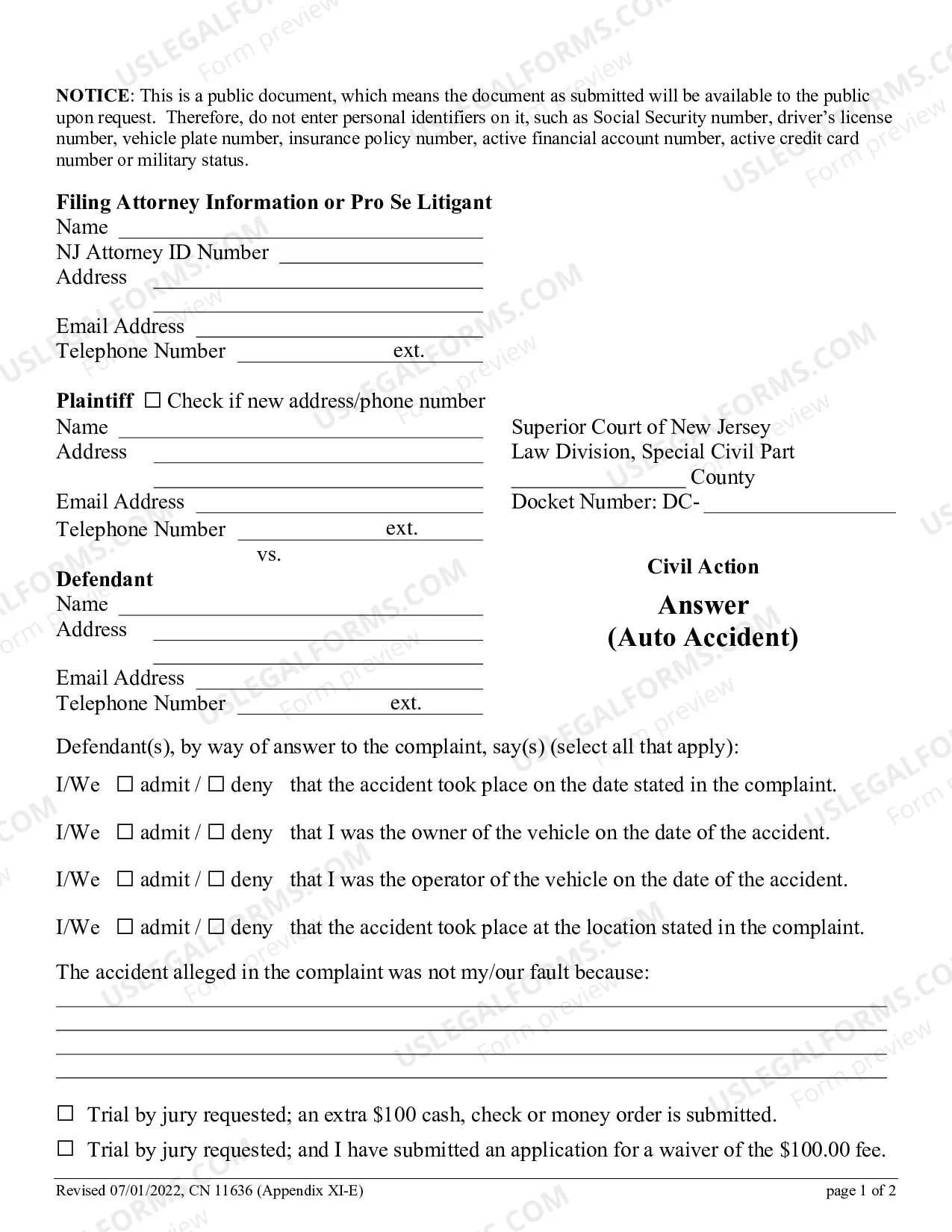

How to fill out Complaint For Declaratory Judgment?
Are you currently in a position where you need documents for both business and personal purposes almost every day.
There are many legitimate document templates accessible online, but finding ones you can trust is challenging.
US Legal Forms provides a vast array of form templates, including the Connecticut Complaint for Declaratory Judgment, which is designed to meet state and federal requirements.
Choose the pricing plan you prefer, complete the required information to create your account, and purchase the order with your PayPal or Visa or Mastercard.
Select a suitable document format and download your copy. Access all the document templates you have purchased in the My documents menu. You can obtain another copy of the Connecticut Complaint for Declaratory Judgment at any time, if needed. Just click on the desired form to download or print the document template. Use US Legal Forms, the most extensive collection of legal forms, to save time and avoid errors. The service offers professionally crafted legal document templates that can be used for various purposes. Create an account on US Legal Forms and start making your life a bit easier.
- If you are already familiar with the US Legal Forms website and have an account, simply Log In.
- Then, you can download the Connecticut Complaint for Declaratory Judgment template.
- If you do not have an account and wish to start using US Legal Forms, follow these steps.
- Find the form you need and ensure it is for the correct state/region.
- Use the Review option to assess the document.
- Read the description to confirm that you have selected the right form.
- If the form is not what you're looking for, utilize the Search section to find the form that meets your needs and criteria.
- Once you find the right form, click Buy now.
Form popularity
FAQ
Since there is no limitations period specifically addressed to the declaratory judgment action, it generally falls under the ?catch-all? provision of CPLR 213[1] and gets six years as ?an action for which no limitation is specifically prescribed by law.? That being the case, you assume your declaratory judgment cause ...
(a) Process in civil actions, including transfers and applications for relief or removal, but not including summary process actions, brought to the Superior Court may be made returnable on any Tuesday in any month.
The supreme court may render a declaratory judgment having the effect of a final judgment as to the rights and other legal relations of the parties to a justiciable controversy whether or not further relief is or could be claimed. If the court declines to render such a judgment it shall state its grounds.
For an actual controversy to be found, the plaintiff cannot be merely seeking advice from the court, but instead must show that the controversy between parties is substantial, immediate, and real and that the parties have adverse legal interests.
A declaratory judgment is typically requested when a party is threatened with a lawsuit but the lawsuit has not yet been filed; or when a party or parties believe that their rights under law and/or contract might conflict; or as part of a counterclaim to prevent further lawsuits from the same plaintiff (for example, ...
Generally, declaratory judgement actions for non-infringement of intellectual property are brought in cases that one party is threatened to infringe the patent right of another party although not yet filed a lawsuit, or that one of the parties concerned seriously worry about the infringement of the patent right, or ...
Examples: a party to a contract may seek the legal interpretation of a contract to determine the parties' rights, or a corporation may ask a court to decide whether a new tax is truly applicable to that business before it pays it.
Thus, a declaratory judgment action that is nothing more than an anticipatory defense to a breach of contract claim may be an inappropriate use of the declaratory judgment mechanism. Given that courts have discretion whether to entertain a declaratory judgment action, they may decline to do so under such circumstances.