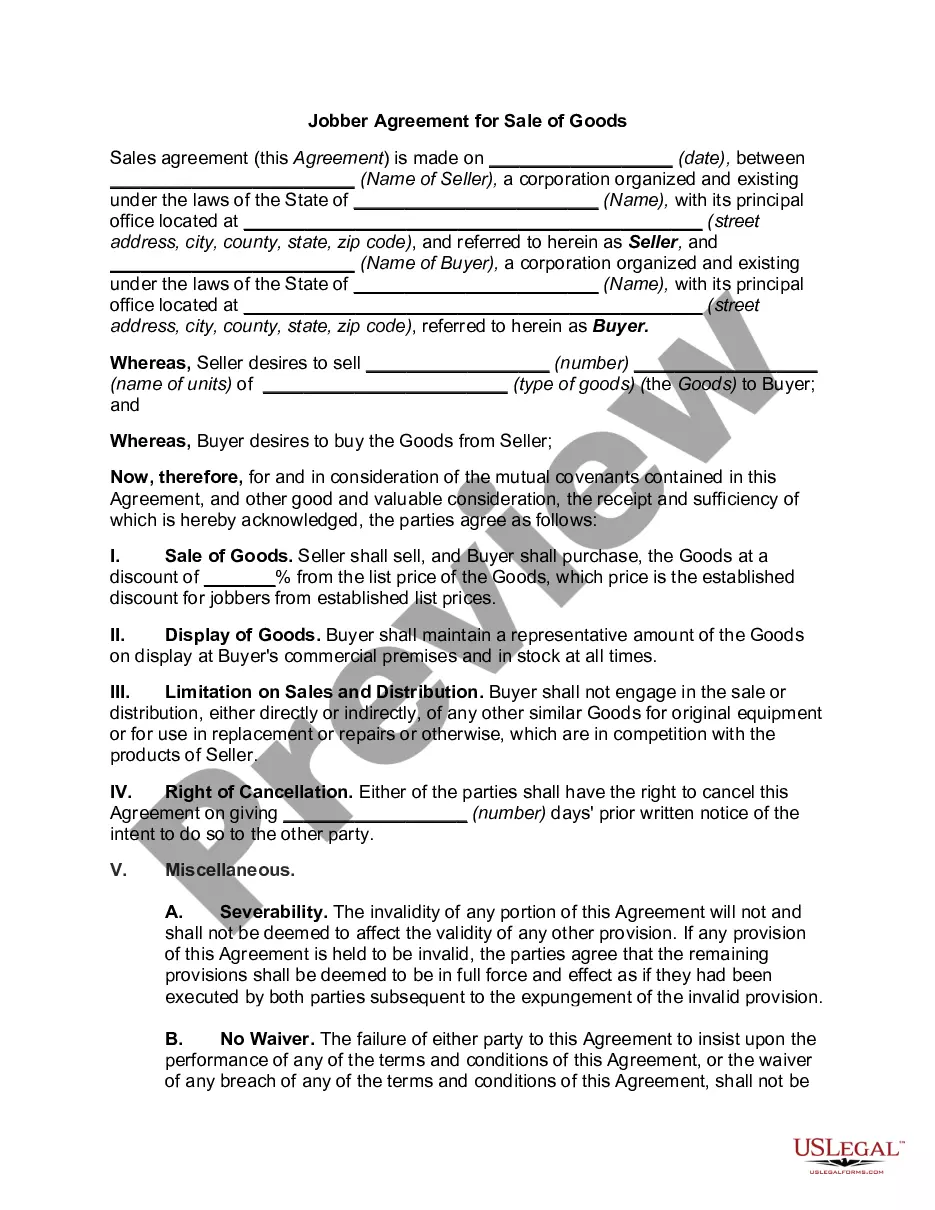
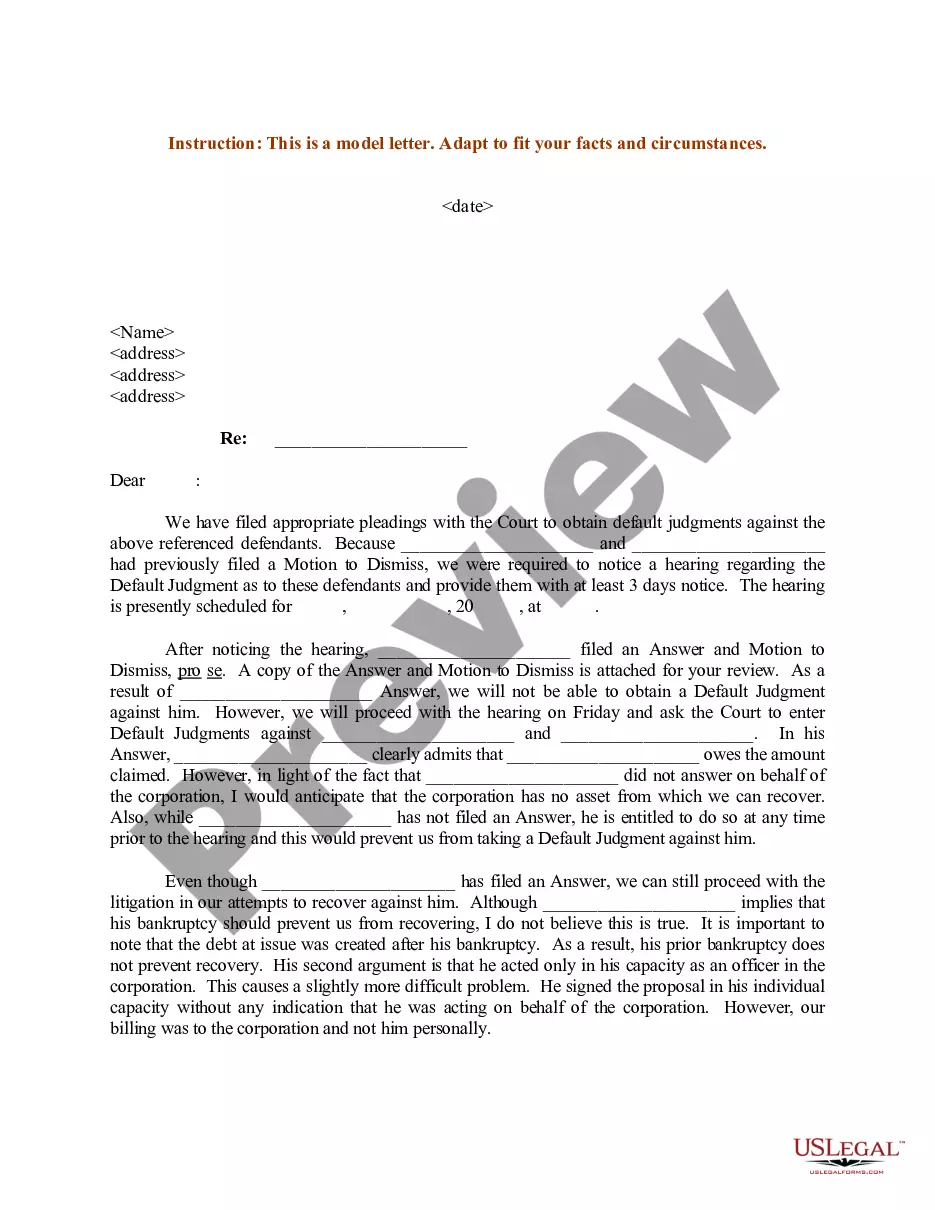
Connecticut Sample Letter for Payment of Judgment
Description




Get your form ready online
Our built-in tools help you complete, sign, share, and store your documents in one place.
Make edits, fill in missing information, and update formatting in US Legal Forms—just like you would in MS Word.
Download a copy, print it, send it by email, or mail it via USPS—whatever works best for your next step.
Sign and collect signatures with our SignNow integration. Send to multiple recipients, set reminders, and more. Go Premium to unlock E-Sign.
If this form requires notarization, complete it online through a secure video call—no need to meet a notary in person or wait for an appointment.
We protect your documents and personal data by following strict security and privacy standards.

Make edits, fill in missing information, and update formatting in US Legal Forms—just like you would in MS Word.

Download a copy, print it, send it by email, or mail it via USPS—whatever works best for your next step.

Sign and collect signatures with our SignNow integration. Send to multiple recipients, set reminders, and more. Go Premium to unlock E-Sign.

If this form requires notarization, complete it online through a secure video call—no need to meet a notary in person or wait for an appointment.

We protect your documents and personal data by following strict security and privacy standards.
Looking for another form?

How to fill out Sample Letter For Payment Of Judgment?
US Legal Forms - one of the largest collections of legal templates in the United States - provides a variety of legal document templates that you can download or create.
By using the website, you can access thousands of forms for commercial and personal purposes, organized by categories, states, or keywords. You can find the latest versions of forms such as the Connecticut Sample Letter for Payment of Judgment in seconds.
If you already have a monthly subscription, Log In and download the Connecticut Sample Letter for Payment of Judgment from your US Legal Forms library. The Download button will appear on every form you view. You can access all previously purchased forms in the My documents section of your account.
Process the payment. Use a credit card or PayPal account to complete the transaction.
Choose the format and download the form to your device. Make changes. Fill out, edit, and print and sign the downloaded Connecticut Sample Letter for Payment of Judgment. Each template added to your account has no expiration date and is yours permanently. So, if you wish to download or print another copy, just go to the My documents section and click on the form you want. Access the Connecticut Sample Letter for Payment of Judgment with US Legal Forms, the most extensive collection of legal document templates. Utilize a vast array of professional and state-specific templates that meet your business or personal needs and requirements.
- If you wish to use US Legal Forms for the first time, here are simple instructions to get you started.
- Ensure you have chosen the correct form for your area/county. Click the Review button to examine the content of the form.
- Check the form description to confirm that you have selected the right form.
- If the form doesn’t meet your needs, use the Search field at the top of the display to find one that does.
- If you are satisfied with the form, confirm your choice by clicking the Purchase now button.
- Then, select the pricing plan you prefer and provide your credentials to create an account.
Form popularity
FAQ
In Connecticut, a judgment lien typically lasts for 20 years from the date the judgment is recorded. This means if you have a judgment against you, the creditor can pursue your assets for that duration. However, it's essential to understand that the lien can be renewed for another 20 years if the creditor files for renewal before the original lien expires. To ensure you address any judgment issues effectively, you might consider utilizing a Connecticut Sample Letter for Payment of Judgment, which can help facilitate the payment process and potentially clear the lien.
A motion to open judgment in Connecticut is a request made to the court to reconsider or set aside a judgment. This motion can be filed by a party who believes there was an error or new evidence regarding the case. If successful, the court may allow the case to be retried. As you navigate this process, a Connecticut Sample Letter for Payment of Judgment can serve as an effective tool to communicate your intentions and needs.
A prejudgment remedy in Connecticut allows a creditor to secure a claim before a judgment is finalized. This legal measure helps prevent the debtor from transferring assets or avoiding payment. The process often involves filing an application with the court to obtain a court order. Utilizing a Connecticut Sample Letter for Payment of Judgment can be beneficial in ensuring you receive payment promptly.
A judgment lien in Connecticut typically lasts for 20 years. This period begins from the date the judgment is entered in the court. After 20 years, if the judgment is not renewed, the lien will expire. To avoid complications in collecting a debt, you may consider using a Connecticut Sample Letter for Payment of Judgment.
Rule 1.10 - Imputation of Conflicts of Interest: General Rule (a) While lawyers are associated in a firm, none of them shall knowingly represent a client when any one of them practicing alone would be prohibited from doing so by Rules 1.7, 1.8(c), or 1.9, unless the prohibition is based on a personal interest of the ...
If you're a paying parent, you cannot simply stop paying or reduce child support. You can, however, apply for a Post Judgment modification. Generally speaking, if your child lives in Connecticut, you can request that a Connecticut court change the order.
Family court is formally known as the Family Division of Superior Court, State of Connecticut Judicial Branch. Family Division hears cases involving juveniles and family relationships. Most family cases are heard in judicial district courthouses. Typical cases include: Divorce.
Family Services addresses concerns such as child custody, child access, financial matters, property disputes, and Temporary Restraining Orders.
Rule 4.2 of the Rules of Professional Conduct provides that ?[i]n representing a client, a lawyer shall not communicate about the subject of the representation with a party the lawyer knows to be represented by another lawyer in the matter, unless the lawyer has the consent of the other lawyer or is authorized by law ...
Money judgments entered in Connecticut can be secured by filing a Judgment Lien on Connecticut real estate owned by the judgment debtor. Recording judgment liens on real estate should be among the first steps taken by judgment creditors after obtaining a money judgment.