Connecticut Financial Account Transfer to Living Trust
What is this form?
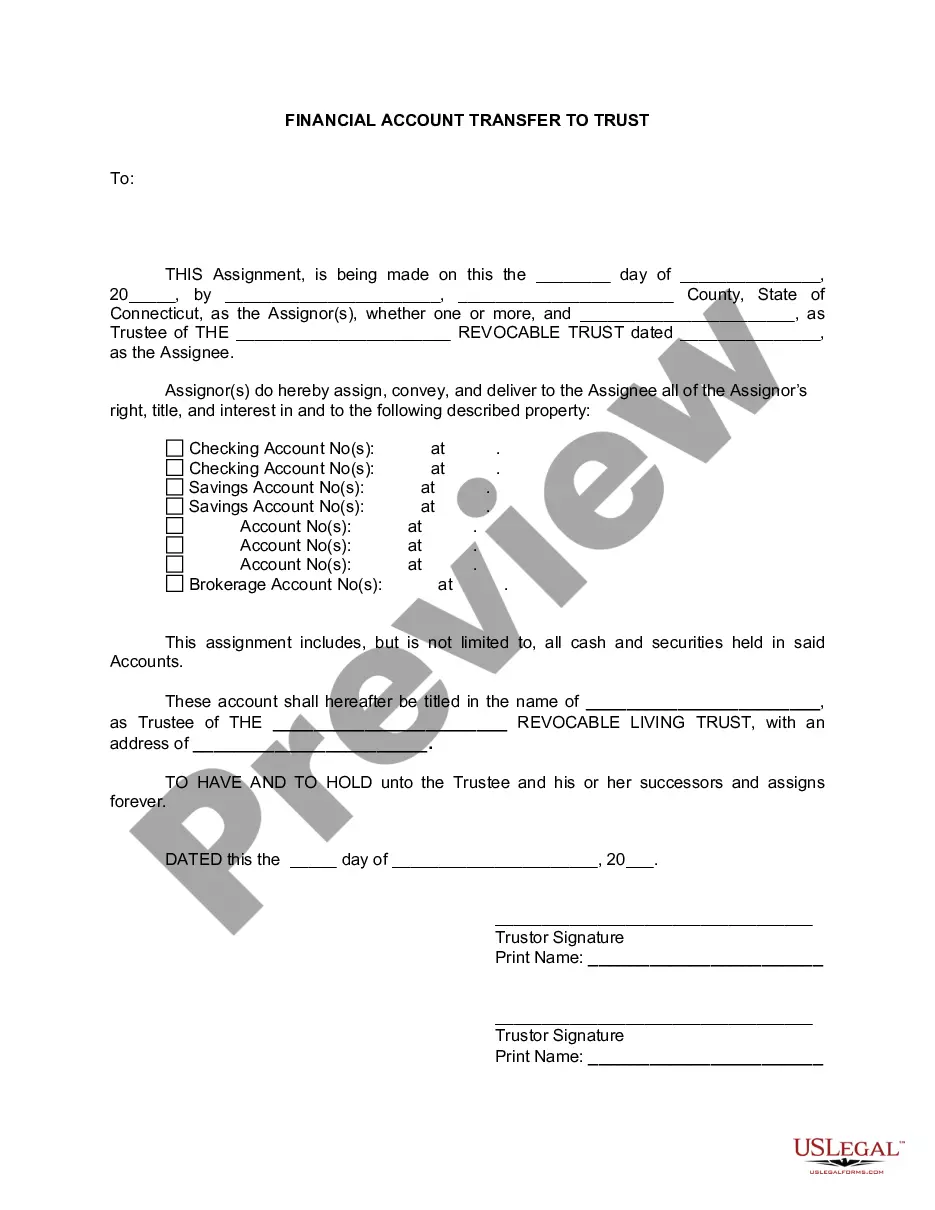
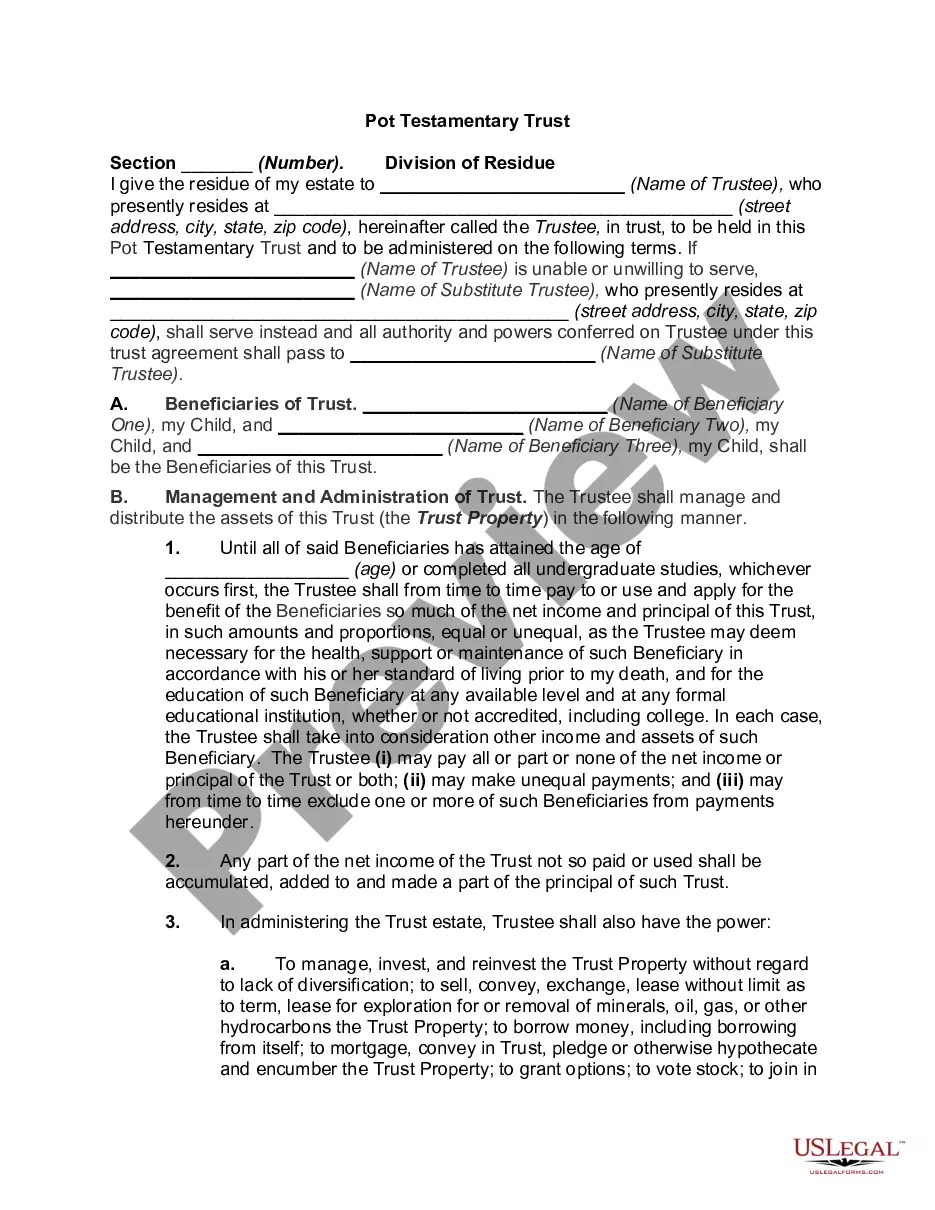
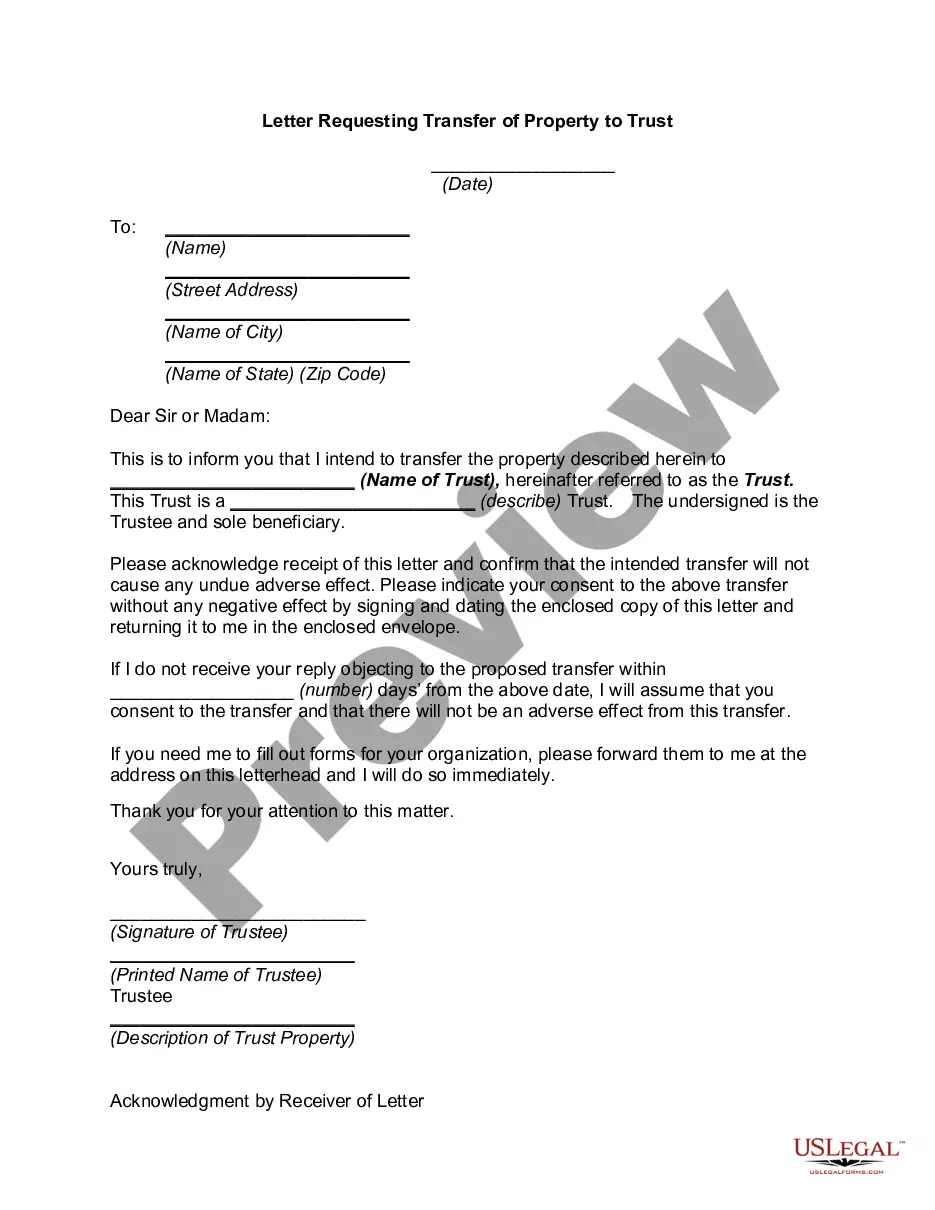
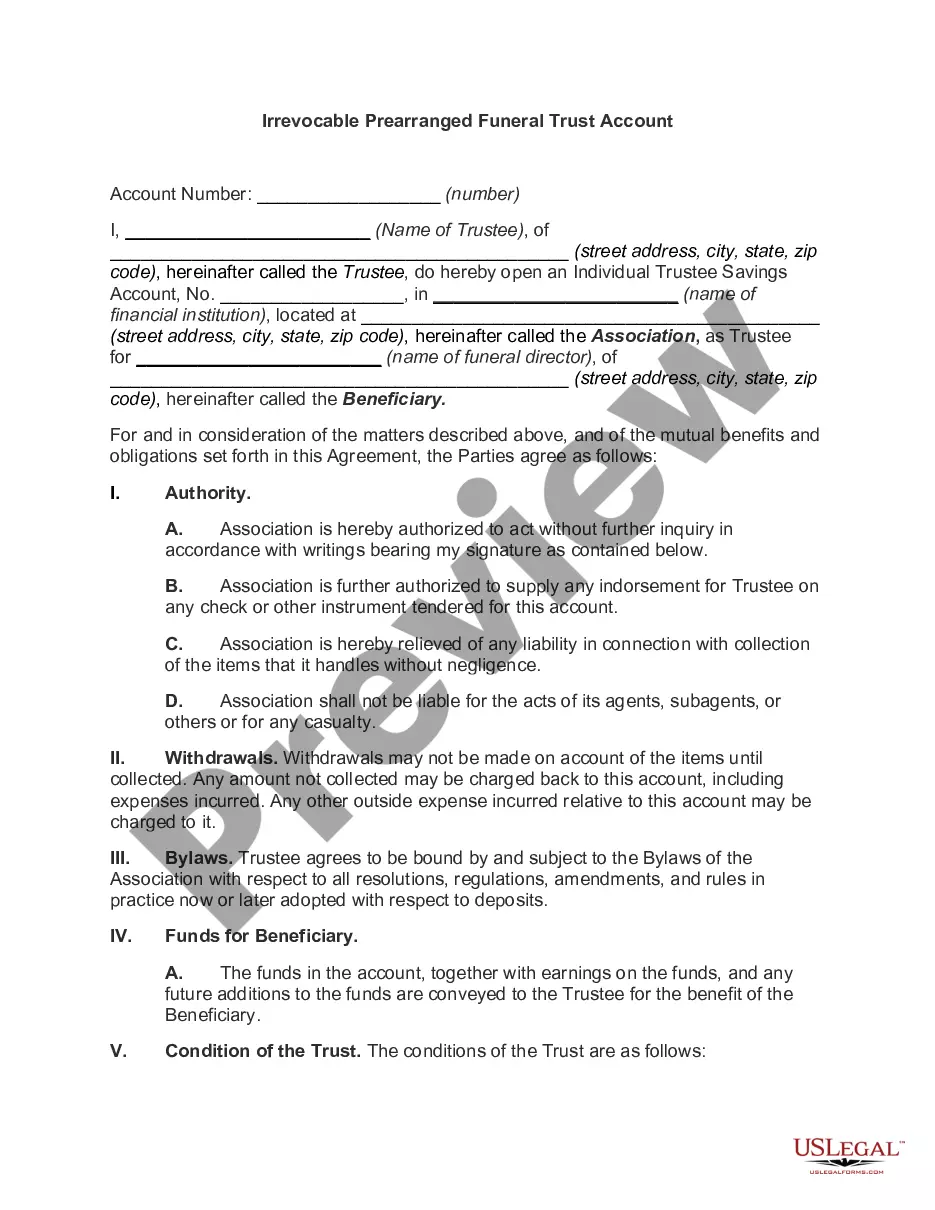
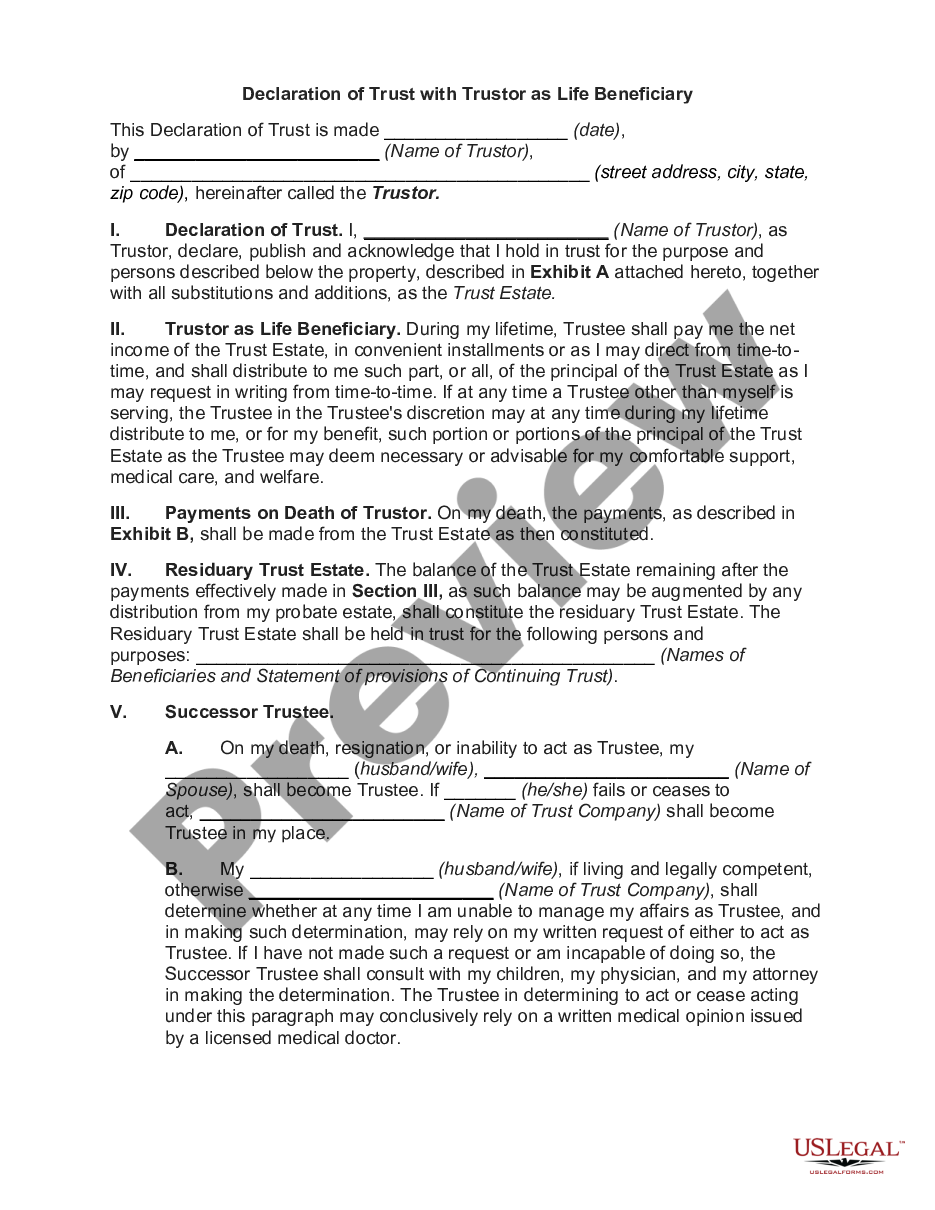
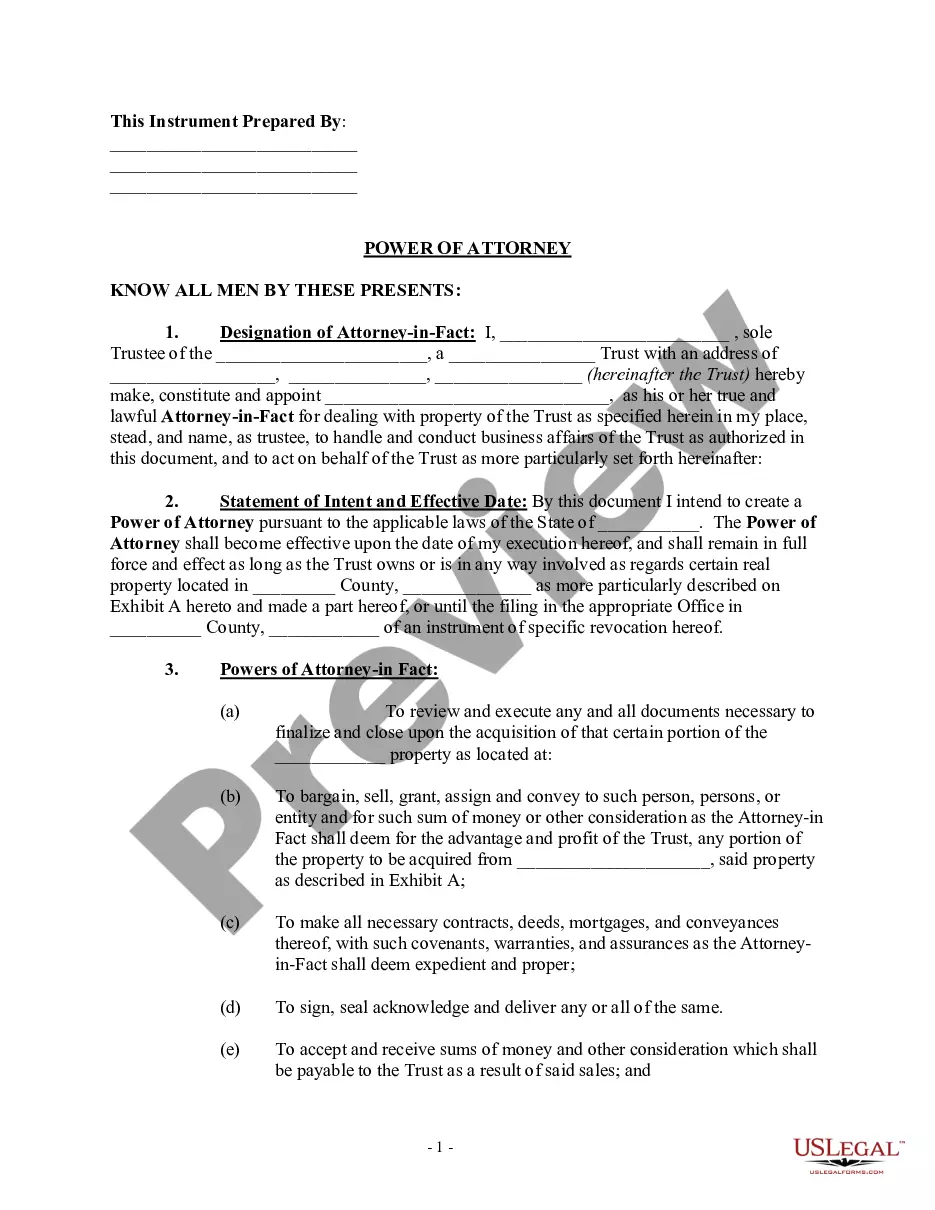
The Financial Account Transfer to Living Trust form is designed to facilitate the transfer of financial accounts, such as bank accounts and securities, into a living trust. This type of trust is created during a person's lifetime and allows for effective estate planning. Unlike other forms that may designate beneficiaries or create wills, this form specifically focuses on the assignment of financial accounts to ensure they are properly handled in accordance with the trust's terms.
Form components explained
- The Assignor(s): The individual(s) conveying rights to the trust.
- The Assignee: The individual or entity receiving the rights, typically the trustee of the living trust.
- Description of property: Specifies the financial accounts that are being transferred.
- Trustee information: Includes the trustee's name and address as part of the trust details.
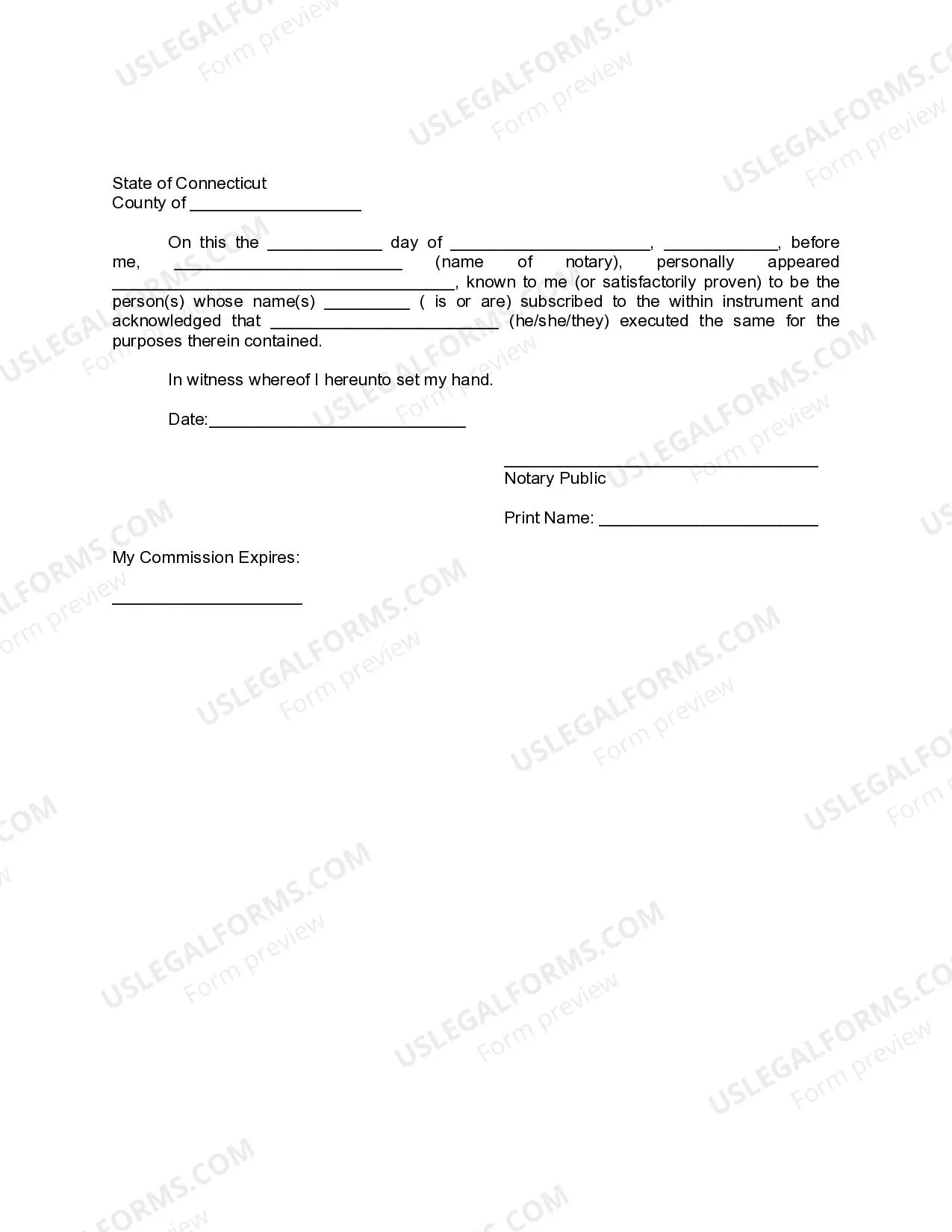
- Signatures: Requires signatures of the Assignor(s) along with notarization for legality.
Situations where this form applies
This form should be used when an individual wants to transfer their financial accounts into a living trust, ensuring that these assets are managed according to their wishes during their lifetime and after their passing. It is particularly useful for those looking to simplify estate management or avoid probate for their assets.
Who this form is for
- Individuals establishing a living trust.
- Trustees who need to manage financial assets on behalf of the trust.
- Anyone looking to transfer their financial accounts to a living trust for estate planning.
- Account holders who want to avoid probate when passing their financial assets to beneficiaries.
How to prepare this document
- Identify the Assignor(s) who will transfer the financial accounts.
- Specify the Assignee, typically the trustee of the living trust.
- List the financial accounts and property being transferred.
- Enter the name and address of the living trust.
- Sign the document in the presence of a notary public.
Does this document require notarization?
This form must be notarized to be legally valid. US Legal Forms provides secure online notarization powered by Notarize, allowing you to complete the process through a verified video call.
Get your form ready online
Our built-in tools help you complete, sign, share, and store your documents in one place.
Make edits, fill in missing information, and update formatting in US Legal Forms—just like you would in MS Word.
Download a copy, print it, send it by email, or mail it via USPS—whatever works best for your next step.
Sign and collect signatures with our SignNow integration. Send to multiple recipients, set reminders, and more. Go Premium to unlock E-Sign.
If this form requires notarization, complete it online through a secure video call—no need to meet a notary in person or wait for an appointment.
We protect your documents and personal data by following strict security and privacy standards.

Make edits, fill in missing information, and update formatting in US Legal Forms—just like you would in MS Word.

Download a copy, print it, send it by email, or mail it via USPS—whatever works best for your next step.

Sign and collect signatures with our SignNow integration. Send to multiple recipients, set reminders, and more. Go Premium to unlock E-Sign.

If this form requires notarization, complete it online through a secure video call—no need to meet a notary in person or wait for an appointment.

We protect your documents and personal data by following strict security and privacy standards.
Mistakes to watch out for
- Failing to notarize the document, which can render it invalid.
- Omitting essential details about the financial accounts being transferred.
- Not specifying the correct trustee name and address.
- Using an outdated version of the form that may not comply with current legal standards.
Why complete this form online
- Convenience of downloading and completing the form at your own pace.
- Editability allows customization to meet specific needs.
- Access to forms drafted by licensed attorneys for legal reliability.
- 24/7 availability to assist with your estate planning needs.
Looking for another form?


Form popularity
FAQ
Typically, transferring assets to a living trust is not a taxable event, as it is considered a shift in ownership rather than a sale. However, it’s advisable to consult a tax professional to understand any potential implications. Using a Connecticut Financial Account Transfer to Living Trust can ensure that the transfer is handled correctly and in a tax-efficient manner.
A potential downfall of having a trust includes the complexity involved in setting it up and ensuring it is funded properly. If assets are not properly transferred into the trust, it may not provide the intended benefits. Nevertheless, a Connecticut Financial Account Transfer to Living Trust can help address these issues by guiding you through proper funding and management.
One downside of placing assets in a trust can be the initial setup costs and ongoing maintenance fees. Additionally, if not managed properly, the trust can create complications for beneficiaries. However, the advantages of a Connecticut Financial Account Transfer to Living Trust often outweigh the negatives, especially in simplifying future asset distribution.
It may be beneficial for your parents to place their assets in a trust to simplify asset management and avoid probate. A living trust can offer flexibility and privacy, allowing them to specify how their assets will be distributed after passing. Additionally, considering a Connecticut Financial Account Transfer to Living Trust can help them manage their accounts seamlessly during their lifetime.
To place your house in a trust in Connecticut, you need to execute a new deed transferring the property to your living trust. This process involves filling out a deed form, signing it, and then recording it in your local town clerk's office. Using a Connecticut Financial Account Transfer to Living Trust can streamline this process and ensure that your property is managed according to your wishes.
While placing your house into a trust can have benefits, there are also disadvantages to consider. One major downside is the potential costs involved, including legal fees for setting up the trust and ongoing administrative costs. Additionally, transferring ownership may affect your eligibility for certain benefits and could complicate mortgage agreements. Carefully weighing these factors will help you determine if a Connecticut financial account transfer to living trust suits your situation.
To transfer your house into a trust in Connecticut, you must first create a living trust document, clearly stating that the property will be held within the trust. Next, you need to execute a deed that transfers ownership of the house from your name to the trust's name. This process establishes the trust as the legal owner, allowing for a smoother Connecticut financial account transfer to living trust. It is advisable to consult with a legal expert to ensure all requirements are met and the transfer is valid.
One of the biggest mistakes parents make when setting up a trust fund is failing to update the trust as circumstances change. This includes not accounting for new assets or changes in family dynamics, such as marriage or divorce. Regularly reviewing and updating your trust ensures it remains aligned with your current wishes and financial situation. A well-structured Connecticut Financial Account Transfer to Living Trust can help avoid future complications and protect your family's financial legacy.
Setting up a living trust in Connecticut involves several steps. Begin by drafting the trust document, which outlines your assets and how you want them managed. You can either create the document yourself or seek legal assistance for clarity and compliance. Once your trust is established, transfer assets, like your home and financial accounts, into the trust to complete a Connecticut Financial Account Transfer to Living Trust effectively.
To transfer your checking account to your living trust, first, contact your bank to inform them of your intention. They may require you to complete a form to list your living trust as the new account owner. This process typically involves providing a copy of your trust document for their records. Remember, a Connecticut Financial Account Transfer to Living Trust ensures that your assets are managed according to your wishes if you become incapacitated.