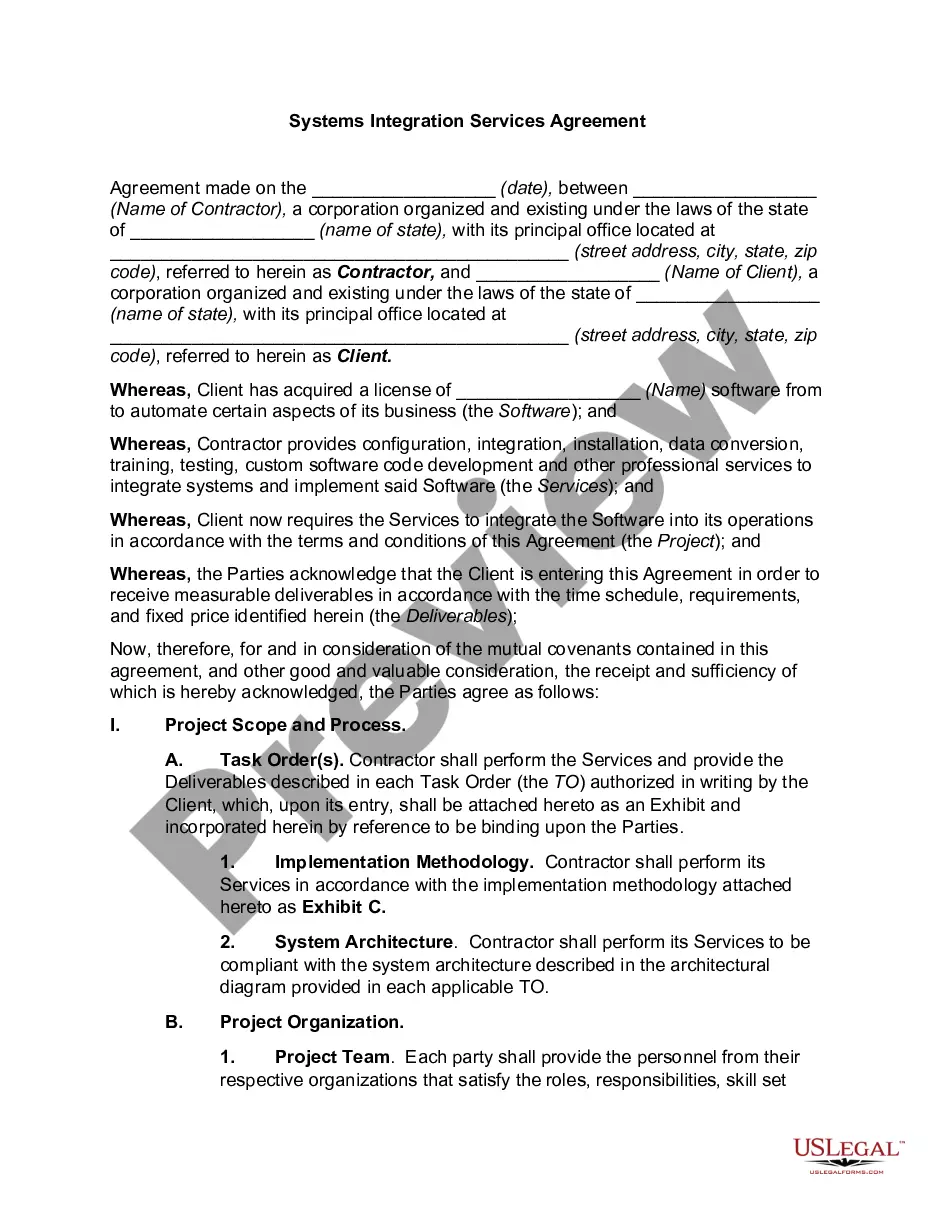
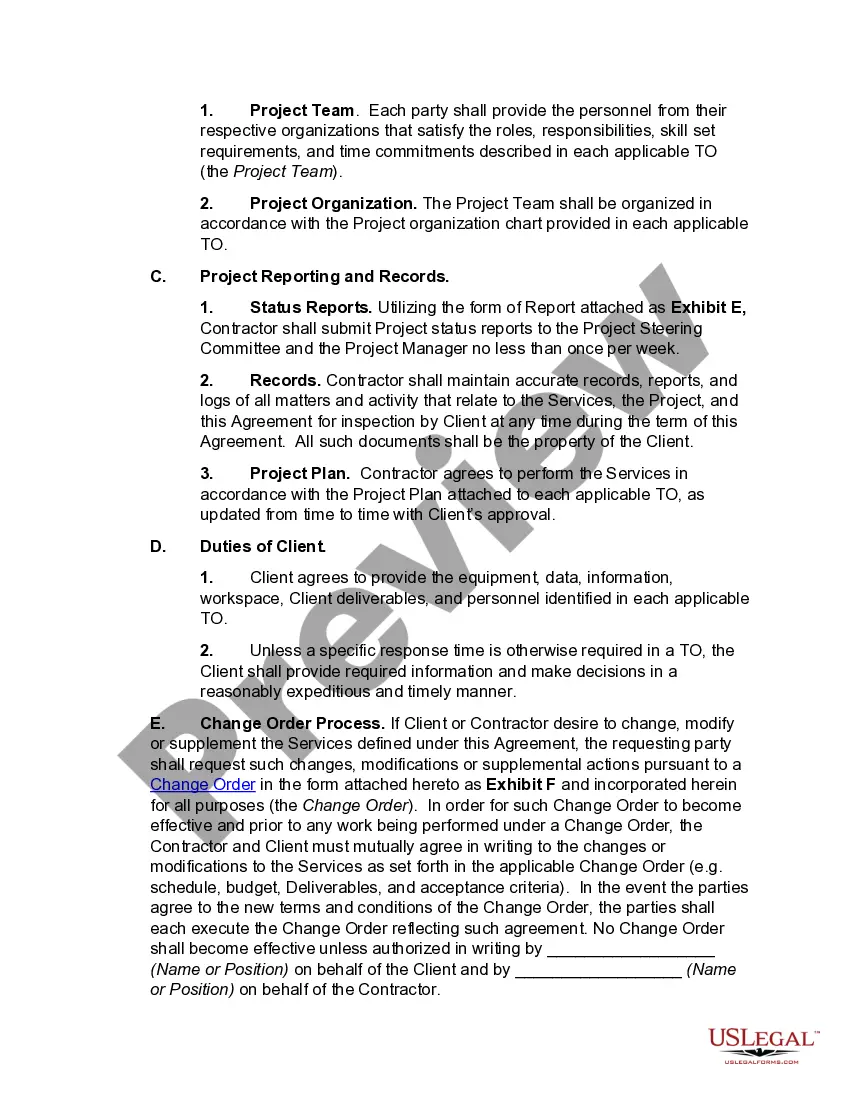
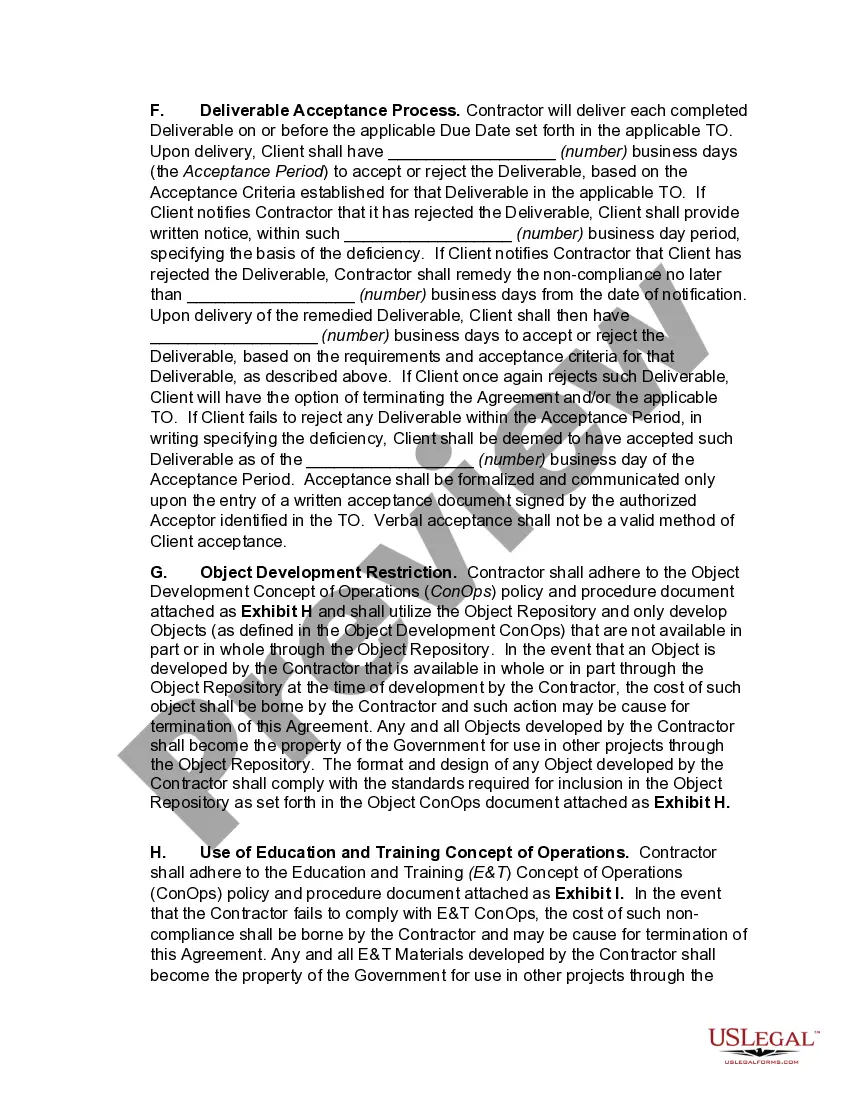
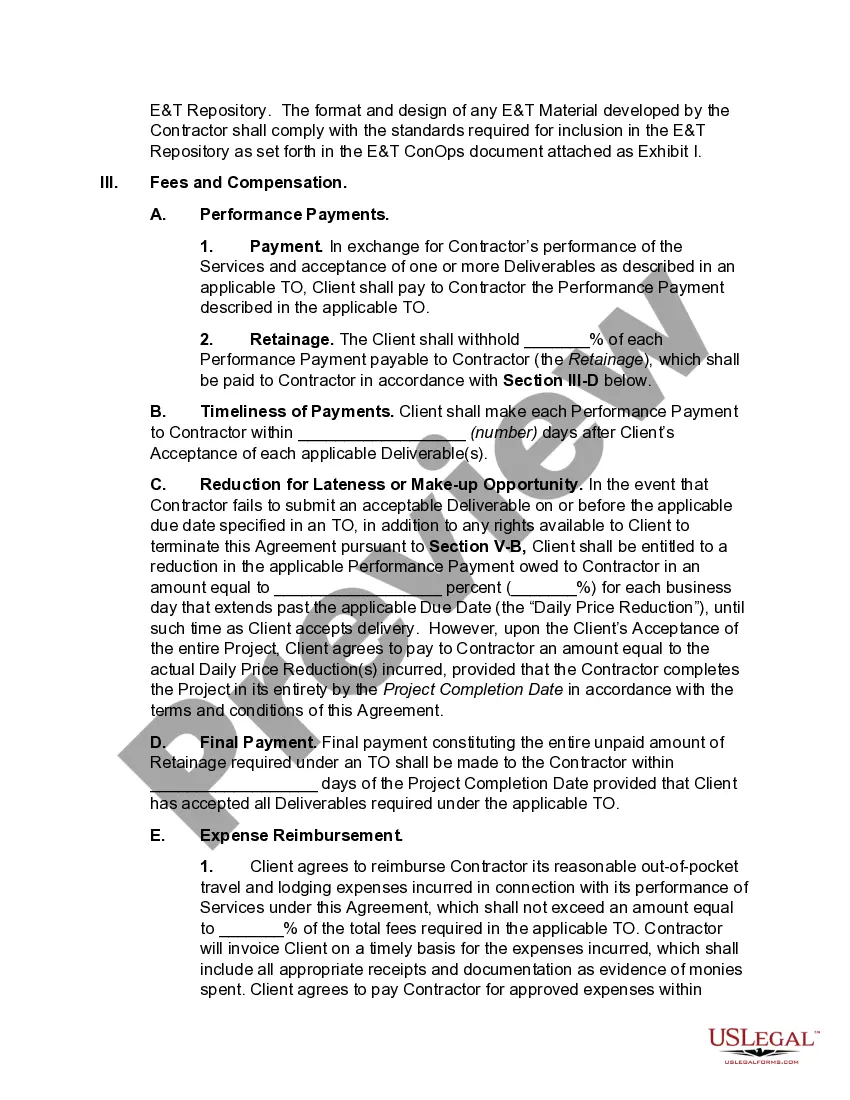
Colorado Systems Integration Services Agreement
Description
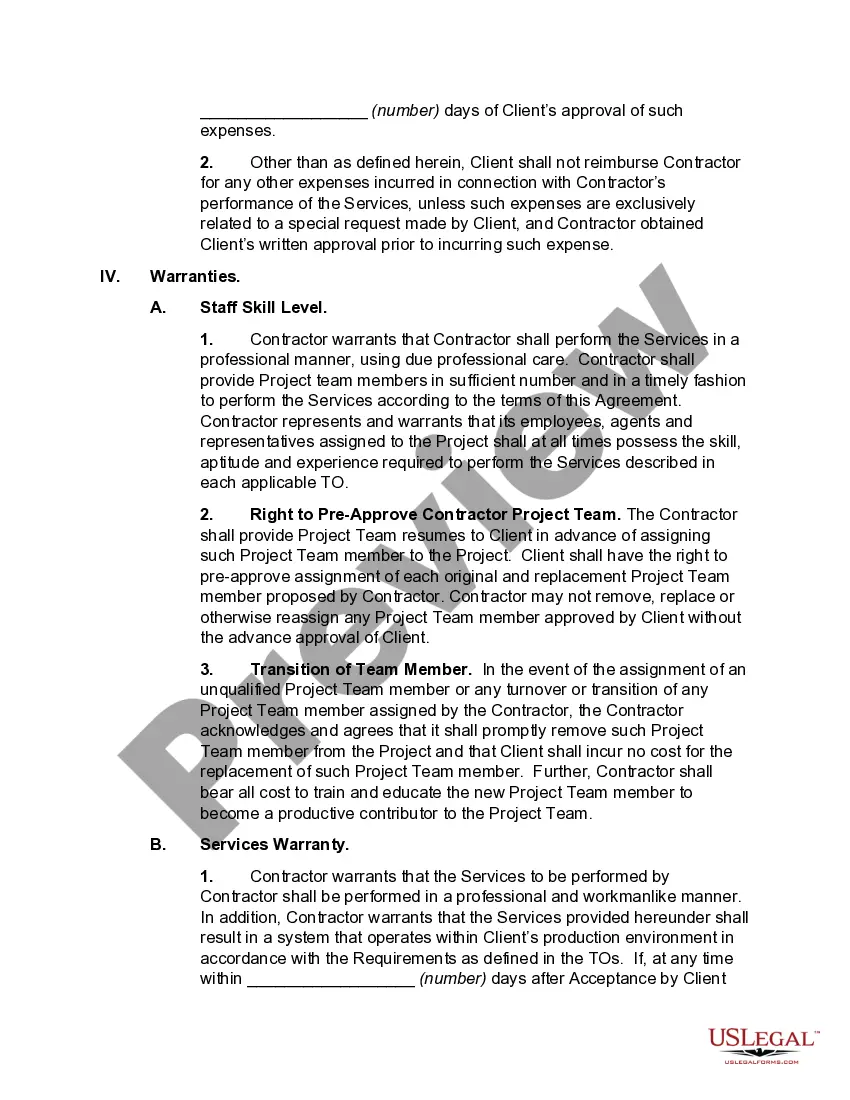
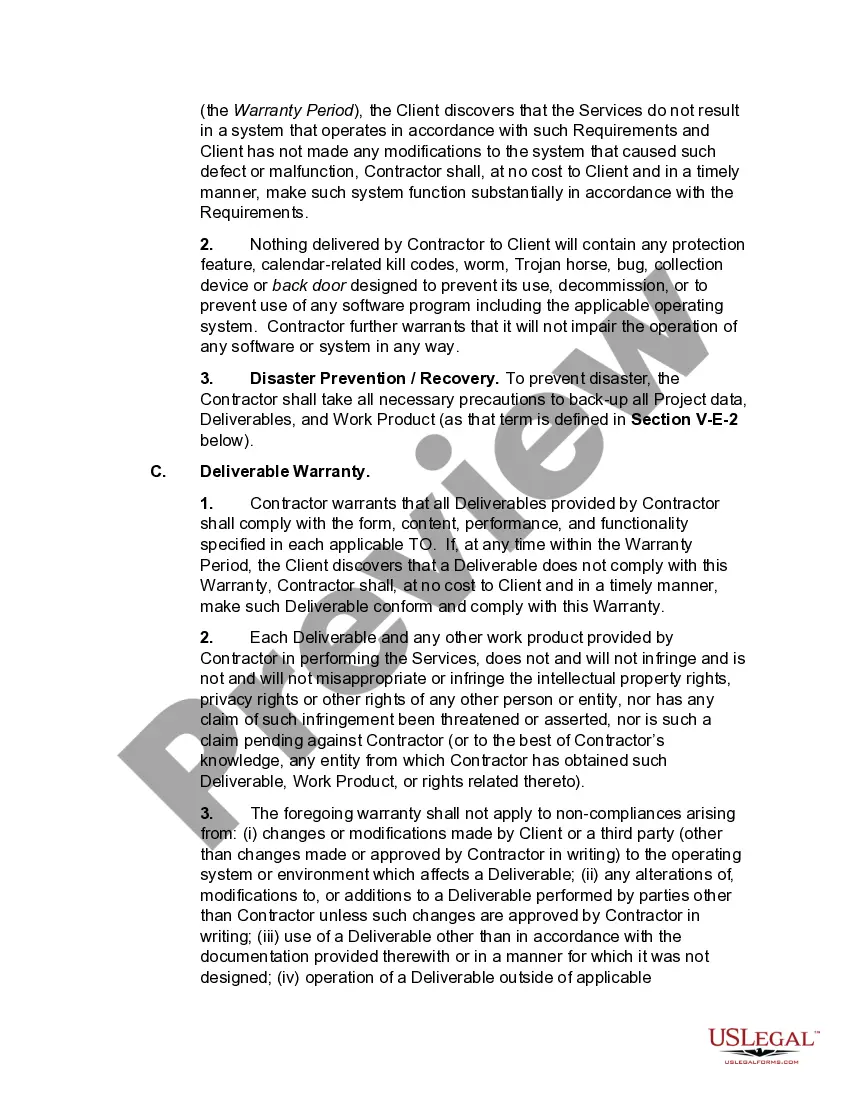
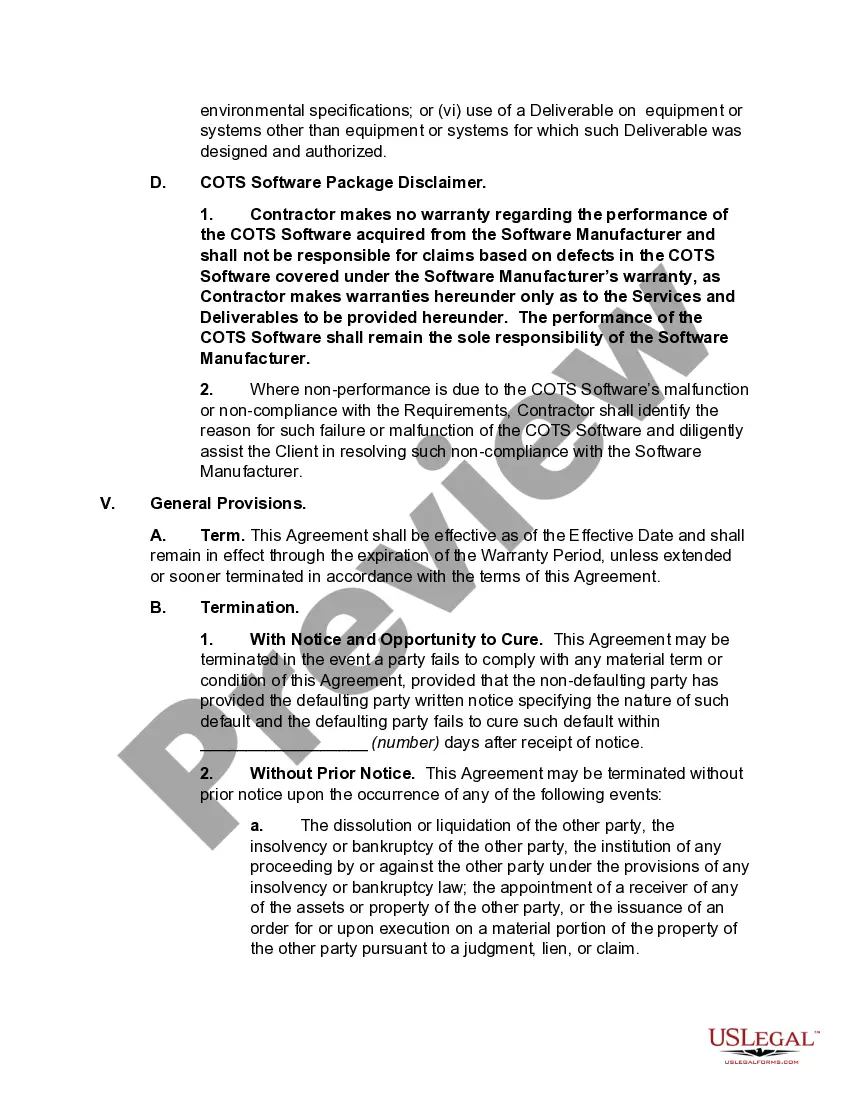
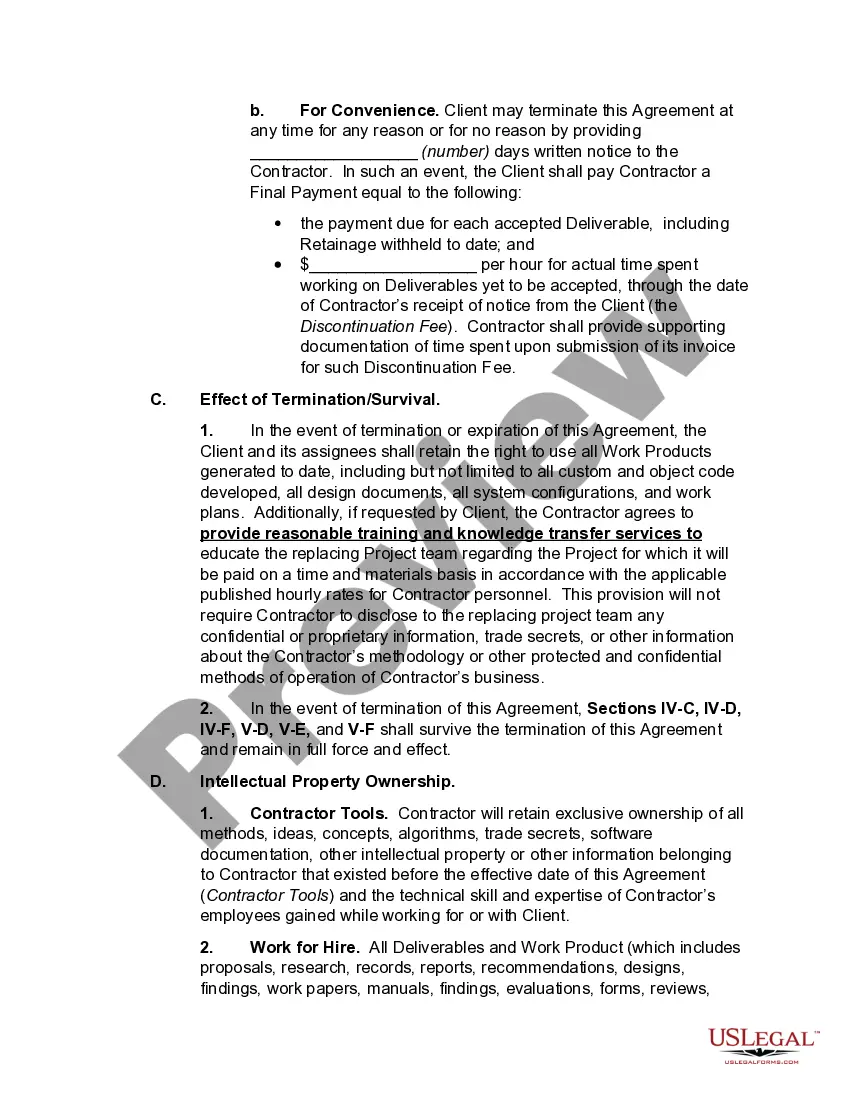
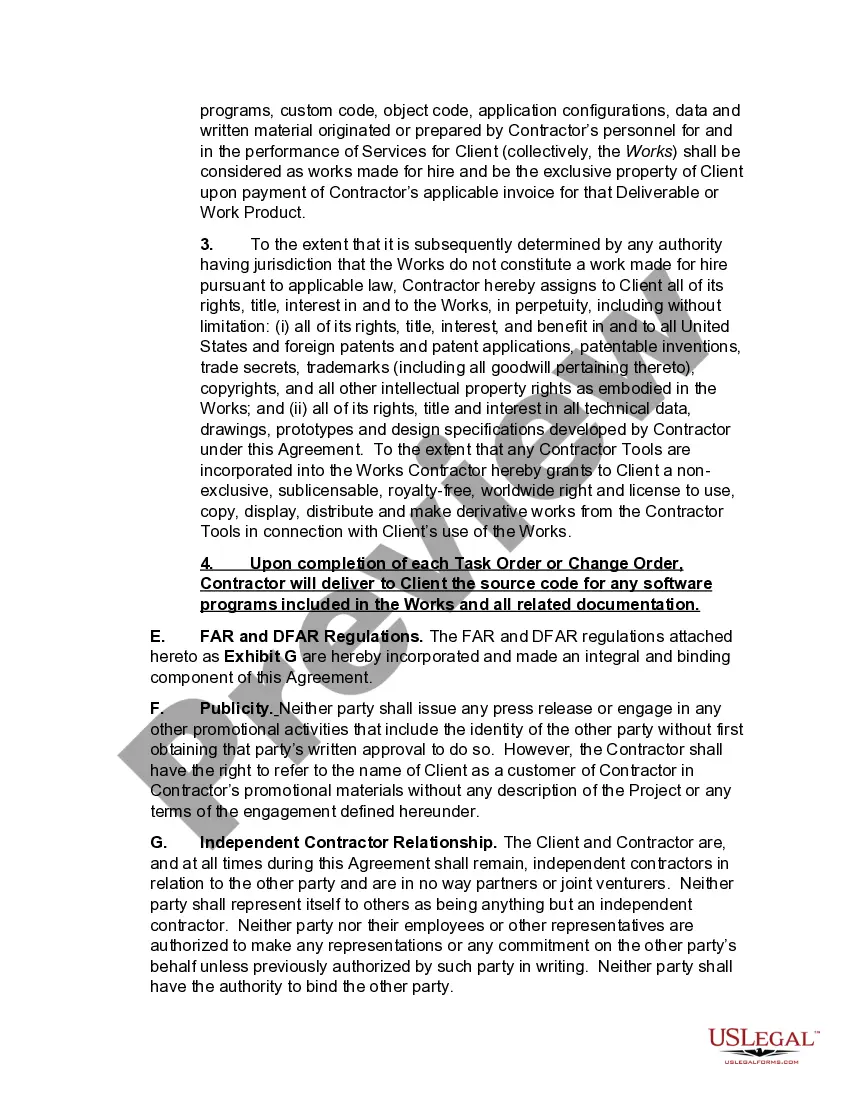


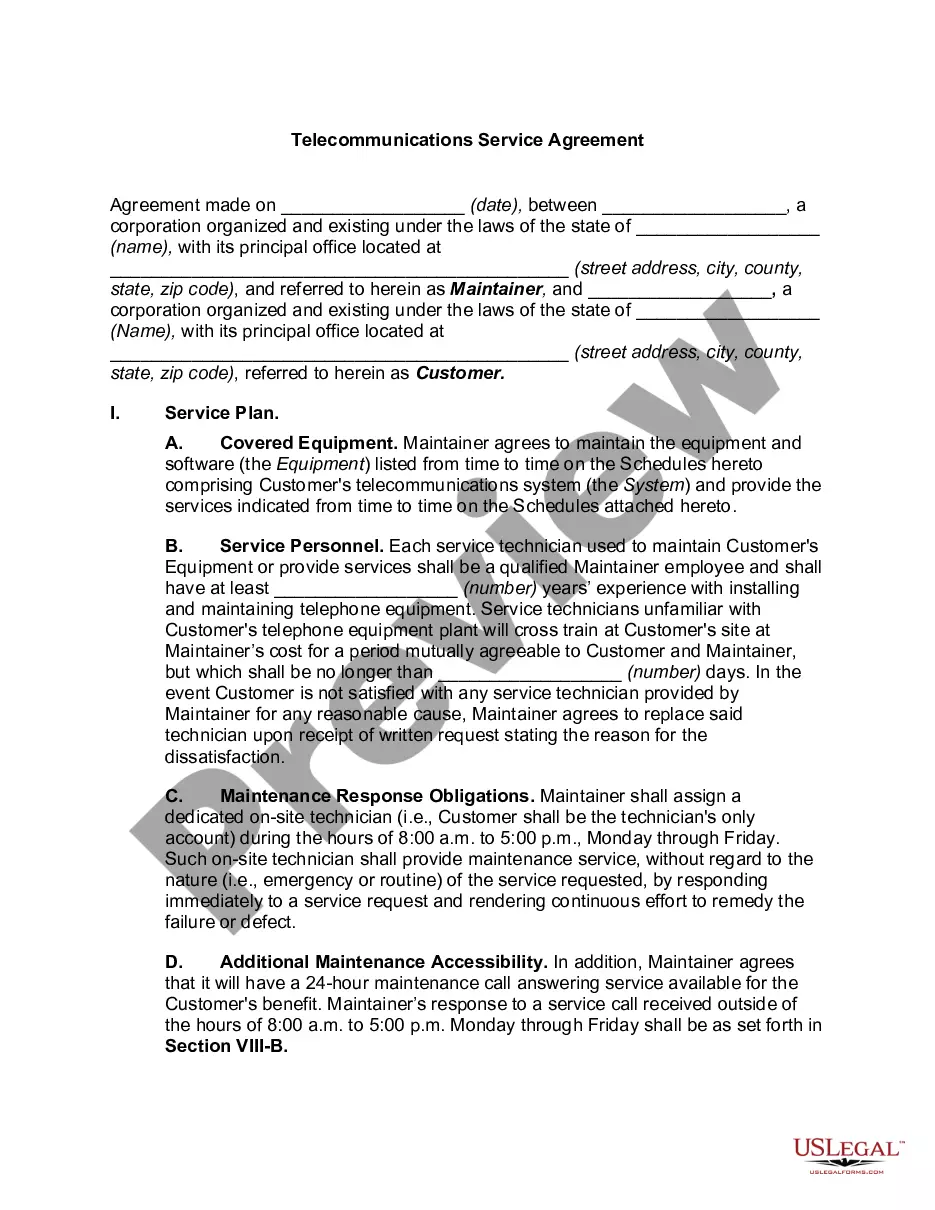
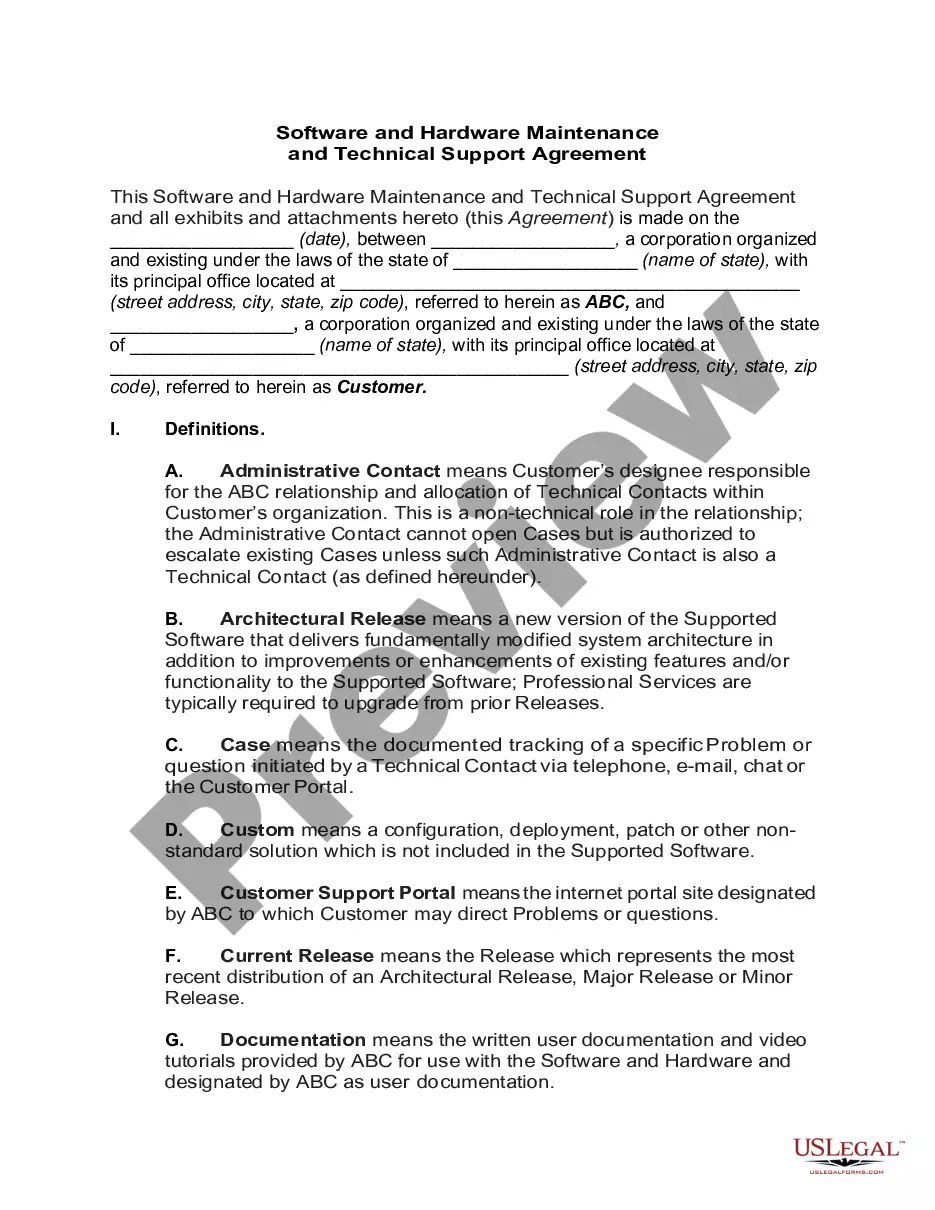
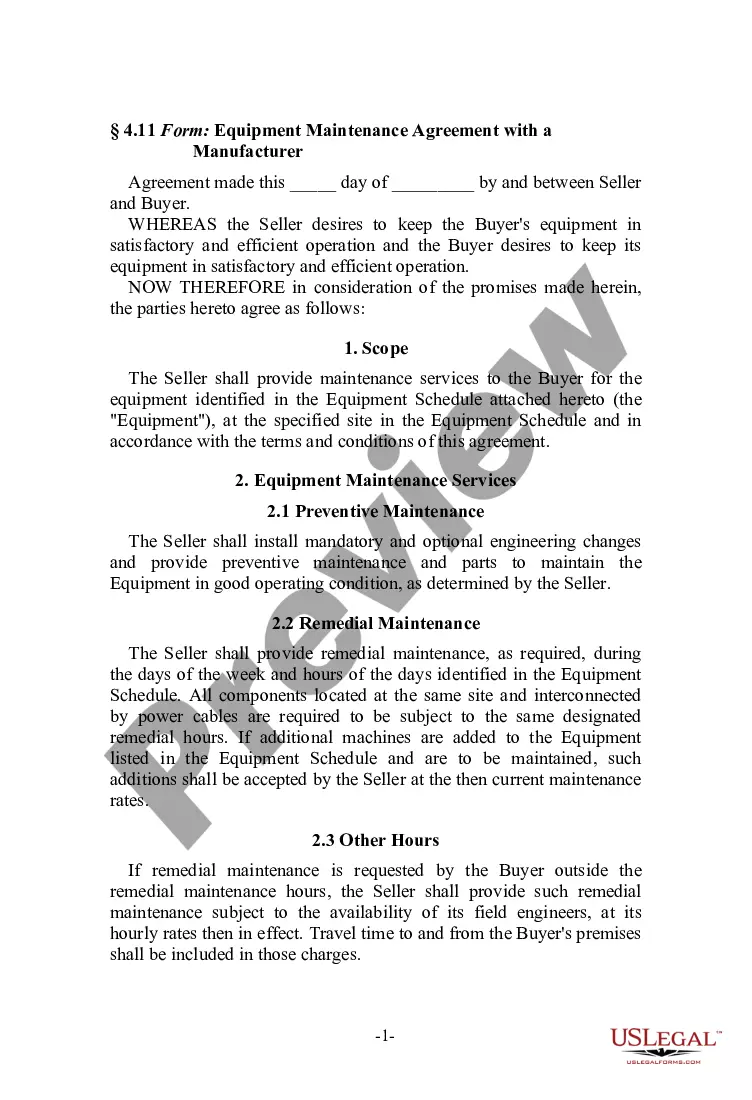
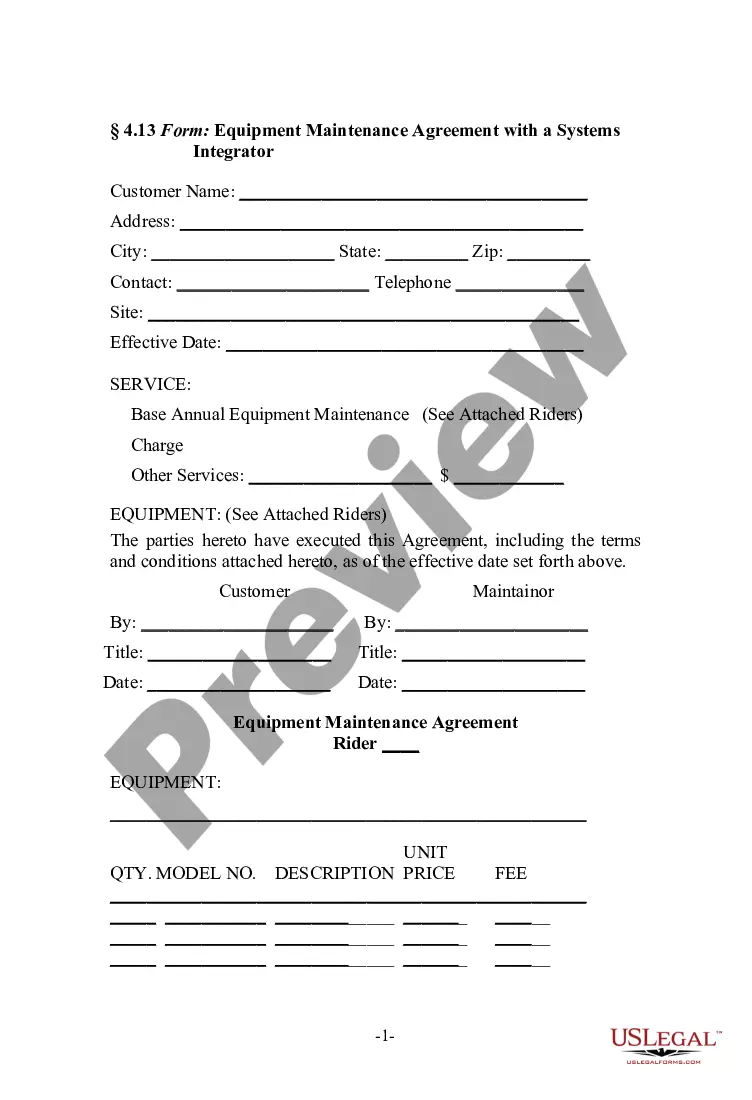
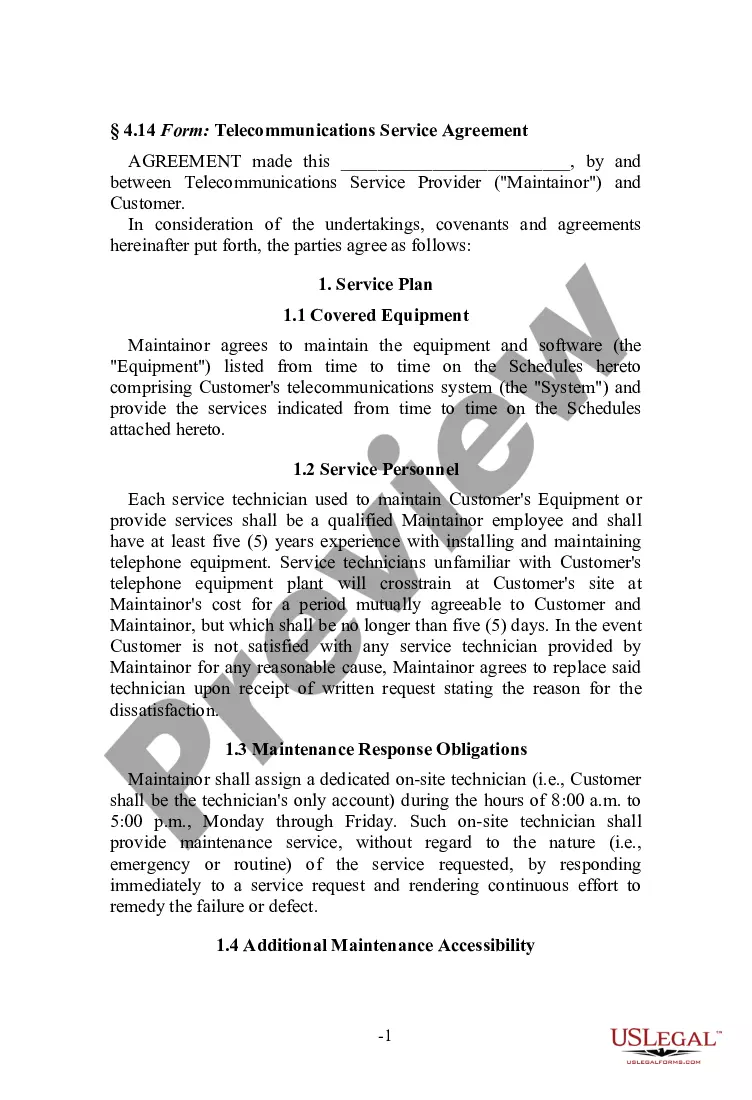
Get your form ready online
Our built-in tools help you complete, sign, share, and store your documents in one place.
Make edits, fill in missing information, and update formatting in US Legal Forms—just like you would in MS Word.
Download a copy, print it, send it by email, or mail it via USPS—whatever works best for your next step.
Sign and collect signatures with our SignNow integration. Send to multiple recipients, set reminders, and more. Go Premium to unlock E-Sign.
If this form requires notarization, complete it online through a secure video call—no need to meet a notary in person or wait for an appointment.
We protect your documents and personal data by following strict security and privacy standards.

Make edits, fill in missing information, and update formatting in US Legal Forms—just like you would in MS Word.

Download a copy, print it, send it by email, or mail it via USPS—whatever works best for your next step.

Sign and collect signatures with our SignNow integration. Send to multiple recipients, set reminders, and more. Go Premium to unlock E-Sign.

If this form requires notarization, complete it online through a secure video call—no need to meet a notary in person or wait for an appointment.

We protect your documents and personal data by following strict security and privacy standards.
Looking for another form?
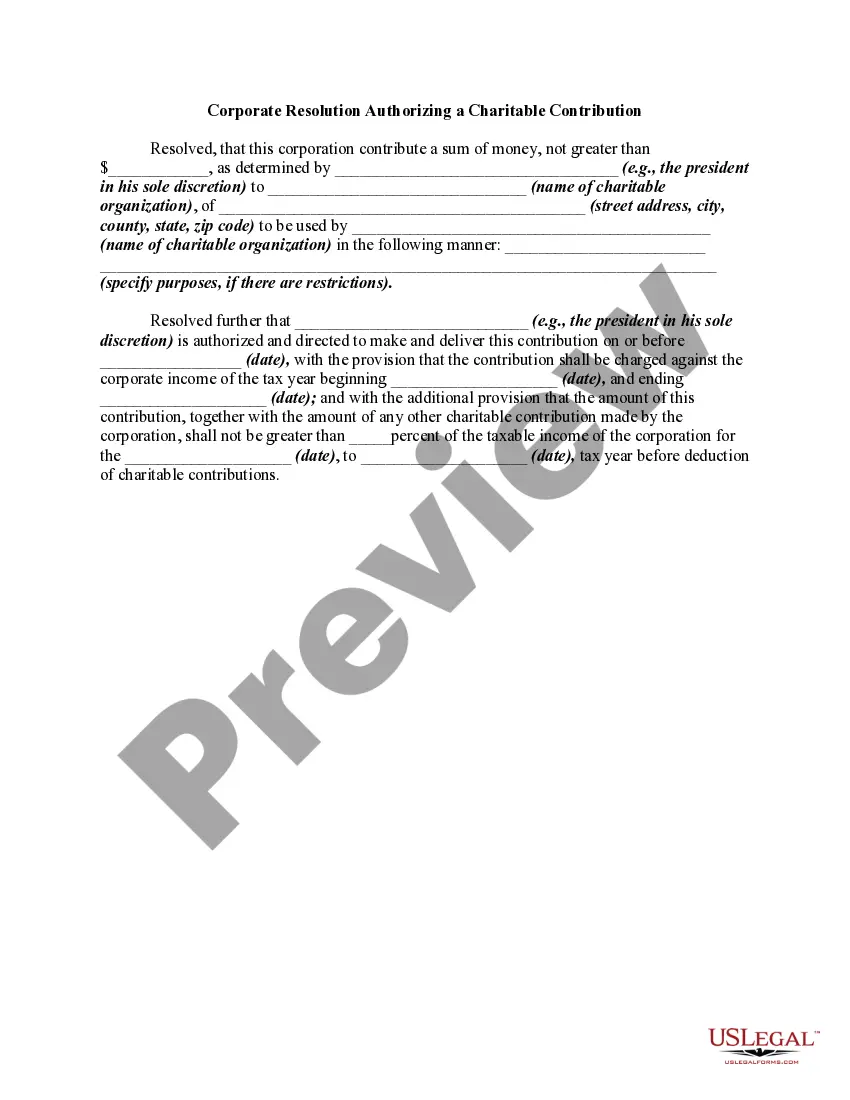


How to fill out Systems Integration Services Agreement?
Locating the correct legal document format can be a challenge.
Clearly, there are numerous templates available online, but how can you find the legal form you need? Utilize the US Legal Forms website.
The platform offers a multitude of templates, including the Colorado Systems Integration Services Agreement, suitable for business and personal needs.
You can review the form using the Preview button and read the form details to ensure it is the right one for you.
- All forms are reviewed by experts and comply with state and federal regulations.
- If you are already registered, Log In to your account and click the Download button to access the Colorado Systems Integration Services Agreement.
- Use your account to search for the legal forms you have previously purchased.
- Go to the My documents section of your account to get another copy of the document you need.
- For new users of US Legal Forms, here are simple steps to follow.
- First, make sure you have chosen the correct form for your city/county.
Form popularity
FAQ
An example of star integration is if a company segments its processes. A separate accounting system would track finances; a web analytics system manages website traffic, and a customer resource management (CRM) system would integrate Salesforce. Data from each system could be pulled and combined as needed.
System Integration is the process of integrating all the physical and virtual components of an organisation's system. The physical components consist of the various machine systems, computer hardware, inventory, etc. The virtual components consists of data stored in databases, software and applications.
The integration document defines the activities necessary to integrate the software units and software components into the software item.
The process of creating a complex information system that may include designing or building a customized architecture or application, integrating it with new or existing hardware, packaged and custom software, and communications.
System Integration is the process of integrating all the physical and virtual components of an organisation's system. The physical components consist of the various machine systems, computer hardware, inventory, etc. The virtual components consists of data stored in databases, software and applications.
An example of star integration is if a company segments its processes. A separate accounting system would track finances; a web analytics system manages website traffic, and a customer resource management (CRM) system would integrate Salesforce. Data from each system could be pulled and combined as needed.
System Integration: Types, Approaches, and Implementation StepsLegacy system integration.Enterprise application integration (EAI)Third-party system integration.Business-to-business integration.
Three types of system integrationEnterprise Application Integration (EAI)Data Integration (DI)Electronic Document Integration/Interchange (EDI)
System integration is defined in engineering as the process of bringing together the component sub-systems into one system (an aggregation of subsystems cooperating so that the system is able to deliver the overarching functionality) and ensuring that the subsystems function together as a system, and in information
Computer systems integration services are the process of integrating your sub-component systems into one functional system. The process combines your physical components, such as machine systems and computer hardware, and your virtual components, including data, software and applications.