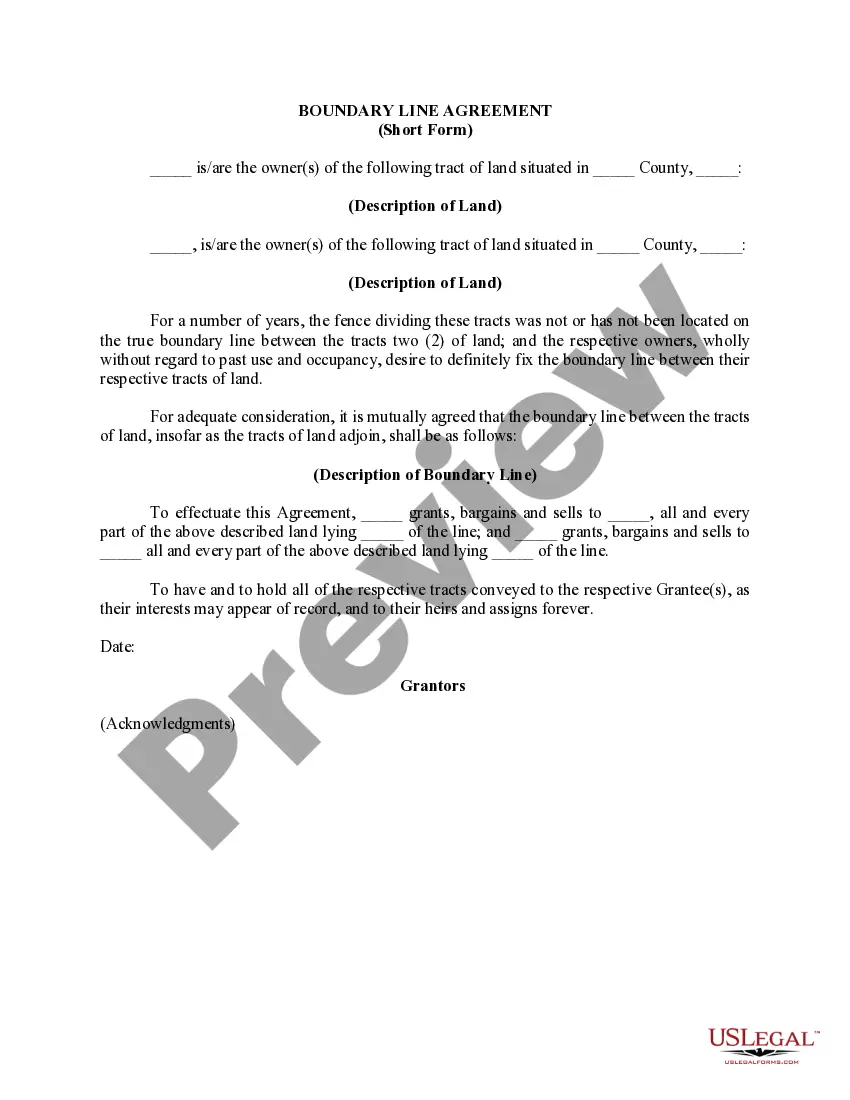
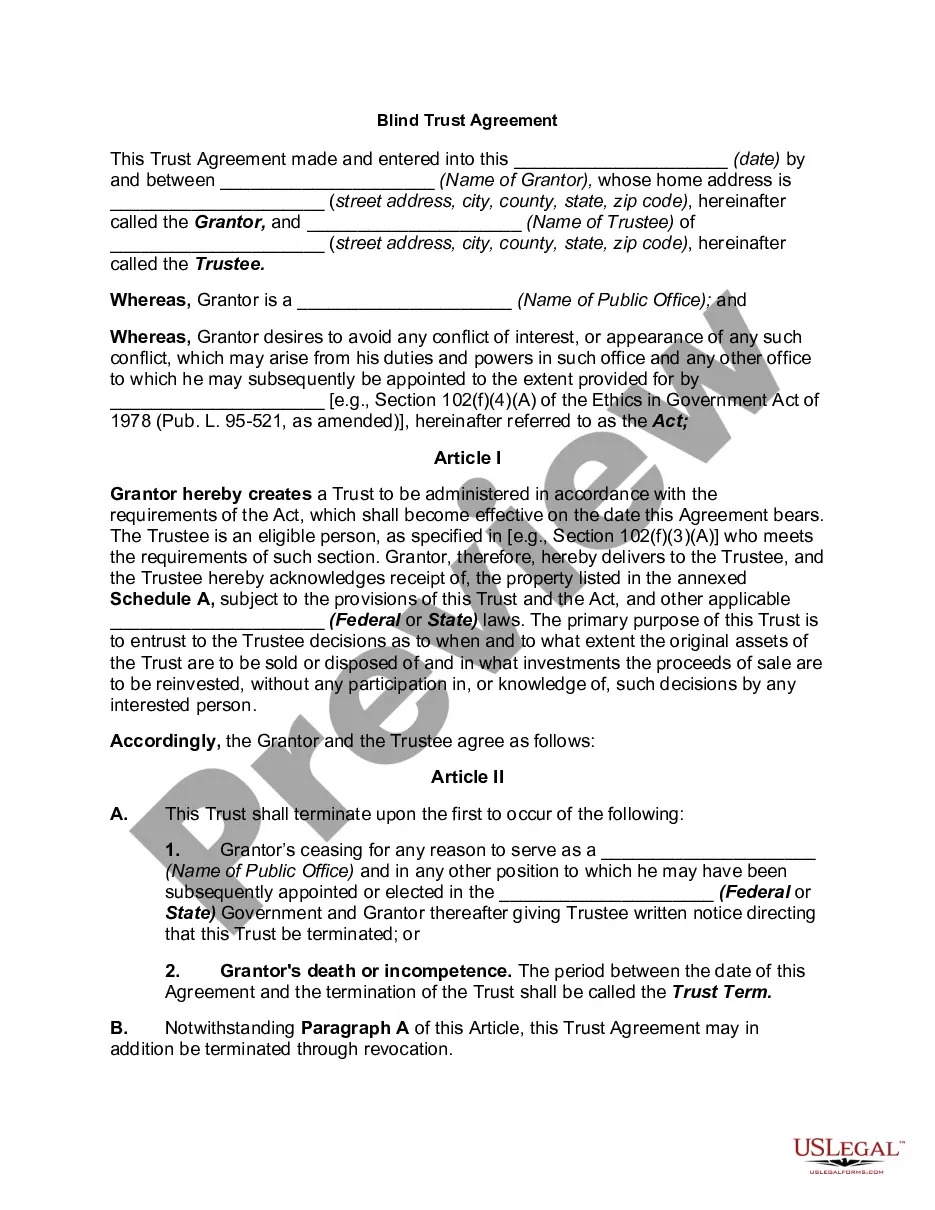
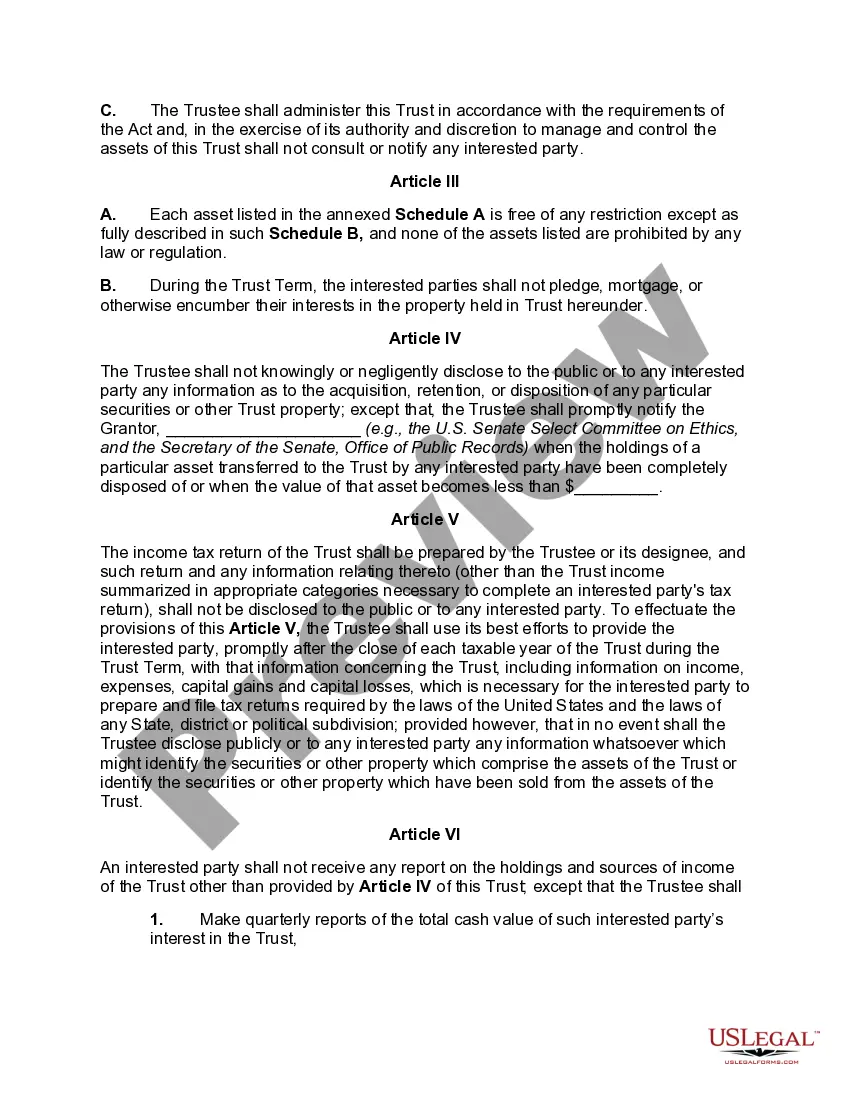
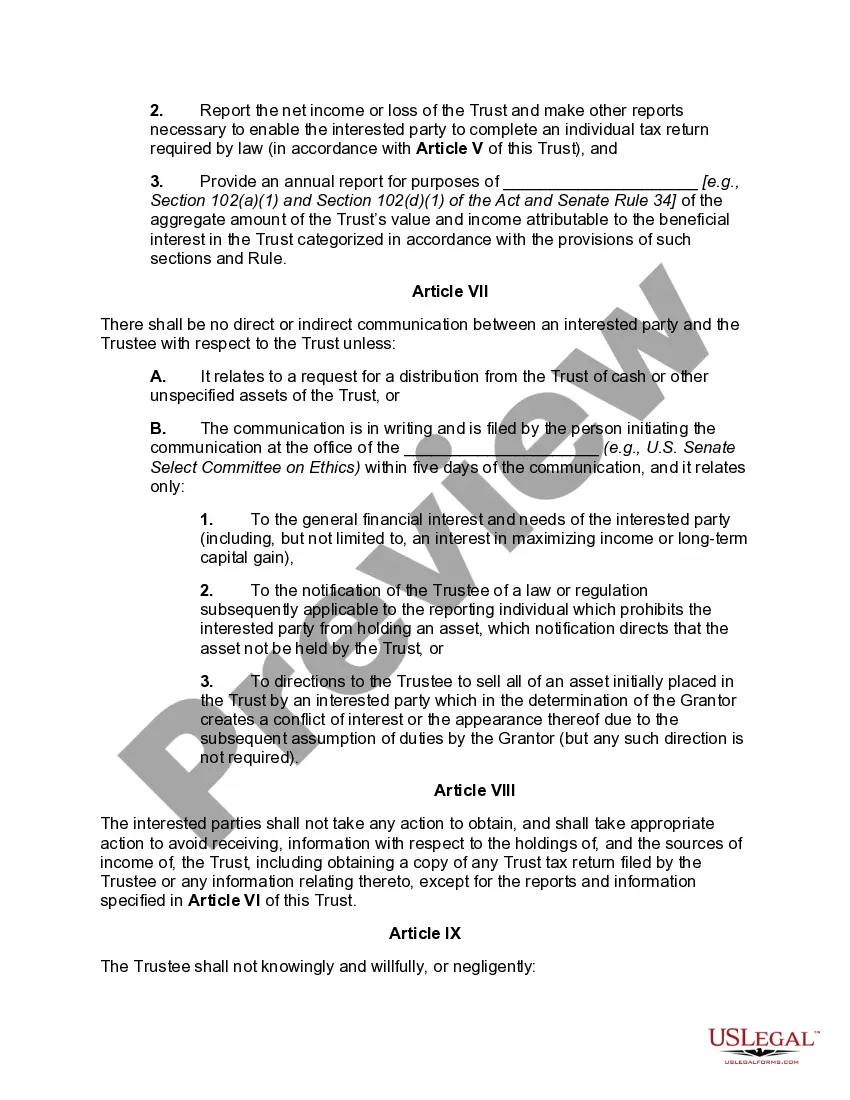
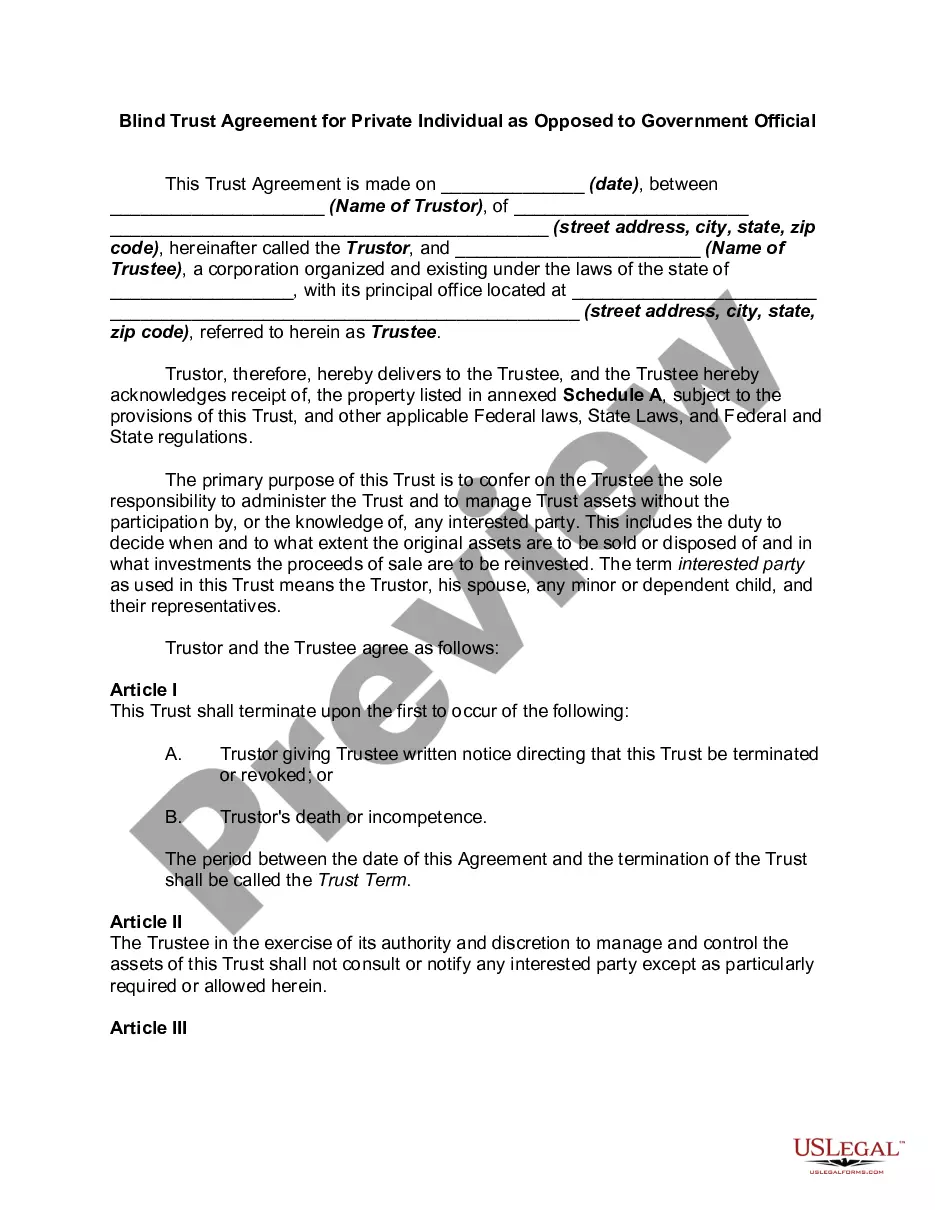
Colorado Blind Trust Agreement
Description
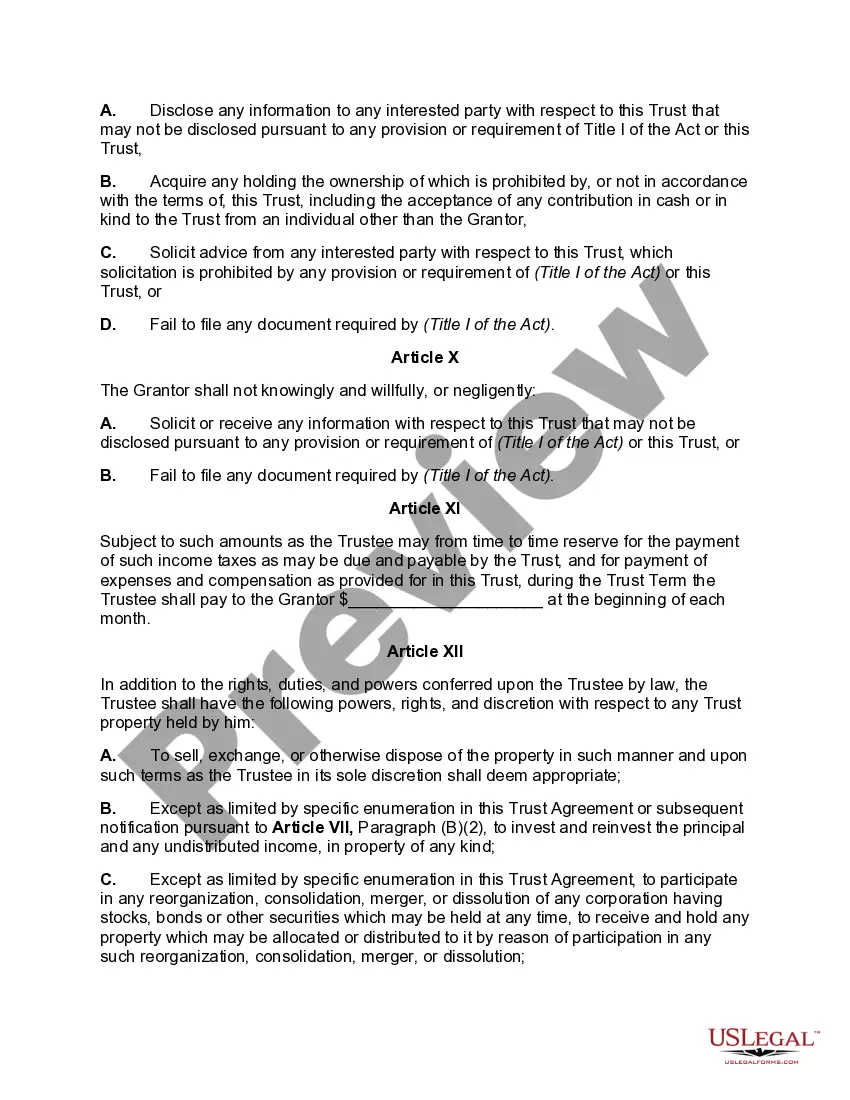
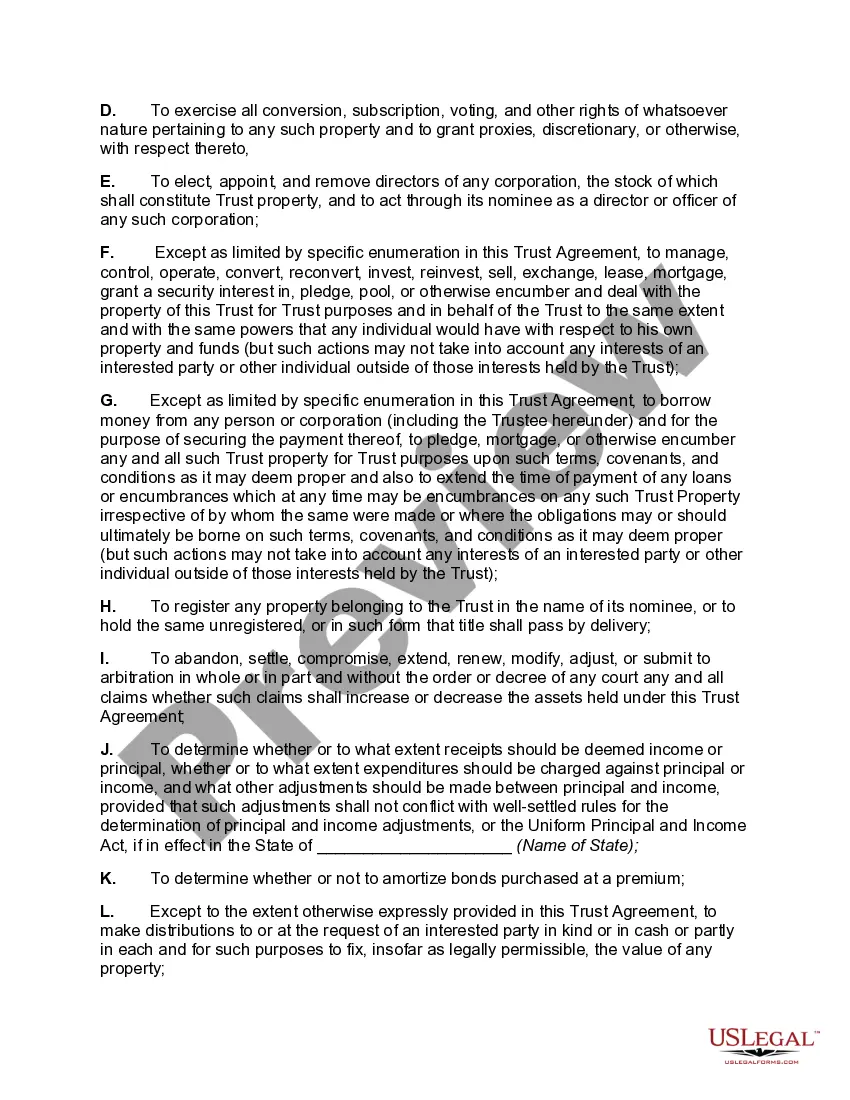
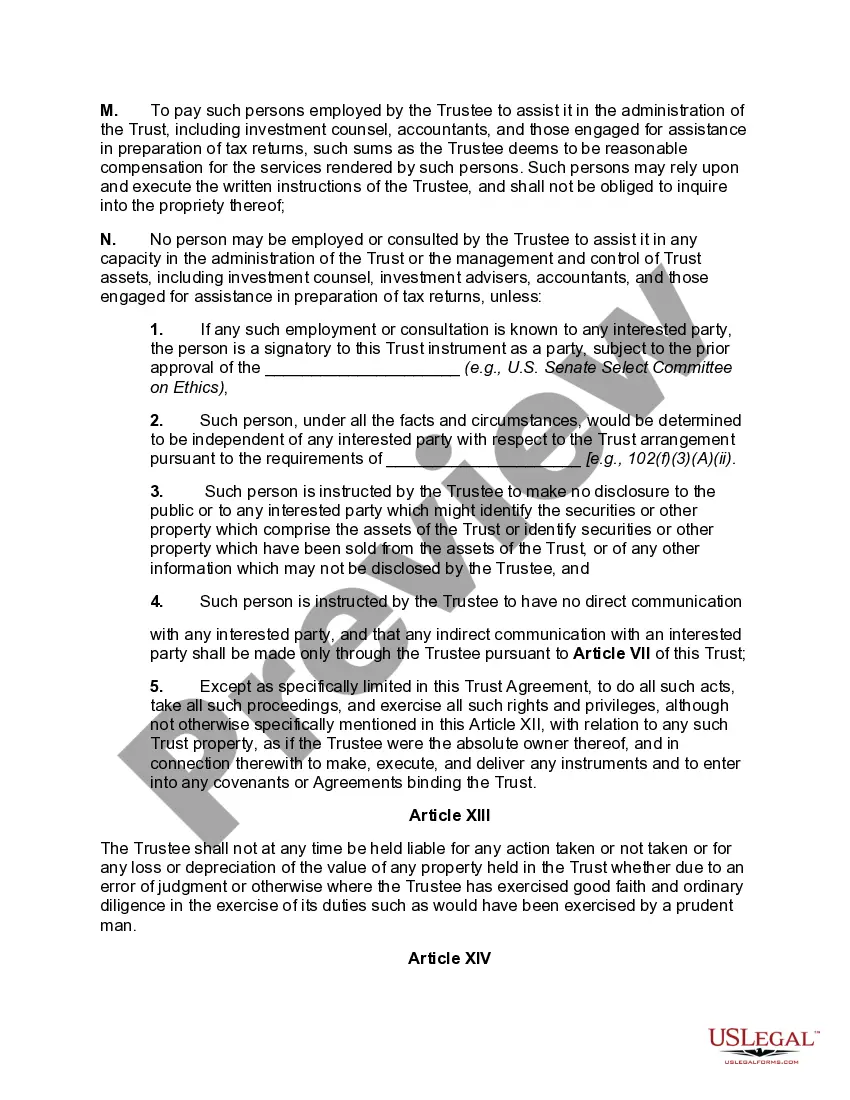
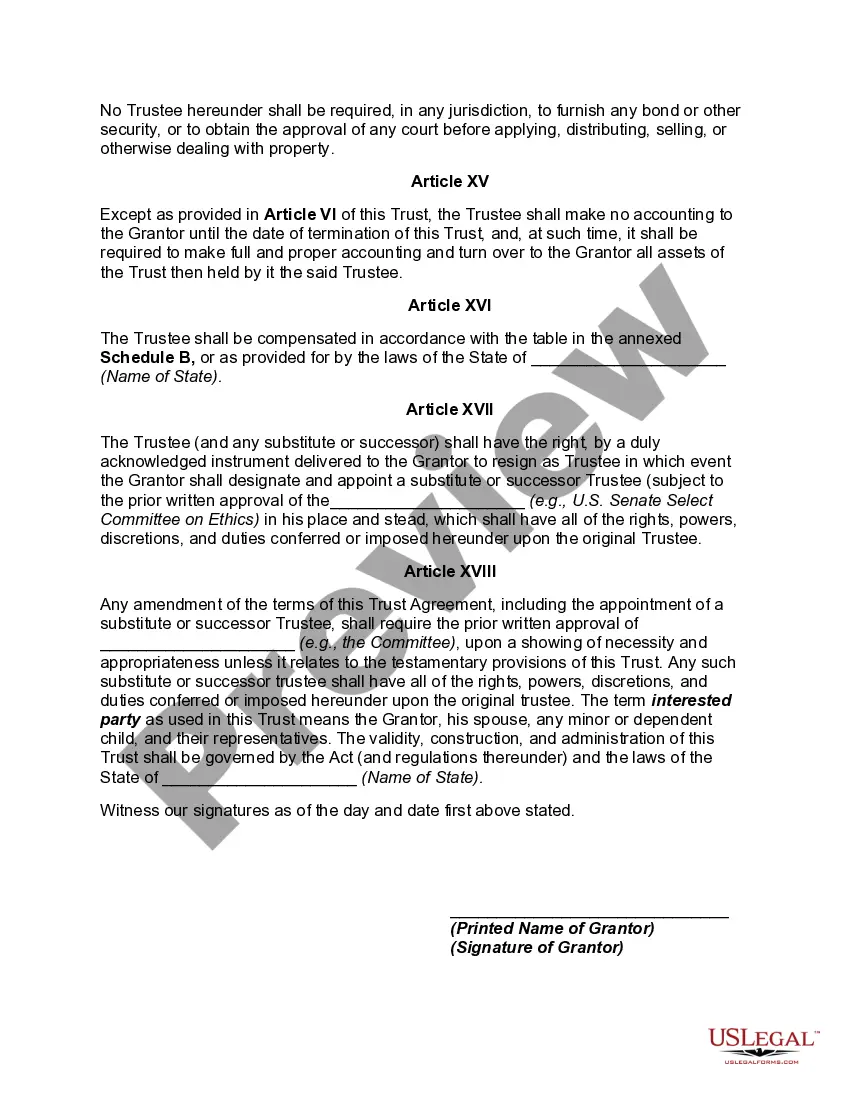
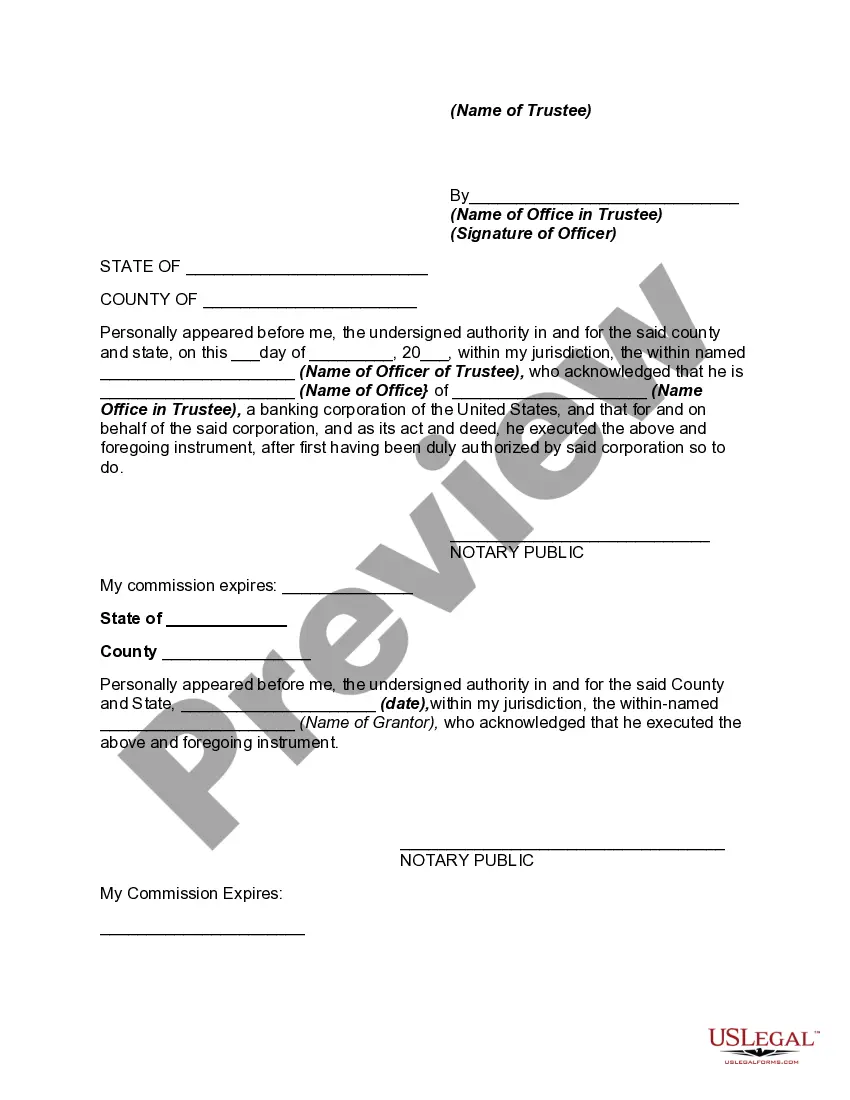
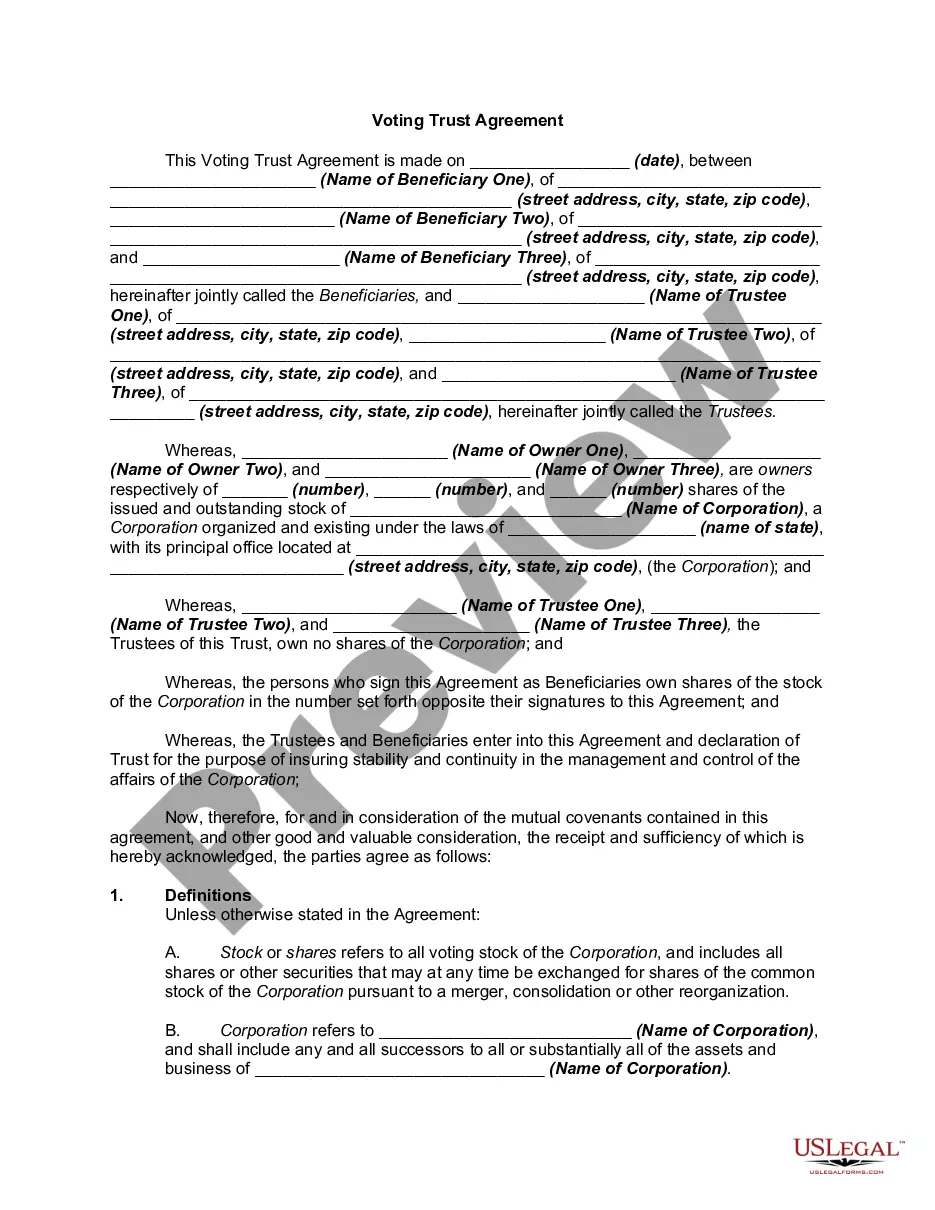
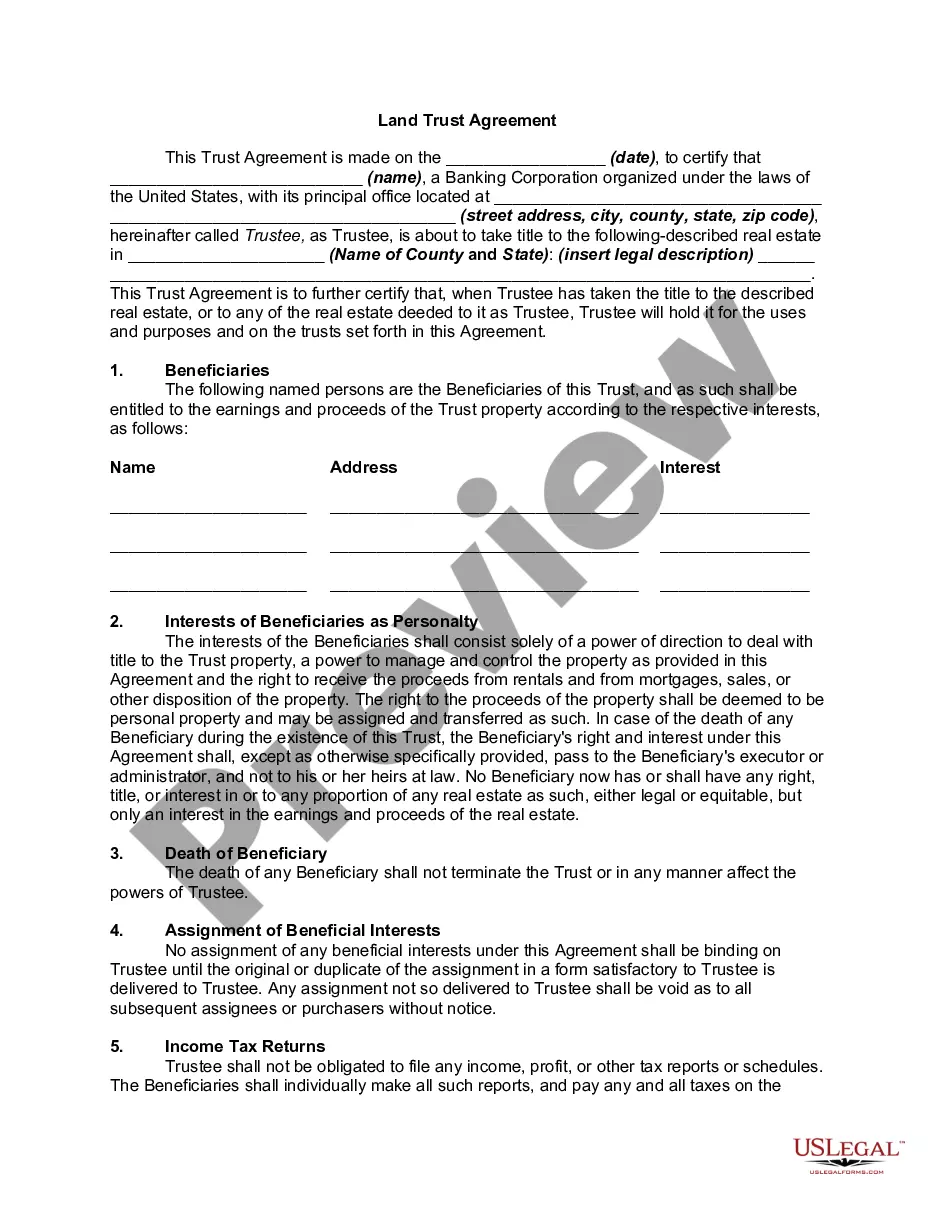
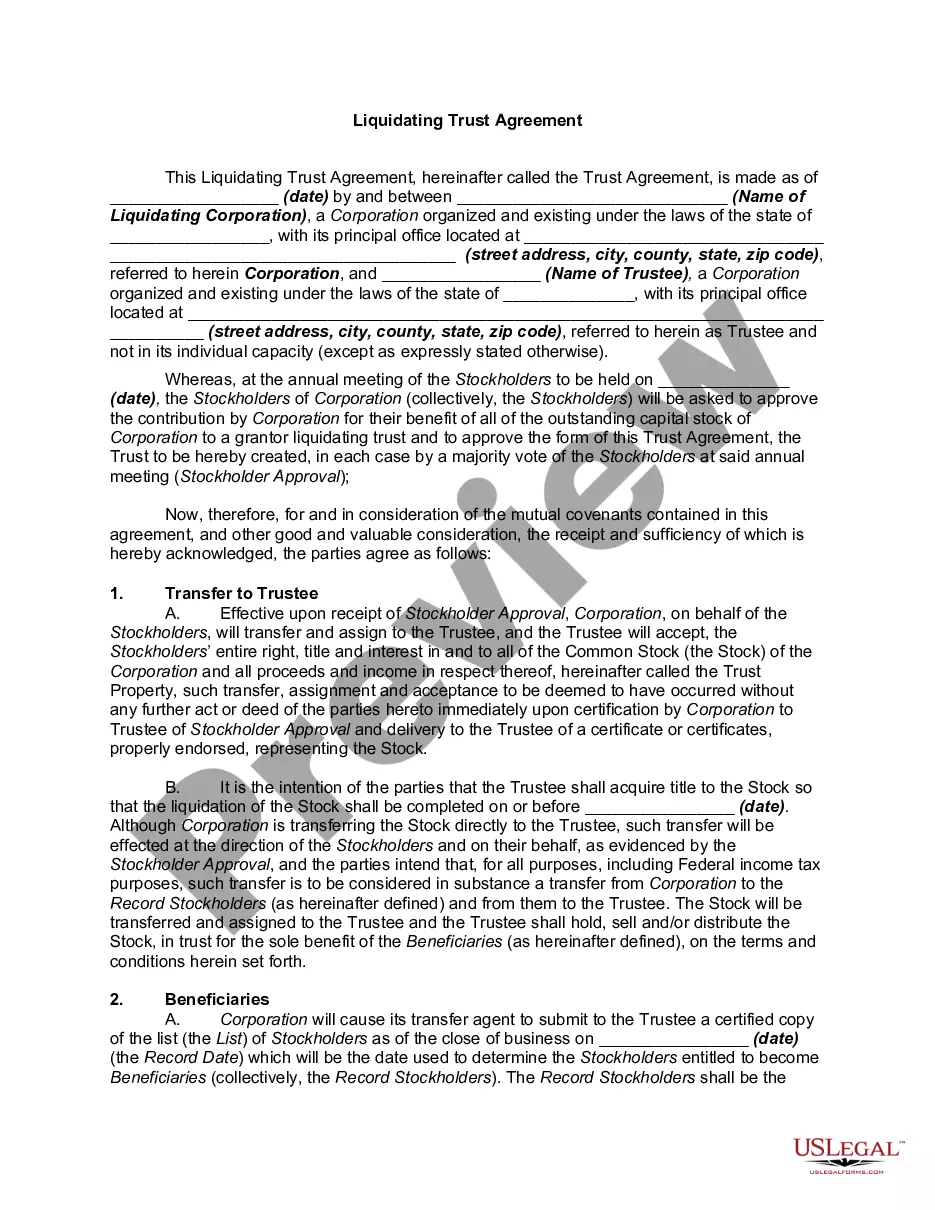
Get your form ready online
Our built-in tools help you complete, sign, share, and store your documents in one place.
Make edits, fill in missing information, and update formatting in US Legal Forms—just like you would in MS Word.
Download a copy, print it, send it by email, or mail it via USPS—whatever works best for your next step.
Sign and collect signatures with our SignNow integration. Send to multiple recipients, set reminders, and more. Go Premium to unlock E-Sign.
If this form requires notarization, complete it online through a secure video call—no need to meet a notary in person or wait for an appointment.
We protect your documents and personal data by following strict security and privacy standards.

Make edits, fill in missing information, and update formatting in US Legal Forms—just like you would in MS Word.

Download a copy, print it, send it by email, or mail it via USPS—whatever works best for your next step.

Sign and collect signatures with our SignNow integration. Send to multiple recipients, set reminders, and more. Go Premium to unlock E-Sign.

If this form requires notarization, complete it online through a secure video call—no need to meet a notary in person or wait for an appointment.

We protect your documents and personal data by following strict security and privacy standards.
Looking for another form?



How to fill out Blind Trust Agreement?
It is feasible to allocate time on the internet looking for the sanctioned document template that aligns with the federal and state criteria you require.
US Legal Forms offers countless sanctioned forms that are reviewed by experts.
You can easily download or print the Colorado Blind Trust Agreement from the service.
Utilize professional and state-specific templates to address your business or personal needs.
- If you already possess a US Legal Forms account, you can Log In and then click the Download button.
- Subsequently, you can complete, modify, print, or sign the Colorado Blind Trust Agreement.
- Every sanctioned document template you purchase is yours indefinitely.
- To retrieve another copy of any bought form, visit the My documents tab and click the corresponding button.
- If you are using the US Legal Forms website for the first time, follow the straightforward instructions below.
- First, ensure that you have selected the appropriate document template for the area/city of your choice.
- Review the form description to confirm you have chosen the correct form.
Form popularity
FAQ
The main distinction lies in the level of control and knowledge the beneficiaries have. In a regular trust, beneficiaries are informed about the assets and can participate in management decisions. Conversely, a blind trust keeps beneficiaries in the dark regarding the assets, which helps in avoiding potential biases. If you are considering a Colorado Blind Trust Agreement, it's crucial to recognize these differences to determine what best suits your financial strategy.
A blind trust primarily features anonymity and complete independence. The trustee manages the assets without consulting the beneficiaries, shielding them from conflicts arising from their personal or professional decisions. Moreover, blind trusts are designed to protect the interests of the beneficiaries while maintaining a barrier from any inside knowledge about the trust's assets. If you are interested in establishing a Colorado Blind Trust Agreement, understanding these properties can greatly benefit you.
A trust is a legal arrangement where a person or entity holds assets for the benefit of another. In contrast, a blind trust is a specific type of trust where the beneficiaries have no knowledge of the trust's assets or how they are managed. This setup often promotes impartiality and reduces potential conflicts of interest. When considering a Colorado Blind Trust Agreement, it is vital to understand how it operates differently from other types of trusts.
The main difference is that a blind trust keeps beneficiaries unaware of the trust's assets and operations, while a traditional trust does not. In a Colorado Blind Trust Agreement, the trustee holds and manages the assets independently. This design is particularly useful for those in positions of public trust or potential conflict.
Filling out a trust form involves providing essential details about yourself, the trustee, and the assets you wish to place in the trust. Clearly outline the terms and conditions you desire in the Colorado Blind Trust Agreement. U.S. Legal Forms offers easy-to-follow templates and guidance to make this process simple and effective.
To put everything you own into a trust, you first need to identify your assets and decide which ones to include. Next, create a Colorado Blind Trust Agreement, listing these assets within the document. Finally, execute the document and transfer ownership of your assets into the trust, ensuring proper title changes.
An example of a blind trust might involve a public official who places their investments into a blind trust to avoid any appearance of conflict. The trustee, appointed by the official, manages these assets without informing them of any transaction details. Crafting a Colorado Blind Trust Agreement can help you establish a similar structure for your assets.
Having a blind trust in someone means entrusting your financial assets to a trustee without your direct involvement in management decisions. This arrangement allows you to avoid potential conflicts of interest. In a Colorado Blind Trust Agreement, the trustee makes all decisions regarding your assets, giving you peace of mind.
There are generally two types of blind trusts: revocable and irrevocable. A revocable blind trust allows you to maintain some control over your assets while an irrevocable trust provides complete separation. Understanding these options can help you tailor a Colorado Blind Trust Agreement to fit your specific needs.
To form a Colorado Blind Trust Agreement, you must first choose a reliable trustee. Then, draft the trust document, clearly outlining its terms and conditions. After signing the agreement, transfer your assets into the trust. Use platforms like U.S. Legal Forms for easy, guided access to the necessary documents.