Colorado Grant Deed - Trust to a Trust
What is this form?
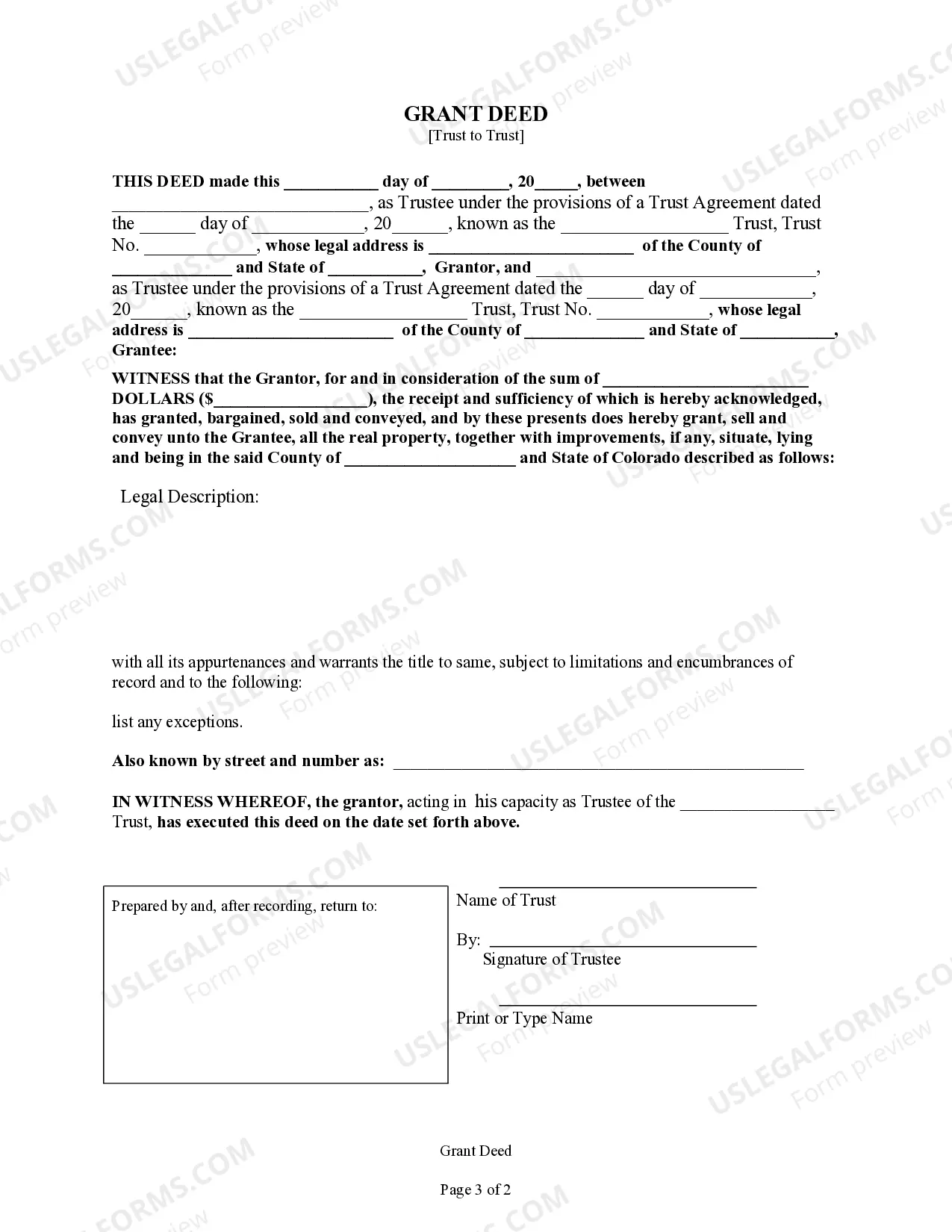
The Grant Deed - Trust to a Trust is a legal document that facilitates the transfer of real property from one trust to another. This type of grant deed specifically involves a grantor who is a trust and a grantee who is also a trust, ensuring that the property is legally conveyed while complying with state laws. Unlike other property transfer forms, this deed is tailored for trust-to-trust transfers, making it essential for estate planning and asset management within trusts.
Form components explained
- Identifying information for the grantor and grantee, including their trust names and addresses.
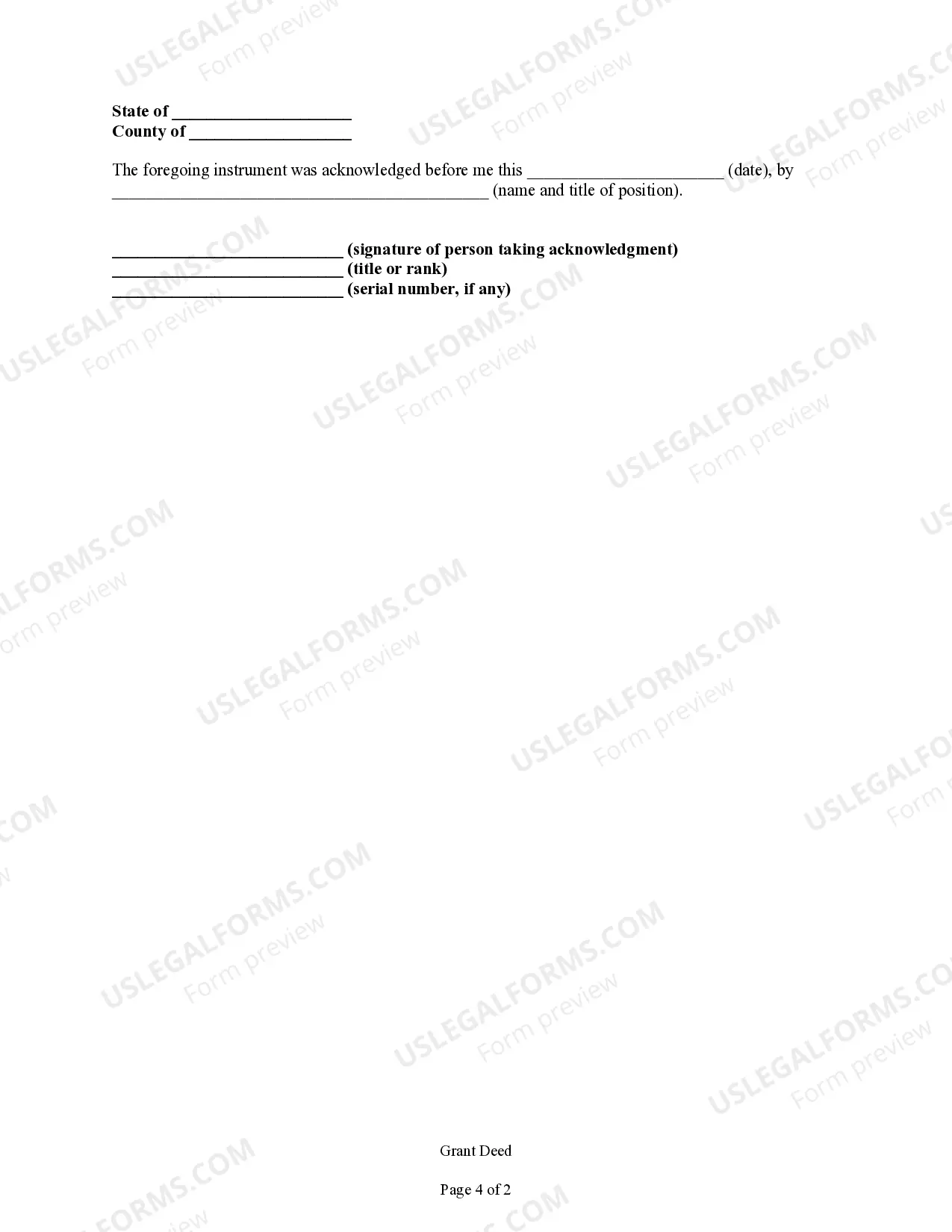
- A description of the real property being transferred.
- Consideration statement, indicating the amount exchanged for the property.
- Warranties regarding the title to the property and any encumbrances.
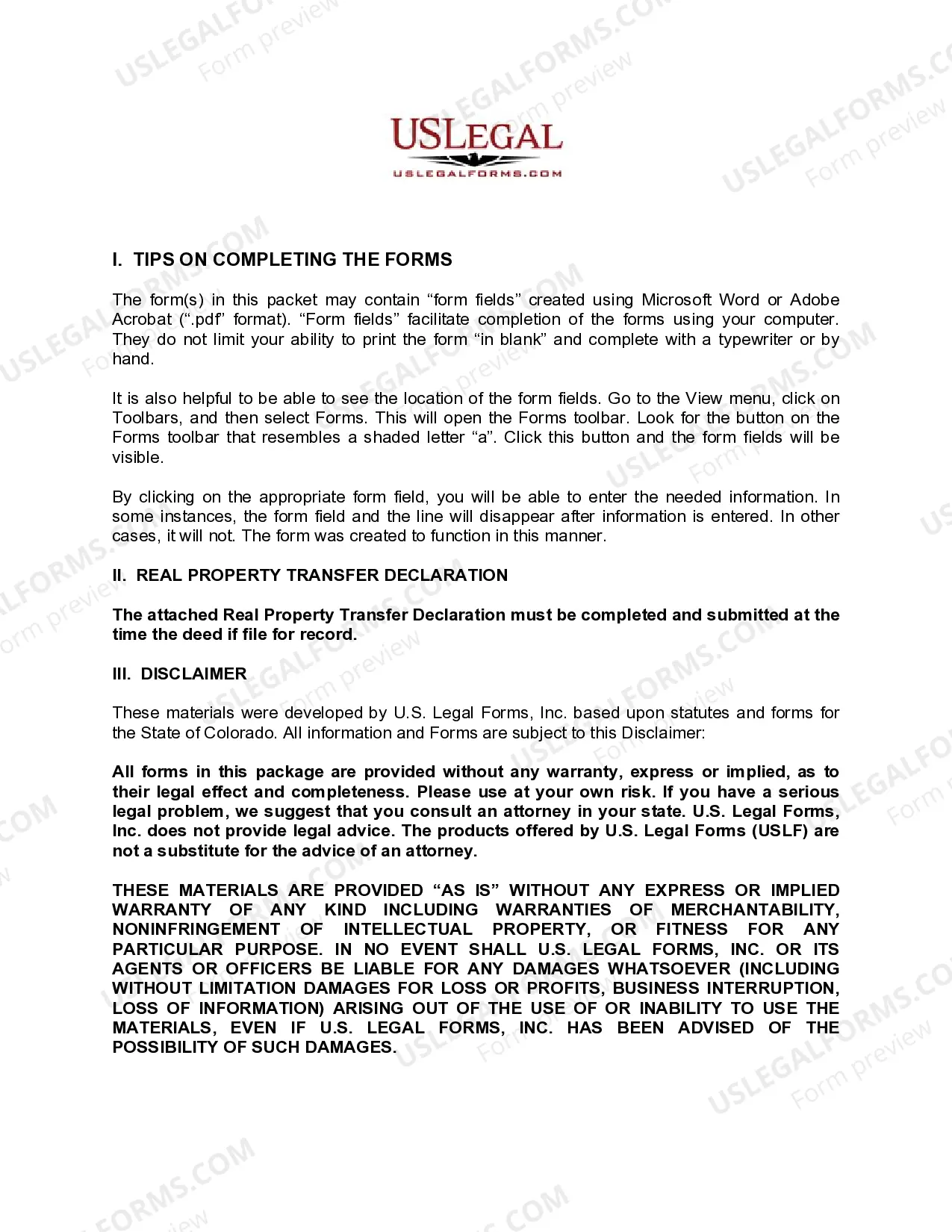
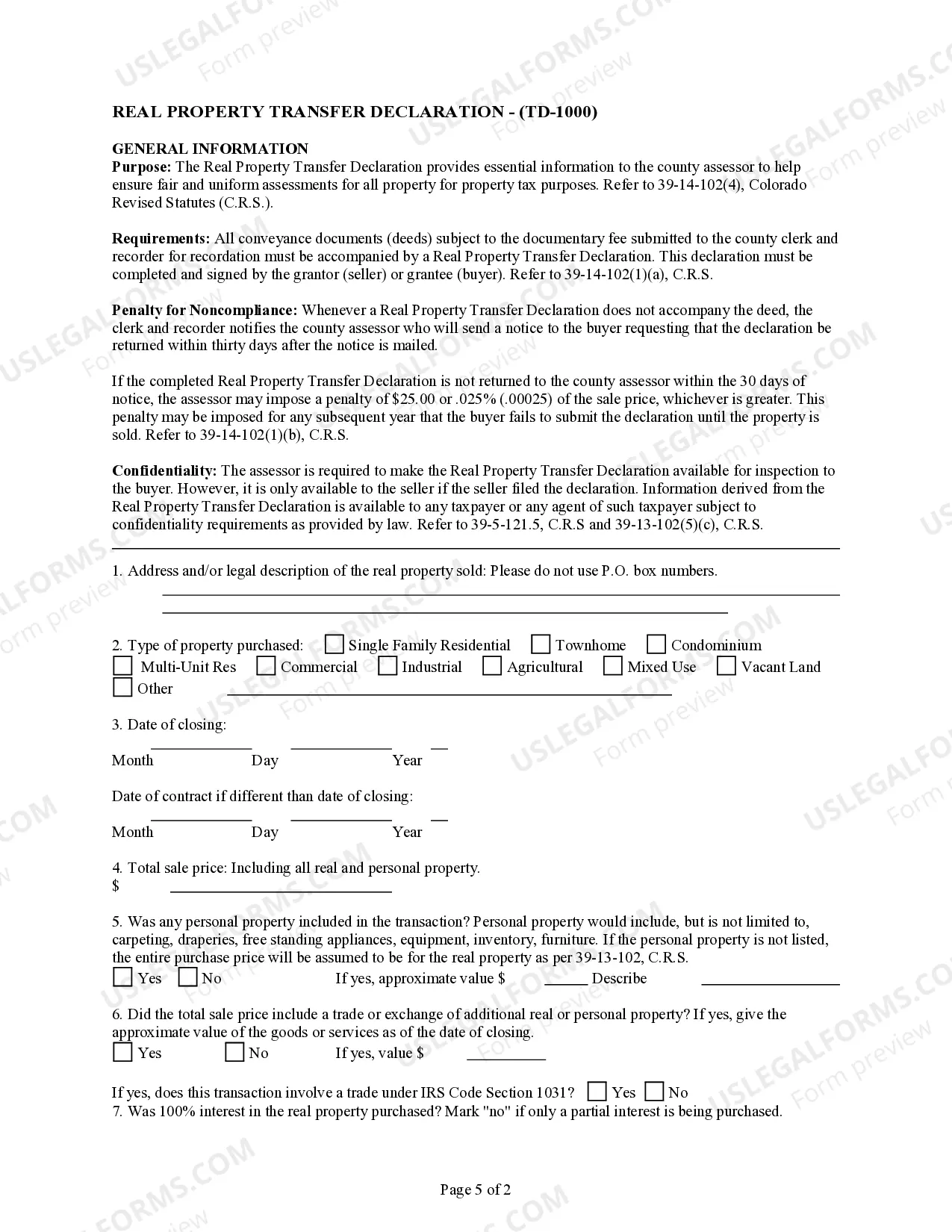
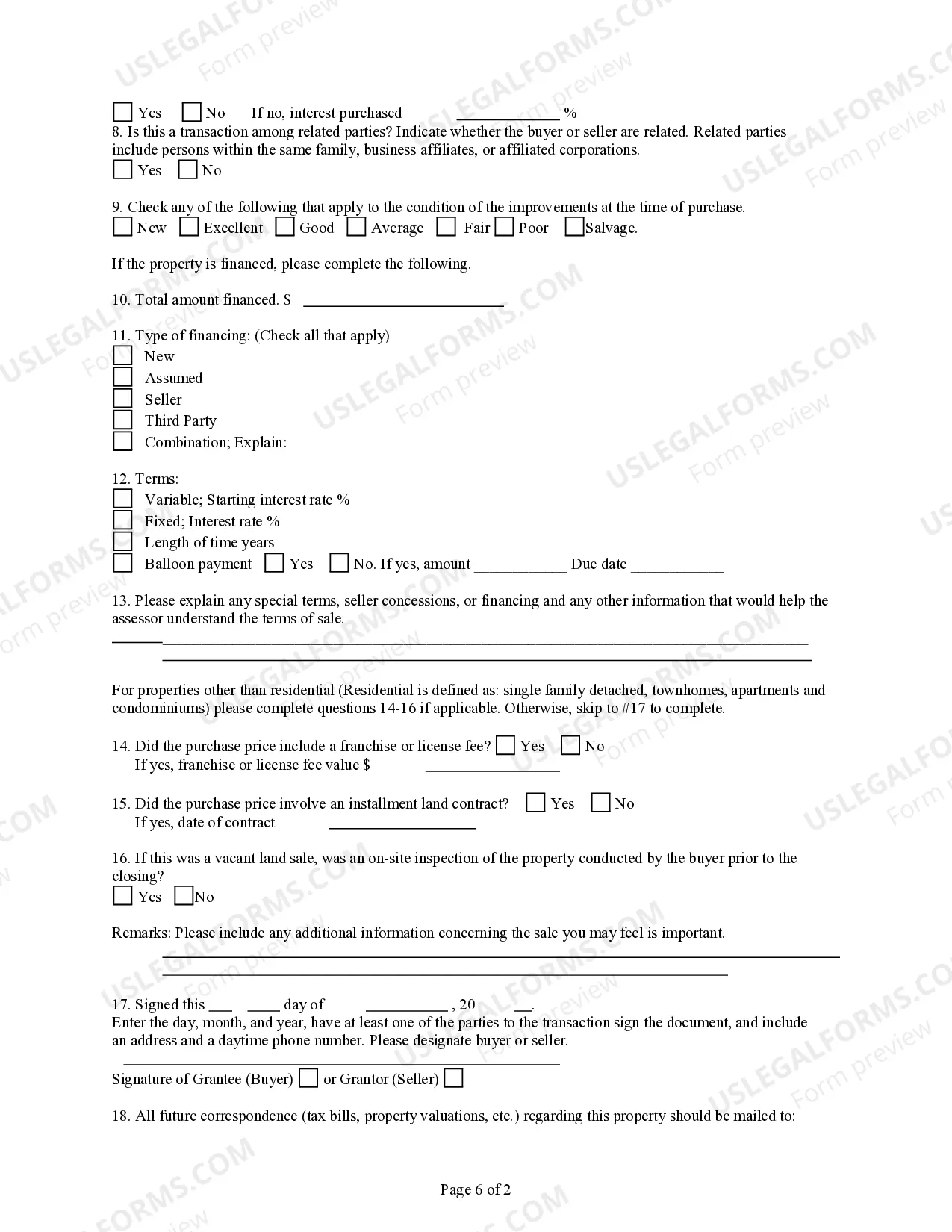
- A Real Property Transfer Declaration that must be completed and submitted alongside the deed.





When to use this document
This grant deed should be used when a property held in one trust needs to be transferred to another trust. Situations may include changing beneficiaries, restructuring trust management, or facilitating estate planning strategies. It is also vital when property ownership needs to be recorded to protect the rights of the beneficiaries involved.
Who needs this form
- Trustees who need to transfer property from one trust to another.
- Individuals involved in estate planning or asset management through trusts.
- Attorneys or legal professionals assisting clients with property transfers between trusts.
How to complete this form
- Identify the parties by entering the names and addresses of both the grantor and grantee as trusts.
- Specify the property being conveyed by providing a legal description and any identifiers.
- Enter the consideration, or purchase price, agreed upon for the transfer.
- Complete the Real Property Transfer Declaration, as it must accompany the deed when filed.
- Ensure all fields are filled out correctly and that signatures from the necessary parties are included.
Does this document require notarization?
Notarization is required for this form to take effect. Our online notarization service, powered by Notarize, lets you verify and sign documents remotely through an encrypted video session, available 24/7.
Get your form ready online
Our built-in tools help you complete, sign, share, and store your documents in one place.
Make edits, fill in missing information, and update formatting in US Legal Forms—just like you would in MS Word.
Download a copy, print it, send it by email, or mail it via USPS—whatever works best for your next step.
Sign and collect signatures with our SignNow integration. Send to multiple recipients, set reminders, and more. Go Premium to unlock E-Sign.
If this form requires notarization, complete it online through a secure video call—no need to meet a notary in person or wait for an appointment.
We protect your documents and personal data by following strict security and privacy standards.

Make edits, fill in missing information, and update formatting in US Legal Forms—just like you would in MS Word.

Download a copy, print it, send it by email, or mail it via USPS—whatever works best for your next step.

Sign and collect signatures with our SignNow integration. Send to multiple recipients, set reminders, and more. Go Premium to unlock E-Sign.

If this form requires notarization, complete it online through a secure video call—no need to meet a notary in person or wait for an appointment.

We protect your documents and personal data by following strict security and privacy standards.
Common mistakes
- Failing to specify the property description accurately.
- Not completing the Real Property Transfer Declaration.
- Omitting signatures from either the grantor or grantee.
- Using a property address that includes a PO Box instead of a physical location.
Advantages of online completion
- Convenience of filling out the form digitally, saving time and ensuring accuracy.
- Editability allows for easy revisions before finalizing the document.
- Instant access to legal templates ensures you have the correct documentation readily available.
- Ability to print the completed form or save it in a secure digital format.
Looking for another form?

Form popularity
FAQ
To release a Deed of Trust in Colorado, you need to follow a few straightforward steps. First, ensure that all obligations secured by the Deed of Trust have been met. After that, you can file a release form with the county clerk and recorder's office, highlighting the Colorado Grant Deed - Trust to a Trust. Using USLegalForms can simplify this process by providing necessary forms and guidance to ensure your release is handled properly.
Yes, you can transfer a deed without an attorney when dealing with a Colorado Grant Deed - Trust to a Trust. However, it's important to ensure that you follow the correct procedures for your specific situation. Using a service like USLegalForms can help guide you through the process, making it easier to complete the deed transfer accurately. Remember, while you can do it on your own, expert assistance can prevent potential pitfalls.
One disadvantage of a deed of trust compared to a traditional mortgage is the potential for a quicker foreclosure process. In Colorado, a deed of trust allows the lender to foreclose without going through a court, which may be concerning for some borrowers. Additionally, if you fail to meet payment obligations, you could quickly lose your property. For clarity and support when dealing with a deed of trust, explore the helpful resources offered by US Legal Forms.
To release a deed of trust in Colorado, you will need to obtain a Release of Deed of Trust document, which must be signed by the beneficiary. After the document is signed, you should file it with the county clerk and recorder where the original deed of trust was recorded. This process will officially remove the property lien and clear the title. If you're seeking assistance, consider using US Legal Forms, which offers templates to simplify this process.
Filling out a trust fund generally involves detailing the assets you want to place in the trust, along with appointing a trustee to manage those assets. You will also outline the purpose of the trust and the beneficiaries who will receive distributions. Properly documenting this information ensures that your trust fund performs as intended and complies with legal standards.
To transfer property into a trust in Colorado, begin by creating the trust document that specifies the property details. Next, prepare a Deed for the property, naming the trust as the new owner. Using a Colorado Grant Deed - Trust to a Trust simplifies this process, ensuring everything is legal and meets state requirements.
While placing property in a trust has many benefits, it also comes with some disadvantages. One concern is the upfront costs associated with creating the trust, including legal fees and paperwork. Additionally, once property is in a trust, you may have less direct control over it, which can complicate decisions related to the asset.
To transfer property into a trust in Colorado, you should prepare a new Deed that identifies the trust as the new owner. This document should comply with Colorado’s regulations and be properly executed and notarized. After drafting the Colorado Grant Deed - Trust to a Trust, record the deed with the county clerk to complete the transfer legally.
Transferring assets into a trust involves several key steps. First, you need to create the trust document, which outlines the assets being transferred and the terms of the trust. Then, you must change the ownership of the assets to reflect the trust. For properties, using a Colorado Grant Deed - Trust to a Trust can streamline this process, ensuring proper legal compliance.