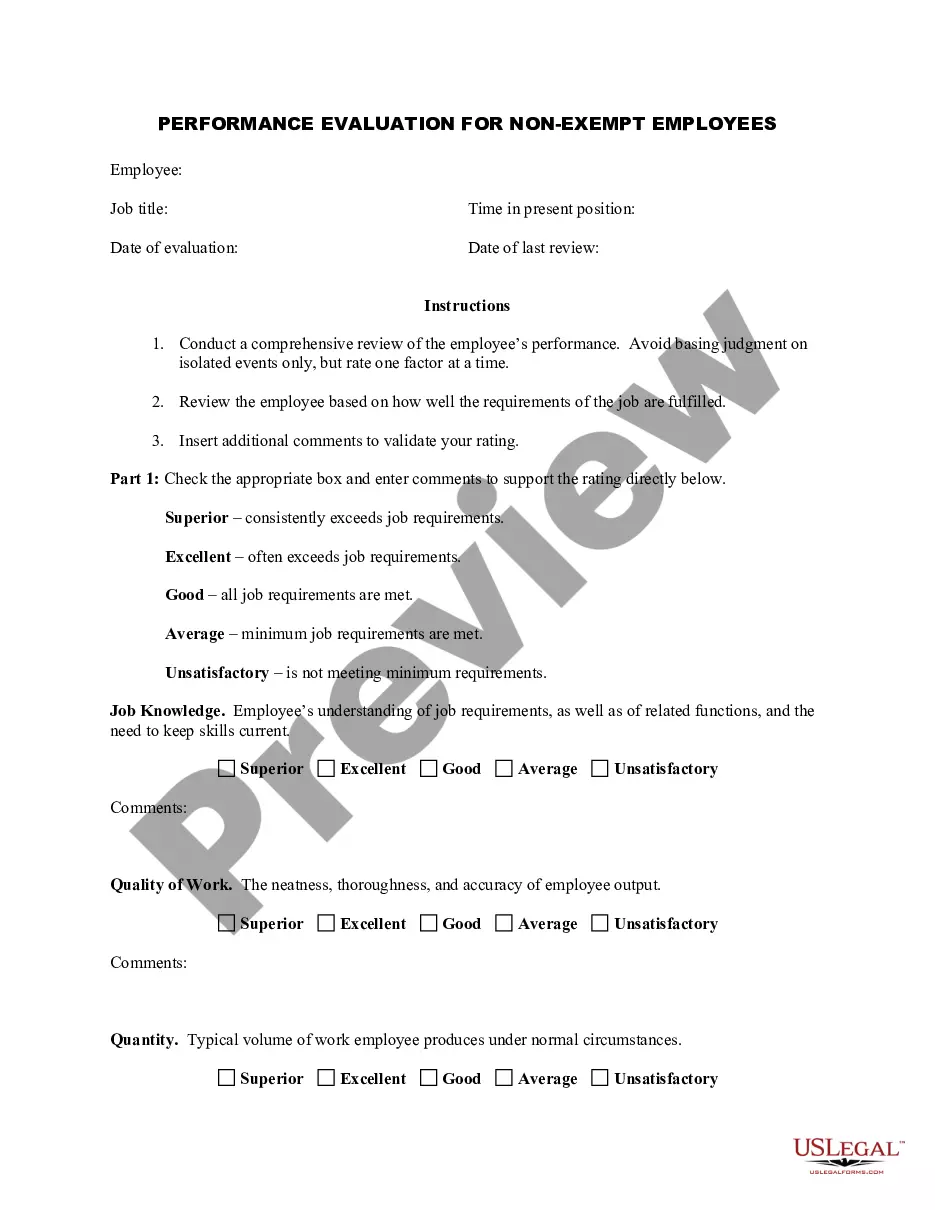
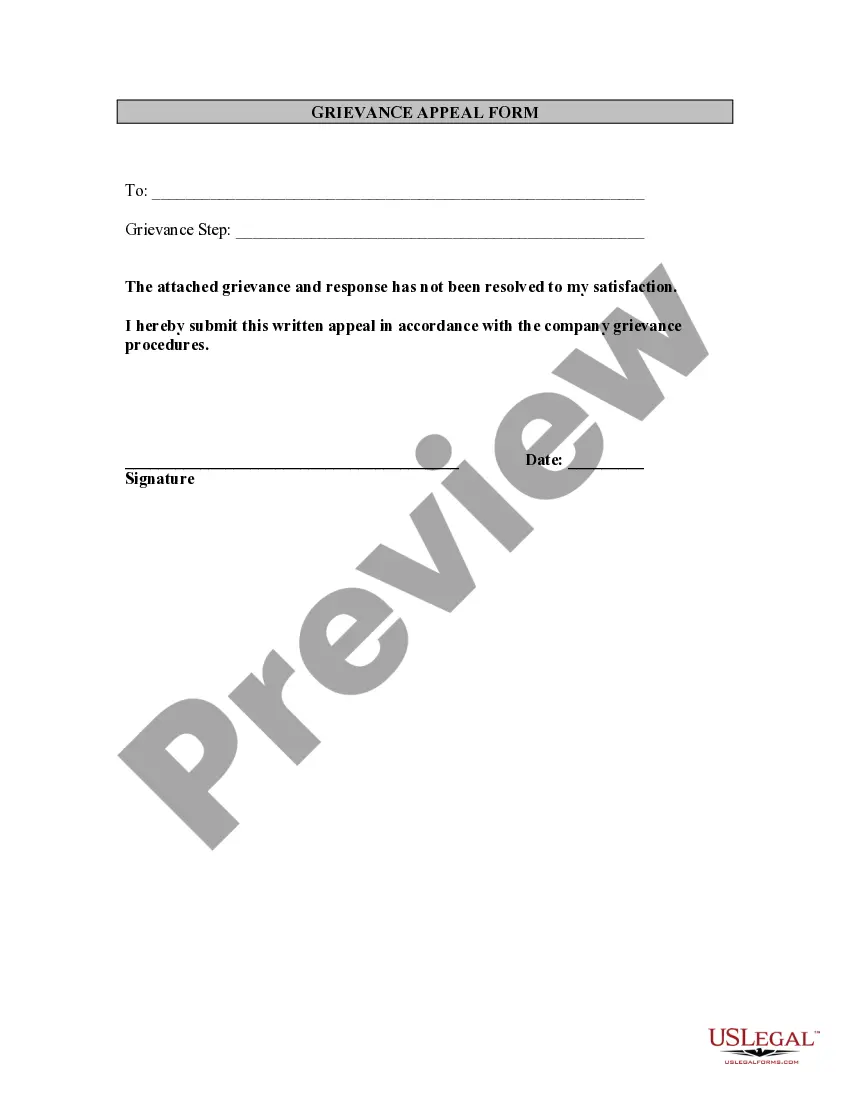
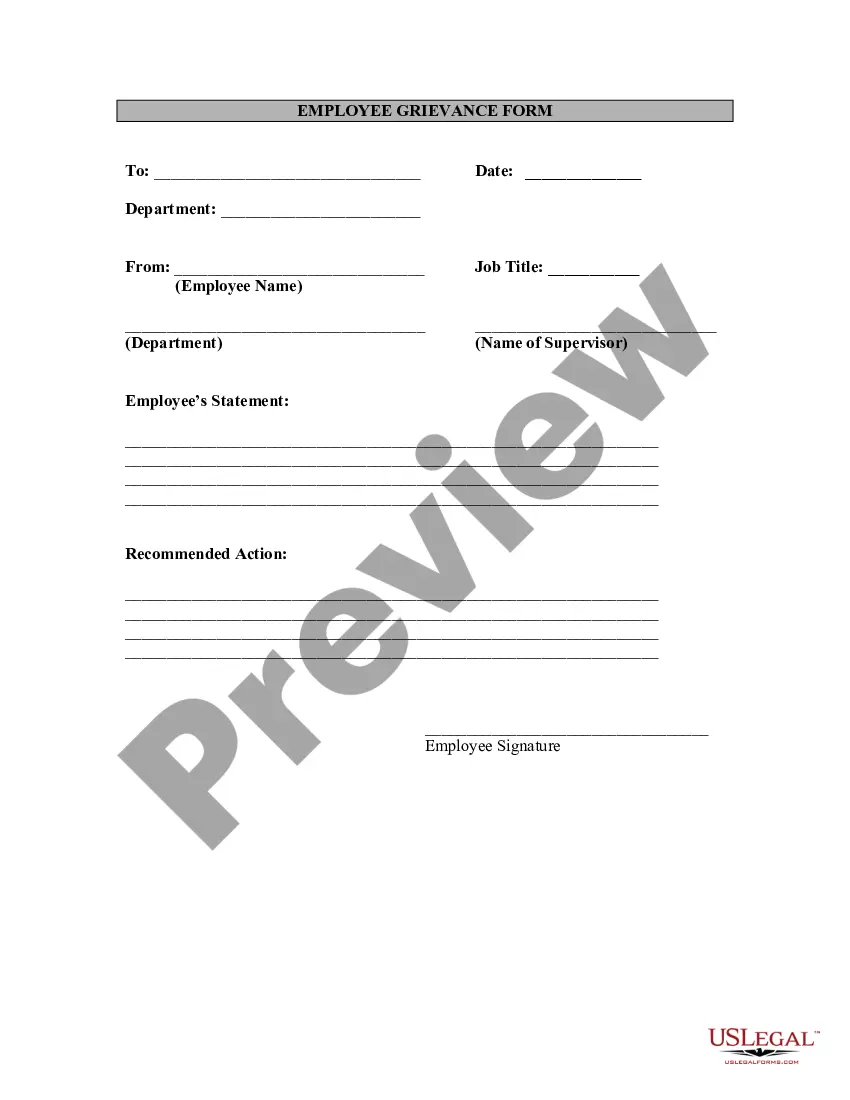
California Employee Grievance Appeal Form
Description
Get your form ready online
Our built-in tools help you complete, sign, share, and store your documents in one place.
Make edits, fill in missing information, and update formatting in US Legal Forms—just like you would in MS Word.
Download a copy, print it, send it by email, or mail it via USPS—whatever works best for your next step.
Sign and collect signatures with our SignNow integration. Send to multiple recipients, set reminders, and more. Go Premium to unlock E-Sign.
If this form requires notarization, complete it online through a secure video call—no need to meet a notary in person or wait for an appointment.
We protect your documents and personal data by following strict security and privacy standards.

Make edits, fill in missing information, and update formatting in US Legal Forms—just like you would in MS Word.

Download a copy, print it, send it by email, or mail it via USPS—whatever works best for your next step.

Sign and collect signatures with our SignNow integration. Send to multiple recipients, set reminders, and more. Go Premium to unlock E-Sign.

If this form requires notarization, complete it online through a secure video call—no need to meet a notary in person or wait for an appointment.

We protect your documents and personal data by following strict security and privacy standards.
Looking for another form?

How to fill out Employee Grievance Appeal Form?
Are you in a situation where you frequently need documents for business or specific tasks.
There are plenty of legal document templates available online, but finding ones you can rely on is challenging.
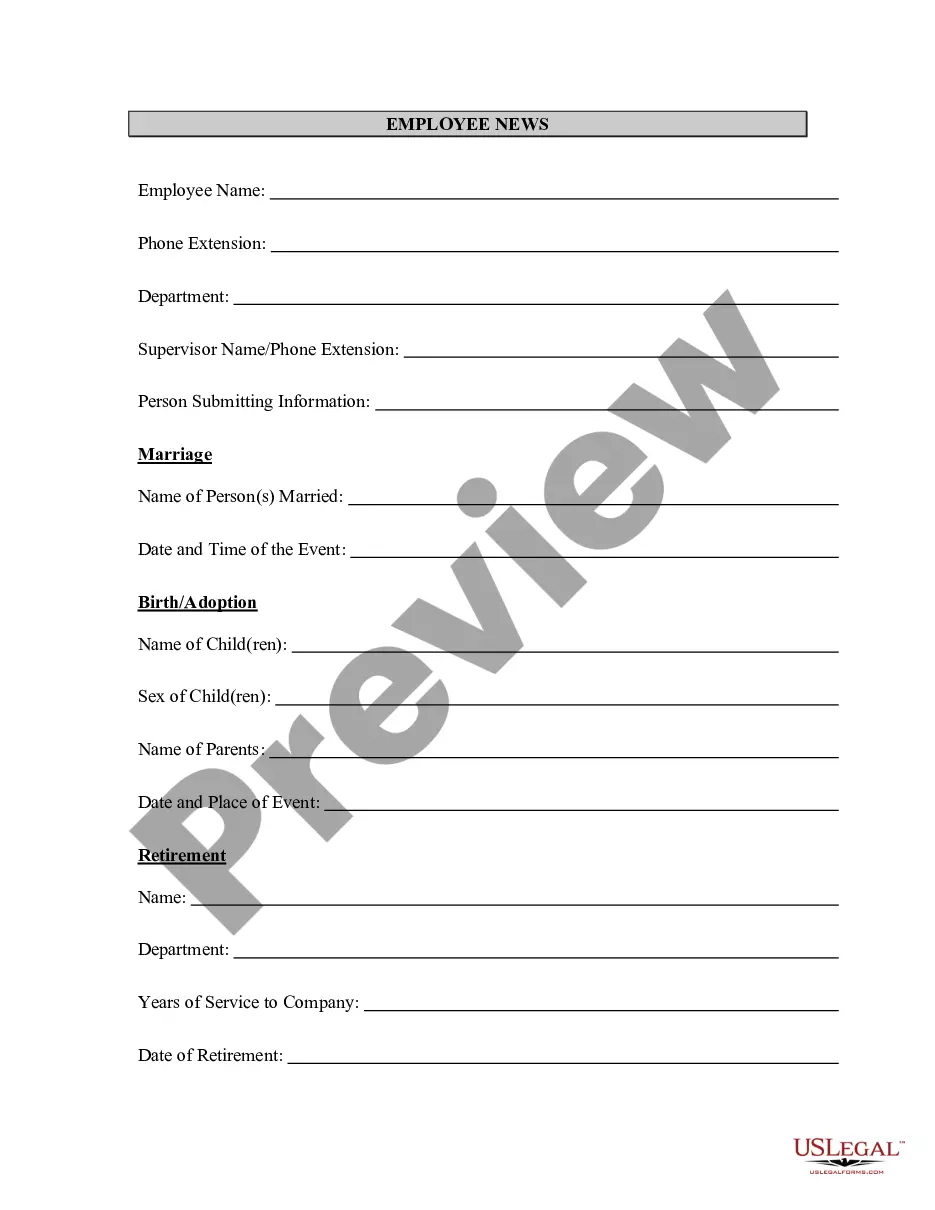
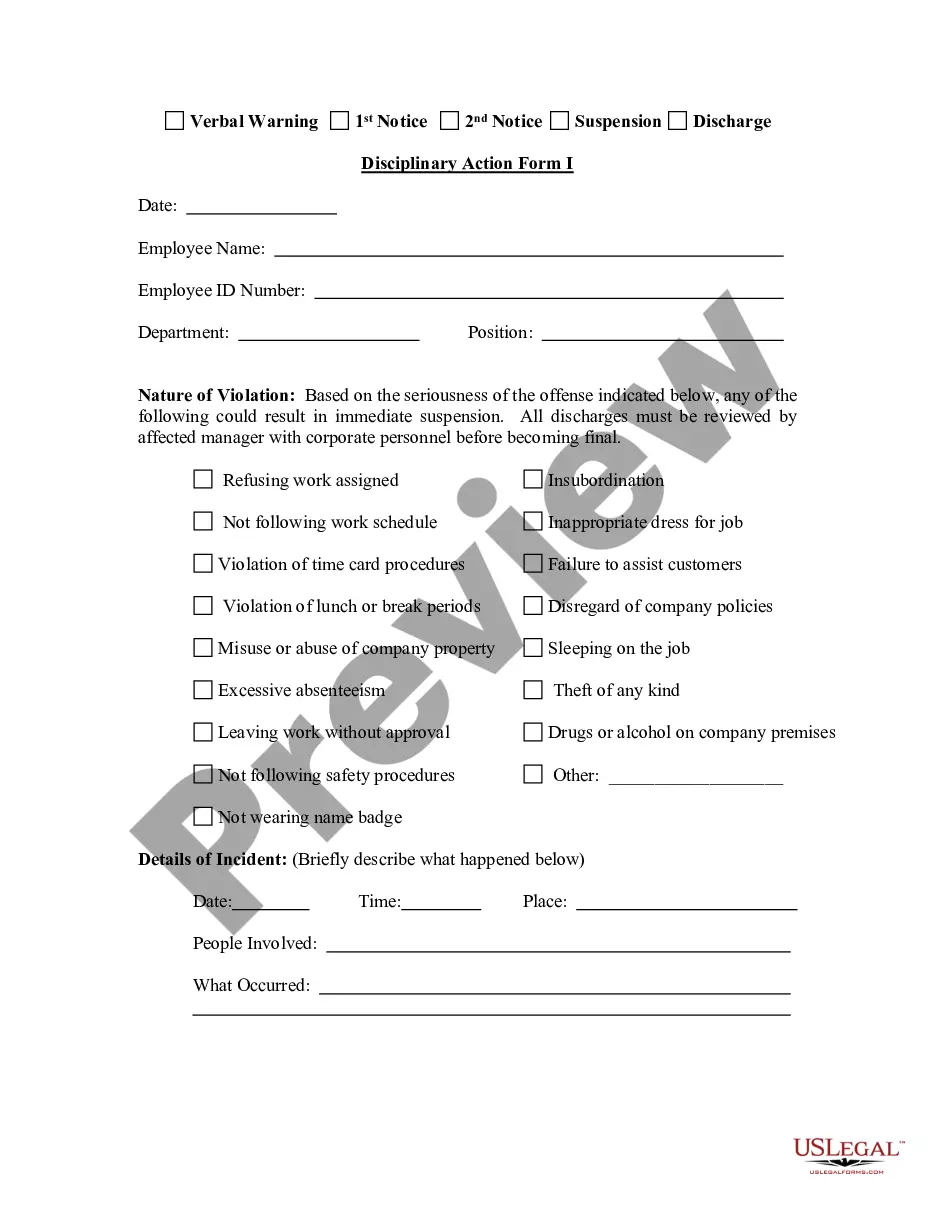
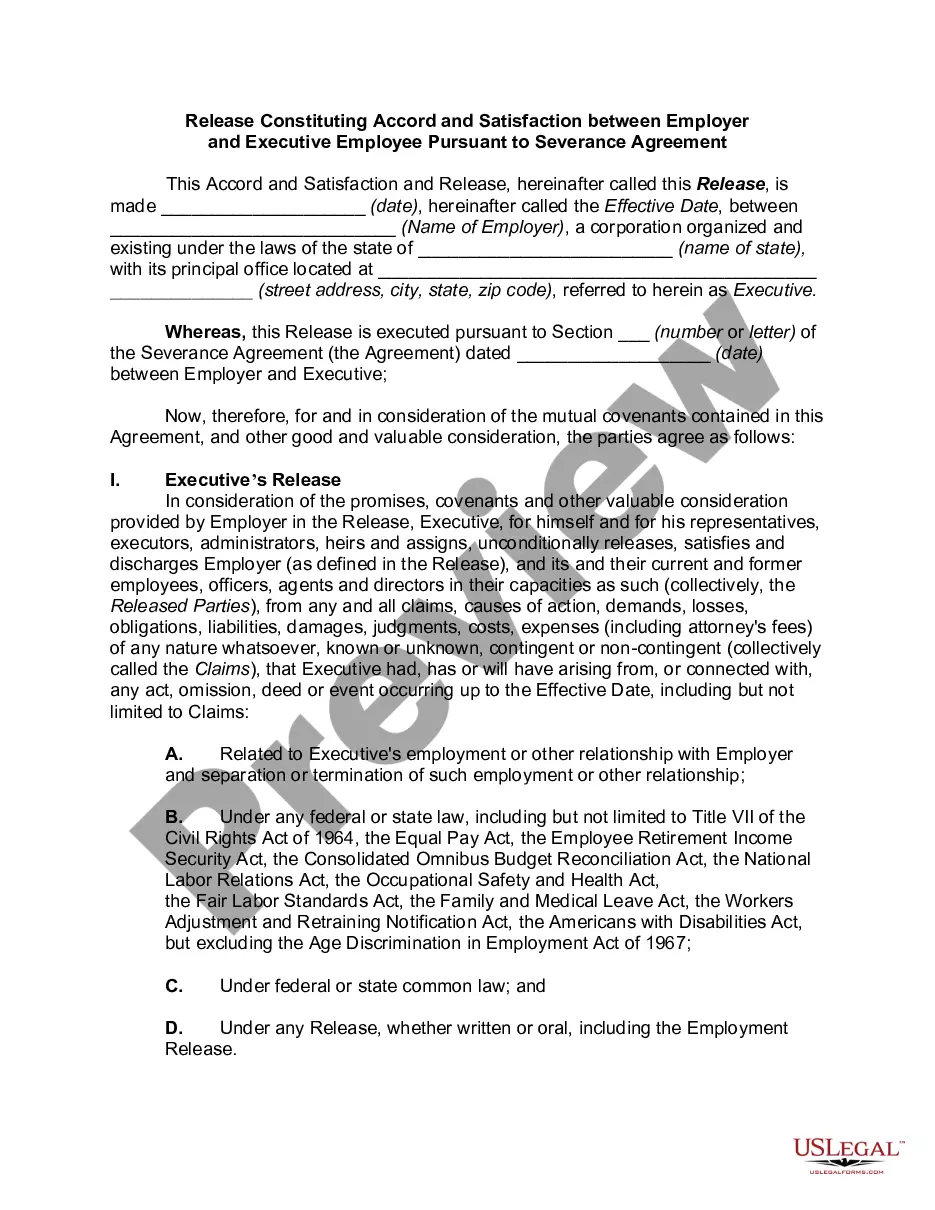
US Legal Forms offers a multitude of template forms, such as the California Employee Grievance Appeal Form, which are designed to comply with state and federal regulations.
Access all the document templates you have purchased in the My documents menu.
You can obtain another copy of the California Employee Grievance Appeal Form at any time, if needed. Just click on the needed form to download or print the document template.
- If you are already familiar with the US Legal Forms site and have an account, just Log In.
- Then, you can download the California Employee Grievance Appeal Form template.
- If you do not have an account and wish to start using US Legal Forms, follow these steps.
- Obtain the form you need and ensure it is for the correct city/region.
- Utilize the Review button to check the form.
- Examine the description to confirm you have selected the right form.
- If the form is not what you are seeking, use the Search box to find the form that fits your needs.
- Once you find the appropriate form, click Purchase now.
- Select the payment plan you want, fill in the required information to create your account, and pay for the order using your PayPal or credit card.
- Choose a convenient document format and download your copy.
Form popularity
FAQ
Tips for Writing an Appeal LetterCheck Company Policy.Know Where to Send Your Letter.Use Business Letter Format.Use a Polite Tone.Admit Any Mistakes.State What You Would Like to Happen.Stick to the Facts.Keep it Brief.More items...?
This is usually three months minus one day from the date that the thing you are complaining about last happened. The time limit still applies even if you're taking out a grievance. This means you need to make sure that you don't run out of time while going through the grievance procedure.
Steps for Letting GoAcknowledge the hurt. You were wronged, and that's real.Decide to forgive. Forgiving someone who hurt you is a gift you give to yourself.Realize forgiving isn't condoning.Ask yourself: Why?Consider the trade-off.Don't let anger define you.Pay attention to feedback.Change the conversation.More items...?
What this means is that the union, not the grievant, decides whether or not to pursue a case to Step 3 and/or arbitration. For the most part, the union pursues every case where there is a persuasive argument to right a contractual violation. However, there are situations that may cause the union not to proceed.
If your grievance is unsuccessful, then you can either appeal it, simply resign, or resign and claim constructive dismissal.
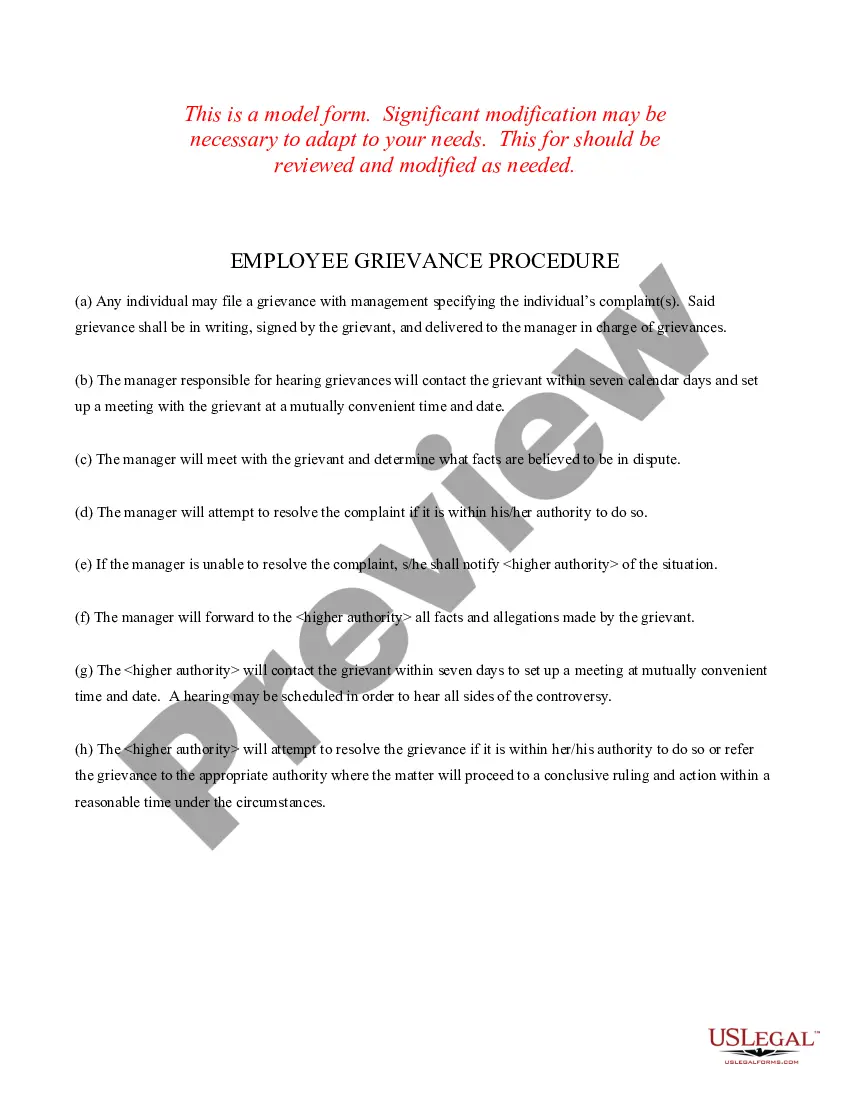
Level 1. Supervisor reviews formal grievance and makes a decision. Level 2. If unresolved, Manager reviews formal grievance and makes a decision.
Preparing the AppealReview your company's policies.Review the document describing the charges and actions against you.Gather documents supporting your appeal.Date and personalize the appeal letter for each recipient.In the first paragraph, state clearly who you are and why you're writing.More items...
If there is evidence that a grievance is being brought by an employee in bad faith against the employer or one of its staff members, then an employer could refuse to hear the grievance.
How to Write an Appeal Letter in 6 Simple StepsReview the appeal process if possible.Determine the mailing address of the recipient.Explain what occurred.Describe why it's unfair/unjust.Outline your desired outcome.If you haven't heard back in one week, follow-up.Appeal letter format.
Your workplace discipline and grievance policy should tell you how to appeal. If not, you should raise your appeal in writing to your employer. Write in a letter or email: why you think your outcome was wrong or unfair (for example, if you felt the person investigating your case did not get enough evidence)