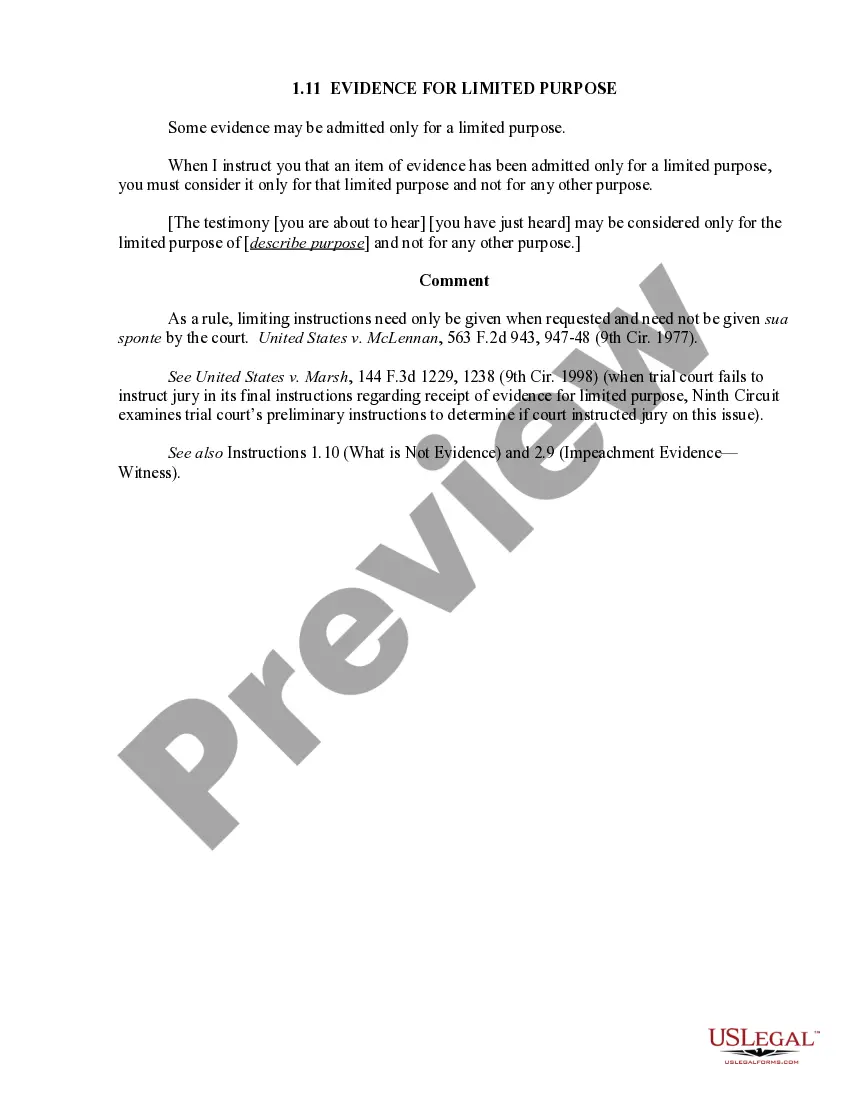
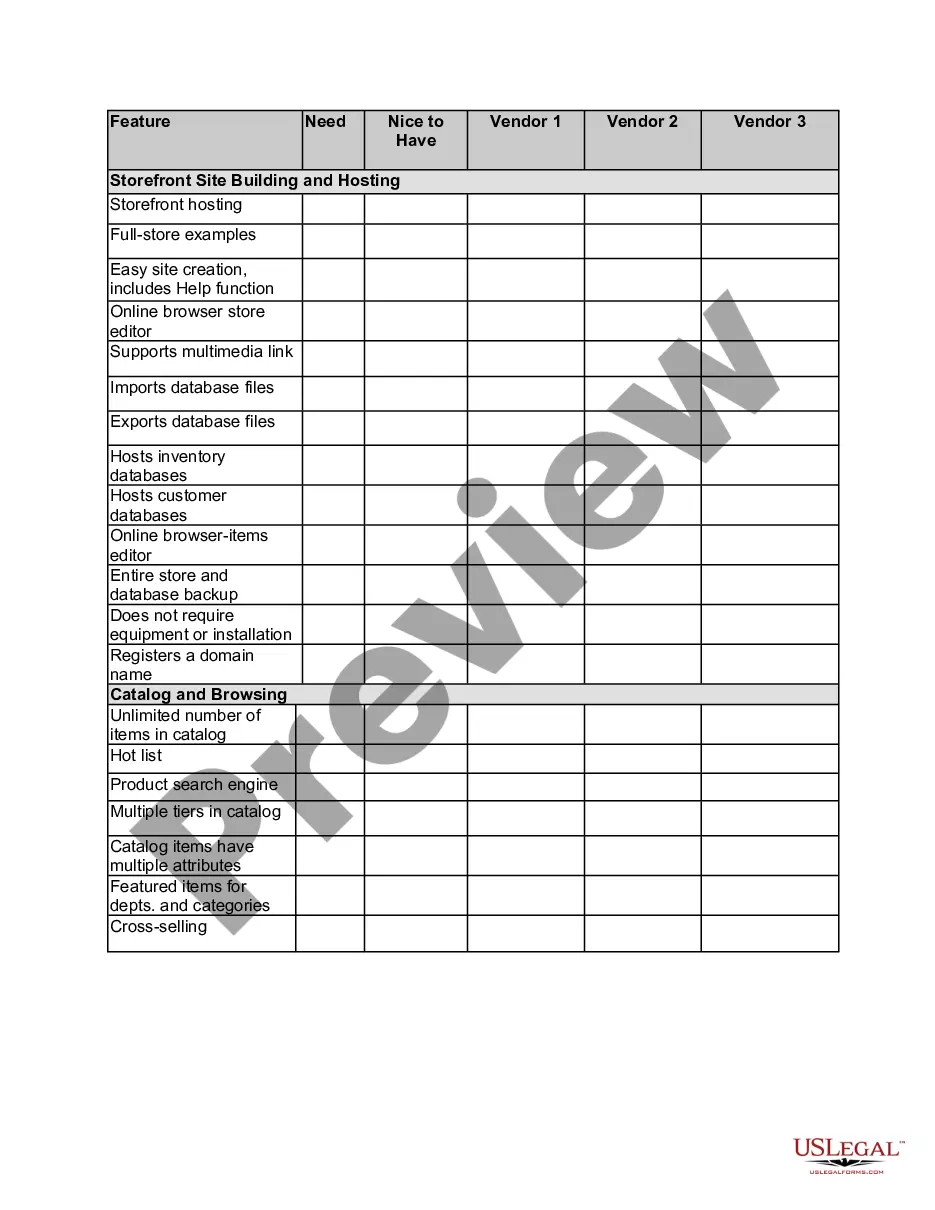
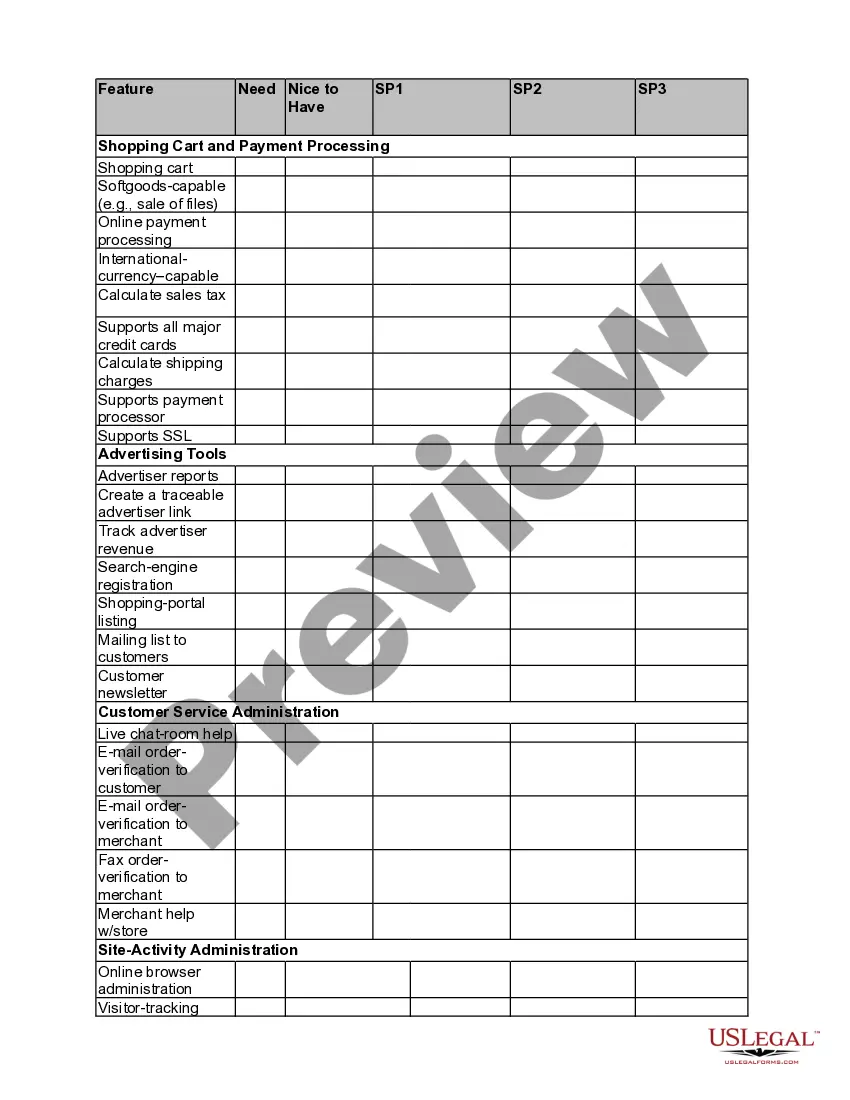
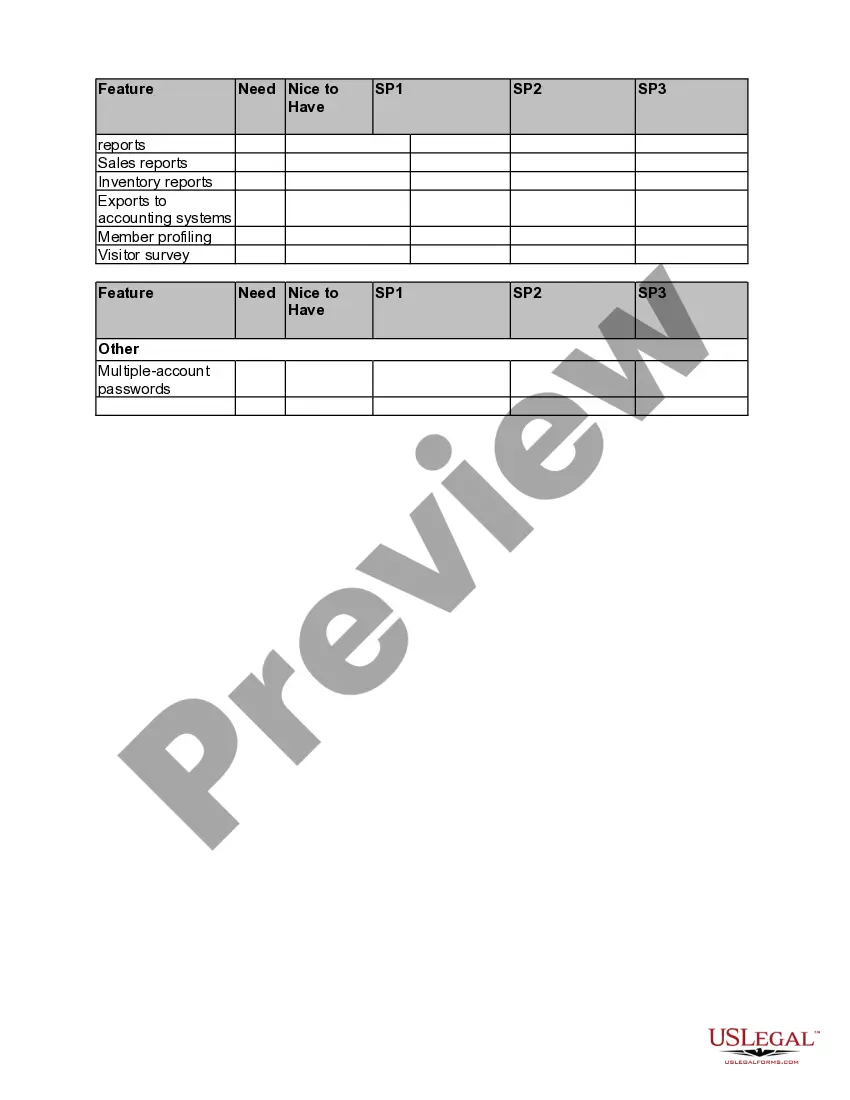
California E-commerce Product-Comparison Matrix
Description
Get your form ready online
Our built-in tools help you complete, sign, share, and store your documents in one place.
Make edits, fill in missing information, and update formatting in US Legal Forms—just like you would in MS Word.
Download a copy, print it, send it by email, or mail it via USPS—whatever works best for your next step.
Sign and collect signatures with our SignNow integration. Send to multiple recipients, set reminders, and more. Go Premium to unlock E-Sign.
If this form requires notarization, complete it online through a secure video call—no need to meet a notary in person or wait for an appointment.
We protect your documents and personal data by following strict security and privacy standards.

Make edits, fill in missing information, and update formatting in US Legal Forms—just like you would in MS Word.

Download a copy, print it, send it by email, or mail it via USPS—whatever works best for your next step.

Sign and collect signatures with our SignNow integration. Send to multiple recipients, set reminders, and more. Go Premium to unlock E-Sign.

If this form requires notarization, complete it online through a secure video call—no need to meet a notary in person or wait for an appointment.

We protect your documents and personal data by following strict security and privacy standards.
Looking for another form?
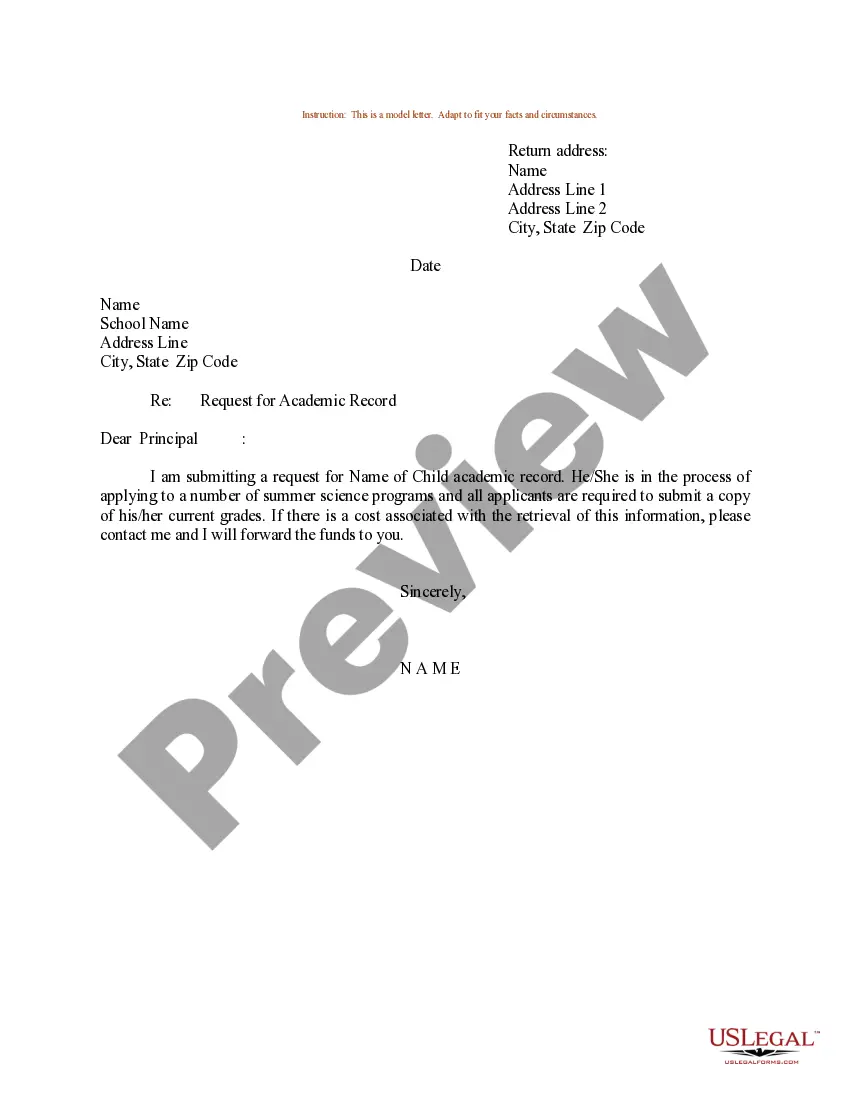





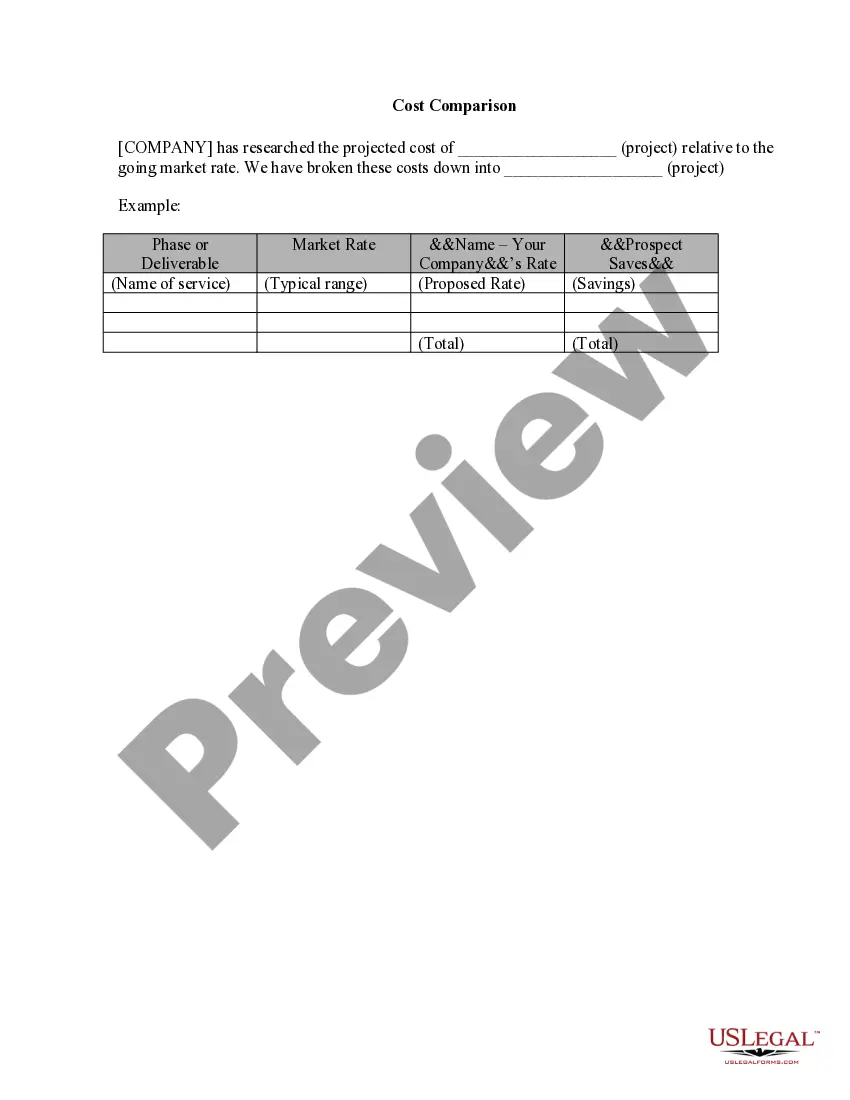
How to fill out E-commerce Product-Comparison Matrix?
You might spend hours online trying to locate the approved document template that fulfills the state and federal requirements you need.
US Legal Forms offers countless legal forms that are reviewed by experts.
You can effortlessly download or print the California E-commerce Product-Comparison Matrix from our service.
If available, use the Review button to review the document template as well. If you wish to obtain another version of the form, use the Lookup field to search for the template that fits your requirements.
- If you already possess a US Legal Forms account, you can Log In and press the Download button.
- Subsequently, you can complete, modify, print, or sign the California E-commerce Product-Comparison Matrix.
- Every legal document template you purchase is yours permanently.
- To retrieve another copy of a purchased form, visit the My documents tab and select the corresponding button.
- If you are using the US Legal Forms website for the first time, follow the straightforward instructions below.
- First, ensure you have chosen the correct document template for the state/city of your choice.
- Check the form description to confirm you have selected the right form.
Form popularity
FAQ
Compare 2 Excel workbooksOpen the workbooks you want to compare.Go to the View tab, Window group, and click the View Side by Side button. That's it!
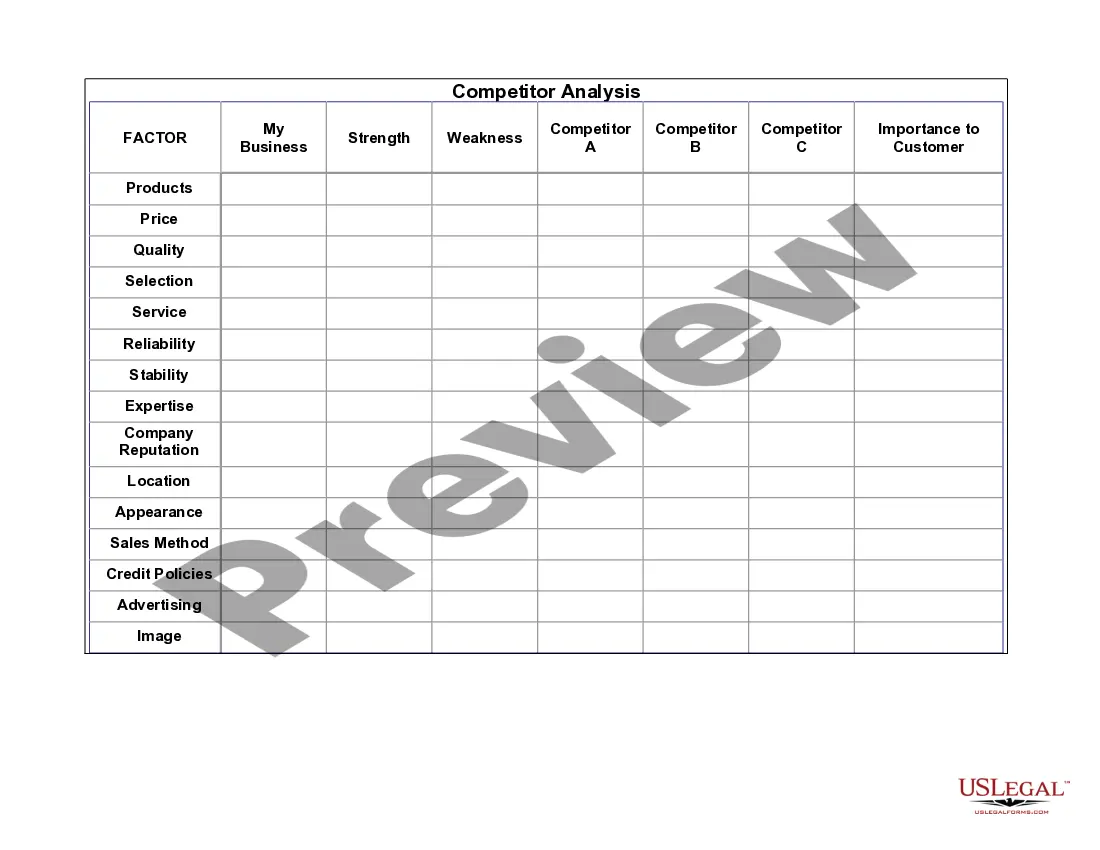
How To2026 Undertake a Product ComparisonStep 1: Create a list of competiting products. Determine which products compete directly in the same marketplace as your product.Step 2: Undertake research.Step 3: Create a Product Comparison table.Step 4: Conclusion.
Place the similar features on top, followed by the unique and exclusive details about the products. Compare products with distinct features, so the buyers will know that they benefit from choosing one item. Know the customers' deciding factor. Research what they need, why purchasing the items can be beneficial to them.
Comparing productsThe quantity per 100g or ml column is best when comparing different brands of similar products. The 'per serving' column can help you to understand the amount of nutrients you might be eating when you serve out that specific portion of the food.
How To2026 Undertake a Product ComparisonStep 1: Create a list of competiting products. Determine which products compete directly in the same marketplace as your product.Step 2: Undertake research.Step 3: Create a Product Comparison table.Step 4: Conclusion.
How to Create a Comparison Chart in ExcelStep 1 Launch Excel. To create a comparison chart in Excel, launch the MS Excel desktop app, and select a blank workbook.Step 2 Enter Data. Now enter your data in the workbook.Step 3 Inset Comparison Chart.Step 4 Customize.Step 5 Save.
Nail down the areas your product is comparably better than the others - this is your focal point.Step 1: Easy access. Make your comparison page easy to find.Step 2: Compare yourself. Work out who you want to compare yourself to, or who the market is comparing you to.Step 3: Build it.
How To2026 Undertake a Product ComparisonStep 1: Create a list of competiting products. Determine which products compete directly in the same marketplace as your product.Step 2: Undertake research.Step 3: Create a Product Comparison table.Step 4: Conclusion.
A product Comparison tool allows the customer to choose the best products available based on the attributes described by the seller.
Competitive Product AnalysisStep 1: Assess your current product pricing. The first step in any product analysis is to assess current pricing.Step 2: Compare key features. Next is a comparison of key features.Step 3: Pinpoint differentiators.Step 4: Identify market gaps.