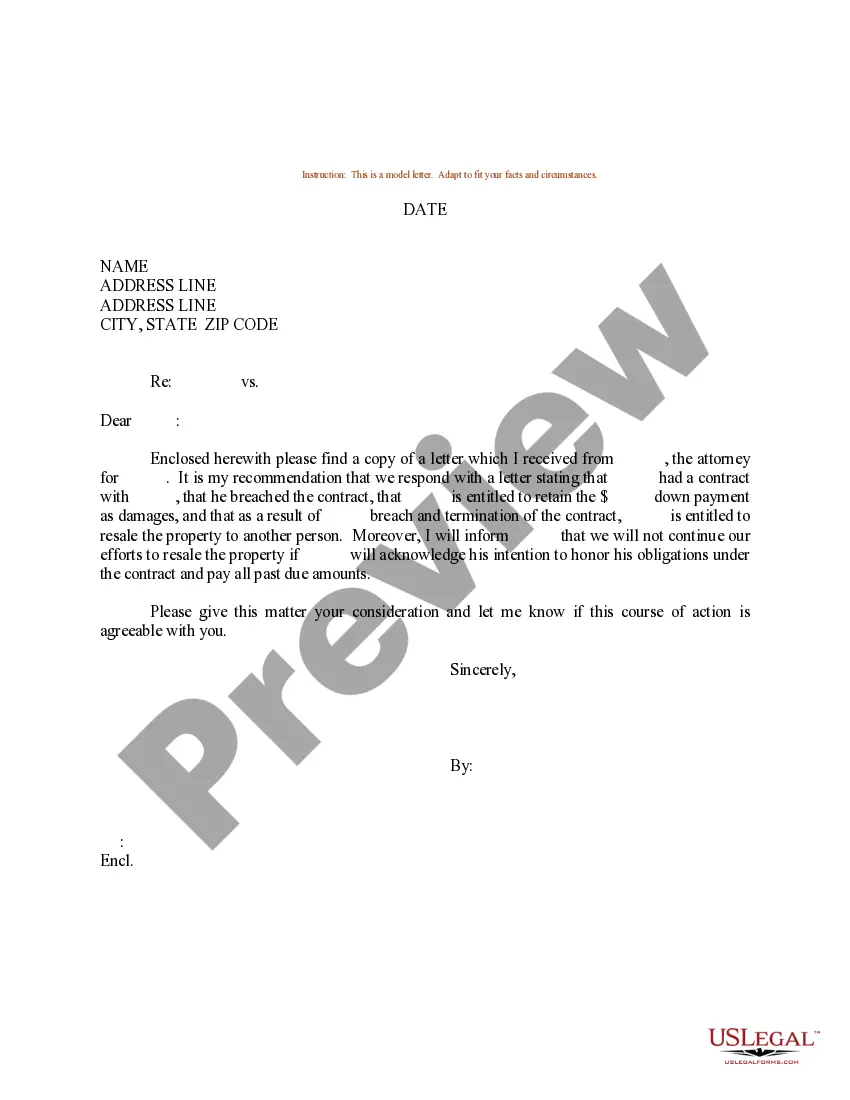
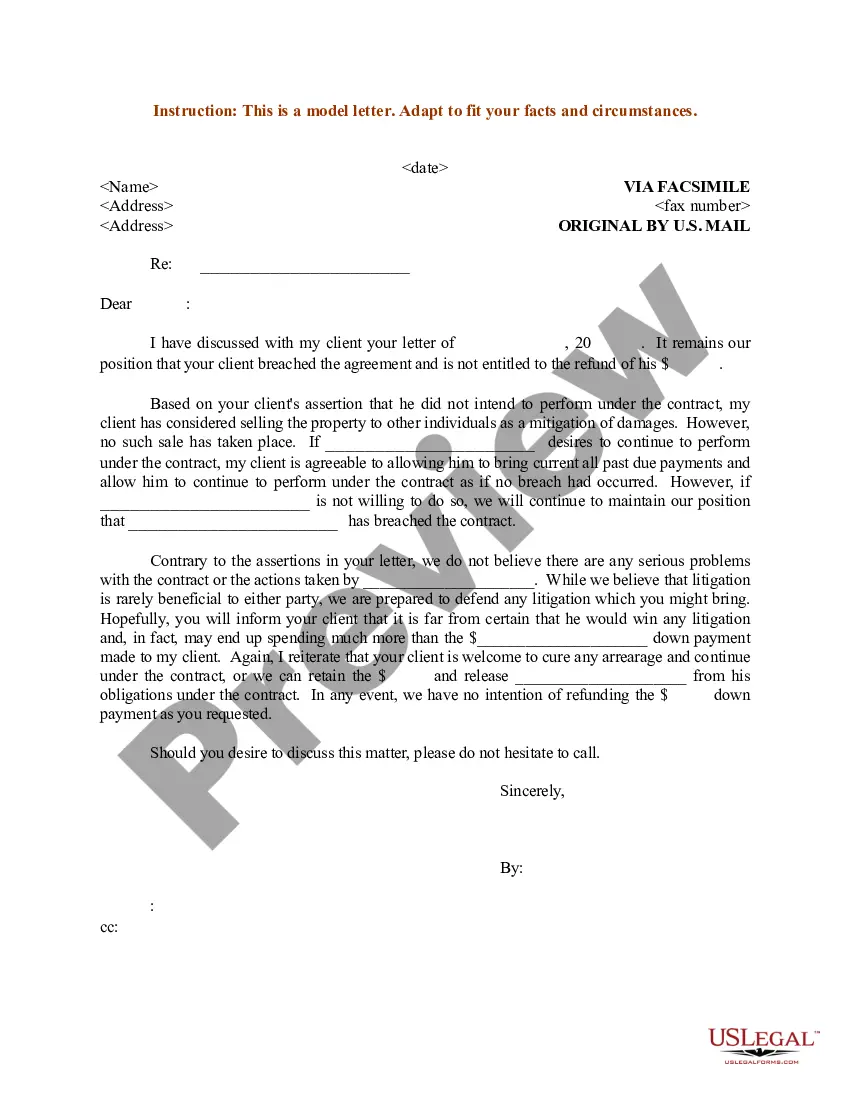
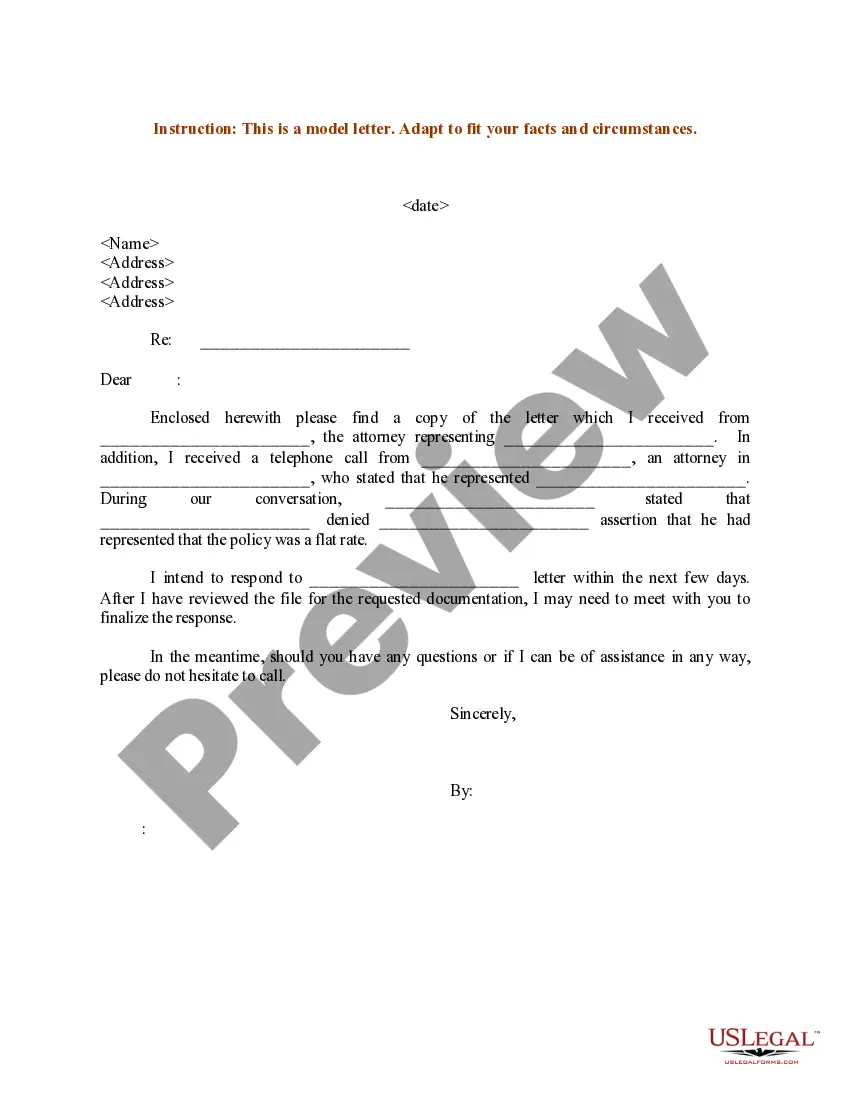
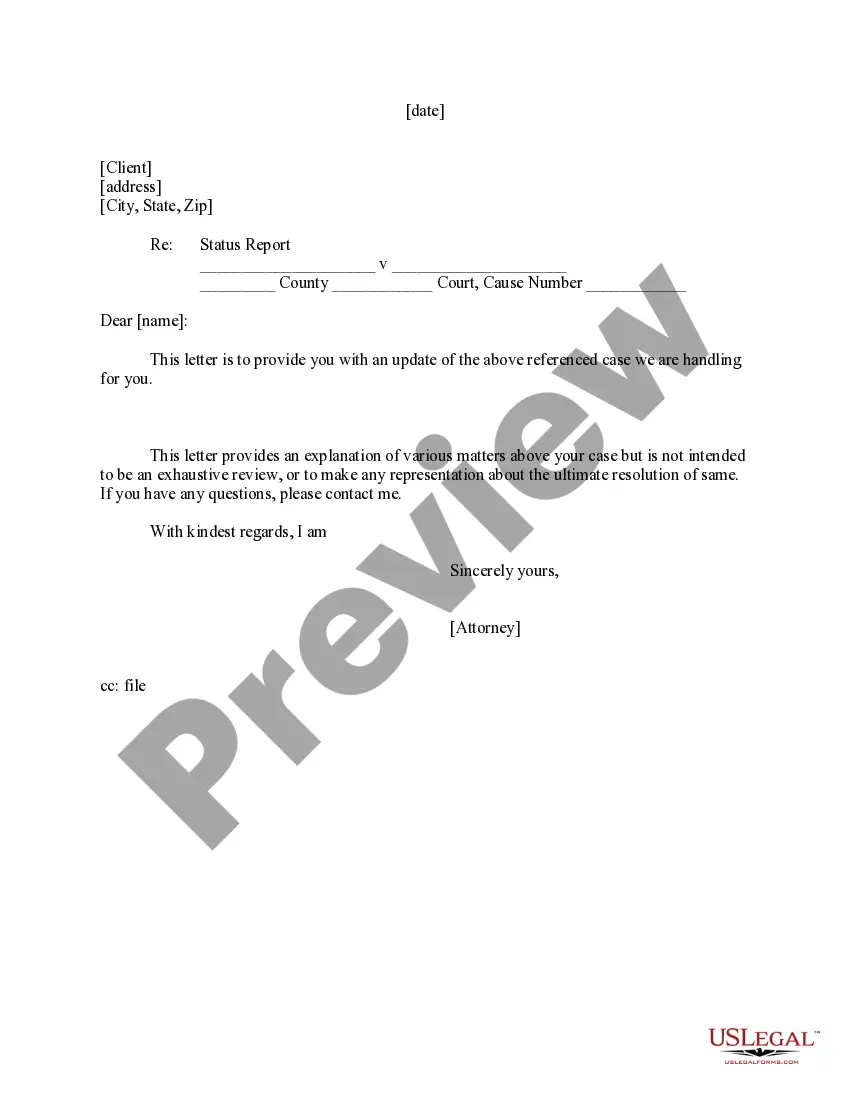
California Sample Letter to Client with Case Update - Breach of Contract Litigation
Description
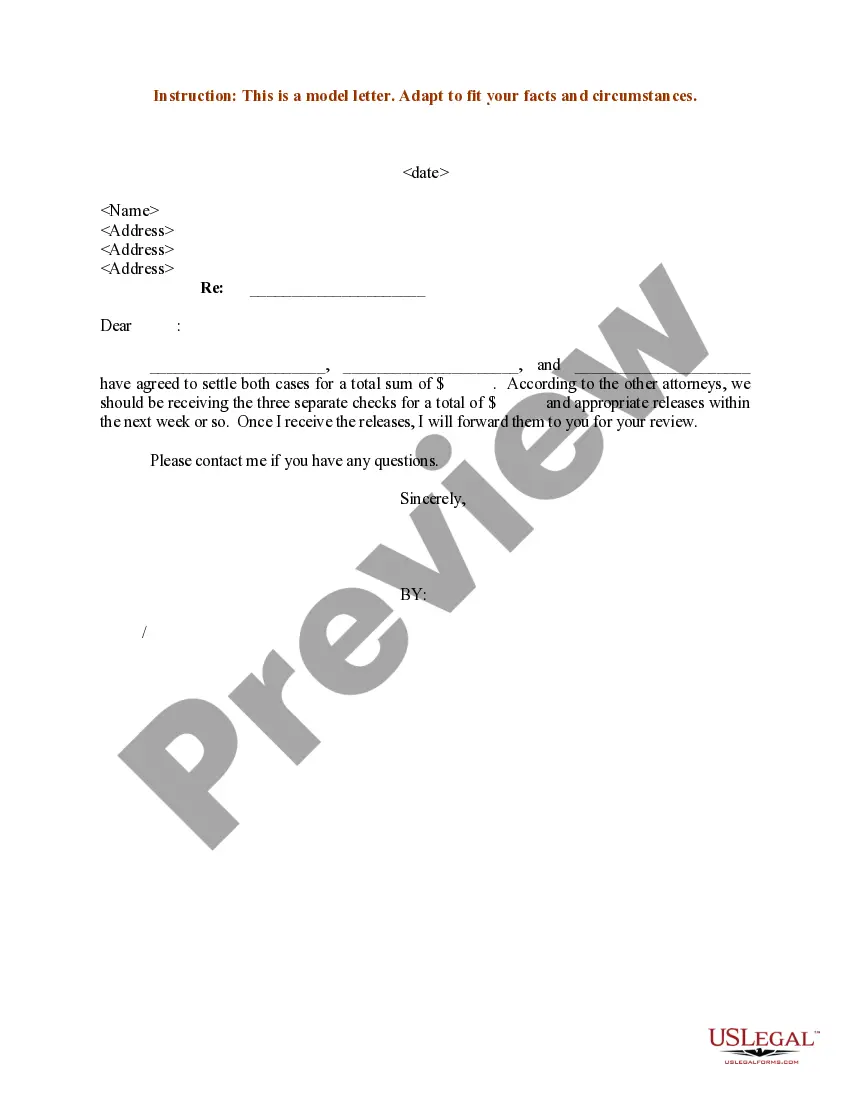
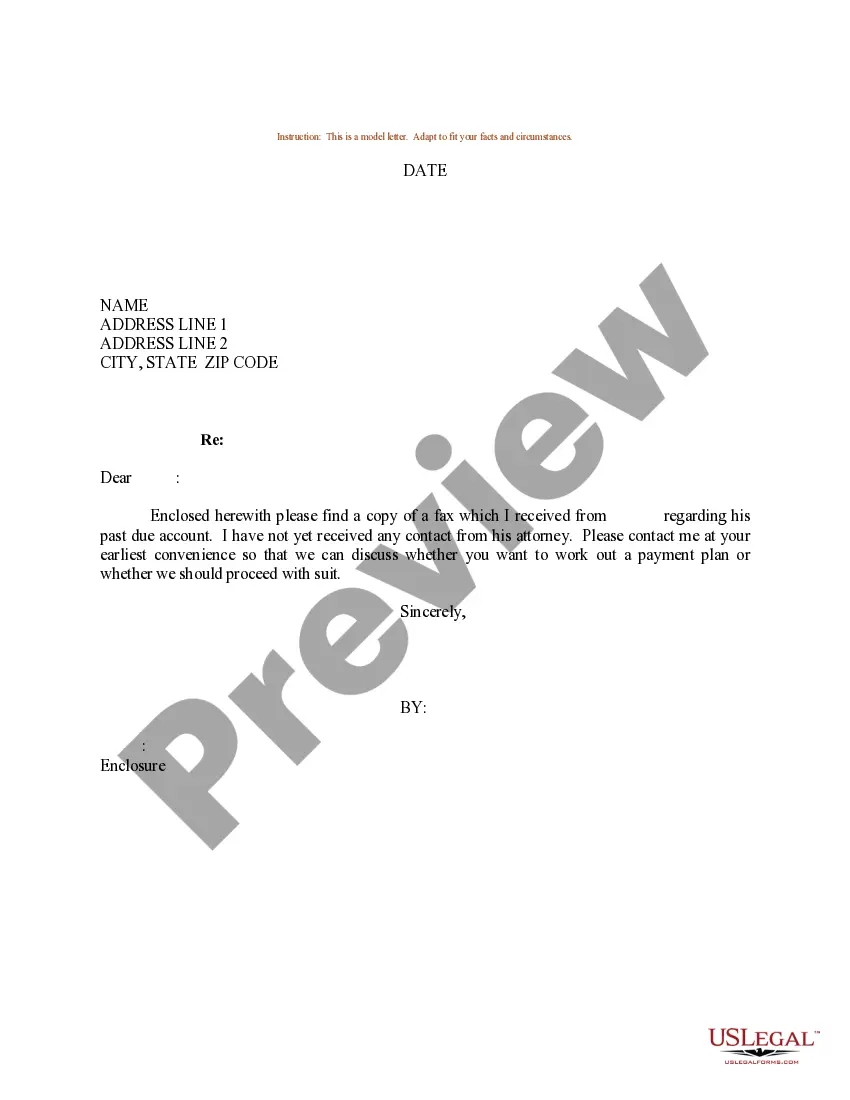
Get your form ready online
Our built-in tools help you complete, sign, share, and store your documents in one place.
Make edits, fill in missing information, and update formatting in US Legal Forms—just like you would in MS Word.
Download a copy, print it, send it by email, or mail it via USPS—whatever works best for your next step.
Sign and collect signatures with our SignNow integration. Send to multiple recipients, set reminders, and more. Go Premium to unlock E-Sign.
If this form requires notarization, complete it online through a secure video call—no need to meet a notary in person or wait for an appointment.
We protect your documents and personal data by following strict security and privacy standards.

Make edits, fill in missing information, and update formatting in US Legal Forms—just like you would in MS Word.

Download a copy, print it, send it by email, or mail it via USPS—whatever works best for your next step.

Sign and collect signatures with our SignNow integration. Send to multiple recipients, set reminders, and more. Go Premium to unlock E-Sign.

If this form requires notarization, complete it online through a secure video call—no need to meet a notary in person or wait for an appointment.

We protect your documents and personal data by following strict security and privacy standards.
Looking for another form?






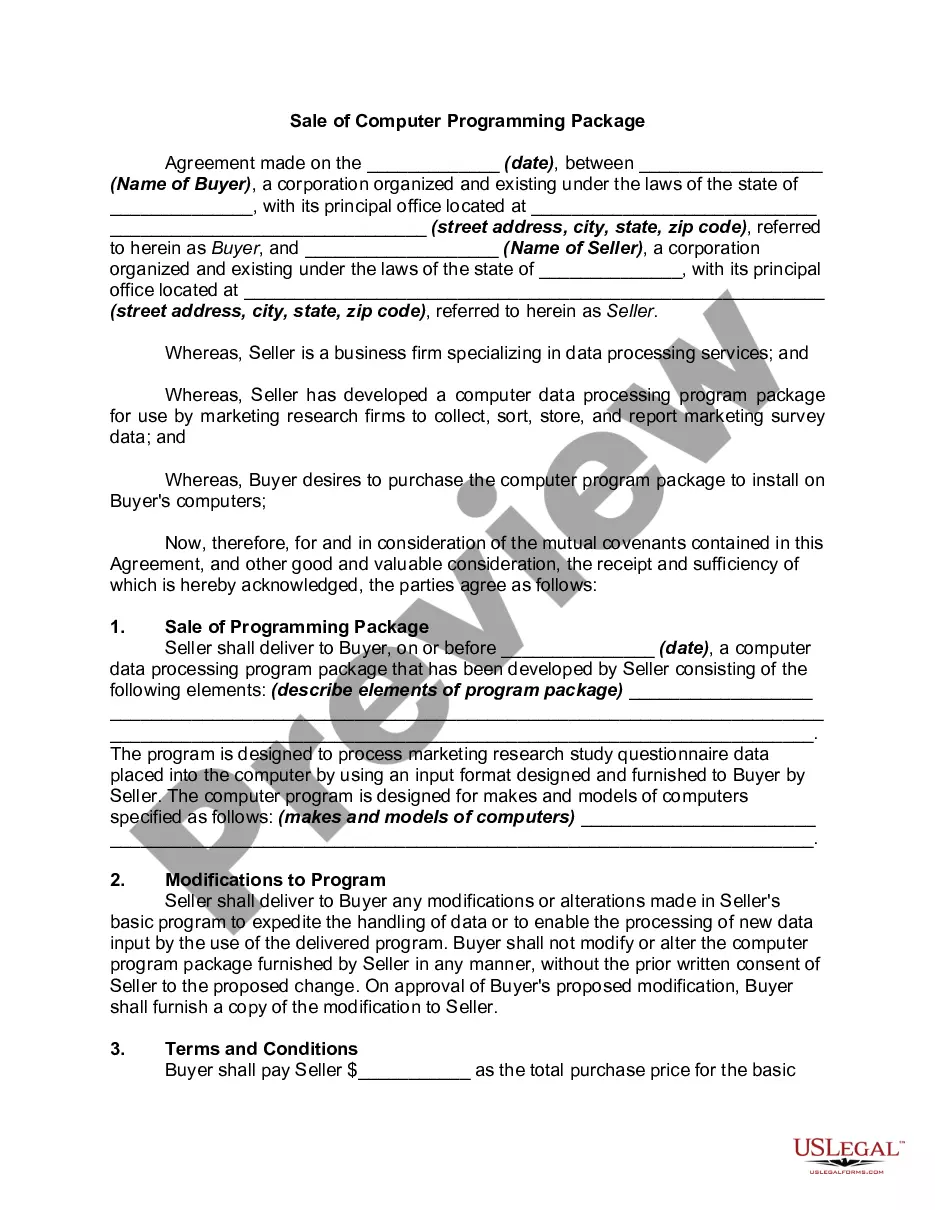

How to fill out Sample Letter To Client With Case Update - Breach Of Contract Litigation?
Are you currently in a circumstance where you require documents for either professional or personal purposes almost constantly.
There are numerous legal document templates accessible online, but finding forms you can rely on is not easy.
US Legal Forms offers a vast array of form templates, including the California Sample Letter to Client with Case Update - Breach of Contract Litigation, that are designed to meet federal and state requirements.
You can obtain another copy of the California Sample Letter to Client with Case Update - Breach of Contract Litigation at any time, if needed. Just access the required form to download or print the document template.
Utilize US Legal Forms, the most extensive collection of legal forms, to save time and prevent errors. The service provides expertly crafted legal document templates that can be used for various purposes. Create an account on US Legal Forms and start simplifying your life.
- If you are already familiar with the US Legal Forms website and have an account, just Log In.
- After that, you can download the California Sample Letter to Client with Case Update - Breach of Contract Litigation template.
- If you do not have an account and wish to start using US Legal Forms, follow these steps.
- Obtain the form you need and ensure it is for the correct city/state.
- Use the Review button to examine the form.
- Read the description to ensure you have selected the correct form.
- If the form is not what you are looking for, use the Lookup field to find the form that fulfills your needs and requirements.
- When you find the appropriate form, click Buy now.
- Choose the pricing plan you want, fill in the required details to create your account, and purchase the order using your PayPal or Visa or Mastercard.
- Select a convenient document format and download your copy.
- Discover all the document templates you have purchased in the My documents list.
Form popularity
FAQ
To prove a breach of contract, you need to establish four key elements: the existence of a valid contract, the other party's failure to perform their obligations, your performance under the contract, and the damages you suffered as a result. Documenting these elements thoroughly is essential for a successful case. Consider using a California Sample Letter to Client with Case Update - Breach of Contract Litigation to help organize your evidence and arguments.
A letter of breach of contract should include an introduction that identifies the parties and the contract in question. Detail the specific breach, including dates and actions, and explain how this breach affects your rights. Finally, state your expectations for resolution or compensation. Referencing a California Sample Letter to Client with Case Update - Breach of Contract Litigation can provide a useful framework for your letter.
When writing a letter for breach of contract, clearly state the facts surrounding the breach, the specific contract terms violated, and the impact of the breach on your interests. Be concise and professional, focusing on the desired outcome, such as remedies or compensation. Using a California Sample Letter to Client with Case Update - Breach of Contract Litigation can help you structure your letter effectively.
A letter of intent for breach of contract outlines the intentions of the parties involved regarding a potential breach. It serves as a preliminary document that can help negotiate terms and resolve disputes before formal legal action is taken. This letter is not always binding but sets the stage for further discussions. Using a California Sample Letter to Client with Case Update - Breach of Contract Litigation can help you craft an effective letter of intent.
To file a breach of contract lawsuit in California, start by drafting a complaint that outlines the facts of your case, the contractual obligations, and how the other party breached the contract. You must then file this complaint with the appropriate court and serve the defendant. It is important to follow all local rules and procedures. A California Sample Letter to Client with Case Update - Breach of Contract Litigation can provide insights on the necessary steps.
Determining whether to sue for breach of contract depends on the specifics of your case, including the potential damages and the likelihood of success. If the breach significantly impacts your business or financial situation, pursuing legal action may be justified. However, consider alternative dispute resolutions as well. A California Sample Letter to Client with Case Update - Breach of Contract Litigation can help you assess your options.
When formatting a letter to a client, begin with your name and contact information, followed by the date and the client’s information. Use a clear and professional tone, and include a subject line that reflects the letter's purpose. Structure the body with an introduction, main content, and a closing statement. Consider using a California Sample Letter to Client with Case Update - Breach of Contract Litigation as a template to ensure clarity and professionalism.
Counsel must issue a litigation hold letter to the client as soon as litigation is reasonably anticipated. This letter informs the client to preserve all relevant documents and communications related to the case. By doing this promptly, you can avoid potential issues with evidence later on. Utilizing a California Sample Letter to Client with Case Update - Breach of Contract Litigation can help guide you in drafting this important communication.
To write a strong settlement letter, clearly outline the facts of the case, the basis for your claim, and the proposed settlement terms. Be sure to include relevant evidence and express your willingness to negotiate. A California Sample Letter to Client with Case Update - Breach of Contract Litigation can serve as a valuable resource to ensure you present your case effectively. Using uslegalforms can streamline this process and help you convey your message powerfully.
Writing a professional letter to a client involves clear communication and a respectful tone. Start by addressing the client by name and stating the purpose of the letter. For instance, if you are providing a case update, reference the specific case and its status. To help you craft an effective letter, consider using a California Sample Letter to Client with Case Update - Breach of Contract Litigation from uslegalforms, which can give you a structured format and language.