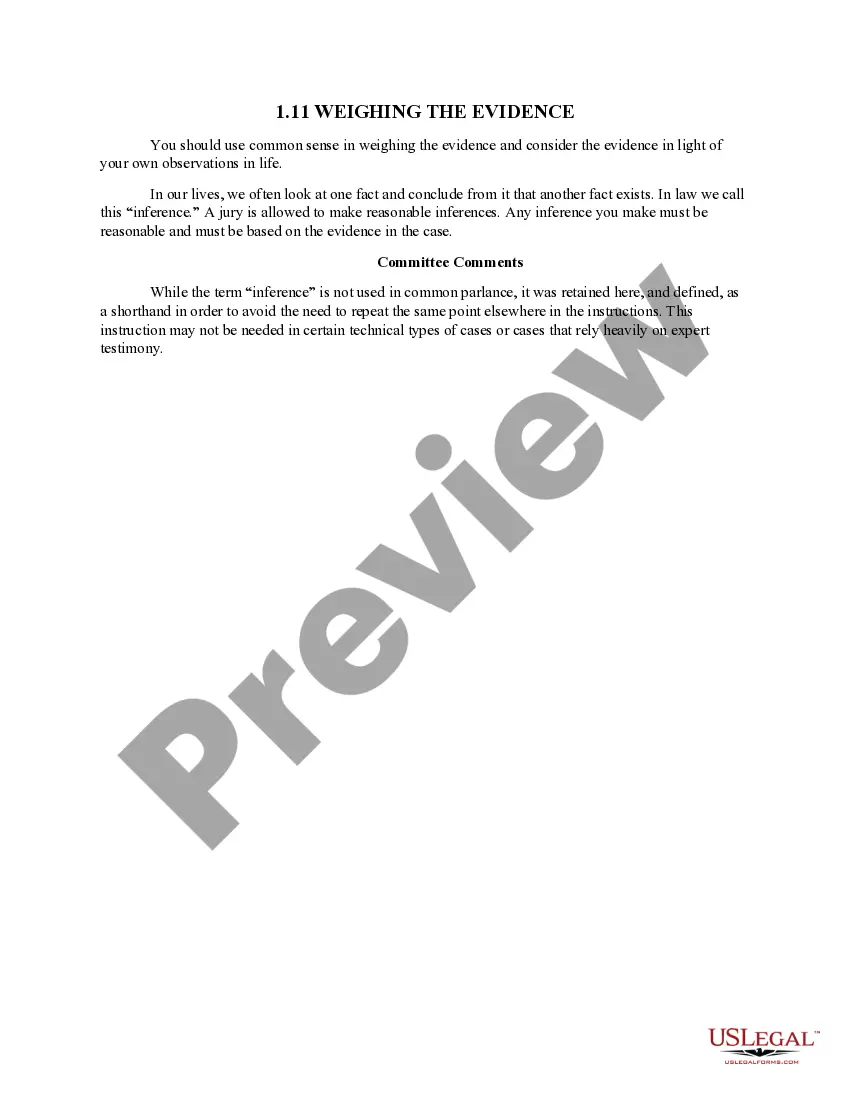
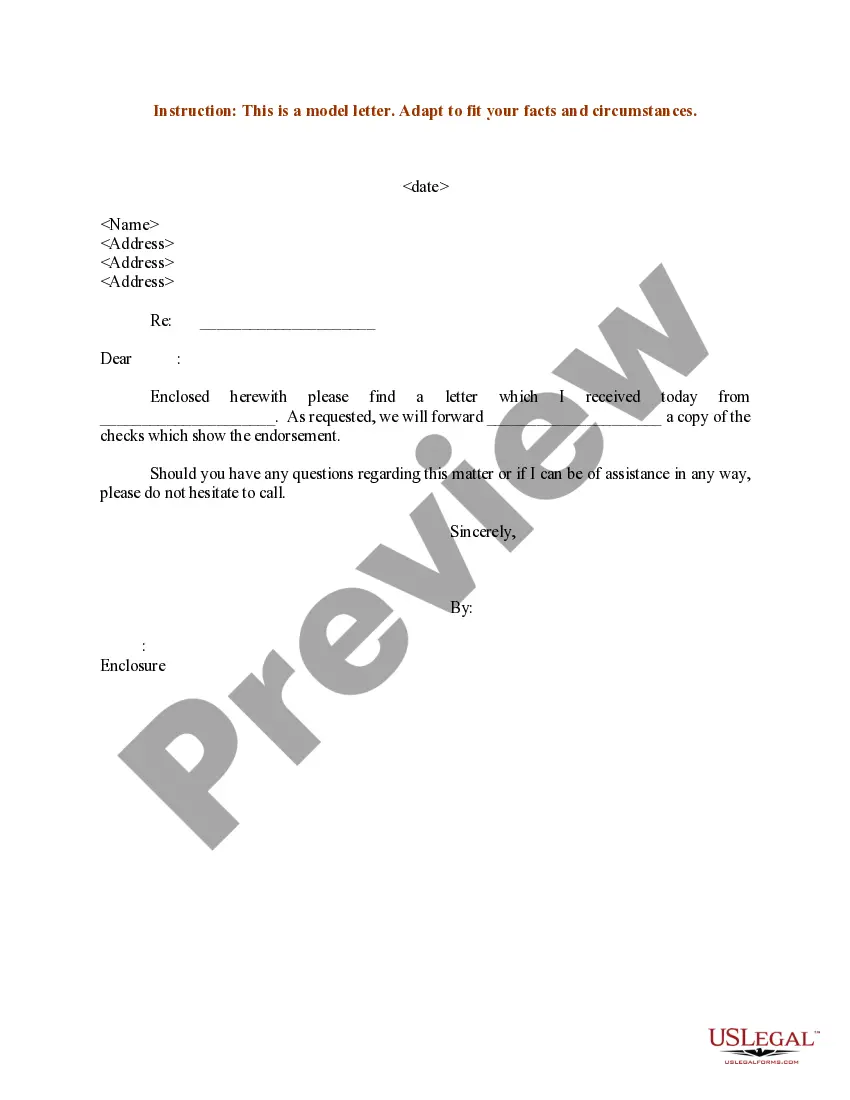
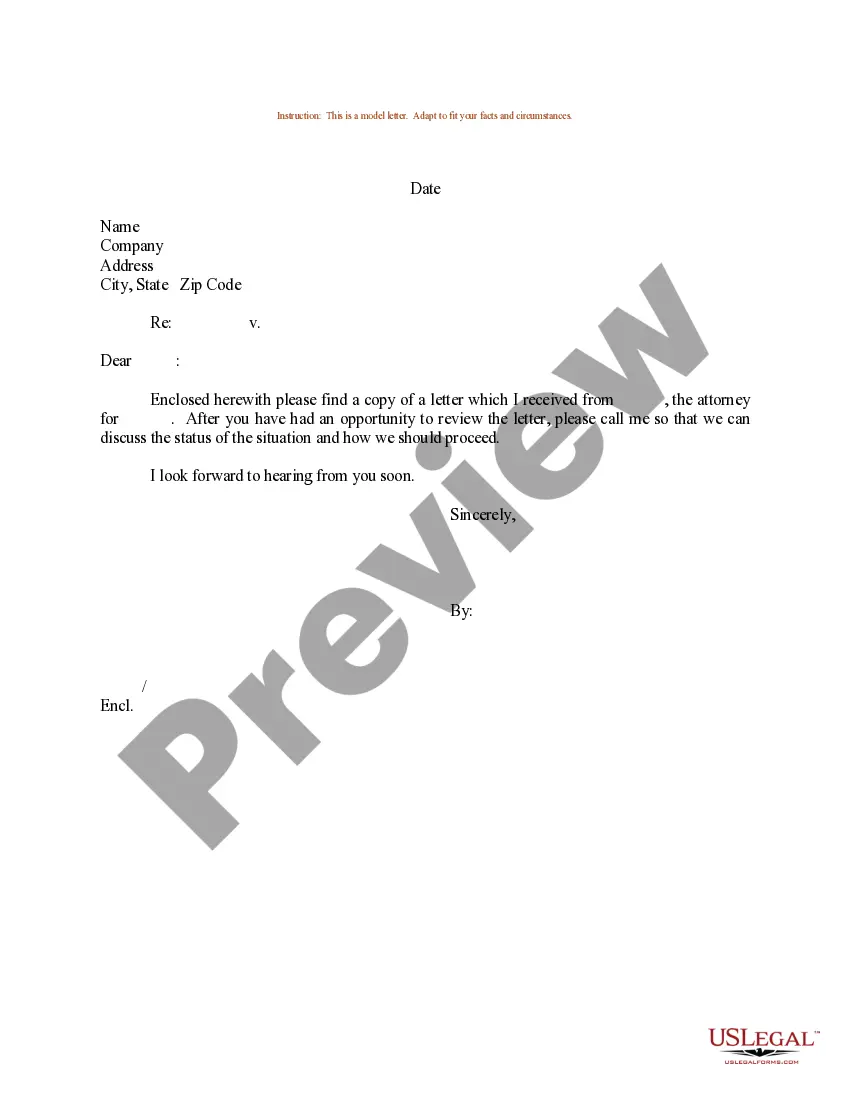
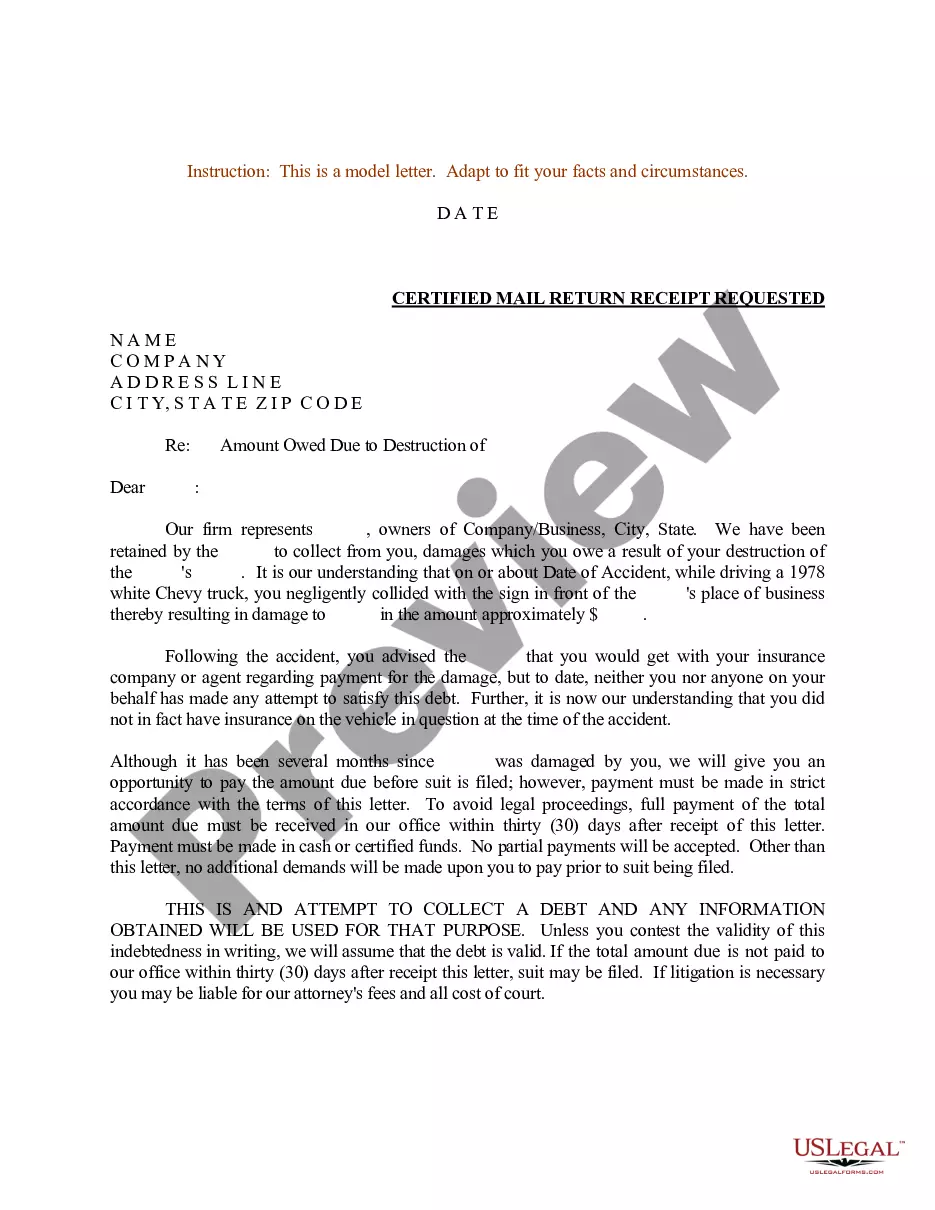
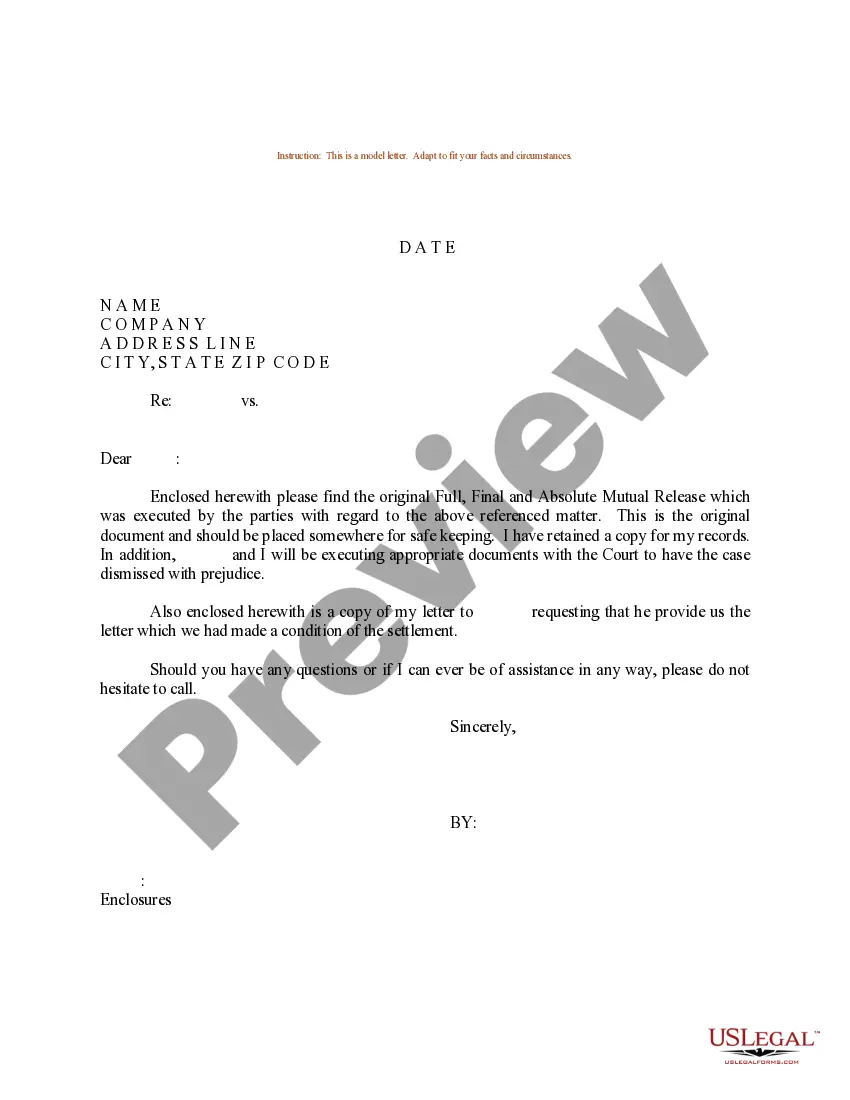
California Sample Letter for Correspondence received from Defendant
Description
Get your form ready online
Our built-in tools help you complete, sign, share, and store your documents in one place.
Make edits, fill in missing information, and update formatting in US Legal Forms—just like you would in MS Word.
Download a copy, print it, send it by email, or mail it via USPS—whatever works best for your next step.
Sign and collect signatures with our SignNow integration. Send to multiple recipients, set reminders, and more. Go Premium to unlock E-Sign.
If this form requires notarization, complete it online through a secure video call—no need to meet a notary in person or wait for an appointment.
We protect your documents and personal data by following strict security and privacy standards.

Make edits, fill in missing information, and update formatting in US Legal Forms—just like you would in MS Word.

Download a copy, print it, send it by email, or mail it via USPS—whatever works best for your next step.

Sign and collect signatures with our SignNow integration. Send to multiple recipients, set reminders, and more. Go Premium to unlock E-Sign.

If this form requires notarization, complete it online through a secure video call—no need to meet a notary in person or wait for an appointment.

We protect your documents and personal data by following strict security and privacy standards.
Looking for another form?





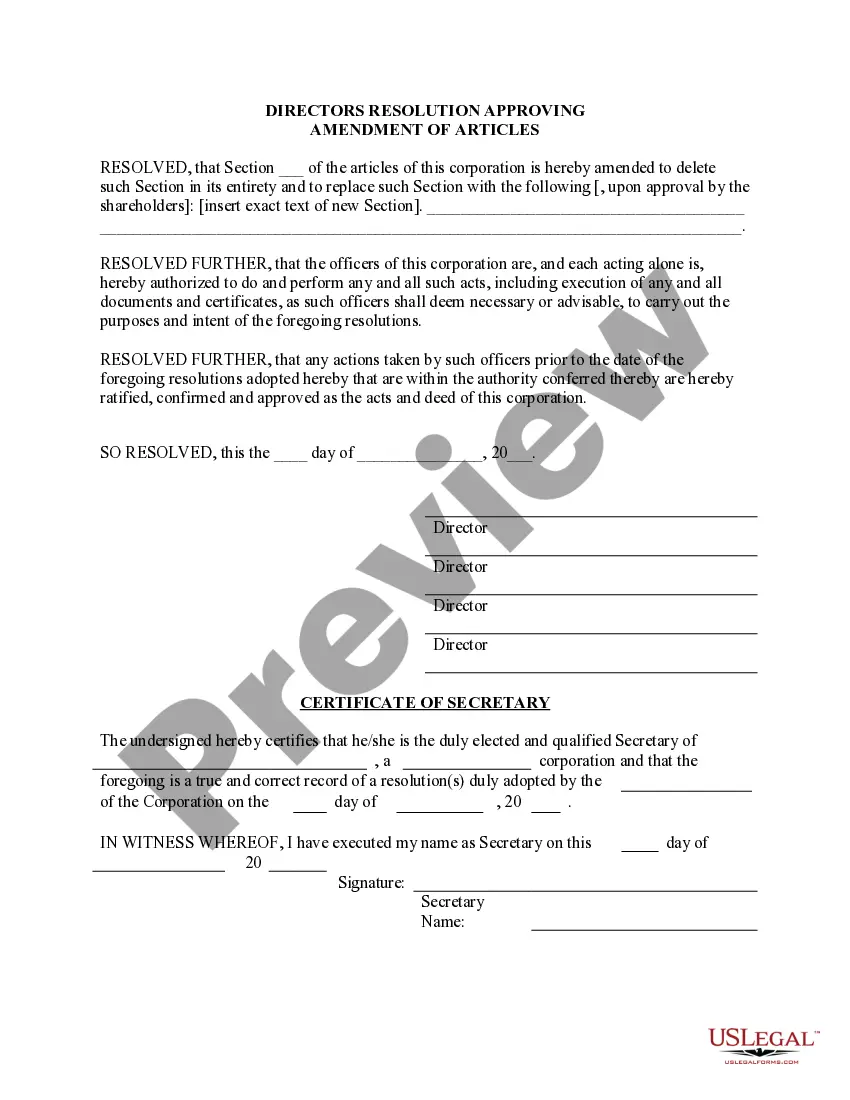

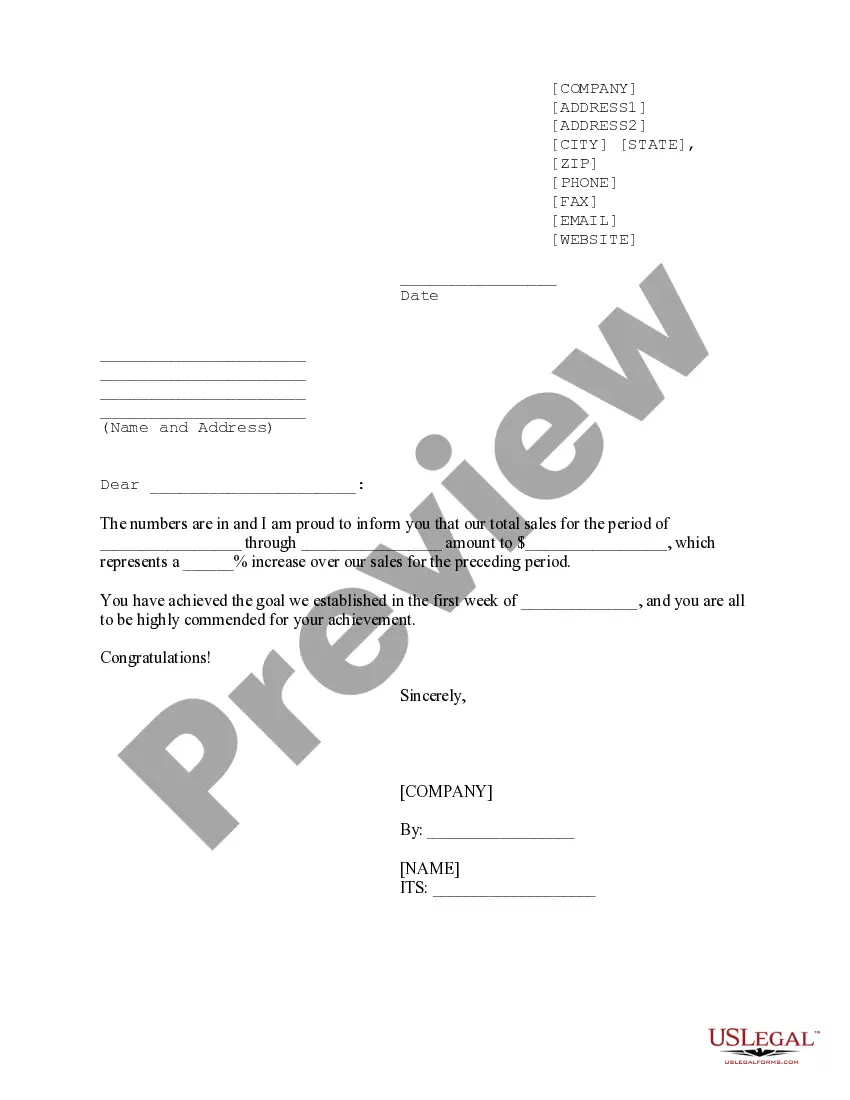
How to fill out Sample Letter For Correspondence Received From Defendant?
Selecting the appropriate legal document format can be a challenge. Of course, there are numerous templates available online, but how do you find the legal form you require? Utilize the US Legal Forms website. This service offers a vast array of templates, including the California Sample Letter for Correspondence received from Defendant, which can be utilized for both business and personal purposes. All documents are verified by experts and adhere to state and federal regulations.
If you are already registered, Log In to your account and then click the Acquire button to locate the California Sample Letter for Correspondence received from Defendant. Use your account to browse through the legal forms you have previously ordered. Visit the My documents section of your account and obtain another copy of the document you need.
If you are a new user of US Legal Forms, here are simple instructions for you to follow: First, ensure you have selected the correct form for your city/region. You can preview the form using the Review button and check the form details to confirm it is suitable for you. If the form does not meet your requirements, utilize the Search field to find the appropriate form. Once you are confident that the form is acceptable, click the Buy now button to acquire the form. Select the pricing plan you prefer and enter the necessary details. Create your account and complete your purchase using your PayPal account or credit card. Choose the file format and download the legal document format to your device. Complete, edit, and print and sign the obtained California Sample Letter for Correspondence received from Defendant.
Take advantage of this resource to ensure you have the correct legal documents for your needs.
- US Legal Forms is the largest collection of legal forms where you can find various document templates.
- Utilize the service to acquire professionally crafted documents that meet state requirements.
- Browse through numerous templates available.
- Find the legal form you need easily.
- Ensure compliance with all necessary regulations.
- Access your previously ordered forms effortlessly.
Form popularity
FAQ
Correspondence is defined as the exchange of letters as a means of communication. Correspondence from one party to another and responses to such letters constitute what is known as correspondence between parties.
THE BUILDING BLOCKS OF LEGAL CORRESPONDENCE[1] Transmittal Letters. Letters Requesting or Sending Information. Advice Letters. Demand Letters. Instruction Letters. Combination Letters.
What Should Be in Your Demand Letter Response? An acknowledgement of your receipt of their letter. Your analysis of the relevant facts. Be sure to be succinct, not verbose. Your basic reasoning as to why you are in the right (if you think you are.) ... Your counteroffer and a reasonable 'respond by' date.
Much legal correspondence follows the format of a standard business letter and should contain the following: ? Name and address of the sender: this often already appears on prepared company letterhead. ? Date: the date the letter is being sent, which may be different than the date the letter is being drafted.
How to Draft Legal Correspondence Prepare to write your letter. Before you begin writing, think about your audience, what you need to say, and what tone of voice you should use. ... Briefly explain the purpose of the letter. ... Make each point in a separate paragraph. ... Ask the recipient to do something.
Do's and Don'ts of writing a legal letter format Maintain focus throughout the process. Both intended and unintended audiences can read legal letters. ... Come up with coherent and consistent arguments. ... Use short sentences and paragraphs in your letter. ... Make sure your language has precision.
If you are asked to write a character letter for someone, it can be helpful to keep the following tips in mind when creating your letter: Address Your Letter to the Judge. ... Establish a Clear Relationship with the Defendant. ... Be Truthful. ... Be Positive. ... Include a Discussion of the Crime. ... Do Not Suggest Penalties for the Crime.
Correspondence writing is a written exchange of messages between two parties. Letters, emails, memos, and other written correspondence used to share information, express ideas, or build relationships are examples of this. It may be used for either personal or professional reasons, and it may be formal or informal.