California Judgment
Description
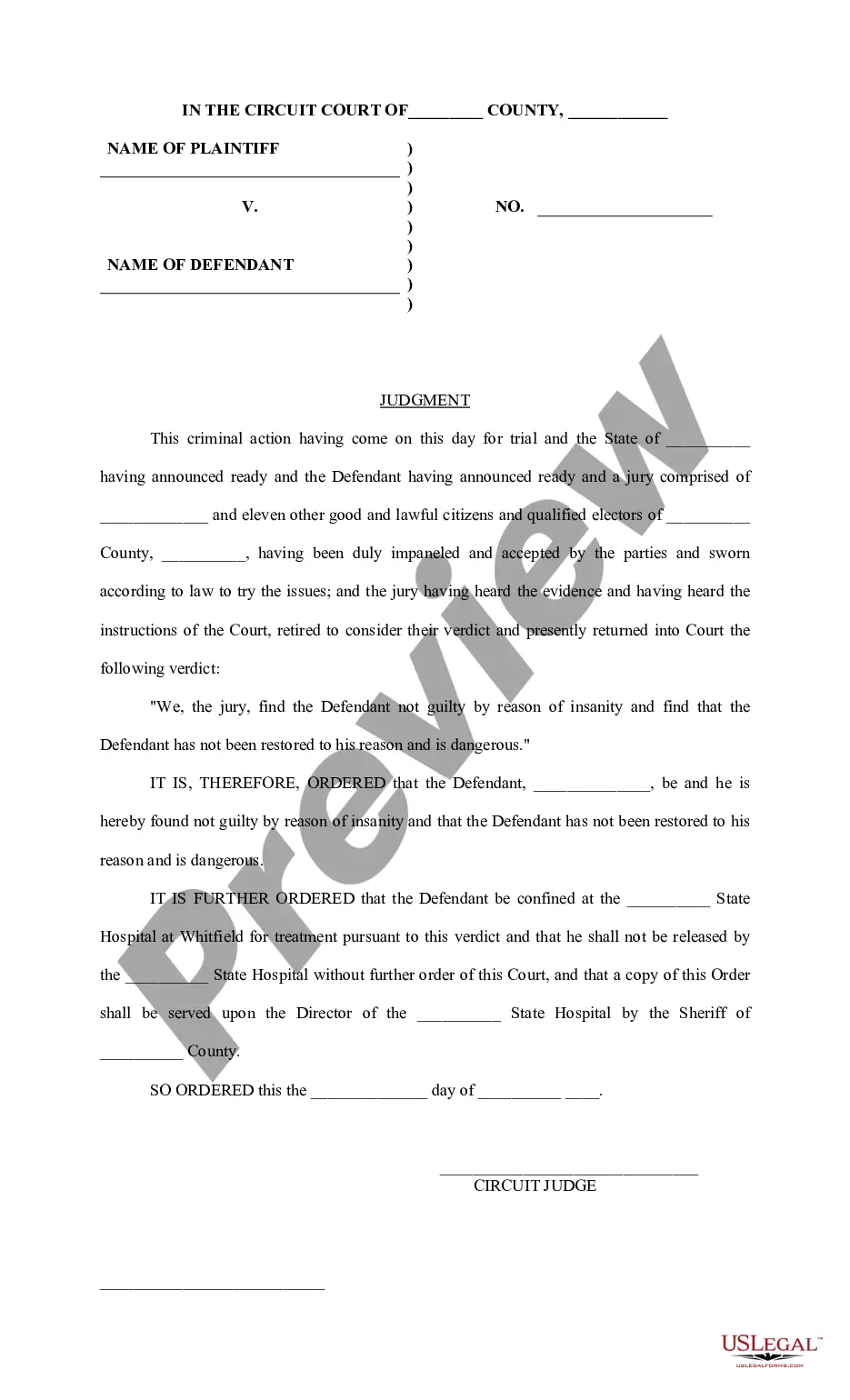
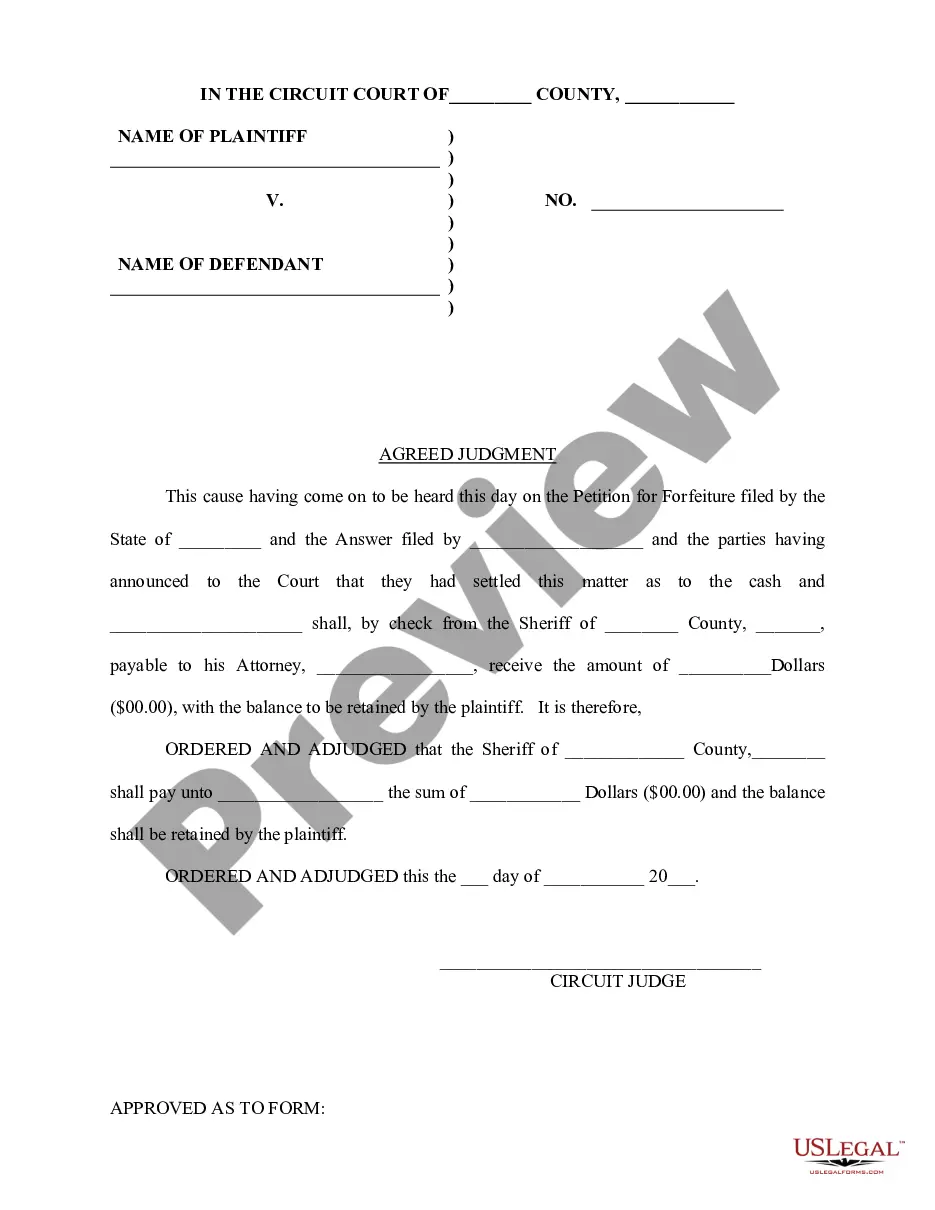
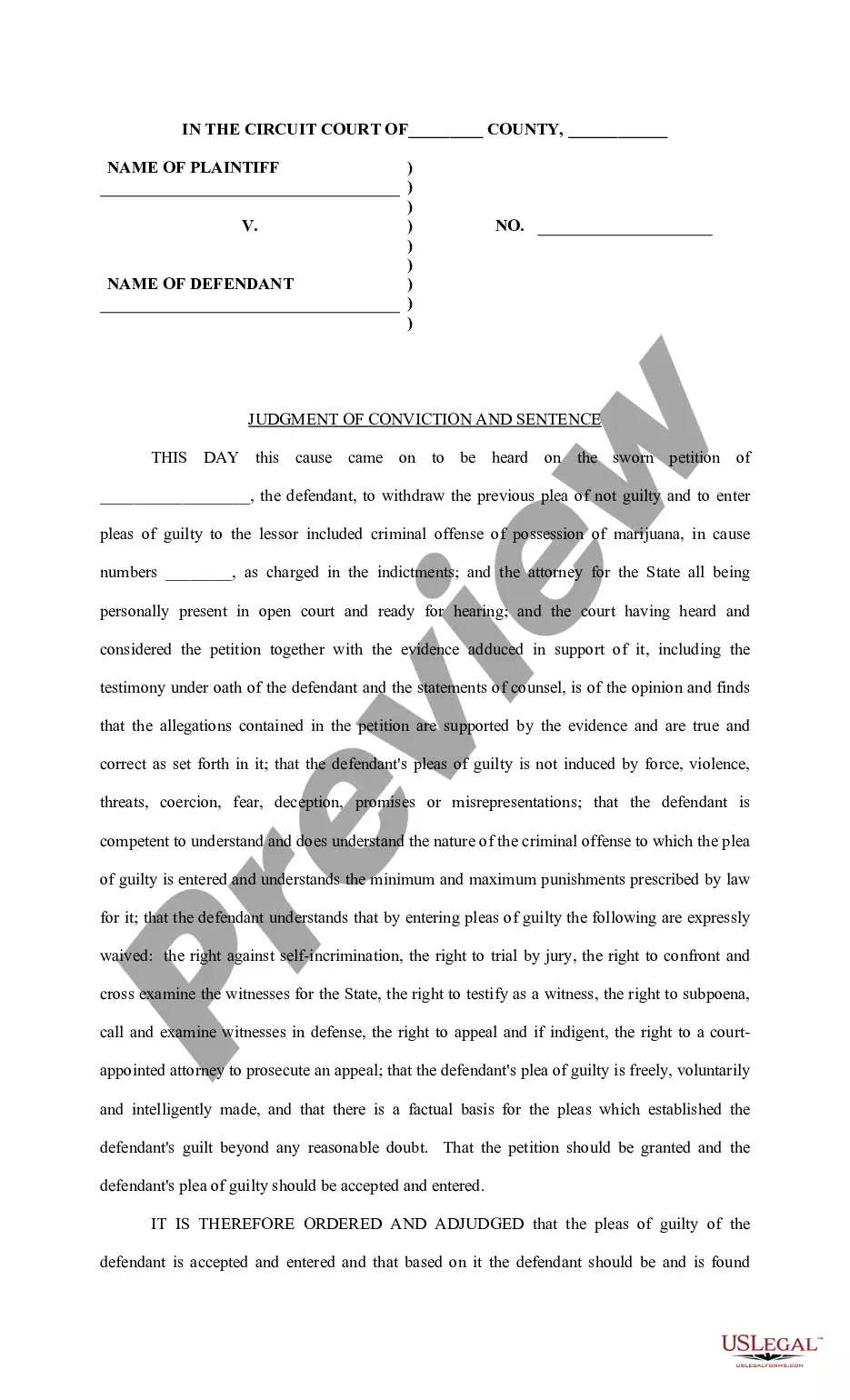
Get your form ready online
Our built-in tools help you complete, sign, share, and store your documents in one place.
Make edits, fill in missing information, and update formatting in US Legal Forms—just like you would in MS Word.
Download a copy, print it, send it by email, or mail it via USPS—whatever works best for your next step.
Sign and collect signatures with our SignNow integration. Send to multiple recipients, set reminders, and more. Go Premium to unlock E-Sign.
If this form requires notarization, complete it online through a secure video call—no need to meet a notary in person or wait for an appointment.
We protect your documents and personal data by following strict security and privacy standards.

Make edits, fill in missing information, and update formatting in US Legal Forms—just like you would in MS Word.

Download a copy, print it, send it by email, or mail it via USPS—whatever works best for your next step.

Sign and collect signatures with our SignNow integration. Send to multiple recipients, set reminders, and more. Go Premium to unlock E-Sign.

If this form requires notarization, complete it online through a secure video call—no need to meet a notary in person or wait for an appointment.

We protect your documents and personal data by following strict security and privacy standards.
Looking for another form?
How to fill out Judgment?
If you wish to finalize, obtain, or create sanctioned document templates, utilize US Legal Forms, the foremost selection of legal forms, available online. Utilize the site's straightforward and user-friendly search to locate the documents you need.
Various templates for corporate and individual purposes are organized by categories and states, or keywords. Use US Legal Forms to locate the California Judgment with just a few clicks.
If you are currently a US Legal Forms user, Log In to your account and click the Download button to retrieve the California Judgment. You can also access forms you previously saved in the My documents section of your account.
Every legal document format you obtain is yours indefinitely. You have access to every form you saved in your account. Select the My documents section and choose a form to print or download again.
Compete and acquire, and print the California Judgment with US Legal Forms. There are millions of professional and state-specific forms available for your personal or business needs.
- Step 1. Ensure you have selected the form for your correct area/region.
- Step 2. Utilize the Review option to examine the form’s details. Remember to read the description.
- Step 3. If you are dissatisfied with the form, use the Search area at the top of the screen to find other forms in the legal document format.
- Step 4. Once you have found the form you need, click the Purchase now button. Choose the pricing plan you prefer and enter your information to register for an account.
- Step 5. Complete the transaction. You may use your credit card or PayPal account to finalize the purchase.
- Step 6. Select the format of the legal form and download it to your device.
- Step 7. Complete, modify, and print or sign the California Judgment.
Form popularity
FAQ
If your judgment has already expired, you should consult an attorney before taking any action. California judgments last for 10 years from the date they were entered. If you win a judgment issued by a federal court, you may start collecting right away. The defendant has 30 days to file an appeal or post a bond.
If you do not pay the judgment, the judge can order you to appear in court. This is called an Application And Order For Appearance and Examination (EJ-125) . You can be ordered into court every 4 months to furnish information to aid in the enforcement of judgment until you pay the judgment.
If your judgment has already expired, you should consult an attorney before taking any action. California judgments last for 10 years from the date they were entered. If you win a judgment issued by a federal court, you may start collecting right away. The defendant has 30 days to file an appeal or post a bond.
The Judgment Debtor has 30 days from the mailing of the entry of judgment to pay you the money, or do one of the following: File an SC-220 request for time payments and the EJ-165 Financial Statement. File an SC-140 Appeal. If they did not appear, file an SC-135 Motion to Vacate Judgment.
After a default judgment, the Plaintiff will try to collect the money you owe. The Plaintiff may be able to take money from your paycheck or bank account and put a lien on your property. If you don't have any assets to pay the debt, you can let the Plaintiff. They may give up or try to collect in the future.
If you lose a civil case and are ordered to pay money to the winning side, you become a judgment debtor. The court will not collect the money for your creditor, but if you do not pay voluntarily, the creditor (the person you owe money to) can use different enforcement tools to get you to pay the judgment.
"Final judgment" means a judgment with respect to which all possibility of direct attack by way of appeal, motion for a new trial, or motion under Section 663 to vacate the judgment has been exhausted.
Personal Property Levies as a Judgment Collection Tool A personal property levy allows a creditor to obtain possession of much of the debtor's property in California (e.g., equipment, inventory, vehicles, cash in cash registers), excluding real property and property held by third parties.