California Weekly Time Sheet for Production Pay Employee
What is this form?
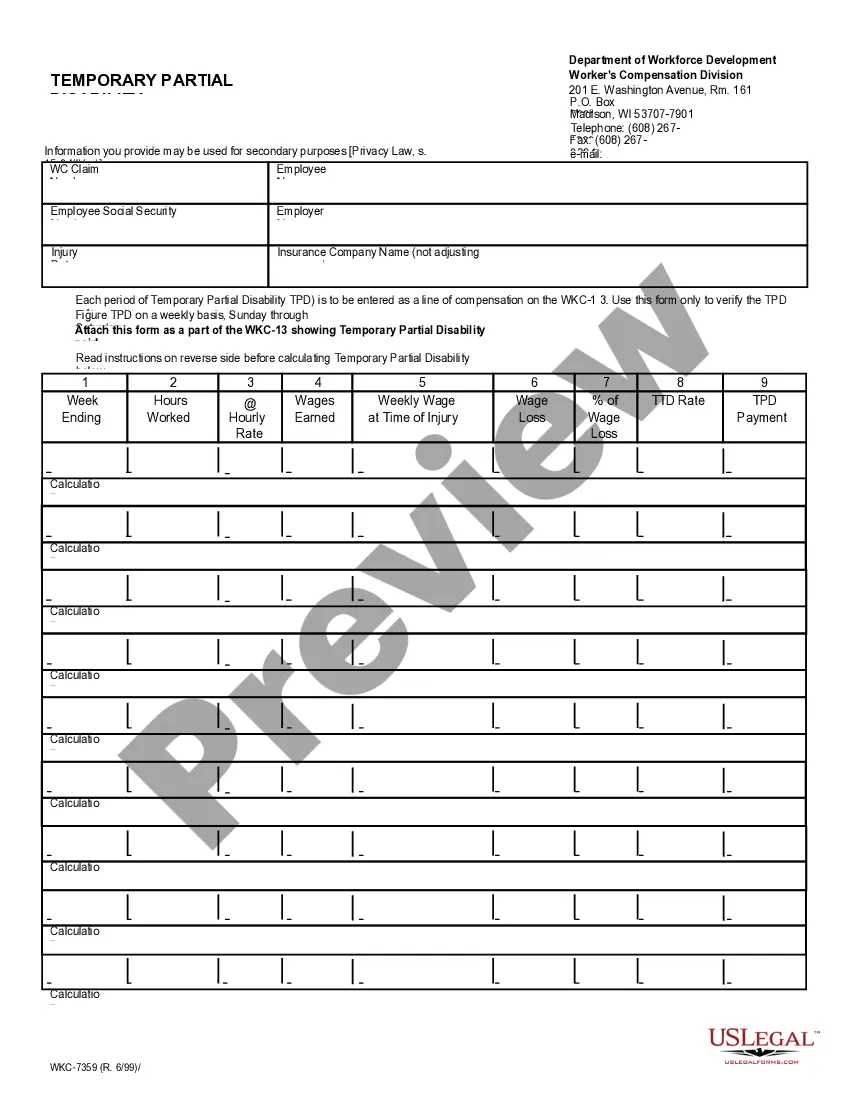
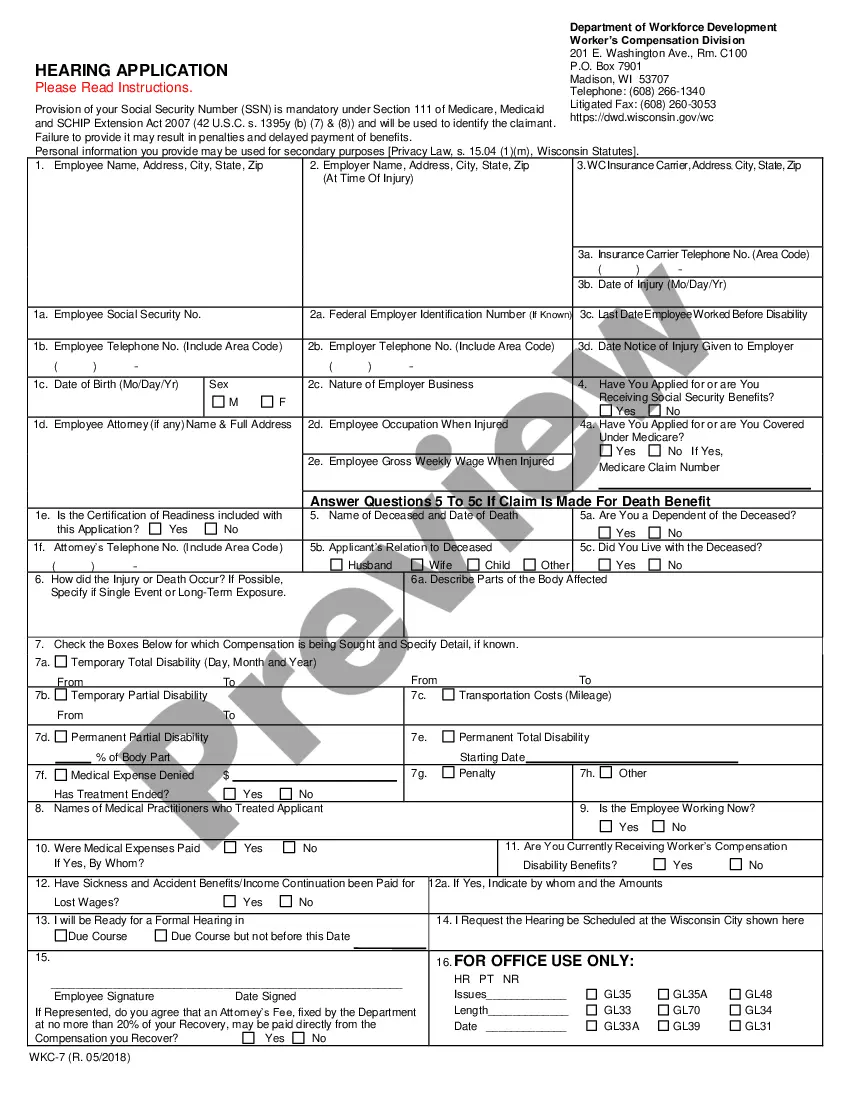
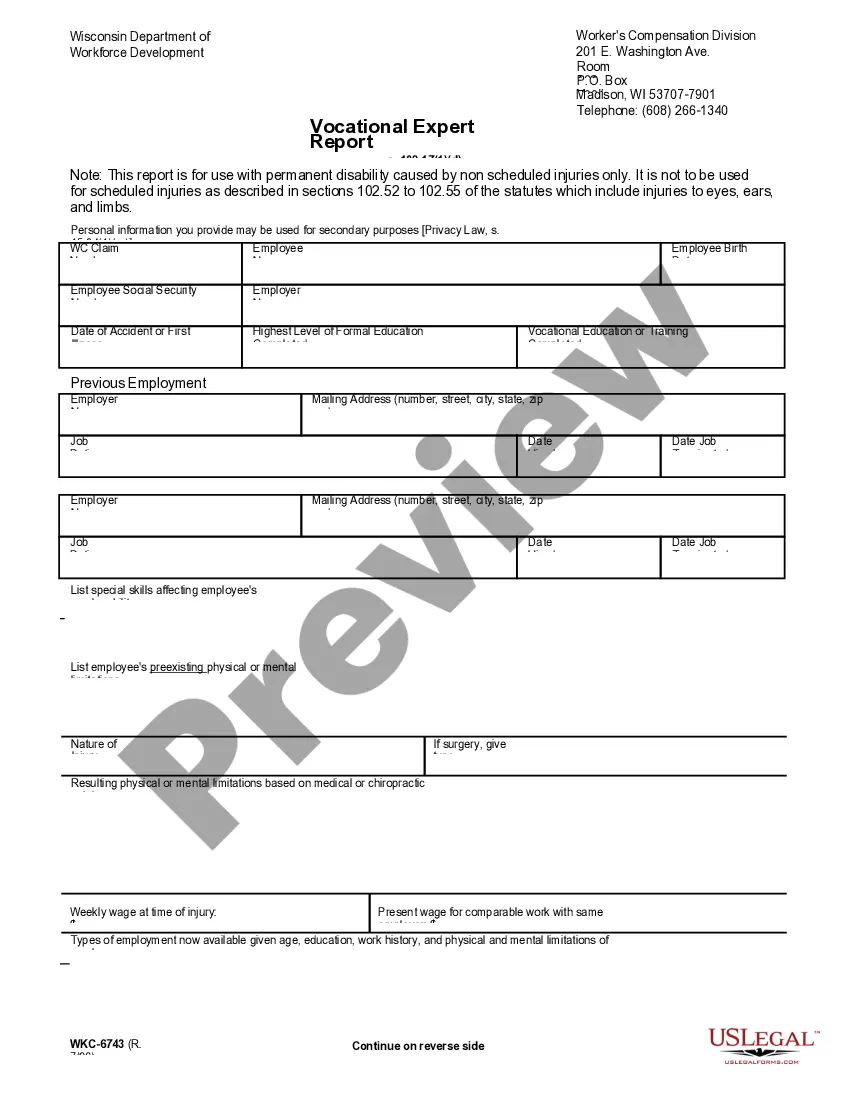
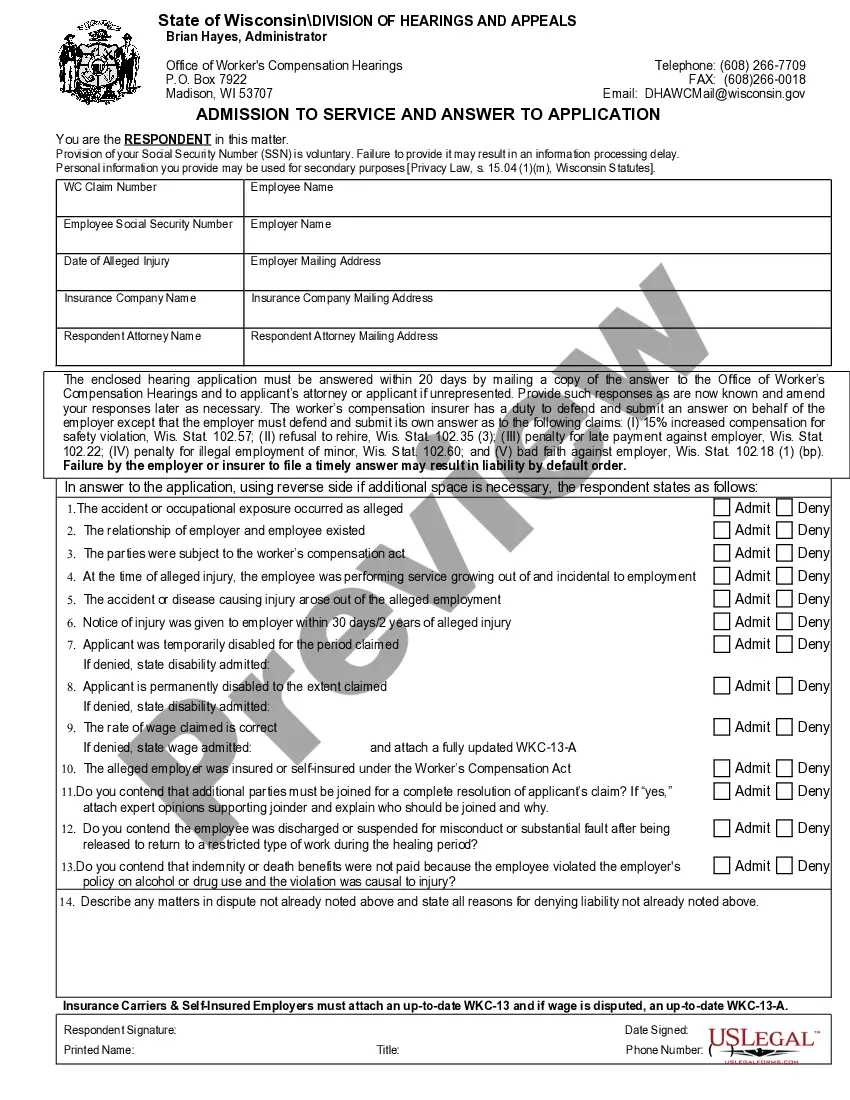
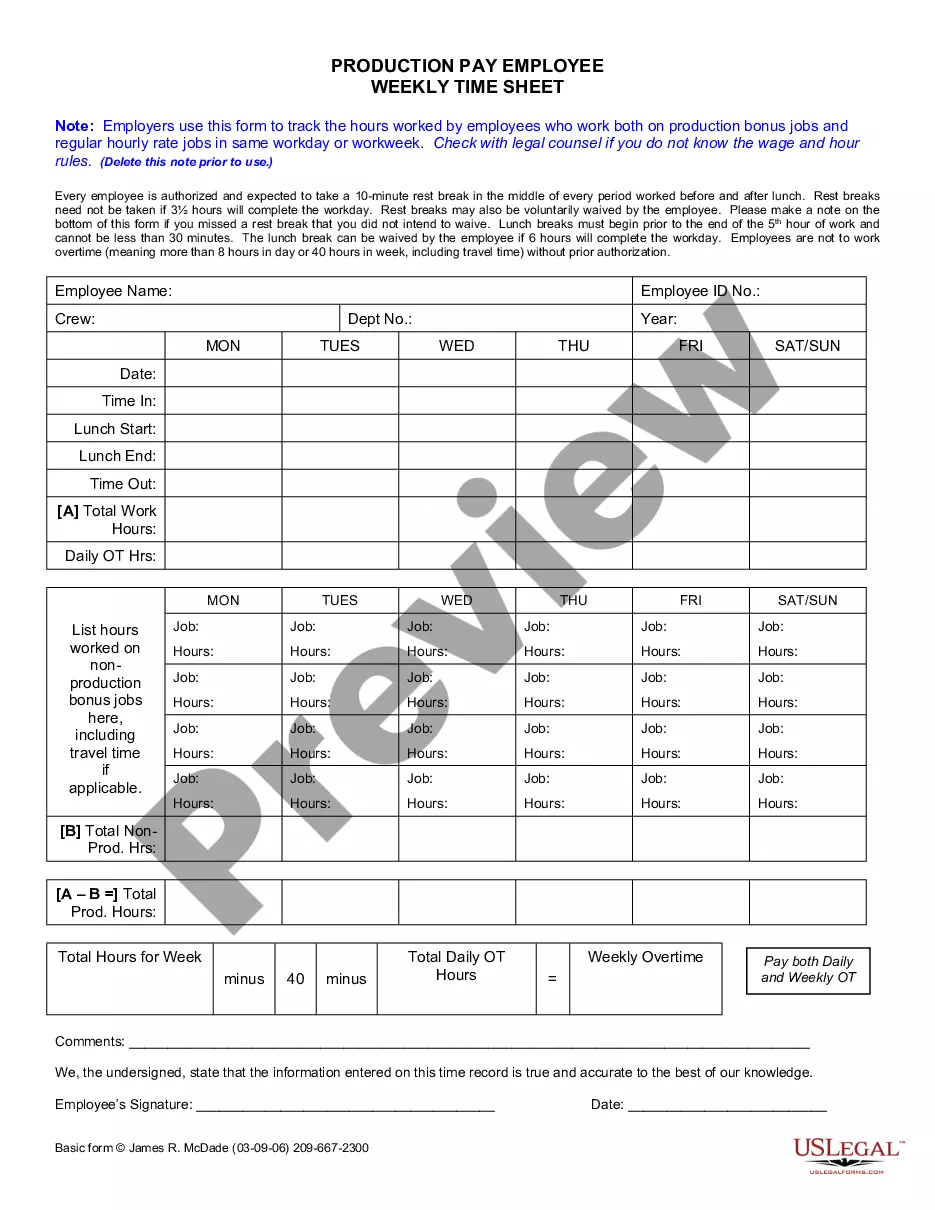
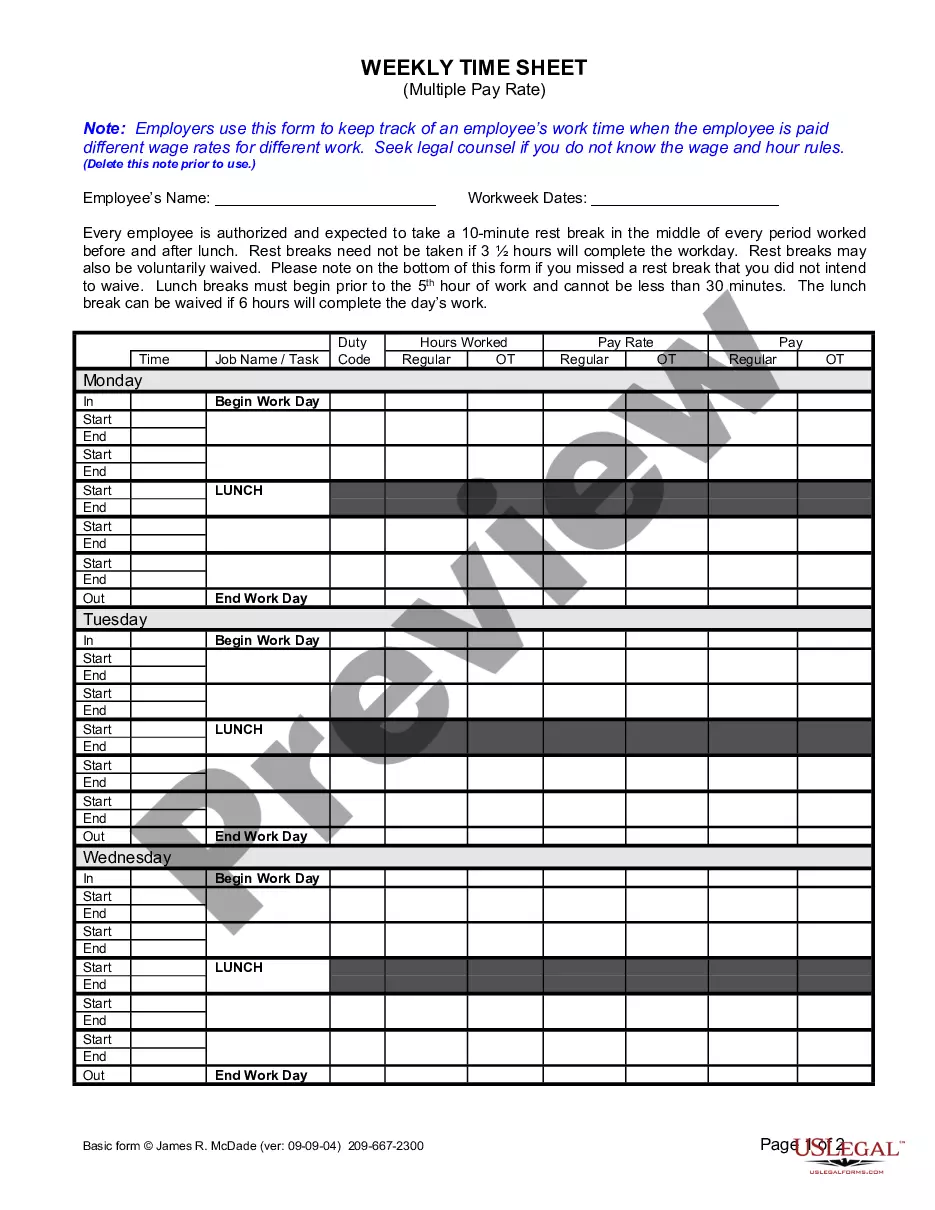
The Weekly Time Sheet for Production Pay Employee is a document used by employers to monitor the hours worked by employees engaged in both production bonus jobs and regular hourly rate jobs within the same workday or workweek. This form is essential for ensuring accurate payroll calculations and compliance with labor regulations, distinguishing it from standard time sheets that may not account for production bonuses specifically.
What’s included in this form
- Employee identification fields, including name and ID number.
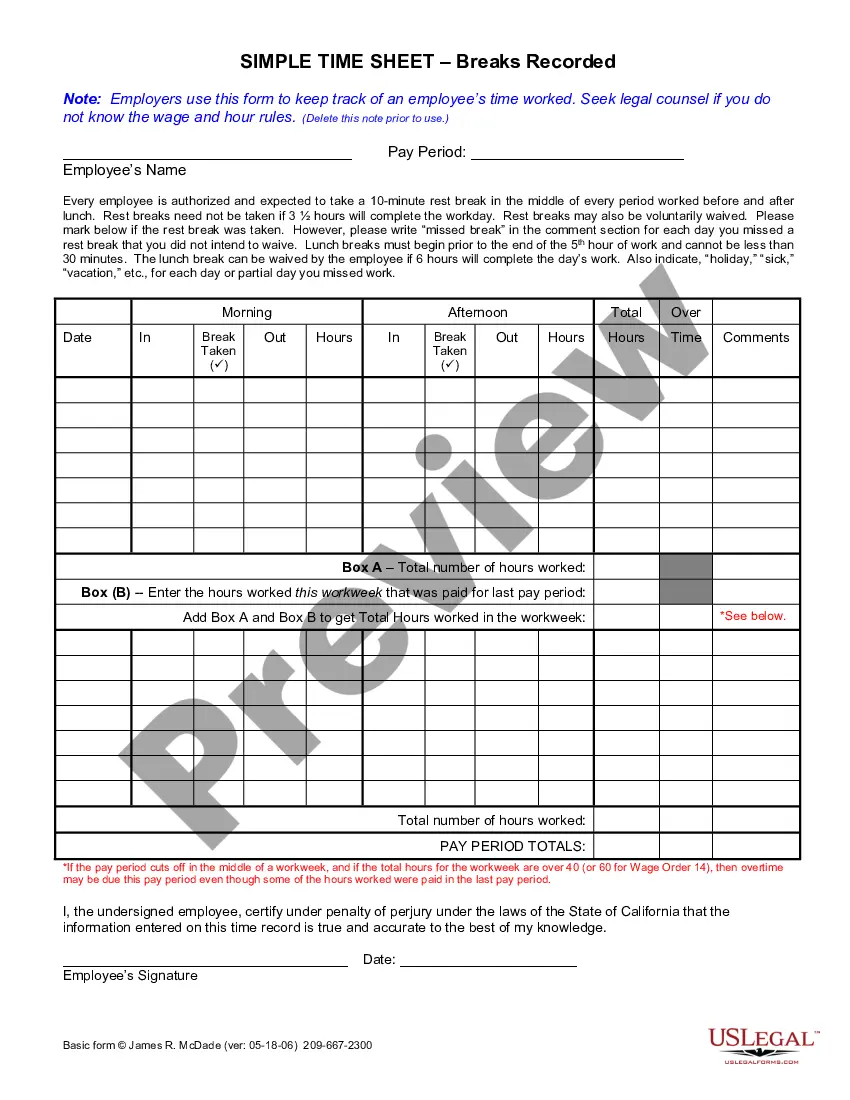
- Daily breakdown of hours worked, including time in and out, lunch breaks, and rest breaks.
- Sections for tracking regular and production hours separately.
- Authorization for overtime work and notes on missed breaks.
- Signatures from both employee and foreman to verify accuracy.
When this form is needed
This form should be utilized when employers need to document the hours worked by production pay employees who switch between production bonus jobs and regular hourly jobs in the same day or week. It is particularly useful in environments where pay is influenced by performance metrics and helps ensure employees are compensated accurately based on their work hours and job type.
Intended users of this form
- Employers managing production pay employees.
- Human resources personnel responsible for payroll processing.
- Supervisors or foremen overseeing time tracking in production environments.
Steps to complete this form
- Enter the employee's name and ID number at the top of the form.
- Document the start and end times for each workday, including lunch breaks.
- Record hours worked in production jobs and any additional non-production hours separately.
- Ensure all required signatures are obtained at the bottom of the form.
- Review the completed form for accuracy before submitting it for payroll processing.
Notarization guidance
Notarization is generally not required for this form. However, certain states or situations might demand it. You can complete notarization online through US Legal Forms, powered by Notarize, using a verified video call available anytime.
Get your form ready online
Our built-in tools help you complete, sign, share, and store your documents in one place.
Make edits, fill in missing information, and update formatting in US Legal Forms—just like you would in MS Word.
Download a copy, print it, send it by email, or mail it via USPS—whatever works best for your next step.
Sign and collect signatures with our SignNow integration. Send to multiple recipients, set reminders, and more. Go Premium to unlock E-Sign.
If this form requires notarization, complete it online through a secure video call—no need to meet a notary in person or wait for an appointment.
We protect your documents and personal data by following strict security and privacy standards.

Make edits, fill in missing information, and update formatting in US Legal Forms—just like you would in MS Word.

Download a copy, print it, send it by email, or mail it via USPS—whatever works best for your next step.

Sign and collect signatures with our SignNow integration. Send to multiple recipients, set reminders, and more. Go Premium to unlock E-Sign.

If this form requires notarization, complete it online through a secure video call—no need to meet a notary in person or wait for an appointment.

We protect your documents and personal data by following strict security and privacy standards.
Mistakes to watch out for
- Failing to include all hours worked, particularly for non-production tasks.
- Not obtaining necessary signatures before submission.
- Misunderstanding the rules for breaks and overtime authorization.
Why complete this form online
- Convenient digital access allows for easy editing and updating as needed.
- Ensures consistent formatting and compliance with legal standards.
- Facilitates quick submission and storage, reducing paperwork clutter.
Looking for another form?


Form popularity
FAQ
Employee's name. Pay period. Date worked. Day worked. Hours worked. Total workweek hours.
To complete a timesheet: Simply write in the dates of the end of the 1. weeks (always the Saturday date) and then fill in the number of hours you worked per day If you worked zero hours on Monday, 2022 leave the space for Monday blank. Add the total hours you have worked and 2.
Are You Required to Keep Timesheets for Salaried Employees? The simple answer is no. Federal law does not require you to track the hours of those employees you pay on a salary basis. However, this does not mean that you cannot require your employees to do so.
You can fill out your weekly time card in a few simple steps. Write your name in the designated location at the top of the time card. Fill in the week's beginning and ending dates on the appropriate lines. Write in your employee identification number or Social Security number on the appropriate line.
All nonexempt employees are required to accurately record hours worked. Unless otherwise notified, employees are required to accurately record their work time through the use of a time card, an electronic time-keeping system or a handwritten record.
California pay stubs and wage statements must include the employee's full name and the last four digits of the employee's social security number or an employee identification number.
Employee information name, social security number, address. Dates for the pay period. Employee's pay rate. Gross earnings before deductions. Taxes withheld, e.g. federal income tax. Employee contributions, e.g. pensions contributions. Deductions, e.g. for insurance.
Write the date, time you started, time you finished, and the number of minutes you took for lunch in the appropriate boxes. Calculate the total number of hours you worked, round to the nearest quarter-hour, and write this number in the Hours box.
Although federal labor law does not require employers to provide pay stubs to employees, California paystub law requires employers give an itemized wage statement or paystub for each pay period (a standard pay period is 2 weeks).