Arizona Quitclaim from Divorcee
About this form
The Quitclaim from Divorcee is a legal document specifically designed to transfer ownership of property from one former spouse to another following a divorce. This form serves as an agreement that relinquishes any claims on real or personal property, providing clarity on ownership and preventing future disputes. Unlike other property transfer forms, the quitclaim deed does not guarantee the grantor's title, making it essential for uncomplicated transfers between former spouses.
Main sections of this form
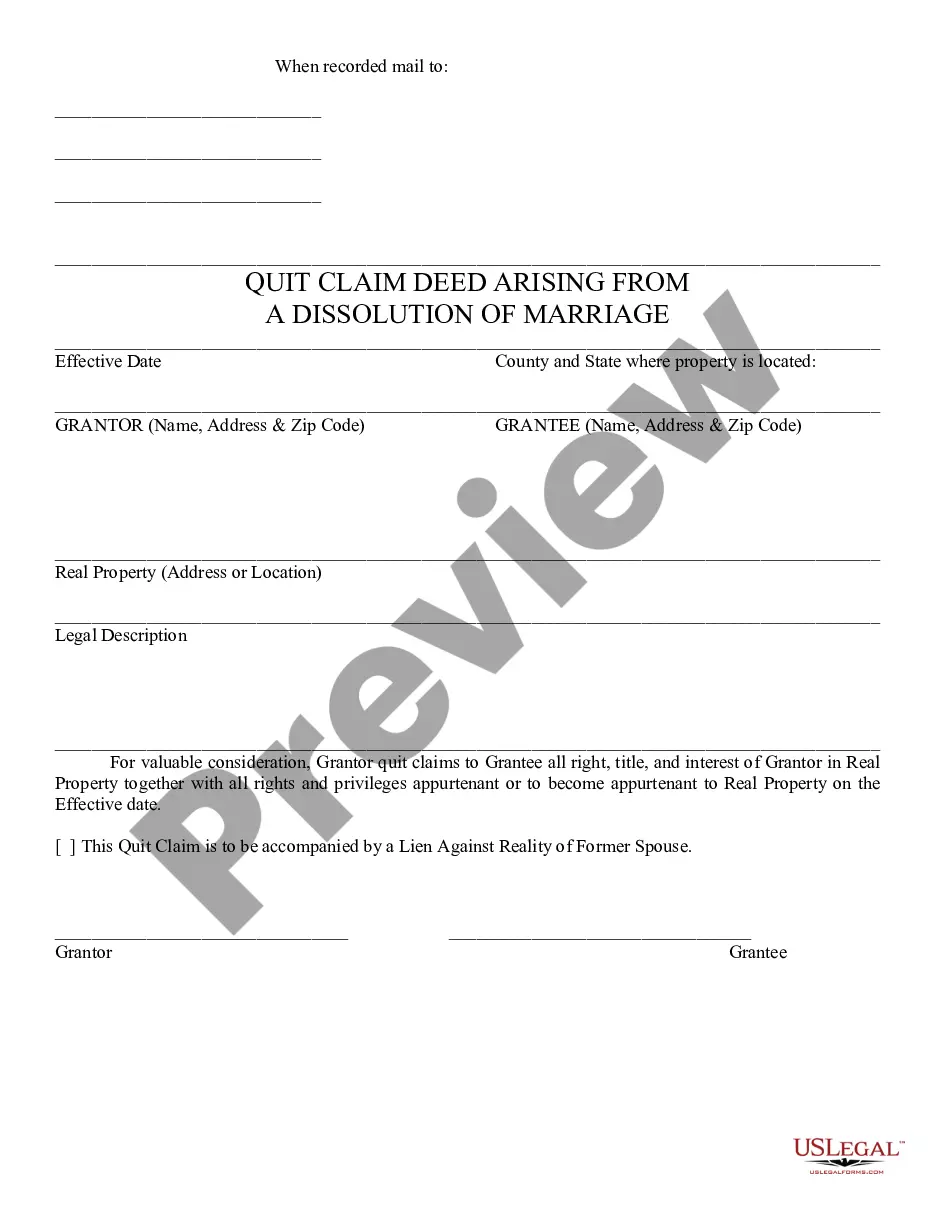
- Effective date: The date when the transfer of property rights becomes effective.
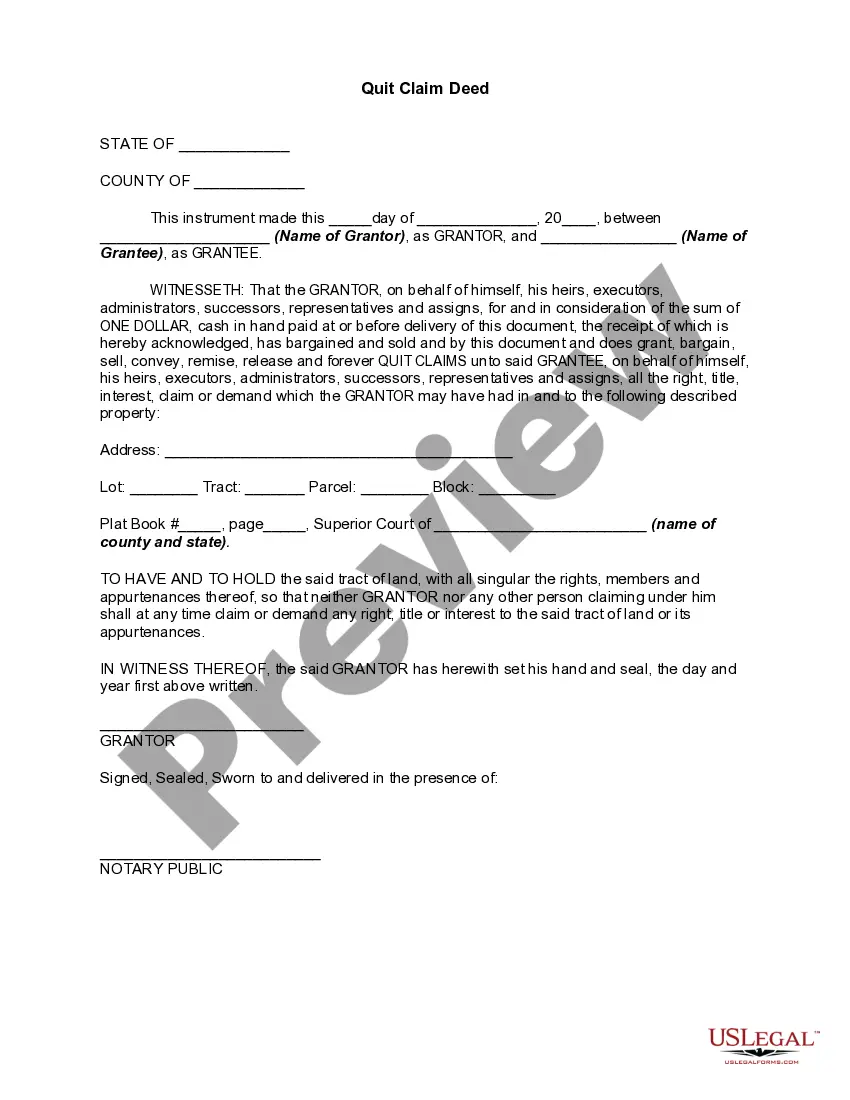
- Grantor and grantee information: Names, addresses, and zip codes of both parties involved in the agreement.
- Property details: Includes a description of the property being quitclaimed, including its address and legal description.
- Consideration clause: States the valuable consideration for the property transfer, typically indicating no monetary exchange.
- Signatures: Requires signatures of both grantor and grantee to validate the transfer.
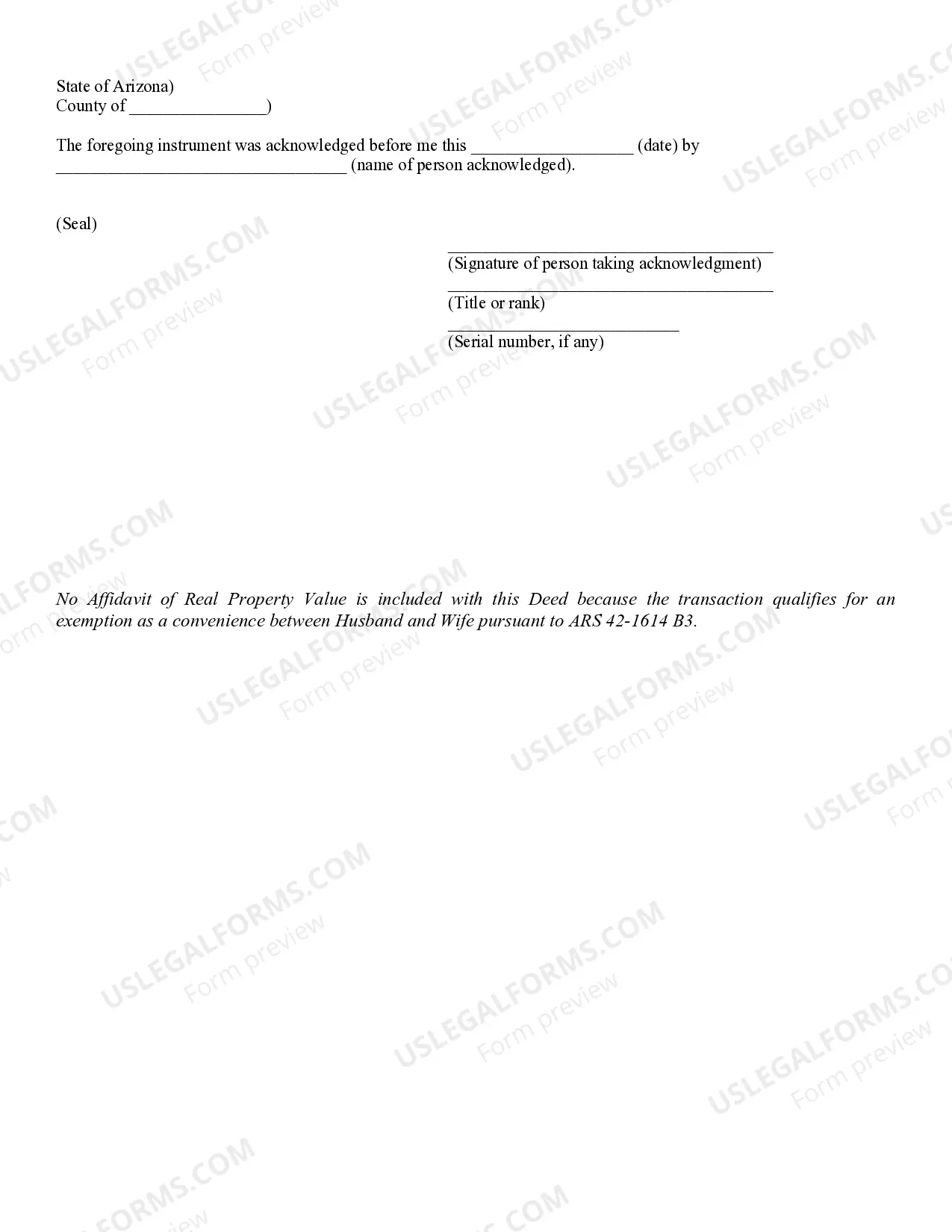
- Notarization section: Confirms the need for notarization to ensure legal validity in most cases.




Common use cases
This form is typically used when a couple is completing the divorce process and needs to transfer property rights as part of their settlement. It is appropriate when one spouse is relinquishing their ownership interest in a shared property to the other. This may include situations where marital property is being divided, or one spouse is buying out the otherâs interest in the property.
Who needs this form
This form is intended for individuals who have recently gone through a divorce and need to formalize the transfer of property. It is especially useful for:
- Divorcees transferring real estate or personal property to their former spouse.
- Individuals seeking to clear their name from a property they no longer own.
- Parties involved in amicable divorce settlements requiring a clear property title transfer.
Completing this form step by step
- Identify the effective date on which the transfer of ownership will take place.
- Fill in the names, addresses, and zip codes for both the grantor and grantee.
- Specify the property by providing its address and legal description in the designated section.
- Complete the consideration clause, typically indicating that this is a familial transfer.
- Both grantor and grantee should sign the form in the appropriate areas to validate the transfer.
- Ensure the notarization section is completed by having a notary public witness the signatures.
Is notarization required?
Yes, this form must be notarized to be legally valid. Notarization adds a layer of authenticity to the document, confirming the identity of the parties involved and their willingness to execute the transaction. US Legal Forms offers integrated online notarization, available twenty-four/seven, ensuring a secure and efficient process.
Get your form ready online
Our built-in tools help you complete, sign, share, and store your documents in one place.
Make edits, fill in missing information, and update formatting in US Legal Forms—just like you would in MS Word.
Download a copy, print it, send it by email, or mail it via USPS—whatever works best for your next step.
Sign and collect signatures with our SignNow integration. Send to multiple recipients, set reminders, and more. Go Premium to unlock E-Sign.
If this form requires notarization, complete it online through a secure video call—no need to meet a notary in person or wait for an appointment.
We protect your documents and personal data by following strict security and privacy standards.

Make edits, fill in missing information, and update formatting in US Legal Forms—just like you would in MS Word.

Download a copy, print it, send it by email, or mail it via USPS—whatever works best for your next step.

Sign and collect signatures with our SignNow integration. Send to multiple recipients, set reminders, and more. Go Premium to unlock E-Sign.

If this form requires notarization, complete it online through a secure video call—no need to meet a notary in person or wait for an appointment.

We protect your documents and personal data by following strict security and privacy standards.
Common mistakes to avoid
- Failing to provide accurate property descriptions can lead to legal disputes.
- Not securing proper signatures from both parties can invalidate the form.
- Omitting the notarization step where required by state law.
Benefits of completing this form online
- Convenience of downloading and printing immediately after completion.
- Editability that allows users to enter their specific details accurately.
- Access to reliable templates created by licensed attorneys ensuring legal compliance.
What to keep in mind
- The Quitclaim from Divorcee enables the transfer of property rights between former spouses.
- Accurate completion and notarization are critical for legal validity.
- This form helps clarify property ownership post-divorce, preventing future disputes.
Looking for another form?

Form popularity
FAQ
Creating a quit claim deed in Arizona involves drafting a document that clearly states the grantor and grantee's names, alongside a complete legal description of the property. You can find templates or legal resources to assist in this process. Once you finalize the document, it must be signed and notarized. This straightforward approach is vital for anyone navigating an Arizona Quitclaim from Divorcee, providing a smooth transfer of property rights.
The party that relinquishes their claim on the property benefits the most from a quitclaim deed. This legal instrument allows them to clearly and effectively remove themselves from ownership, a common scenario for divorcees. By utilizing an Arizona Quitclaim from Divorcee, individuals can expedite the process of settling property disputes after a divorce.
The strongest form of deed is the general warranty deed due to its comprehensive protections. This deed guarantees that the seller holds clear title to the property and has the legal right to transfer it. If you want full assurance when transferring property after a divorce, you might consider alternatives to an Arizona Quitclaim from Divorcee.
The deed providing the most protection is the general warranty deed. Unlike quitclaim deeds, general warranty deeds ensure the buyer receives a clear title and protection against future claims. While an Arizona Quitclaim from Divorcee can simplify property transfer, it does not offer the same security as a general warranty deed.
To create a valid quitclaim deed in Arizona, certain requirements must be fulfilled. The document needs to identify the grantor and grantee, provide a legal description of the property, and be signed by the grantor. Additionally, it should be notarized and recorded with the county recorder's office to ensure proper acknowledgment in the context of an Arizona Quitclaim from Divorcee.
A warranty deed provides the greatest protection when transferring property because it guarantees clear title. Unlike quitclaim deeds, which offer no warranties about the title, warranty deeds assure the buyer against any future claims. Therefore, if you're seeking security above all, consider using a warranty deed instead of an Arizona Quitclaim from Divorcee.
In Arizona, property division in a divorce is based on community property laws, which generally imply a 50/50 split. However, the division may not always be exact, as courts consider various factors. Additionally, using instruments like quitclaim deeds can influence the final distribution during divorce proceedings, making the Arizona Quitclaim from Divorcee an important tool for clear ownership.
Quitclaim deeds are most often used to transfer property rights quickly and easily. They are especially common during divorce proceedings, as they allow one spouse to relinquish their claim on a property. In the context of an Arizona Quitclaim from Divorcee, this process simplifies the division of assets and clarifies ownership post-divorce.
To remove your ex-husband's name from the deed, you can use a quitclaim deed to transfer ownership solely to yourself. This involves having your ex-husband sign the quitclaim deed, thereby relinquishing his claim to the property. After signing, ensure the document is notarized and recorded with the county recorder to protect your ownership rights. Consider checking US Legal Forms to find the appropriate papers and instructions.
Filling out an Arizona quitclaim deed requires specific information, including the names of the parties involved, the legal description of the property, and the consideration (compensation) for the transfer. Ensure that the form is signed in front of a notary public to validate it. Once completed, file the deed with the county recorder's office to make it official. US Legal Forms provides simple templates to help you fill out the deed correctly.