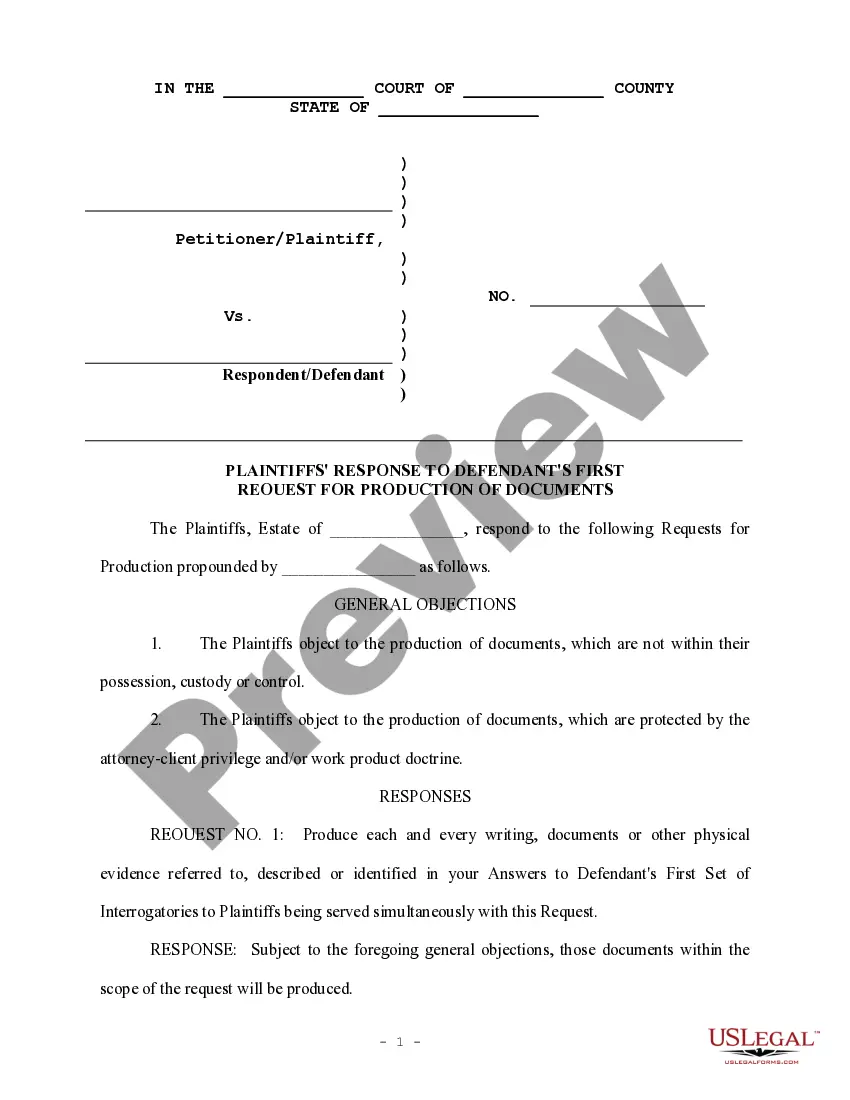
Arkansas Responses To Defendant's First Request For Production To Plaintiff
Description
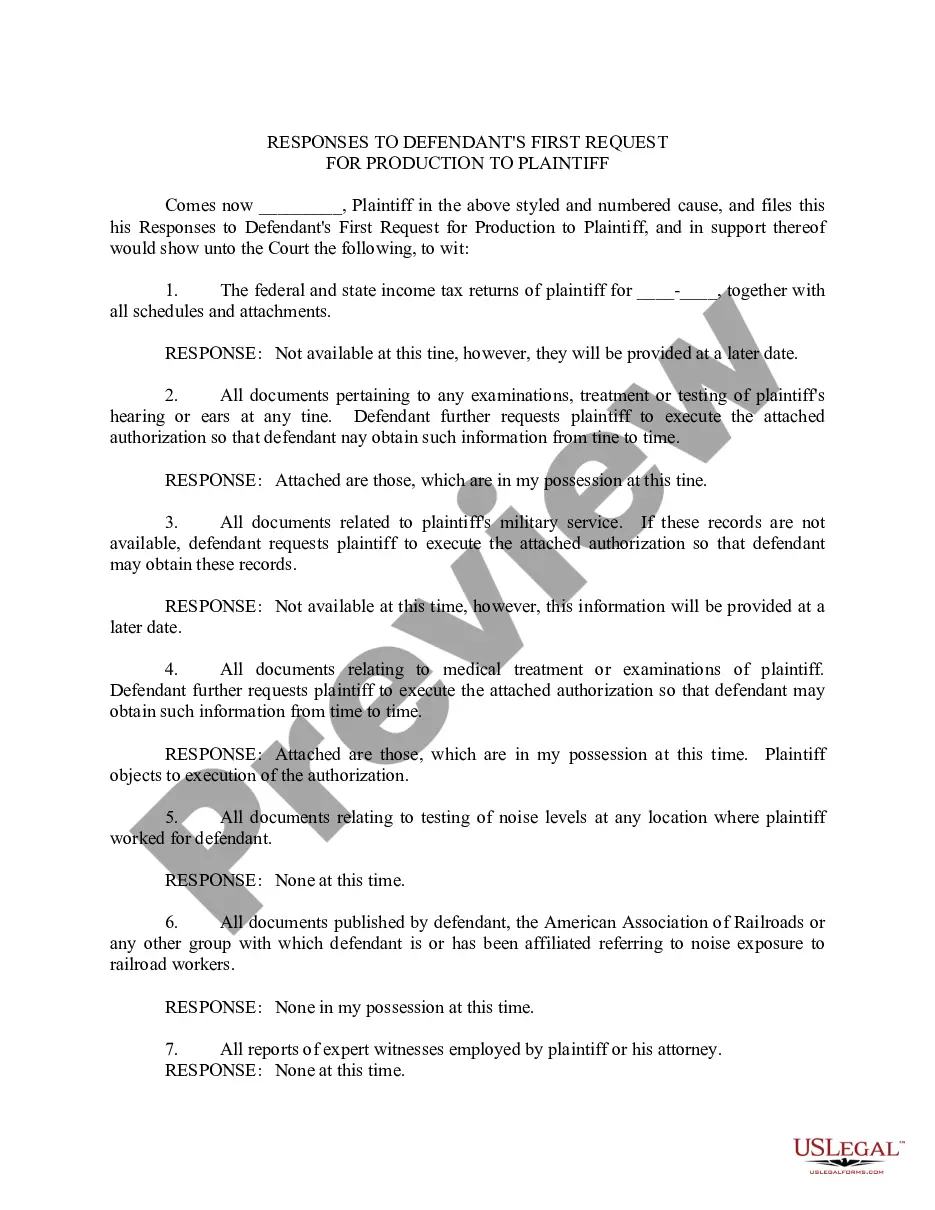
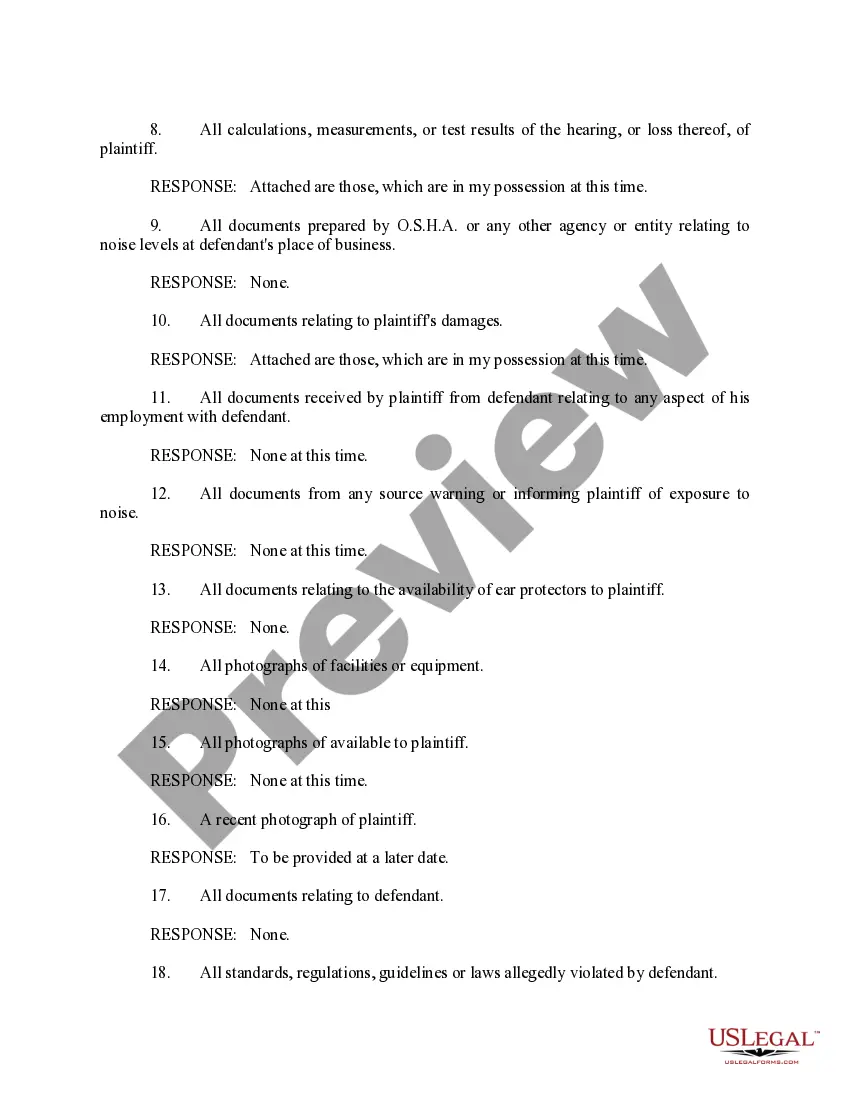
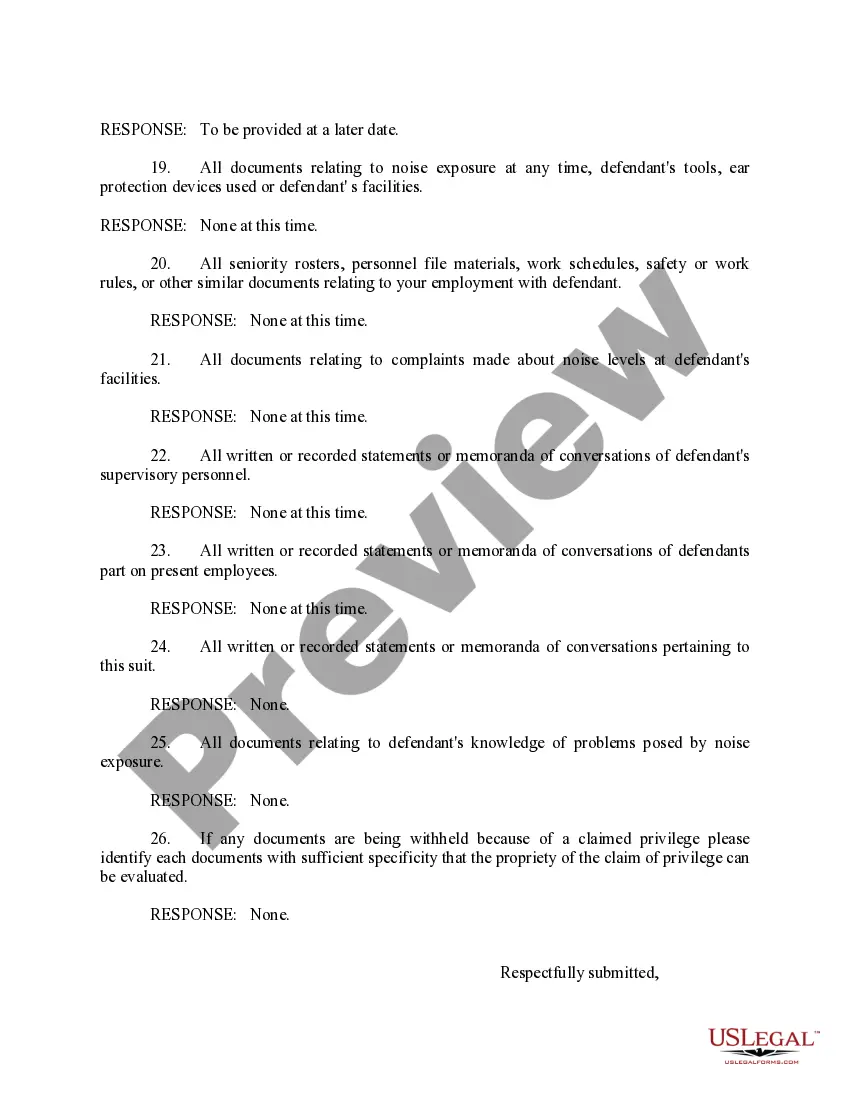
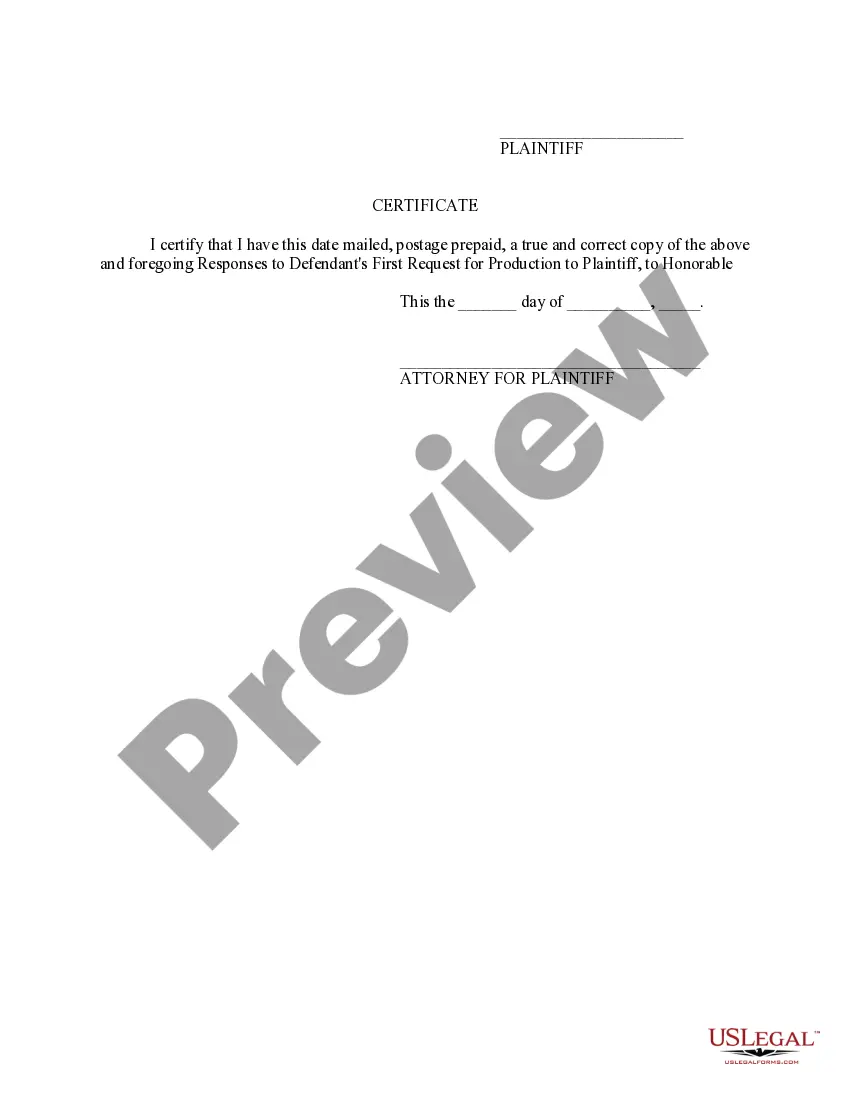
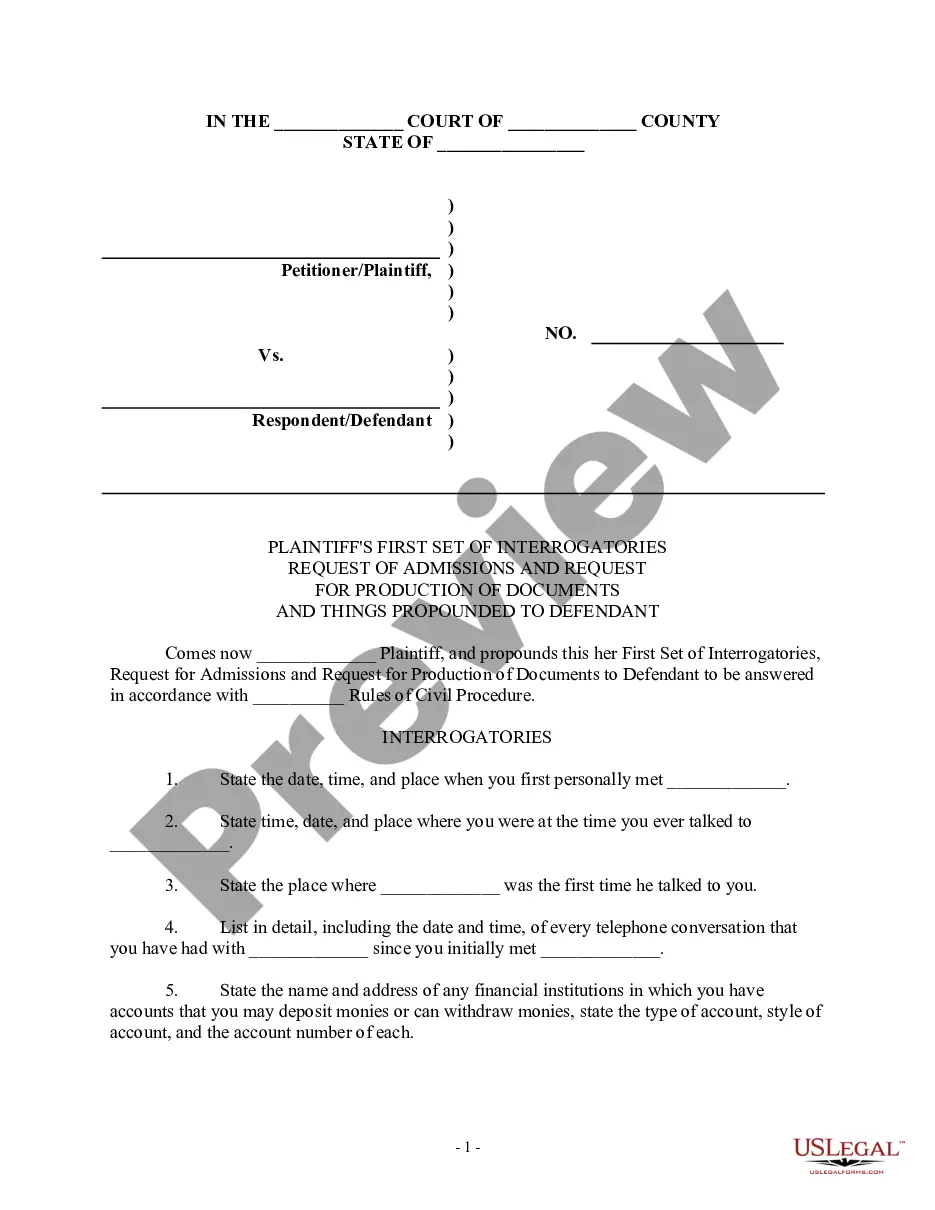
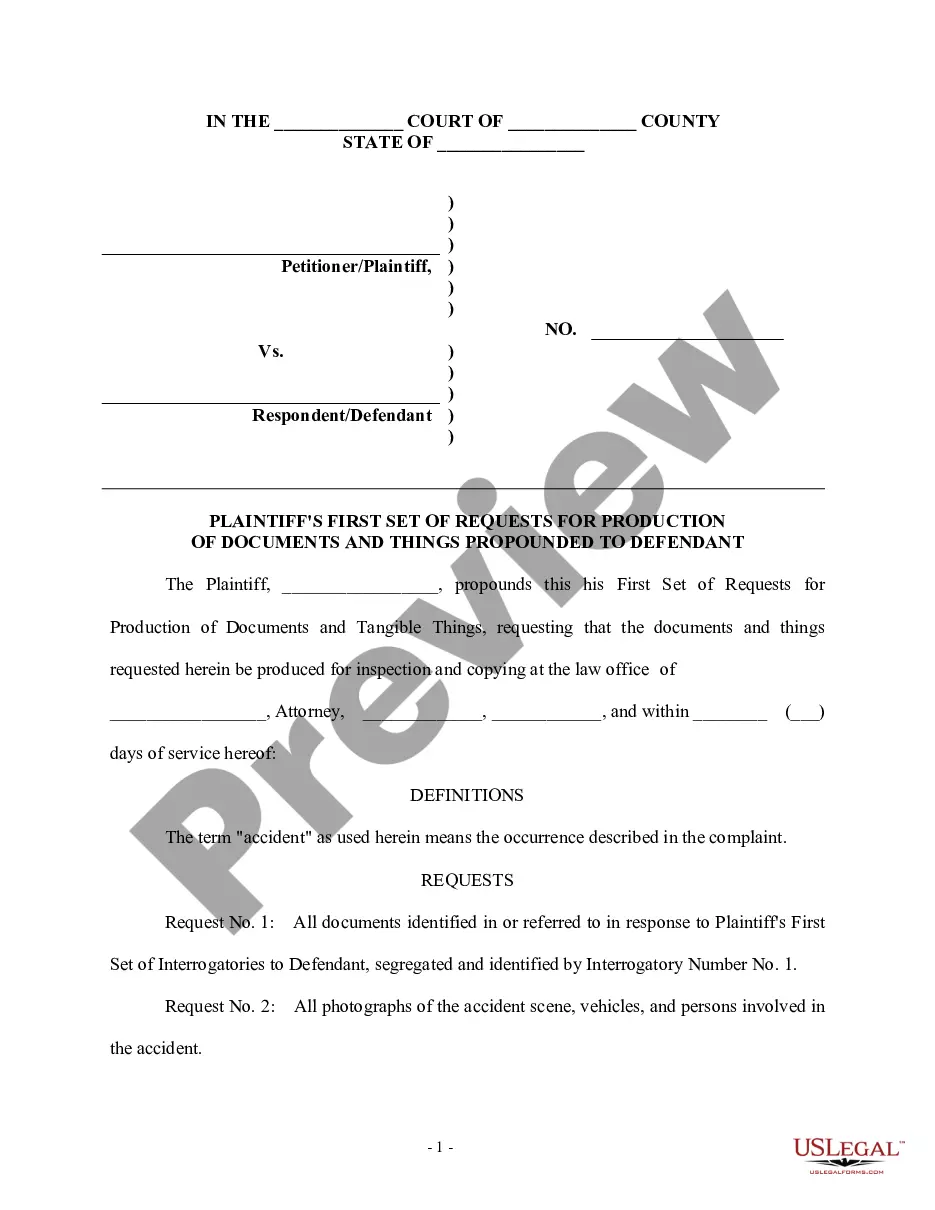
How to fill out Responses To Defendant's First Request For Production To Plaintiff?
Selecting the optimal legal document template can be challenging. Clearly, there are numerous designs available online, but how can you locate the legal form you require? Utilize the US Legal Forms website. The service offers thousands of templates, including the Arkansas Responses To Defendant's First Request For Production To Plaintiff, which you can use for business and personal purposes. All the forms are verified by experts and comply with federal and state regulations.
If you are already registered, Log In to your account and click the Download button to access the Arkansas Responses To Defendant's First Request For Production To Plaintiff. Use your account to search through the legal forms you may have previously obtained. Go to the My documents section of your account and download another copy of the document you require.
If you are a new user of US Legal Forms, here are straightforward instructions that you should follow: First, ensure you have selected the correct form for your city/state. You can preview the document using the Preview button and review the document details to confirm it is the right one for you. If the form does not meet your requirements, use the Search field to find the appropriate form. Once you are confident that the document is suitable, click the Purchase now button to acquire the form. Choose the pricing plan you prefer and enter the necessary information. Create your account and complete the payment using your PayPal account or credit card. Select the file format and download the legal document template to your device. Complete, modify, and print and sign the acquired Arkansas Responses To Defendant's First Request For Production To Plaintiff. US Legal Forms is the largest repository of legal documents where you will find numerous document templates. Take advantage of the service to download professionally-crafted paperwork that meets state requirements.
Make use of the company to down load skillfully-manufactured paperwork that adhere to express needs.
- Choosing the best lawful file template could be a struggle.
- Obviously, there are a lot of layouts available online, but how can you find the lawful kind you need.
- Make use of the US Legal Forms internet site.
- The support delivers 1000s of layouts, including the Arkansas Responses To Defendant's First Request For Production To Plaintiff, that you can use for company and private requires.
- All the types are checked by specialists and fulfill federal and state needs.
- US Legal Forms may be the most significant library of lawful types that you will find numerous file layouts.
Form popularity
FAQ
Your response to a request for production consists of two parts: One part is a written response to the requests, in which you state under penalty of perjury that you will produce the requested items; that you will not produce and why; or that you object to a request on legal grounds.
In contrast to interrogatories and requests for admission, which are limited to 35 questions as a "matter of right", there is no limit on demands for production.
Arkansas Rule of Criminal Procedure 37.1(a) provides: (a) A petitioner in custody under sentence of a circuit court claiming a right to be released, or to have a new trial, or to have the original sentence modified on the ground: (i) that the sentence was imposed in violation of the Constitution and laws of the United ...
A party may serve upon any other party a written request for the admission, for purposes of the pending action, of the truth of any matters within the scope of Rule 26(b) set forth in the request that relate to statements or opinions of fact or the application of law to fact, including the genuineness of any documents ...
The process of delivering, or making available for review, documents produced during litigation or in response to a request for documents from a regulatory or other body. Discoverable documents in litigation may include both paper (hard copy) documents and electronically stored information (ESI).
Generally, a request for production asks the responding party to make available the original documents, but a requesting party may permit photocopies of the requested documents be sent instead, if inspection of the original document is not necessary.
Check or type: ?I will allow this request in whole and will provide the documents or things as requested.? Check or type: "I cannot comply with the request because no such documents or things exist. A diligent search and reasonable inquiry have been made in an attempt to comply with this demand.?
Typically, you may admit, deny, or claim that you neither admit nor deny a request. You may also partially agree with the request and disagree with the other. In such a case, you must indicate which part you admit to and which part you deny in your response.