The decree of the bankruptcy court which terminates the bankruptcy proceedings is generally a discharge that releases the debtor from most debts. A bankruptcy court may refuse to grant a discharge under certain conditions.
Arkansas Complaint Objecting to Discharge in Bankruptcy Proceeding for Failure to Keep or Preserve Books or Records that Explains Loss or Deficiency in Assets,
State:
Multi-State
Control #:
US-01085BG
Format:
Word;
Rich Text
Instant download
Description
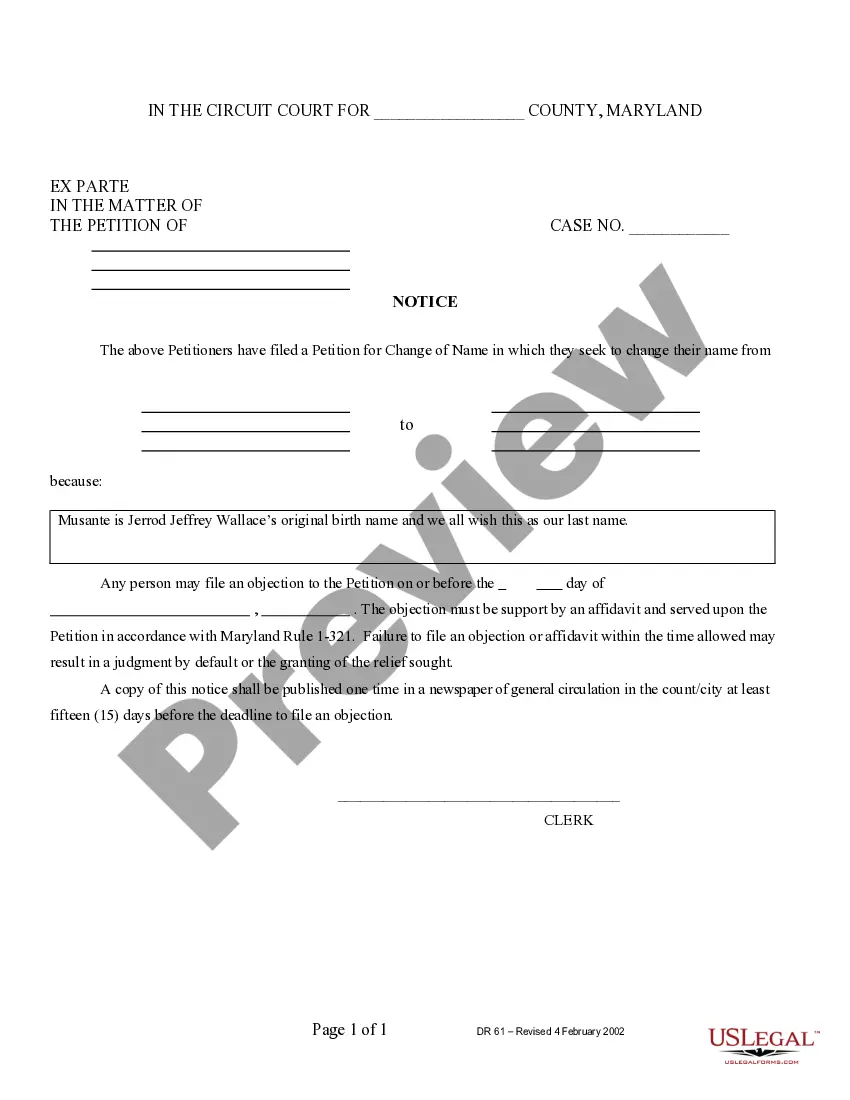
Free preview
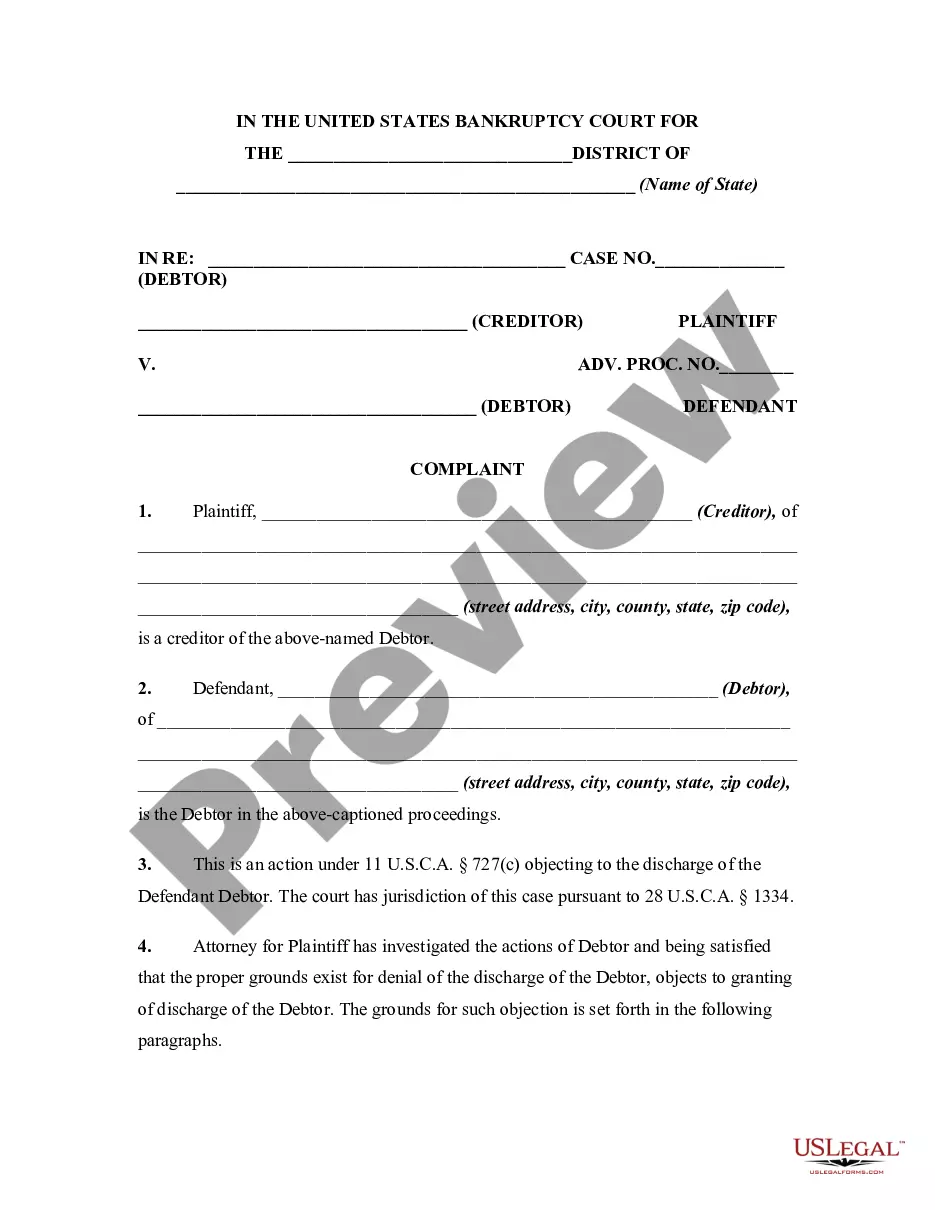
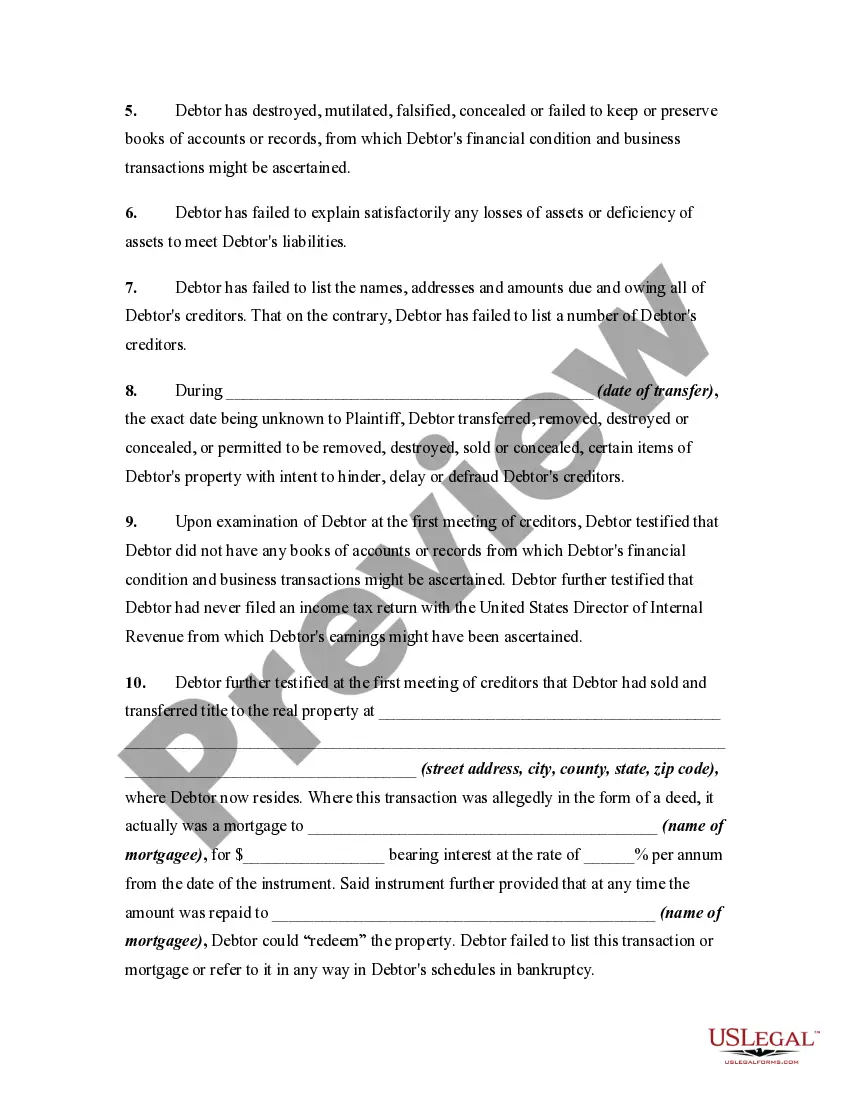
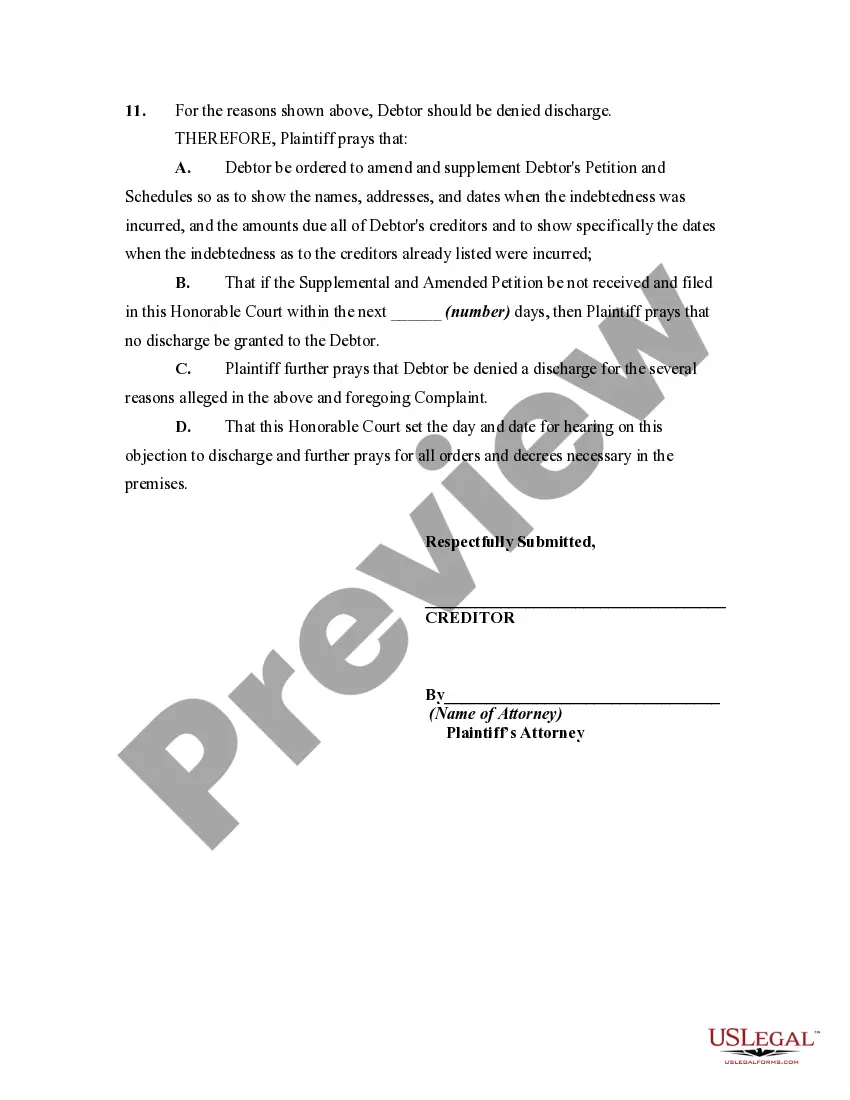
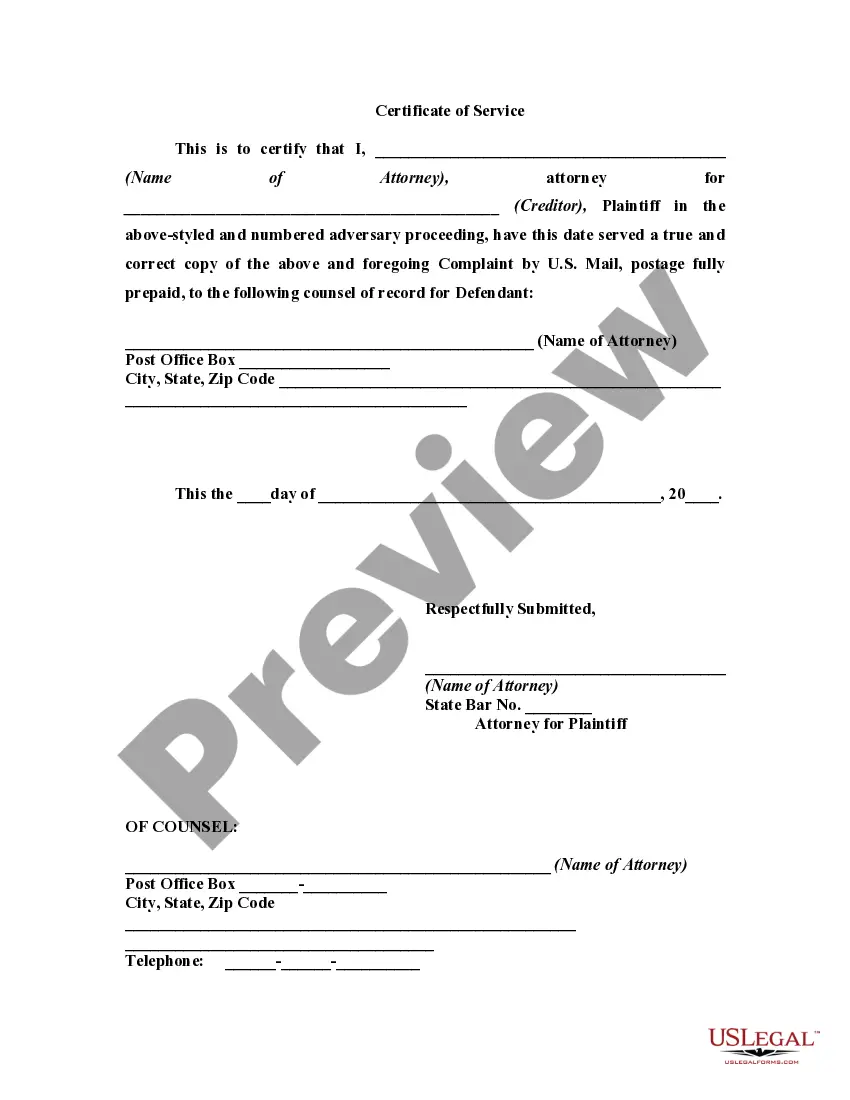
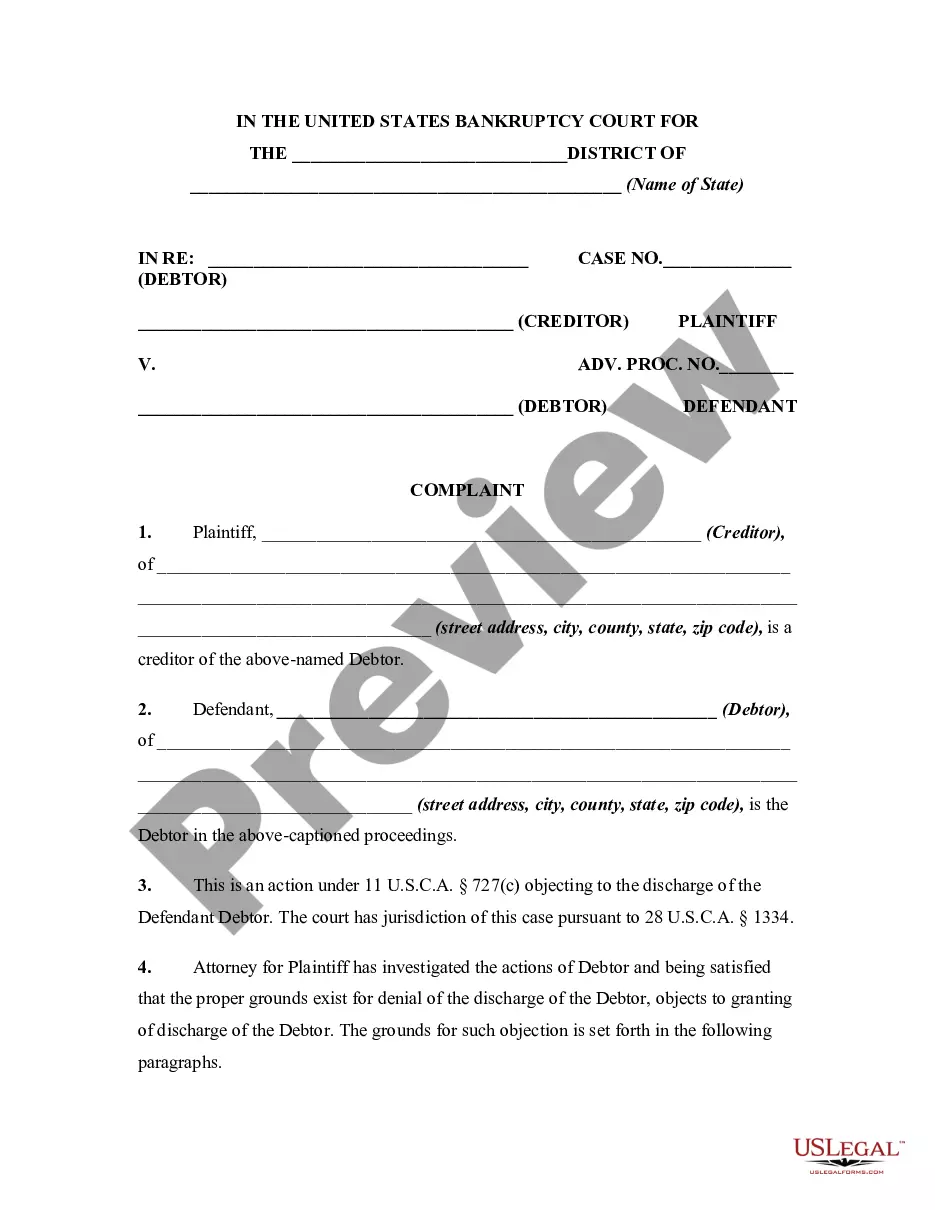
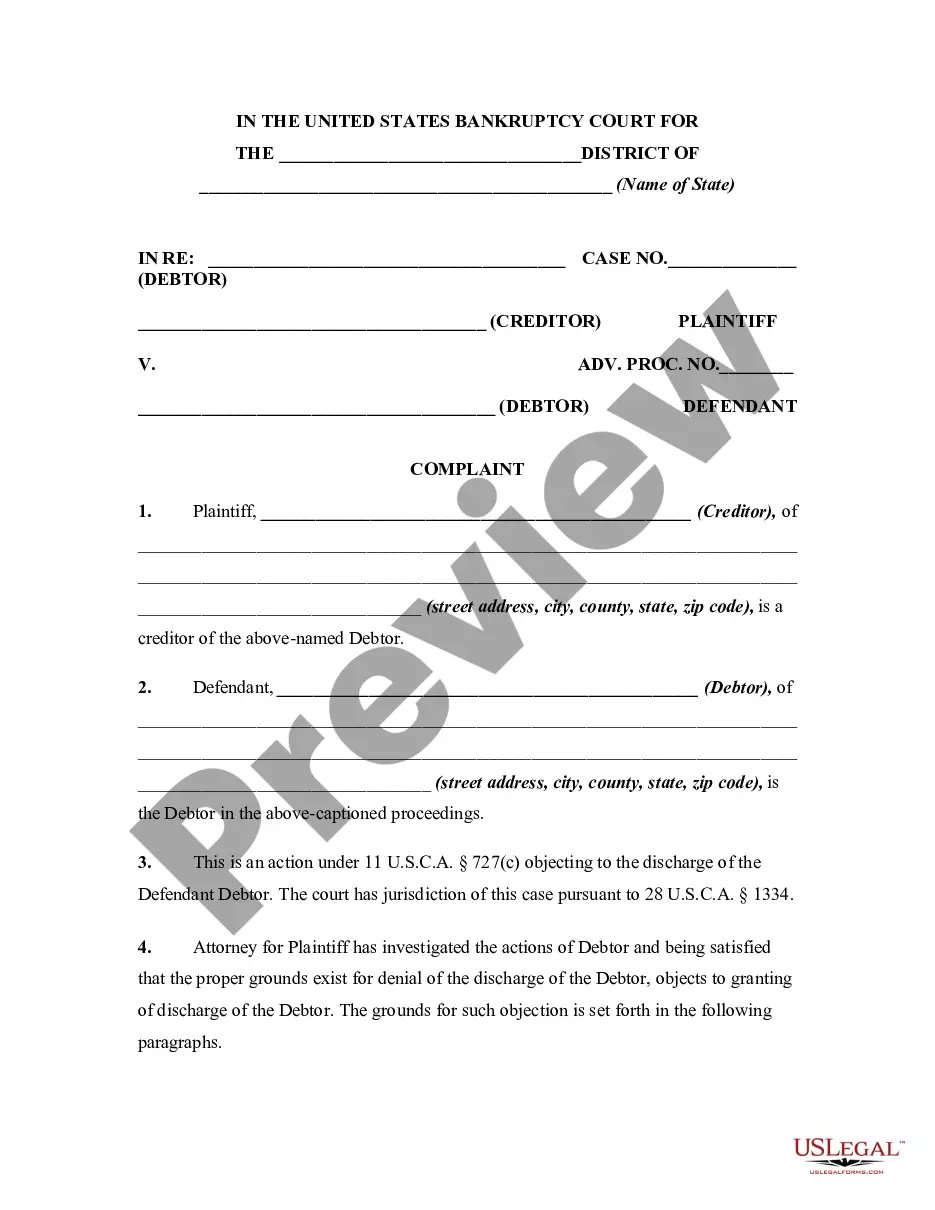
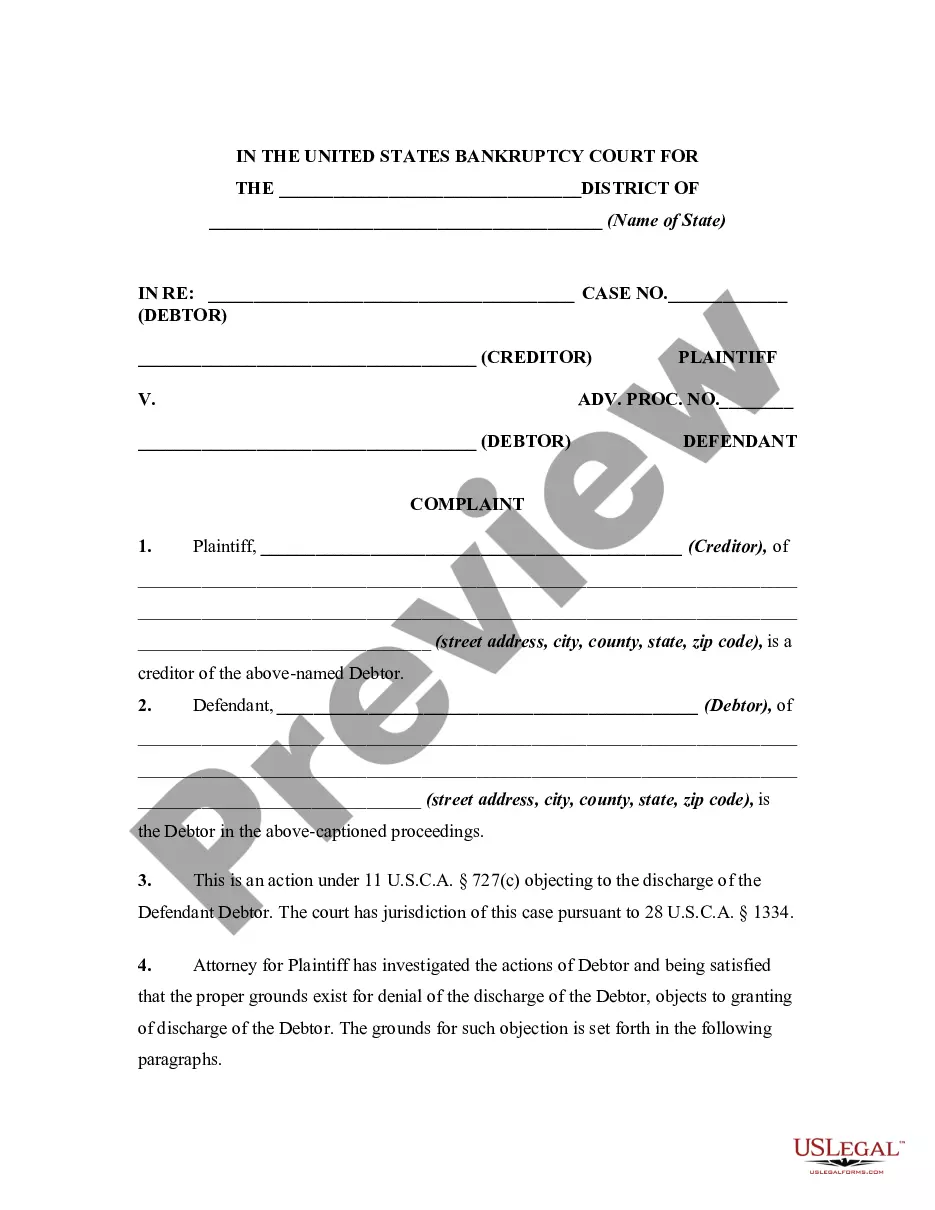
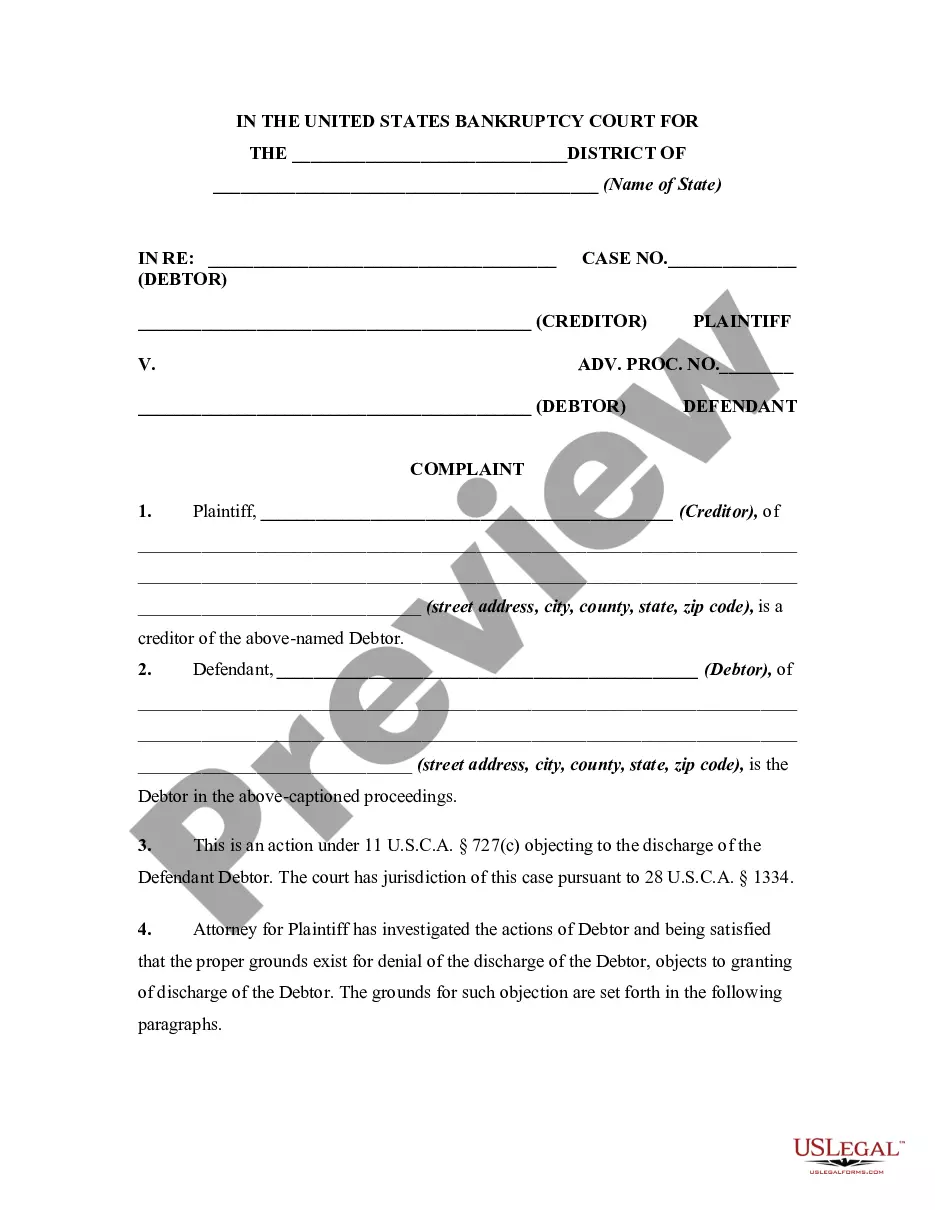
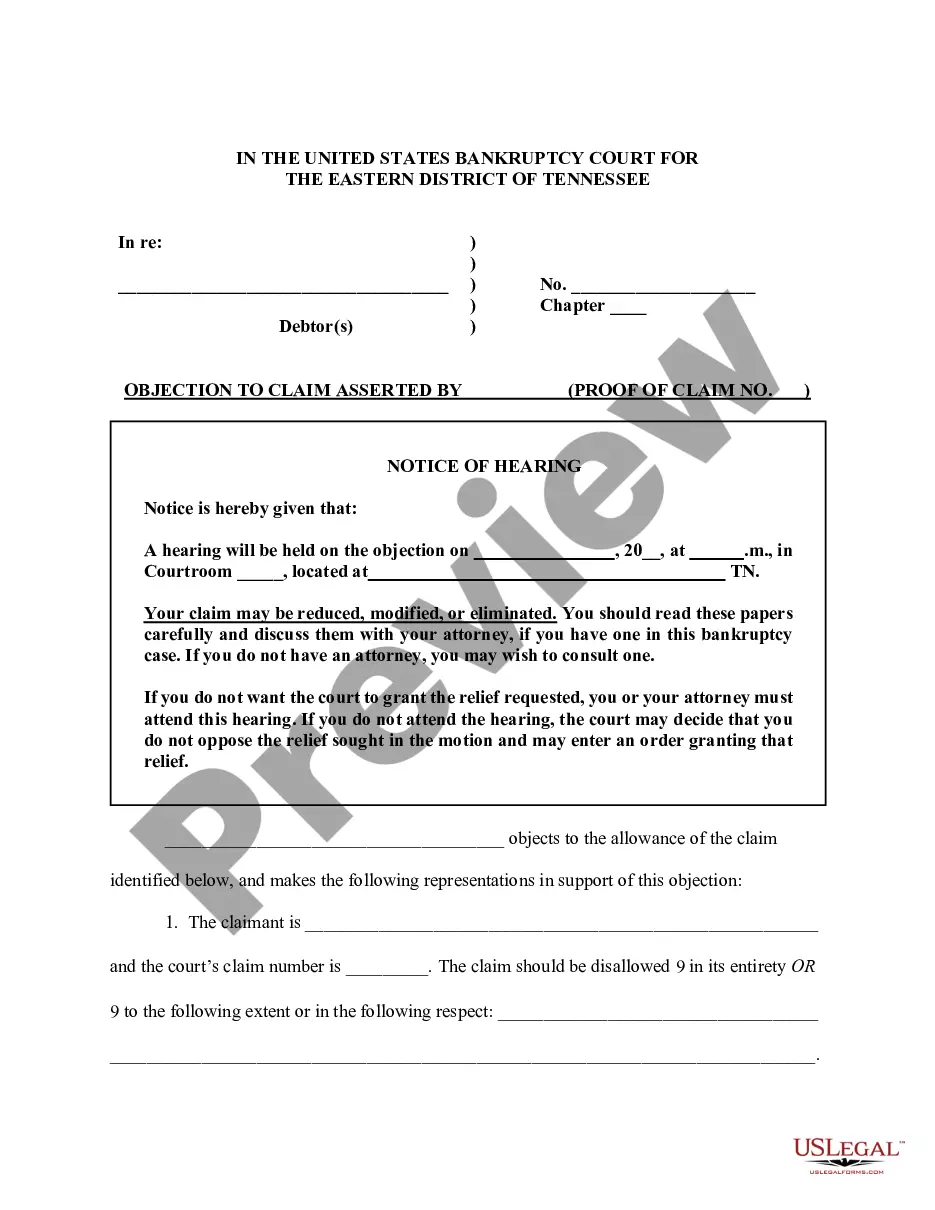
How to fill out Complaint Objecting To Discharge In Bankruptcy Proceeding For Failure To Keep Or Preserve Books Or Records That Explains Loss Or Deficiency In Assets,?
Finding the right legitimate record template can be a struggle. Needless to say, there are a lot of templates accessible on the Internet, but how do you obtain the legitimate kind you require? Make use of the US Legal Forms site. The assistance provides thousands of templates, such as the Arkansas Complaint Objecting to Discharge in Bankruptcy Proceeding for Failure to Keep or Preserve Books or Records that Explains, which you can use for organization and personal needs. Every one of the forms are inspected by experts and fulfill state and federal specifications.
If you are previously listed, log in to your accounts and click on the Acquire option to have the Arkansas Complaint Objecting to Discharge in Bankruptcy Proceeding for Failure to Keep or Preserve Books or Records that Explains. Utilize your accounts to look from the legitimate forms you might have ordered previously. Proceed to the My Forms tab of the accounts and have another backup of your record you require.
If you are a fresh user of US Legal Forms, here are easy instructions that you can stick to:
- Initial, be sure you have chosen the correct kind for your personal area/area. You are able to check out the form making use of the Preview option and browse the form information to ensure it is the right one for you.
- If the kind fails to fulfill your requirements, use the Seach area to get the right kind.
- When you are certain the form would work, select the Purchase now option to have the kind.
- Pick the costs prepare you would like and type in the required information. Build your accounts and buy the order using your PayPal accounts or credit card.
- Select the submit file format and acquire the legitimate record template to your device.
- Total, revise and print and indicator the received Arkansas Complaint Objecting to Discharge in Bankruptcy Proceeding for Failure to Keep or Preserve Books or Records that Explains.
US Legal Forms may be the most significant collection of legitimate forms for which you can find various record templates. Make use of the service to acquire appropriately-made files that stick to state specifications.
Form popularity
FAQ
The court may deny a chapter 7 discharge for any of the reasons described in section 727(a) of the Bankruptcy Code, including failure to provide requested tax documents; failure to complete a course on personal financial management; transfer or concealment of property with intent to hinder, delay, or defraud creditors; ...
Another exception to Discharge is for fraud while acting in a fiduciary capacity, embezzlement, or larceny. Domestic obligations are not dischargeable in Bankruptcy. Damages resulting from the willful and malicious injury by the debtor of another person or his property, are also not dischargeable in Bankruptcy.
Key Takeaways. Types of debt that cannot be discharged in bankruptcy include alimony, child support, and certain unpaid taxes. Other types of debt that cannot be alleviated in bankruptcy include debts for willful and malicious injury to another person or property.
If a debt arose from the debtor's intentional wrongdoing, the creditor can object to discharging it. This might involve damages related to a drunk driving accident, for example, or costs caused by intentional damage to an apartment or other property.
The court may deny a chapter 7 discharge for any of the reasons described in section 727(a) of the Bankruptcy Code, including failure to provide requested tax documents; failure to complete a course on personal financial management; transfer or concealment of property with intent to hinder, delay, or defraud creditors; ...
Section 523 complaints focus on specific debts to a single creditor. A Section 727 complaint may be filed if the creditor or bankruptcy trustee believes that the debtor has not met the requirements for a discharge under Section 727. Section 727 complaints address the discharge of a debtor's entire debt obligations.
If you had a Chapter 7 that resulted in discharge of your debts, you must wait at least eight years from the date you filed it before filing Chapter 7 bankruptcy again. While Chapter 7 is typically the quickest form of debt relief, the eight-year period to refile is the longest waiting time between cases.
The debtor knowingly made a false oath or account, presented a false claim, etc. Failure to comply with a bankruptcy court order.