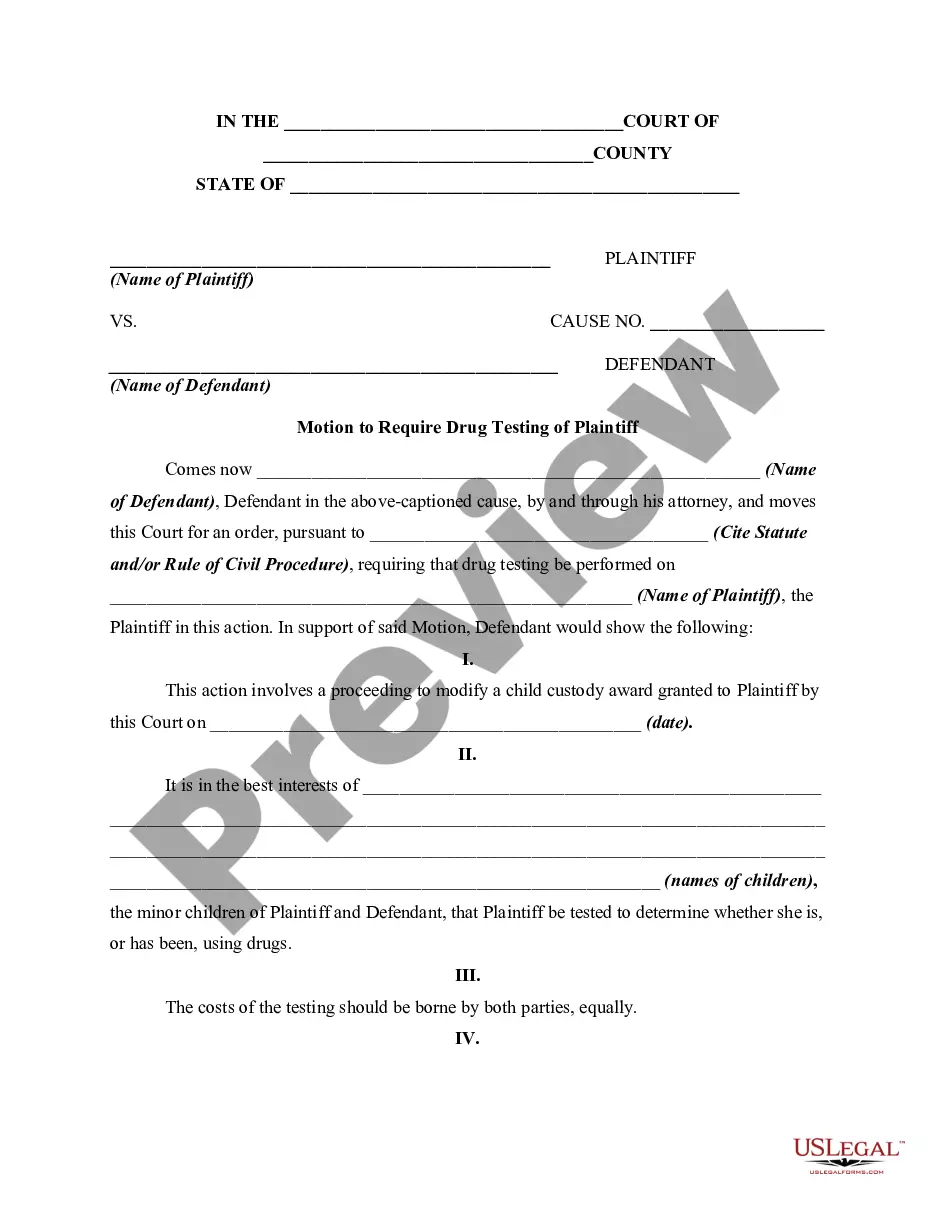
Alabama Hospital Authorization to Visit Form
Description
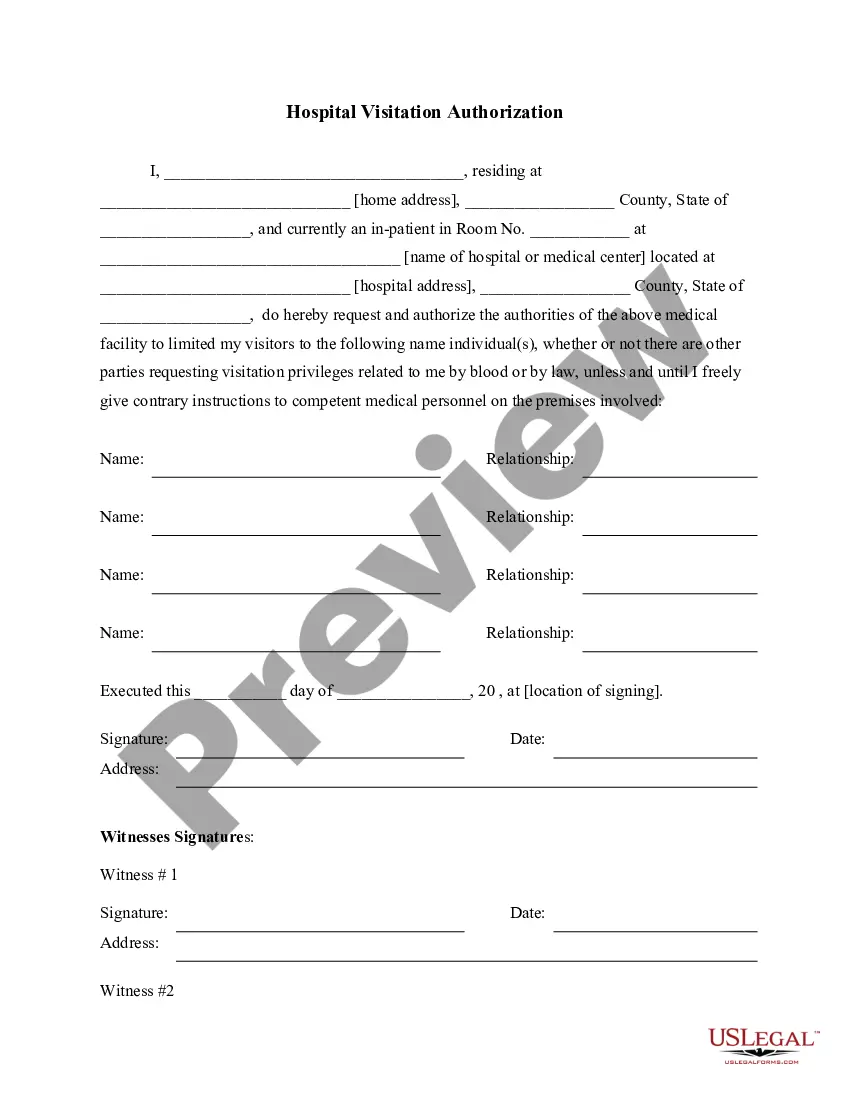
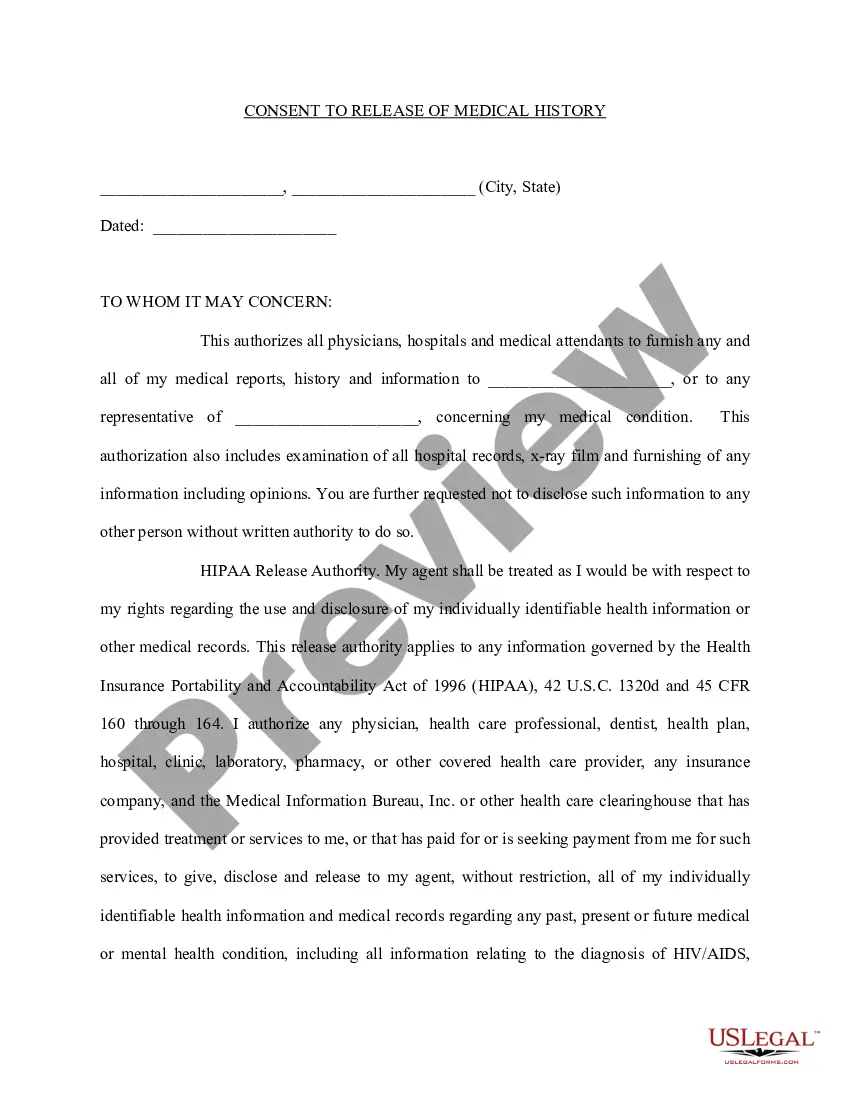
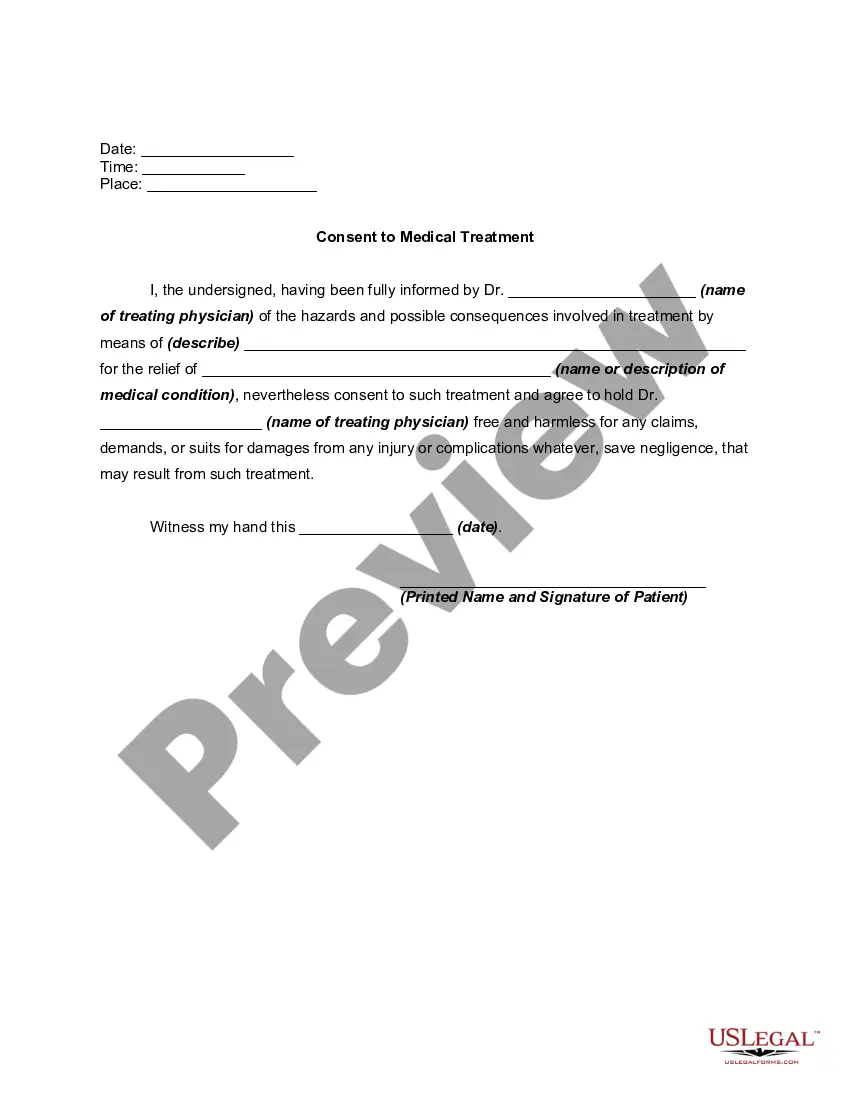
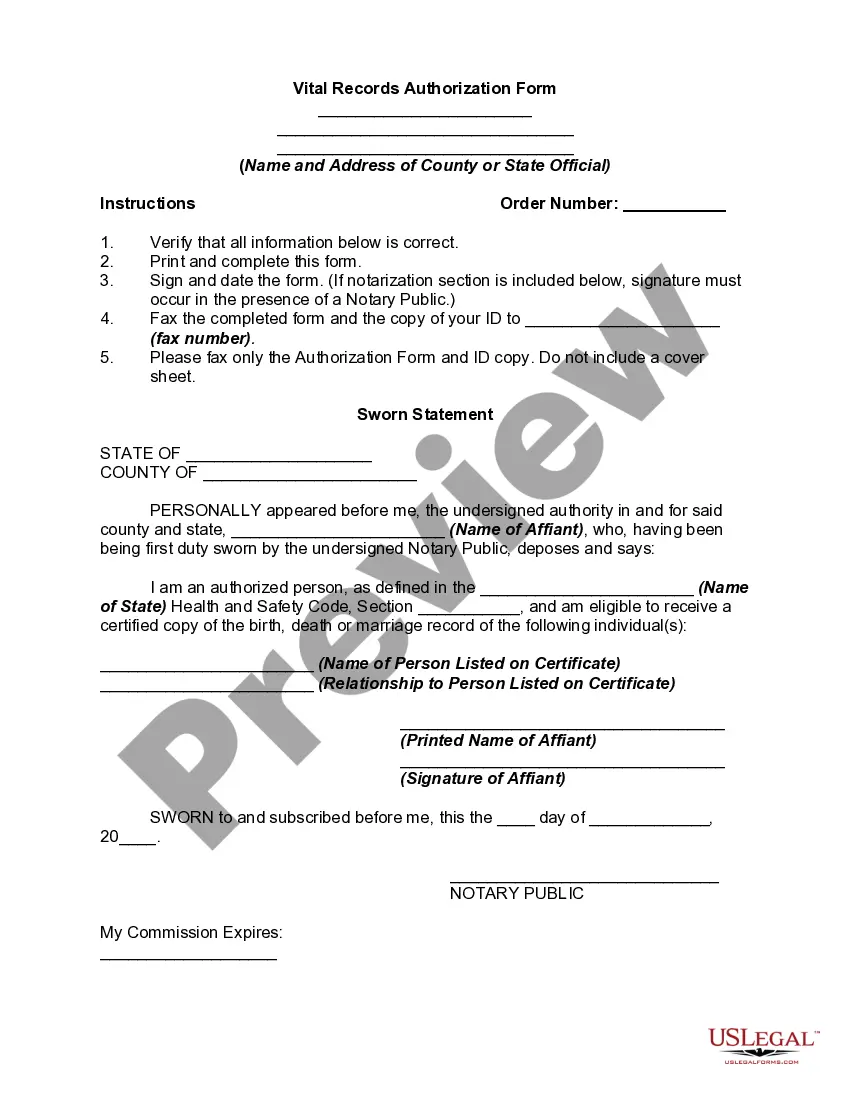
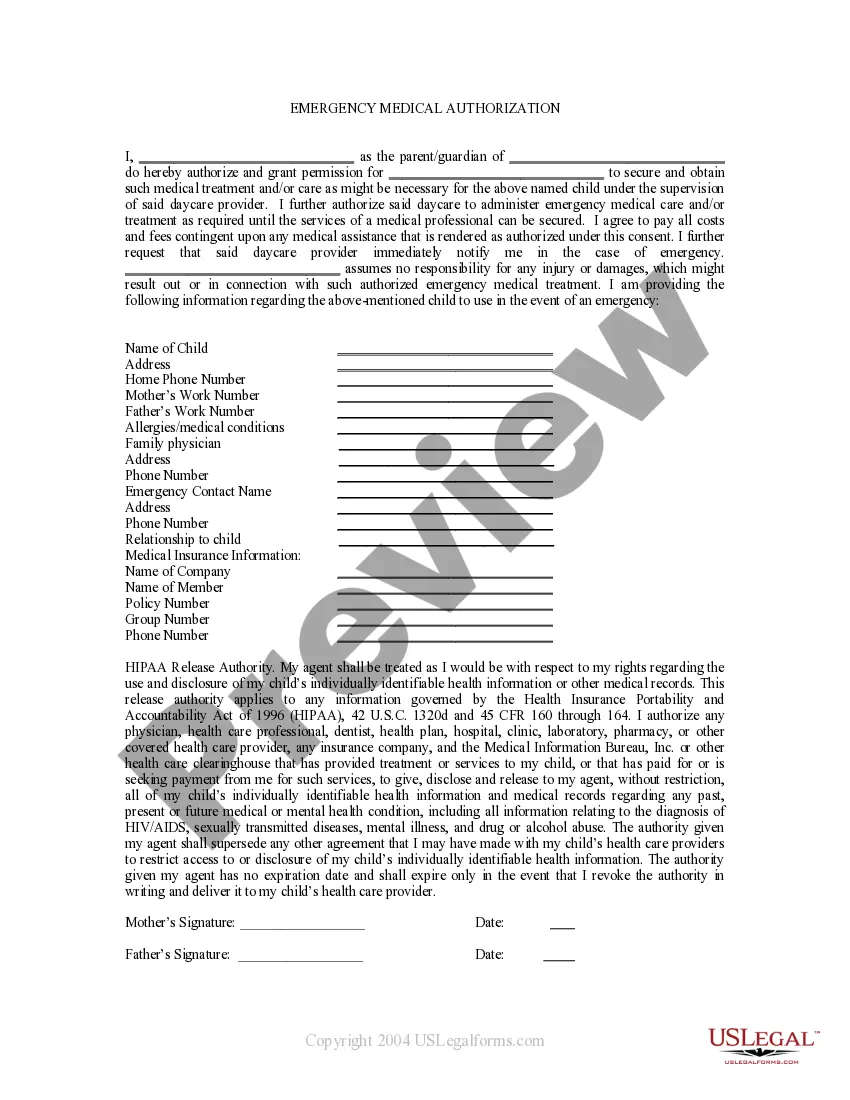
Get your form ready online
Our built-in tools help you complete, sign, share, and store your documents in one place.
Make edits, fill in missing information, and update formatting in US Legal Forms—just like you would in MS Word.
Download a copy, print it, send it by email, or mail it via USPS—whatever works best for your next step.
Sign and collect signatures with our SignNow integration. Send to multiple recipients, set reminders, and more. Go Premium to unlock E-Sign.
If this form requires notarization, complete it online through a secure video call—no need to meet a notary in person or wait for an appointment.
We protect your documents and personal data by following strict security and privacy standards.

Make edits, fill in missing information, and update formatting in US Legal Forms—just like you would in MS Word.

Download a copy, print it, send it by email, or mail it via USPS—whatever works best for your next step.

Sign and collect signatures with our SignNow integration. Send to multiple recipients, set reminders, and more. Go Premium to unlock E-Sign.

If this form requires notarization, complete it online through a secure video call—no need to meet a notary in person or wait for an appointment.

We protect your documents and personal data by following strict security and privacy standards.
Looking for another form?
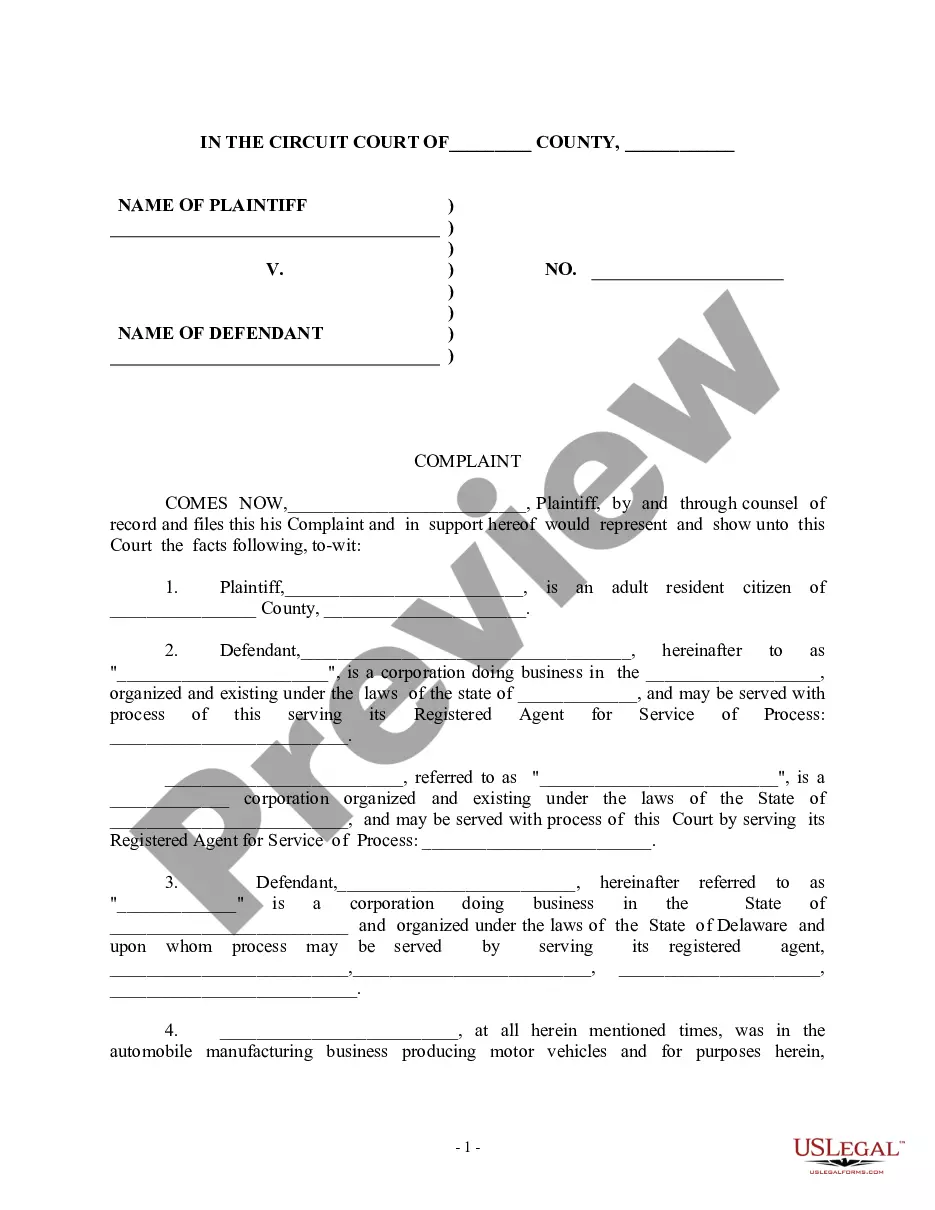



How to fill out Hospital Authorization To Visit Form?
It is feasible to spend hours online trying to locate the legally approved document template that satisfies the federal and state requirements you need.
US Legal Forms provides thousands of legal forms that are reviewed by experts.
It is easy to download or print the Alabama Hospital Authorization to Visit Form from the service.
In order to locate another version of the form, use the Search field to find the template that meets your needs and requirements.
- If you already possess a US Legal Forms account, you can Log In and select the Download option.
- Then, you can complete, modify, print, or sign the Alabama Hospital Authorization to Visit Form.
- Every legal document template you purchase is yours permanently.
- To obtain another copy of a purchased form, go to the My documents tab and click on the corresponding option.
- If you are using the US Legal Forms website for the first time, follow the straightforward instructions below.
- First, ensure that you have chosen the correct document template for the area or city of your choice.
- Review the form description to confirm that you have selected the proper form.
Form popularity
FAQ
A HIPAA authorization form gives covered entities permission to use protected health information for purposes other than treatment, payment, or health care operations.
Unfortunately, although all release forms must be HIPAA-compliant, there is no standard form. Many health care providers have their own forms, and, if you can plan in advance, you should use the forms of as many of the providers (doctors, hospitals, clinics) that may be involved in the patient's care.
A HIPAA authorization is consent obtained from an individual that permits a covered entity or business associate to use or disclose that individual's protected health information to someone else for a purpose that would otherwise not be permitted by the HIPAA Privacy Rule.
JotForm offers HIPAA complaint forms and a BAA to enable your healthcare organization to securely collect healthcare information. With a single click, users can create forms to collect consent, schedule appointments, obtain patient signatures, and collect payments.
A HIPAA authorization form gives covered entities permission to use protected health information for purposes other than treatment, payment, or health care operations.
Write the name of your child's doctor and any other medical providers or facilities. Provide a phone number and location where you can be contacted. If possible, provide an alternate phone number as well. At the bottom of the release, provide your name, home address and date and sign the paper.
The two most standard HIPAA forms are privacy forms (a.k.a. notices of privacy practices) and authorization forms (a.k.a. release forms).
This form is used to release your protected health information as required by federal and state privacy laws. Your authorization allows the Health Plan (your health insurance carrier or HMO) to release your protected health information to a person or organization that you choose.
An authorization is a detailed document that gives covered entities permission to use protected health information for specified purposes, which are generally other than treatment, payment, or health care operations, or to disclose protected health information to a third party specified by the individual.
Refusing to sign the acknowledgement does not prevent a provider or plan from using or disclosing health information as HIPAA permits. If you refuse to sign the acknowledgement, the provider must keep a record of this fact.