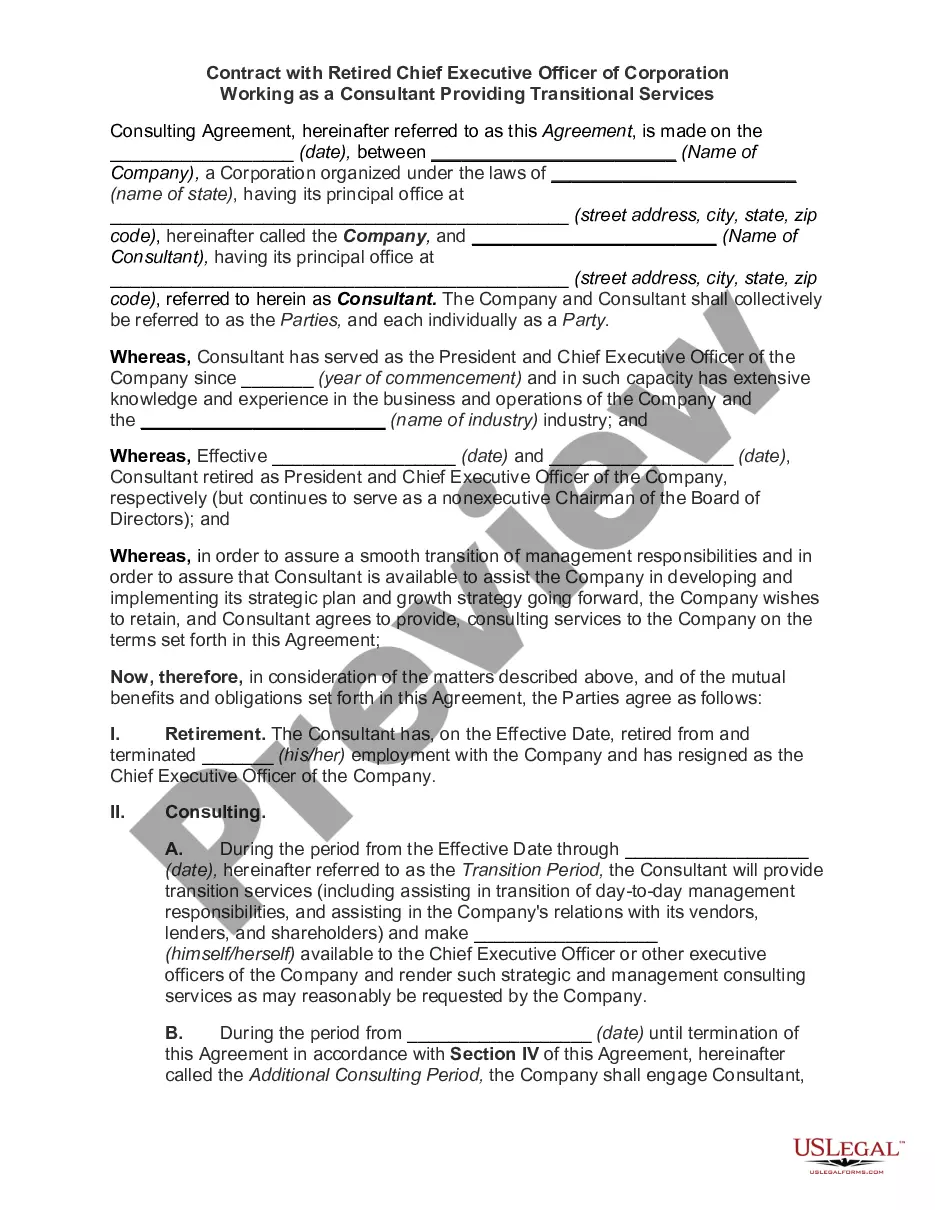
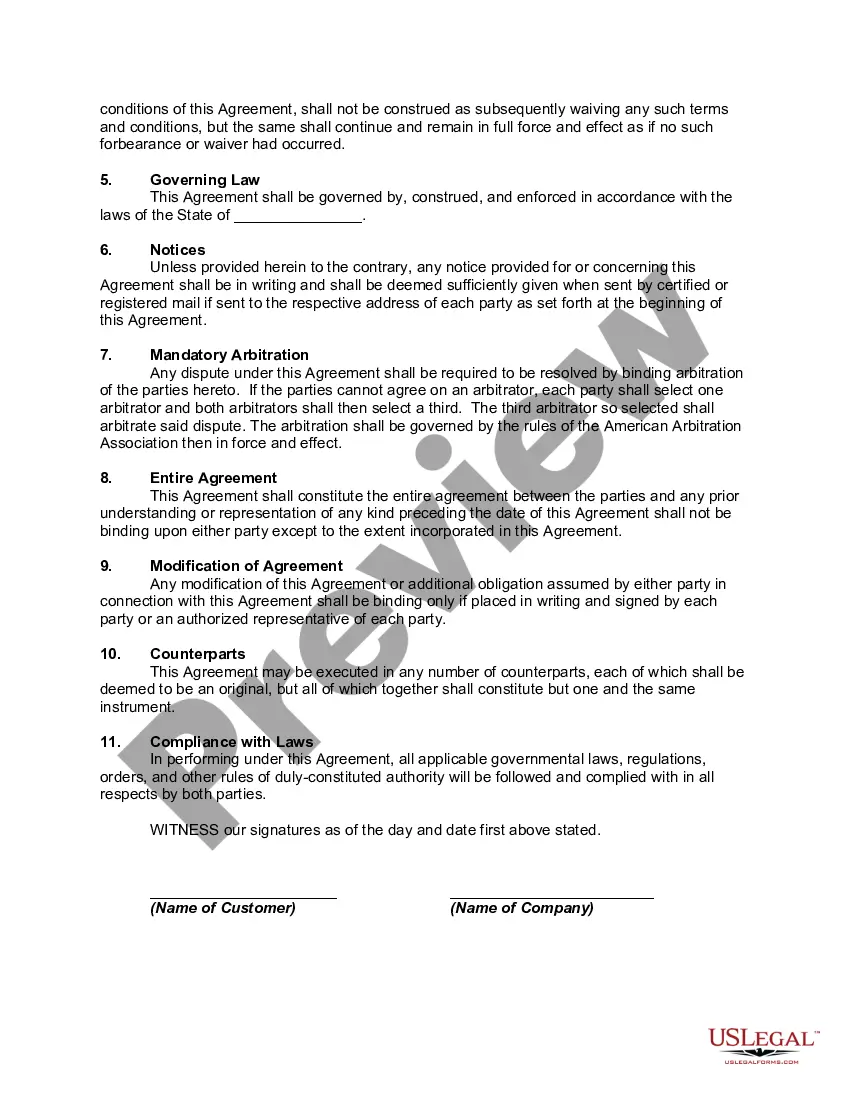
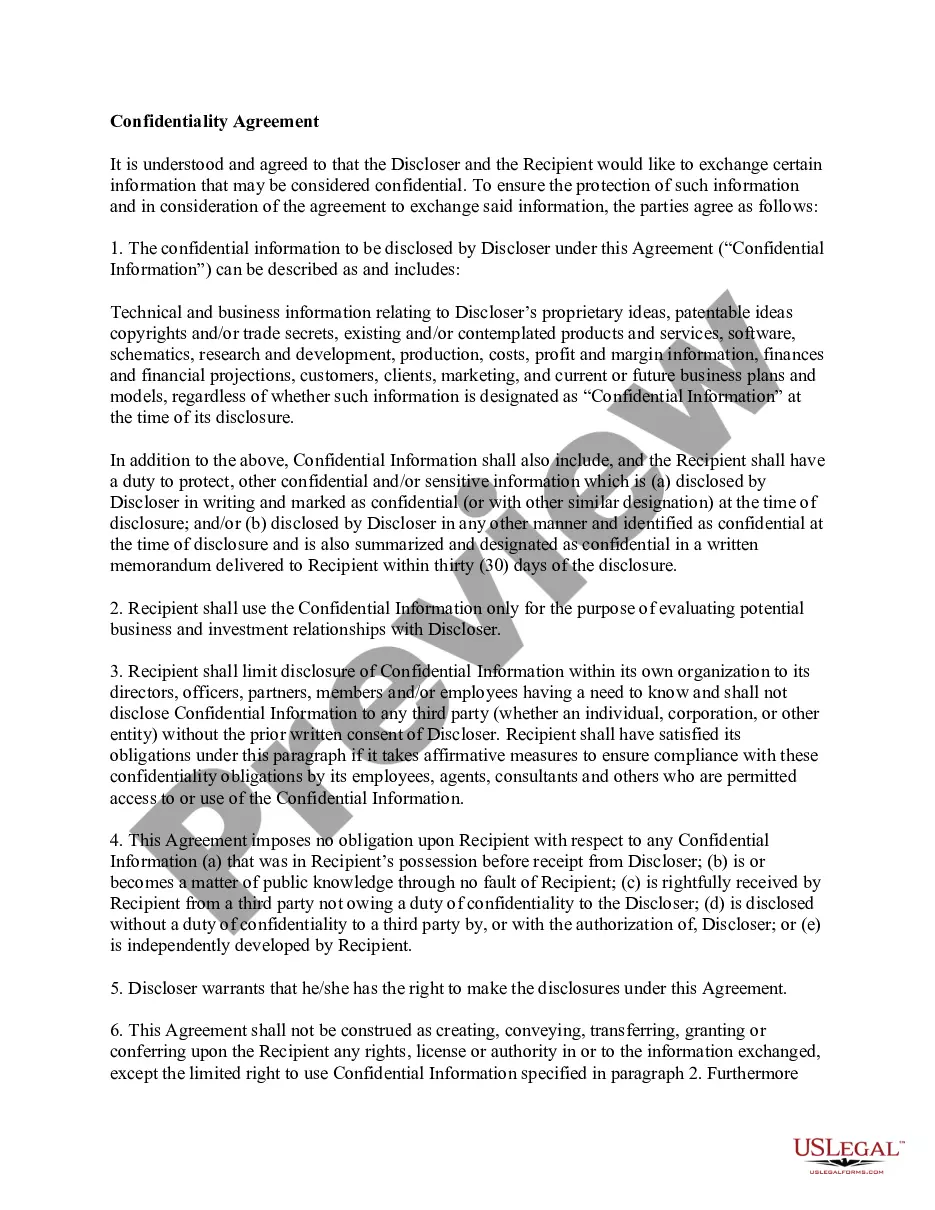
Alabama Customer Confidentiality Agreement
Description
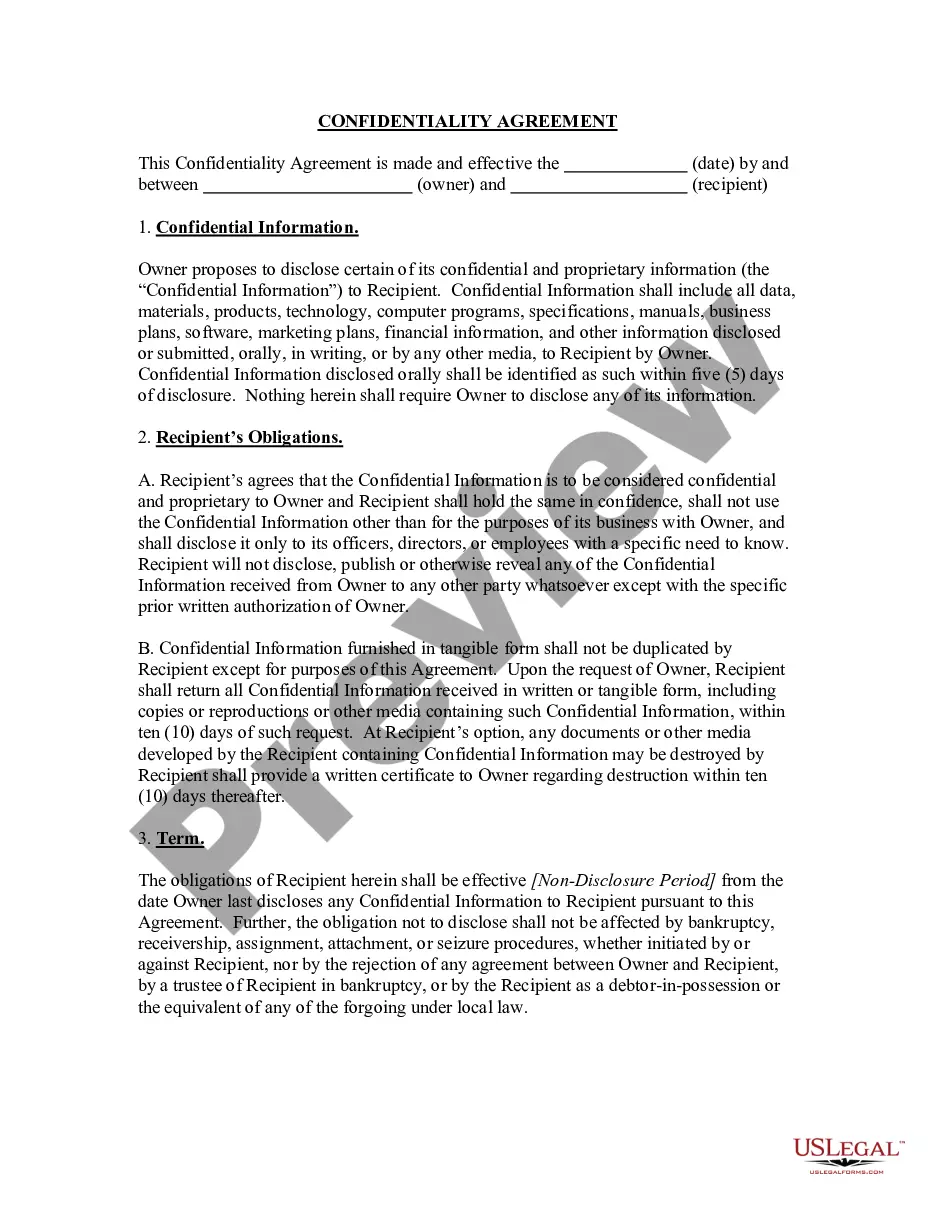
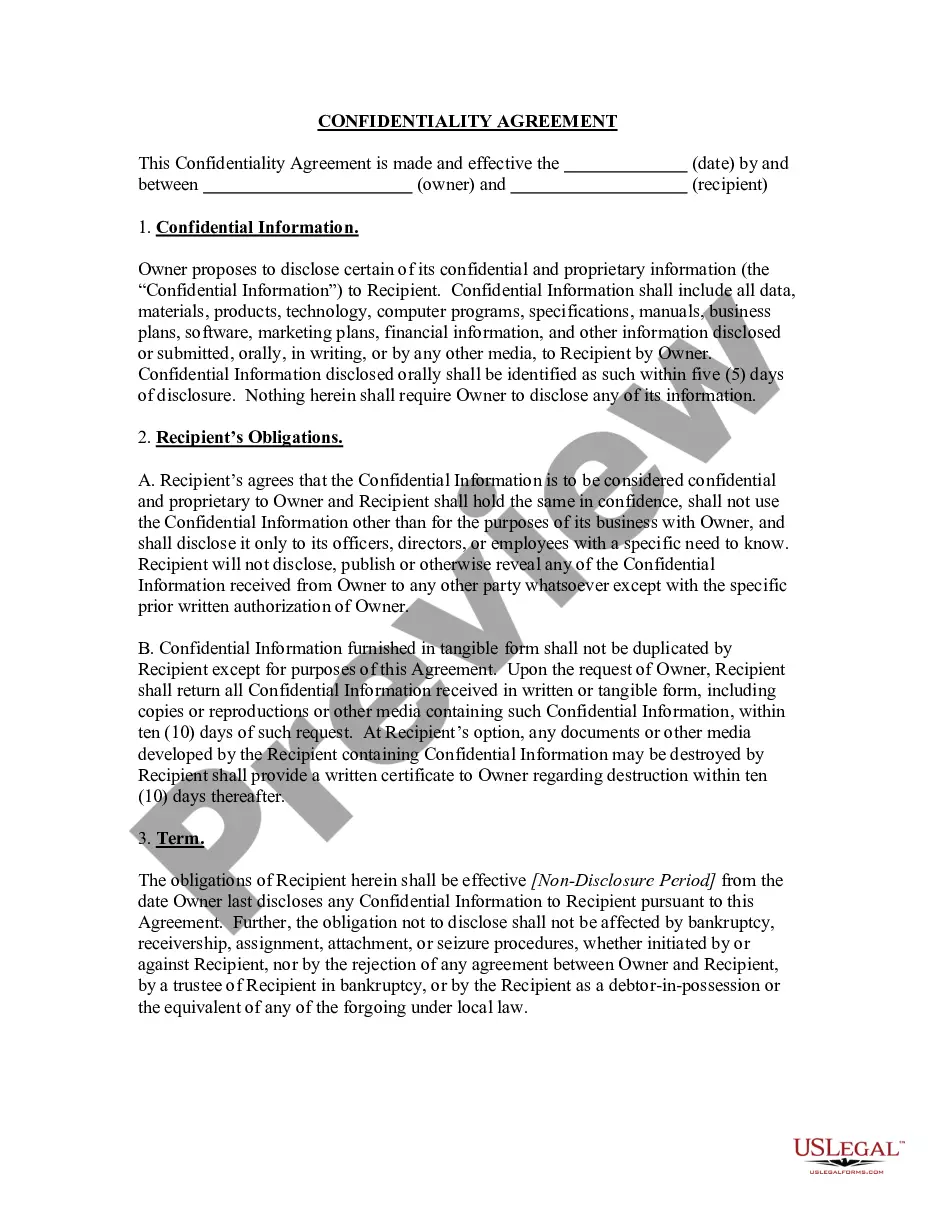
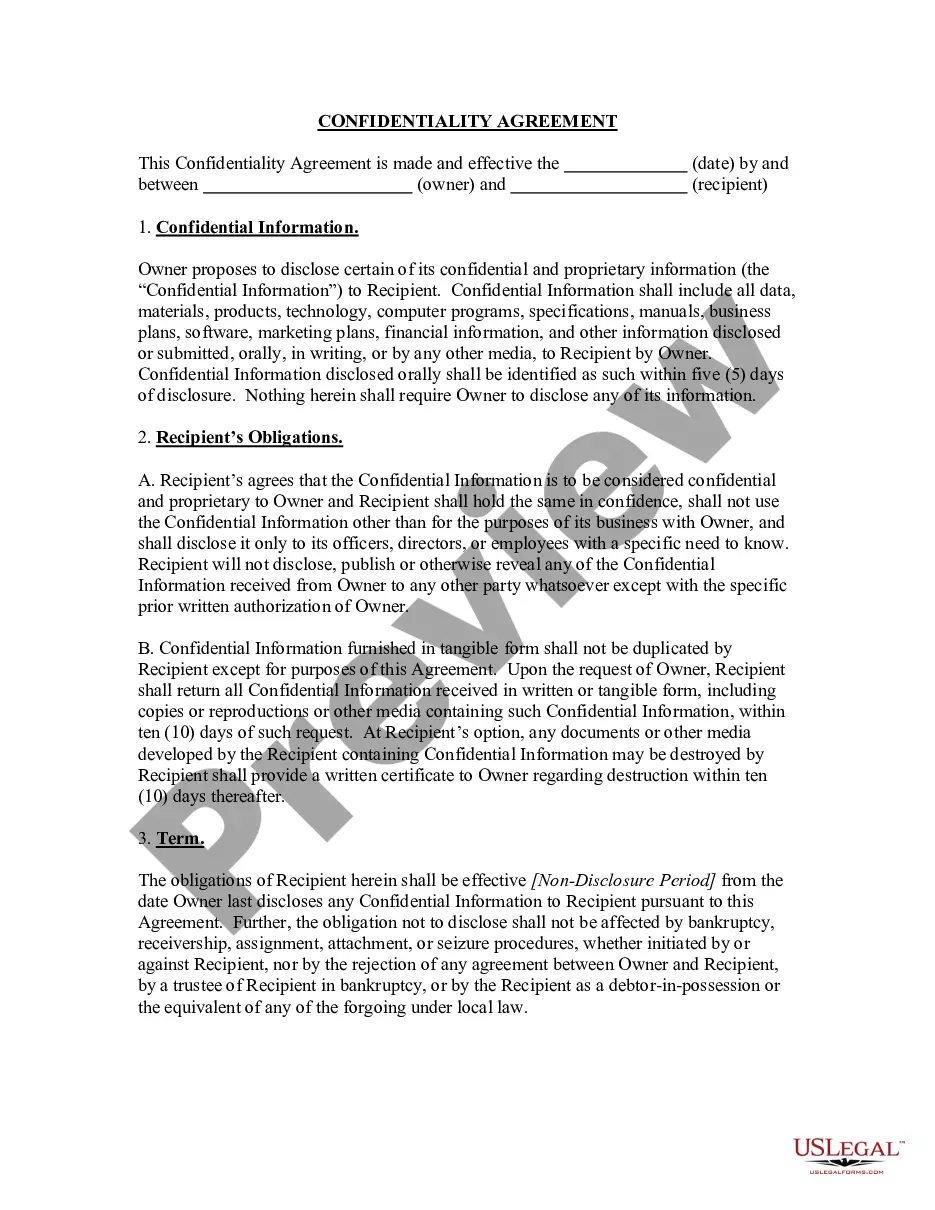
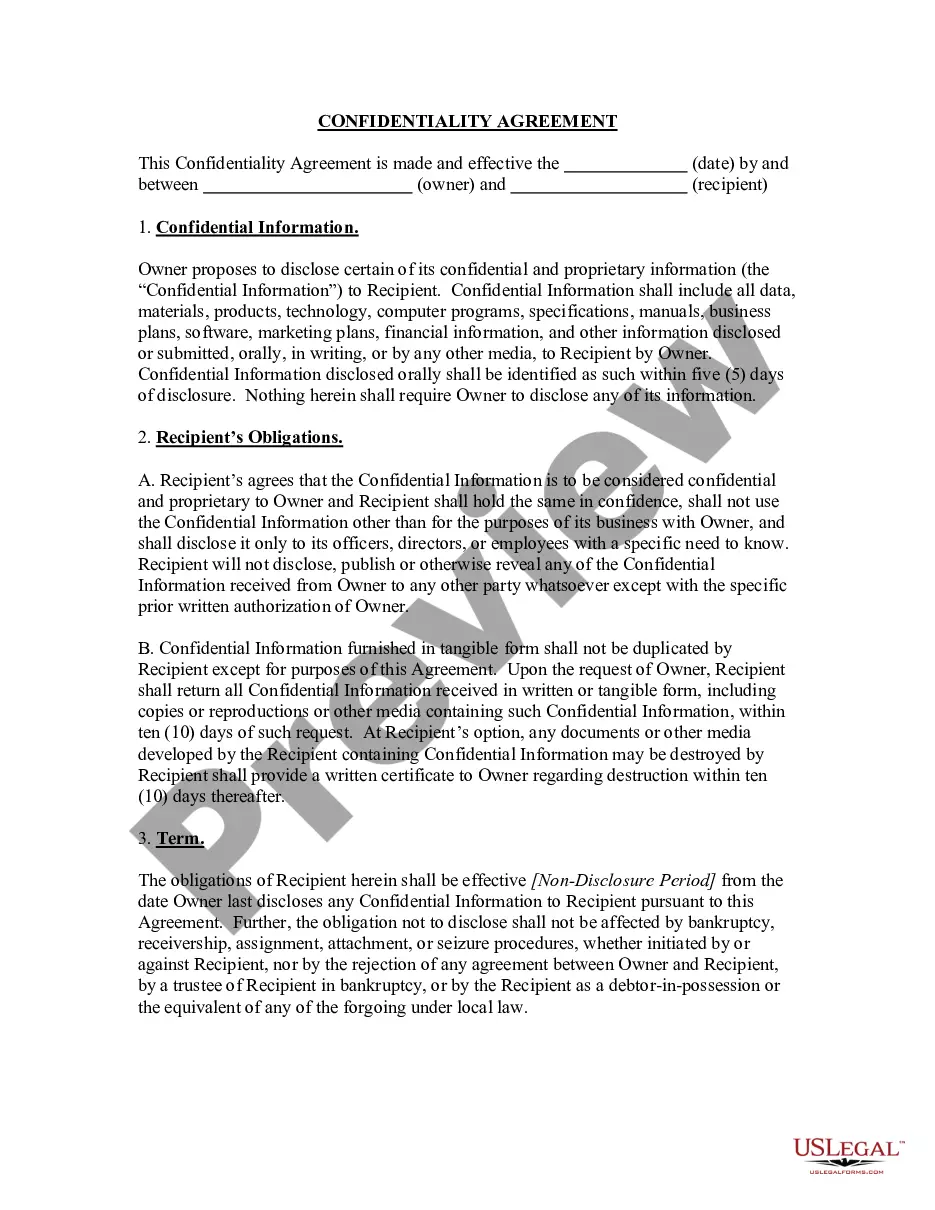
Get your form ready online
Our built-in tools help you complete, sign, share, and store your documents in one place.
Make edits, fill in missing information, and update formatting in US Legal Forms—just like you would in MS Word.
Download a copy, print it, send it by email, or mail it via USPS—whatever works best for your next step.
Sign and collect signatures with our SignNow integration. Send to multiple recipients, set reminders, and more. Go Premium to unlock E-Sign.
If this form requires notarization, complete it online through a secure video call—no need to meet a notary in person or wait for an appointment.
We protect your documents and personal data by following strict security and privacy standards.

Make edits, fill in missing information, and update formatting in US Legal Forms—just like you would in MS Word.

Download a copy, print it, send it by email, or mail it via USPS—whatever works best for your next step.

Sign and collect signatures with our SignNow integration. Send to multiple recipients, set reminders, and more. Go Premium to unlock E-Sign.

If this form requires notarization, complete it online through a secure video call—no need to meet a notary in person or wait for an appointment.

We protect your documents and personal data by following strict security and privacy standards.
Looking for another form?







How to fill out Customer Confidentiality Agreement?
Selecting the appropriate legal document template can be quite a challenge.
Of course, there is an array of templates accessible online, but how can you find the legal document you require.
Utilize the US Legal Forms website. This service offers thousands of templates, including the Alabama Client Confidentiality Agreement, suitable for business and personal purposes.
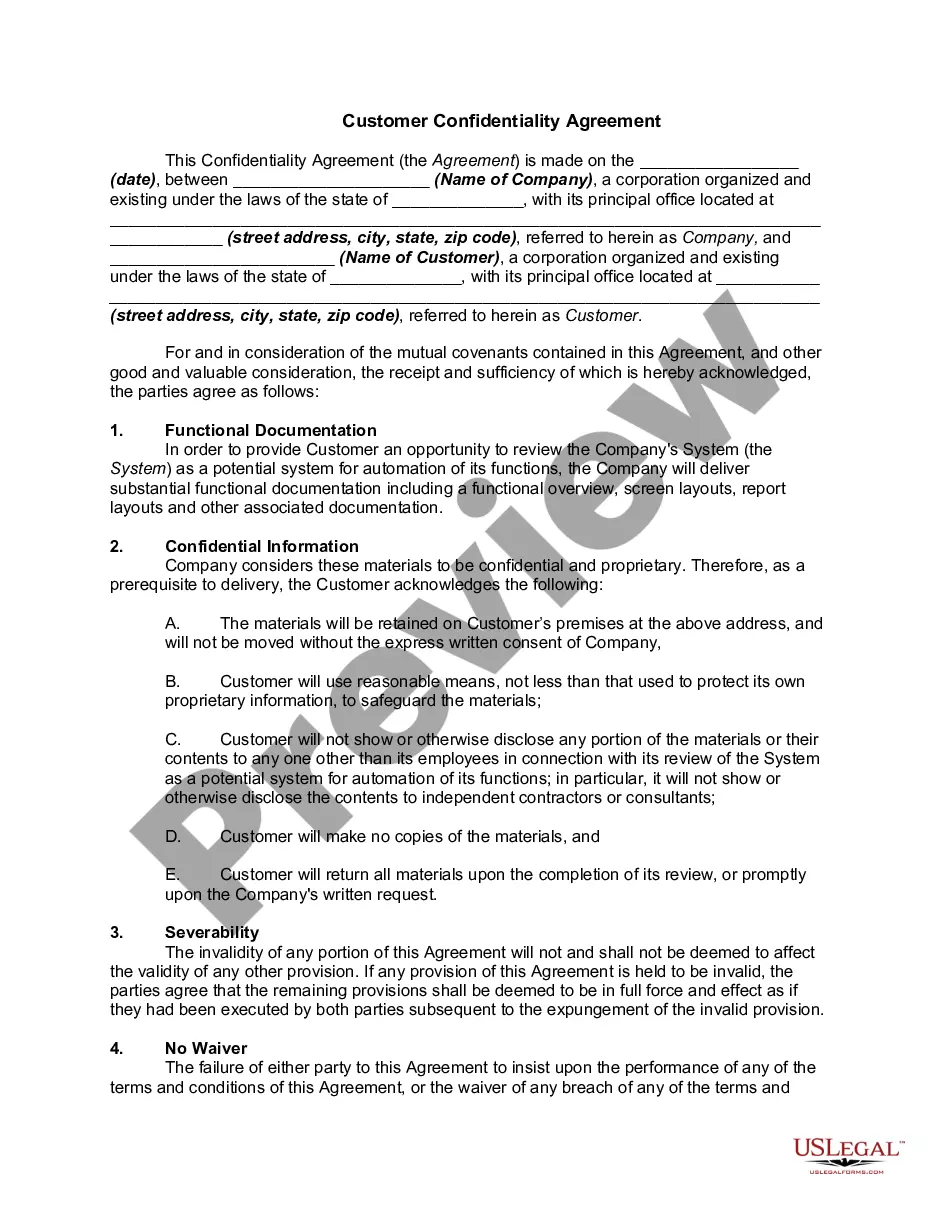
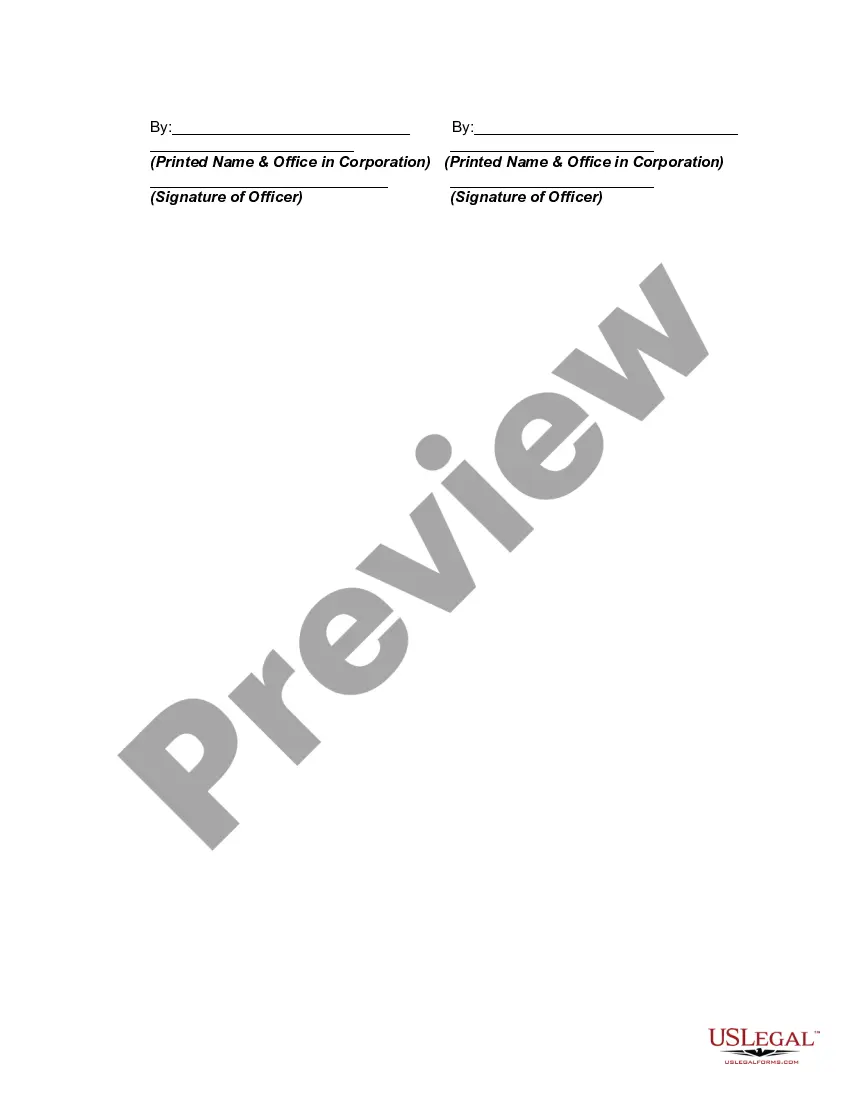
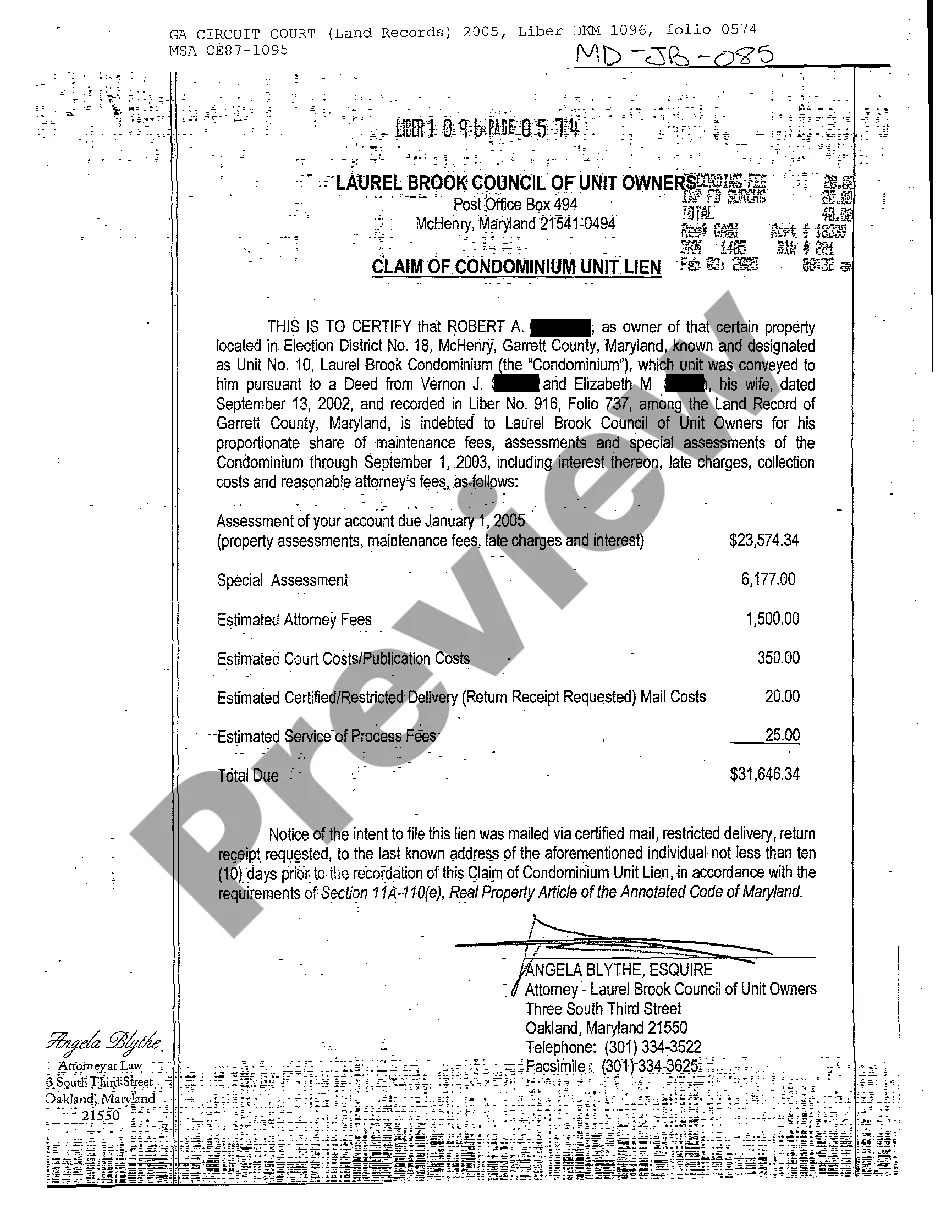
First, ensure you have selected the correct form for your city/county. You can review the form using the Preview button and read the form description to confirm this is the right document for you.
- All forms are reviewed by professionals and comply with federal and state regulations.
- If you are already registered, Log In to your account and click on the Acquire button to obtain the Alabama Client Confidentiality Agreement.
- Use your account to view the legal forms you have previously purchased.
- Proceed to the My documents section of your account to obtain another copy of the required document.
- If you are a new user of US Legal Forms, follow these simple steps.
Form popularity
FAQ
A client confidentiality agreement is a legal contract that protects sensitive information shared between a client and service provider. It ensures that any proprietary information, such as business plans or client data, remains confidential. This agreement is crucial for building trust and maintaining professionalism. The Alabama Customer Confidentiality Agreement offers a robust framework to safeguard your client relationships.
Filling out a confidentiality and non-disclosure agreement requires understanding each section of the form. Clearly enter the names of the disclosing and receiving parties, then list the confidential information. Include the agreement's duration and any additional clauses needed. A well-structured Alabama Customer Confidentiality Agreement can simplify this task, ensuring that you don’t miss crucial details.
To create a confidentiality agreement, start with a clear title and an introduction stating the purpose. Define the parties involved and detail the information to be protected, including exceptions. Specify the agreement's duration and the obligations of each party. Tools like the Alabama Customer Confidentiality Agreement can provide structured guidance throughout this process.
Enforcing a confidentiality agreement typically involves proving that a breach has occurred. Gather evidence showing how the confidential information was disclosed without consent. If necessary, legal action can be taken to seek damages or prevent further disclosures. Using an Alabama Customer Confidentiality Agreement can simplify the enforcement process, as it outlines clear terms.
An example of a confidentiality agreement is an NDA between two businesses negotiating a merger. The document would specify what information cannot be disclosed to outsiders during discussions. This ensures both parties protect their proprietary data. The Alabama Customer Confidentiality Agreement serves as a great foundation for such examples.
Writing a basic confidentiality agreement involves stating the purpose of the agreement and defining what constitutes confidential information. Clearly articulate each party’s obligations regarding the information shared. It's wise to define the agreement's duration and include dispute resolution terms. For convenience, consider using an Alabama Customer Confidentiality Agreement template.
To create a simple NDA, begin by clearly identifying the parties involved. Next, outline the confidential information that needs protection. You should also include the duration of the confidentiality obligation and any exclusions. Using an Alabama Customer Confidentiality Agreement template can streamline this process and ensure legal compliance.
Confidentiality agreements, including Customer Confidentiality Agreements in Alabama, are generally enforceable under state law when they meet specific criteria. If the agreement clearly defines the confidential information, outlines obligations, and is signed by both parties, it is more likely to be upheld in court. It's essential to draft these agreements carefully to minimize potential disputes. For assistance, services like US Legal Forms offer templates and guidance to create enforceable agreements.
Determining whether a CDA or NDA is better depends on the specific nature of your business needs. If your primary concern is protecting customer information in Alabama, a CDA may be the best choice to ensure client confidentiality. Conversely, if you need broader protection for various sensitive information, an NDA would be more suitable. Tailor your choice to what you aim to protect and maintain.
The main difference between a Customer Confidentiality Agreement (CDA) and a Non-Disclosure Agreement (NDA) is their focus. A CDA is typically tailored to protect customer-related information, while an NDA may address a broader range of confidential data. In Alabama, understanding this difference can help you implement the most effective protection strategies for your company's sensitive information. Choosing the right agreement fosters better business relationships.