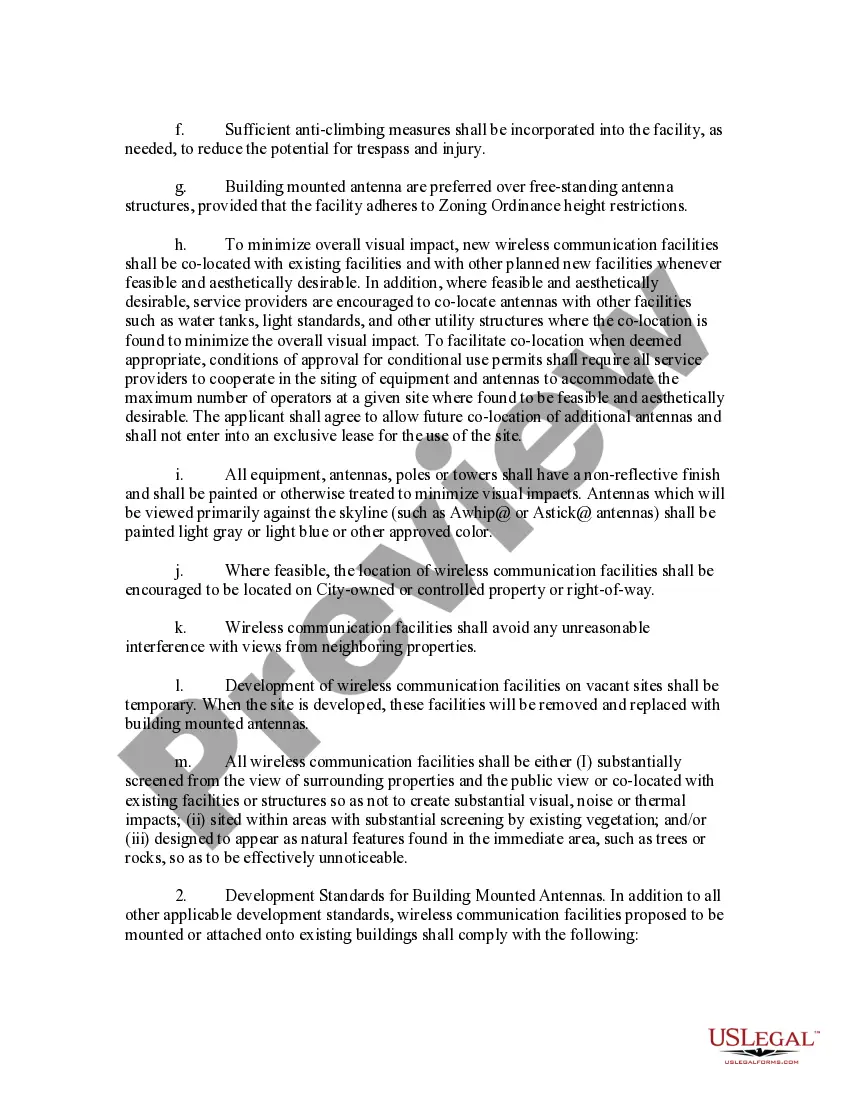
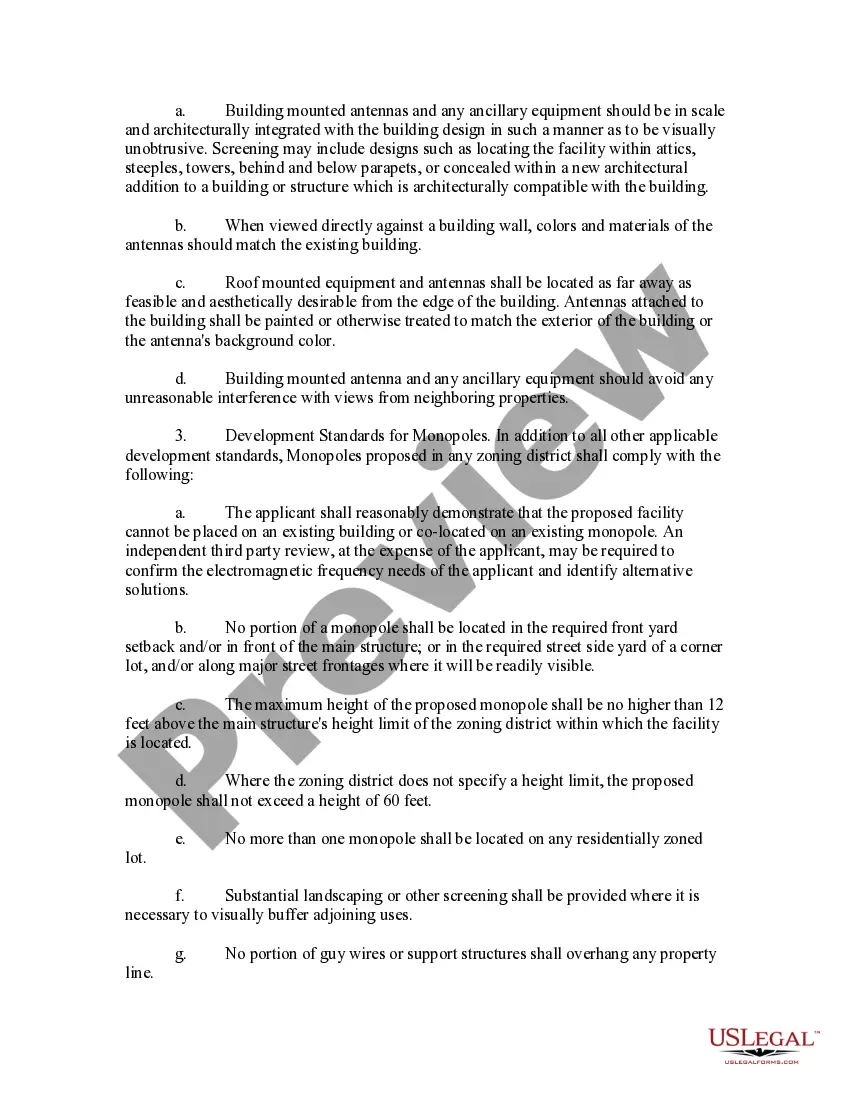
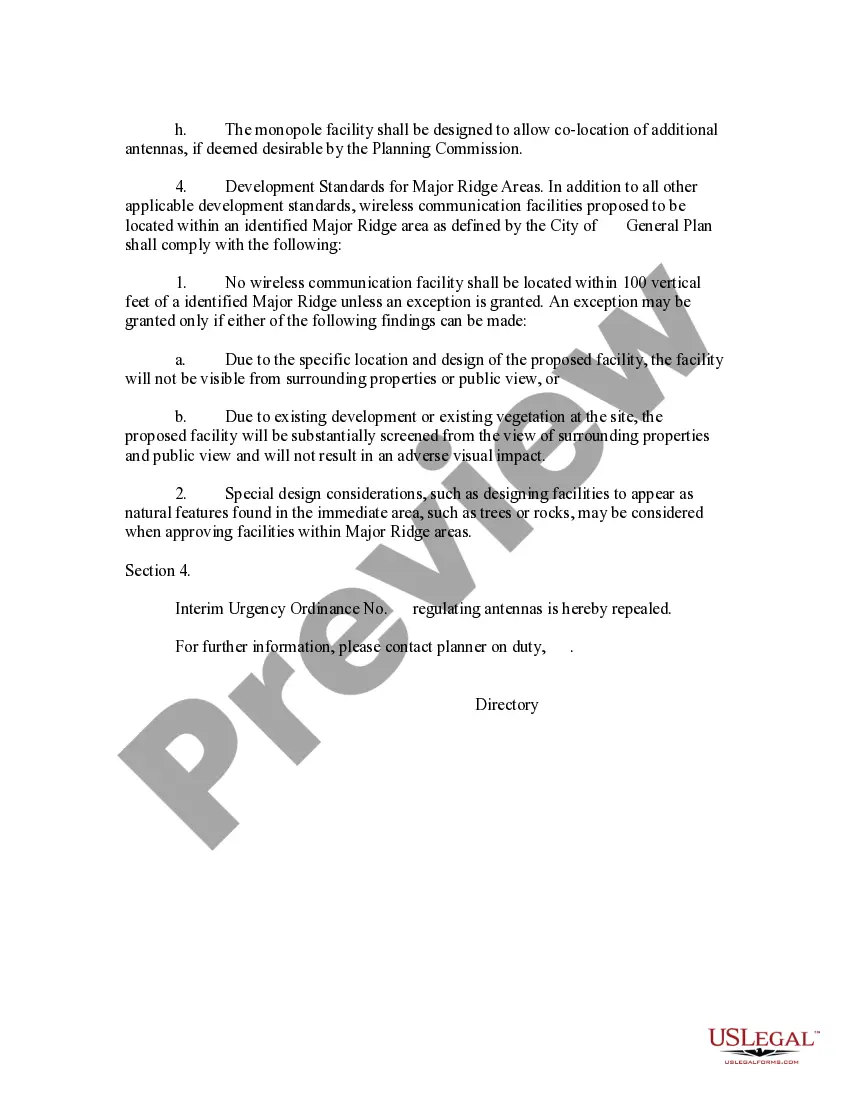
Alaska Wireless Antenna Ordinance
Description
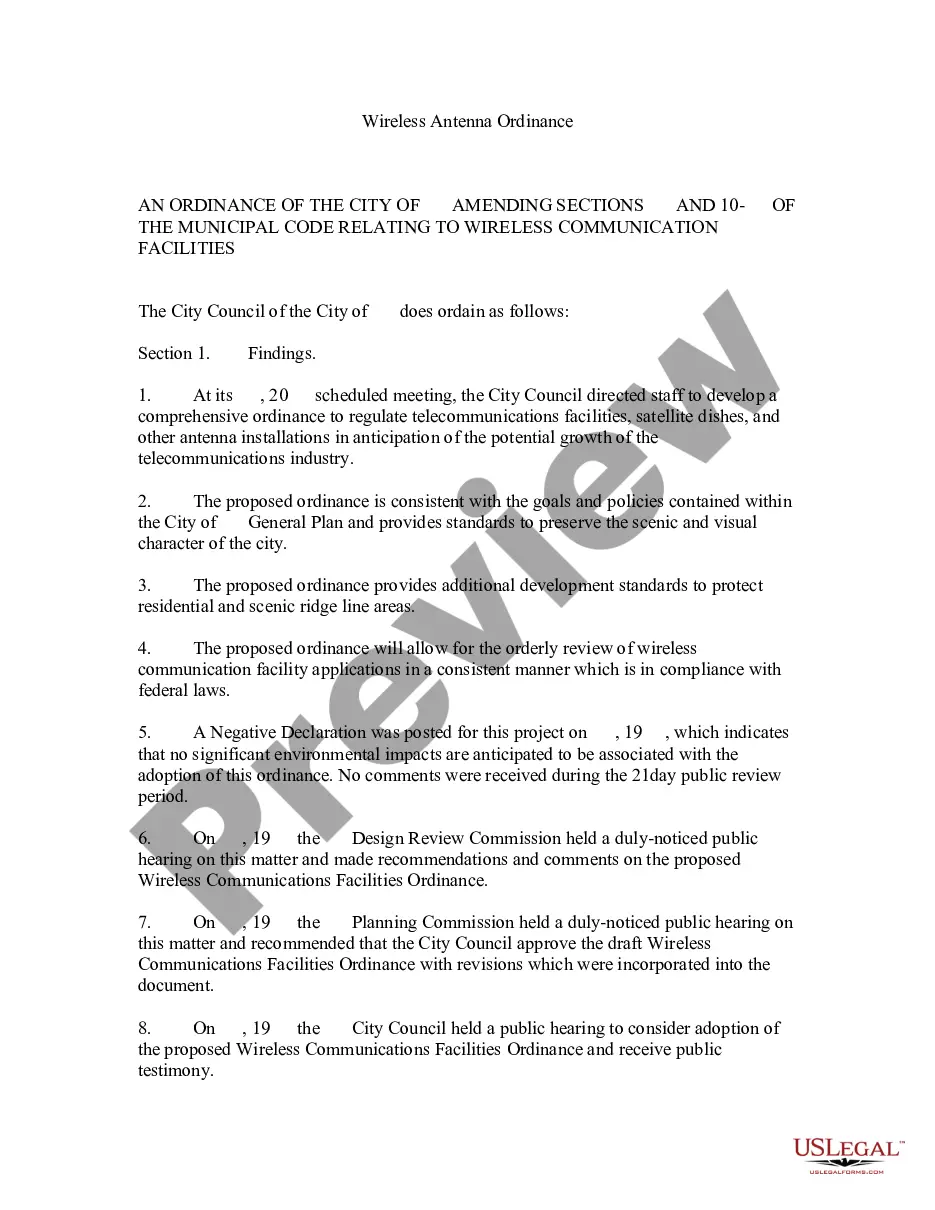
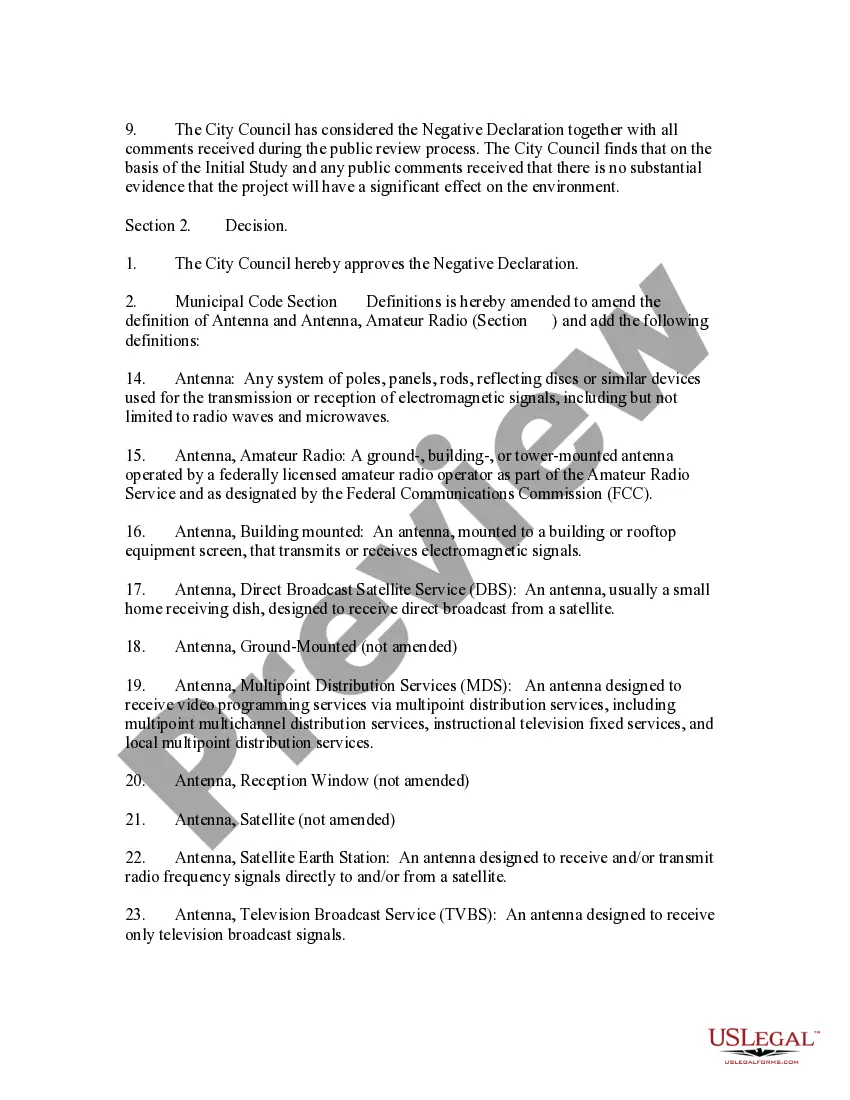
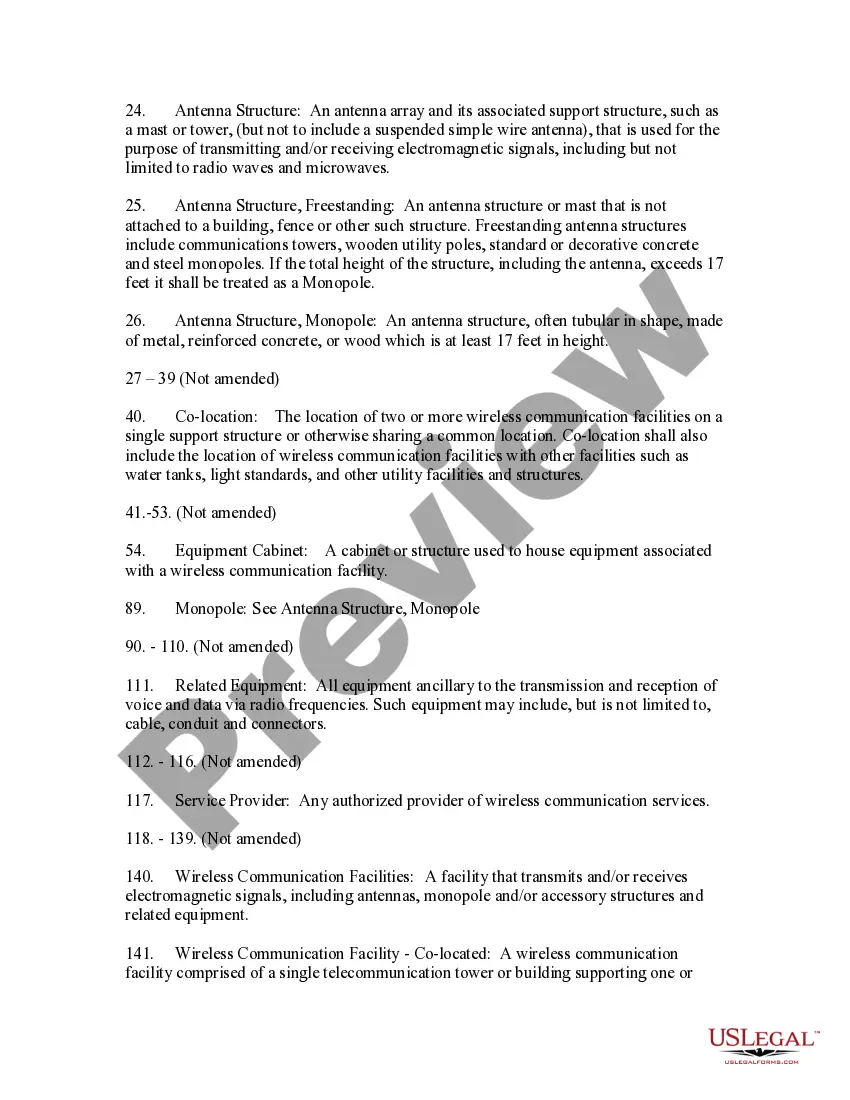
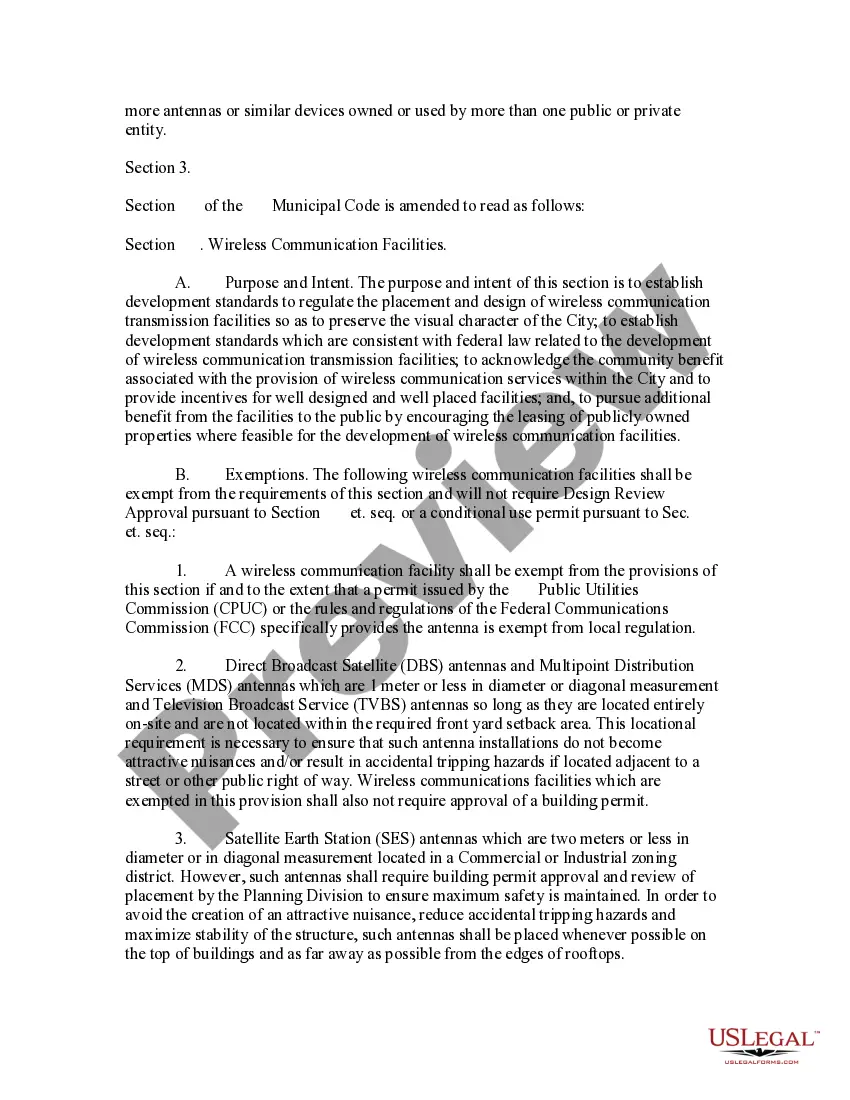
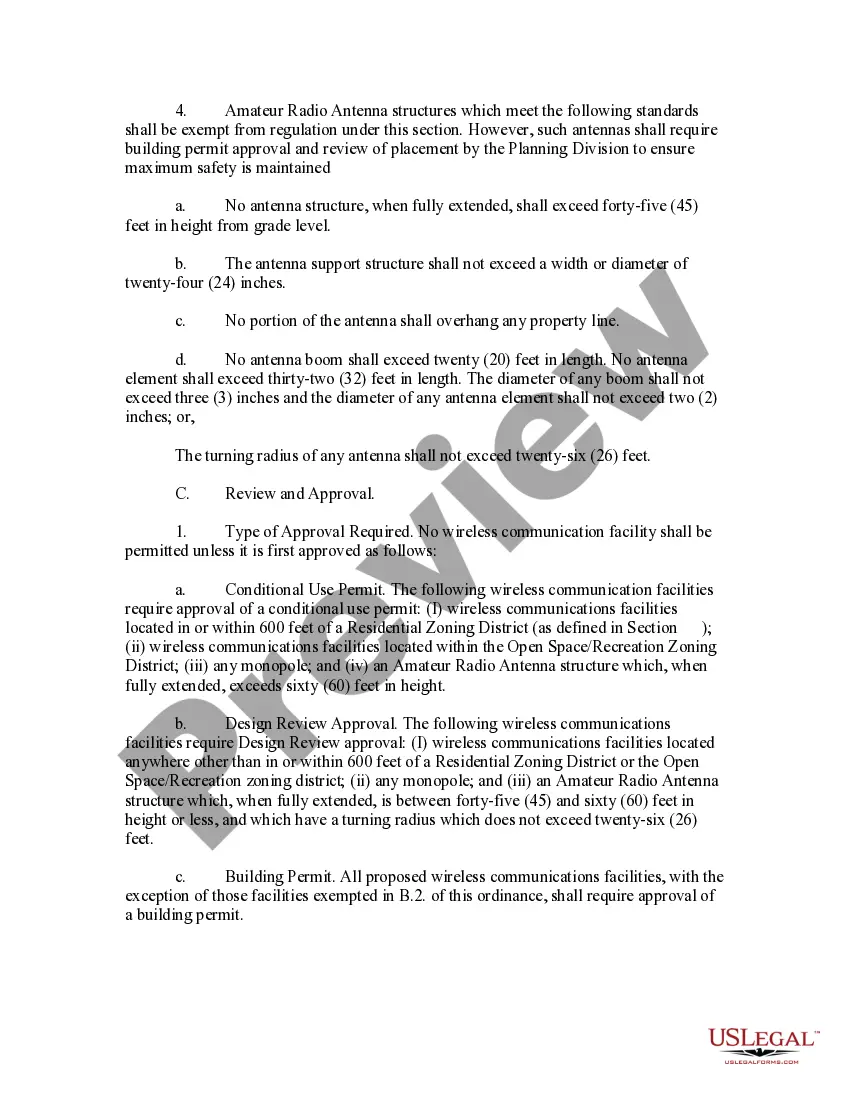
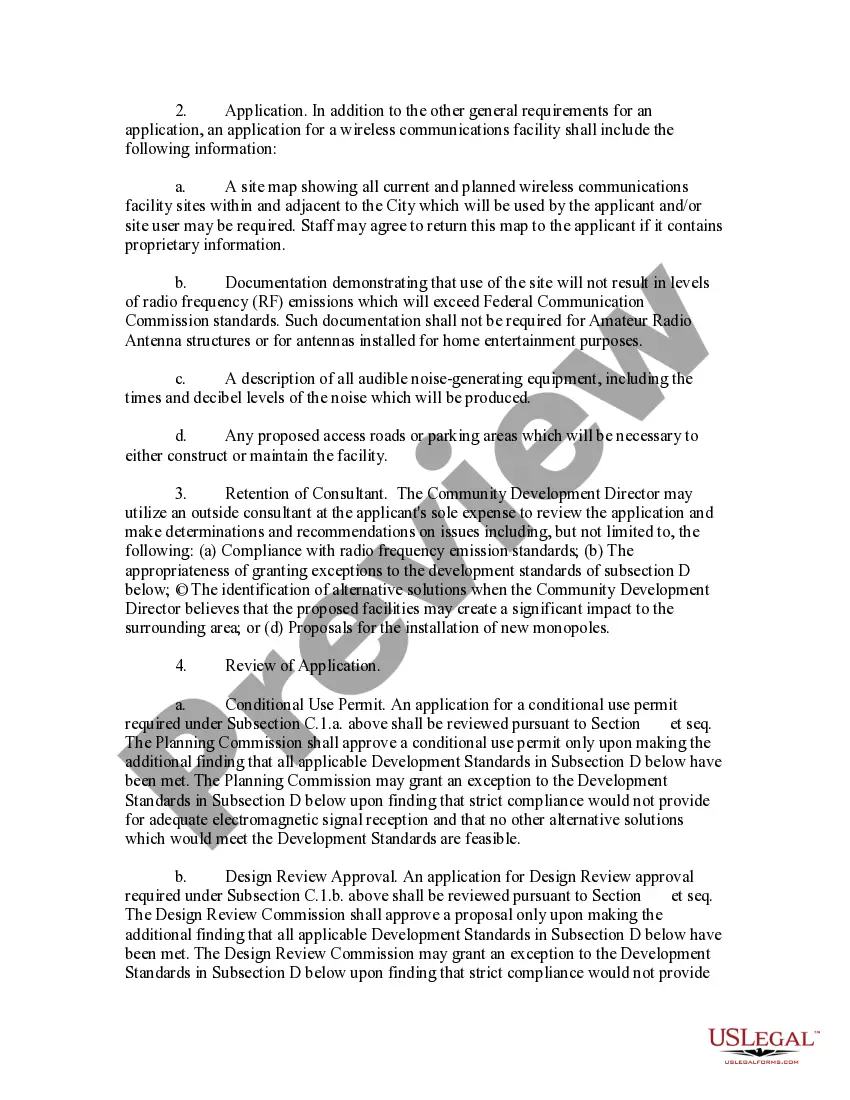
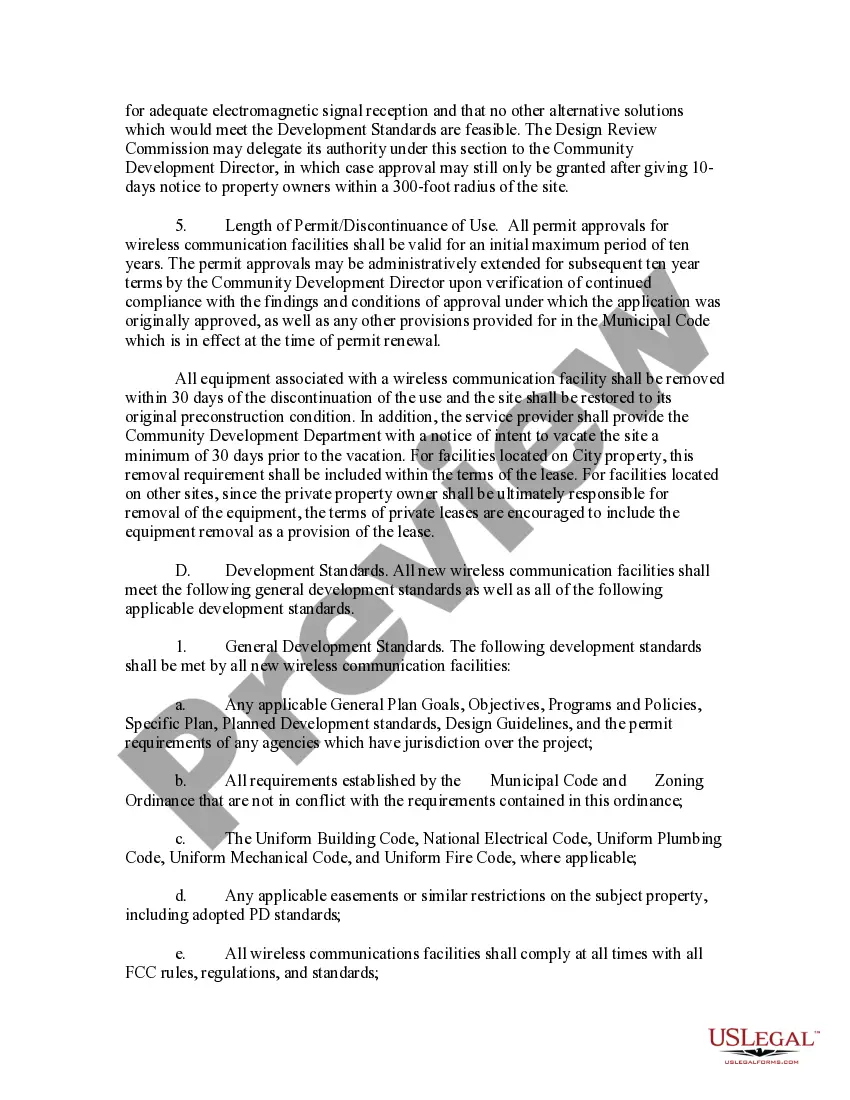
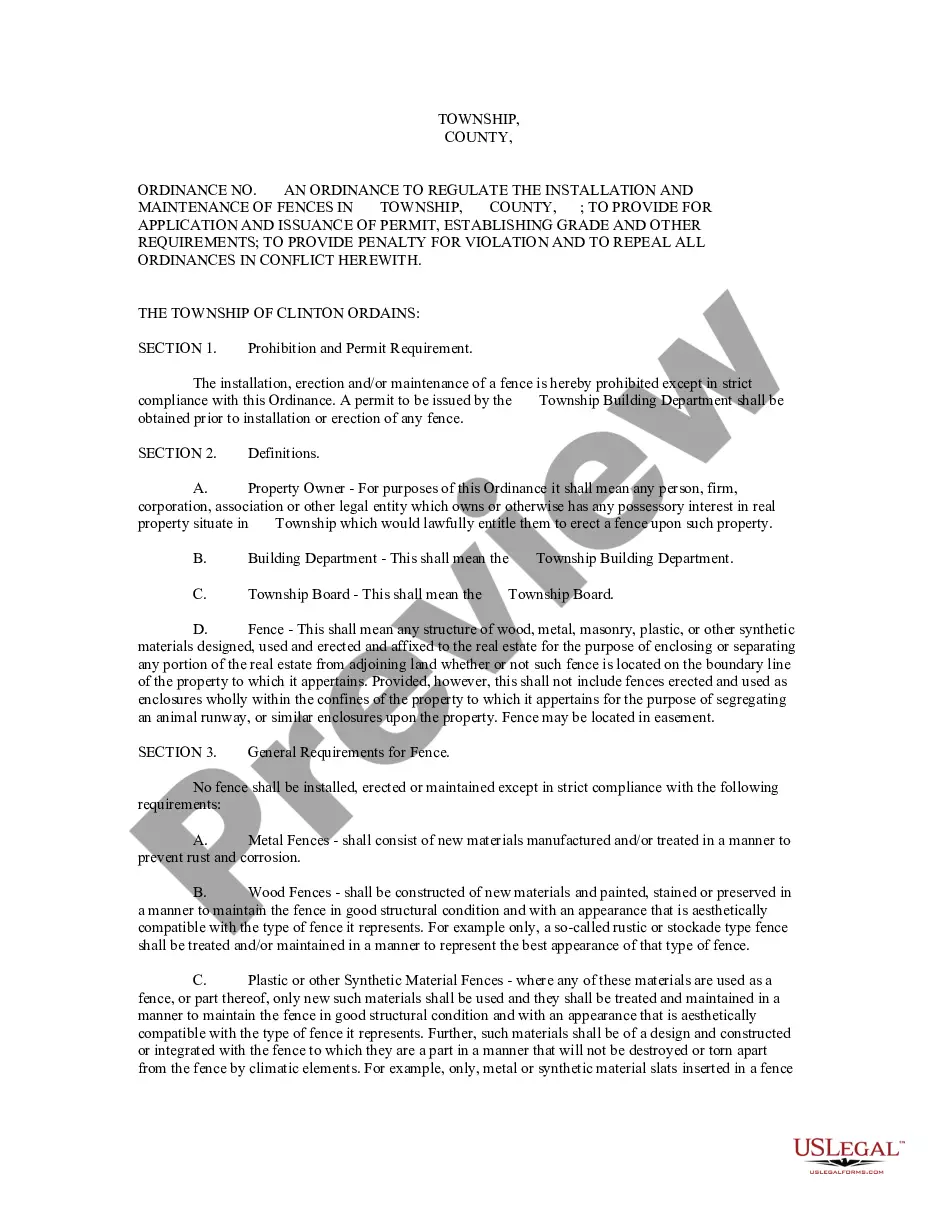
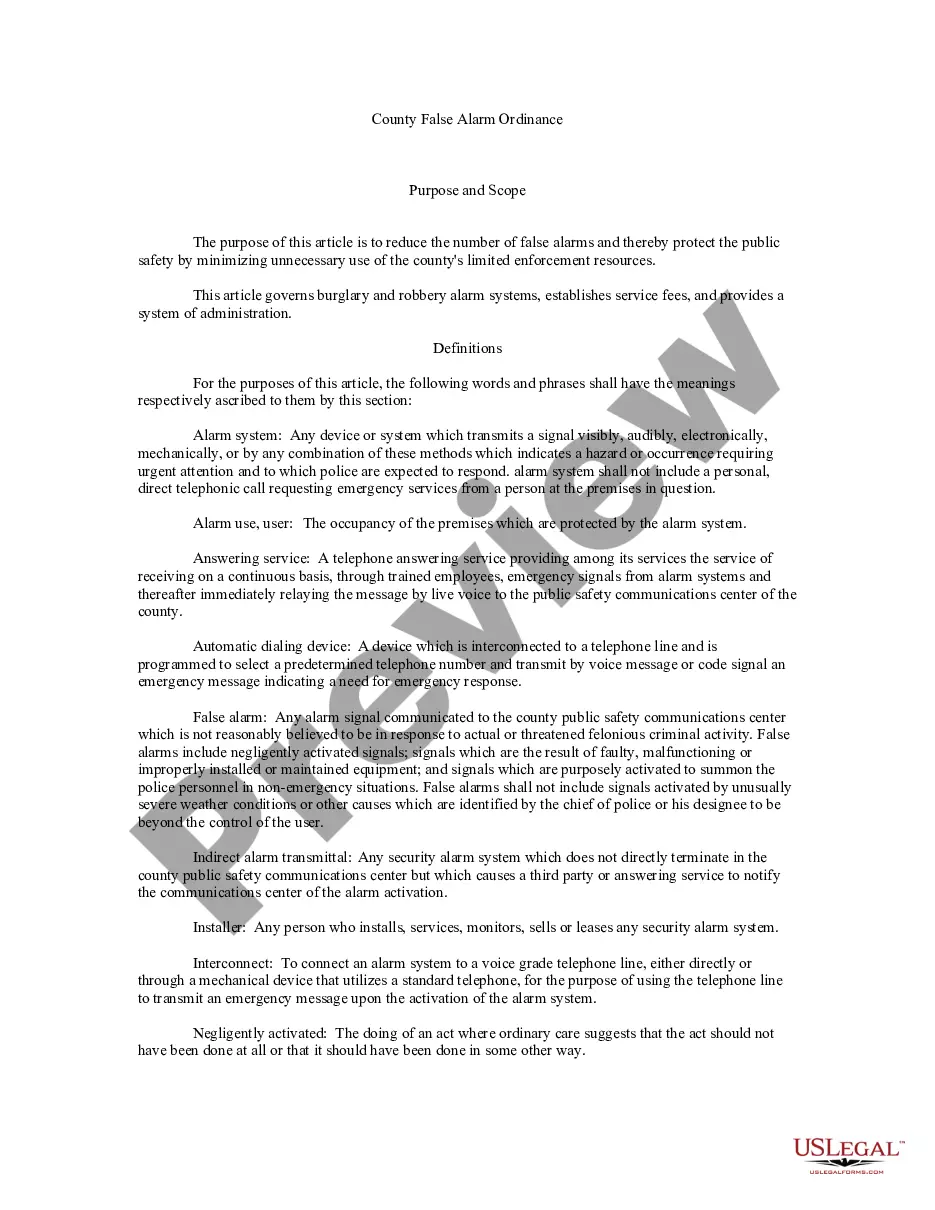
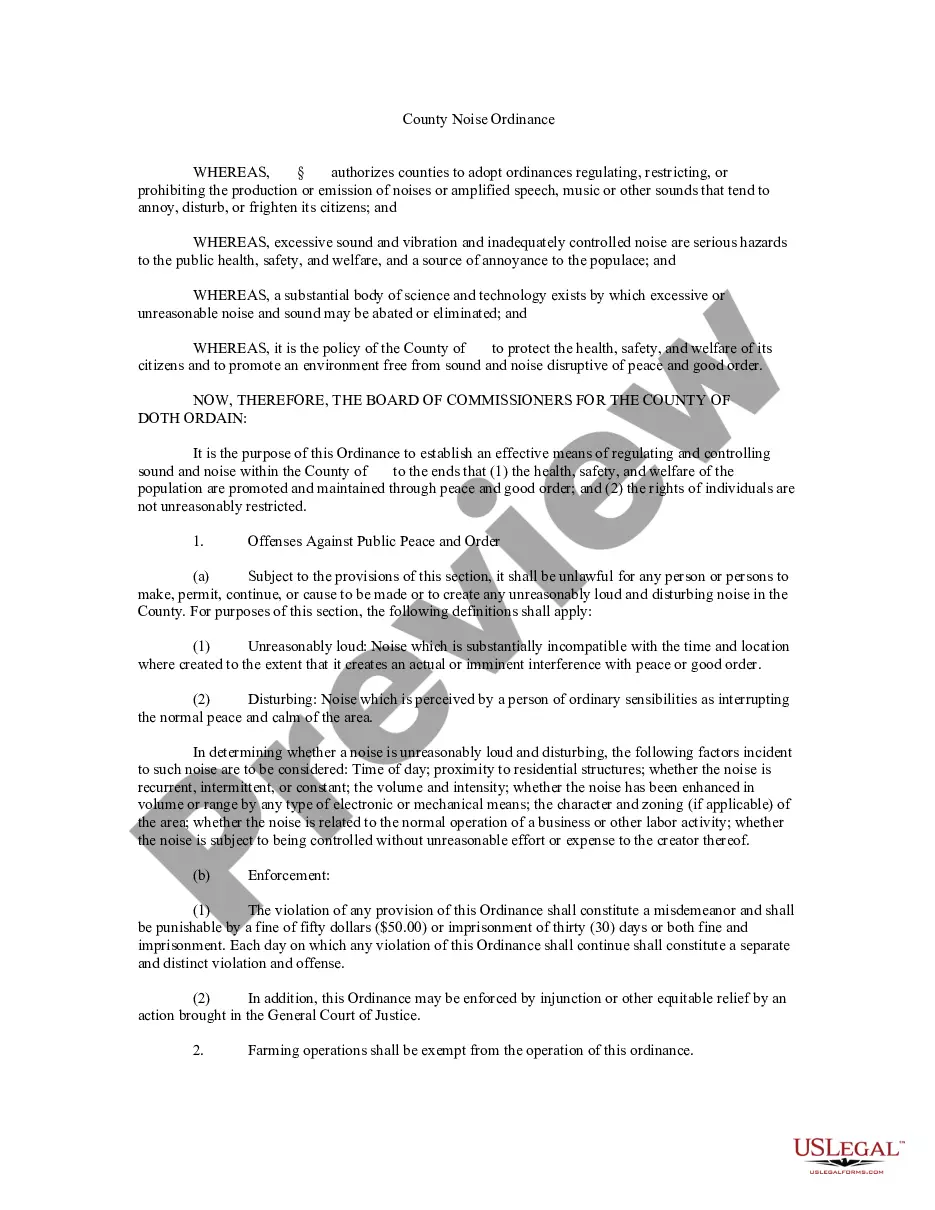
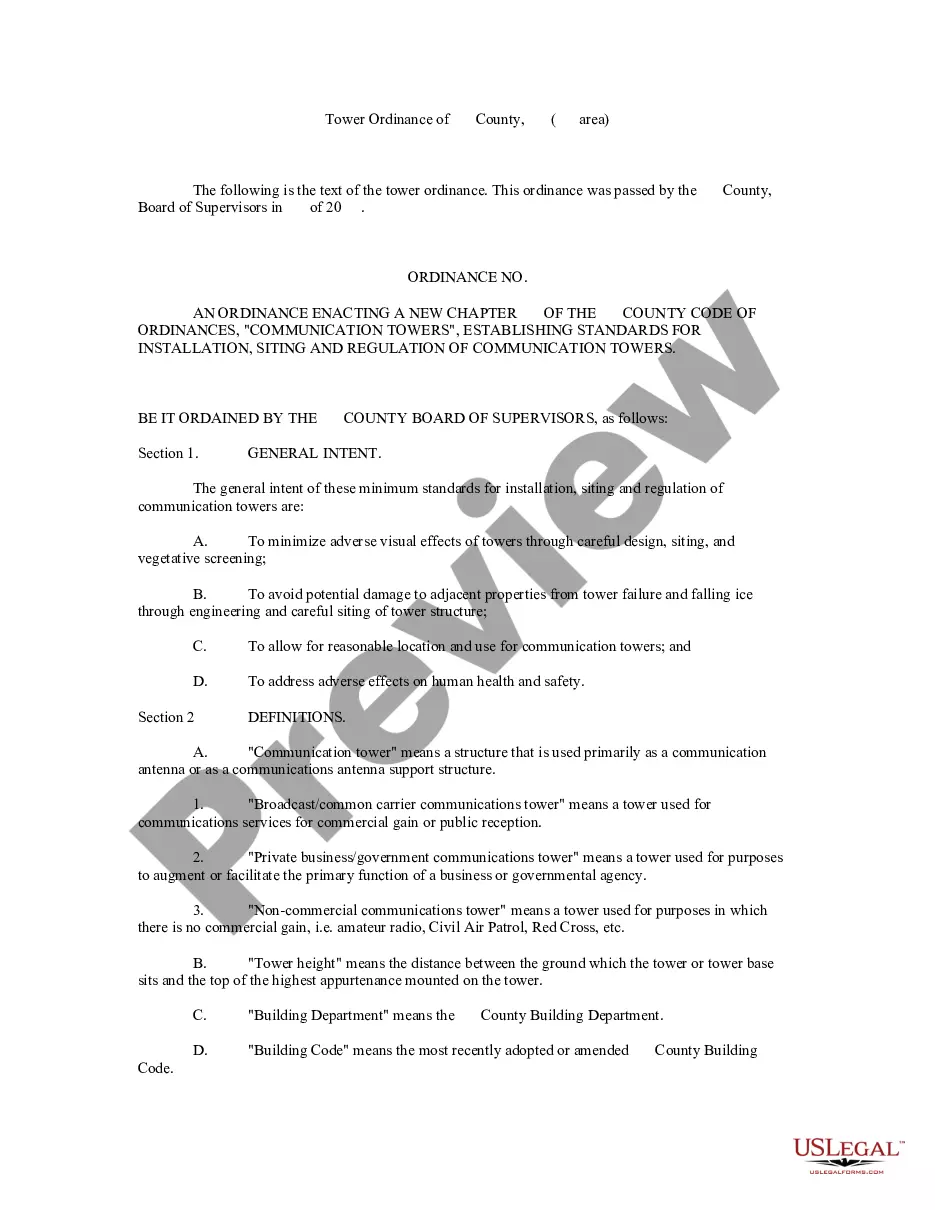



How to fill out Wireless Antenna Ordinance?
Have you been in a position where you will need paperwork for either organization or person reasons just about every working day? There are a lot of legal file themes accessible on the Internet, but locating kinds you can rely on is not simple. US Legal Forms provides 1000s of kind themes, just like the Alaska Wireless Antenna Ordinance, which can be written in order to meet state and federal demands.
When you are previously knowledgeable about US Legal Forms website and also have a merchant account, basically log in. Afterward, it is possible to obtain the Alaska Wireless Antenna Ordinance design.
Should you not provide an account and would like to begin using US Legal Forms, follow these steps:
- Discover the kind you need and ensure it is for that correct area/area.
- Take advantage of the Preview option to review the form.
- Read the description to actually have chosen the proper kind.
- In case the kind is not what you`re looking for, use the Look for discipline to get the kind that fits your needs and demands.
- If you find the correct kind, simply click Buy now.
- Select the prices program you need, complete the required details to produce your money, and pay money for the order using your PayPal or bank card.
- Choose a handy document format and obtain your duplicate.
Discover all the file themes you have bought in the My Forms menus. You can get a more duplicate of Alaska Wireless Antenna Ordinance any time, if possible. Just select the required kind to obtain or printing the file design.
Use US Legal Forms, the most considerable collection of legal varieties, in order to save time as well as prevent faults. The support provides professionally made legal file themes which can be used for a variety of reasons. Produce a merchant account on US Legal Forms and commence generating your daily life a little easier.
Form popularity
FAQ
In 1996, the FCC adopted the Over the Air Reception Device Rule, or OTARD rule. In short, the OTARD rule prohibits homeowners' associations and condominium associations from placing restrictions on residents which impede the installation, maintenance, or use of satellite dishes, TV antennas, or wireless cable antennas.
Its short and simple? If you own your home it is your legal right to put an outdoor TV Antenna any where you need to put it to get the best TV signal. If you live in a home and own it, we recommend you save your time and sanity, no need to get the HOA involved.
In 1996, the FCC adopted the Over the Air Reception Device Rule, or OTARD rule. In short, the OTARD rule prohibits homeowners' associations and condominium associations from placing restrictions on residents which impede the installation, maintenance, or use of satellite dishes, TV antennas, or wireless cable antennas.
Section 1.4000) took effect in October 1996. The Commission has modified the rule three times since then. The rule prohibits restrictions that impair the installation, maintenance or use of antennas used to receive video programming and certain antennas used to receive or transmit fixed wireless signals.
FCC rules for over-the-air reception devices (OTARD) protect the rights of property owners or tenants to , maintain or use an antenna to receive video programming from direct broadcast satellites, broadband radio services, and television broadcast stations in areas within the owner's or tenant's exclusive use.
Also known as FCC Order 98-273 or the FCC Satellite Rule, this law states that landlords cannot ban satellite dishes from a rental property. As long as the satellite dish is 40 inches or smaller in diameter, it must be allowed on the property in private rented space when installed by a professional.
Antenna television is back. In recent years, millions of cord-cutters have rediscovered antennas as a reliable way to watch broadcast networks like ABC, NBC, and FOX, all for free ? and now, broadcasters are eager to get the rest of us hooked.
Large, leafy plants can be ideal for concealing a small antenna. Alternatively, you could tuck it into a big, decorative basket or obscure it with a stack of books, artwork or other home decor items. Whether you choose an indoor or outdoor antenna, one thing they all have in common is functionality.
Now down to the nitty gritty: yes, TV antennas are legal in most countries, including the United States. In fact, the Federal Communications Commission (FCC) in the U.S. specifically protects the right of consumers to TV antennas and use them to receive over-the-air broadcast television signals.