Massachusetts Letter from Tenant to Landlord containing Notice to landlord to withdraw improper rent increase due to violation of rent control ordinance
About this form
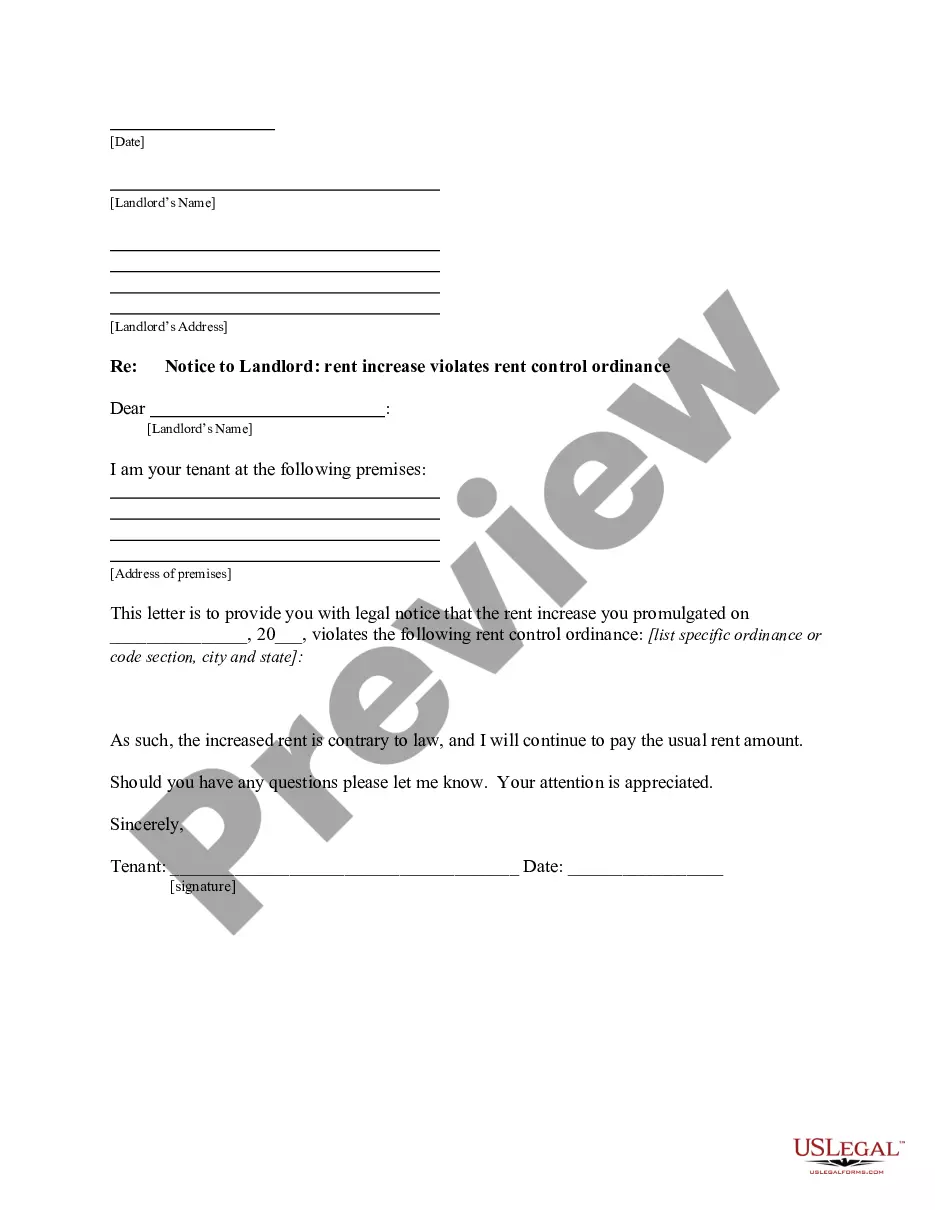
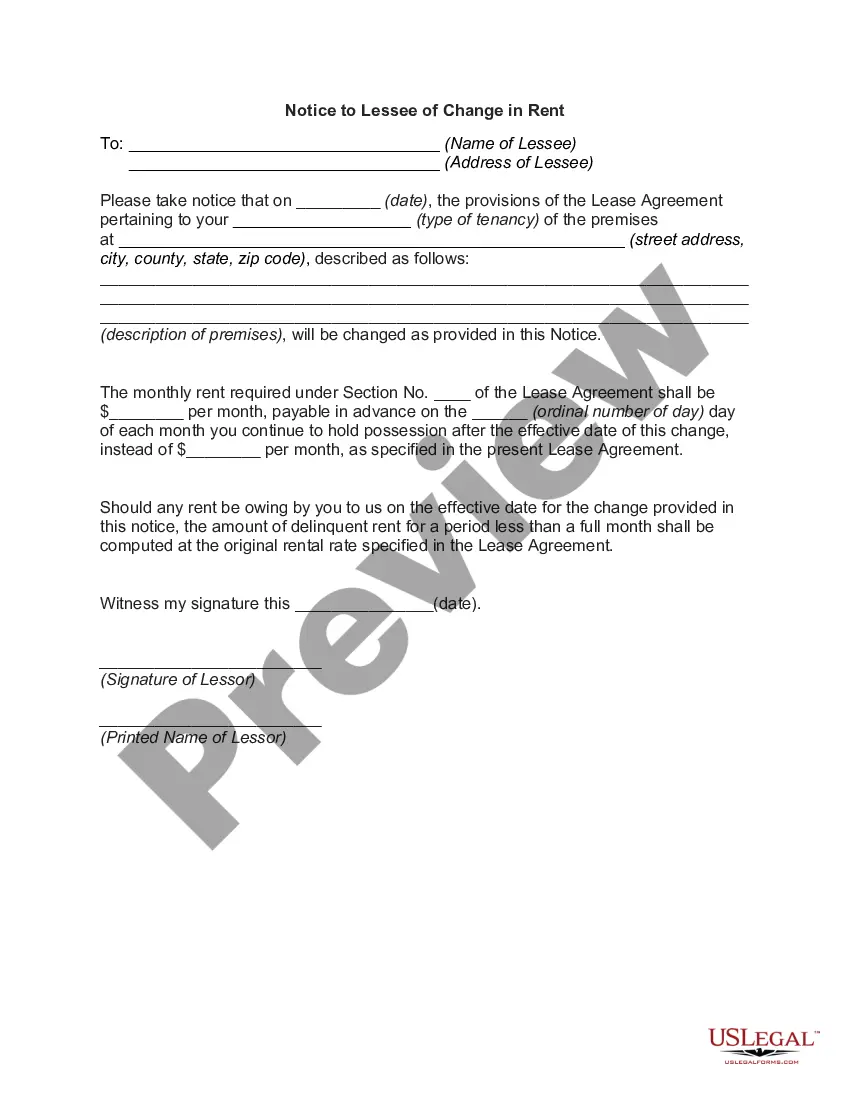
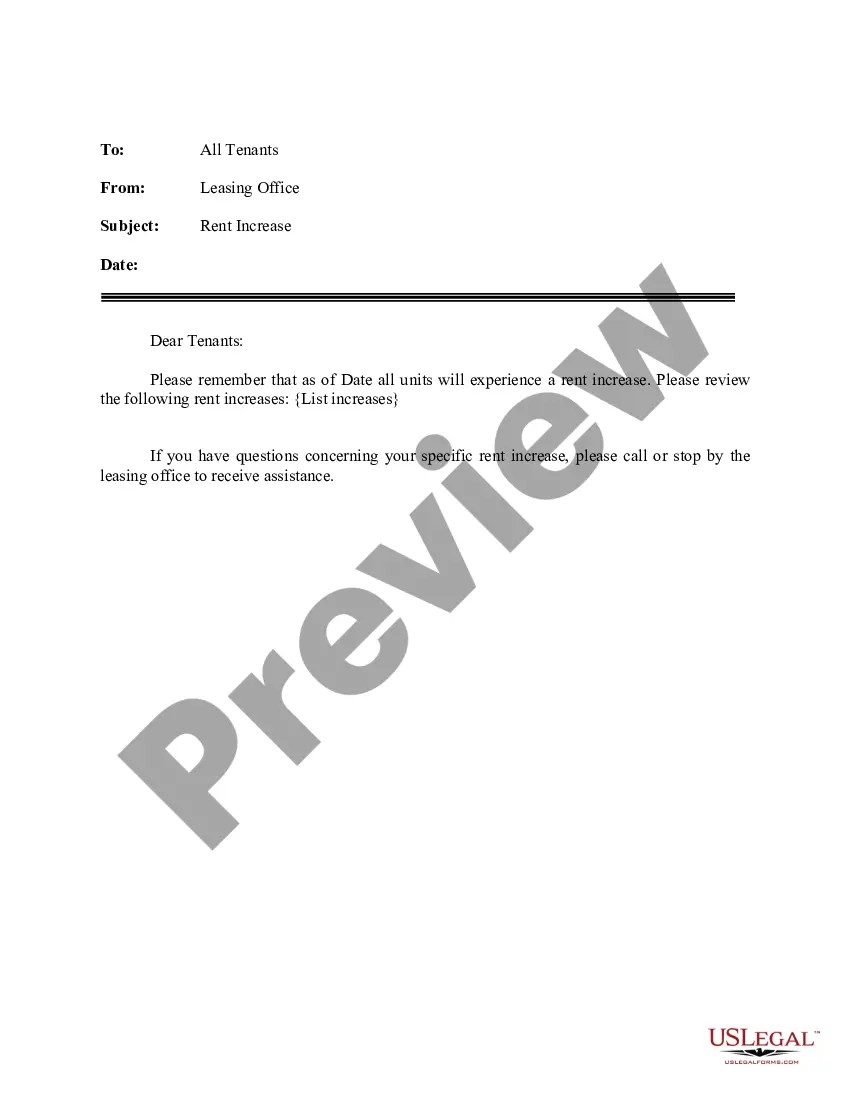
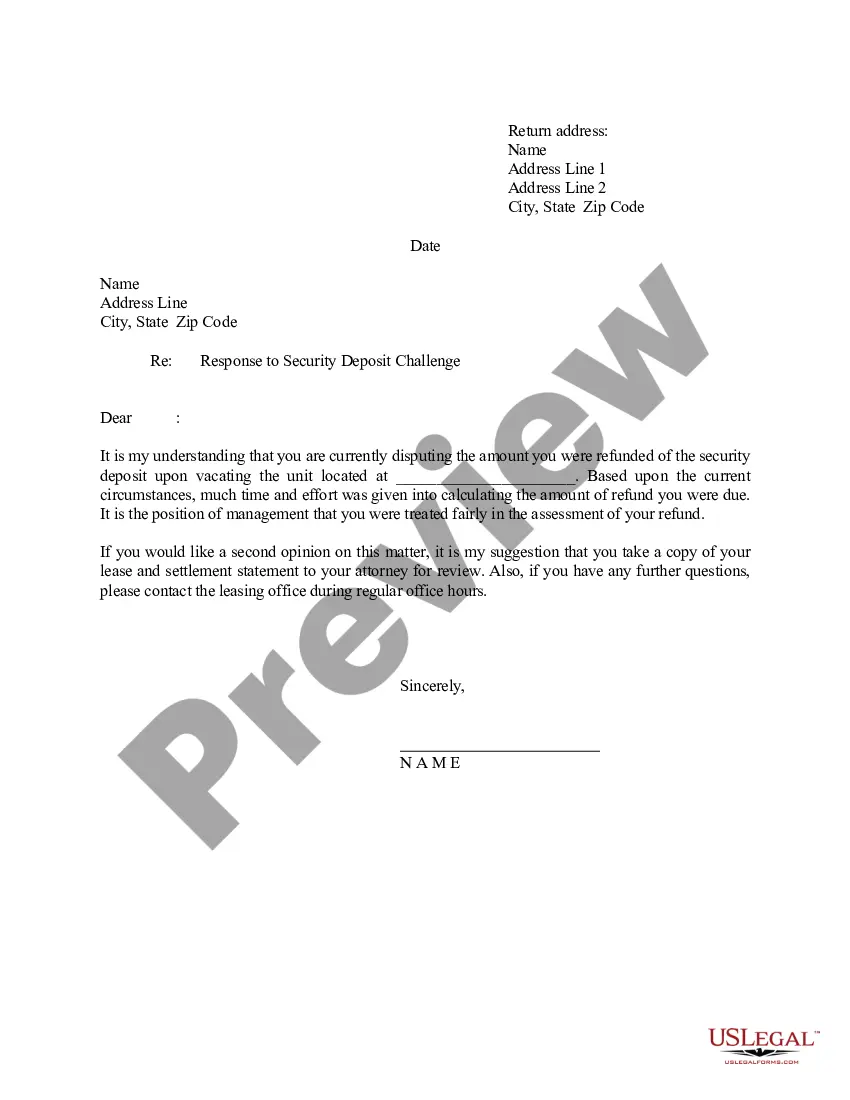
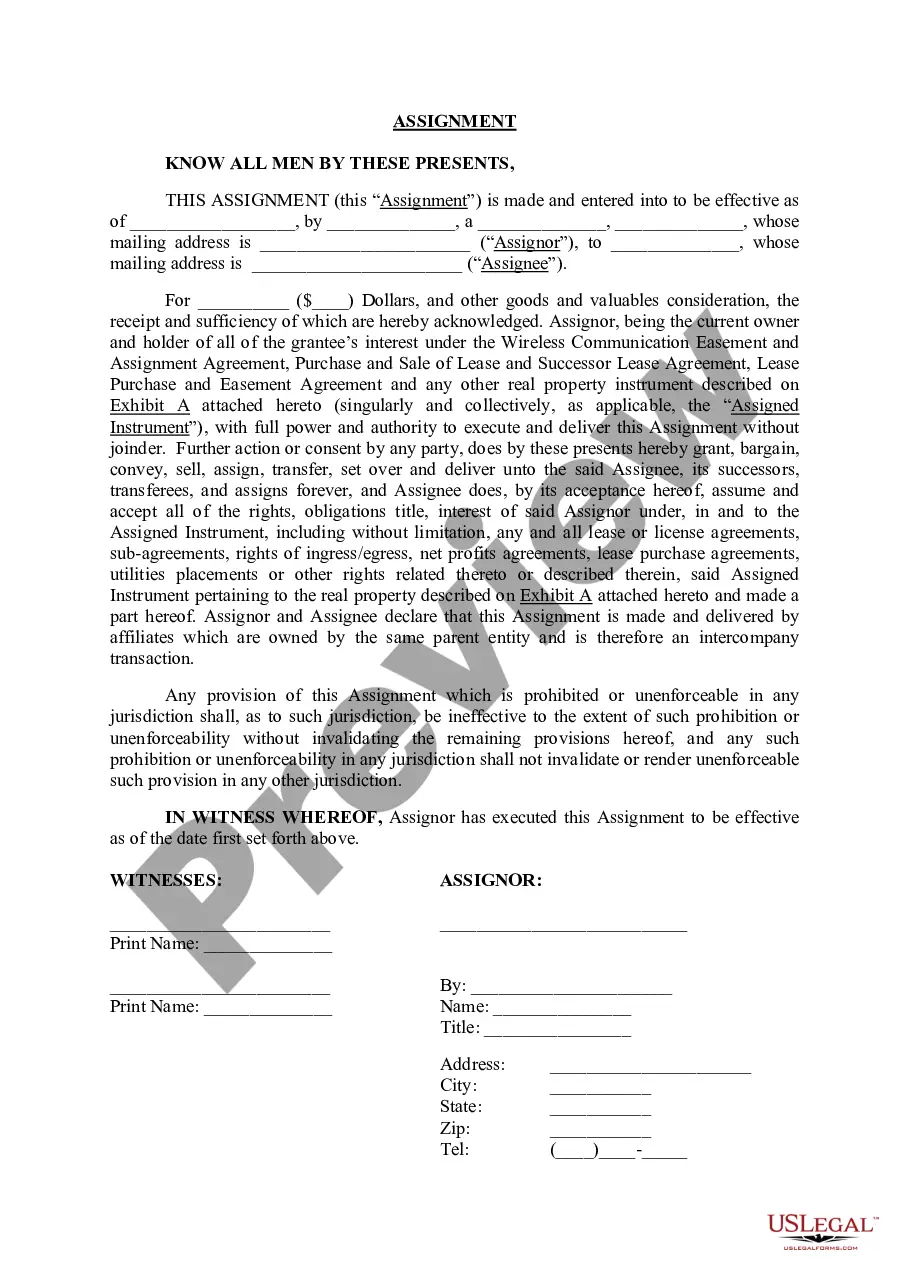
This form is a letter from a tenant to their landlord, containing a notice to withdraw an improper rent increase due to violations of rent control ordinances. It serves as a formal request to inform the landlord that any unauthorized rent increase may not comply with local laws. This letter is essential for tenants who wish to address illegal increases in their rent while protecting their rights under rent control regulations.
Key parts of this document
- Identification of the tenant and the landlord.
- Details of the improper rent increase indicating its unlawful nature.
- Legal references to applicable rent control ordinances.
- A statement requesting the withdrawal of the rent increase.
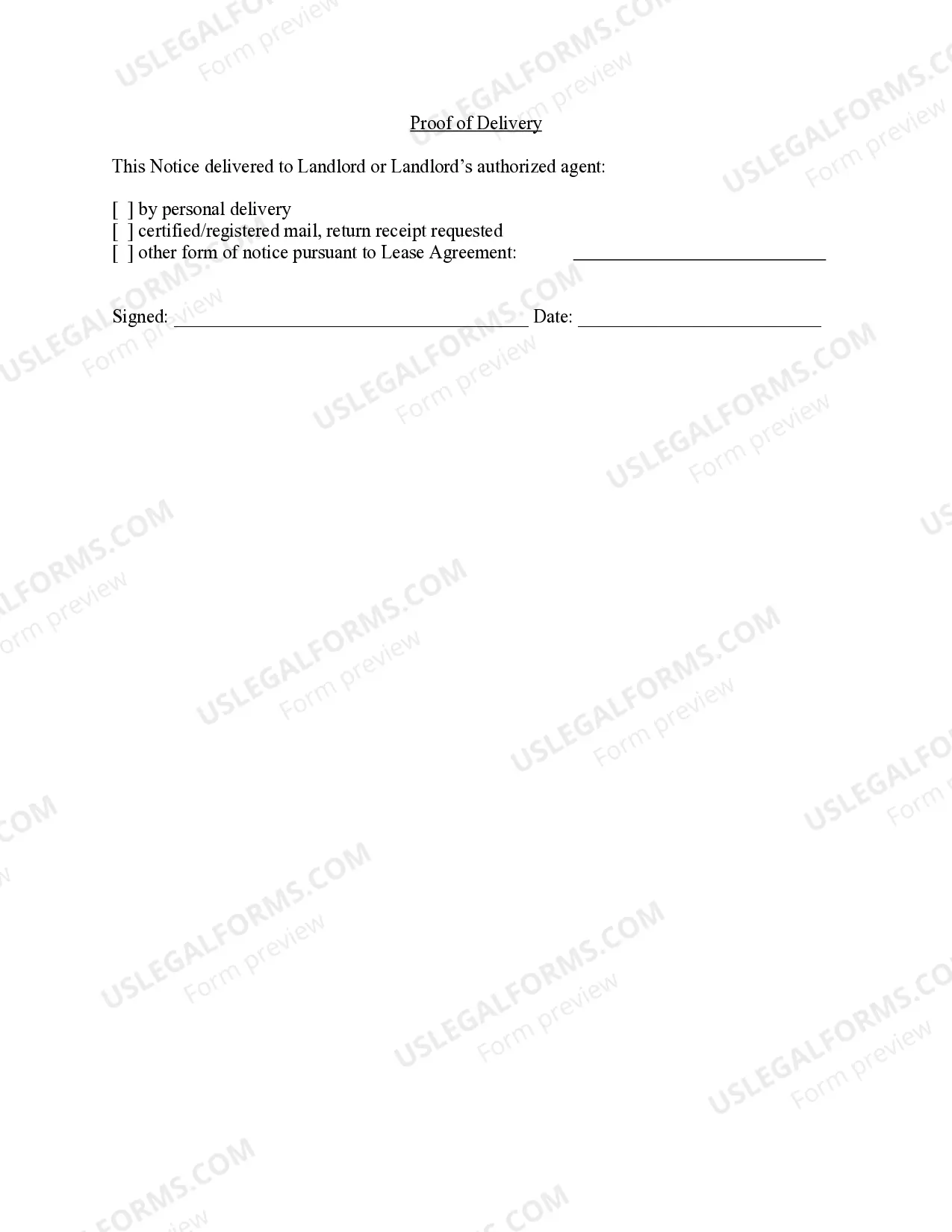
- Proof of delivery section for documenting the notice sent to the landlord.

When to use this form
This letter should be used when a tenant receives a notice of a rent increase that they believe violates local rent control ordinances. It is a proactive step to officially notify the landlord and initiate a dialogue about the legality of the rent increase, potentially avoiding future disputes or legal action.
Who should use this form
- Tenants who have been notified of a rent increase.
- Individuals living in areas with rent control regulations.
- Renters seeking to challenge lawfully questionable rent increases.
Completing this form step by step
- Identify the parties involved by entering the tenant's name and the landlord's name.
- Specify the details of the rent increase and the date it was supposed to take effect.
- Enter references to relevant rent control ordinances that may apply.
- Clearly state your request for the landlord to withdraw the improper rent increase.
- Sign and date the letter, ensuring a record of delivery is noted.
Notarization guidance
This form does not typically require notarization unless specified by local law. Ensure to check state-specific requirements to confirm if notarization is necessary for your situation.
Get your form ready online
Our built-in tools help you complete, sign, share, and store your documents in one place.
Make edits, fill in missing information, and update formatting in US Legal Forms—just like you would in MS Word.
Download a copy, print it, send it by email, or mail it via USPS—whatever works best for your next step.
Sign and collect signatures with our SignNow integration. Send to multiple recipients, set reminders, and more. Go Premium to unlock E-Sign.
If this form requires notarization, complete it online through a secure video call—no need to meet a notary in person or wait for an appointment.
We protect your documents and personal data by following strict security and privacy standards.
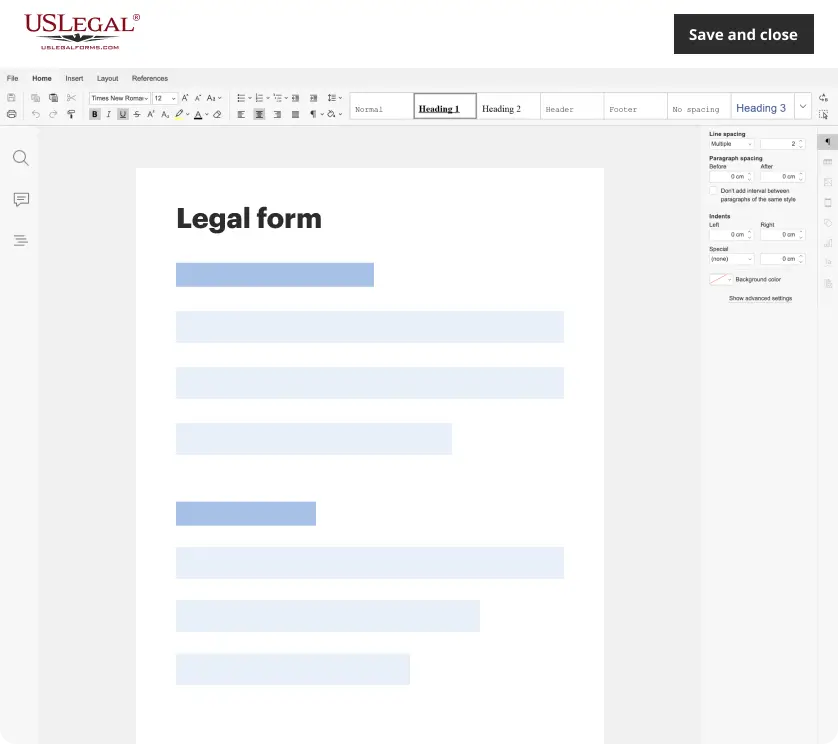
Make edits, fill in missing information, and update formatting in US Legal Forms—just like you would in MS Word.
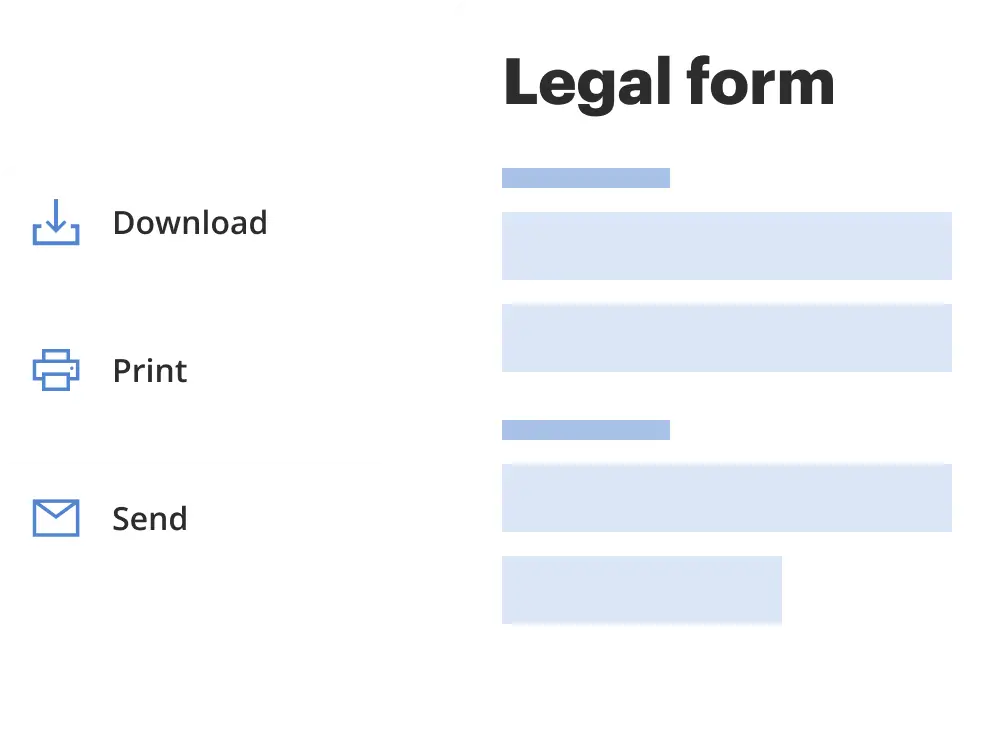
Download a copy, print it, send it by email, or mail it via USPS—whatever works best for your next step.
Sign and collect signatures with our SignNow integration. Send to multiple recipients, set reminders, and more. Go Premium to unlock E-Sign.
If this form requires notarization, complete it online through a secure video call—no need to meet a notary in person or wait for an appointment.
We protect your documents and personal data by following strict security and privacy standards.
Common mistakes
- Failing to reference specific rent control laws that apply.
- Not including the delivery method and proof of delivery.
- Sending the letter without keeping a copy for personal records.
Benefits of completing this form online
- Quick and easy access to a professionally drafted form.
- Edit the document to fit your specific situation easily.
- Downloadable format allows for immediate use without delays.
Legal use & context
- This form acts as a formal notice, which can strengthen a tenant's position if a dispute escalates.
- Failure to follow proper notice procedures may weaken the tenant's standing in future negotiations or legal actions.
Key takeaways
- Use this form to contest improper rent increases based on rent control laws.
- Ensure accurate information is provided for effective communication with the landlord.
- Document all correspondence for future reference.
Looking for another form?

Form popularity
FAQ
Dear (Name of landlord or manager), This letter constitutes my written (number of days' notice that you need to give based on your lease agreement)-day notice that I will be moving out of my apartment on (date), the end of my current lease. I am leaving because (new job, rent increase, etc.)
Dear (property manager's name), I wanted to contact you today to ask if we could discuss lowering my rent. I love living here but lately, finances have been difficult and a slight reduction in rent would go a long way in helping. It's important to me to be a good and responsible tenant.
You can send your letter by email if your tenancy agreement says you can. You should say something like: I am giving 1 month's notice to end my tenancy, as required by law. I will be leaving the property on (date xxxxx).
Tenant's name. Property address. Landlord name and contact information. Date the letter is written. Date the rent increase will take effect. Amount of rent increase. Current cost of rent.
Write your name, job title and date. State that the document is a letter of resignation. Include your last day of employment. Show your appreciation for the position. Explain any open projects or next steps. Print and sign the document.
Rent Increases: There is no legal limit to the amount of rent a landlord can charge. However, in order for the rent increase to be valid, the landlord must provide the tenant proper notice of the raise in rent and the tenant must agree to it (signs the lease with the new monthly rent).
Your name and address. Your Landlord's name and address. The date your notice period ends. A forwarding address. A request for tenancy documentation such as the tenancy agreement or deposit details. A reason for a request to terminate the tenancy early (if applicable)
I am writing to make you a request to reduce my rental obligation each month until the economy improves. Honestly, it would be very difficult for me to continue doing business with the current rent and would be highly grateful if you could consider my request.
When writing to your landlord, be specific in describing the problems you are having. Do not exaggerate or under-emphasize the extent of the problem. The landlord may show this letter to a judge if your problem is ever litigated.