What Can Real Estate Attorneys Do
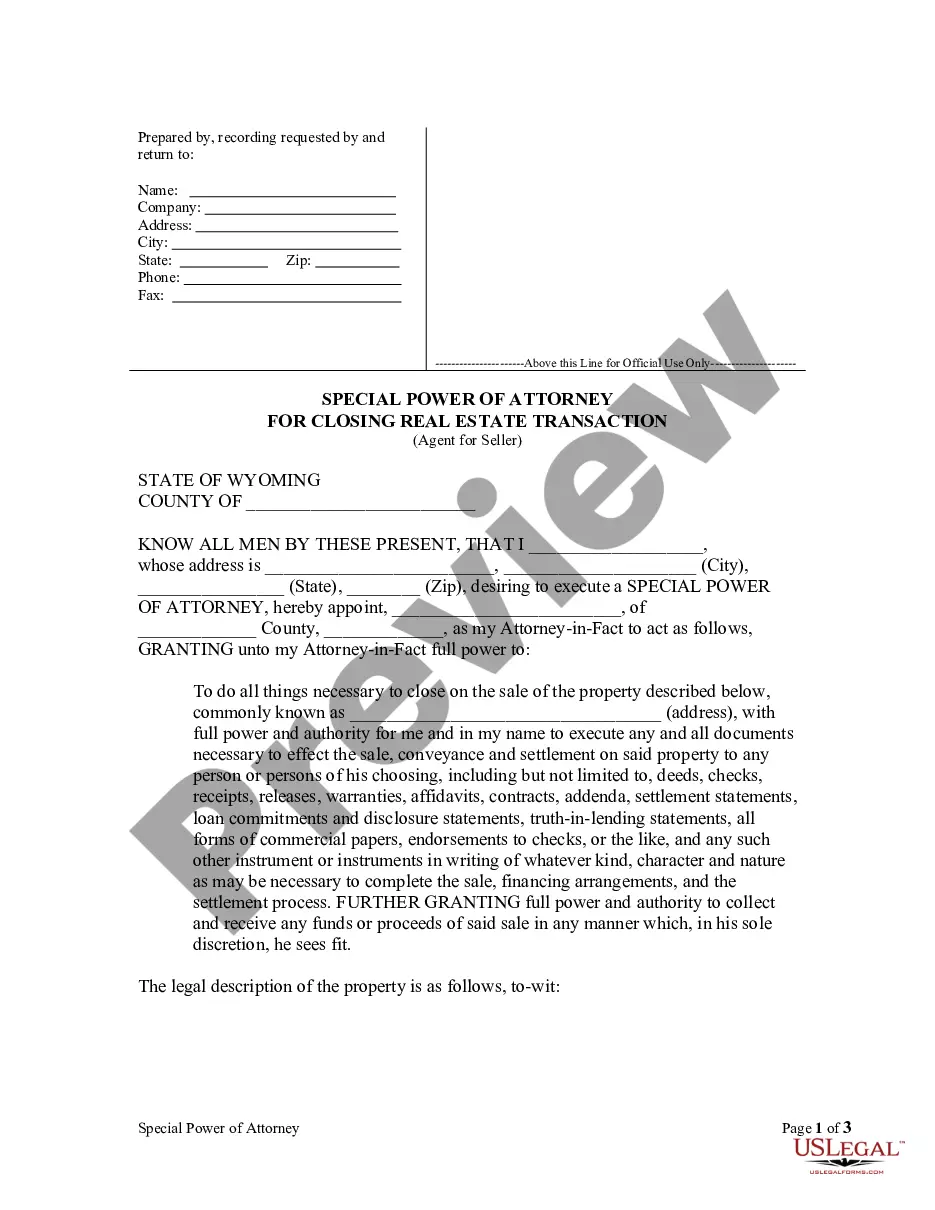
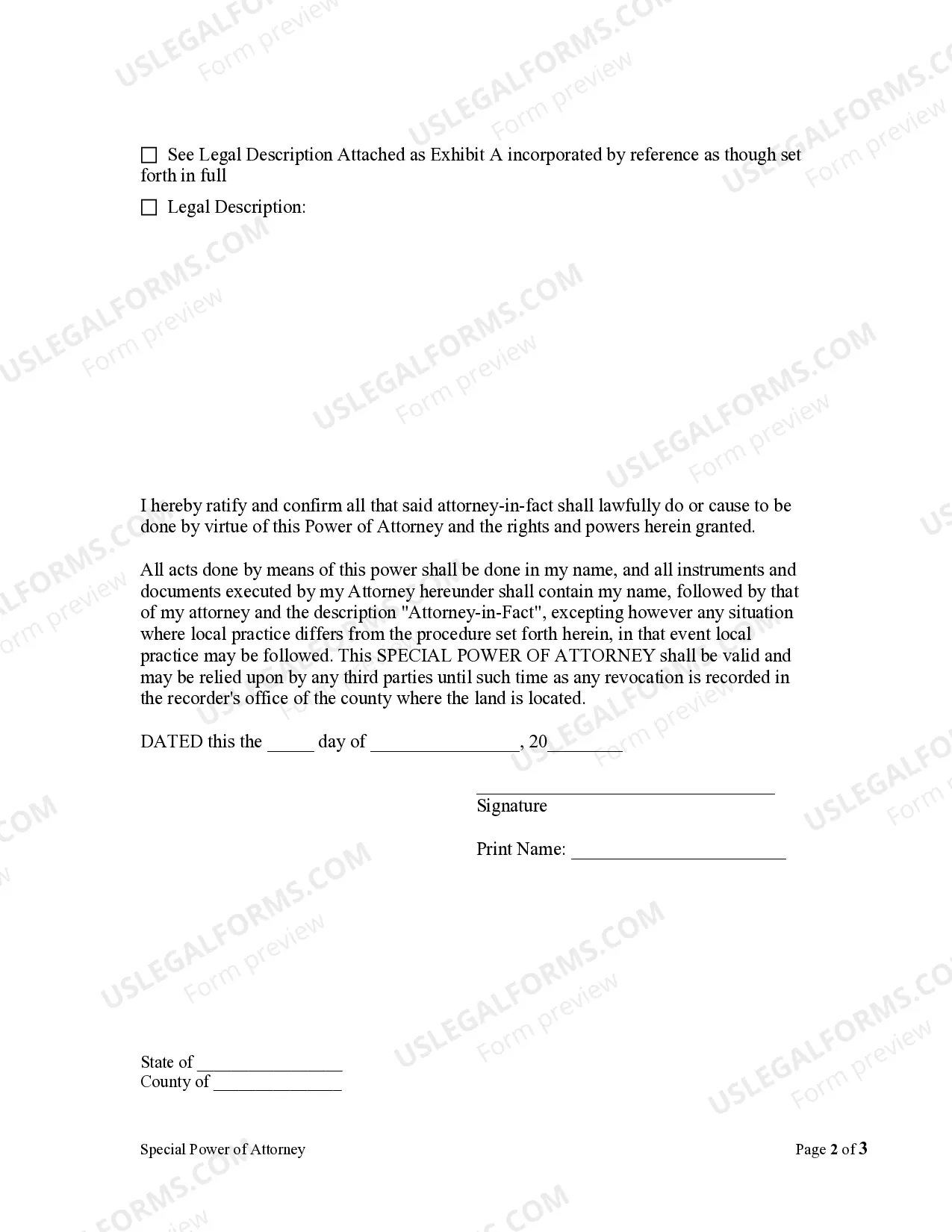
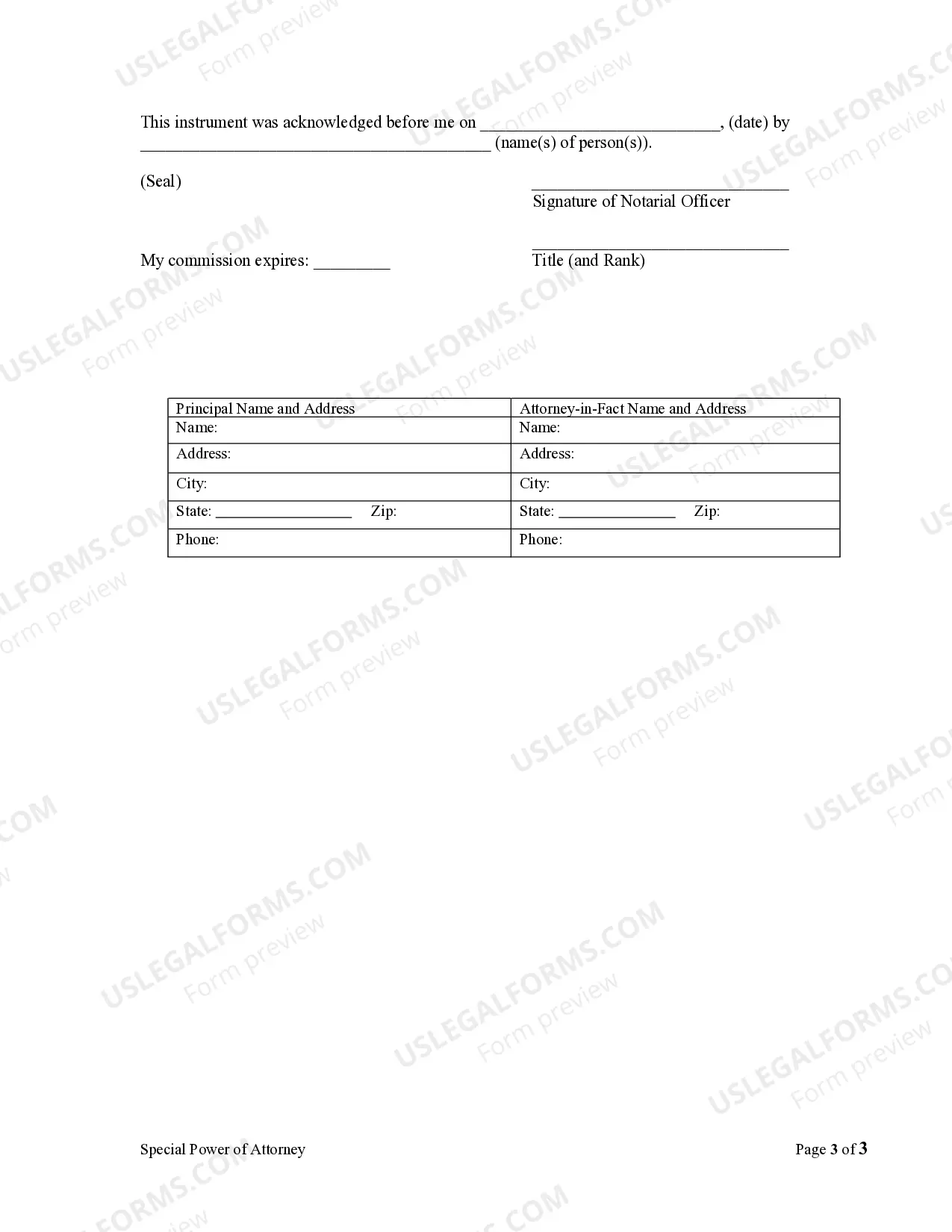
Description

Get your form ready online
Our built-in tools help you complete, sign, share, and store your documents in one place.
Make edits, fill in missing information, and update formatting in US Legal Forms—just like you would in MS Word.
Download a copy, print it, send it by email, or mail it via USPS—whatever works best for your next step.
Sign and collect signatures with our SignNow integration. Send to multiple recipients, set reminders, and more. Go Premium to unlock E-Sign.
If this form requires notarization, complete it online through a secure video call—no need to meet a notary in person or wait for an appointment.
We protect your documents and personal data by following strict security and privacy standards.

Make edits, fill in missing information, and update formatting in US Legal Forms—just like you would in MS Word.

Download a copy, print it, send it by email, or mail it via USPS—whatever works best for your next step.

Sign and collect signatures with our SignNow integration. Send to multiple recipients, set reminders, and more. Go Premium to unlock E-Sign.

If this form requires notarization, complete it online through a secure video call—no need to meet a notary in person or wait for an appointment.

We protect your documents and personal data by following strict security and privacy standards.
Looking for another form?






How to fill out Wyoming Special Or Limited Power Of Attorney For Real Estate Sales Transaction By Seller?
- Log into your US Legal Forms account to initiate the download of your required form template. Make sure your subscription is active, or renew it as necessary.
- Review the form descriptions and utilize the Preview mode to ensure you select the correct template that aligns with your local legal requirements.
- If your initial choice doesn’t fit your needs, search for alternatives using the Search feature to find the appropriate form.
- Complete your purchase by clicking 'Buy Now' and selecting the subscription plan that suits you best. You'll need to create an account for access.
- Finalize your payment using credit card details or through your PayPal account to complete the subscription process.
- Download your form and save it to your device. You can always revisit it later in the ‘My Forms’ section of your profile.
In conclusion, US Legal Forms makes it easy to obtain legal documents needed for real estate transactions. By following these straightforward steps, you ensure you have the right legal foundation for your property dealings.
Start navigating your real estate journey today by accessing the vast library at US Legal Forms and securing your legal templates.
Form popularity
FAQ
In Illinois, a real estate attorney provides essential services such as reviewing contracts, negotiating terms, and preparing legal documents related to property transactions. They also offer guidance on zoning laws and handle disputes that may arise during the process. If you want to know what can real estate attorneys do for you in Illinois, their expertise ensures a secure and successful real estate experience.
A closing attorney helps finalize the sale of a property by preparing necessary documents and ensuring that funds are properly transferred. They review the closing statement to ensure accuracy and address any discrepancies. By understanding what can real estate attorneys do during closing, you can better appreciate their role in facilitating a smooth transaction.
In Illinois, having an attorney at closing is not a legal requirement for sellers; however, it is highly recommended. An attorney can help you understand the documents, protect your interests, and address any last-minute issues. Knowing what can real estate attorneys do will empower you to make informed decisions during the closing process.
A lawyer's primary responsibilities include providing legal advice, representing clients in court, drafting legal documents, negotiating settlements, and ensuring compliance with laws. They analyze cases and present legal arguments to uphold their clients' interests. By understanding what can real estate attorneys do, you can better appreciate how they navigate complex real estate transactions.
In New York, hiring a real estate attorney is not legally required, but it is highly recommended. Given the state’s complex property laws and regulations, having an attorney can make a significant difference in safeguarding your interests. If you’re exploring what real estate attorneys can do, consider their role in helping navigate New York’s real estate landscape effectively.
A real estate attorney's job includes advising clients on property laws, preparing legal documents, and representing them during transactions and disputes. They ensure compliance with relevant regulations, protecting clients from potential legal issues. By knowing what real estate attorneys can do, you can appreciate their role in supporting buyers, sellers, landlords, and tenants alike.
Typically, the buyer pays the real estate attorney's fees, but this can vary depending on the agreement between the parties involved. It's essential to clarify these details upfront to avoid confusion later. Understanding who pays the real estate attorney can help you plan your budget effectively while considering what real estate attorneys can do throughout the transaction.
Real estate attorneys handle various tasks related to property transactions and disputes. They review contracts, perform title searches, and facilitate closings, ensuring all documents are in order. If you’re keen to know what real estate attorneys can do, remember they also represent clients in court and provide advice on real estate investments, simplifying a complex process.
The primary point of a real estate attorney is to protect your interests in property transactions. They serve as your advocate, ensuring all legal aspects are addressed properly. By asking yourself what real estate attorneys can do, you’ll find they offer invaluable support in resolving disputes, property title issues, and compliance with local laws.
Hiring an estate attorney provides you with the expertise necessary to navigate complex real estate transactions. These professionals understand the intricacies of property laws and can help prevent costly mistakes. If you’re wondering what real estate attorneys can do for your unique situation, they can guide you through contract reviews, negotiations, and closing procedures to ensure a smooth process.